 en
 Español

70L Food-Grade HDPE Water Storage Tank: A Practical Solution for Storage, Handling, and Warehouse Efficiency
Content
- 1 1. Product Overview
- 2 2. Why HDPE Is Suitable for Storage Tanks
- 3 3. Structural Design for Repeated Use
- 4 4. Capacity and Space Utilization
- 5 5. Advantages Compared with Ordinary Plastic Containers
- 6 6. Advantages Compared with Large Fixed Tanks
- 7 7. Applications in Different Working Environments
- 8 8. Manufacturing Process and Production Strengths
- 9 9. Quality-Control Practices
- 10 10. Leak Resistance, Hygiene, and Maintenance
- 11 11. Safe Handling and Stacking Guidelines
- 12 12. Sustainability and Reusability
- 13 13. Purchasing Considerations for Business Buyers
- 14 14. Why Choose an Integrated Logistics Equipment Supplier
- 15 15. Operational Benefits for Different Customer Groups
- 16 16. Comparison of Common Storage Options
- 17 17. Best Practices for Extending Service Life
- 18 18. Frequently Asked Questions
- 18.1 Q1: What is the capacity of the tank?
- 18.2 Q2: What material is the tank made from?
- 18.3 Q3: Can the tank store drinking water?
- 18.4 Q4: Is a lid included?
- 18.5 Q5: Is the tank leakproof?
- 18.6 Q6: Can the tank be stacked?
- 18.7 Q7: How much does an empty tank weigh?
- 18.8 Q8: What are the external dimensions?
- 18.9 Q9: What can be stored in the tank?
- 18.10 Q10: Is the tank suitable for outdoor use?
- 18.11 Q11: Can different colors be ordered?
- 18.12 Q12: How is quality controlled?
- 18.13 Q13: Is the product available from stock?
- 18.14 Q14: Can the tank be used for chemicals?
- 18.15 Q15: What industries can benefit from this product?
- 19 19. Recommended Implementation Plan
- 20 20. Conclusion
- 21 References
- 22 Product: 70L Food Grade HDPE Water Storage Tank with Optional Lid
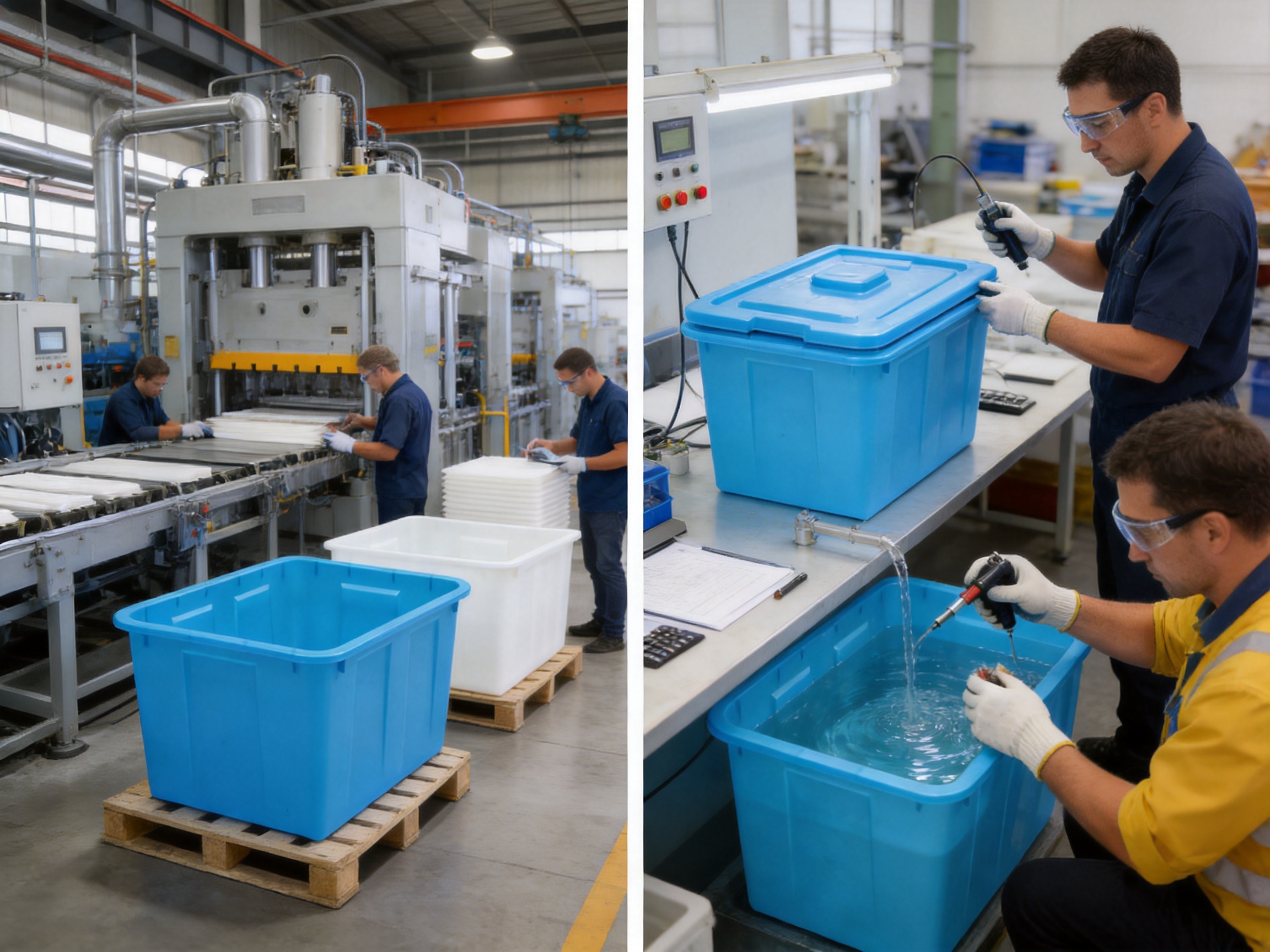
Efficient storage is essential in homes, commercial kitchens, workshops, warehouses, retail facilities, and many other working environments. Containers must do more than hold materials. They must protect contents, support safe handling, use available space effectively, and remain dependable through repeated cycles of loading, transport, stacking, cleaning, and storage. The 70L Food Grade HDPE Water Storage Tank with Optional Lid is designed around these practical requirements.
With a 70-liter capacity, external dimensions of 510×380×280mm, and a lightweight construction of approximately 1.1kg, this stackable plastic tank offers a balanced combination of capacity, durability, portability, and space efficiency. Its food-safe high-density polyethylene construction is suitable for storing water, liquids, food-related materials, tools, and other goods when used according to the applicable handling and hygiene requirements.
The tank is manufactured for users who need a robust and adaptable storage container rather than a single-purpose vessel. Its reinforced edges support manual handling, its leak-resistant body helps protect stored contents, and its stackable structure helps reduce the amount of floor and warehouse space required during use or return storage. An optional lid can provide additional protection from dust, debris, and accidental contamination.
This article examines the tank’s design, materials, capacity, handling characteristics, storage benefits, manufacturing strengths, quality-control approach, and potential advantages over ordinary plastic boxes, open containers, and less durable storage alternatives. It also explains how the product can contribute to more organized and efficient material-handling operations.
1. Product Overview
The product is identified as Model BG-70L-WT and belongs to the plastic water tank category. Its rectangular form is designed to use storage space efficiently, especially where containers must be arranged on shelves, pallets, warehouse floors, or transport platforms. Compared with round containers, a rectangular tank generally leaves fewer unused gaps when several units are positioned side by side.
The 70L capacity makes the tank suitable for medium-volume storage. It can hold a substantial quantity of water or other compatible liquids without becoming excessively difficult to move when empty. When filled, the total handling weight will depend on the density of the stored material. For water, users should remember that the contents alone may weigh approximately 70kg, so filled handling should be planned using appropriate equipment and safe lifting procedures.
The tank has the following principal specifications:
| Specification | Details |
|---|---|
| Model | BG-70L-WT |
| Product type | Stackable plastic water storage tank |
| Primary material | HDPE, or high-density polyethylene |
| External dimensions | 510×380×280mm |
| Internal dimensions | 470×344×275mm |
| Nominal capacity | 70L |
| Product weight | Approximately 1.1kg |
| Lid option | Available as an optional accessory |
| Design characteristics | Stackable, impact-resistant, reinforced edges, leak-resistant construction |
| Application areas | Homes, kitchens, workshops, warehouses, retail, logistics, and general storage |
The difference between external and internal dimensions reflects the wall thickness, edge reinforcement, structural features, and usable interior design. This balance allows the tank to retain strength without adding unnecessary weight.
2. Why HDPE Is Suitable for Storage Tanks
High-density polyethylene is widely used for storage containers because it offers a practical combination of toughness, chemical resistance, low moisture absorption, and relatively low weight. For a container that may be moved, stacked, cleaned, or exposed to changing temperatures, these characteristics are valuable.
HDPE has a strong molecular structure that helps it resist impact and everyday mechanical stress. A storage tank made from suitable HDPE can tolerate routine knocks, contact with warehouse equipment, and repeated handling better than many thin-walled or low-quality plastic containers. This is particularly important in busy environments where containers are not handled under laboratory conditions.
The material is also resistant to moisture. Unlike materials that absorb water or deteriorate quickly when exposed to damp conditions, HDPE provides a non-porous surface that is easier to clean and maintain. This makes it suitable for water storage and for many applications involving wet or washable goods.
Another important benefit is that HDPE does not rust. Metal containers may corrode when exposed to water, humidity, cleaning agents, or certain stored materials. The plastic construction of this tank avoids rust-related contamination, surface failure, and maintenance requirements associated with corroding metal.
The tank is described as food grade and food safe. This supports applications involving water and food-related storage, provided the stored substance, cleaning procedure, temperature, and operating conditions are compatible with the applicable food-contact requirements. Buyers handling regulated products should always confirm the relevant certification and compliance documentation for their market and intended use.
HDPE can also provide good resistance to normal temperature fluctuations. It is not immune to all heat, cold, ultraviolet exposure, or aggressive chemicals, so users should avoid conditions beyond the manufacturer’s recommendations. Nevertheless, for ordinary indoor and covered outdoor storage, its material profile makes it a strong alternative to fragile plastics and untreated materials.
3. Structural Design for Repeated Use
A storage container’s performance depends not only on the material but also on its geometry and structural details. The 70L tank is designed as a reusable unit rather than a disposable container. Its reinforced edges help improve rigidity around the upper perimeter and provide practical gripping areas for moving the empty or partially filled tank.
Reinforced edges can also help the tank retain its shape during stacking. When containers are placed one above another, loads are transferred through the upper and lower structural areas. A properly designed perimeter can reduce deformation and help keep the body stable under normal stacking conditions.
The impact-resistant construction is another major advantage. In real operating environments, a tank may be pushed across a floor, placed on a pallet, contacted by another container, or moved in and out of a storage area. A body designed to withstand these routine impacts is less likely to crack or become unusable after a single handling incident.
The rectangular tank profile supports predictable placement. It can be aligned in rows, grouped into storage zones, and organized according to material type, production batch, destination, or cleaning status. This orderly geometry is especially useful in facilities where floor space is limited or where visual inventory control is important.
The interior dimensions of approximately 470×344×275mm provide a broad internal area for filling and access. The shape can be useful for storing more than water, including compatible food ingredients, maintenance supplies, tools, packaging items, and small warehouse materials. Before using the tank for a particular substance, users should confirm chemical compatibility and hygiene requirements.
4. Capacity and Space Utilization
A 70-liter container occupies a useful middle position between small portable boxes and large industrial bulk tanks. Smaller containers may require many units to store the same total volume, increasing handling time and administrative complexity. Larger tanks may be difficult to move, clean, or position in confined areas. The 70L format provides a practical compromise for many daily operations.
For water-related use, the tank can support reserve water storage, cleaning operations, food-service support, process water handling, and other non-permanent storage needs. In a workshop or warehouse, it can hold tools, components, cleaning materials, or loose supplies. In retail and distribution environments, it can be used to organize goods awaiting replenishment, sorting, or dispatch.
The stackable structure helps maximize vertical space. When several empty tanks are stored together, the organization can reduce the footprint compared with storing them in random positions. This matters in warehouses where rental costs, aisle widths, and available floor area directly affect operating efficiency.
Stacking should always be performed on a stable, level surface and within the recommended load and height limits. The presence of a stackable design does not mean that unlimited stacking is safe. Operators should inspect containers for damage, ensure that loads are evenly distributed, and avoid placing heavy or unstable objects on top of the tank.
The optional lid can further support space organization. A covered tank can be used in storage areas where dust, airborne particles, moisture, or accidental contact must be reduced. A lid may also allow the container to be moved with less risk of the contents spilling or becoming exposed, provided the lid is properly fitted and the tank is handled appropriately.
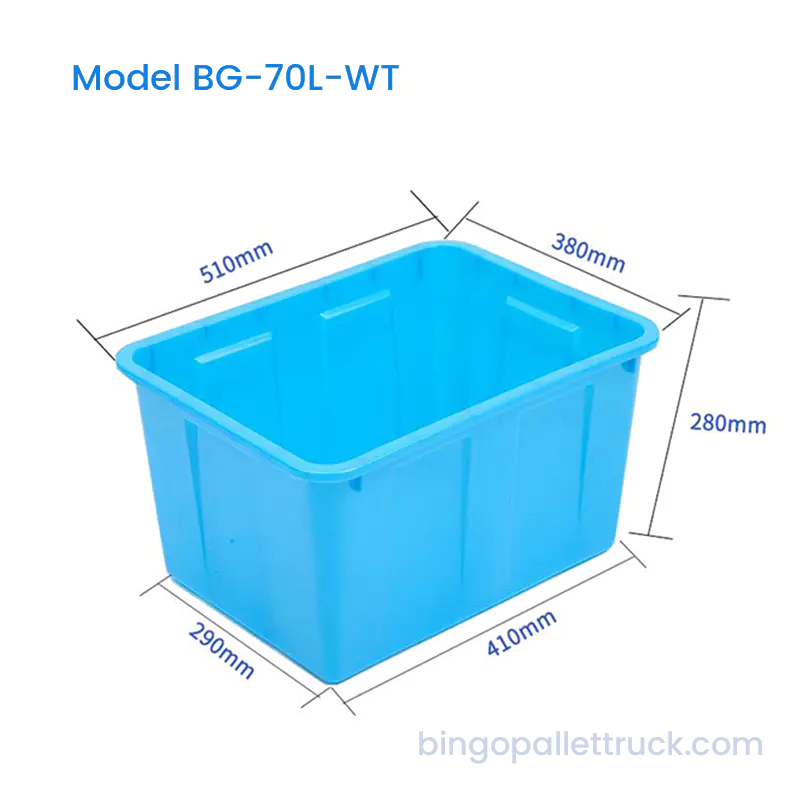
70L Food Grade HDPE Water Storage Tank with Optional Lid
5. Advantages Compared with Ordinary Plastic Containers
Many low-cost plastic boxes are designed for light-duty storage and may not be suitable for repeated industrial handling. They can have thin walls, weak corners, poor stacking stability, or lids that fail to remain secure. The 70L HDPE tank is designed with a more demanding operating profile in mind.
One advantage is the combination of useful capacity and low empty weight. At approximately 1.1kg, the empty tank is relatively easy to move manually. This can help reduce the effort required during cleaning, repositioning, and return storage. At the same time, the tank’s 70L capacity avoids the need to divide every task among numerous small containers.
A second advantage is durability. Thin household storage boxes may crack when dropped, overloaded, or exposed to temperature changes. The heavy-duty impact-resistant construction of this tank is intended to withstand repeated use and normal warehouse conditions more effectively.
A third advantage is stackability. Some ordinary containers have irregular shapes or weak lids that make vertical storage impractical. This tank’s design is intended to support organized stacking and better use of available storage height.
A fourth advantage is versatility. A single-purpose water container may be inefficient for businesses with changing requirements. This tank can be used for water, compatible liquids, food items, tools, and other supplies. That versatility allows users to standardize container sizes across multiple departments.
A fifth advantage is the optional lid. Users who need open access can operate the tank without a lid, while those requiring greater protection can purchase the compatible cover. This modular approach avoids forcing every user to pay for a configuration that may not be necessary for every application.
Compared with metal containers, the HDPE tank offers resistance to rust and a lower empty weight. Compared with fragile clear plastic containers, it can offer improved impact resistance and better suitability for demanding handling. Compared with disposable packaging, its reusable design may reduce recurring replacement and packaging waste when properly maintained.
6. Advantages Compared with Large Fixed Tanks
Large fixed tanks are useful when a facility requires permanent, high-volume storage, but they are not always practical for smaller operations or changing layouts. A fixed tank may require dedicated floor space, installation work, pipe connections, permanent access, and specialized cleaning procedures.
The 70L tank is more flexible. It can be deployed where needed, moved between work areas, and stored away when not in use. This is valuable for temporary operations, seasonal requirements, maintenance activities, emergency reserves, and facilities that frequently change their workflow.
Its comparatively compact dimensions allow it to pass through ordinary work areas and fit into spaces that cannot accommodate large vessels. Multiple tanks can also be assigned to different materials or departments, improving separation and traceability.
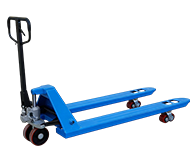
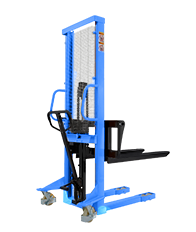
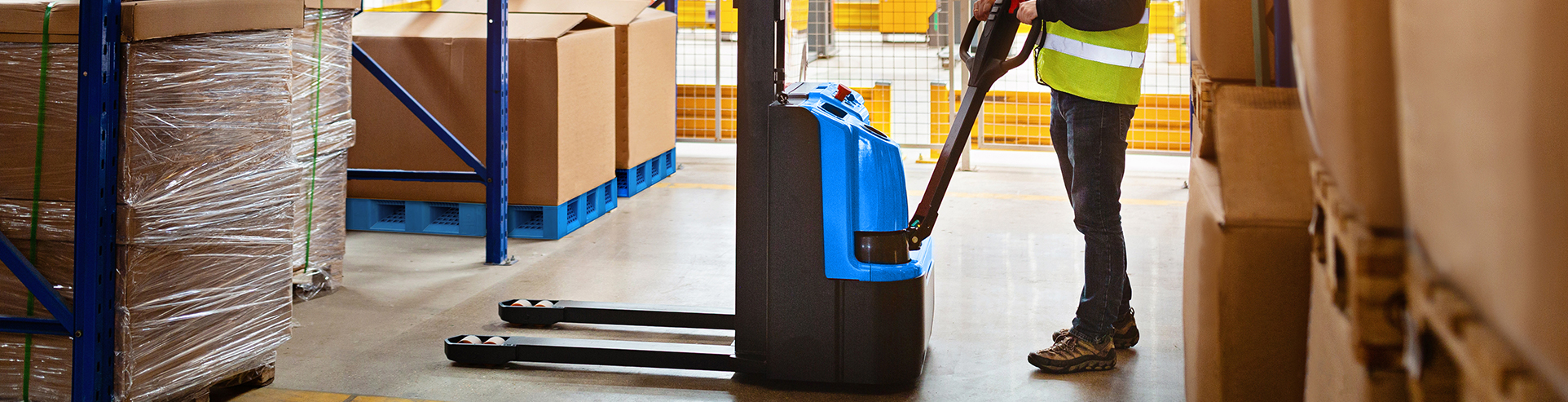
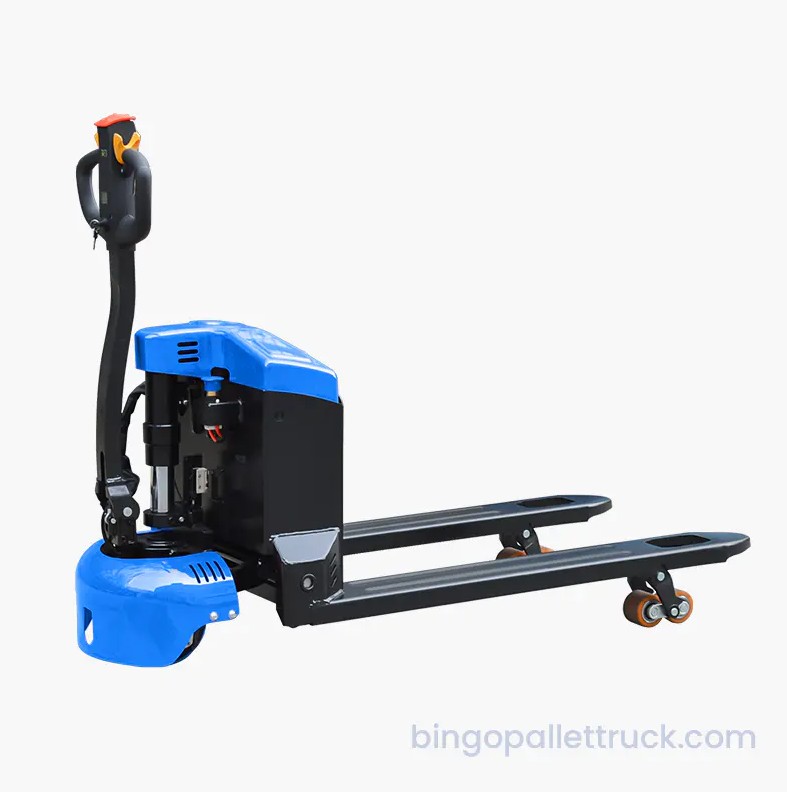
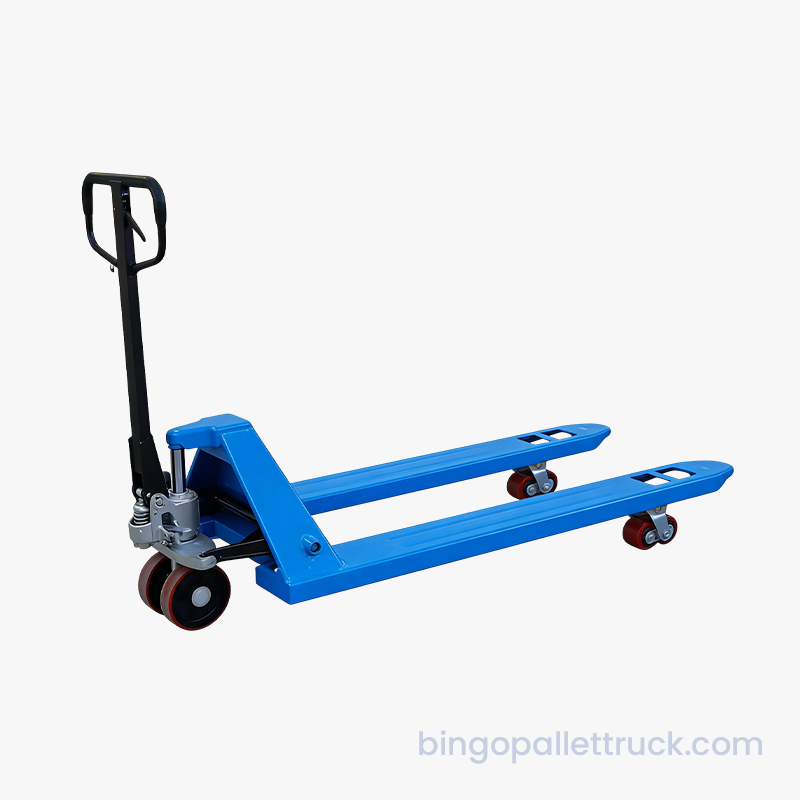
Portability does not eliminate the need for safe handling. A full tank is heavy, particularly when filled with water, and should be moved with suitable methods. In larger facilities, pallet trucks, carts, lifting aids, or other material-handling equipment may be appropriate. The company’s broader product range includes equipment intended to support warehouse movement and logistics operations.
7. Applications in Different Working Environments
7.1 Home and Utility Storage
In residential settings, the tank can provide organized storage for water, cleaning supplies, gardening materials, tools, and other compatible goods. Its stackable structure can help keep garages, utility rooms, storage sheds, and service areas orderly.
Household users should clean the tank before first use and after each application where hygiene is important. A tank used for water or food-related materials should not automatically be reassigned to chemicals, oils, or other substances without a thorough assessment of contamination and compatibility.
7.2 Commercial Kitchens and Food-Service Areas
Commercial kitchens require containers that are easy to clean, resistant to moisture, and suitable for organized storage. The food-grade HDPE body can support the handling of water and compatible food materials. The optional lid may help protect contents during temporary storage.
Kitchen operators should establish clear cleaning and sanitation procedures. Containers should be labeled according to their contents, kept off contaminated surfaces, and inspected for cracks, stains, odors, or other signs that could affect hygiene. Food-contact use should follow local regulations and the requirements of the facility’s food-safety system.
7.3 Workshops and Maintenance Areas
Workshops can use the tank to store hand tools, spare parts, cleaning materials, process supplies, and equipment accessories. Its broad opening and rectangular shape can make it easier to organize items than narrow or irregular containers.
When used for non-food applications, operators should consider chemical compatibility. Not every solvent, fuel, concentrate, or corrosive chemical is suitable for HDPE. The specific substance’s safety data sheet and the manufacturer’s compatibility guidance should be reviewed before use.
7.4 Warehouses and Distribution Centers
In warehouses, the tank can function as a reusable storage and transfer container. It may be assigned to inbound materials, returns, picking operations, maintenance supplies, or temporary staging. The standardized dimensions support consistent layout planning and easier visual management.
The container can also be integrated into broader material-handling systems. Empty units can be grouped, labeled, and transported using carts or pallet equipment. Filled units should be assessed according to weight, center of gravity, and the available handling method.
7.5 Retail and E-Commerce Operations
Retail businesses and e-commerce facilities often need flexible containers for stock organization, product replenishment, returns processing, and packing-area support. A durable reusable tank can reduce dependence on improvised cartons or weak temporary boxes.
Its use in a standardized container pool may help simplify employee training. Workers can learn consistent procedures for loading, stacking, labeling, cleaning, and returning the units to storage.
8. Manufacturing Process and Production Strengths
The product is supported by a manufacturing organization specializing in warehousing and logistics equipment. The company operates across handling equipment, storage containers, packaging materials, and warehouse racking. This broad product structure provides a useful understanding of how containers interact with pallet trucks, racks, pallets, packaging systems, and distribution workflows.
Manufacturing quality begins with material selection. The product specification identifies HDPE as the primary material. The supplied production information also refers to the use of virgin polymer material and strict control of raw-material sourcing. Because the product description specifically identifies HDPE, buyers should confirm the exact resin formulation, grade, color additive, and applicable food-contact documentation for each production batch or order.
Material control is important because resin quality affects impact strength, dimensional stability, surface finish, and long-term performance. Consistent raw materials help reduce variations between production lots and support more predictable results during forming and use.
The company emphasizes standardized production processes. Standardization can include controlled tooling, defined forming parameters, repeatable inspection procedures, consistent trimming, and documented packing operations. These practices help ensure that a container produced today has the same essential dimensions and structural characteristics as one produced in a later batch.
Quality control is described as covering every stage, from raw-material sourcing through production. This approach is stronger than relying only on a final visual inspection. Early-stage controls can identify material or process issues before they affect a large quantity of products, while final inspection helps confirm that finished tanks meet the required specifications.
Manufacturing control is particularly important for stackable containers. Small dimensional differences can affect how securely units fit together, how evenly loads are transferred, and how efficiently containers occupy warehouse space. Controlled dimensions therefore support both product quality and customer logistics performance.
The company also highlights in-stock availability and fast delivery. For distributors, wholesalers, and industrial buyers, availability can be as important as product design. A well-designed container that cannot be supplied when needed may create operational delays. Stock readiness can help customers replenish their container inventory, respond to seasonal demand, or launch a new storage program more quickly.
Multiple colors and full specifications are available. Color options can support operational identification. For example, different colors may be assigned to raw materials, finished goods, cleaning equipment, food-contact use, returns, or maintenance supplies. Color coding should be combined with labels and documented procedures rather than used as the only identification method.
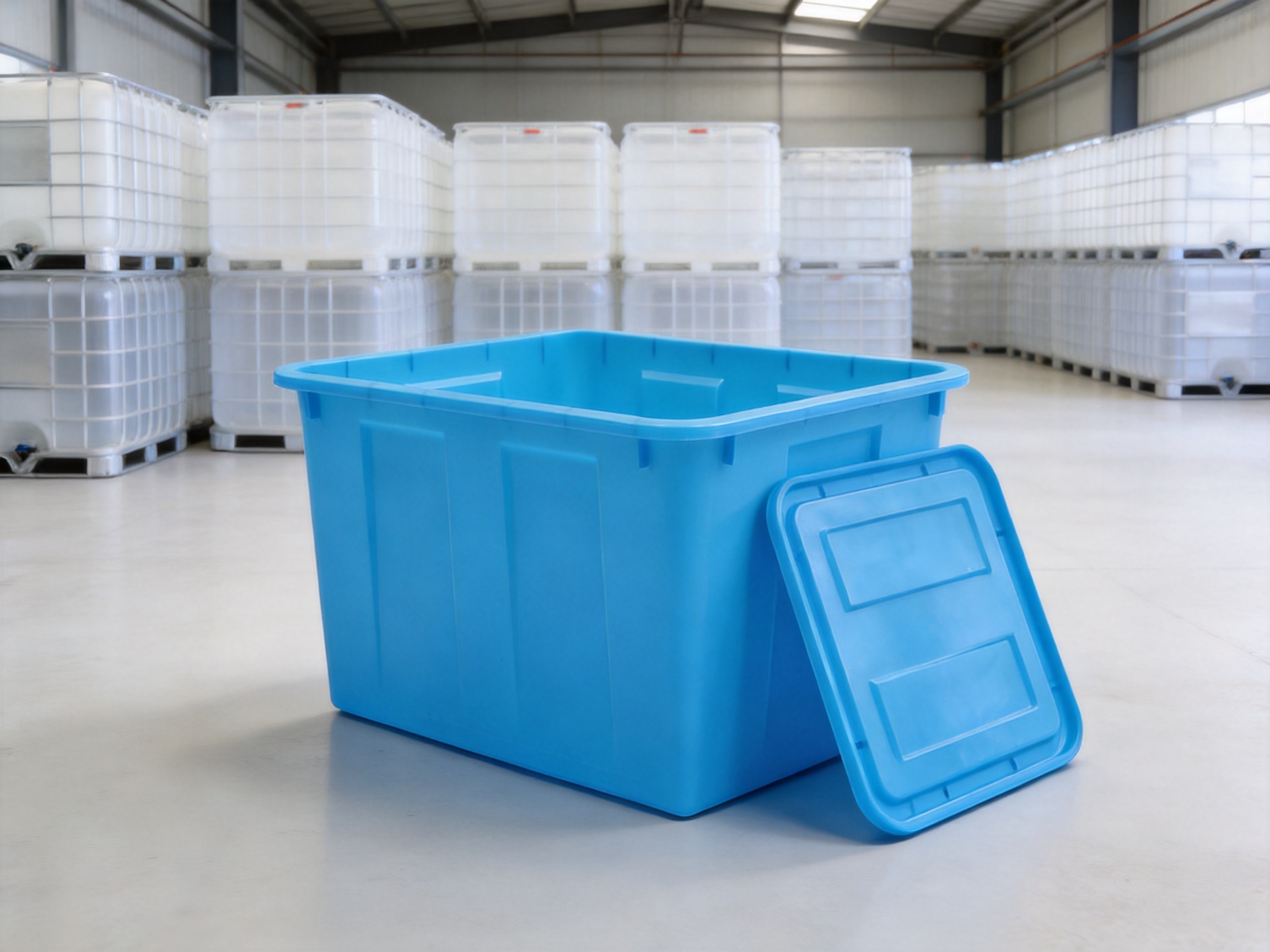
9. Quality-Control Practices
Quality control for a reusable storage tank should address appearance, dimensions, material condition, structural integrity, and functional performance. The manufacturer’s stated inspection approach provides a foundation for these requirements.
9.1 Raw-Material Inspection
Raw materials should be checked for consistency, contamination, and suitability for the intended production process. For a food-related product, the material documentation should identify the resin grade and confirm its intended use. Colorants and additives should also be suitable for the required application.
9.2 Dimensional Inspection
External and internal dimensions should be measured against the product specification. Accurate dimensions help confirm capacity, stacking compatibility, and efficient use of storage space. Dimensional checks can also identify deformation caused by process variation.
9.3 Visual Inspection
Finished tanks should be checked for cracks, holes, excessive flash, sharp edges, warping, incomplete forming, discoloration, and other visible defects. The reinforced edges and body surfaces should be continuous and free from conditions that could interfere with handling or cleaning.
9.4 Leak and Integrity Checks
For water-storage applications, the tank should be evaluated for leak resistance under appropriate test conditions. The precise method may depend on the production process and intended use. Users should inspect each unit before filling, especially after long-term storage or rough transportation.
9.5 Packaging and Shipment Inspection
Proper packaging helps prevent damage before the product reaches the customer. Containers should be protected against crushing, abrasion, contamination, and unnecessary exposure during transport. Shipment checks should verify model, quantity, color, optional accessories, and destination information.
These inspection stages are important because a storage container is part of an operating system. A failure can lead to water loss, product contamination, cleanup costs, workflow interruption, or damage to nearby goods. Preventive quality management therefore provides value beyond the purchase price of the tank itself.
10. Leak Resistance, Hygiene, and Maintenance
The tank is designed with a leak-resistant construction, which is essential for liquid storage. Leak resistance helps protect the surrounding floor, shelving, pallets, and nearby products. It also reduces the risk of slipping hazards and unnecessary cleaning work.
Leak resistance should not be confused with unlimited pressure resistance. The tank is intended for storage and handling under normal conditions, not for pressurized service. Users should not connect it to pressurized systems or modify it with unapproved fittings without confirming suitability.
Cleaning procedures should be based on the stored material. For water and food-related use, the tank should be emptied, rinsed, washed with a suitable cleaning agent, and dried according to the facility’s sanitation requirements. Abrasive tools that heavily scratch the surface should be avoided because deep scratches can make cleaning more difficult.
Different applications should use dedicated tanks whenever possible. A container used for food or drinking water should not be used for industrial chemicals, lubricants, or waste. Color coding, labels, and designated storage zones can help prevent cross-use.
Although HDPE is resistant to moisture and many common conditions, prolonged exposure to direct sunlight, extreme heat, freezing conditions, or aggressive chemicals may reduce service life. Covered storage is recommended when the tank is not specifically rated for outdoor exposure.
The optional lid can reduce exposure to dust and debris, but it should not be treated as a substitute for sanitation or proper sealing unless the lid and tank are specifically certified for airtight or liquid-tight service. Users should ensure that the lid is correctly positioned and compatible with the tank model.
11. Safe Handling and Stacking Guidelines
Safe use begins with recognizing the difference between empty and filled weight. The tank itself weighs approximately 1.1kg, but a full tank of water can be substantially heavier. Operators should avoid manual lifting when the filled unit exceeds safe workplace limits.
When moving a filled tank, use a stable cart, pallet, pallet truck, or other suitable handling method. Keep the load upright, avoid sudden acceleration, and ensure that the travel path is clear. Do not drag the tank over sharp surfaces or use equipment that could puncture or crush its body.
For stacking, use a flat and stable floor. Check that each container is correctly aligned and that the stack is not leaning. Do not stack damaged tanks or place unstable loads on top. The maximum safe stack height depends on the tank design, load condition, environmental factors, and the customer’s operating procedures.
Warehouse personnel should establish inspection intervals. Containers that show cracking, severe deformation, excessive wear, or compromised edges should be removed from service. A simple inspection program can prevent a minor defect from becoming a spill or handling incident.
Labels should identify the contents, date of filling, responsible department, and any relevant hazard or hygiene information. This is particularly important when the same tank model is used for both food-related and industrial applications.
12. Sustainability and Reusability
A reusable storage tank can support waste reduction by replacing single-use cartons, bags, and disposable containers in suitable applications. Its durable construction is intended to provide repeated service, which may reduce the number of replacements needed over time.
Reusable products also support more consistent logistics. A standardized container can circulate between storage, production, picking, and transport operations instead of being discarded after a single movement. This may reduce packaging consumption and improve workplace organization.
At the end of its service life, HDPE may be recoverable through appropriate recycling systems, depending on local facilities, contamination status, additives, and regulations. Recycling decisions should follow local waste-management rules. Containers that have held hazardous materials may require special treatment and should not enter ordinary recycling streams without authorization.
Sustainability performance depends on actual use. A reusable container creates the greatest benefit when it is cleaned correctly, returned to service, repaired where appropriate, and used for many cycles. Proper handling is therefore part of the environmental value of the product.
13. Purchasing Considerations for Business Buyers
Business buyers should evaluate more than nominal capacity. The correct purchasing decision should consider material, dimensions, lid requirements, color, order quantity, delivery schedule, intended contents, cleaning practices, and compatibility with existing handling equipment.
For food-related use, request relevant documentation concerning the HDPE grade and food-contact suitability. Buyers should also ask whether the optional lid is made from a compatible material and whether it provides the desired level of protection.
For warehouse use, confirm that the external dimensions fit available racks, pallets, shelves, doorways, carts, and transport vehicles. A container that fits the facility’s layout can deliver more value than one with a slightly larger capacity but poor space compatibility.
For repeated stacking, request guidance on recommended stack heights and load conditions. Stacking performance may differ between empty and filled units, and it may also vary depending on temperature and floor conditions.
For large orders, color customization and stock availability may influence the purchasing plan. Multiple colors can support internal organization, while in-stock products can reduce lead times. Buyers should verify the exact production specifications before placing a repeat order, particularly if the containers will be used in a regulated environment.
14. Why Choose an Integrated Logistics Equipment Supplier
A supplier that produces only one type of container may not fully understand the broader challenges of warehouse operations. An integrated logistics equipment manufacturer can evaluate storage containers alongside pallet trucks, stackers, pallets, packaging materials, and racking systems.
This broader perspective can support more coherent purchasing. For example, a customer may need containers that fit a pallet footprint, move safely with a pallet truck, remain stable on warehouse racks, and work with a packaging workflow. An integrated supplier is better positioned to discuss these relationships.
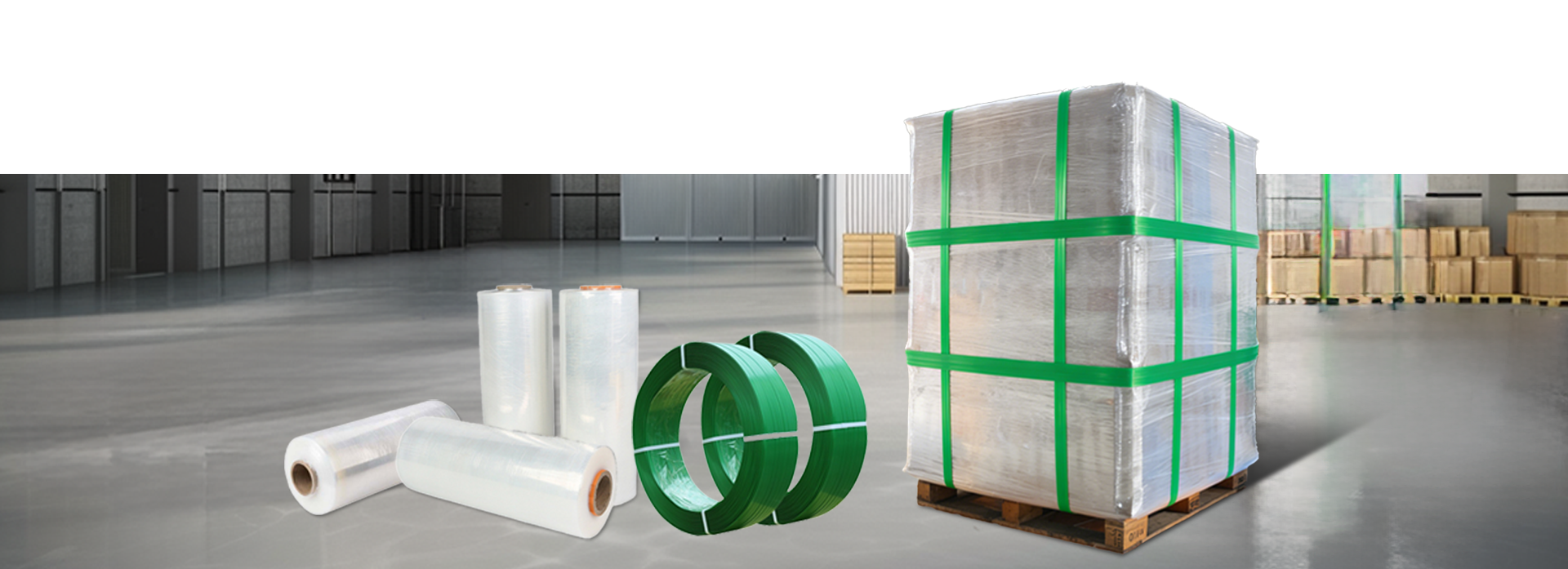
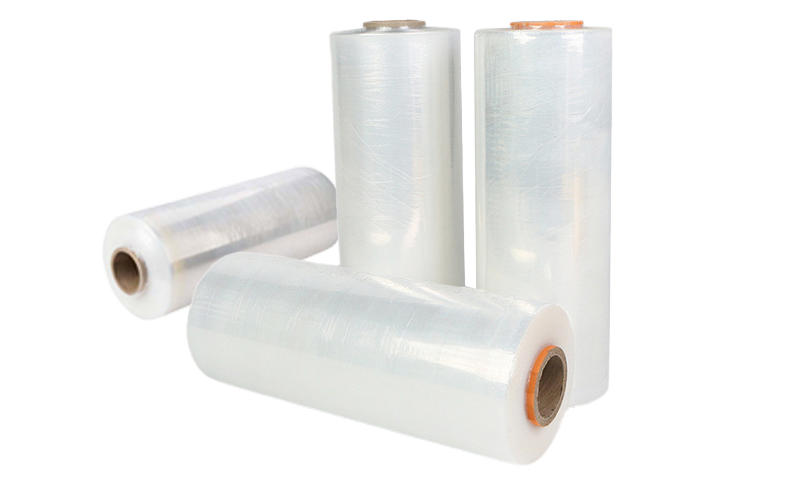
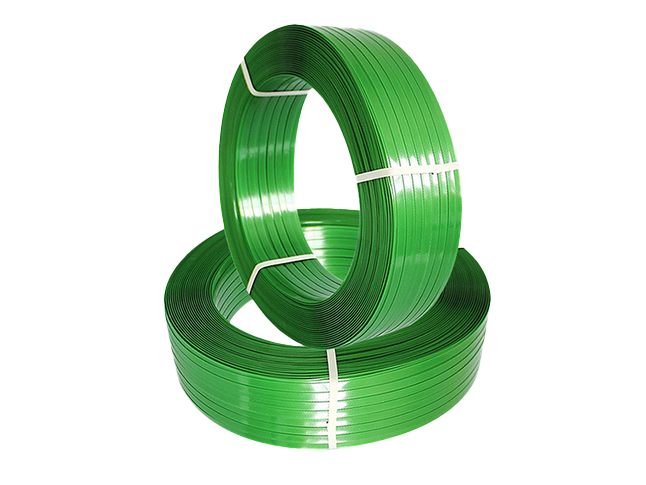
The company behind this product focuses on four core systems: handling equipment, storage containers, packaging materials, and warehouse racking. Its product range includes manual and electric pallet trucks, stackers, plastic pallets, crates, bulk containers, stretch wrap, packing strapping, and warehouse racks.
This product breadth supports one-stop sourcing for customers developing or upgrading a logistics operation. It may also simplify communication, order coordination, documentation, and after-sales support by reducing the number of separate suppliers involved.
The company’s stated quality philosophy emphasizes quality-first and win-win cooperation. Its manufacturing and supply-chain approach is intended to provide cost-effective solutions for manufacturing, e-commerce logistics, warehousing, distribution, and supermarket retail.
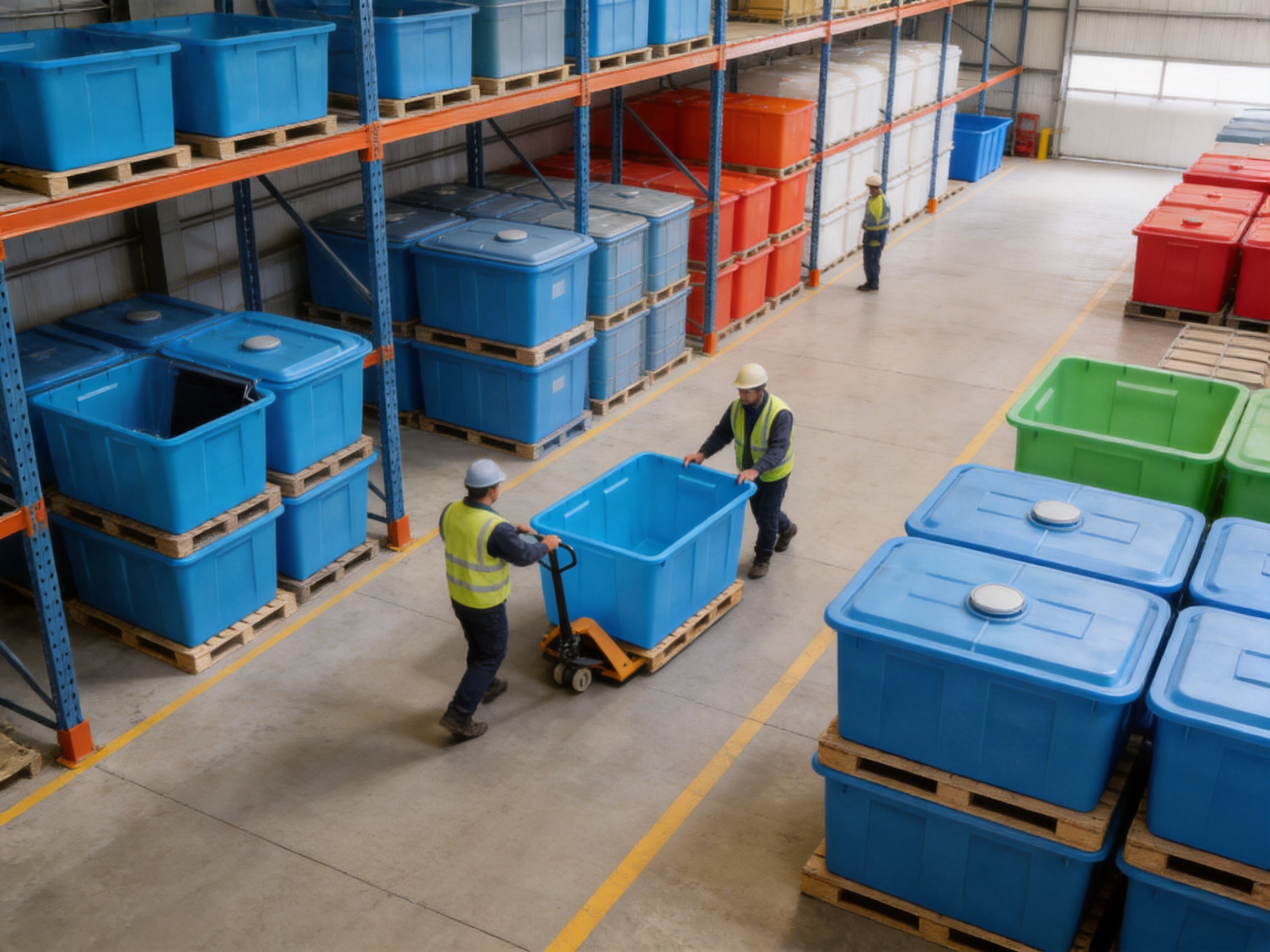
15. Operational Benefits for Different Customer Groups
15.1 Manufacturing Companies
Manufacturers can use the tank to organize components, tools, work-in-process materials, cleaning supplies, or production support items. Standardized containers can help reduce clutter around workstations and make material movement more predictable.
Color coding may support production-line separation, while labels can identify part numbers, batches, inspection status, or destination. The reusable design may also reduce dependence on disposable packaging between production stages.
15.2 E-Commerce and Fulfillment Centers
Fulfillment operations require quick movement and clear organization. The tank can support returns, replenishment stock, packing-area supplies, or temporary sorting. Its rectangular footprint helps create orderly zones and makes better use of available floor space.
Because the product is lightweight when empty, employees can reposition unused units efficiently. Filled units, however, should be moved using suitable equipment and should not be overloaded.
15.3 Warehousing and Distribution
Distribution facilities can use the tank as a reusable transfer or storage unit. Its optional lid can provide extra protection while goods are waiting for dispatch or movement between departments.
The ability to order multiple colors and maintain standardized specifications may help large facilities create consistent container-management systems across different locations.
15.4 Supermarket and Retail Operations
Retail stores can use the tank in stockrooms, maintenance areas, cleaning operations, and back-of-house logistics. Its stackable construction can help maximize compact storage areas where floor space is limited.
15.5 Contractors and Service Providers
Service companies often transport tools and supplies between job sites. The tank can provide a reusable organizing unit for compatible equipment and materials. Its impact-resistant construction is helpful where containers may experience frequent loading and unloading.
16. Comparison of Common Storage Options
| Storage Option | Typical Strength | Common Limitation | Potential Advantage of the 70L HDPE Tank |
|---|---|---|---|
| Cardboard carton | Low initial cost and easy availability | Weak against moisture and repeated handling | Reusable, washable, and moisture resistant |
| Thin household plastic box | Lightweight and convenient | May have limited stacking and impact strength | Heavy-duty structure and reinforced edges |
| Metal container | Strong and rigid | Heavier and may corrode | Lower empty weight and rust-free construction |
| Large fixed tank | High-volume permanent storage | Limited mobility and requires dedicated space | Portable, flexible, and suitable for distributed storage |
| Disposable liquid container | Convenient for one-time transport | Generates recurring packaging waste | Designed for repeated use and organized handling |
| Open tub | Quick access to contents | Limited protection from dust and spills | Optional lid and more structured storage design |
This comparison does not mean that one container is suitable for every application. Instead, it shows why the 70L tank can be valuable when customers need reusable, stackable, washable, and moderately high-capacity storage.
17. Best Practices for Extending Service Life
To maximize service life, users should avoid dropping the tank from significant heights, dragging it across sharp surfaces, overloading it, or exposing it to incompatible chemicals. Proper handling protects both the tank and the materials stored inside it.
Containers should be cleaned at suitable intervals and dried before long-term storage. Storing wet containers in enclosed areas may create unwanted odor or biological growth, even when the plastic itself is moisture resistant.
Use the tank only within its intended temperature range. Do not place it directly beside high-temperature equipment or fill it with liquids that exceed the recommended temperature. Sudden temperature changes can affect plastic dimensions and handling characteristics.
Inspect the optional lid, edges, and body after transport. A lid that no longer fits correctly may not provide the intended protection. Damaged components should be replaced or removed from service as appropriate.
Maintain a simple asset record for large container fleets. Recording purchase dates, locations, assigned departments, and inspection results can improve accountability and help identify recurring handling problems.
18. Frequently Asked Questions
Q1: What is the capacity of the tank?
The nominal capacity is 70 liters. The actual usable filling level may depend on the stored material, required free space, lid design, and safe handling procedures.
Q2: What material is the tank made from?
The product specification identifies high-density polyethylene, or HDPE, as the primary material. Buyers requiring regulated food-contact use should request the applicable material and compliance documentation.
Q3: Can the tank store drinking water?
The product is described as food grade and suitable for water storage. However, drinking-water use should follow local regulations, sanitation procedures, and confirmation that the specific tank and optional lid meet the required contact standards.
Q4: Is a lid included?
The lid is optional. Customers should specify whether they require the tank with or without the compatible lid when requesting a quotation or placing an order.
Q5: Is the tank leakproof?
The tank is designed with a leak-resistant construction. It is intended for normal storage and handling, not pressurized service. Inspect the body and lid before use and do not exceed the recommended operating conditions.
Q6: Can the tank be stacked?
Yes. The tank is designed to be stackable. Stacking should be carried out on a stable, level surface and within the manufacturer’s recommended height and load limits.
Q7: How much does an empty tank weigh?
The listed empty weight is approximately 1.1kg. A filled tank will be much heavier, particularly when filled with water, so suitable handling equipment may be required.
Q8: What are the external dimensions?
The external dimensions are approximately 510×380×280mm. The internal dimensions are approximately 470×344×275mm.
Q9: What can be stored in the tank?
Suggested uses include water, compatible liquids, food-related materials, tools, and warehouse supplies. Chemical compatibility and hygiene requirements must be checked before storing substances other than water.
Q10: Is the tank suitable for outdoor use?
It may be suitable for temporary or covered outdoor use, but long-term exposure to direct sunlight, extreme temperatures, and severe weather can affect plastic products. Covered storage is recommended unless the specific model is confirmed for prolonged outdoor exposure.
Q11: Can different colors be ordered?
The product information indicates that multiple colors are available. Color options, minimum order quantities, and production schedules should be confirmed for each order.
Q12: How is quality controlled?
The manufacturer describes quality control from raw-material sourcing through production, with standardized processes and inspections at multiple stages. Buyers can request product specifications and relevant quality documentation for their application.
Q13: Is the product available from stock?
The supplied information states that products are in stock and ready to ship. Availability may vary by model, color, quantity, and destination, so current inventory should be confirmed before ordering.
Q14: Can the tank be used for chemicals?
Only compatible chemicals should be stored in HDPE containers. The substance’s safety data sheet and the manufacturer’s compatibility guidance should be reviewed before use. Do not assume that all chemicals are suitable.
Q15: What industries can benefit from this product?
Potential users include households, commercial kitchens, manufacturers, warehouses, distribution centers, e-commerce businesses, retailers, workshops, maintenance departments, and logistics service providers.
19. Recommended Implementation Plan
Organizations introducing the tank into their operations should begin by identifying the materials and workflows that will use it. Determine whether the primary purpose is water storage, food-related handling, tool organization, production support, or warehouse transfer.
Next, select the required configuration. Consider capacity, lid requirement, color, labeling, quantity, and compatibility with pallets, carts, racks, and transport vehicles.
Establish handling rules before deployment. These should cover filling levels, maximum stacking height, movement of full tanks, inspection frequency, cleaning procedures, and the process for removing damaged units.
Finally, monitor the results. Measure whether the tanks reduce clutter, improve space utilization, decrease packaging consumption, simplify cleaning, or reduce handling time. The product provides the greatest value when integrated into a documented storage system rather than used as an isolated purchase.
20. Conclusion
The 70L Food Grade HDPE Water Storage Tank with Optional Lid is designed to meet the practical demands of reusable storage and material handling. Its 70-liter capacity offers useful volume without the size and immobility of a large fixed tank. Its lightweight empty construction supports easier repositioning, while its impact-resistant HDPE body is intended for repeated use in demanding environments.
Reinforced edges, a stackable rectangular profile, leak-resistant construction, and an optional lid provide a combination of protection, organization, and flexibility. These features help distinguish the product from ordinary thin plastic boxes, disposable containers, open tubs, and corrosion-prone metal alternatives.
The tank is suitable for a wide range of applications, including water storage, commercial kitchens, workshops, warehouses, retail operations, manufacturing environments, and e-commerce facilities. Proper material compatibility, hygiene, stacking, and handling procedures remain essential for safe and effective use.
The manufacturer strengthens the product offering through standardized processes, controlled material sourcing, quality inspections at multiple stages, multiple color options, stock availability, and a broader portfolio of logistics equipment. Its integrated focus on handling equipment, storage containers, packaging materials, and warehouse racking enables customers to develop more coordinated storage and material-handling solutions.
For organizations seeking a durable, space-efficient, and versatile reusable container, this 70L HDPE tank offers a practical foundation for better storage discipline and improved operational efficiency.
References
1. Product specification for Model BG-70L-WT, including dimensions, capacity, material, weight, and optional-lid information.
2. Manufacturer-provided product description for the 70L stackable plastic water storage tank.
3. Manufacturer-provided information regarding raw-material sourcing, standardized production processes, inspections, inventory availability, and product customization.
4. General principles of high-density polyethylene container design, impact resistance, moisture resistance, and reusable material handling.
5. General warehouse safety practices for stacking, manual handling, pallet movement, container inspection, and storage organization.
6. General food-contact and hygiene principles for reusable plastic containers used with water and food-related materials.
7. General guidance on reusable packaging systems, container maintenance, material compatibility, and responsible end-of-life recycling.
Product: 70L Food Grade HDPE Water Storage Tank with Optional Lid


Copyright @ Yancheng Bingo Machinery Equipment Co., Ltd. All rights reserved Warehouse Logistics Equipment Manufacturer Pallet Truck Supplier
