 en
 Español

23L HDPE Stackable Plastic Tote Box for Efficient Fruit, Vegetable, and Warehouse Transport
Content
- 1 Product Overview
- 2 Why HDPE Is Suitable for Reusable Logistics Containers
- 3 Design Advantages Over Conventional Packaging
- 4 Applications in Fruit and Vegetable Transport
- 5 Applications in Warehousing and Manufacturing
- 6 Manufacturing Process and Quality Strengths
- 7 Advantages Compared with Competing Container Options
- 8 Operational and Cost Benefits
- 9 Warehouse Integration
- 10 Transport and Empty-Container Management
- 11 Handling, Cleaning, and Maintenance Recommendations
- 12 Purchasing and Customization Considerations
- 13 Supplier Capabilities and One-Stop Logistics Support
- 14 Quality Management and Customer Confidence
- 15 Environmental and Circular-Use Considerations
- 16 Recommended Implementation Plan
- 17 Frequently Asked Questions
- 17.1 What is the capacity of the BG-634311-ST tote?
- 17.2 What material is the tote made from?
- 17.3 What are the external dimensions?
- 17.4 Can the tote be stacked?
- 17.5 Is the tote suitable for fruit and vegetables?
- 17.6 Can it be used for industrial parts?
- 17.7 Are different colors available?
- 17.8 Can the tote be customized?
- 17.9 What is the empty weight?
- 17.10 How should the tote be cleaned?
- 17.11 Can the tote be used in automated warehouse systems?
- 17.12 Is the tote available from stock?
- 17.13 What should buyers confirm before ordering?
- 18 Conclusion
- 19 References
- 20 Product: 23L HDPE Stackable Plastic Tote Box for Fruit and Vegetable Transport
Modern supply chains depend on storage containers that can protect products, simplify handling, and make efficient use of warehouse and vehicle space. A well-designed tote box is more than a basic container: it is a reusable logistics asset that can influence labor requirements, product protection, storage density, transport efficiency, and total operating cost. The 23L HDPE Stackable Plastic Tote Box, model BG-634311-ST, has been developed for businesses that need a durable and practical container for fruit and vegetable transport, parts storage, inventory management, distribution, and general warehouse operations.
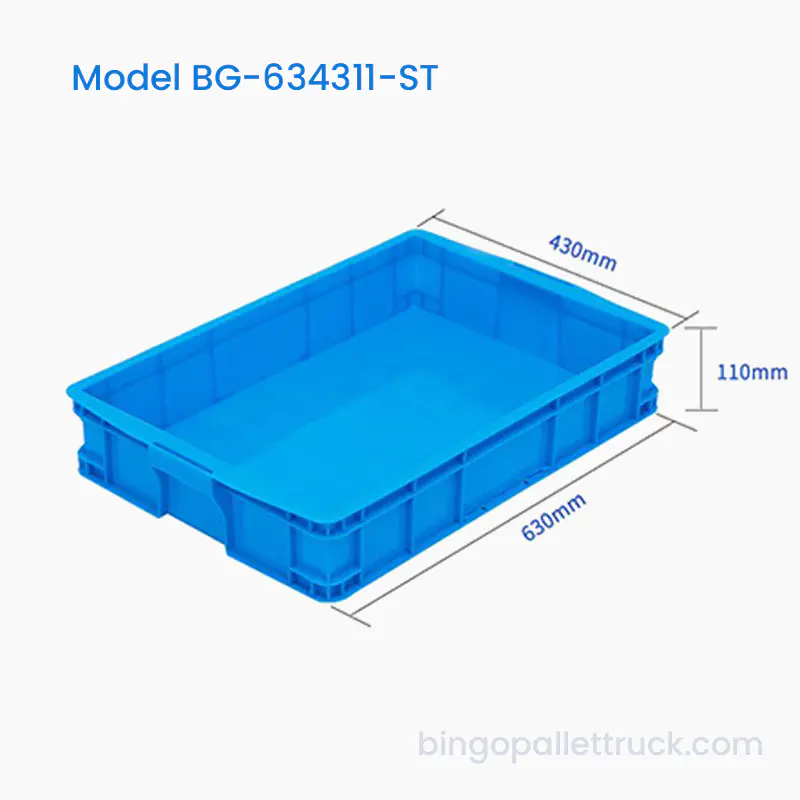
With external dimensions of 630×430×110mm, internal dimensions of 575×390×105mm, and a weight of 1.45kg, this tote provides a useful balance between capacity and easy handling. Its 23L volume is suitable for many applications where products need to be arranged in a shallow, stable container rather than placed in a deep bin. The stackable design supports organized storage and transportation, while the HDPE construction is intended to withstand repeated handling in demanding commercial environments.
The product is supplied by Yancheng Bingo Machinery Equipment Co., Ltd., a company focused on warehousing, logistics, material handling, storage containers, packaging materials, and warehouse racking. Its broader product range enables customers to source coordinated solutions for material movement and storage from one supplier. This article examines the design, performance advantages, manufacturing strengths, application value, and purchasing considerations of the BG-634311-ST tote box.
Product Overview
The BG-634311-ST is a stackable plastic tote box designed for reusable logistics operations. Unlike single-use cardboard cartons or low-strength disposable packaging, a reusable plastic tote can circulate through multiple stages of a supply chain. It can be loaded at a production facility, transferred to a warehouse, delivered to a customer or retail location, emptied, returned, and used again.
The box is manufactured from high-density polyethylene, commonly known as HDPE. This material is widely used for industrial containers because it offers a practical combination of strength, impact resistance, chemical resistance, low moisture absorption, and relatively low weight. For warehouse operators, these characteristics can help reduce container replacement frequency and maintain consistent handling performance over time.
The 23L capacity makes the tote appropriate for a wide range of medium-volume storage and distribution tasks. It can hold selected fruit and vegetables, packaged food products where suitable, components, tools, small inventory items, retail supplies, and other goods that benefit from organized separation. The 110mm external height gives the container a low-profile format, which is valuable for sorting, presentation, order picking, and transport of goods that do not require a deep container.
The tote is designed for stacking. When filled, multiple containers can be arranged vertically to use available warehouse and vehicle height. When empty, stackable containers can be nested or closely arranged according to the specific design and loading method used by the operator. This reduces the floor area required for return logistics and empty-container storage.
Key Technical Specifications
| Specification | Details |
|---|---|
| Product type | Stackable plastic tote box |
| Model | BG-634311-ST |
| Material | HDPE |
| External dimensions | 630×430×110mm |
| Internal dimensions | 575×390×105mm |
| Weight | 1.45kg |
| Capacity | 23L |
| Stacking capability | Designed for stacking up to 10 or more layers, subject to load, floor, and operating conditions |
| Color options | Multiple colors available |
| Supply status | In stock and available for fast delivery, subject to order confirmation |
Dimensions, load limits, food-contact suitability, temperature resistance, and cleaning requirements should be confirmed with the supplier for each intended application. These details can vary according to material formulation, production batch, operating environment, and customer requirements.
23L HDPE Stackable Plastic Tote Box for Fruit and Vegetable Transport
Why HDPE Is Suitable for Reusable Logistics Containers
Material selection is one of the most important factors in the service life of a plastic tote. HDPE is a strong choice for logistics containers because it is engineered to handle repeated movement, stacking, loading, and unloading. In a warehouse, containers can experience contact with pallets, conveyor systems, forklifts, hand trucks, shelving, loading bays, and other containers. A suitable plastic material helps the box retain its structure through these routine impacts.
HDPE also provides resistance to moisture. This is particularly valuable for fruit and vegetable transport, where condensation, washing processes, cold storage, and exposure to damp surfaces may occur. The material does not absorb water in the same way that paper-based packaging can. As a result, the container is less likely to lose structural integrity simply because it has been exposed to a humid environment.
The material is also relatively easy to clean when the container is used in an appropriate application. Smooth plastic surfaces can help operators remove dust, soil, packaging residue, and other contaminants. Cleaning procedures should be determined by the goods transported and the applicable hygiene requirements. Where the container is used for direct food contact, the customer should confirm that the specific grade, production process, and cleaning method meet the relevant local regulations.
Another advantage is consistent shape. A cardboard carton may soften, deform, or collapse after repeated exposure to moisture or compression. A properly designed HDPE tote is more likely to preserve its dimensions during normal handling. This consistency is important for stable stacking and for automated or semi-automated warehouse systems that depend on predictable container geometry.
HDPE can also support long-term reuse. The environmental and financial benefits of reusable packaging depend on correct handling, cleaning, repair, return logistics, and end-of-life recycling. When a tote completes many delivery cycles, the material and manufacturing impact can be distributed across more uses than a single-use package.
Design Advantages Over Conventional Packaging
Reusable Construction
One of the main advantages of a reusable plastic tote is its ability to replace repeated purchases of disposable cartons, weak plastic bags, or temporary bins. Businesses that move products frequently can establish a closed-loop container system in which totes circulate between suppliers, warehouses, distribution centers, stores, and production areas.
Reusable handling equipment can create more predictable operating conditions. Employees work with containers of the same general size and shape, storage locations can be standardized, and loading procedures can become easier to train. Over time, these small improvements can contribute to lower handling variation and better inventory organization.
Improved Stack Stability
Secure stacking is important because unstable loads create product damage, wasted space, and safety risks. The BG-634311-ST is designed as a stackable tote rather than a loose open bin. Its standardized external footprint and low profile make it easier to arrange in regular layers. When the containers are correctly loaded and placed on a stable surface, operators can make better use of vertical space.
The listed stacking capability of 10 or more layers provides a useful reference for high-density storage. Actual stacking performance depends on several factors, including the weight and distribution of contents, temperature, floor flatness, handling method, rack design, and the condition of the containers. Operators should validate the maximum safe height in their own environment rather than applying a general stacking number to every application.
Efficient Use of Space
Warehouse space is expensive. A container that uses space efficiently can help businesses improve storage density without immediately expanding their buildings. The tote’s 630×430mm external footprint is suitable for organized floor layouts, pallet patterns, shelving systems, and transport planning.
The 110mm height is particularly useful for low-profile inventory. Instead of placing small items in oversized cartons, businesses can divide stock into shallow containers that are easier to inspect and retrieve. This can reduce searching time and improve visual control over inventory. For fresh produce, the shallow format may also help prevent excessive layering of delicate goods, depending on the product type and loading method.
Consistent Handling
A reusable tote can improve handling consistency across multiple workstations. Employees can use the same type of container for receiving, sorting, picking, replenishment, and dispatch. Consistent container dimensions can also support barcode labeling, visual identification, conveyor movement, and standardized workstation design.
The relatively moderate weight of 1.45kg allows the empty container to be moved without the burden associated with heavier industrial bins. This can be helpful when workers repeatedly lift, carry, or reposition empty totes. The filled weight must be evaluated separately, since total handling weight depends on the product and loading density.
Protection During Transport
Products can be damaged when they shift inside a vehicle or when packaging collapses under compression. A rigid tote provides a defined enclosure that can help separate goods from adjacent loads. Proper stacking can reduce lateral movement and help maintain order during road transportation.
For fruit and vegetables, the container can support sorting by variety, grade, batch, destination, or harvest date. For industrial parts, it can prevent small components from spreading across a pallet or vehicle floor. For retail and e-commerce operations, it can separate orders or product categories, reducing picking errors and improving dispatch organization.
Applications in Fruit and Vegetable Transport
Fresh produce logistics requires containers that can tolerate frequent movement, variable temperatures, moisture, and repeated handling. The 23L tote can be used for selected fruits and vegetables that fit within its internal dimensions and that do not require a deeper container. Its low-profile structure can support sorting and controlled layering.
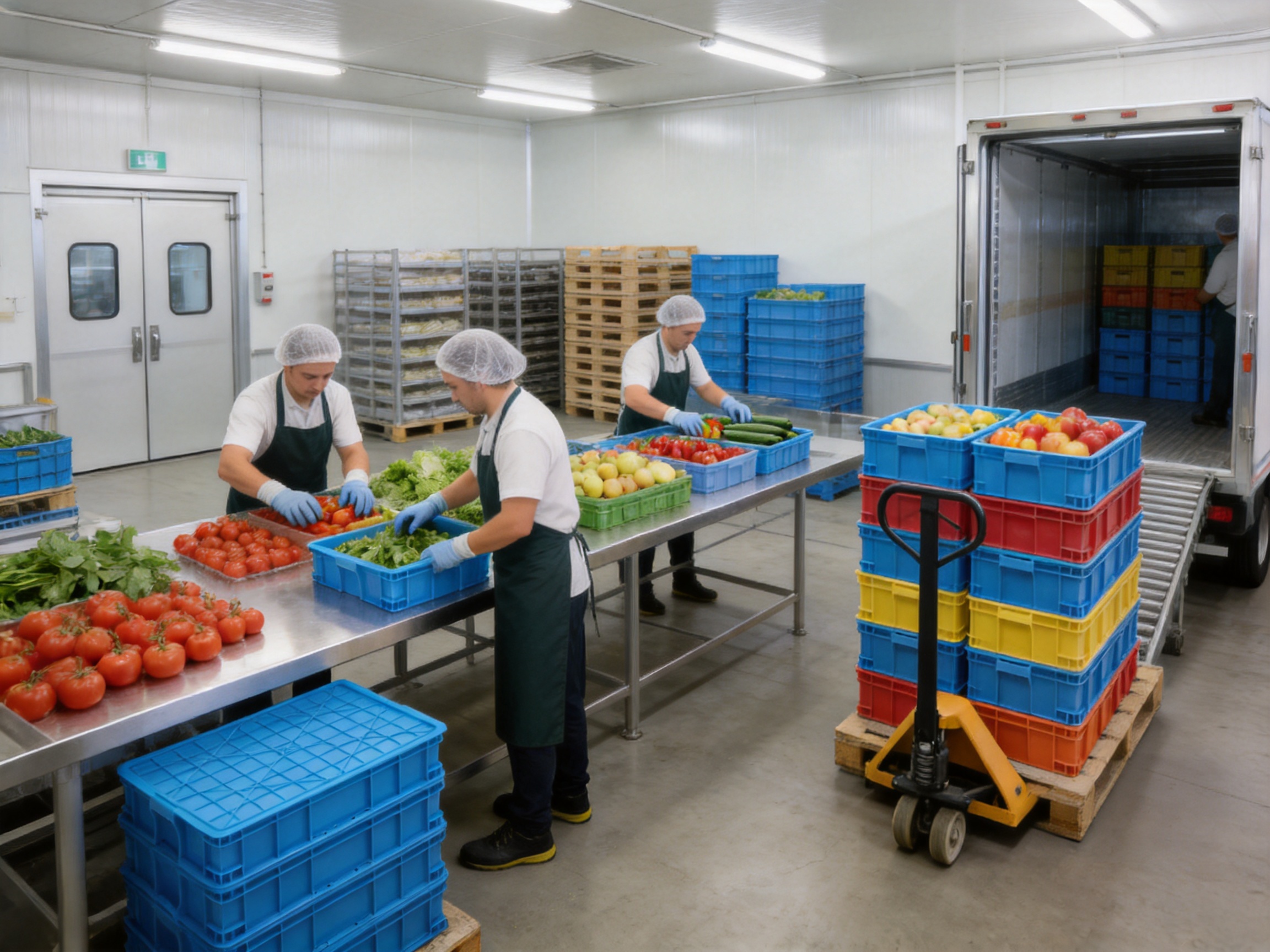
During harvesting, produce can be placed into standardized totes rather than a mixture of improvised boxes. At a packing station, the contents can be inspected, graded, labeled, and transferred to another stage of the supply chain. The tote can then move to a cold room, distribution center, supermarket, food service customer, or processing facility.
Its internal dimensions of 575×390×105mm provide a defined usable area. The internal footprint allows businesses to plan how products are arranged and how many containers are needed for a specific order. Operators should avoid overfilling, especially when products are delicate or when airflow and pressure control are important.
The container can also assist with batch traceability. A business may assign a color, label, barcode, or identification card to a tote to distinguish farm origin, product type, harvest date, destination, or quality grade. Multiple color options make visual coding possible, although labels and colors should be managed through a documented system to avoid confusion.
Before using the tote for direct contact with food, buyers should confirm the applicable material and hygiene documentation. Requirements may differ between countries and between fresh produce, packaged food, and industrial goods. The tote should be cleaned and maintained according to the specific operation’s hygiene program.
Applications in Warehousing and Manufacturing
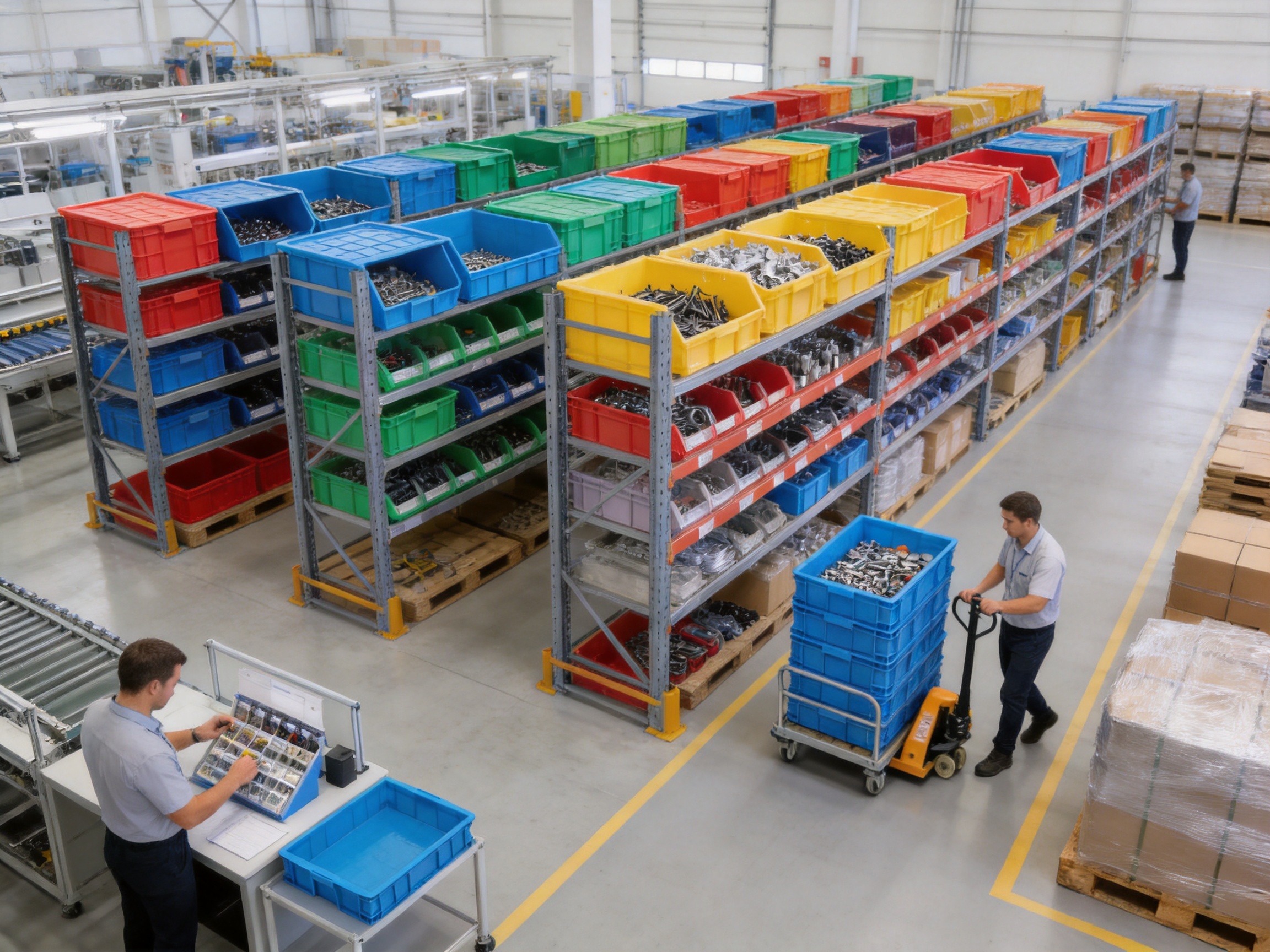
The BG-634311-ST is not limited to agricultural logistics. Its dimensions and capacity make it suitable for many warehouse and manufacturing environments. It can be used to store fasteners, electrical components, hardware, machine parts, maintenance supplies, packaging accessories, and small finished goods.
In manufacturing, totes can support line-side replenishment. Parts can be delivered to workstations in standardized quantities, allowing operators to maintain a more organized production area. Empty totes can then be collected and returned to the warehouse for refilling. This approach helps reduce loose packaging and makes material flow easier to monitor.
In e-commerce fulfillment, the tote can be assigned to a customer order, product family, picking route, or processing zone. The container’s stackable format can help organize goods while orders are waiting for packing or dispatch. A business can also use color coding to distinguish priority orders, return items, fragile products, or destination groups.
In retail distribution, totes can be used to transport stock from a distribution center to stores. Store employees can receive products in an organized container, remove the goods, and return the empty tote through the company’s reverse logistics system. This can reduce dependence on one-way cartons and support a more controlled store replenishment process.
For maintenance departments, the tote can serve as a mobile parts box. Workers can place required components into a container before moving to a repair location. The low height makes it easier to view contents, while the rigid structure helps protect parts during movement.
Manufacturing Process and Quality Strengths
A logistics container performs reliably only when its material, tooling, production parameters, and inspection procedures are controlled. Yancheng Bingo Machinery Equipment Co., Ltd. emphasizes standardized production processes and quality control from raw material sourcing through finished-product inspection. This process-oriented approach is important for customers that purchase containers in repeated batches and need consistent dimensions and performance.
Material Control
Material control begins with selecting suitable polymer raw materials. The product specification identifies HDPE as the main material for the BG-634311-ST. The supplied manufacturing information also refers to virgin polymer material and describes strict raw-material inspection. Because one section uses HDPE terminology while another general product statement refers to virgin PP, buyers should request confirmation of the exact resin used for this model when material composition is critical to their application.
Controlling raw material quality can help reduce variation in strength, color, surface finish, and dimensional stability. For customers operating automated systems, consistent material behavior is especially important because excessive variation can affect box movement, stacking, and handling.
Standardized Molding Operations
Plastic tote production generally depends on carefully controlled molding operations. The polymer is prepared, heated, formed in a mold, cooled, and removed for inspection. Correct process conditions influence wall thickness, corner strength, base flatness, rim accuracy, and overall shape.
A well-managed process helps ensure that containers from different production runs remain compatible. This is valuable for businesses that use large fleets of totes. If dimensions vary significantly, stacks may become unstable, labels may not align, and automated equipment may require additional adjustments.
Inspection at Multiple Stages
Quality inspection should not be limited to the final packing stage. The company’s stated approach includes checks from raw-material sourcing to production and finished goods. In practice, a comprehensive inspection program may examine appearance, dimensions, weight, structural condition, color consistency, and stacking features.
Early-stage checks help identify process deviations before a large quantity of units is completed. Final inspection helps prevent visibly damaged or nonconforming products from being shipped. This layered approach supports dependable supply for customers that require repeat orders.
Process Standardization
Standardized production is an important advantage for an industrial supplier. A documented workflow allows employees to follow consistent operating methods and gives quality teams a basis for comparing batches. It can also support more predictable lead times, faster training, and clearer accountability when corrective action is needed.
For international buyers, process standardization reduces uncertainty. A customer may purchase an initial order for testing and later require a larger volume for several sites. Consistent manufacturing helps the customer expand the use of the tote without redesigning every storage and handling procedure.
Customization and Color Selection
The product information indicates that multiple colors and customization are supported. Color selection can provide a practical visual-management tool. For example, different colors may be allocated to different product categories, facilities, production lines, customers, or handling statuses.
Customization may also include labeling arrangements, identification requirements, packaging preferences, or order quantities, subject to technical review and production capability. Buyers should discuss minimum order quantities, color matching, artwork, labeling durability, and lead time before placing a customized order.
Advantages Compared with Competing Container Options
Compared with Cardboard Boxes
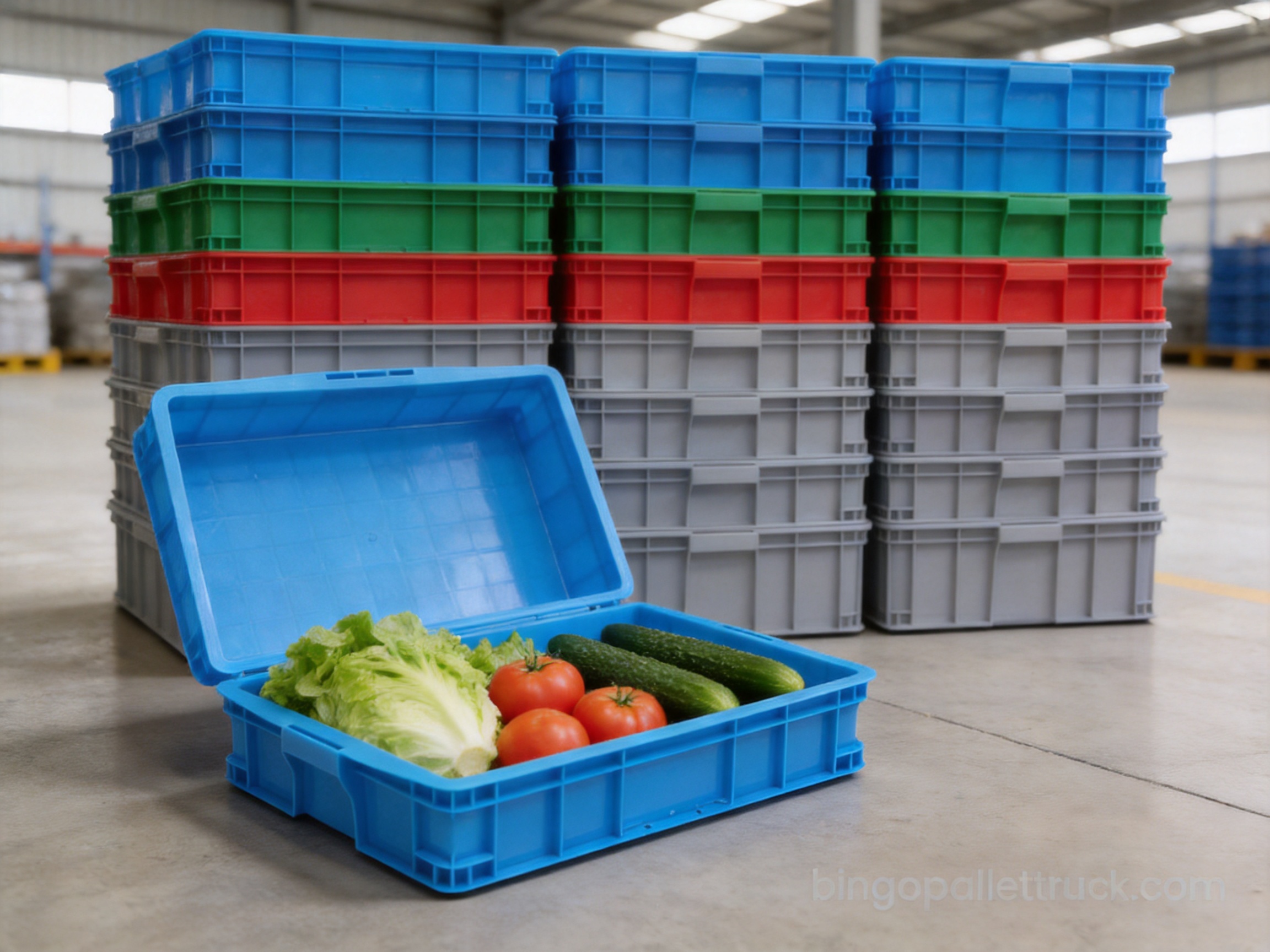
Cardboard boxes are widely available and can be economical for one-way distribution. However, they may weaken when exposed to moisture, repeated handling, compression, or rough warehouse floors. They can also vary in shape after use, making stable stacking more difficult.
The HDPE tote offers a more durable and reusable alternative for closed-loop or repeated logistics operations. Its rigid form supports consistent stacking and handling. Although the initial purchase price may be higher than that of a single cardboard carton, the total cost can become more favorable when the tote completes many cycles.
Compared with Thin Disposable Plastic Bags
Plastic bags are lightweight and flexible, but they provide limited protection against crushing, puncture, and product movement. They are also less suitable for organized vertical stacking. A rigid tote protects the shape of the load and provides a more stable unit for warehouse handling.
The tote may also improve workplace organization because it can be placed on a shelf, pallet, trolley, or work surface without collapsing. This makes it more suitable for reusable distribution and inventory control.
Compared with Low-Strength Bins
Some low-cost bins are designed for occasional household or light-duty use rather than repeated industrial transport. They may have thin walls, inconsistent dimensions, or limited stacking strength. A purpose-designed logistics tote is typically better suited to warehouse cycles and supply-chain movement.
The BG-634311-ST combines a commercial size, defined capacity, standardized dimensions, and stacking capability. These features help distinguish it from unstructured storage containers that are not designed to integrate into a logistics system.
Compared with Deep Containers
Deep bins can hold a large quantity, but they are not always ideal for shallow goods, small components, or delicate produce. Contents at the bottom may be difficult to inspect or retrieve, and excessive layering can increase product pressure.
The low-profile 23L design allows contents to remain more visible and accessible. It can support more controlled loading, sorting, and picking. The appropriate choice depends on the product, but shallow totes often provide an operational advantage where visibility and easy access are priorities.
Compared with Non-Stackable Crates
Non-stackable crates can waste valuable vertical space and may require additional racks, pallets, or separators. Stackable containers are better suited to high-density storage when the load is stable and the stacking limits are respected.
The BG-634311-ST is specifically designed to support stacked storage and transportation. Its standardized footprint helps businesses plan container arrangements more efficiently than they could with irregular or non-stackable boxes.
Operational and Cost Benefits
The financial value of a reusable tote should be assessed through total cost of ownership rather than purchase price alone. Relevant costs include container acquisition, replacement, cleaning, storage, labor, product damage, transport utilization, and reverse logistics.
A durable container can reduce the need for frequent replacement. Its reusable nature may lower ongoing packaging consumption for companies that operate a return system. Standard dimensions can reduce labor associated with sorting mixed packaging formats. Better stack stability may reduce damage and improve the use of vehicle and warehouse volume.
There may also be indirect savings. When workers can identify and retrieve products more quickly, order processing may become more efficient. When goods arrive in organized totes, receiving teams may spend less time consolidating loose items. When empty containers can be stacked, return trips may use less space than they would with irregular discarded cartons.
Businesses should calculate their own return on investment. A simple assessment can compare the annual cost of disposable packaging with the purchase and operating cost of a tote fleet. The calculation should include the expected number of cycles, loss rate, cleaning requirements, return distance, and product damage reduction.
Example Evaluation Factors
| Evaluation Area | Questions for the Buyer |
|---|---|
| Usage frequency | How many transport or storage cycles will each tote complete per month? |
| Product compatibility | Do the product dimensions, weight, moisture level, and sensitivity suit a 23L low-profile container? |
| Stacking | How many loaded layers are required, and what are the actual load and floor conditions? |
| Cleaning | Will the containers require washing, sanitizing, drying, or inspection between cycles? |
| Reverse logistics | How will empty totes be collected, returned, and redistributed? |
| Identification | Are colors, labels, barcodes, or other tracking methods needed? |
| Replacement planning | What percentage of the fleet should be reserved for damage, loss, or maintenance? |
| System integration | Will the totes be used with pallets, racks, conveyors, carts, or automated equipment? |
Warehouse Integration
The tote can be integrated into a broader warehouse system that includes pallets, pallet trucks, shelving, racks, picking stations, and packaging materials. Because the supplier also provides material handling equipment and warehouse storage products, customers may be able to coordinate container dimensions with their existing or planned warehouse layout.
For floor storage, operators can mark locations according to tote footprint and stacking height. For rack storage, the rack beam spacing and load capacity should be checked before placing stacked totes. For manual picking, containers can be assigned to fixed locations or mobile carts. For automated operations, the tote dimensions and base design should be verified against conveyor and sorter specifications.
Warehouse managers should establish clear rules for loading, stacking, inspection, and damaged-container removal. A tote that is cracked, severely deformed, or otherwise compromised should not be used in a high stack. Regular inspection helps maintain workplace safety and protects the products being transported.
Inventory visibility can be improved through labels, barcodes, radio-frequency identification, or color coding. The most suitable method depends on the level of tracking required. A simple color system may be sufficient for internal production lines, while a large distribution network may require serialized identification.
Transport and Empty-Container Management
Transport efficiency is influenced by how containers are arranged when full and empty. Loaded totes can be stacked to use vehicle height, provided that the load remains stable and within safe limits. Empty totes should be organized to reduce unused volume and prevent movement during return transport.
Businesses should design a return process before purchasing a large tote fleet. The process may include collection points, scheduled returns, container counts, cleaning stations, and damage reporting. Without reverse logistics, reusable containers can become dispersed, increasing replacement costs and reducing the expected environmental benefit.
Container ownership can be managed by assigning responsibility to suppliers, carriers, warehouses, stores, or production departments. A simple tracking record can identify how many totes are dispatched, received, cleaned, stored, and awaiting repair. For larger operations, digital asset tracking may provide better visibility.
Transport planners should also consider the tote’s weight. The 1.45kg empty weight contributes to the total shipment weight, although it may be offset by the reduction in disposable packaging and improved product protection. The filled weight must be calculated according to the density of each product.
Handling, Cleaning, and Maintenance Recommendations
Correct use is essential for maximizing the service life of a reusable tote. Operators should distribute contents evenly and avoid loading items that exceed the container’s design or internal dimensions. Heavy items should not be concentrated at one corner because uneven loading can affect stack stability.
Totes should be placed on level surfaces whenever possible. Stacks should not be pushed, dragged, or tilted in a manner that could cause sudden movement. If containers are used on pallets, the pallet should be suitable for the combined load and arranged so that the tote footprint is adequately supported.
Cleaning methods should match the material, product, and hygiene requirements. Operators may use water, approved detergents, brushing, or other procedures, but harsh chemicals and extreme temperatures should be evaluated before routine use. After cleaning, containers should be dried sufficiently to prevent moisture-related issues during storage.
Inspection should look for cracks, sharp edges, severe distortion, damaged stacking surfaces, missing labels, and contamination. Containers that are no longer suitable for service should be removed from active circulation. Depending on local recycling arrangements and material identification, damaged HDPE totes may be directed to an appropriate recycling stream.
Purchasing and Customization Considerations
Before ordering, buyers should confirm the exact product model, material, dimensions, capacity, color, expected load, stacking method, and application. The stated 23L capacity is a useful nominal specification, but usable capacity may depend on the shape and packing arrangement of the goods.
Customers should also confirm whether the tote will be used for direct food contact, chilled transport, outdoor storage, chemical exposure, or automated handling. Each application may require additional information or testing. If the tote will be used in a regulated environment, the buyer should request the relevant material and quality documents.
For large-volume orders, buyers may request samples before final production. A sample evaluation can include dimensional checks, stacking tests, handling trials, cleaning tests, label adhesion tests, and compatibility checks with racks or conveyors. This process helps identify problems before the full fleet is deployed.
Multiple colors can support warehouse organization, but color choices should be recorded clearly. Custom colors may affect minimum order quantities and lead times. If branding or identification is required, buyers should discuss printing, molded markings, labels, barcode placement, and resistance to abrasion or washing.
Stock availability is another practical advantage. The product information indicates that the tote is in stock and available for fast delivery, subject to order confirmation. This can benefit customers that need to replenish an existing fleet quickly or begin a logistics project without waiting for a long manufacturing schedule.
Supplier Capabilities and One-Stop Logistics Support
Yancheng Bingo Machinery Equipment Co., Ltd. operates across several related product categories, including handling equipment, storage containers, packaging materials, and warehouse racks. This wider product range is valuable for customers that want to coordinate multiple elements of a storage or distribution project.
Instead of purchasing totes, pallet trucks, racks, pallets, stretch wrap, and strapping from unrelated sources, a customer can discuss its requirements with a supplier familiar with the full warehouse environment. This may simplify communication, product selection, and order coordination.
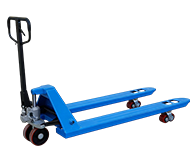
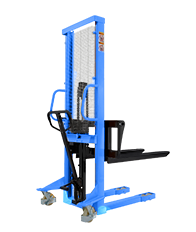
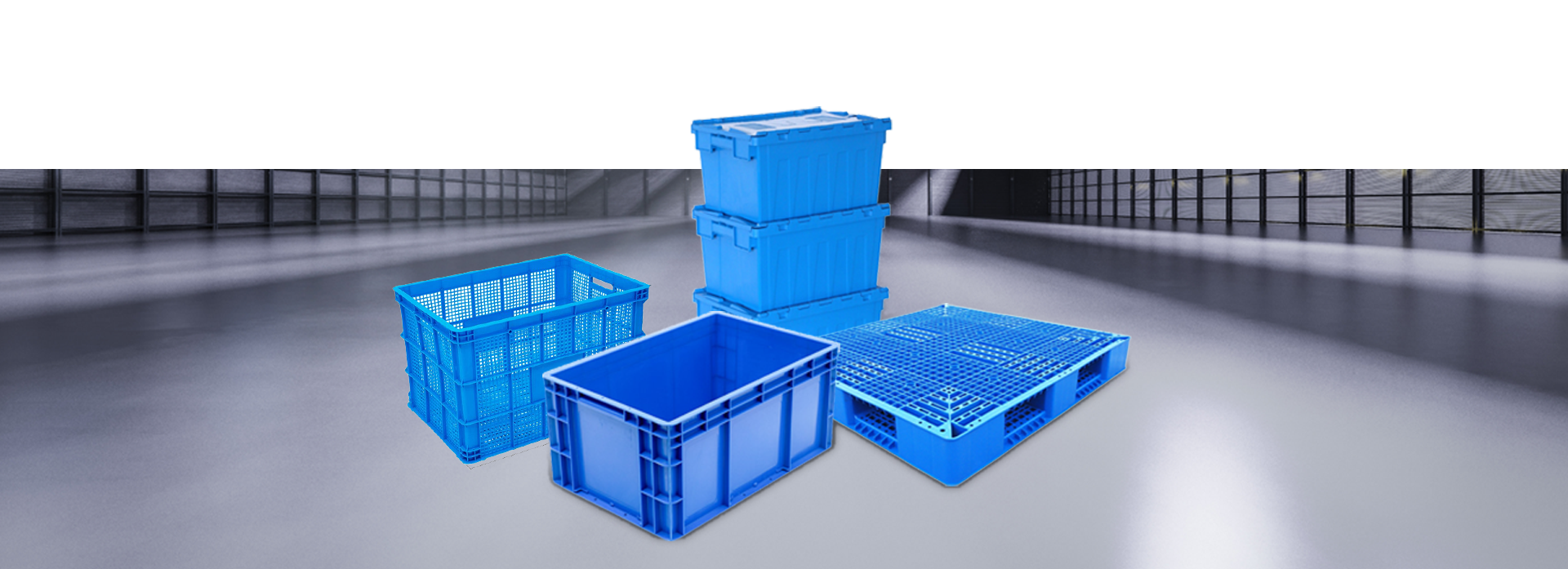
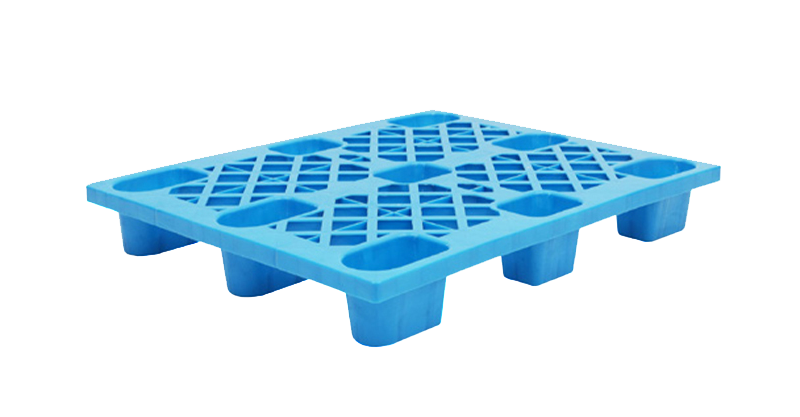
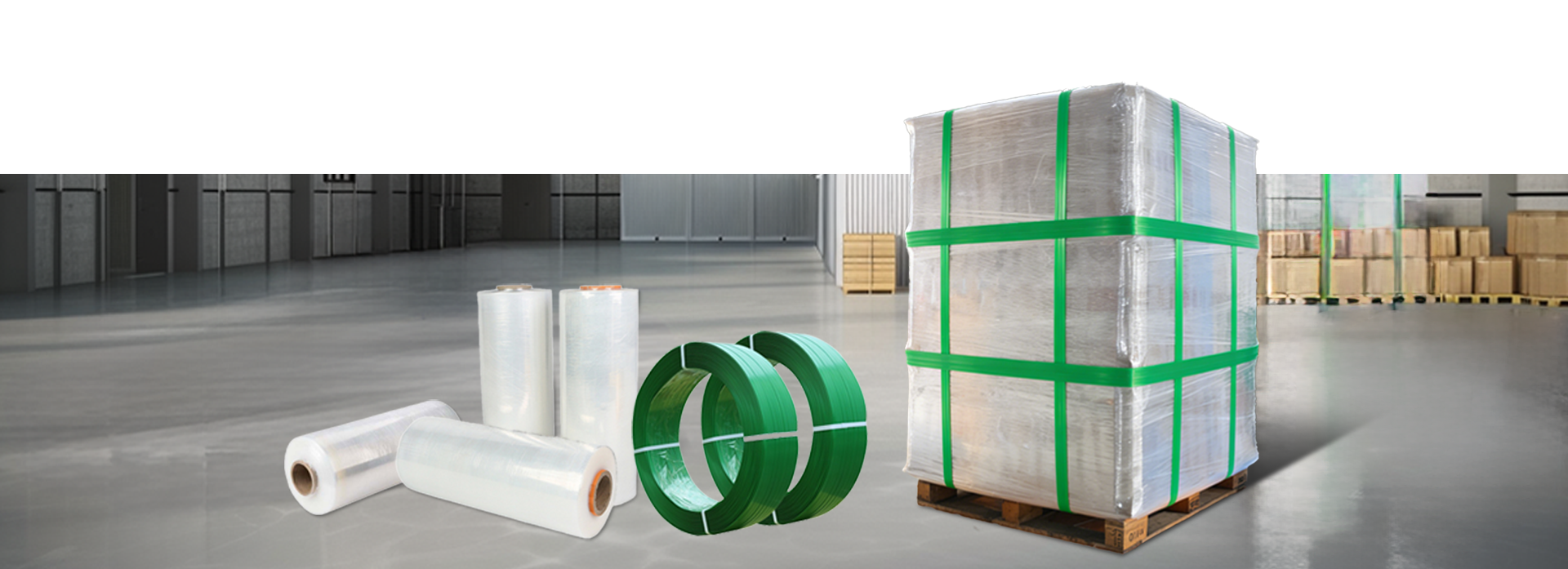
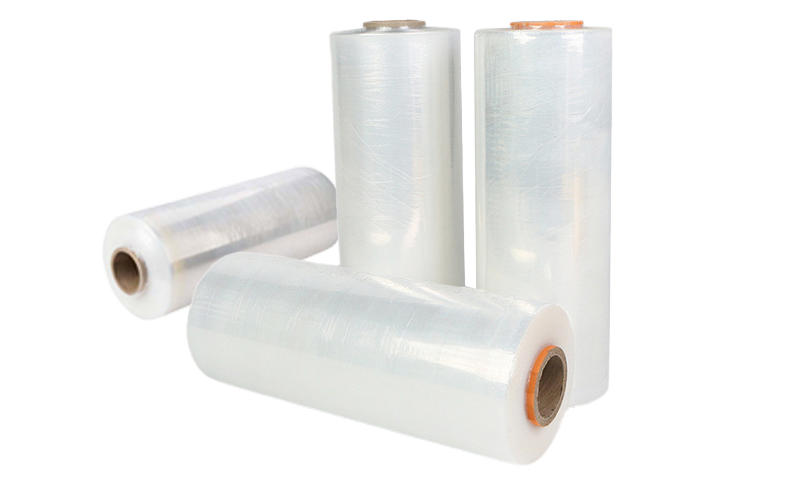
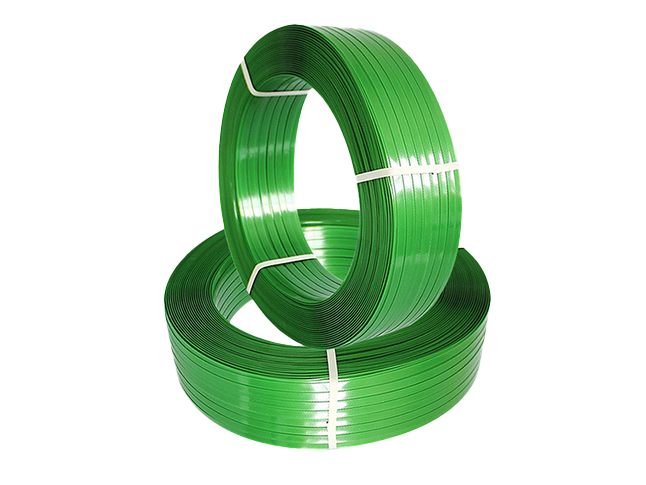
The company’s handling equipment range includes manual and electric pallet trucks and stackers. Its storage container range includes plastic pallets, plastic totes, crates, and bulk containers. Its packaging materials include stretch wrap and packing strapping, while its warehouse racking line includes light-duty, medium-duty, and heavy-duty solutions.
This portfolio supports a system-based approach. For example, a warehouse may require racks for storage, pallet trucks for movement, plastic totes for small-item organization, and stretch film for securing pallet loads. Coordinating these products can help customers build a more consistent material flow.
The company also presents itself as an international supplier serving manufacturing, e-commerce logistics, warehousing and distribution, supermarket retail, and related industries. Its experience across different logistics scenarios can help buyers compare container requirements with broader warehouse needs.
Quality Management and Customer Confidence
Quality is particularly important for reusable containers because customers expect consistent performance across many units and repeated purchase orders. The supplier states that it applies quality control from raw-material sourcing through production and performs inspections at different stages.
This approach can provide several benefits. First, it helps identify material or process problems earlier. Second, it supports more consistent dimensions and appearance. Third, it creates a clearer basis for handling customer feedback and corrective action. Finally, it gives buyers greater confidence when introducing the product into a standardized logistics system.
Customers should still define acceptance criteria before ordering. These may include dimensional tolerance, weight tolerance, color variation, surface appearance, stacking performance, packaging method, and sampling procedure. Clear requirements help both parties evaluate quality objectively.
For repeat orders, buyers may benefit from maintaining a product specification sheet that records the model, material, dimensions, color, labeling, packaging, and inspection requirements. This reduces the risk of misunderstanding when orders are placed over time.
Environmental and Circular-Use Considerations
Reusable plastic packaging can support resource efficiency when it is used for many cycles and managed through an effective return system. The strongest environmental benefits usually come from extending product life, reducing single-use packaging, minimizing damage, and recycling the container at the end of its usable life.
The tote’s durability and stackability can contribute to these goals. A longer service life means fewer replacement units may be required. Efficient stacking can reduce wasted warehouse and vehicle space. A structured return program can keep containers in circulation instead of sending them directly to disposal.
Environmental performance depends on actual operating behavior. Lost totes, unnecessary empty transport, excessive washing, and premature replacement can reduce the benefit of reuse. Businesses should therefore combine the product with procedures for tracking, maintenance, cleaning, and end-of-life recovery.
HDPE is a commonly recyclable plastic, but recycling availability differs by region. Customers should consult local waste-management providers to determine whether damaged totes can be collected, sorted, and recycled. Material identification and separation from incompatible plastics may improve recovery outcomes.
Recommended Implementation Plan
A structured implementation can help businesses gain the greatest value from the tote. The first step is to identify the products, routes, workstations, and storage areas where the container will be used. The business should record product dimensions, average weight, moisture exposure, handling frequency, and required stacking height.
The second step is to conduct a sample trial. The sample should be tested under realistic conditions, including loading, stacking, transport, cleaning, picking, and empty return. If the tote will be used with a conveyor, rack, trolley, or automated system, compatibility should be checked before volume purchasing.
The third step is to establish operating procedures. These should cover maximum loading, stacking limits, inspection, cleaning, labeling, damage reporting, and return responsibilities. Employees should be trained to avoid overloading and to remove compromised containers from service.
The fourth step is to plan the tote fleet. The required quantity should include active containers, containers in transit, containers awaiting cleaning, and a reasonable reserve. The correct reserve depends on the loss rate, route length, return frequency, and number of operating locations.
The final step is performance review. Useful measurements may include packaging cost per shipment, damage rate, labor time per order, tote cycle count, loss rate, cleaning cost, storage density, and return compliance. These figures can show whether the reusable tote is delivering the expected operational improvement.
Frequently Asked Questions
What is the capacity of the BG-634311-ST tote?
The nominal capacity is 23L. The internal dimensions are 575×390×105mm, so the practical usable capacity depends on the shape, size, and packing arrangement of the goods.
What material is the tote made from?
The product specification identifies HDPE, or high-density polyethylene, as the material. Buyers with strict material requirements should confirm the exact resin specification for the order because some general manufacturing information refers to virgin polymer materials using different terminology.
What are the external dimensions?
The external dimensions are 630×430×110mm. These dimensions should be compared with pallet sizes, rack openings, conveyor widths, vehicle layouts, and storage locations before purchase.
Can the tote be stacked?
Yes. It is designed as a stackable plastic tote and is described as suitable for stacking up to 10 or more layers under appropriate conditions. The safe number of layers depends on load weight, load distribution, floor condition, temperature, and handling practices.
Is the tote suitable for fruit and vegetables?
It is designed for applications that include fruit and vegetable transport. The low-profile format can support sorting and controlled layering. Buyers should confirm product compatibility, ventilation requirements, hygiene procedures, and direct food-contact requirements for their specific produce and market.
Can it be used for industrial parts?
Yes. The tote can be used for parts, components, tools, inventory, maintenance supplies, and other warehouse items that fit within the internal dimensions and do not exceed the applicable load limits.
Are different colors available?
Multiple colors are available according to the product information. Colors can help organize products, destinations, departments, or handling statuses. Custom color requirements should be discussed with the supplier before ordering.
Can the tote be customized?
Customization is supported, subject to technical review. Possible requirements may include color, labels, identification, packaging, or order configuration. Minimum quantities and lead times may apply.
What is the empty weight?
The listed weight is 1.45kg per tote. The total handling weight will increase according to the quantity and density of the contents.
How should the tote be cleaned?
Cleaning procedures should be selected according to the transported products and applicable hygiene requirements. Water, approved detergents, and suitable drying methods may be used where appropriate. Chemical compatibility and temperature limits should be confirmed before establishing a routine process.
Can the tote be used in automated warehouse systems?
It may be suitable for some automated or semi-automated systems, but compatibility must be confirmed. Buyers should check the base design, dimensions, weight range, conveyor requirements, sensors, transfer points, and stacking equipment before integration.
Is the tote available from stock?
The product information states that it is in stock and ready to ship, subject to order confirmation and the requested quantity, color, and customization requirements.
What should buyers confirm before ordering?
Buyers should confirm material, dimensions, capacity, load requirements, stacking height, color, customization, food-contact suitability where relevant, delivery schedule, packaging, and inspection requirements.
Conclusion
The 23L HDPE Stackable Plastic Tote Box, model BG-634311-ST, offers a practical solution for businesses seeking more organized, durable, and reusable logistics packaging. Its 630×430×110mm external dimensions, 575×390×105mm internal dimensions, 1.45kg weight, and 23L capacity make it suitable for a broad range of applications, including fruit and vegetable transport, warehouse storage, manufacturing parts management, retail replenishment, and e-commerce fulfillment.
Its most important advantages are its reusable HDPE construction, standardized dimensions, low-profile format, stackable design, multiple color options, and suitability for repeated warehouse and transportation activities. Compared with disposable cartons, weak bags, irregular bins, and non-stackable containers, it can improve durability, stability, product organization, and space utilization.
The value of the tote is strengthened by the supplier’s broader capabilities in handling equipment, storage containers, packaging materials, and warehouse racking. Its stated focus on material control, standardized production, inspections, customization, stock availability, and integrated logistics solutions can support customers that require more than a single container purchase.
For the best results, businesses should evaluate the tote as part of a complete operating system. Proper loading, stacking, cleaning, tracking, return logistics, and inspection are essential. When these practices are in place, the BG-634311-ST can help reduce packaging waste, improve workflow consistency, protect goods, and support more efficient supply-chain operations.
References
1. Product specification sheet for the BG-634311-ST 23L stackable plastic tote box.
2. Supplier-provided manufacturing and quality-control information for storage containers and logistics equipment.
3. General technical literature on high-density polyethylene properties and reusable plastic packaging.
4. General warehouse management guidance concerning stacking, load distribution, inventory organization, and reverse logistics.
5. General packaging sustainability principles concerning reusable containers, service life, recycling, and total cost of ownership.
Product: 23L HDPE Stackable Plastic Tote Box for Fruit and Vegetable Transport


Copyright @ Yancheng Bingo Machinery Equipment Co., Ltd. All rights reserved Warehouse Logistics Equipment Manufacturer Pallet Truck Supplier
