 en
en  Español

47L Heavy-Duty Stackable Plastic Crate for High-Performance Storage and Distribution
Efficient material handling depends on more than moving products from one location to another. Every stage of storage, picking, transport, display, and replenishment requires containers that protect goods, use space intelligently, and remain dependable under repeated handling. The BG-543631-SC stackable plastic crate is designed for precisely these demanding conditions. With external dimensions of 540×360×310mm, internal dimensions of 480×325×300mm, and a stated capacity of 46L, it provides a practical solution for warehouse logistics, supermarket fruit display, manufacturing, distribution, and general industrial storage.
Marketed as a 47L plastic crate, this model combines a generous usable volume with a relatively low net weight of 1.81kg. Its construction from high-impact HDPE, reinforced rib structure, fully perforated walls, integrated handles, and stackable geometry gives it a balanced combination of strength, ventilation, visibility, and handling convenience. These qualities make it suitable for users seeking a reusable alternative to disposable cartons, thin storage boxes, or rigid containers that are difficult to move and store.
The crate is manufactured by Yancheng Bingo Machinery Equipment Co., Ltd., a supplier focused on warehousing, logistics, material handling, storage containers, packaging materials, and warehouse racking. The company’s product range and integrated supply-chain approach support customers that require coordinated logistics solutions rather than isolated products. In this context, the BG-543631-SC is not simply a plastic box. It is part of a broader material-flow system designed to help businesses organize goods, improve operational consistency, and reduce avoidable handling losses.
Content
- 1 Product Overview
- 2 High-Impact HDPE Construction
- 3 Ventilation, Visibility, and Product Protection
- 4 Stackable Design for Space Utilization
- 5 Integrated Handles and Handling Efficiency
- 6 Manufacturing Quality and Process Control
- 7 Competitive Advantages
- 8 Applications Across Multiple Industries
- 9 Operational Benefits and Workflow Improvement
- 10 Maintenance, Cleaning, and Service Life
- 11 Customization and Supply Support
- 12 One-Stop Logistics Equipment Capability
- 13 Selection Guidance for Buyers
- 14 Frequently Asked Questions
- 14.1 What is the capacity of the BG-543631-SC crate?
- 14.2 What material is used to manufacture the crate?
- 14.3 Is the crate suitable for food and produce applications?
- 14.4 Can the crate be stacked when full?
- 14.5 Can the crate be handled manually?
- 14.6 Is the crate compatible with forklifts?
- 14.7 What advantages does the mesh design provide?
- 14.8 Can the crate replace cardboard cartons?
- 14.9 Are different colors available?
- 14.10 How should the crate be cleaned?
- 14.11 What industries can use this crate?
- 14.12 What should be confirmed before placing an order?
- 15 Conclusion
- 16 References
- 17 Product: 47L Plastic Crate Stackable Bin for Supermarket Fruit Display
Product Overview
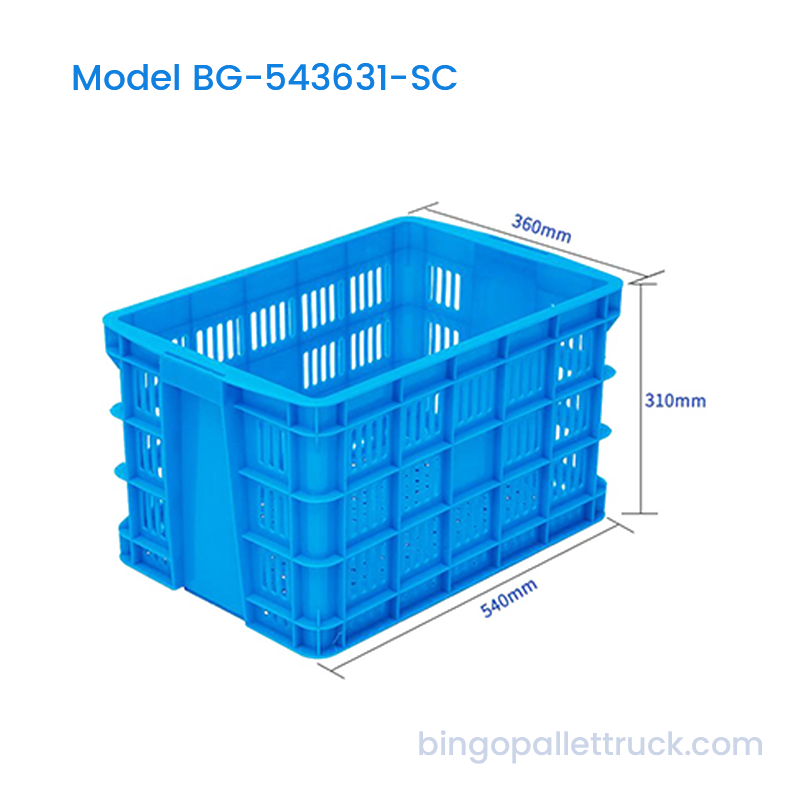
The BG-543631-SC is a large, stackable, ventilated plastic crate developed for repeated use. Its external footprint of 540×360mm is compatible with common warehouse organization practices and can support orderly placement on shelving, pallets, transport platforms, and display areas. The 310mm external height offers substantial vertical capacity without making the crate excessively difficult to handle manually.
The internal dimensions measure 480×325×300mm. These dimensions provide a usable internal space for products that require protection, airflow, or visibility. The difference between the external and internal dimensions reflects the crate’s structural walls, reinforced ribs, rim, base, and handling features. Rather than using thin panels throughout, the design allocates material to areas that contribute to rigidity and load support.
The listed capacity is 46L, while the product title identifies the crate as a 47L model. This small difference can result from nominal volume calculations, rounded commercial naming, or variations in how capacity is measured. For purchasing, storage planning, and transport calculations, users should use the stated internal dimensions and confirm the required usable volume with the supplier. In practical terms, the crate belongs to the high-volume class of stackable plastic crates and offers approximately 46–47L of nominal capacity.
| Item | Specification |
| Product model | BG-543631-SC |
| Product type | Stackable plastic crate |
| Primary material | High-density polyethylene, or HDPE |
| External dimensions | 540×360×310mm |
| Internal dimensions | 480×325×300mm |
| Nominal capacity | 46L stated; marketed as a 47L crate |
| Net weight | 1.81kg |
| Wall design | Fully perforated mesh structure |
| Handling features | Integrated handles suitable for manual handling and compatible logistics operations |
| Core applications | Warehouse storage, industrial distribution, supermarket display, produce handling, and reusable logistics |
The combination of large capacity and manageable weight is especially important in operations where workers repeatedly load, unload, carry, inspect, and stack containers. A crate that is strong but unnecessarily heavy can increase labor fatigue. A crate that is light but lacks structural reinforcement may deform under load. The BG-543631-SC is positioned between these extremes, using reinforced HDPE construction to provide durability without turning the container into an impractical burden.
47L Plastic Crate Stackable Bin for Supermarket Fruit Display
High-Impact HDPE Construction
High-density polyethylene is widely used in reusable industrial containers because it offers a useful combination of impact resistance, chemical resistance, moisture resistance, and processability. In logistics environments, crates may encounter impacts from conveyor transfers, pallet movement, forklift operations, manual stacking, and contact with other containers. A material that can withstand routine handling is essential for maintaining service life.
The material specified for the BG-543631-SC is HDPE. The product information also emphasizes high-impact, ultra-thick, food-safe resin and high-load performance. These characteristics are relevant to industries in which containers are exposed to repeated cycles of use. Unlike paperboard cartons, HDPE crates do not lose strength simply because they encounter normal moisture or humid storage conditions. Unlike untreated wooden boxes, they do not absorb water in the same way or present the same splintering concerns.
HDPE also supports easy cleaning. In food distribution, supermarket operations, agricultural supply chains, and processing environments, containers may need to be emptied and cleaned before their next use. The smooth polymer surfaces and open perforated design can help users inspect the crate and remove loose material more efficiently than with closed, absorbent packaging. Cleaning procedures should always be determined by the operator according to the product handled, local hygiene requirements, and the approved temperature and chemical limits of the container.
The crate’s material selection also supports product longevity. Reusable containers can reduce the frequency with which organizations purchase single-use packaging. Over multiple trips, a durable crate may provide a lower packaging cost per cycle, although the actual result depends on purchase price, cleaning, reverse logistics, loss rates, and operating conditions. The ability to use a container repeatedly is therefore both a practical and a sustainability-related advantage.
Reinforced Rib Structure
The BG-543631-SC incorporates a multi-layer reinforced rib structure intended to improve load-bearing performance. Ribs add stiffness to large plastic surfaces by increasing resistance to bending and deformation. This is particularly important on the side walls and base, where weight from the contents and pressure from stacked crates may be concentrated.
A crate used in warehouse distribution must perform under more than a single static load. It can be lifted while partially filled, pushed into a rack, placed onto a pallet, tilted during inspection, or stacked with unevenly distributed contents. Reinforcement helps the container maintain its geometry through these handling events. Maintaining a stable shape also contributes to safer stacking because properly aligned crates are less likely to lean or shift.
The reinforced structure is an advantage over low-cost competitors that rely on flat, thin walls with minimal support. Very light containers can be attractive at the time of purchase, but excessive flexibility may result in bowed walls, unstable stacks, damaged rims, and reduced usable life. The BG-543631-SC is designed to put structural material where it can provide meaningful support while preserving ventilation through its mesh openings.
Impact Resistance and Repeated Use
Industrial containers are often handled in environments where cosmetic wear is unavoidable. Scratches, scuffs, and minor surface marks may appear during normal operation. The more important consideration is whether the crate remains functional after repeated use. High-impact HDPE and reinforced construction are intended to help the container resist common handling stresses and continue serving as a reliable storage unit.
For best performance, users should observe the recommended loading practices, avoid dropping fully loaded crates from height, prevent sharp edges from concentrating force on the walls, and maintain even stack alignment. The product should not be treated as a substitute for a certified lifting cage or a personnel-support platform. Any forklift or pallet movement should be carried out using suitable equipment and procedures.
Ventilation, Visibility, and Product Protection
The fully perforated mesh design is one of the most important features of this plastic crate. Open walls allow air to circulate around the contents, which is valuable for fresh fruit, vegetables, packaged food, components requiring ventilation, and goods that must be visually inspected. Air movement can reduce the accumulation of heat and moisture compared with fully enclosed boxes, although actual results depend on the product, environment, stacking pattern, and storage duration.
Ventilation is particularly useful in supermarket and produce applications. Fresh products may continue to release heat or moisture after harvesting and packing. A ventilated container allows staff to identify the condition of the contents without unpacking the entire crate. Open walls can also make it easier to see product quantity, package labels, or stock levels during picking and replenishment.
Visibility supports faster inventory decisions. Workers can often determine whether a crate is full, partially filled, empty, or holding a mixed product without opening a lid. This reduces unnecessary handling and can improve the speed of stock rotation. In retail settings, the same feature can support direct display, allowing the crate to serve as both a transport container and a merchandising unit.
The open design also reduces the risk of trapping loose debris inside hidden corners. However, perforation does not eliminate the need for cleaning. Small openings can retain dirt if the crate is used in harsh conditions, so routine inspection and washing remain important. Businesses handling food should establish procedures for segregation between clean and unclean containers and should verify that the chosen material and process comply with their applicable regulations.
Suitable Uses for Produce and Supermarket Display
The crate is well suited to supermarket fruit display because it combines a strong visual presentation with practical replenishment. Products can remain accessible and visible to staff and customers, while the reinforced structure supports repeated movement from storage areas to the sales floor. The stackable format can also help stores create temporary displays, backroom storage groups, or orderly reserve stock areas.
For fruit and vegetables, the crate’s open sides promote airflow and make it easier to inspect product quality. The smooth plastic construction is also more suitable for repeated cleaning than disposable corrugated cartons. Store operators can use standardized crates across receiving, backroom storage, merchandising, and return transport, reducing the need to transfer goods between different packaging formats.
Care is still needed when loading delicate produce. The crate should be filled according to the sensitivity of the product, and heavy items should not be placed on top of easily bruised goods. The open mesh protects against some forms of moisture accumulation, but it cannot prevent compression damage caused by excessive stacking or overloading. Proper loading discipline is therefore essential for realizing the full benefit of the container.
Stackable Design for Space Utilization
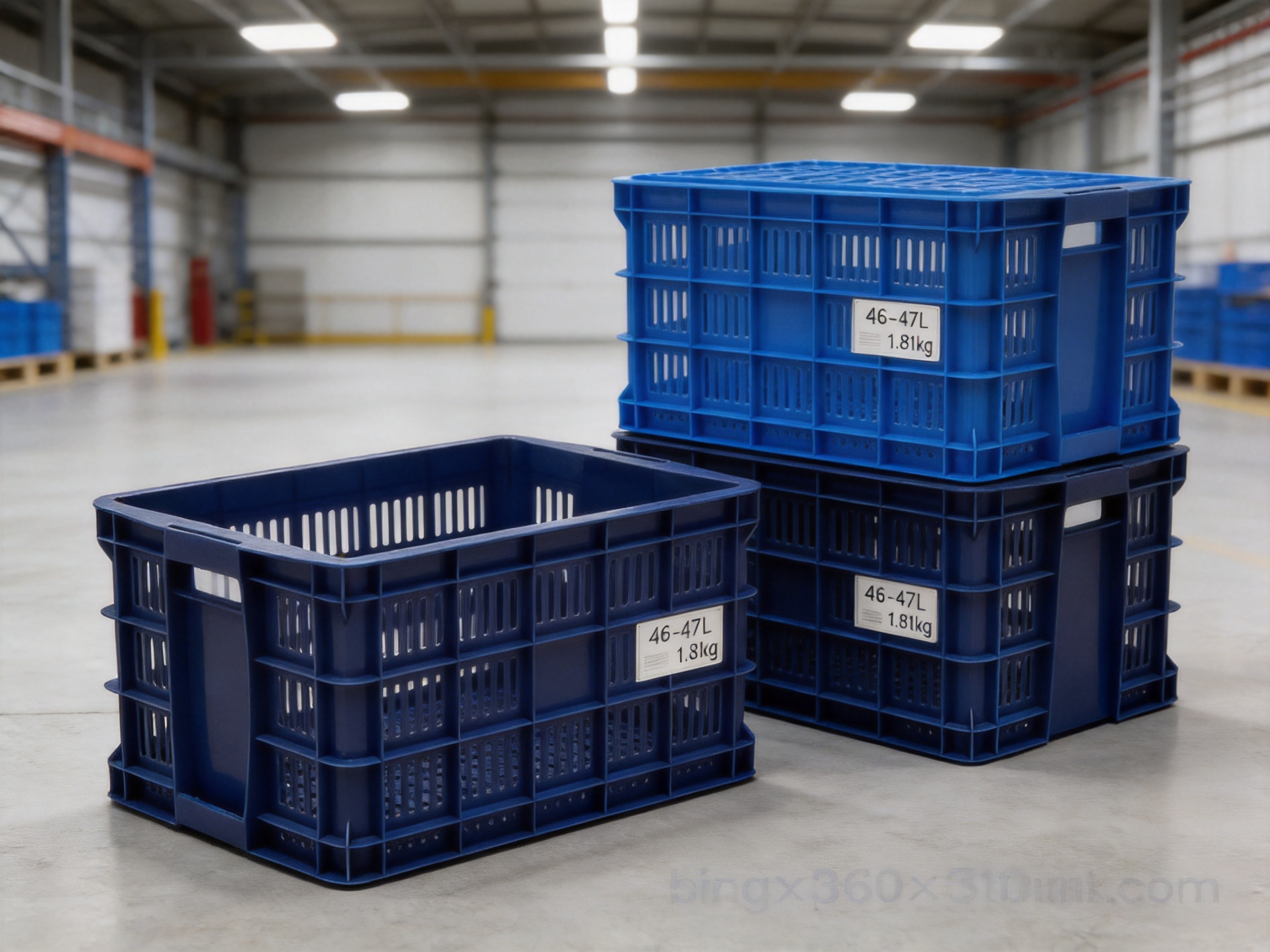
Warehouse space is expensive, and poor use of vertical capacity can lead to congestion, unnecessary travel, and higher handling costs. The stackable design of the BG-543631-SC allows users to build stable vertical groups when the crates are properly loaded and aligned. Vertical stacking can increase the number of units stored within a defined floor area and can help separate products by batch, destination, or category.
Stackability is valuable in both storage and transport. In a warehouse, crates can be arranged in rows to create clear inventory zones. During distribution, empty crates can be nested or grouped according to the available design and operating procedure, while loaded crates can be stacked to make more effective use of vehicle and pallet space. The exact safe stacking height should be established by the user based on load weight, product type, floor condition, environmental factors, and supplier guidance.
A stable stack depends on more than the presence of a stacking feature. Crates should be placed on level surfaces, with the bases and rims correctly aligned. Loads should be distributed evenly, and damaged crates should be removed from service. Operators should also consider overhead clearance, access to emergency equipment, and the ability to retrieve lower containers safely.
Advantages Over Non-Stackable Alternatives
Compared with loose cartons, stackable plastic crates offer more predictable geometry. Cartons may collapse when exposed to moisture or when heavy loads are placed above them. The rigid walls of a reusable HDPE crate help preserve the storage footprint and reduce the risk that packaging will deform into aisles or neighboring storage locations.
Compared with open baskets or irregular containers, stackable crates create a more standardized logistics unit. Standardization improves visual organization and makes it easier to plan shelves, pallets, vehicles, and workstations. It can also support consistent counting and scanning procedures because products are placed into containers with known dimensions and approximate capacity.
Compared with closed plastic boxes, the perforated structure offers superior airflow and product visibility. Closed boxes may provide additional protection from dust or weather, but they can make inspection more difficult and may restrict ventilation. The BG-543631-SC is therefore especially useful where access, airflow, and visibility are as important as containment.
Integrated Handles and Handling Efficiency
Manual handling is a frequent part of warehouse work. A crate may need to be moved from a receiving dock to a sorting station, from a storage rack to an order-picking area, or from a backroom to a supermarket display. Integrated handles provide designated gripping points that can make these movements more comfortable and controlled than lifting a container by its side wall or rim.
Handle openings also help workers maintain a more secure grip when wearing work gloves. Good hand access can reduce awkward lifting positions and make it easier for two people to handle a heavily loaded crate when necessary. The correct lifting technique remains important: workers should assess the weight before lifting, keep the load close to the body, avoid sudden twisting, and use mechanical assistance when the load is too heavy or difficult to control.
The product information identifies the integrated handle design as suitable for easy manual and forklift handling. In practice, forklift movement should be performed with appropriate pallets, platforms, fork spacing, and site procedures. The crate itself should not be assumed to function as a certified forklift attachment or as a container that can be lifted directly by forks unless the specific operating method has been approved. Clear handling protocols protect both the product and the workforce.
When integrated into a larger material-flow system, the handles can contribute to faster transfer between process stages. Workers can pick up the crate without searching for a separate gripping tool, and the consistent design supports repeatable movement patterns. This is a small design detail with a significant cumulative effect in high-frequency operations.
Manufacturing Quality and Process Control
The quality of a reusable plastic crate depends on more than its material specification. Dimensional consistency, molding stability, wall thickness, rib formation, handle accuracy, and surface condition all influence the product’s performance. A crate that varies significantly from unit to unit may stack poorly, fit unpredictably on shelving, or create problems in automated and semi-automated workflows.
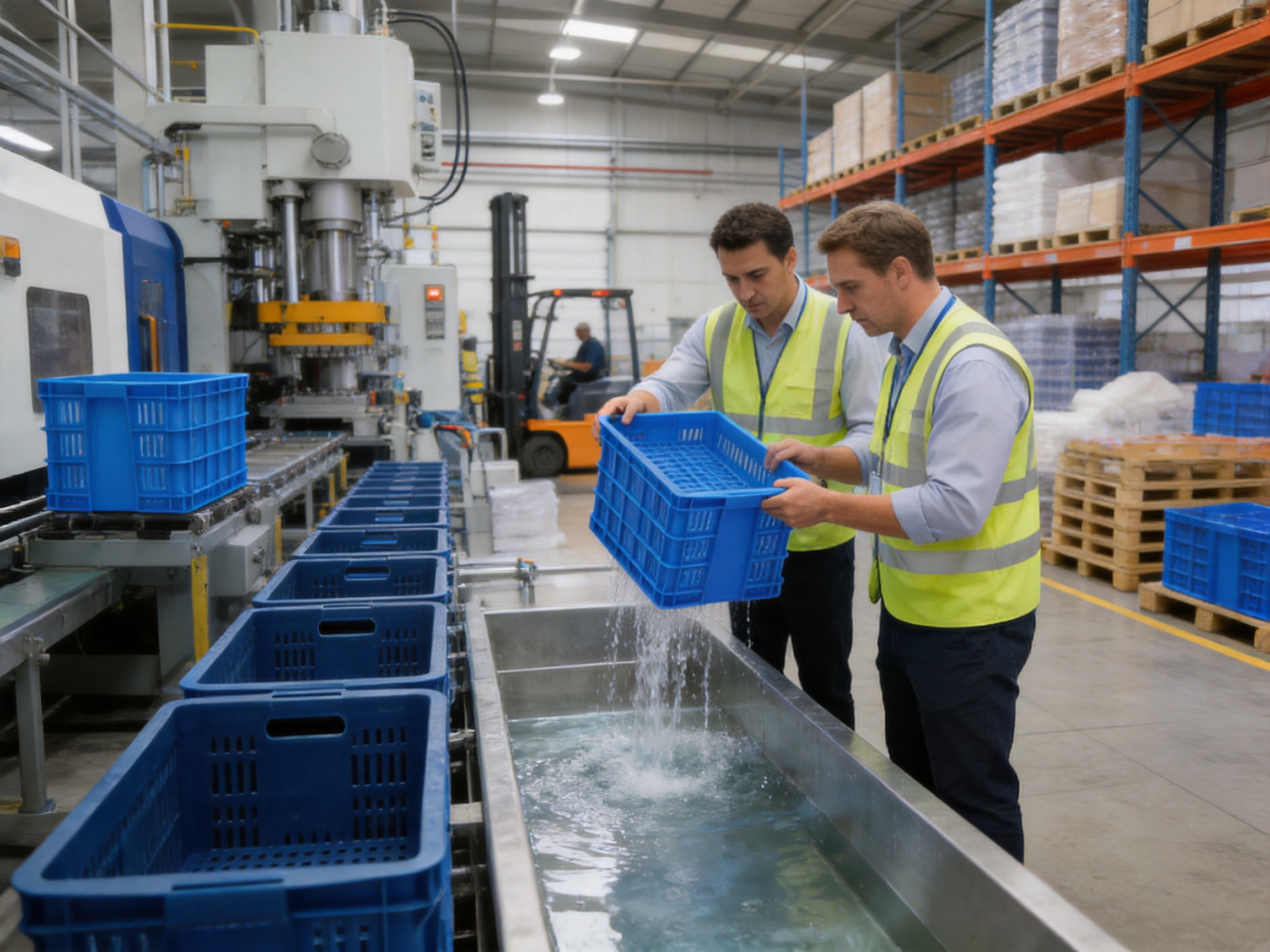
Yancheng Bingo Machinery Equipment Co., Ltd. emphasizes strict quality control at every stage, beginning with raw material sourcing and continuing through production and inspection. The company describes a standardized manufacturing approach intended to ensure that products meet defined quality requirements before shipment. For buyers, this focus is important because repeat orders must deliver consistent dimensions and functional performance across batches.
Raw Material Management
Raw material management is the first stage in product consistency. The product information identifies HDPE as the material of the crate and also refers to virgin polymer material in its quality-control statement. Because the supplied information uses both HDPE and a general reference to high-density PP virgin material, purchasers should confirm the exact resin specification for the BG-543631-SC before placing a technical or regulated application order. Material traceability, grade selection, colorant control, and contamination prevention all influence the final product.
For a heavy-duty crate, the resin must be suitable for the intended molding process and operating environment. A controlled material supply helps reduce variations in impact resistance, stiffness, color, and surface finish. In food-related or hygiene-sensitive applications, buyers should also request the relevant compliance documents and confirm that the product is suitable for the intended contact conditions.
Standardized Molding and Structural Formation
The molding process must form the crate’s external walls, internal volume, base, ribs, perforations, and handles as one integrated structure. The design balance is demanding: the walls must be thick enough to withstand service loads, while the mesh openings must remain open and consistent. Ribs must be formed cleanly without creating sharp edges or weak transition points.
Standardized process parameters help control this balance. Temperature, pressure, cooling, cycle time, mold condition, and material flow can affect dimensions and deformation. Consistent production practices support better fit between stacked crates and help maintain the intended geometry over large quantities.
After molding, inspection may include visual checks, dimensional verification, weight checks, structural review, and evaluation of the handle and stacking areas. Depending on the customer’s requirements, additional testing may be arranged for load performance, impact resistance, environmental exposure, cleanability, or long-term reuse. Buyers requiring formal validation should define the expected test method and acceptance criteria before production.
Inspection at Every Stage
The company’s stated quality approach includes inspections from raw material sourcing to production. This stage-by-stage method is stronger than relying only on a final visual check. Early controls can identify material or process issues before large numbers of units are completed. In-process inspections can detect dimensional drift, molding defects, incomplete perforations, or irregular ribs. Final checks can then confirm that finished crates meet the agreed specification.
For international customers, documented inspection and standardized processes can simplify purchasing decisions. Consistency is particularly important when crates are used with warehouse racks, pallet systems, conveyors, shelving, or transport vehicles. A product that performs well as an individual unit must also integrate reliably into the customer’s broader operation.
Competitive Advantages
The BG-543631-SC competes in a market that includes lightweight household storage boxes, low-cost agricultural crates, corrugated cartons, wooden containers, and premium industrial totes. Its main advantage is the combination of features rather than any single specification. It offers high capacity, reinforced HDPE construction, ventilation, visibility, stackability, and integrated handling in one reusable format.
Strength Compared with Lightweight Crates
Some lightweight crates are designed primarily for occasional use or low-load applications. Their thin walls may be sufficient for empty storage or short-distance movement, but they can deform when subjected to repeated stacking and high loads. The BG-543631-SC is positioned as an ultra-heavy-duty model with an ultra-thick structure and multi-layer reinforcement. This makes it more appropriate for industrial logistics environments in which crates are expected to remain stable over repeated cycles.
A stronger crate can also protect the customer’s investment in the contents. Deformation may cause products to shift, compress, or spill. It can also make the container difficult to stack, reducing the efficiency of the entire storage system. Reinforced construction helps preserve a more reliable working shape.
Reusable Value Compared with Disposable Packaging
Disposable cartons may have a low initial purchase cost, but they require frequent replacement and may lose strength when exposed to humidity, rough handling, or repeated loading. A reusable plastic crate has a higher initial cost in many cases, but it can circulate through the operation multiple times. The relevant comparison should therefore consider total cost per use, cleaning, return logistics, loss, repair, and expected service life.
Reusable crates can also improve operational consistency. Standardized dimensions and fixed structural features make it easier to train employees, arrange storage, and create repeatable workflows. The crate can support a closed-loop system in which products move from supplier to warehouse, from warehouse to store or customer, and back through a return or cleaning process.
Ventilation Compared with Closed Containers
Closed containers can protect contents from some external contaminants, but they may restrict airflow and make inspection slower. The fully perforated walls of the BG-543631-SC are advantageous for produce, items requiring ventilation, and operations where quick visual checks are necessary. The design can reduce the need to open containers simply to determine what they contain.
Capacity and Handling Balance
A container can be too small for efficient throughput or too large for comfortable manual handling. With a nominal capacity of approximately 46–47L and a net weight of 1.81kg, this crate provides a practical middle ground for many warehouse and retail applications. It is large enough to reduce the number of containers required for bulkier products, yet its empty weight remains manageable for routine movement.
The ideal fill level depends on the product and the worker. A crate should not be filled beyond a point where it becomes unsafe to lift or where the contents can be damaged by compression. In operations using manual picking, the nominal volume should be considered alongside the average product weight.
Applications Across Multiple Industries
Warehousing and Distribution
In general warehousing, the crate can be used for order picking, component storage, returns processing, batch separation, and internal transport. The open walls make product identification easier, while the stackable structure supports vertical organization. Warehouses can assign crates to product families, customers, routes, or production orders, reducing the risk of mixing inventory.
Distribution centers can also use the crate as a reusable transfer unit. Products may be picked directly into the crate and then moved to staging areas without repacking. This reduces handling touches and may shorten the time between picking and dispatch. For route-based delivery, color coding and labels can be used to identify destinations, although labeling methods should be selected so that they do not damage the plastic or obstruct the ventilation openings.
Manufacturing and Industrial Operations
Manufacturers often require containers for raw materials, work-in-process items, spare parts, tools, and finished components. The BG-543631-SC can help separate production stages and reduce the use of improvised cartons or mixed bins. Its substantial internal dimensions are suitable for larger parts and packaged components that do not fit in small totes.
In assembly environments, a crate can serve as a replenishment unit positioned near a workstation. Integrated handles allow the container to be moved when the workstation changes or when production schedules are reorganized. The ventilated design may also be useful where components need to be visible for rapid identification.
Supermarket Retail
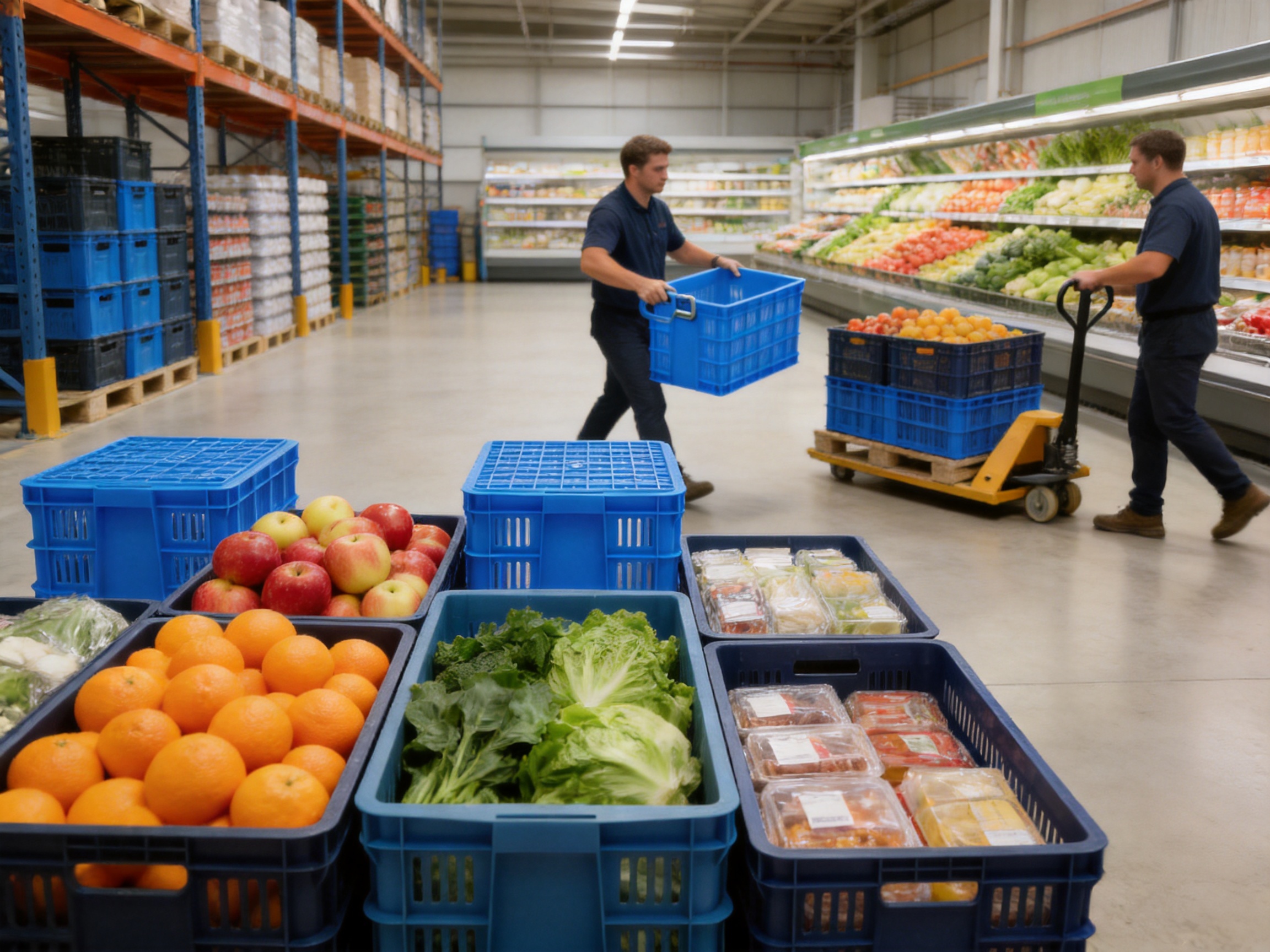
Supermarkets can use the crate in receiving, backroom storage, stock replenishment, and direct product display. The same container may travel through several stages, reducing the need for product transfers. This can save time and reduce the handling that contributes to bruising, package damage, or inventory errors.
The mesh construction creates a practical retail appearance for fruit and vegetables. Staff can see the contents, customers can view the products, and store teams can replenish displays with less effort. Because the crate is stackable, reserve stock can be stored in the backroom with a smaller floor footprint than loose cartons or non-stackable baskets.
Agricultural and Produce Handling
Fresh produce supply chains require containers that can tolerate moisture, frequent handling, and repetitive transport. The HDPE structure and perforated walls are suitable characteristics for this type of work. Crates can be used during harvesting, sorting, temporary storage, delivery, and retail preparation.
Produce operators should select loading patterns appropriate for the crop. Some products require shallow layers, internal liners, or cushioning. The crate provides the structural platform, but the operator remains responsible for matching the packaging method to the product’s sensitivity and regulatory requirements.
E-Commerce and Fulfillment
Order fulfillment centers can use reusable crates to organize picked items by customer, route, wave, or workstation. Open walls support quick recognition, and the large volume can reduce the number of small containers needed for larger orders. Crates can also support returns processing by keeping returned items separated until inspection.
Where the containers are used with conveyors or automated equipment, the operator should confirm dimensional tolerances, base compatibility, maximum load, and sensor requirements. Standardized crate geometry is helpful, but system integration should be tested before full deployment.
Operational Benefits and Workflow Improvement
A well-designed reusable crate can improve operations in several ways. First, it creates a standard unit of storage. Second, it reduces product movement between different packaging formats. Third, it supports more efficient vertical use of space. Fourth, it makes inventory visible and accessible. Together, these benefits can help reduce unnecessary handling and improve workplace organization.
Organizations can also use the crate to establish a visual management system. Different colors may be assigned to product categories, destinations, quality statuses, or work areas. The supplied information indicates that multiple colors and full specifications are available, and customization may be possible. Any color-coding program should be documented clearly so that workers interpret colors consistently.
Labels, barcodes, and identification cards can further improve traceability. Labels should be placed where they remain visible without blocking essential ventilation or weakening the structure. If crates are washed regularly, the selected identification method should withstand the cleaning process. Customers with specialized tracking needs should discuss printing, molded-in markings, RFID compatibility, or other identification options with the manufacturer.
Empty-crate management is another important consideration. Reusable containers deliver their greatest value when they circulate efficiently rather than remaining idle or disappearing from the system. Companies should define collection points, inspection rules, cleaning schedules, and return routes. A simple tracking system can reveal where crates accumulate and help reduce unnecessary purchases.
Maintenance, Cleaning, and Service Life
Routine maintenance helps preserve the performance of any reusable handling product. Crates should be inspected before use for cracked ribs, damaged handles, deformed stacking surfaces, sharp edges, or contamination. A damaged crate should be isolated and evaluated rather than returned immediately to a high-load stack.
Cleaning requirements vary by application. Dry goods may need only brushing or basic washing, while food and produce applications may require controlled sanitation procedures. The user should select detergents, water temperatures, pressure levels, and drying methods that are compatible with HDPE and with the product’s hygiene requirements. Harsh chemicals, prolonged exposure to extreme heat, or unsuitable mechanical cleaning may shorten service life.
Storage conditions also affect durability. When empty crates are stored outdoors or in areas exposed to prolonged sunlight, ultraviolet exposure may influence polymer performance over time. If long-term outdoor storage is unavoidable, users should confirm the product’s UV suitability and consider protective storage arrangements.
Service life is determined by many variables, including load weight, impact frequency, stacking height, temperature, cleaning process, exposure to chemicals, sunlight, and handling discipline. The crate’s heavy-duty construction is intended to support demanding use, but no plastic container is indestructible. A documented inspection and replacement policy is the best way to maintain safe operations.
Customization and Supply Support
Different industries may require different colors, dimensions, markings, or packaging arrangements. The supplied information indicates the availability of multiple colors and full specifications, as well as customization support. Customization can help businesses create a more organized system, distinguish ownership, or align containers with corporate and operational standards.
Before requesting customization, buyers should define the required application in detail. Important questions include the expected load, product dimensions, temperature range, cleaning method, stacking arrangement, storage equipment, transport method, and identification requirements. Clear technical information helps the manufacturer recommend a suitable configuration and reduces the risk of selecting a crate that is too large, too small, or incompatible with existing equipment.
For larger orders, purchasers may also request pre-shipment inspection, sample approval, packaging specifications, spare-unit ratios, and documentation. These measures can be especially useful for international supply programs in which replacement deliveries may require significant time and freight cost.
The company reports that products are available in stock and ready to ship for certain specifications. Stock availability can shorten project lead times, while standardized manufacturing processes support repeat purchasing. Customers should confirm current inventory, production scheduling, export packaging, and delivery arrangements before finalizing an order.
One-Stop Logistics Equipment Capability
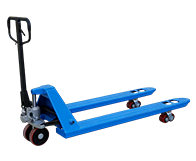
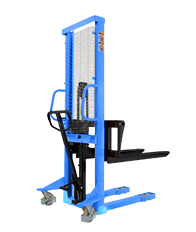
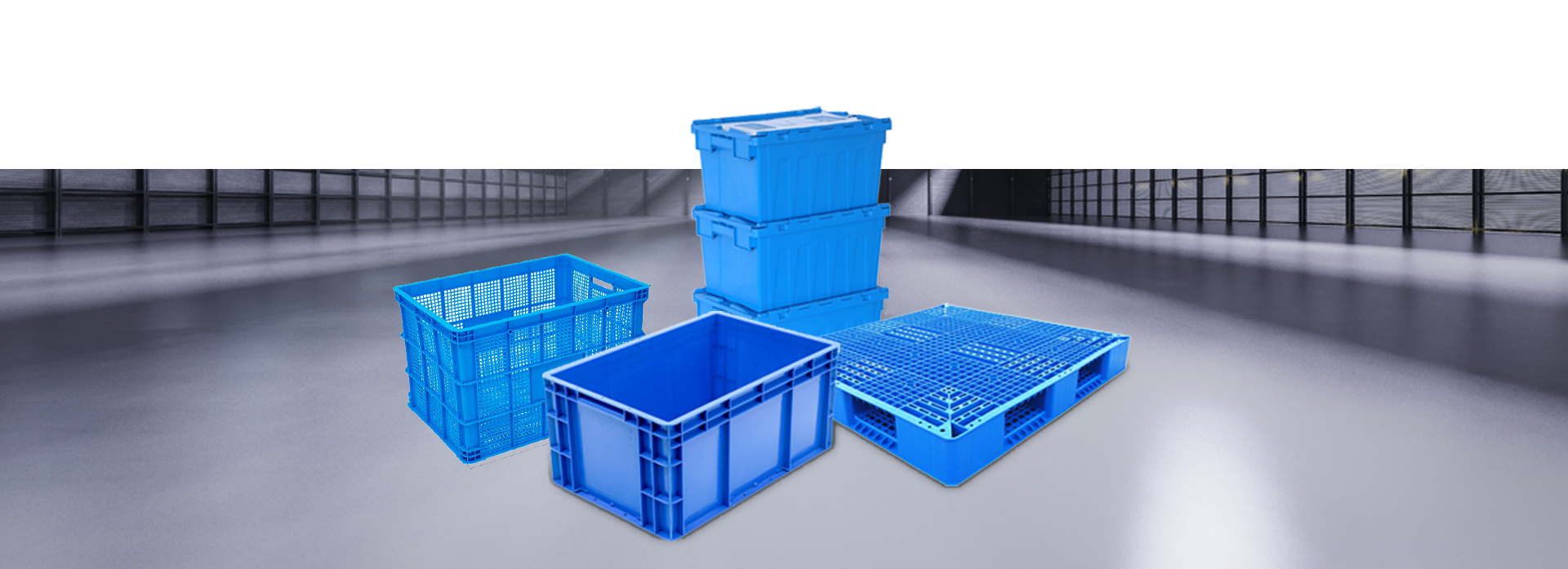
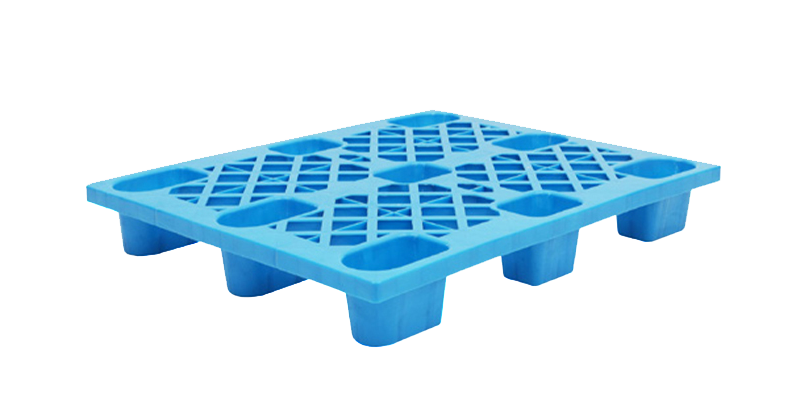
The manufacturer’s broader product portfolio covers four core systems: handling equipment, storage containers, packaging materials, and warehouse racking. This portfolio includes manual and electric pallet trucks, stackers, plastic pallets, plastic totes, crates, bulk containers, stretch wrap, packing strapping, and light-duty, medium-duty, and heavy-duty warehouse racks.
This range gives customers the option to coordinate several parts of a material-handling project through one supplier. For example, a warehouse may require crates for internal storage, pallet trucks for movement, racks for vertical organization, and stretch film or strapping for outbound preparation. Working with a supplier familiar with these connected requirements can simplify product selection and communication.
A one-stop approach does not eliminate the need for application review. Each warehouse has different floor conditions, aisle widths, rack loads, pallet sizes, and work patterns. However, a supplier with experience across several product categories may be better positioned to identify interactions between containers, handling equipment, and storage infrastructure.
Selection Guidance for Buyers
Before purchasing the BG-543631-SC, buyers should compare the crate’s internal dimensions with the actual products to be stored. The usable dimensions are 480×325×300mm, not the external dimensions. Products should fit without excessive compression, while sufficient clearance should remain for easy removal and inspection.
The expected load should be considered separately from the volume. A crate may have enough physical space for a product but become too heavy for safe manual handling when fully loaded. Buyers should calculate the typical weight per crate, the maximum expected weight, and whether handling will be manual, pallet-based, or mechanical.
Storage equipment should also be checked. The external footprint is 540×360mm, and the full height is 310mm. Rack beams, shelf depths, conveyor widths, pallet layouts, and vehicle compartments must accommodate these dimensions with suitable clearance. If crates will be stacked, the customer should establish the maximum safe stack height for the operating conditions.
Environmental conditions are equally important. Users should identify whether the crates will encounter water, oils, cleaning agents, low temperatures, high temperatures, ultraviolet exposure, or food-contact requirements. HDPE is versatile, but application-specific confirmation is recommended whenever the operating environment is demanding or regulated.
Finally, customers should clarify the capacity terminology. The product title refers to 47L, while the specification lists 46L. This difference is small, but precise documentation is important for warehouse planning and purchasing. The internal dimensions, product weight, and agreed tolerance should be confirmed on the quotation or technical data sheet.
Frequently Asked Questions
What is the capacity of the BG-543631-SC crate?
The specification lists a capacity of 46L, while the commercial product title identifies it as a 47L crate. The difference is likely related to nominal or rounded capacity terminology. For operational planning, buyers should use the stated internal dimensions of 480×325×300mm and confirm the exact usable volume with the supplier.
What material is used to manufacture the crate?
The product specification identifies HDPE, or high-density polyethylene, as the primary material. The description further refers to high-impact, food-safe resin. The supplied company information also contains a general reference to virgin PP material in its quality-control statement, so customers requiring exact polymer documentation should confirm the resin grade for this specific model before ordering.
Is the crate suitable for food and produce applications?
The crate is described as food-safe and is designed with fully perforated walls that support ventilation and visibility. These characteristics make it suitable for many produce and supermarket applications. However, the buyer must confirm the applicable food-contact documentation, hygiene procedures, cleaning chemicals, and temperature conditions for the intended market and use.
Can the crate be stacked when full?
The crate is designed to be stackable, and its reinforced ribs are intended to improve load-bearing performance. The safe stacking height depends on the load, product distribution, surface condition, temperature, and handling method. Users should follow supplier guidance, keep stacks aligned, and remove damaged crates from service.
Can the crate be handled manually?
Yes. Integrated handles are provided for manual handling. The empty crate weighs 1.81kg, but the total loaded weight may be substantially higher. Workers should assess the load before lifting and use mechanical assistance or team lifting when necessary.
Is the crate compatible with forklifts?
The product information describes the integrated handle design as supporting manual and forklift handling operations. Direct forklift handling should be performed only with an approved method, suitable equipment, and proper site procedures. Customers should confirm whether a pallet, platform, or specific lifting arrangement is required for their application.
What advantages does the mesh design provide?
The perforated mesh structure promotes airflow, improves product visibility, and makes it easier to inspect the contents without opening the crate. These benefits are particularly useful for fresh produce, retail display, warehouse picking, and products that require ventilation. The openings do not replace cleaning or protective packaging where those are necessary.
Can the crate replace cardboard cartons?
In many reusable logistics applications, it can reduce reliance on disposable cartons. The crate is more resistant to moisture and repeated handling than ordinary corrugated packaging, and it can be cleaned and reused. The best choice depends on the product, transport route, return system, cost model, and hygiene requirements.
Are different colors available?
The product information indicates multiple colors and customization support. Color selection can assist with product identification, destination coding, ownership control, or workplace organization. Available colors, minimum order quantities, and customization details should be confirmed before purchase.
How should the crate be cleaned?
Cleaning should be based on the goods handled and the applicable operating standards. Users should select compatible detergents and water temperatures, rinse thoroughly, and dry the crate before reuse when required. Food and produce operations should maintain documented cleaning and segregation procedures.
What industries can use this crate?
Potential applications include warehousing, distribution, manufacturing, supermarket retail, agriculture, fresh produce handling, e-commerce fulfillment, spare-parts storage, and general industrial logistics. The most suitable application is one where reusable capacity, ventilation, visibility, and stackability provide practical value.
What should be confirmed before placing an order?
Buyers should confirm the exact resin, capacity terminology, dimensions, load requirements, color, customization, food-contact documentation if relevant, stacking conditions, packaging, stock availability, and delivery schedule. A sample or technical approval may be appropriate for automated systems or high-volume deployments.
Conclusion
The BG-543631-SC stackable plastic crate is designed to support demanding storage and distribution workflows. Its approximately 46–47L capacity, 540×360×310mm external dimensions, reinforced HDPE structure, perforated mesh walls, integrated handles, and stackable format provide a versatile solution for warehouse logistics, supermarket display, produce handling, manufacturing, and reusable transport.
Its strongest competitive advantage is the way several practical features work together. The crate is large enough for efficient handling, light enough to remain manageable when empty, strong enough for repeated use, open enough to support ventilation and visibility, and structured enough to make vertical storage practical. Compared with disposable cartons, weak lightweight crates, and closed containers, it can offer a more consistent and reusable method of organizing products.
The manufacturing approach is equally important. The supplier emphasizes controlled raw material sourcing, standardized processes, inspections at each production stage, and a broader capability across handling equipment, storage containers, packaging materials, and warehouse racking. This combination allows customers to evaluate the crate not only as an individual product but also as part of an integrated logistics solution.
For the best results, every application should be reviewed according to its load, environment, cleaning process, storage system, and handling method. When properly selected and managed, the BG-543631-SC can help businesses improve space utilization, reduce unnecessary product transfers, simplify visual control, and establish a durable reusable packaging cycle.
References
1. Product specification sheet for model BG-543631-SC, including dimensions, material, capacity, and weight information.
2. Internal product description for the 47L stackable plastic crate, including structural design, ventilation, handling, and application details.
3. General technical references on high-density polyethylene properties, reusable industrial containers, impact resistance, moisture resistance, and cleanability.
4. General warehouse management principles concerning vertical storage, reusable transport packaging, load distribution, and safe manual handling.
5. General packaging and produce-handling guidance concerning airflow, product visibility, inspection, cleaning, and repeat-use logistics systems.
Product: 47L Plastic Crate Stackable Bin for Supermarket Fruit Display

Copyright @ Yancheng Bingo Machinery Equipment Co., Ltd. All rights reserved Warehouse Logistics Equipment Manufacturer Pallet Truck Supplier
