 en
en  Español


42L Collapsible Plastic Tote Box for Smarter Warehouse Sorting and Storage
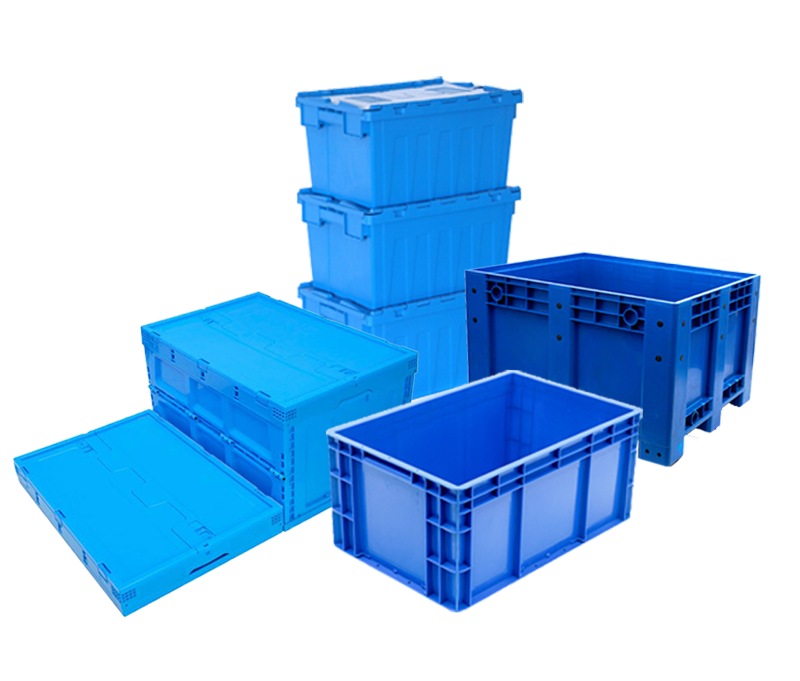
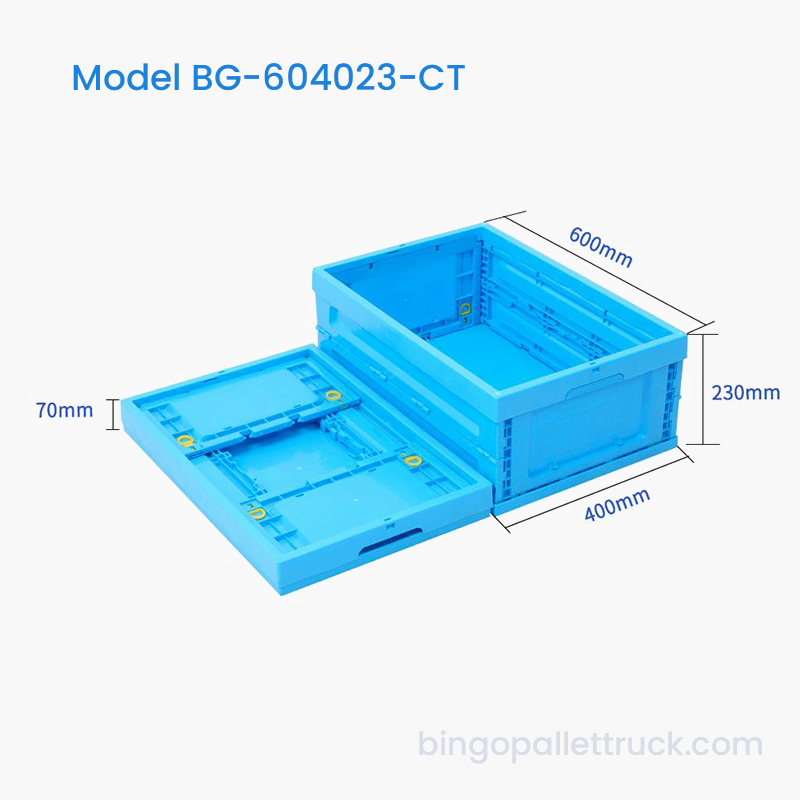
Efficient warehouse operations depend on equipment that saves space, protects goods, supports fast handling, and performs reliably through repeated daily use. The 42L collapsible plastic tote box, model BG-604023-CT, is designed for exactly that purpose. With a 600×400×230mm external footprint, a practical 42L capacity, a folding height of only 70mm, and a secure lid for protected storage and transit, this tote box provides a strong, reusable, and space-saving solution for warehouses, e-commerce fulfillment centers, distribution operations, manufacturing lines, retail backrooms, and organized home storage.
Unlike conventional rigid crates that occupy the same volume whether full or empty, this folding tote reduces its height dramatically after use. The 69.5% fold ratio helps businesses reclaim valuable storage space, lower return-logistics volume, improve vehicle utilization, and keep empty containers organized when not in active use. Made from high-strength PP material and engineered for stable stacking, the box combines durability with easy handling. Its modular construction, latch system, pin-shaft connection, label card slot, and security lock hole further enhance its practicality in professional logistics environments.
Yancheng Bingo Machinery Equipment Co., Ltd. supplies this tote as part of a broader one-stop warehousing and logistics equipment portfolio. The company focuses on material handling equipment, storage containers, packaging materials, and warehouse racking, allowing customers to build integrated logistics systems from a single supply source. Through strict quality control, standardized production processes, and a mature supply chain, Bingo supports global customers seeking reliable, cost-effective solutions for smart logistics.
42L Collapsible Plastic Tote Box for Warehouse Goods Sorting
Content
- 1 Product Overview: A Practical Folding Tote for Modern Logistics
- 2 Key Specifications
- 3 Space-Saving Performance That Directly Reduces Operating Costs
- 4 High-Strength PP Material for Heavy-Duty Repeated Use
- 5 Secure Lid Design for Better Protection During Storage and Transit
- 6 Stable Stacking and Nestable Storage Advantages
- 7 Humanized Foldable Design for Easy Daily Operation
- 8 Modular Construction and Replaceable Parts
- 9 Pin Shaft and Latch Designs for Structural Reliability
- 10 Security Lock Hole for Safer Goods Handling
- 11 Label Card Slot for Faster Sorting and Identification
- 12 Applications Across Warehouse, E-Commerce, Manufacturing, and Home Storage
- 13 Advantages Over Conventional Rigid Crates
- 14 Advantages Over Disposable Cartons
- 15 Advantages Over Low-Cost Folding Bins
- 16 Manufacturing Strength: Quality Begins With Material Selection
- 17 Standardized Production Processes and Strict Inspection
- 18 Advanced Equipment and Integrated Supply Chain Capability
- 19 Designed for Global Warehousing Standards and Practical Operations
- 20 Operational Scenarios Where the 42L Tote Delivers High Value
- 21 Lifecycle Cost Benefits
- 22 Quality Control as a Competitive Advantage
- 23 Sustainability and Reusable Packaging Value
- 24 How to Use the Tote Effectively
- 25 Why Choose This 42L Collapsible Plastic Tote Box
- 26 Q&A Section
- 26.1 Q1: What is the capacity of the 42L collapsible plastic tote box?
- 26.2 Q2: What are the external and internal dimensions?
- 26.3 Q3: How much space does the tote save when folded?
- 26.4 Q4: What material is used?
- 26.5 Q5: Does the tote come with a lid?
- 26.6 Q6: Is it suitable for heavy-duty warehouse use?
- 26.7 Q7: Can damaged parts be replaced?
- 26.8 Q8: How does the label card slot help warehouse operations?
- 26.9 Q9: Can the tote be sealed for security?
- 26.10 Q10: What industries can use this tote?
- 27 Conclusion
- 28 References
- 29 Product: 42L Collapsible Plastic Tote Box for Warehouse Goods Sorting
Product Overview: A Practical Folding Tote for Modern Logistics
The 42L collapsible plastic tote box is built for environments where goods must be stored, sorted, transported, and returned repeatedly. In warehouse logistics, packaging is not merely a container; it is part of the operating system. A poorly designed box can slow picking, waste storage space, increase product damage, and create unnecessary handling costs. A well-designed tote, on the other hand, improves workflow consistency and helps employees move goods safely and efficiently.
Model BG-604023-CT is engineered around a widely used logistics footprint of 600×400mm. This size is compatible with many warehouse shelves, carts, pallet arrangements, and sorting systems. The 230mm external height provides useful capacity while remaining easy to lift and stack. Internally, the box measures 560×360×215mm, offering a usable 42L volume for a wide variety of goods such as small parts, packaged consumer items, apparel, accessories, tools, components, documents, and e-commerce parcels.
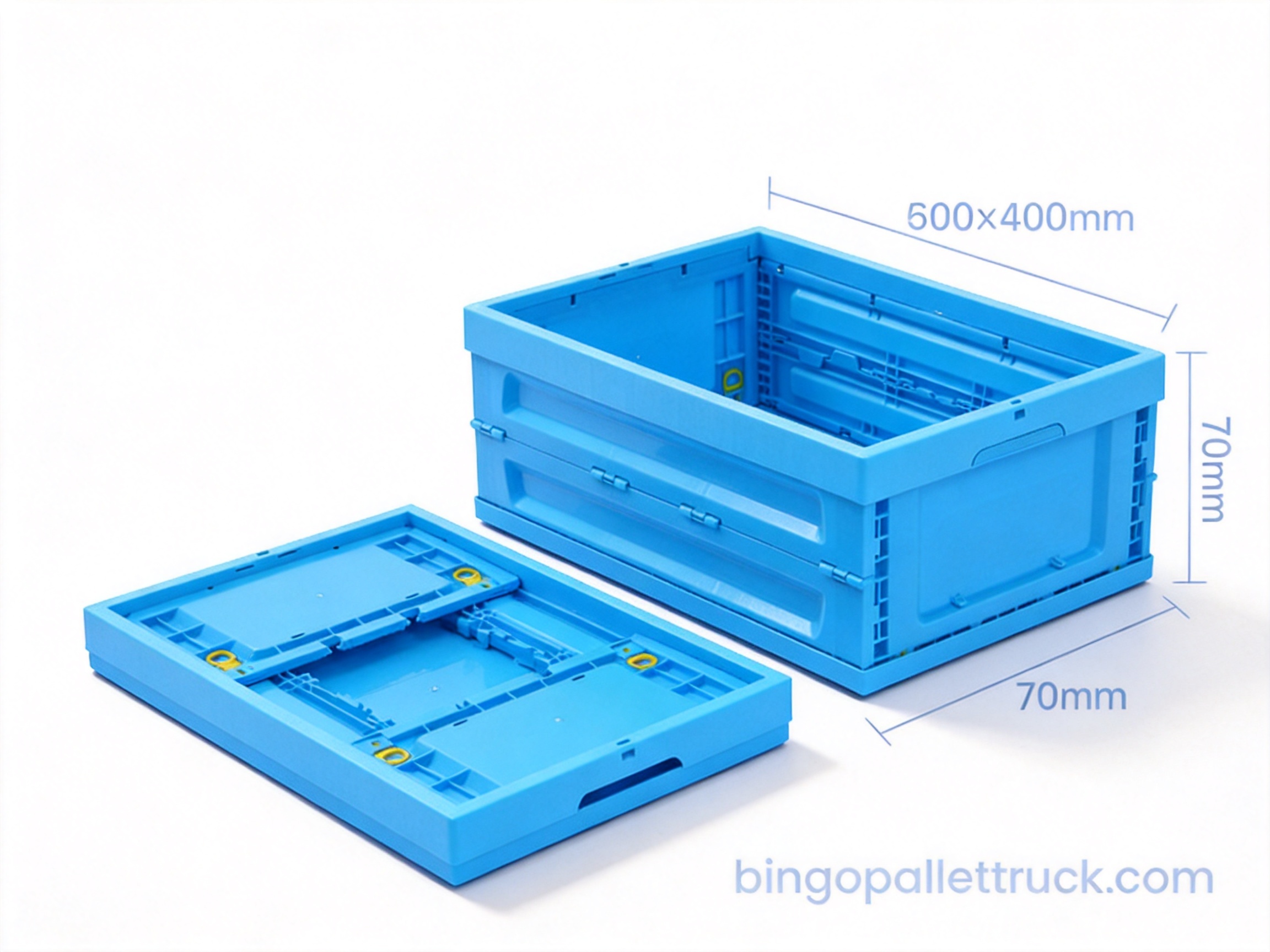
When empty, the tote folds down to only 70mm in height. This compact folded profile is one of its strongest advantages over traditional non-folding plastic containers. Empty containers frequently accumulate in receiving areas, sorting zones, return centers, and staging spaces. If those empty containers cannot be collapsed, they continue to consume valuable floor and shelf space. By folding flat, this tote helps facilities reduce clutter and improve the efficiency of container circulation.
The tote also includes a lid, which is important for many storage and transport applications. The lid helps keep goods dust-free, protects items from light contact during movement, and improves stacking stability when boxes are arranged in layers. For e-commerce and distribution operations, the lid can help reduce the risk of misplaced or exposed goods during internal transfer. For manufacturing and parts storage, it helps prevent contamination and keeps parts organized by batch, line, or order.
Key Specifications
The following table summarizes the main technical details of the 42L collapsible plastic tote box.
| Item | Specification |
| Model | BG-604023-CT |
| Material | High-strength PP |
| External Dimensions | 600×400×230mm |
| Internal Dimensions | 560×360×215mm |
| Weight | 2.06kg |
| Capacity | 42L |
| Folded Height | 70mm |
| Fold Ratio | 69.5% |
| Primary Applications | Warehouse sorting, e-commerce shipping, inventory storage, goods classification, parts handling, return logistics |
Space-Saving Performance That Directly Reduces Operating Costs
Space is one of the most expensive resources in any warehouse. Every square meter used for empty containers is space that cannot be used for revenue-generating inventory, packing stations, staging lanes, or productive movement. This is why collapsible storage containers offer a clear advantage over rigid crates. The 42L folding tote box reduces its height from 230mm to 70mm when folded, delivering a fold ratio of 69.5%.
This space-saving feature is especially valuable in closed-loop logistics systems. In many operations, containers are used to deliver goods to one location and then returned empty. If empty boxes are rigid, return transportation becomes inefficient because trucks, vans, or internal carts may be filled with air inside empty containers. Foldable boxes allow more empty units to fit into the same return volume, reducing trip frequency and improving vehicle utilization.
Inside the warehouse, collapsed totes can be stacked neatly in return zones, near workstations, or on storage racks. This improves housekeeping and reduces the risk of aisle obstruction. A cleaner and more organized warehouse can support faster picking, safer movement, and more accurate inventory handling. For businesses dealing with seasonal peaks, foldable totes are also useful because large quantities can be stored compactly when demand is low and deployed quickly when order volumes rise.
Compared with disposable cartons, the collapsible tote also offers long-term value. Cardboard boxes may be convenient for one-way shipping, but they deform, absorb moisture, and require frequent replacement. Reusable PP totes can be used repeatedly, which may reduce packaging waste and long-term procurement costs. For internal logistics, reusable plastic containers often provide a more stable and professional system than constantly replacing paper-based packaging.
High-Strength PP Material for Heavy-Duty Repeated Use
The tote is made of PP, a widely used engineering plastic valued for its balance of strength, impact resistance, weight control, and chemical tolerance. In warehouse environments, containers may be dragged, stacked, lifted, folded, unfolded, loaded, and moved many times each day. Material quality is therefore critical. A low-grade plastic box may crack under stress, warp after repeated stacking, or fail at hinges and latches. High-strength PP helps the tote maintain reliable performance through long-term use.
The product information indicates that Bingo’s foldable crates are manufactured using high-density PP virgin material and tested for high load-bearing performance. Load-bearing tests show that the foldable crate structure can support over 120kg under high-strength stress. This provides confidence for customers handling dense goods, spare parts, hardware, documents, packaged products, or inventory that must be stacked safely in warehouse conditions.
Although every operating environment should follow appropriate loading and stacking guidelines, the strong material foundation gives the tote a competitive advantage over lightweight containers designed only for low-stress household use. The box is not simply a storage bin; it is a logistics-grade container built for enterprise applications. Its 2.06kg weight also keeps it manageable for workers while maintaining the structural strength needed for repeated daily operation.
The balance between weight and durability is important. If a tote is too heavy, employee fatigue may increase and manual handling becomes less efficient. If it is too light or thin, it may not withstand stacking or rough handling. At 2.06kg with a 42L capacity, this model provides a practical middle ground for users who need a robust but convenient container.
Secure Lid Design for Better Protection During Storage and Transit
A lid is a small feature with a large operational impact. Open containers can be useful for fast picking, but covered containers are often better for storage, transit, and goods protection. The 42L collapsible plastic tote box includes a secure lid that helps protect items from dust, accidental contact, and environmental exposure during internal movement or temporary storage.
For warehouses handling e-commerce goods, a lid helps keep order batches separated and less exposed. This can reduce the chance of product mix-ups or accidental contamination. In manufacturing environments, lids can protect parts from dust, fibers, or debris while they wait for assembly. In retail distribution, lids support neat stacking and reduce the risk that small items fall out during handling.
The lid also improves the visual order of a storage area. Covered totes create cleaner stacked rows and make it easier to maintain professional warehouse standards. In multi-shift operations, a closed box can communicate that the contents are contained and ready for the next step, reducing confusion between active picking bins and stored inventory containers.
Stable Stacking and Nestable Storage Advantages
Stacking performance is essential for warehouse containers. A tote must remain stable when loaded, stacked, and moved. The 42L collapsible tote is described as lightweight yet robust enough for stable stacking. When unfolded, the structure supports vertical arrangement of boxes, allowing warehouses to use cubic space more effectively. When folded, empty boxes can be nested or stacked compactly, minimizing idle storage volume.
Stable stacking helps prevent accidents and product damage. Poorly designed containers may shift, deform, or collapse when stacked, especially if loads are uneven. A properly engineered tote with reinforced panels and secure folding geometry provides a more dependable platform. This is particularly useful for staging areas where multiple totes are temporarily stacked before being moved to packing, shipping, inspection, or production lines.
The 600×400mm footprint also contributes to stacking consistency. Standardized dimensions make it easier to plan storage layouts, match containers with shelves, and organize goods by batch or category. Standardization is often overlooked, but it can significantly improve warehouse efficiency. When containers share predictable dimensions, employees can stack and arrange them faster, and managers can calculate storage capacity more accurately.
Humanized Foldable Design for Easy Daily Operation
A collapsible tote must be easy to fold and unfold, or employees will avoid using it properly. This model features a tool-free fold and unfold mechanism, supporting simple daily operation. Workers can open the box when needed, load goods, close or secure the lid, and fold the box flat after unloading. No special equipment is required.
Humanized design is important because warehouse efficiency depends on repeated small actions. If a tote requires excessive force, complicated steps, or additional tools, the time cost multiplies across hundreds or thousands of uses. A simple folding process supports faster container circulation and reduces training requirements for new employees.
The product information highlights both the opening and folding processes, indicating that the design is intended for quick handling. In high-volume e-commerce or sorting operations, this can make a noticeable difference. Workers can keep empty totes folded near their work area and deploy them quickly as order waves increase. After use, they can collapse the boxes to restore aisle space and maintain orderly workstations.
Modular Construction and Replaceable Parts
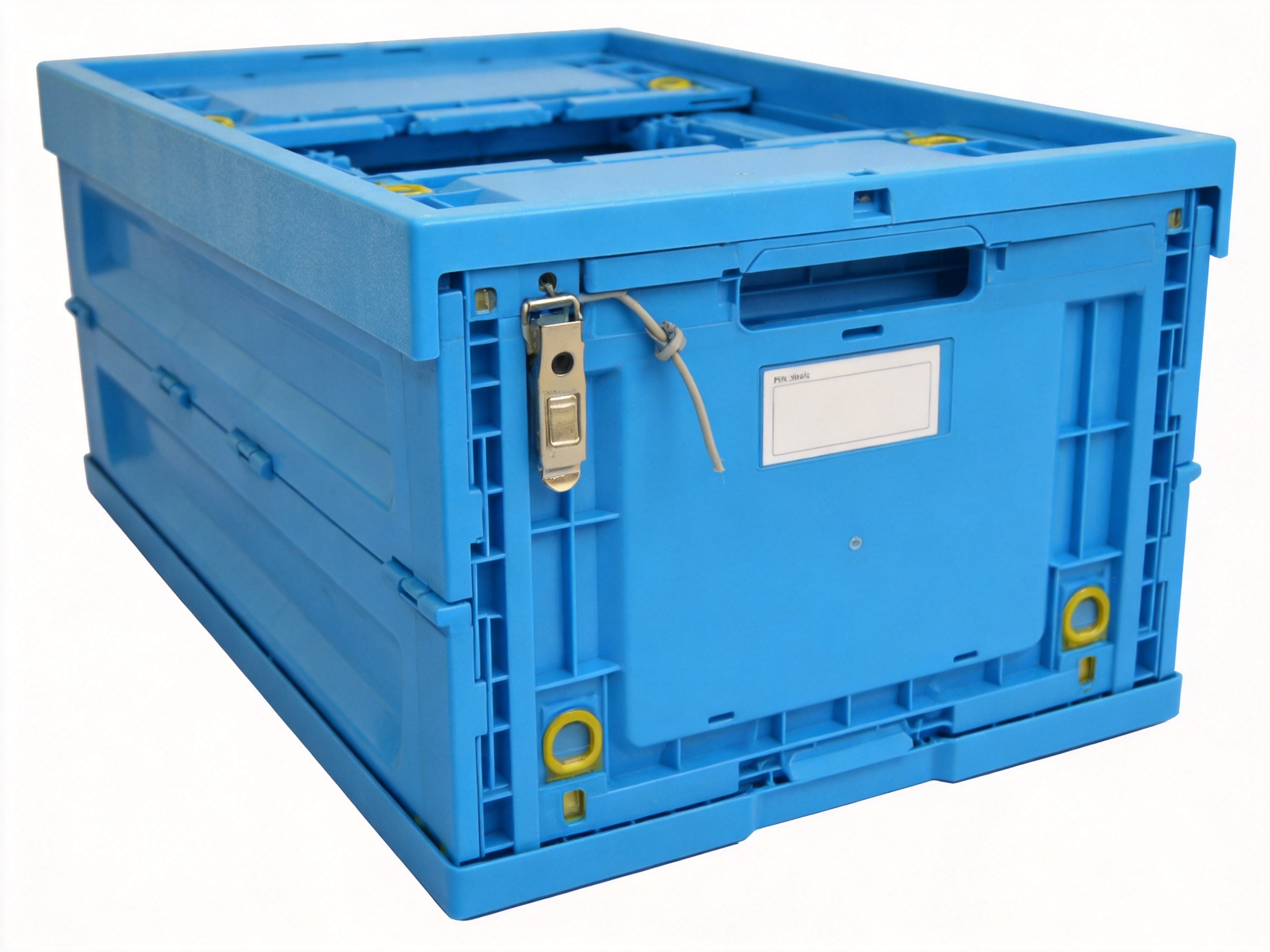
One of the most valuable competitive advantages of this collapsible plastic tote box is its modular structure. The product information identifies replaceable components such as long side panels, base, short side panels, pin shaft, latch, label card, and upper frame. This means that if a component becomes damaged, the entire crate does not necessarily need to be discarded. Instead, the corresponding part can be replaced, reducing long-term ownership costs.
This modular repair concept is especially important for enterprise users. In large logistics systems, containers are assets. If every damaged latch or panel requires replacing a complete box, total operating cost rises quickly. Replaceable components extend product service life and support a more sustainable approach to warehousing equipment. They also reduce waste, which is increasingly important for companies trying to improve environmental performance and resource efficiency.
Compared with low-cost one-piece containers, a modular collapsible tote may offer better lifecycle economics. The purchase price of a container is only one part of its true cost. Businesses must also consider service life, repairability, failure rate, stacking reliability, labor convenience, and storage efficiency. A modular tote with replaceable parts can outperform cheaper alternatives over time because it keeps more containers in service and reduces unnecessary disposal.
Pin Shaft and Latch Designs for Structural Reliability
The tote body uses a pin shaft connection design. Pin shafts are important in foldable containers because they allow panels to move while maintaining a stable mechanical connection. A weak hinge system can become loose, break under repeated folding, or create misalignment that affects stacking performance. A reliable pin-shaft structure supports smooth folding and unfolding while helping the box maintain its intended shape during use.
The latches are integrated into the short panels. Latch fixing improves the rigidity of the opened box by helping secure the panels in place. In a collapsible container, the transition between folded and unfolded states must be controlled. Once open, the tote should behave like a solid container. Proper latch design helps prevent unwanted panel movement, improves confidence during loading, and supports stable stacking.
These structural details separate logistics-grade folding totes from ordinary consumer storage bins. In professional use, boxes may be handled by different workers across multiple shifts and locations. The structure must be intuitive, repeatable, and strong. The combination of pin shaft connections and latch fixing gives the tote a practical mechanical foundation for frequent warehouse use.
Security Lock Hole for Safer Goods Handling
The tote includes a security lock hole design that can be sealed with cable ties or combination locks. This feature is useful when goods require additional control during transportation, temporary storage, or internal transfer. While it does not replace high-security packaging for sensitive cargo, it provides a practical deterrent against casual opening and helps maintain chain-of-custody discipline.
For e-commerce fulfillment, security sealing can help identify whether a tote has been opened after packing. For manufacturing, it can help protect prepared kits or batch materials before they reach the production line. For retail distribution, it can support controlled handling of small products that are easy to misplace. The ability to apply a cable tie or lock adds flexibility without complicating the container’s everyday function.
In many operations, visibility and accountability are as important as physical protection. A sealed tote communicates that the contents have been prepared, checked, or assigned. If the seal is broken, staff can investigate before goods move further through the process. This can support better quality control and reduce errors.
Label Card Slot for Faster Sorting and Identification
The label card slot on the short panels supports efficient goods classification and identification. In warehouse management, fast visual identification is essential. Workers need to know what is inside a container, where it should go, which order it belongs to, or what process step comes next. A dedicated label area keeps information visible and organized.
Without a proper label slot, facilities often rely on adhesive labels placed randomly on container surfaces. These labels may peel off, leave residue, become unreadable, or be positioned inconsistently. A label card slot creates a standard place for identification, improving readability and reducing confusion. It also supports reusable labeling systems, where cards can be changed without damaging the box.
This is particularly useful for warehouses that sort goods by SKU, batch number, order number, production line, route, customer, or inspection status. The tote can become part of a structured visual management system. When used alongside barcode labels, color cards, or written identifiers, the label slot helps staff locate and process goods more accurately.
Applications Across Warehouse, E-Commerce, Manufacturing, and Home Storage
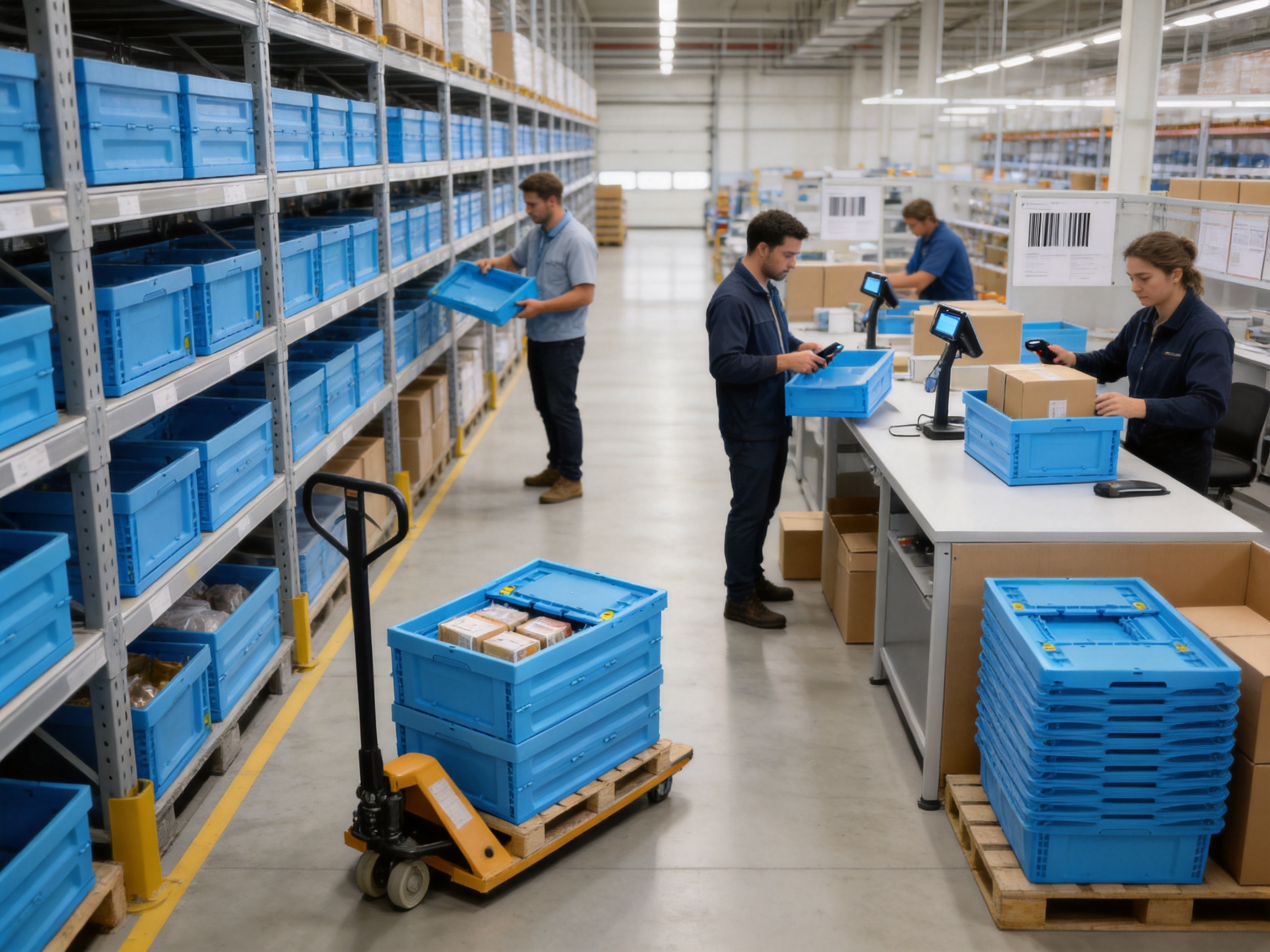
The 42L collapsible plastic tote box is versatile because it combines medium capacity, foldable design, protective closure, and durable material. In warehouse organization, it can be used for SKU sorting, temporary storage, replenishment tasks, picking zones, returns handling, and work-in-process management. Its standardized size makes it easy to arrange on shelves or carts, while the label slot supports clear inventory classification.
In e-commerce shipping and fulfillment, the tote can hold order batches, returned items, packing materials, promotional products, or transfer goods between picking and packing areas. The lid keeps items contained during movement, while the foldable design saves space when order volume fluctuates. During peak seasons, businesses can deploy more totes quickly; during slow periods, they can fold and store them compactly.
In manufacturing, the tote is suitable for components, semi-finished goods, tools, spare parts, and assembly kits. The security lock hole can help protect prepared materials before they are used on the line. The label slot supports batch control and process identification. The durable PP structure is appropriate for repeated circulation between warehouse, production, inspection, and shipping departments.
In retail and supermarket operations, collapsible totes can support backroom storage, category sorting, replenishment, promotional stock handling, and return organization. They are also useful for route distribution where empty containers need to be returned efficiently. The folded height of 70mm is especially helpful for delivery vehicles that must bring empty containers back after unloading goods.
For home or office storage, the tote provides a more durable and space-efficient alternative to ordinary bins. It can store documents, seasonal items, tools, clothing, or household supplies. When not needed, it folds flat, which is useful in apartments, garages, storerooms, and small offices. However, its strongest value remains in professional logistics environments where repeated use magnifies its advantages.
Advantages Over Conventional Rigid Crates
Rigid crates are strong and simple, but they have one major limitation: they occupy full volume at all times. The 42L collapsible tote solves this problem by folding down when empty. This provides a clear operational advantage in storage, return logistics, and seasonal inventory management. For companies with many container cycles, the space savings can translate into lower handling and transportation costs.
Another advantage is flexibility. A rigid crate remains a fixed object whether it is needed or not. A collapsible tote adapts to the workload. During busy periods, it functions as a full-size logistics container. During quiet periods, it becomes a compact stack of folded units. This adaptability is especially valuable for businesses with variable order volumes.
The secure lid and label card slot also offer advantages over basic open crates. Many rigid crates are open-top containers without integrated identification or sealing features. This tote provides better protection, easier sorting, and optional security sealing. These features support more controlled logistics processes and reduce reliance on improvised solutions.
Finally, the modular repair design can offer a lifecycle advantage. Many rigid containers are replaced entirely when damaged. A modular collapsible tote allows targeted part replacement, helping reduce waste and long-term cost. For large users, repairability can significantly improve asset management.
Advantages Over Disposable Cartons
Disposable cartons are common in logistics, but they are not always the best choice for internal handling or closed-loop systems. Cartons can crush, tear, absorb moisture, and lose strength after repeated handling. They also generate waste and require continuous purchasing. The 42L PP collapsible tote is reusable, stronger, and better suited to repeated circulation.
For internal warehouse movement, plastic totes provide more consistent dimensions than cartons that may deform under load. Consistent dimensions improve stacking, storage planning, and handling safety. The lid also provides repeatable protection without tape or additional packing steps. Over time, reusable totes can help reduce packaging waste and create a cleaner warehouse environment.
Cartons may still be appropriate for final outbound shipping, especially for one-way customer deliveries. However, for sorting, storage, order batching, returns, parts movement, and internal transportation, reusable collapsible totes can be more efficient. They reduce the need to assemble boxes, tape bottoms, dispose of used cartons, and constantly manage packaging inventory.
Advantages Over Low-Cost Folding Bins
Not all folding bins are equal. Low-cost folding containers may look similar at first glance, but differences in material quality, hinge design, latch reliability, panel thickness, dimensional accuracy, and quality control can greatly affect performance. The 42L collapsible plastic tote box is positioned as a heavy-duty logistics container rather than a light household bin.
The use of high-density PP virgin material supports better strength and consistency. The pin shaft design improves folding reliability. Integrated latches help secure the structure when open. The security lock hole, label slot, lid, and modular replaceable parts add professional value beyond simple storage. Load-bearing testing also demonstrates attention to structural capability.
For businesses, the cheapest container is not always the most economical. If low-cost bins break frequently, collapse under load, fit poorly when stacked, or create operational delays, the total cost becomes higher. A stronger, better-designed tote can provide lower cost per use over its service life. This is why material quality and manufacturing discipline matter.
Manufacturing Strength: Quality Begins With Material Selection
Bingo emphasizes the use of high-density PP virgin material and strict quality control from raw material sourcing to production. Material selection is the first step in producing reliable plastic logistics containers. Recycled or inconsistent material blends may reduce cost, but they can also increase brittleness, color variation, shrinkage inconsistency, and structural weakness. Virgin PP helps provide more predictable performance and appearance.
In injection-molded or molded plastic products, material consistency affects every part of the finished box. The side panels, base, upper frame, latches, and hinge-related components must fit together accurately. If the material shrinks unpredictably or lacks mechanical strength, folding performance and stacking reliability can suffer. By controlling material quality, the manufacturer improves the foundation for the entire product.
Quality-focused material selection is especially important for collapsible containers because they include moving and locking parts. A rigid bin may tolerate minor imperfections more easily than a folding tote. In a collapsible design, panel alignment, hinge movement, latch engagement, and stack geometry must all work together. This requires stable materials and controlled production.
Standardized Production Processes and Strict Inspection
Bingo’s production follows streamlined and standardized processes designed to ensure that only qualified products are delivered. Standardization is essential for manufacturing repeatable logistics equipment. Customers purchasing multiple batches need consistent dimensions, reliable folding behavior, stable stacking performance, and uniform appearance. Inconsistent production can create problems when containers from different batches are used together.
Strict quality control at every stage helps identify issues before products reach customers. Inspection may include material checks, dimensional verification, assembly evaluation, visual appearance review, latch and hinge function testing, stacking assessment, and load-related checks. While exact inspection procedures may vary by production batch and product type, the company’s stated focus on strict standards supports dependable output.
For global customers, manufacturing discipline reduces procurement risk. Warehouses often deploy containers in large quantities. If a batch of containers fails prematurely, the operational impact can be significant. Reliable production and inspection processes help customers maintain stable operations and reduce unexpected replacement costs.
Advanced Equipment and Integrated Supply Chain Capability
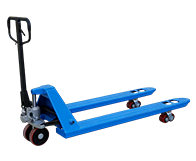
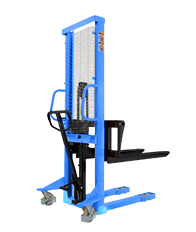
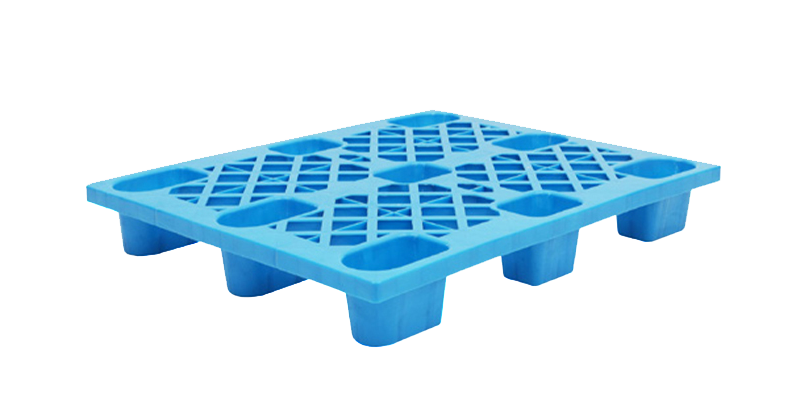
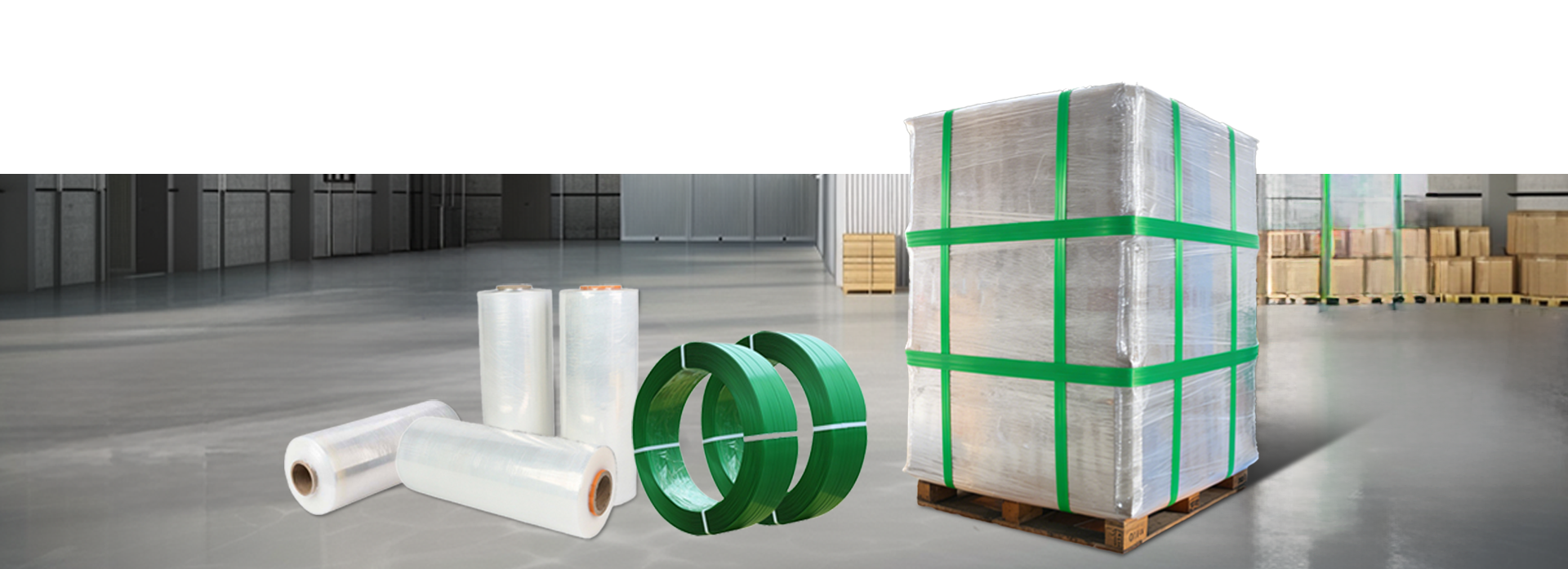
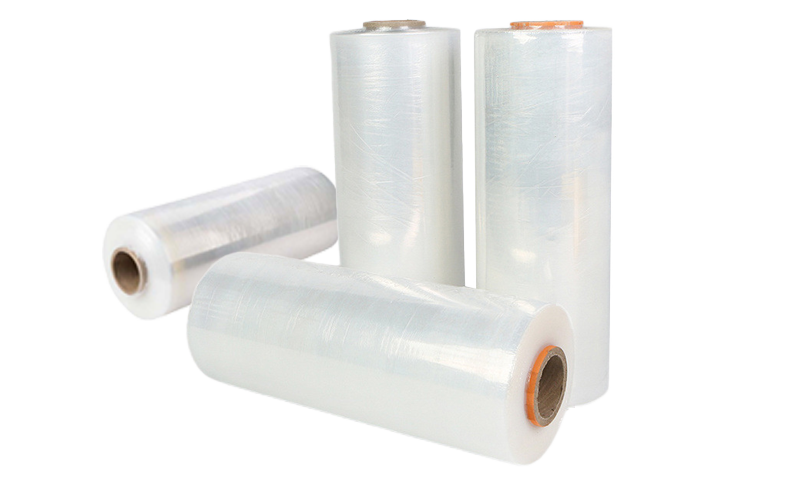
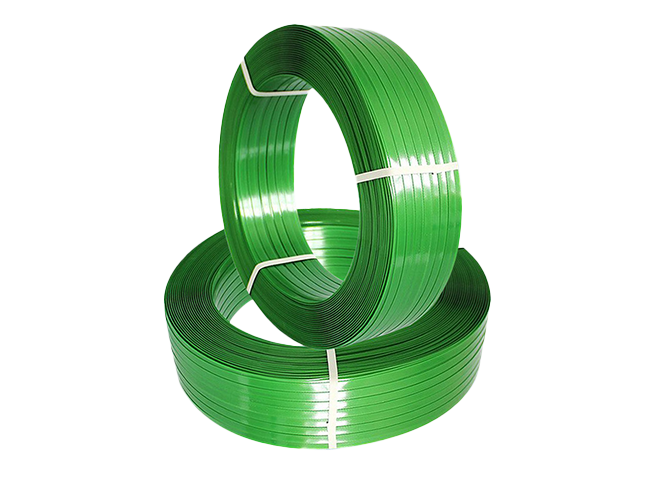
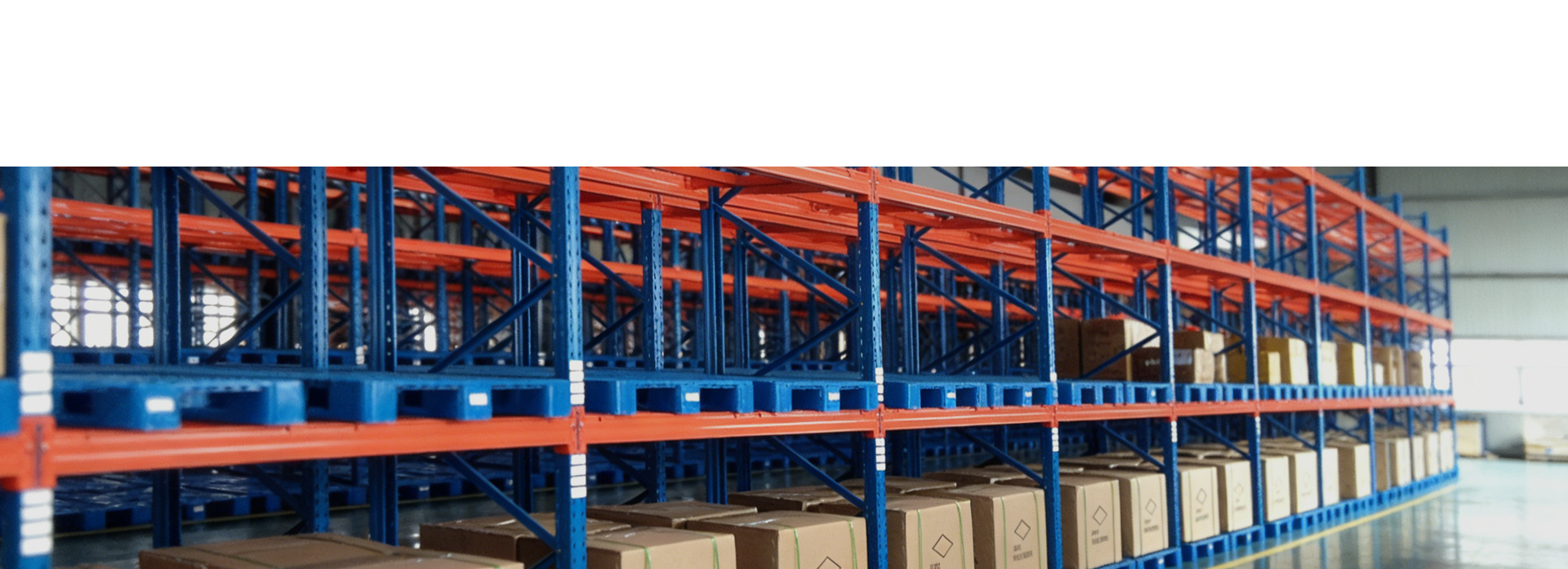
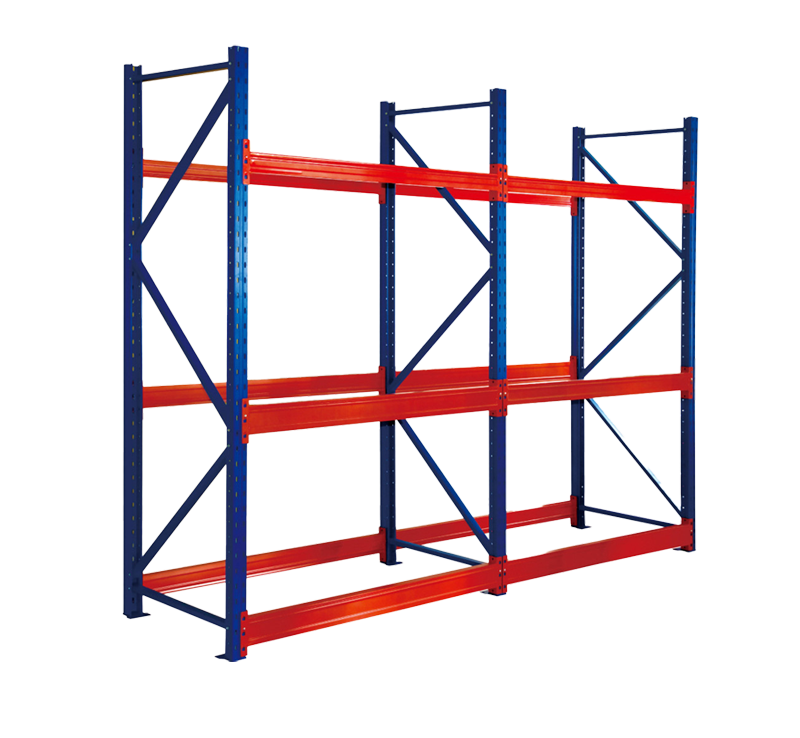
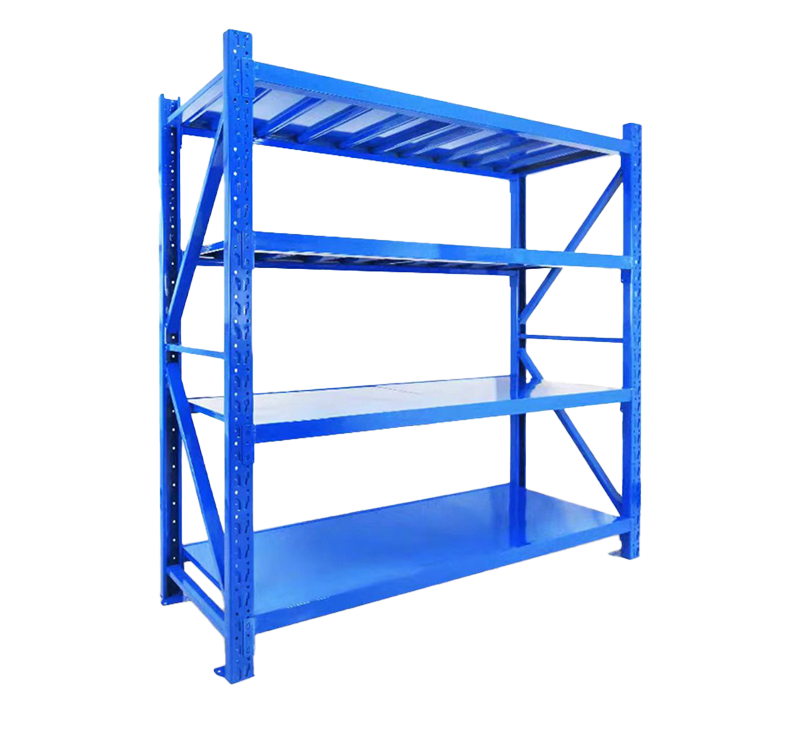
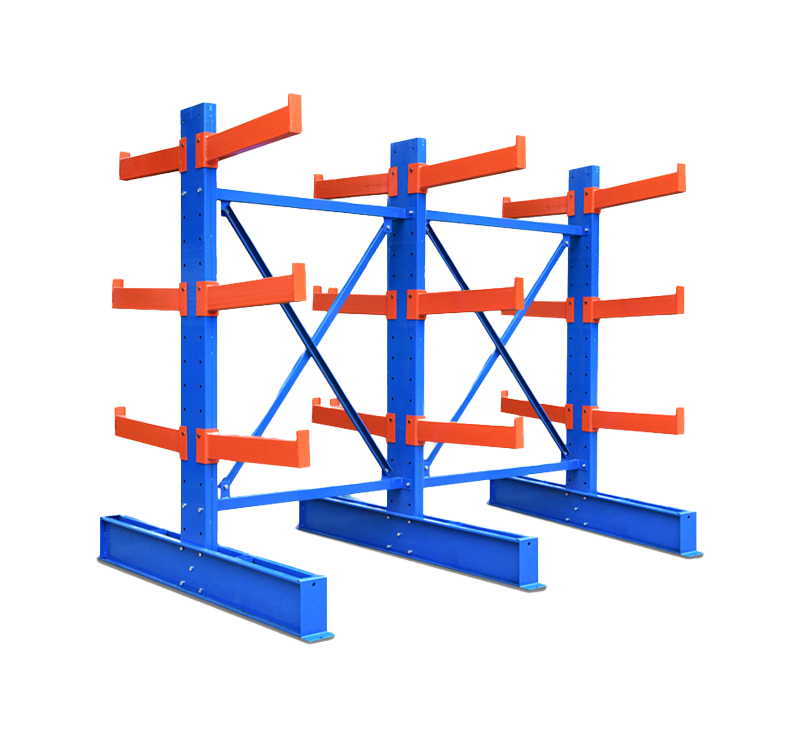
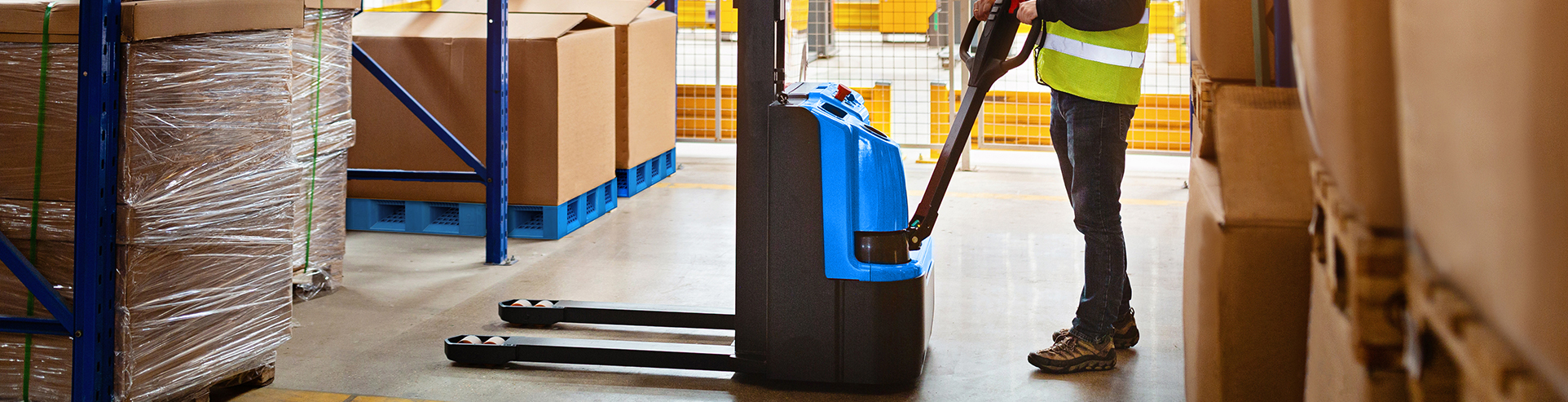
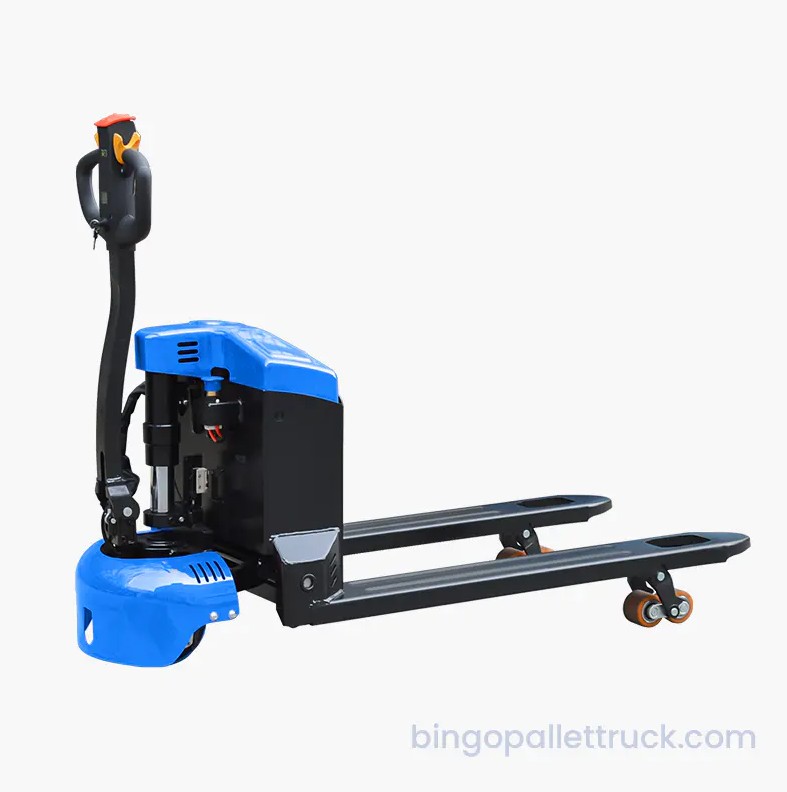
The company’s equipment and standardized processes support its ability to supply warehousing and logistics products across multiple categories. Yancheng Bingo Machinery Equipment Co., Ltd. is not limited to a single storage box line. Its product system covers handling equipment such as manual and electric pallet trucks and stackers, storage containers such as plastic pallets, plastic totes, crates, and bulk containers, packaging materials such as stretch wrap and packing strapping, and warehouse racking systems including light-duty, medium-duty, and heavy-duty options.
This broad supply capability is important for customers who want integrated logistics solutions. A warehouse may need totes, pallets, pallet trucks, stackers, racks, and packaging materials that work together. Sourcing these products from a supplier with a complete warehousing and logistics equipment supply chain can simplify communication, improve compatibility, and reduce purchasing complexity.
For example, a customer using the 42L collapsible tote for order picking may also need pallet trucks for movement, racking for storage, stretch wrap for outbound pallet loads, and plastic pallets for hygienic handling. A one-stop supplier can help align these elements into a practical system. This creates value beyond the individual tote box.
Designed for Global Warehousing Standards and Practical Operations
Modern warehouses are increasingly data-driven, standardized, and efficiency-focused. Containers must support these goals. The 42L collapsible plastic tote box contributes through predictable dimensions, clear identification features, reusable structure, and strong stacking capability. Its 600×400mm footprint is easy to integrate into many warehouse systems, while the label slot supports visual and digital management.
The tote also supports lean logistics principles. Lean operations aim to reduce waste, including wasted space, excess movement, unnecessary packaging, waiting time, defects, and over-processing. This collapsible tote helps reduce space waste when empty, minimizes packaging waste through reuse, supports easier movement through standardized handling, and improves process visibility with labeling and optional sealing.
For businesses expanding internationally, container quality and standardization become even more important. Goods may pass through multiple facilities, carriers, and handling teams. A durable, reusable tote can support consistent handling practices across locations. The modular repair design further helps companies maintain container fleets over time.
Operational Scenarios Where the 42L Tote Delivers High Value
Order Picking and Batch Sorting
In order picking, workers often collect multiple items before transferring them to packing stations. A 42L tote provides enough space for many small and medium-sized items while remaining manageable. The label slot can identify the order batch, route, customer, or picking wave. The lid can be closed when the batch is complete, protecting the contents during transfer.
Returns Processing
Returns areas often become disorganized because items arrive in mixed conditions and must be inspected, classified, repacked, restocked, or discarded. Collapsible totes help create clear categories for returned goods. When returns volume is high, totes can be opened and deployed quickly. When volume decreases, empty totes can be folded and stored compactly.
Production Line Feeding
Manufacturing lines require timely delivery of components. The tote can be used to prepare kits for specific production orders or workstations. Labels identify the contents, and a cable tie or lock can help ensure the kit remains intact before reaching the line. After parts are consumed, the empty tote folds down for efficient return.
Inventory Classification
Warehouses with many SKUs need clear classification. The tote’s label card slot makes it easier to identify contents, while the lid keeps goods separated and protected. Totes can be arranged by product type, batch, inspection status, or destination.
Route Distribution
For delivery and distribution routes, empty container return is a major issue. A foldable tote allows drivers to bring back more empty units in less vehicle space. This improves route efficiency and reduces unnecessary trips.
Lifecycle Cost Benefits
The value of a logistics container should be measured over its full lifecycle, not only by purchase price. Key cost factors include storage efficiency, transport efficiency, durability, replacement frequency, labor convenience, repairability, product protection, and waste reduction. The 42L collapsible plastic tote performs well across these categories.
Storage efficiency comes from the 70mm folded height and 69.5% fold ratio. Transport efficiency comes from the ability to stack or return folded empties in a compact form. Durability comes from high-strength PP construction and load-bearing capability. Repairability comes from modular replaceable parts. Labor convenience comes from tool-free folding and unfolding. Product protection comes from the lid and stable structure. Waste reduction comes from repeated reuse and targeted part replacement.
These combined benefits can produce stronger long-term economics than disposable cartons, fragile bins, or non-folding crates. For a business using hundreds or thousands of containers, even small improvements in space utilization and service life can create meaningful savings.
Quality Control as a Competitive Advantage
Quality control is not simply a manufacturing formality; it is a competitive advantage. Customers rely on storage containers every day, and failures can disrupt operations. A cracked panel, weak latch, unstable stack, or inconsistent dimension can slow work and create safety concerns. Bingo’s emphasis on strict quality control from raw material sourcing through production helps reduce these risks.
The company’s standardized processes are designed to deliver only qualified products that meet strict standards. This is important for international customers who cannot easily inspect every product before shipment. A supplier with mature quality systems gives buyers greater confidence and reduces the likelihood of costly disputes or operational interruptions.
In addition, the company’s broad warehousing and logistics portfolio suggests familiarity with the practical requirements of material handling environments. Understanding how pallet trucks, stackers, pallets, containers, packaging materials, and racking work together helps inform product design and customer support. The tote is not developed in isolation; it fits into a complete logistics equipment ecosystem.
Sustainability and Reusable Packaging Value
Many companies are working to reduce packaging waste and improve sustainability. Reusable plastic totes can contribute to these goals when used in appropriate closed-loop or semi-closed-loop systems. Instead of consuming disposable cartons for every internal transfer, businesses can circulate durable containers repeatedly. This reduces the volume of discarded packaging and can help maintain a cleaner facility.
The modular replaceable design also supports sustainability. If one latch or panel is damaged, replacing only the affected component is more resource-efficient than discarding the complete box. This approach aligns with circular economy principles, where products are maintained, repaired, and used for as long as practical.
PP is also a widely recyclable plastic in many regions, although recycling options depend on local systems and regulations. The greatest sustainability benefit, however, comes from long service life and repeated reuse. A durable tote that replaces many disposable packages over time can reduce material consumption and waste handling.
How to Use the Tote Effectively
To get the best performance from the 42L collapsible plastic tote box, users should apply appropriate handling practices. The box should be fully opened and latched before loading. Goods should be distributed evenly inside the container to support stable stacking. The lid should be closed properly when protection or stacking is required. When using cable ties or locks, staff should confirm that the security hole is properly aligned and sealed.
For labeling, users should establish a standard format. Labels may include SKU number, order number, batch code, destination, department, inspection status, or handling instructions. Consistent labeling improves workflow efficiency and reduces errors. If the tote is used in a warehouse management system, barcode or QR code labels can be placed in or near the label card slot as part of the facility’s identification process.
When folding the tote, workers should first remove all goods and loose materials. They should operate the folding mechanism according to the correct sequence to avoid unnecessary stress on hinges or latches. Folded totes should be stacked neatly on a flat surface. Regular inspection of panels, pin shafts, latches, lids, and label slots can help identify damaged parts early and maintain safe operation.
Why Choose This 42L Collapsible Plastic Tote Box
This tote offers a strong combination of capacity, durability, space savings, protection, and operational convenience. Its 42L volume is large enough for many professional applications, while its 2.06kg weight remains manageable. Its 600×400mm footprint supports organized logistics layouts. Its folded height of 70mm provides major storage and transportation advantages. Its high-strength PP material and tested load-bearing capability support heavy-duty repeated use.
The lid, security lock hole, label card slot, pin shaft design, latch fixing system, and modular replaceable parts make it more than a simple folding bin. It is a practical logistics container designed for real warehouse workflows. Compared with rigid crates, it saves space. Compared with cartons, it is more durable and reusable. Compared with low-cost folding bins, it offers stronger professional features and better long-term value.
Backed by Yancheng Bingo Machinery Equipment Co., Ltd., the product also benefits from a supplier with a broad warehousing and logistics equipment supply chain. The company’s focus on quality, standardized production, strict inspection, and integrated solutions supports customers who want dependable equipment for modern logistics operations.
Q&A Section
Q1: What is the capacity of the 42L collapsible plastic tote box?
The tote has a capacity of 42L, making it suitable for warehouse sorting, e-commerce order handling, parts storage, retail backroom organization, and general logistics applications.
Q2: What are the external and internal dimensions?
The external dimensions are 600×400×230mm, and the internal dimensions are 560×360×215mm. These dimensions provide a practical storage volume while supporting standardized warehouse layouts.
Q3: How much space does the tote save when folded?
The tote folds down to a height of only 70mm, achieving a fold ratio of 69.5%. This helps reduce storage volume and improves empty-container return efficiency.
Q4: What material is used?
The tote is made of high-strength PP material. The manufacturer emphasizes high-density PP virgin material and strict quality control to support durability and consistent performance.
Q5: Does the tote come with a lid?
Yes. The tote includes a secure lid that helps keep goods dust-free, protected, and better contained during storage or transit.
Q6: Is it suitable for heavy-duty warehouse use?
Yes. The tote is designed for repeated logistics use. Load-bearing tests for the foldable crate structure show support of over 120kg under high-strength stress, making it suitable for demanding storage and handling scenarios when used properly.
Q7: Can damaged parts be replaced?
Yes. The modular design allows local replacement of damaged components such as panels, latches, pin shafts, and related parts. This can reduce replacement costs and extend service life.
Q8: How does the label card slot help warehouse operations?
The label card slot provides a standard position for identification cards, SKU labels, batch information, order numbers, or destination details. This improves sorting accuracy and visual management.
Q9: Can the tote be sealed for security?
Yes. The security lock hole can be used with cable ties or combination locks to help protect goods and indicate whether the container has been opened.
Q10: What industries can use this tote?
It is suitable for warehousing, e-commerce fulfillment, manufacturing, retail distribution, supermarket logistics, parts handling, returns processing, and organized home or office storage.
Conclusion
The 42L collapsible plastic tote box is a practical and efficient solution for businesses seeking better storage, sorting, and transport performance. Its collapsible structure saves space, its PP construction supports durability, its lid protects goods, and its modular design lowers long-term replacement costs. Features such as the pin shaft connection, latch fixing system, security lock hole, and label card slot make it highly suitable for professional warehouse and logistics workflows.
In comparison with rigid crates, disposable cartons, and low-cost folding bins, this tote provides a stronger balance of space efficiency, reusability, protection, and lifecycle value. For warehouses and distribution systems where containers circulate repeatedly, these advantages can directly support cost control, cleaner operations, and smoother handling.
Supported by Yancheng Bingo Machinery Equipment Co., Ltd.’s quality-focused manufacturing processes, standardized production, strict inspection, and integrated logistics equipment supply capabilities, the BG-604023-CT tote is well positioned for customers who require reliable storage containers as part of a smarter warehousing system.
References
1. Rushton, A., Croucher, P., and Baker, P. The Handbook of Logistics and Distribution Management. Kogan Page.
2. Richards, G. Warehouse Management: A Complete Guide to Improving Efficiency and Minimizing Costs in the Modern Warehouse. Kogan Page.
3. Frazelle, E. World-Class Warehousing and Material Handling. McGraw-Hill.
4. Soroka, W. Fundamentals of Packaging Technology. Institute of Packaging Professionals.
5. ISO. Packaging and the Environment: Reuse, Recovery, and Material Efficiency Standards.
6. Material Handling Industry. Principles of Unit Load Design and Warehouse Containerization.
Product: 42L Collapsible Plastic Tote Box for Warehouse Goods Sorting

Copyright @ Yancheng Bingo Machinery Equipment Co., Ltd. All rights reserved Warehouse Logistics Equipment Manufacturer Pallet Truck Supplier
