 en
en  Español
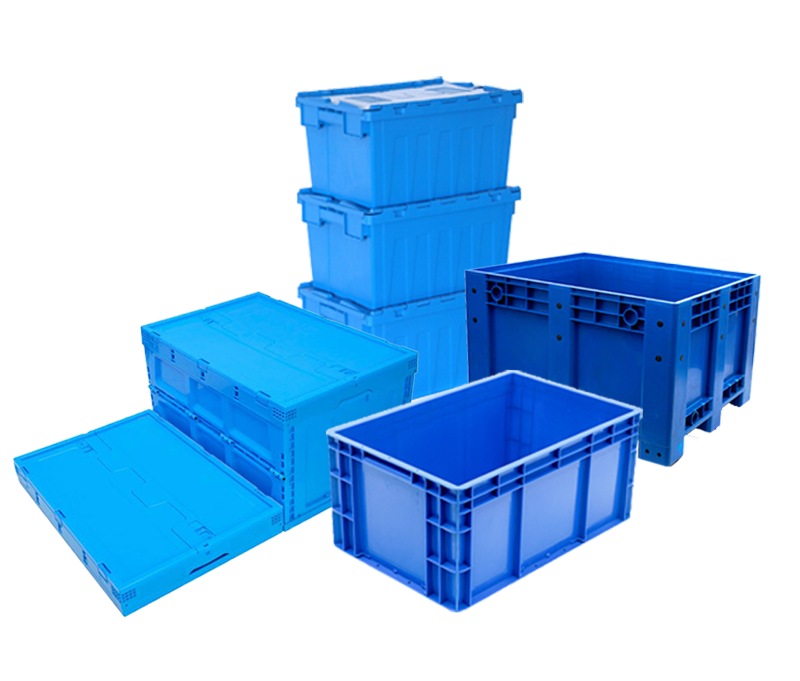

43L EU Plastic Tote Storage Container for Indoor Logistics and Industrial Organization
Modern warehouses, production workshops, distribution centers, and component storage areas depend on containers that are more than simple boxes. A reliable tote must fit standardized logistics flows, protect goods during repeated handling, stack safely, clean easily, support identification systems, and remain cost-effective over long service cycles. The 43L EU plastic tote storage container, model EU46210, is designed for exactly these requirements. With a 600×400mm Euro-format footprint, a deep 210mm height, and a 43-liter working capacity, it provides a practical storage and transport solution for medium-to-large items in indoor supply chain operations.
This article focuses on the product’s structure, materials, production quality, logistics value, and competitive advantages. It also explains why the EU46210 tote is well suited for industrial parts management, e-commerce fulfillment, warehouse picking, supermarket backroom storage, workshop organization, assembly-line feeding, and general indoor material handling. In addition, it highlights the manufacturing and supply capabilities behind the product, including standardized production processes, strict quality control, stock availability, customization support, and the broader warehousing and logistics equipment strengths of Yancheng Bingo Machinery Equipment Co., Ltd.
43L HDPE EU Plastic Tote Storage Container for Indoor Use
Content
- 1 Product Overview
- 2 Key Specifications
- 3 Why the 600×400mm EU Format Matters
- 4 Deep 43L Capacity for Practical Industrial Storage
- 5 Strong Industrial Plastic Construction
- 6 Reinforced Ribbed Structure for Load-Bearing Performance
- 7 Stackability and Space Efficiency
- 8 Smooth Interior for Cleaning and Product Protection
- 9 Designed for Indoor Warehousing and Logistics
- 10 Advantages Over Ordinary Competitor Totes
- 11 Multiple Colors and Customization Support
- 12 In Stock and Ready to Ship
- 13 Manufacturing Strength Behind the Product
- 14 Standardized Processes and Strict Standards
- 15 Strict Quality Control at Every Stage
- 16 Advanced Equipment and Production Capability
- 17 Part of a Complete Warehousing and Logistics Solution
- 18 Applications in Manufacturing
- 19 Applications in E-Commerce and Order Fulfillment
- 20 Applications in Warehousing and Distribution
- 21 Applications in Supermarket and Retail Backroom Storage
- 22 Applications in Workshop Organization
- 23 Long-Term Cost Efficiency
- 24 Operational Safety Benefits
- 25 Environmental and Sustainability Considerations
- 26 How to Select the Right Tote for Your Operation
- 27 Maintenance and Best Use Practices
- 28 Why Supplier Capability Matters
- 29 Q&A Section
- 29.1 Q1: What is the capacity of the EU46210 plastic tote?
- 29.2 Q2: What are the external and internal dimensions?
- 29.3 Q3: What material is used for this tote?
- 29.4 Q4: Is the tote stackable?
- 29.5 Q5: What industries can use this product?
- 29.6 Q6: What makes this tote better than ordinary storage boxes?
- 29.7 Q7: Can the color be customized?
- 29.8 Q8: Is the tote suitable for food-related storage?
- 29.9 Q9: Is the product available for fast delivery?
- 29.10 Q10: Can this tote be used with other warehouse equipment?
- 30 Conclusion
- 31 References
- 32 Product: 43L HDPE EU Plastic Tote Storage Container for Indoor Use
Product Overview
The 43L EU plastic tote storage container is a large-sized, deepened logistics tote intended for repeated indoor use in commercial and industrial environments. It belongs to the EU Plastic Tote Box category and follows the widely used 600×400mm modular footprint. This format makes the tote easier to integrate with pallets, racks, conveyor systems, workstations, and warehouse layouts that already use Euro-standard dimensions.
Compared with random-sized storage bins, a standardized EU tote allows better space planning. The 600×400mm outer dimension can be arranged efficiently on many standard pallets and shelving systems, while the straight and stackable design helps reduce wasted space during storage and transport. For companies handling many SKUs, parts, tools, accessories, documents, packaging components, or finished goods, the benefit is not only cleaner organization but also better inventory control.
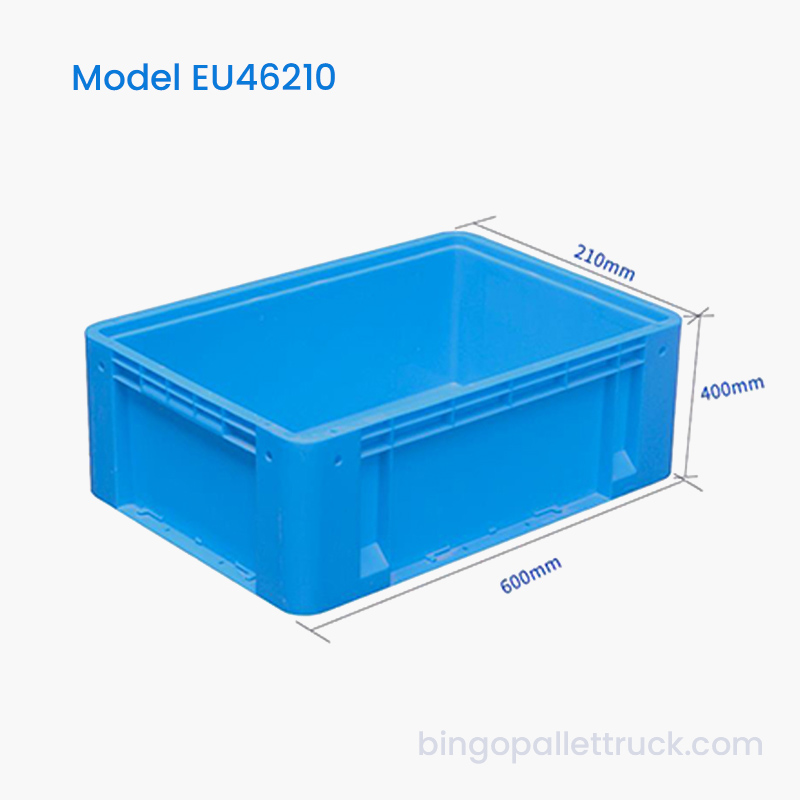
The EU46210 model has external dimensions of 600×400×210mm and internal dimensions of 570×370×207mm. The 210mm depth creates more usable volume than shallow trays while remaining manageable for manual handling. Its 43L capacity gives users enough room for relatively bulky items, yet its 2.1kg weight keeps the empty container convenient to move, stack, clean, and deploy across warehouse zones.
Material selection is a major part of the tote’s value. The product is described with high-density plastic material characteristics and is engineered from food-safe, impact-resistant industrial plastic, including high-density PP virgin material processes and HDPE material availability according to application requirements. In practical use, this means the tote is built for strength, durability, hygiene, and long-term daily handling. The rigid body, reinforced ribbed construction, and smooth interior make it suitable for parts storage, order fulfillment, logistics circulation, and workshop organization.
Key Specifications
| Item | Specification |
| Product Category | EU Plastic Tote Box |
| Model | EU46210 |
| Material | High-density industrial plastic; food-safe PP formulation with HDPE material support depending on customization requirements |
| External Dimensions | 600×400×210mm |
| Internal Dimensions | 570×370×207mm |
| Weight | 2.1kg |
| Capacity | 43L |
| Use Environment | Indoor warehousing, logistics, workshop, commercial storage, and distribution applications |
| Stacking Feature | Stackable structure, suitable for space-saving vertical storage |
| Customization | Multiple colors and full specifications supported |
Why the 600×400mm EU Format Matters
One of the strongest advantages of this tote is its EU-standard base size. In warehousing and logistics, small dimension differences can create major inefficiencies. If containers do not match racking, pallets, shelves, carts, or transport equipment, operators lose space, picking becomes slower, and goods may shift during movement. A 600×400mm format supports systematic storage layouts and is easier to combine with modular logistics equipment.
The 600×400mm footprint is especially useful because it can be paired with other common modular sizes. Two 600×400mm totes can often be arranged neatly where a larger standardized logistics footprint is used, while smaller 400×300mm containers may be combined in compatible storage systems. This modularity is valuable for companies that operate mixed product lines and need containers of different heights and capacities without changing the overall warehouse design.
Competitor products with non-standard dimensions may appear cheaper at first, but they frequently create hidden costs. They may not fit neatly on pallets, may leave gaps on shelves, or may require special carts and customized storage areas. By contrast, the EU46210 tote is designed for practical integration. It helps warehouse managers reduce wasted space, simplify layout planning, and improve overall operational flow.
Deep 43L Capacity for Practical Industrial Storage
The 43L capacity gives this tote an excellent balance between volume and manageability. Shallow bins can be useful for small parts, but they are often inadequate for medium-sized components, assembled kits, retail goods, tools, maintenance supplies, and mixed order batches. Very large containers, on the other hand, may become too heavy or inefficient for manual handling. The EU46210 sits in a highly practical middle range.
With internal dimensions of 570×370×207mm, the tote can hold a wide range of items while still allowing workers to reach into the box easily. Its depth is suitable for storing products that require more vertical room, but it is not so deep that contents become difficult to see or retrieve. This makes it useful in picking systems, assembly preparation, maintenance storage, and backroom stock organization.
For warehouses processing frequent orders, the 43L volume can support batch picking and order consolidation. For factories, it can serve as a work-in-process container, moving parts between storage, machining, assembly, inspection, and packaging areas. For retail and distribution environments, it can help organize replenishment goods, promotional stock, packaged accessories, and return items.
Strong Industrial Plastic Construction
The EU46210 tote is manufactured from selected high-density industrial plastic material designed for repeated logistics use. The product information highlights HDPE material with strong load-bearing capacity and high-density PP virgin material under strict quality control. Both PP and HDPE are commonly used in industrial containers because they provide a strong combination of impact resistance, chemical resistance, moisture resistance, hygiene, and weight efficiency.
The material choice is important because warehouse containers experience constant stress. They may be lifted, stacked, dragged, cleaned, transported on carts, placed on shelves, loaded with tools, or used in fast-paced picking zones. Low-grade recycled plastic or thin-walled competitors may crack, deform, or lose stacking stability after repeated use. A well-manufactured tote made from high-quality material can provide a longer service life and a better total cost of ownership.
The food-safe characteristic also expands the potential application range. While the tote is commonly used for industrial and commercial storage, food-safe material standards make it more suitable for clean storage scenarios, packaged food handling, retail supply chains, and environments where hygiene matters. The smooth interior further supports quick cleaning and reduces the risk of dust, residue, or small debris accumulating in hard-to-reach corners.
Reinforced Ribbed Structure for Load-Bearing Performance
A major advantage of the EU46210 tote is its reinforced ribbed body structure. Reinforcing ribs increase rigidity without adding excessive weight. This structural design helps the tote resist deformation when loaded, stacked, or handled repeatedly. In warehouse applications, rigidity directly affects safety and operational confidence. A container that bows outward or collapses under stacked loads can damage goods, slow work, and increase safety risks.
Compared with basic thin-walled containers, the reinforced design provides improved vertical stacking performance. The tote can be stacked in multiple layers, helping users save floor space and make better use of warehouse height. Product information notes stackability up to more than 10 layers, depending on loading conditions and operational environment. This makes the container a practical choice for storage rooms, staging areas, picking zones, and transport preparation areas.
The reinforced ribbing also helps preserve shape during long-term use. A tote that maintains its geometry can continue to fit properly with racks, carts, pallets, and other containers. This consistency is important in standardized logistics systems where small dimensional changes can create handling problems. By combining strength with modular sizing, the EU46210 offers both durability and layout efficiency.
Stackability and Space Efficiency
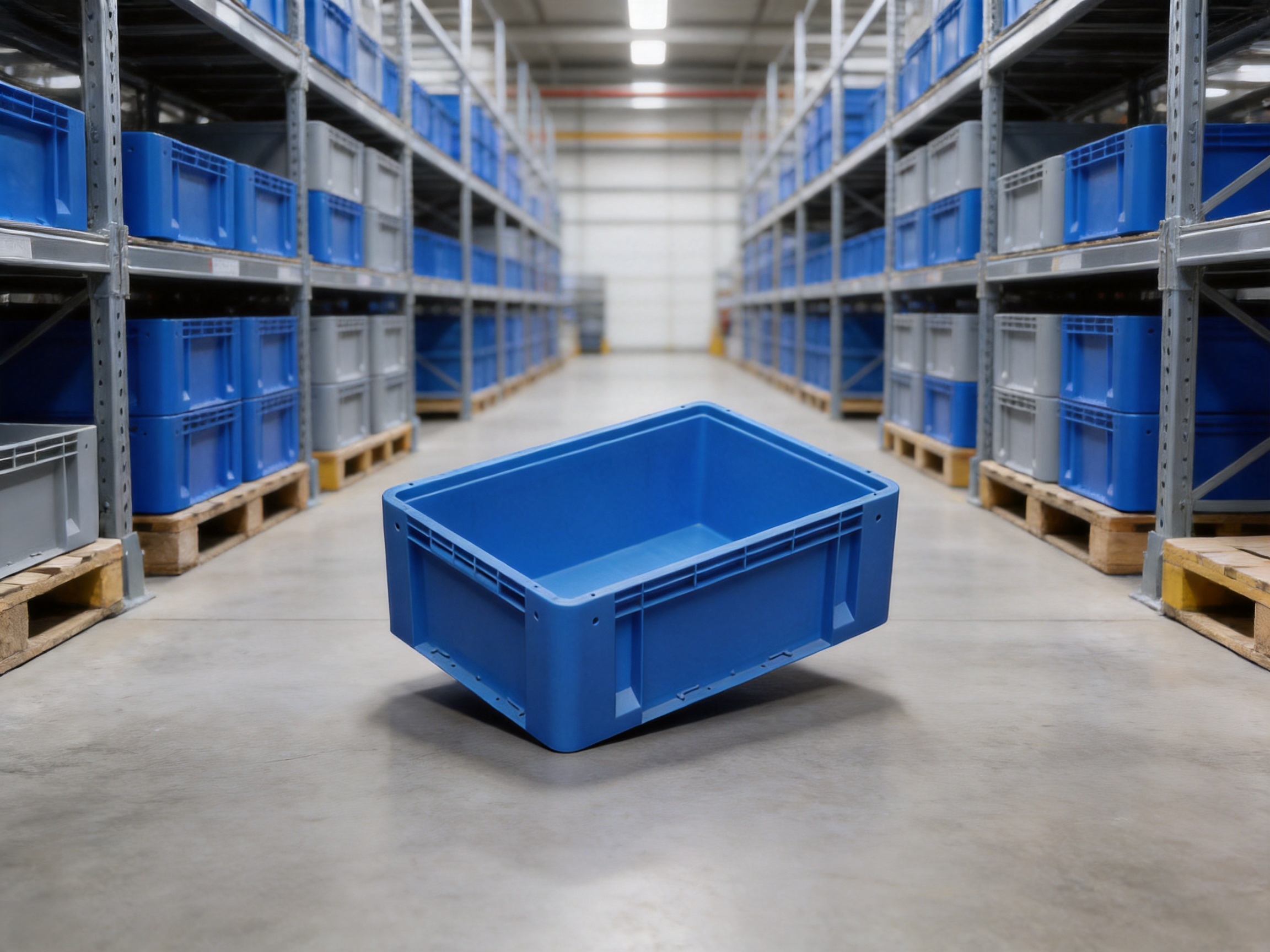
Warehouse space is expensive. Every square meter must contribute to productivity, safety, and organized flow. Stackable storage containers are one of the simplest and most effective ways to improve space utilization. The EU46210 tote is designed for secure vertical stacking, allowing businesses to store more goods in the same footprint.
Stacking is valuable in several situations. In receiving areas, empty totes can be stacked until needed. In production lines, loaded totes can be staged by process step. In e-commerce warehouses, picked items can be organized by order wave. In retail backrooms, inventory can be grouped by product category. In maintenance departments, tools and spare parts can be stored in labeled containers without cluttering shelves.
Competitor totes may claim to be stackable but fail under practical load conditions because of weak rims, poor dimensional accuracy, or inconsistent wall thickness. The EU46210’s reinforced form and strict production control help support stable stacking. This reduces the risk of leaning stacks, container damage, and inefficient storage layouts.
Smooth Interior for Cleaning and Product Protection
The tote’s smooth interior is an important feature for daily use. Industrial containers often hold parts that may have dust, oil residue, packaging material, labels, or small debris. A smooth internal surface makes cleaning faster and reduces contamination risk between uses. It also helps prevent goods from catching on rough edges or irregular molding marks.
For applications such as component storage, retail goods handling, electronics accessory organization, and packaged food distribution, cleanliness is essential. A tote with a rough or porous interior can trap dust and residue, making cleaning time-consuming and inconsistent. The EU46210’s easy-to-clean interior supports better housekeeping and more professional storage conditions.
The smooth internal wall design also protects products. Delicate items, packaged components, and painted parts benefit from surfaces that reduce friction and abrasion. When combined with the tote’s structural rigidity, the smooth interior helps maintain product quality during handling and storage.
Designed for Indoor Warehousing and Logistics
The EU46210 is specifically positioned for indoor use. Indoor warehousing demands containers that are clean, stable, reusable, stackable, and compatible with organized storage systems. Unlike outdoor bulk containers that may prioritize weather exposure resistance above all else, an indoor logistics tote must support speed, order accuracy, cleanliness, and repeated manual operation.
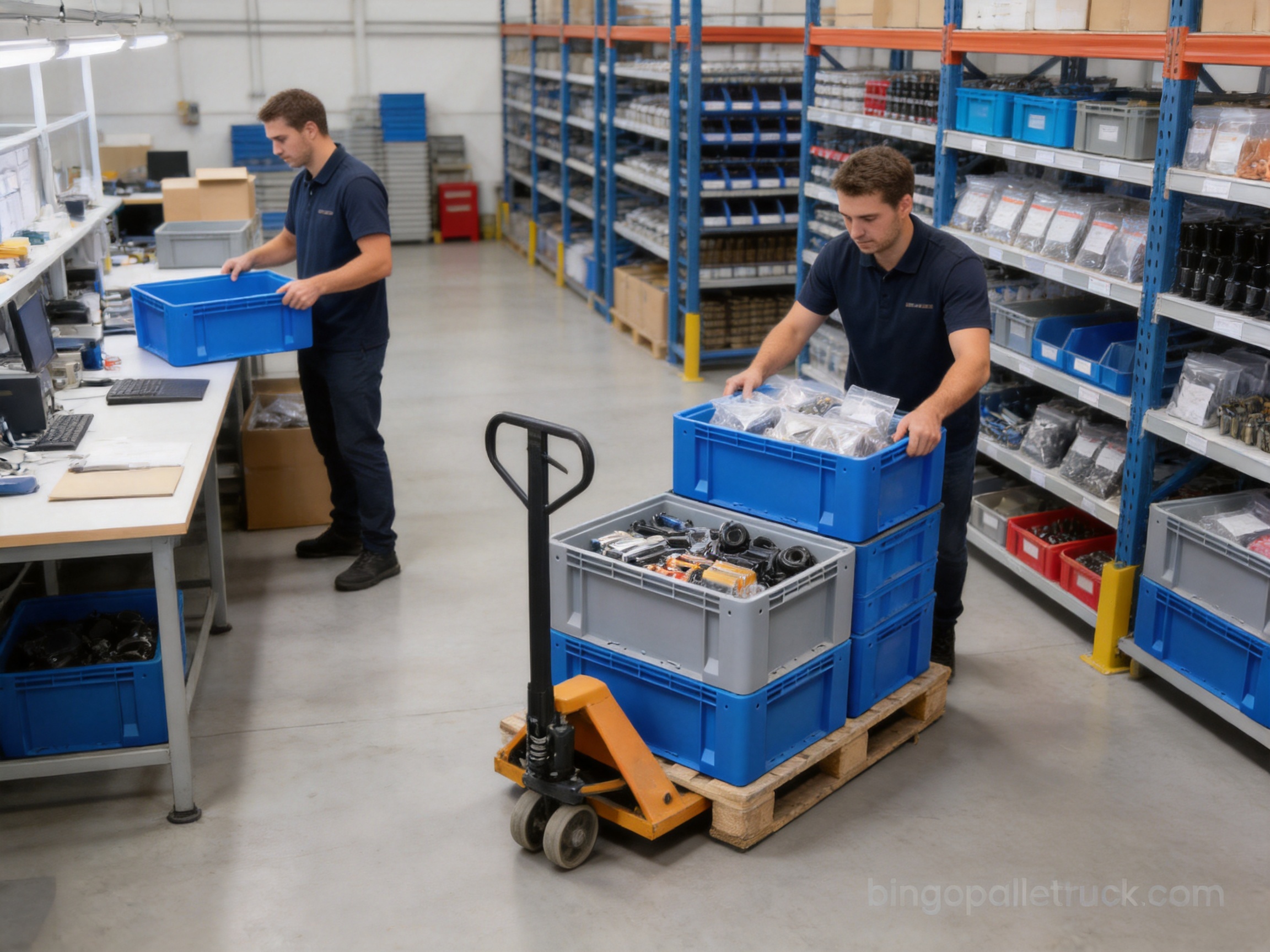
In an indoor warehouse, totes may move through many different areas in a single day. They can be used in receiving, quality inspection, put-away, storage, picking, packing, shipping, and returns. In factories, they may pass between raw material storage, workstations, production lines, inspection benches, and finished goods areas. The EU46210’s size and structure allow it to perform across these different scenarios without needing separate container types for every stage.
This versatility reduces procurement complexity. Instead of buying many incompatible bins from different suppliers, businesses can standardize around a family of EU plastic totes. Standardization improves training, stacking, labeling, and equipment compatibility. It also simplifies replacement purchasing and inventory planning for the containers themselves.
Advantages Over Ordinary Competitor Totes
The EU46210 tote offers several advantages compared with ordinary low-cost storage boxes. First, it uses a logistics-oriented EU footprint rather than a random household storage size. This matters in professional operations where compatibility and repeatability are essential. Second, it has a reinforced ribbed construction that supports better load-bearing and stacking performance. Third, its 43L capacity provides a strong volume-to-handling balance for medium-to-large items.
Another competitive advantage is material reliability. Many low-priced containers rely heavily on inconsistent recycled material. While recycled plastic can be useful in some applications, poor material control may cause brittleness, color inconsistency, odor, deformation, or cracking. The EU46210 is produced under strict quality control using selected high-density plastic material and high-density virgin PP processes, with HDPE material support where required. This leads to more stable performance and a more professional appearance.
The tote also benefits from stock availability and customization support. Some competitors require long lead times, have limited color options, or cannot maintain consistent specifications across batches. For companies scaling warehouse operations or preparing for seasonal demand, fast delivery and stable supply can be just as important as product design. A tote is only useful if it can be supplied when operations need it.
Multiple Colors and Customization Support
Color options are not merely cosmetic in professional logistics. Different colors can represent departments, product categories, storage zones, inspection status, priority levels, or customer accounts. For example, a warehouse may use blue totes for finished goods, gray totes for components, red totes for nonconforming materials, and green totes for return processing. Visual management reduces errors and speeds up decision-making.
The EU46210 tote supports multiple colors and full specifications, allowing customers to create a more organized material flow. Customization can help companies align container systems with their internal workflows, 5S management programs, lean production processes, or customer-specific distribution requirements.
Compared with suppliers that offer only one standard color or limited inventory, a manufacturer with customization capability provides more value to growing operations. Businesses can start with standard stock and later expand into color-coded systems as their processes mature. This flexibility protects the customer’s investment and supports long-term operational improvement.
In Stock and Ready to Ship
Availability is a significant operational advantage. Warehouses and factories often need containers quickly because of new product launches, seasonal order peaks, facility expansions, production changes, or sudden increases in storage demand. If a supplier cannot deliver on time, operations may be forced to use unsuitable temporary containers, creating inefficiency and risk.
The EU46210 tote is supported by an in-stock and ready-to-ship supply approach. This gives customers faster access to standardized storage solutions and reduces waiting time. For distributors and logistics companies, reliable stock also helps maintain project schedules and customer service commitments.
Fast delivery is especially important when companies are upgrading from disposable cartons to reusable plastic totes. The transition may require hundreds or thousands of containers within a short timeline. A supplier with ready inventory, broad warehousing equipment experience, and integrated logistics product lines can support such projects more effectively than a small single-product seller.
Manufacturing Strength Behind the Product
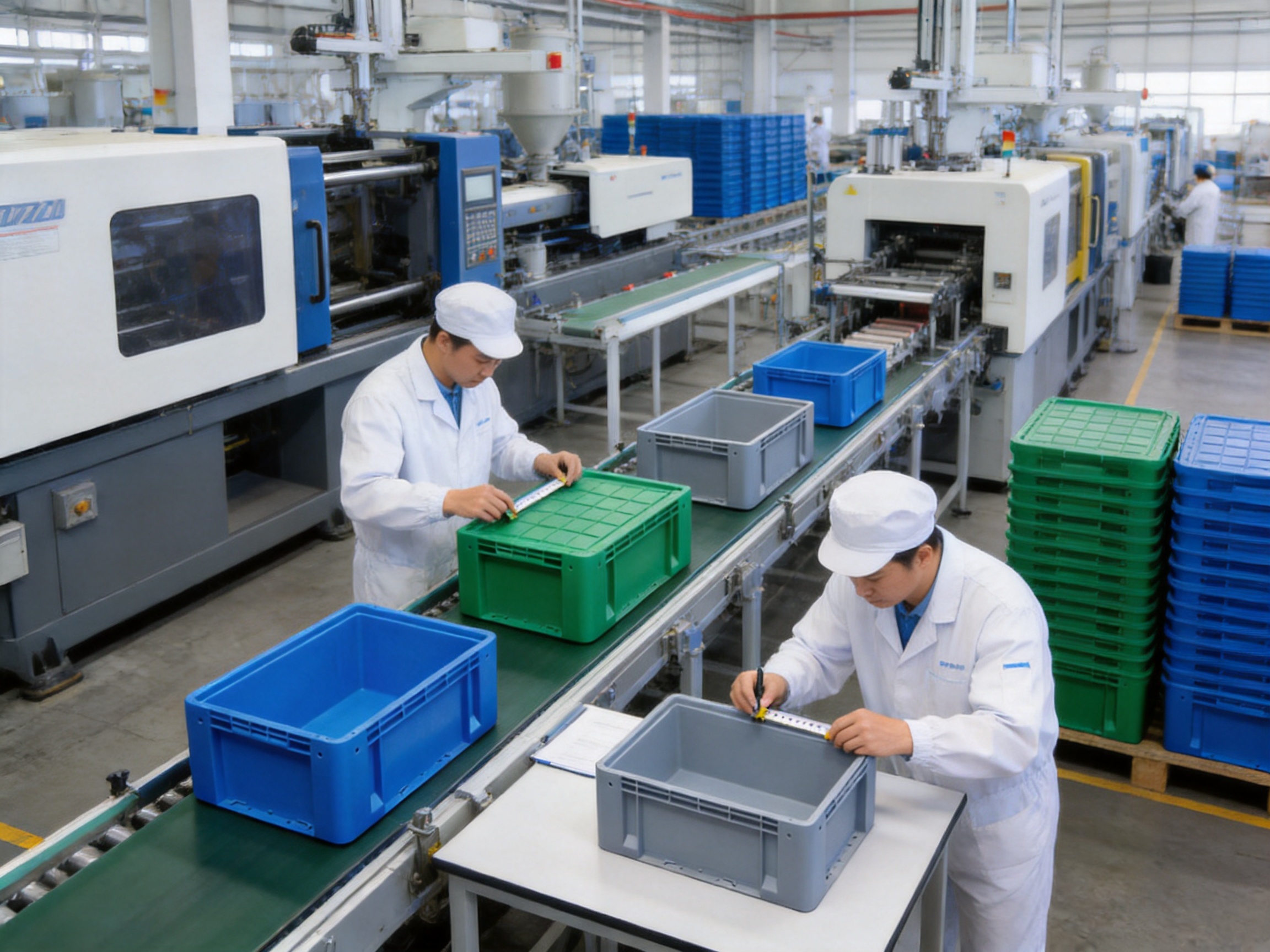
The value of a plastic tote depends not only on its design but also on how consistently it is manufactured. Yancheng Bingo Machinery Equipment Co., Ltd. emphasizes standardized processes, strict production standards, and quality inspection at every stage. These strengths are important because plastic container quality can vary significantly depending on raw material selection, molding control, cooling consistency, wall thickness management, and post-production inspection.
During manufacturing, the raw material must be controlled carefully to achieve strength, durability, and stable appearance. High-density virgin PP material and HDPE material options provide a strong foundation for impact resistance and load-bearing performance. The production process must also maintain correct molding temperature, pressure, and cycle time. If these variables are poorly managed, containers may develop weak points, uneven surfaces, warpage, or dimensional deviation.
Strict quality control helps ensure that each tote meets the required standard before shipment. Inspections may include dimensional checks, appearance checks, stacking fit verification, material consistency review, and load-bearing evaluation. For professional buyers, this process reduces risk. They can deploy containers across multiple facilities with greater confidence that each batch will perform consistently.
Standardized Processes and Strict Standards
Standardized production is a key advantage in industrial supply. When a customer buys a storage container, they expect the same size, strength, stackability, and appearance every time they reorder. Inconsistent containers can disrupt stacking, labeling, palletizing, and shelf organization. Even minor dimensional differences can create problems when thousands of totes are used together.
The manufacturing process for the EU46210 follows streamlined and standardized procedures to deliver qualified products that meet strict standards. This includes control from material sourcing to production and inspection. Such discipline supports repeatable quality and long-term customer trust.
In contrast, some competitor products are made with inconsistent processes, especially when producers frequently change materials or molds to reduce cost. The result may be containers that look similar but perform differently across batches. For a warehouse manager, inconsistency is a hidden cost. It can lead to unstable stacks, broken bins, product damage, and additional replacement purchases. Standardized manufacturing reduces these risks.
Strict Quality Control at Every Stage
Quality control begins before production. Material sourcing affects the final tote’s strength, odor, color, toughness, and safety. High-quality plastic resin provides better mechanical performance and more predictable molding results. The EU46210 is produced with strict raw material control, including high-density PP virgin material processes and HDPE material support for customers requiring that formulation.
During production, inspection at every stage helps identify and prevent defects. Molding quality must be monitored to ensure uniform wall thickness, accurate dimensions, clean edges, and proper rib formation. After production, finished totes can be checked for stacking compatibility, surface appearance, and structural integrity. This multi-stage approach is more reliable than simply inspecting random finished goods at the end.
For customers, strict quality control means fewer disruptions. A cracked or warped tote may seem like a small issue, but in a busy warehouse it can delay picking, damage goods, or create safety hazards. When multiplied across large container fleets, poor quality becomes expensive. A well-controlled product reduces replacement frequency and supports smoother operations.
Advanced Equipment and Production Capability
Industrial plastic tote production requires suitable equipment, experienced operators, stable molds, and disciplined process management. The company’s equipment foundation supports reliable manufacturing and scalable supply. Advanced production equipment helps create containers with consistent shape, clean surfaces, reinforced ribs, and accurate dimensions.
Equipment capability also supports broader product specifications and customization. Customers may need different tote heights, colors, quantities, or related storage products. A manufacturer with mature equipment and a complete warehousing and logistics equipment supply chain can respond to these requirements more effectively. Instead of offering only one isolated product, it can support integrated procurement across handling equipment, storage containers, packaging materials, and warehouse racks.
This is especially valuable for international customers building or upgrading logistics systems. They may require plastic totes, pallets, pallet trucks, stretch wrap, strapping, and racking at the same time. Working with a supplier that understands the entire warehouse ecosystem can reduce coordination complexity and improve compatibility between products.
Part of a Complete Warehousing and Logistics Solution
The EU46210 tote is part of a broader logistics equipment portfolio. Yancheng Bingo Machinery Equipment Co., Ltd. specializes in warehousing and logistics equipment, including handling equipment, storage containers, packaging materials, and warehouse racks. This broad product coverage allows customers to source integrated solutions rather than purchasing unrelated products from many separate vendors.
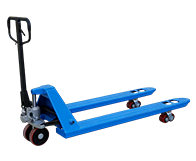
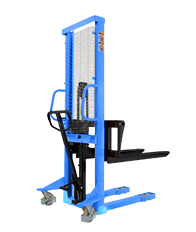
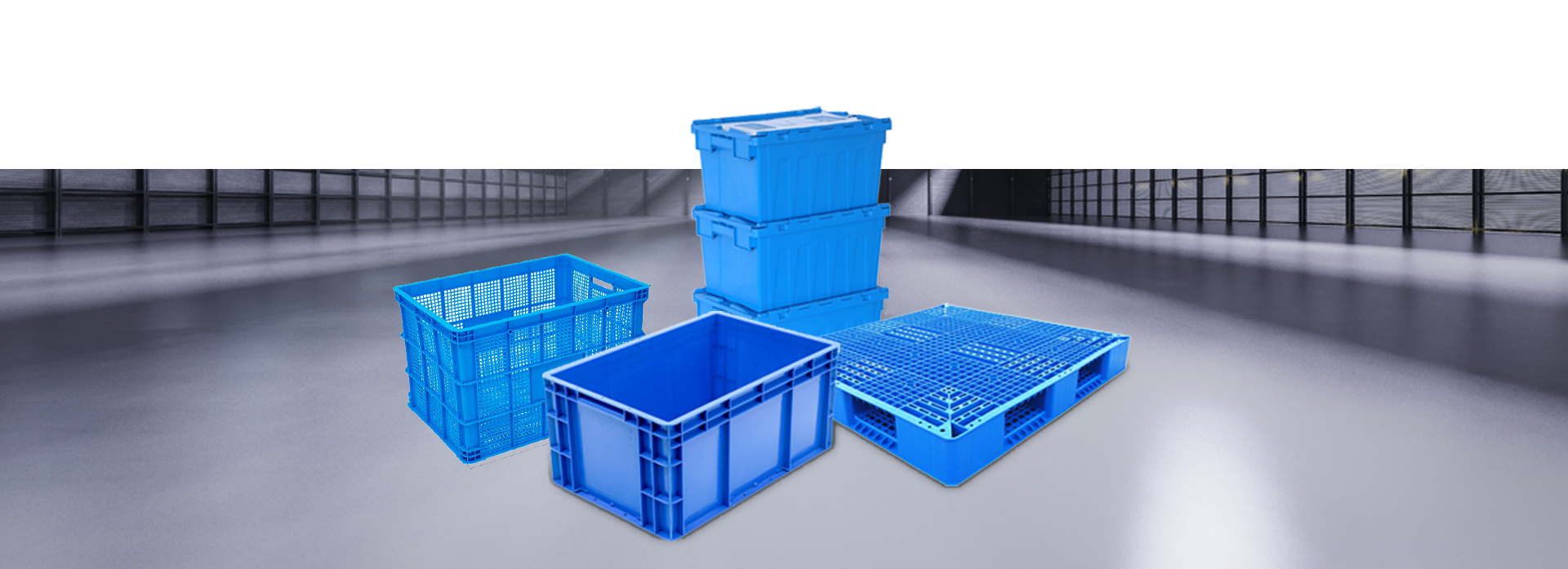
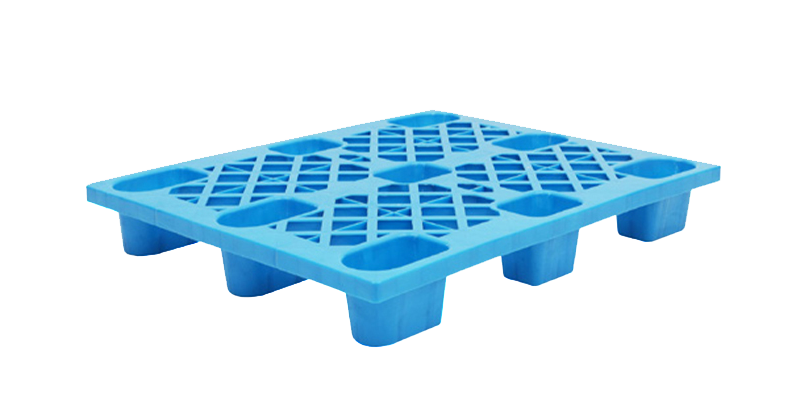
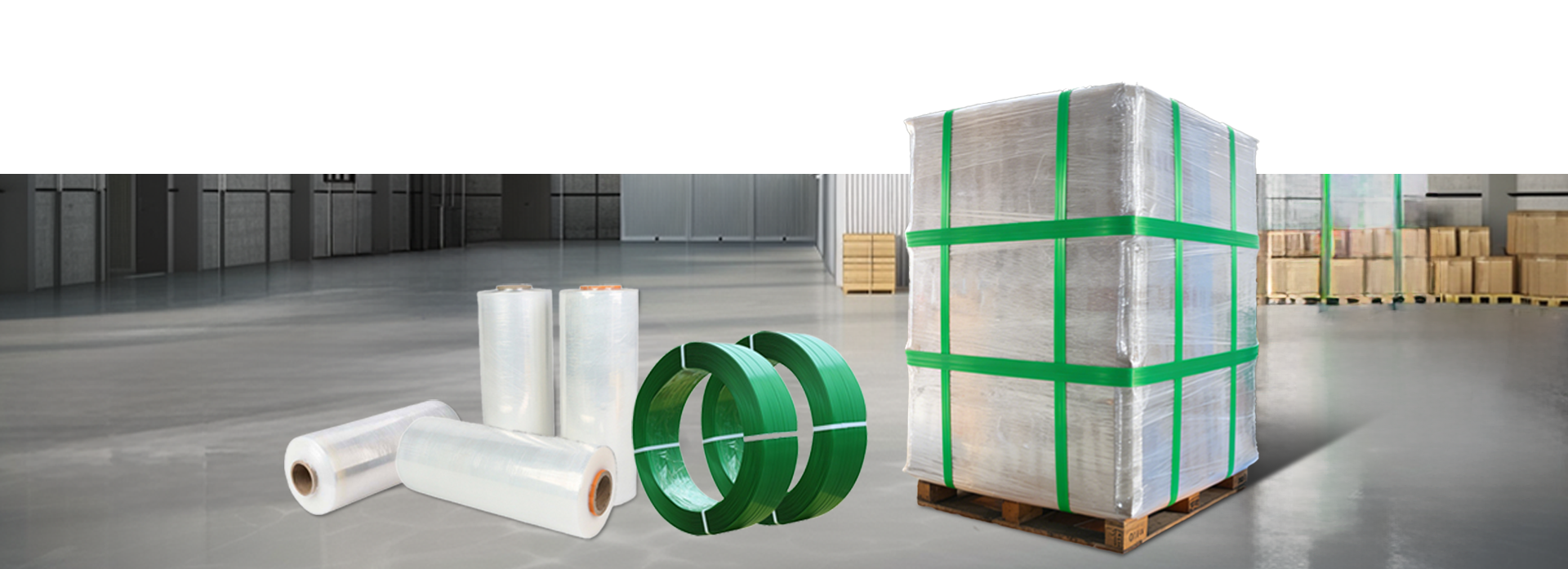
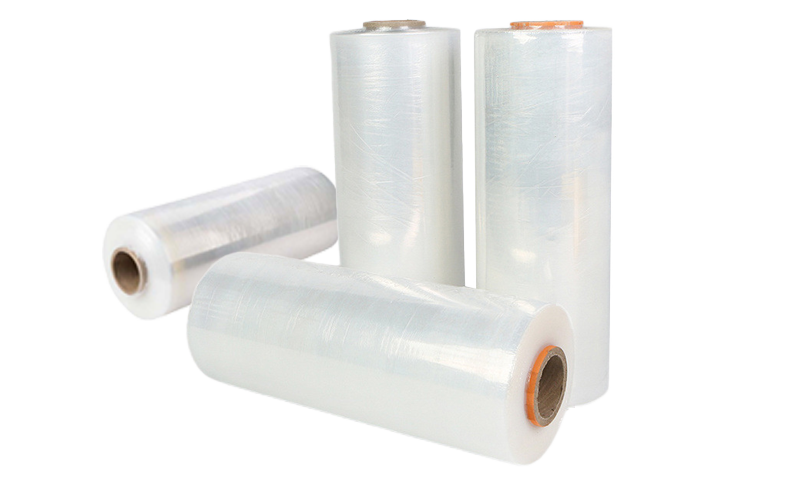
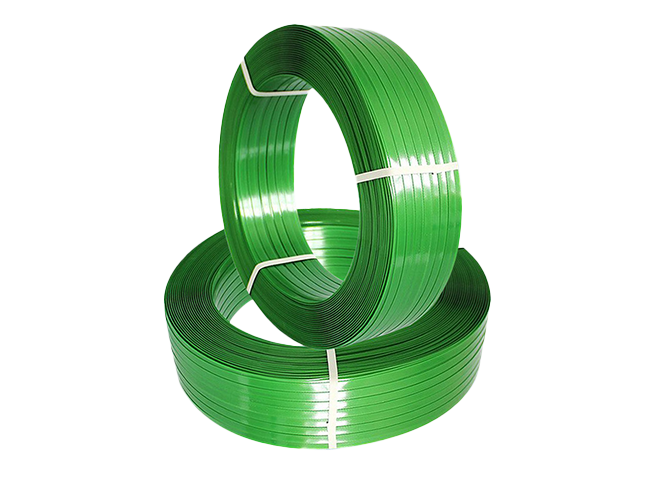
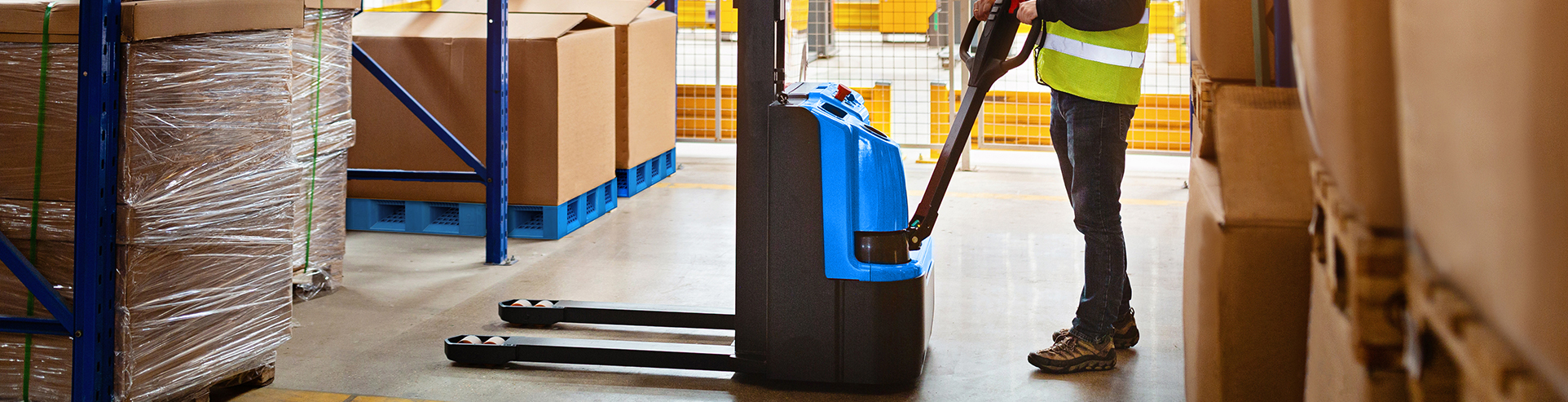
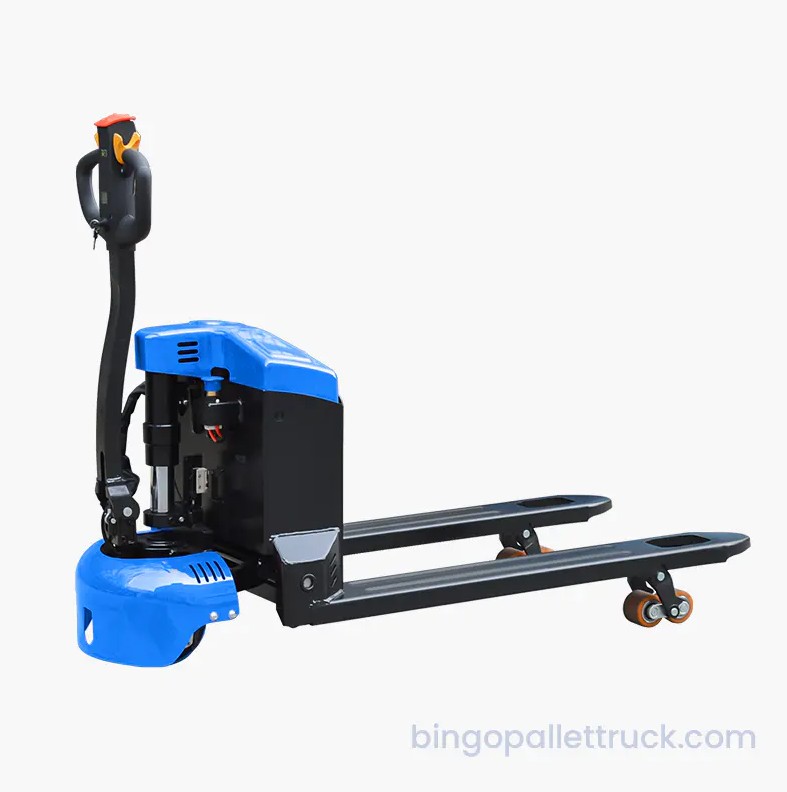
In handling equipment, the company offers manual and electric pallet trucks and stackers. These products support movement of loaded pallets, containers, and goods through warehouse environments. In storage containers, the product line includes plastic pallets, plastic totes, crates, and bulk containers. In packaging materials, products such as stretch wrap and packing strapping help secure goods for transport. In warehouse racking, light-duty, medium-duty, and heavy-duty options provide organized storage infrastructure.
This complete supply chain matters because a tote does not operate alone. It interacts with pallets, racks, carts, handling equipment, packaging systems, and warehouse workflows. A supplier with wide logistics knowledge can better understand how a 43L EU tote fits into the entire system. This creates practical value for customers who need one-stop storage and material handling solutions.
Applications in Manufacturing
Manufacturing facilities are among the strongest application areas for the EU46210 tote. Factories need containers for raw materials, work-in-process parts, semi-finished goods, tooling, fasteners, maintenance items, inspection samples, and finished components. A durable, stackable, standardized tote helps keep these materials organized and movable.
In assembly operations, the tote can be used for line feeding. Components can be stored in the container and moved to production stations as needed. Because the tote is rigid and stackable, it can be staged near work areas without taking up excessive floor space. Its smooth interior helps protect parts and makes cleaning easier if dust or residue appears.
In machining or fabrication environments, the tote can hold packaged or protected components between process steps. For heavier or sharper parts, users should assess load conditions and choose appropriate handling practices, but the reinforced structure provides a strong foundation for routine industrial storage. The 43L volume is especially useful for items too large for small bins but not suitable for oversized bulk containers.
Applications in E-Commerce and Order Fulfillment
E-commerce warehouses require fast, accurate, and flexible storage systems. Orders may include many small and medium-sized products, and picking teams must process high volumes with minimal error. The EU46210 tote can support batch picking, zone picking, order consolidation, returns handling, and packing preparation.
For batch picking, workers can collect multiple items into a tote and later sort them by order. For returns processing, products can be separated by inspection status or destination. For packing areas, totes can organize goods waiting for shipment. The 43L capacity offers enough room for many product types while keeping the container manageable.
Color customization can further improve fulfillment accuracy. Different tote colors can indicate priority orders, return items, fragile goods, quality inspection status, or shipping method. Visual management is one of the simplest ways to reduce mistakes in fast-moving environments.
Applications in Warehousing and Distribution
Traditional warehouses and distribution centers benefit from standardized containers because they improve storage density and handling consistency. The EU46210 tote can be used for SKU organization, replenishment, spare parts, accessories, promotional goods, documents, and internal transport between warehouse zones.
Its stackable form helps reduce floor clutter. Instead of leaving items loose on shelves or in disposable cartons, warehouse teams can group products in reusable plastic totes. This improves visibility, reduces damage, and makes cycle counting easier. Labels can be attached to the tote or placed in designated label areas depending on the customer’s management system.
In distribution centers, the tote can support temporary staging before goods are packed, shipped, or transferred. Because it is reusable, it may reduce dependence on single-use cartons for internal movement. This can contribute to lower packaging waste and cleaner warehouse operations.
Applications in Supermarket and Retail Backroom Storage
Retail and supermarket backrooms often struggle with limited space, mixed product categories, and frequent replenishment demands. A stackable plastic tote helps organize goods before they are moved to shelves. The EU46210’s 43L capacity can accommodate packaged items, accessories, seasonal goods, promotional materials, and replenishment stock.
Compared with cardboard cartons, plastic totes provide better durability and moisture resistance. They can be reused many times, stacked more reliably, and cleaned when needed. In backroom environments where goods are handled repeatedly, reusable plastic storage can reduce clutter and improve presentation.
Color coding can also support retail organization. Different departments can use different tote colors, making it easier for staff to identify goods quickly. This is particularly useful in stores with multiple product categories and frequent restocking cycles.
Applications in Workshop Organization
Workshops need practical storage for tools, parts, repair kits, consumables, safety supplies, and maintenance components. The EU46210 tote provides a strong and clean container for these everyday needs. Its depth allows it to hold larger tools or mixed items, while its standardized footprint helps keep storage shelves orderly.
For maintenance teams, the tote can be used to create task-specific kits. For example, one container can hold electrical repair supplies, another can hold mechanical spare parts, and another can store cleaning or safety equipment. When jobs arise, workers can take the appropriate tote to the work area, reducing time spent searching for materials.
The smooth interior and durable plastic body are also suitable for environments where containers may be exposed to dust, grease, or frequent handling. The tote can be cleaned more easily than cardboard or wooden boxes, supporting better workshop hygiene.
Long-Term Cost Efficiency
A high-quality plastic tote may cost more initially than a disposable carton or a thin storage bin, but its long-term value is usually higher in professional operations. The EU46210 is designed for repeated use, stable stacking, and durable performance. Over time, this can reduce replacement purchases, product damage, housekeeping labor, and storage inefficiency.
Cost efficiency should be measured by total cost of ownership, not only purchase price. A low-cost competitor tote that cracks after limited use, stacks poorly, or fails to fit standard layouts can become expensive. It may require frequent replacement, slow down workers, and create safety concerns. A more durable and standardized tote supports smoother daily operations and better long-term savings.
Reusable plastic totes can also reduce packaging waste in internal logistics. While outer shipping cartons may still be required for some deliveries, internal movement between departments can often be handled with reusable containers. This supports cleaner facilities and more sustainable material handling practices.
Operational Safety Benefits
Safety is an important consideration in container selection. A tote that deforms, cracks, or stacks unstably can create risks for workers and goods. The EU46210’s reinforced design and stackable structure help support safer storage practices when used within appropriate load limits and operational guidelines.
Its manageable empty weight of 2.1kg supports manual handling. Workers can lift, stack, and move empty totes without excessive strain. When loaded, users should follow workplace safety rules and avoid overloading, but the container’s size helps prevent the extreme weights that can occur with oversized bins.
Stable stacking also reduces the risk of falling containers. In busy warehouses, stacks must remain orderly even when workers are picking, moving, or staging goods nearby. A tote designed for vertical compatibility contributes to a safer and more professional environment.
Environmental and Sustainability Considerations
Reusable plastic totes support sustainability by reducing reliance on disposable packaging for internal material movement. Cardboard cartons can be useful for shipping, but repeated internal reuse often damages them quickly. Broken cartons create waste, dust, and handling problems. A durable plastic tote can be reused for many cycles, lowering waste generation over time.
The long service life of a reinforced tote also contributes to resource efficiency. Products that last longer require fewer replacements, less frequent procurement, and fewer disposal events. When properly managed, plastic logistics containers can be part of a more sustainable warehouse system.
Additionally, better organization reduces indirect waste. When goods are properly stored, they are less likely to be lost, damaged, contaminated, or written off. A clean, stackable, standardized tote supports better inventory control and helps companies protect the value of stored goods.
How to Select the Right Tote for Your Operation
When selecting a tote, buyers should consider size, capacity, material, stacking requirements, load conditions, cleaning needs, and compatibility with existing equipment. The EU46210 is especially suitable when a company needs a 600×400mm standardized footprint, medium-to-large storage volume, reinforced stacking capability, and indoor logistics performance.
Users should compare the tote’s internal dimensions with the size of the items they plan to store. The internal measurement of 570×370×207mm provides generous room, but precise product fit should always be confirmed. Weight conditions should also be assessed. Although the tote is designed for strong load-bearing performance, actual load limits depend on material type, item shape, stacking height, temperature, and handling method.
Color requirements should be planned at the same time. If the tote will be used in a visual management system, buyers may want to choose multiple colors from the beginning. If the operation is expanding gradually, standard colors can be used first, with additional customized colors introduced later.
Maintenance and Best Use Practices
To maximize service life, users should apply good handling practices. Totes should not be thrown from heights, dragged aggressively over sharp surfaces, or overloaded beyond safe working conditions. When stacking loaded totes, operators should ensure that the stack is level, stable, and appropriate for the contents inside.
Cleaning should be performed according to the type of goods stored. For general warehouse use, wiping or rinsing may be sufficient. For cleaner environments, a more controlled cleaning procedure may be required. The smooth interior makes cleaning easier and helps the tote return quickly to service.
When not in use, empty totes should be stacked neatly in designated areas. This keeps aisles clear and prevents unnecessary damage. If color-coded systems are used, totes should be returned to the correct zones to maintain workflow discipline.
Why Supplier Capability Matters
Choosing a tote is also choosing a supplier. A strong supplier provides consistent product quality, stable inventory, customization support, and professional service. Yancheng Bingo Machinery Equipment Co., Ltd. positions itself as a global partner for smart logistics, offering one-stop integrated solutions for material storage and handling.
The company’s broader supply chain strength gives customers access to more than plastic totes. Buyers can also source plastic pallets, crates, bulk containers, pallet trucks, stackers, stretch wrap, strapping, and warehouse racks. This integrated capability is valuable for businesses that want compatible products and simplified procurement.
The company’s philosophy of quality first and win-win cooperation also aligns with long-term customer relationships. In warehousing and logistics, reliability matters. A supplier that understands international standards, quality inspection, cost-effective solutions, and global customer needs can provide more dependable support than a purely transactional vendor.
Q&A Section
Q1: What is the capacity of the EU46210 plastic tote?
The EU46210 tote has a capacity of 43L. This makes it suitable for medium-to-large items, component storage, warehouse picking, workshop organization, and indoor logistics operations.
Q2: What are the external and internal dimensions?
The external dimensions are 600×400×210mm, and the internal dimensions are 570×370×207mm. The 600×400mm footprint follows a practical Euro-format size for modular storage and logistics systems.
Q3: What material is used for this tote?
The tote is made from selected high-density industrial plastic material. Product information highlights HDPE material with strong load-bearing capacity and high-density virgin PP production control. The material system is designed for durability, impact resistance, hygiene, and long-term indoor logistics use.
Q4: Is the tote stackable?
Yes. The reinforced structure supports secure vertical stacking and space-efficient storage. Product information indicates that the tote can be stacked in multiple layers, with stackability up to more than 10 layers depending on load conditions and operating environment.
Q5: What industries can use this product?
The tote is suitable for manufacturing, e-commerce logistics, warehousing and distribution, supermarket retail, workshop organization, parts storage, order fulfillment, and commercial storage applications.
Q6: What makes this tote better than ordinary storage boxes?
Its advantages include a standardized 600×400mm EU footprint, reinforced ribbed structure, 43L practical capacity, durable high-density plastic material, smooth easy-to-clean interior, stable stackability, customization support, and strict manufacturing quality control.
Q7: Can the color be customized?
Yes. Multiple colors and full specifications are supported. Color customization can help businesses improve visual management, identify departments, classify goods, and reduce handling errors.
The material is described as food-safe and easy to clean, making it suitable for many clean storage and packaged food handling scenarios. Users should confirm specific regulatory requirements for direct food contact based on their local standards and application details.
Q9: Is the product available for fast delivery?
Yes. The product information emphasizes that it is in stock and ready to ship, supporting fast delivery for customers who need quick warehouse setup, seasonal expansion, or urgent container replacement.
Q10: Can this tote be used with other warehouse equipment?
Yes. Its EU-standard footprint makes it easier to integrate with warehouse racks, pallets, carts, workstations, and handling systems. It is also part of a broader logistics equipment solution that includes handling equipment, storage containers, packaging materials, and warehouse racking.
Conclusion
The 43L EU plastic tote storage container, model EU46210, is a practical and durable solution for indoor logistics, warehouse storage, industrial parts management, and commercial organization. Its 600×400×210mm external size, 570×370×207mm internal space, 43L capacity, and 2.1kg empty weight create a strong balance of volume, strength, and usability. The reinforced ribbed structure supports reliable stacking, while the smooth interior improves cleaning and product protection.
Compared with ordinary competitor bins, this tote offers a more professional logistics design. It follows a standardized EU footprint, supports space-efficient storage, uses selected high-density plastic material, and benefits from strict quality control throughout manufacturing. Its customization options, multiple colors, stock availability, and ready-to-ship support make it suitable for both immediate operational needs and long-term warehouse standardization projects.
Behind the product is the manufacturing and supply strength of Yancheng Bingo Machinery Equipment Co., Ltd., a warehousing and logistics equipment enterprise providing integrated solutions across handling equipment, storage containers, packaging materials, and warehouse racks. With standardized processes, strict standards, advanced production capability, and a quality-first approach, the company supports global customers seeking reliable, cost-effective, and scalable storage and material handling solutions.
For companies that want to improve warehouse organization, reduce disposable packaging dependence, protect stored goods, and build more efficient indoor logistics flows, the EU46210 43L plastic tote is a strong choice. It is not merely a container; it is a reusable logistics tool designed to support cleaner operations, safer stacking, faster handling, and more intelligent storage management.
References
1. International Organization for Standardization. Standards and principles for packaging, storage, and logistics handling systems.
2. European logistics container design practices for modular storage and pallet-compatible distribution systems.
3. Materials engineering references on polypropylene and high-density polyethylene performance in reusable industrial containers.
4. Warehouse management best practices for space utilization, visual management, and reusable transport packaging.
5. Lean manufacturing and 5S workplace organization principles for containerized parts storage and line-side logistics.
6. Industrial quality control guidelines for plastic injection-molded storage and handling products.
Product: 43L HDPE EU Plastic Tote Storage Container for Indoor Use

Copyright @ Yancheng Bingo Machinery Equipment Co., Ltd. All rights reserved Warehouse Logistics Equipment Manufacturer Pallet Truck Supplier
