 en
en  Español
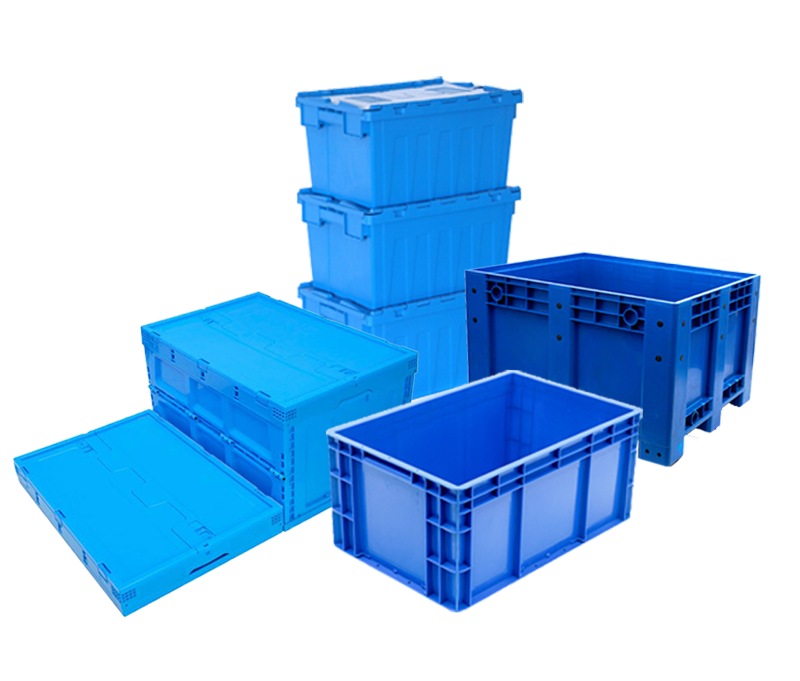

198L Heavy-Duty Nestable Plastic Crate for Farms, Warehouses, and Logistics
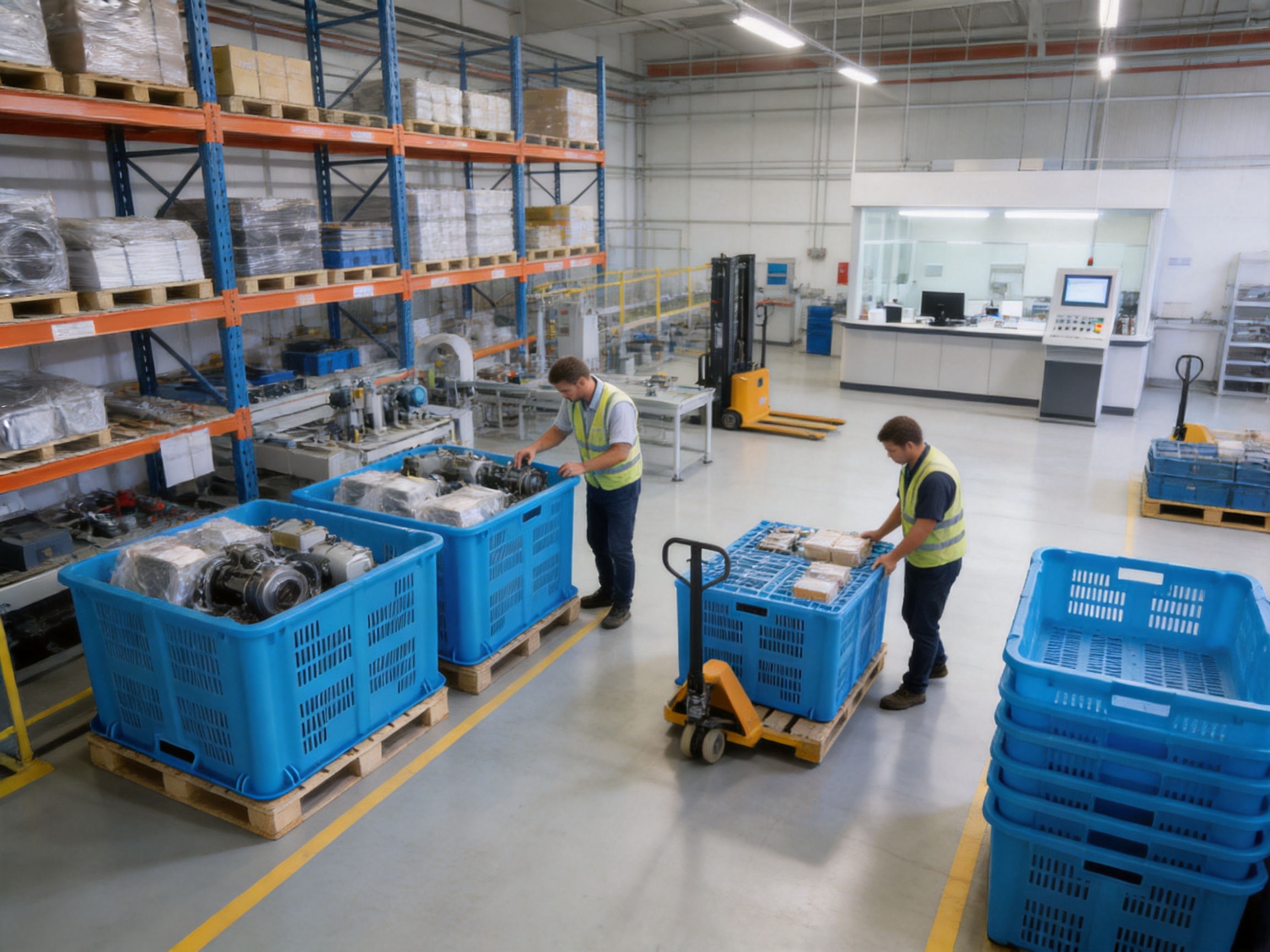
Modern supply chains depend on storage and transport equipment that can handle demanding workloads without creating unnecessary costs. Farms, warehouses, food distributors, manufacturing plants, wholesale markets, and logistics companies all need containers that are strong enough for repeated use, spacious enough for bulk handling, and efficient enough to reduce the amount of space consumed during storage and shipment. The 198L Heavy-Duty Nestable Plastic Crate is designed to meet these requirements in one large-capacity solution.
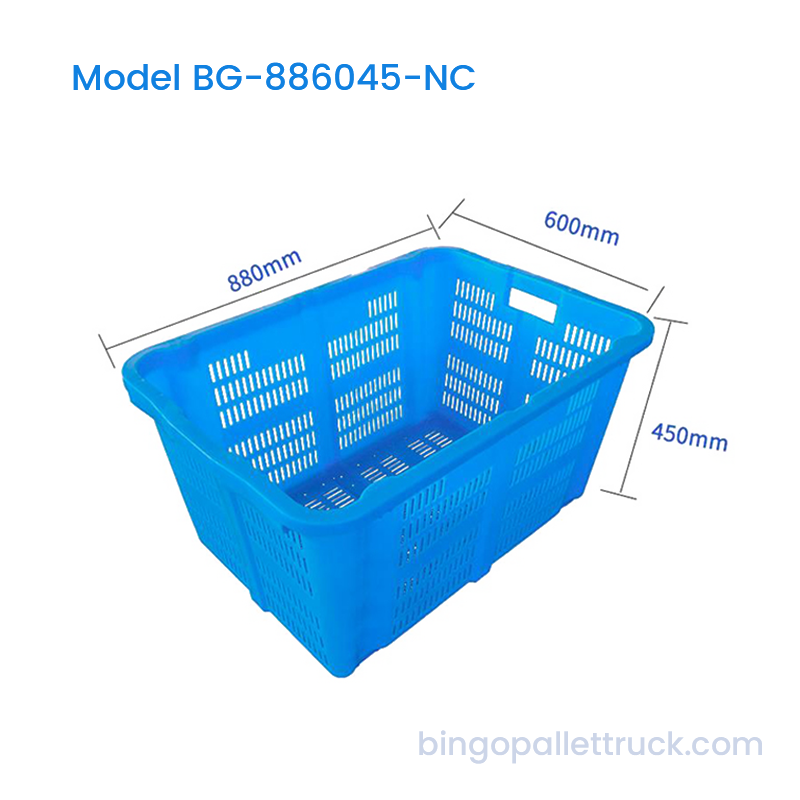
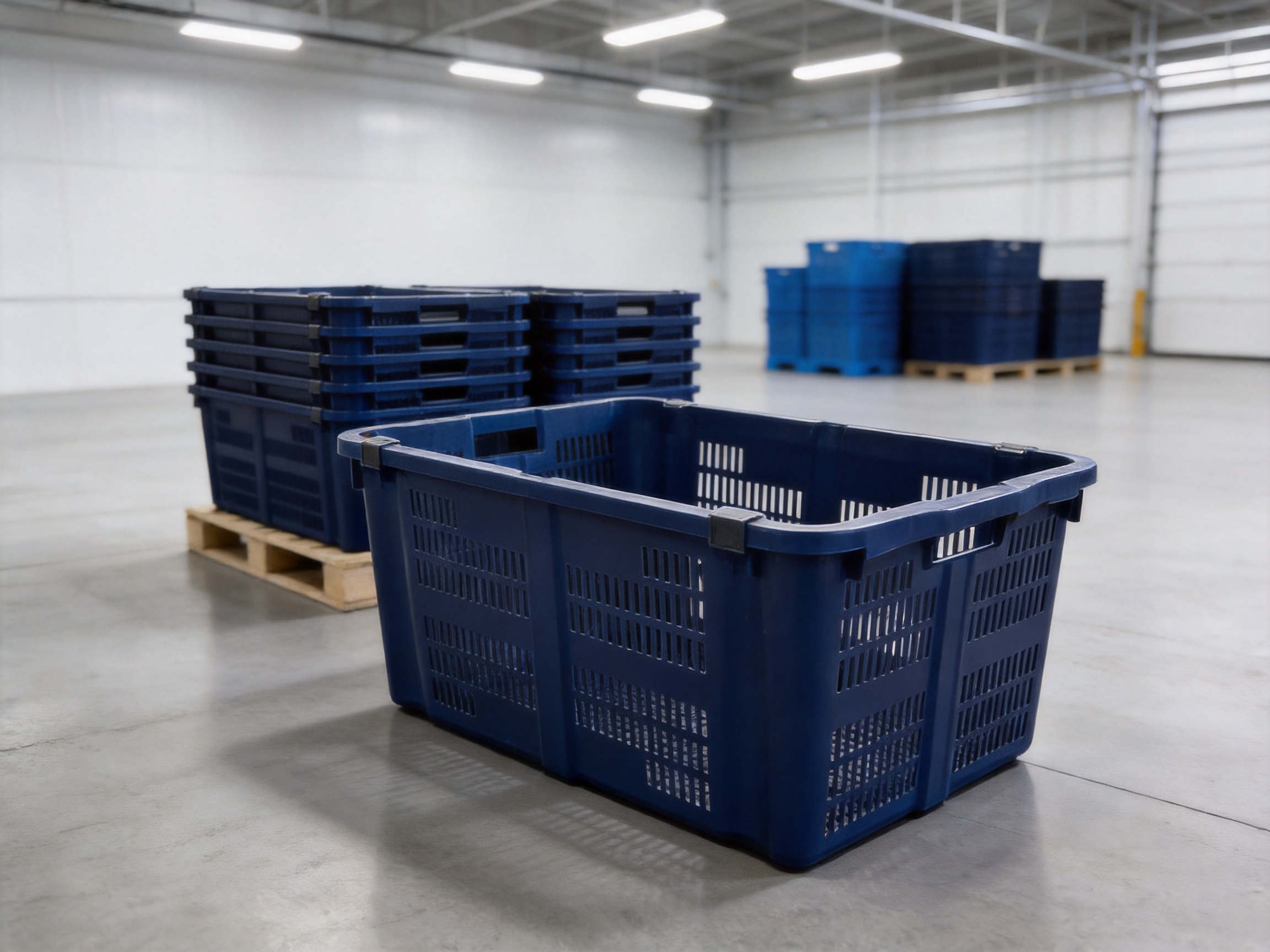
With external dimensions of 880×600×450mm and internal dimensions of 820×550×440mm, this crate provides a substantial working volume of 198 liters. Its large footprint makes it suitable for bulk products and industrial materials that cannot be efficiently packed into smaller boxes. At the same time, its nestable structure allows empty crates to be placed inside one another, helping users recover valuable floor, truck, and warehouse space when the containers are not in use.
The crate is identified as Model BG-886045-NC and is manufactured for demanding commercial applications. Its HDPE construction, reinforced body, full-perimeter slotted mesh, ventilation openings, drainage capability, and reusable design provide practical benefits that conventional cardboard cartons, wooden boxes, and lightweight plastic bins cannot always deliver. The result is a durable, washable, and space-conscious container for organizations seeking to improve material flow from receiving to storage, processing, distribution, and return logistics.
Yancheng Bingo Machinery Equipment Co., Ltd. supplies this type of storage container as part of a broader material-handling and warehousing equipment portfolio. The company’s product range includes handling equipment, storage containers, packaging materials, and warehouse racking. This integrated product capability allows buyers to source complementary solutions for pallet handling, containerization, packaging, and warehouse organization from one experienced supplier.
Content
- 1 Product Overview
- 2 Large Capacity for Bulk Handling
- 3 HDPE Construction for Repeated Commercial Use
- 4 Reinforced Structure for Heavy-Duty Environments
- 5 Nestable Design and Space Optimization
- 6 Ventilation, Drainage, and Product Handling
- 7 Advantages Over Cardboard, Wood, and Lightweight Plastic Containers
- 8 Applications in Agriculture and Fresh Produce
- 9 Applications in Warehouses and Distribution Centers
- 10 Applications in Manufacturing and Industrial Operations
- 11 Applications in Wholesale Markets and Retail Distribution
- 12 Manufacturing Quality and Process Control
- 13 Customization and Color Management
- 14 Logistics and Total Cost of Ownership
- 15 Cleaning, Hygiene, and Maintenance
- 16 Safe Loading and Handling Practices
- 17 Implementation in a Reusable Container System
- 18 Supplier Strengths and Integrated Equipment Capability
- 19 Procurement Considerations
- 20 Recommended Use Cases by Industry
- 21 Why This Crate Is a Competitive Choice
- 22 Q&A
- 22.1 What is the capacity of the crate?
- 22.2 What are the external dimensions?
- 22.3 What material is used to manufacture the crate?
- 22.4 Is the crate stackable or nestable?
- 22.5 How much does one empty crate weigh?
- 22.6 What products can be placed inside the crate?
- 22.7 Does the mesh design provide ventilation?
- 22.8 Can the crate be used for food-related operations?
- 22.9 Can the crates be customized?
- 22.10 How does nesting reduce logistics costs?
- 22.11 Is the crate suitable for outdoor use?
- 22.12 How should the crate be cleaned?
- 22.13 Can forklifts lift the crate directly?
- 22.14 What should buyers verify before ordering?
- 23 Conclusion
- 24 References
- 25 Product: 198L Heavy Duty Nestable Plastic Crate for Farms and Warehouses
Product Overview
The 198L Heavy-Duty Nestable Plastic Crate is a large-format reusable container developed for high-volume commercial handling. It is especially well suited to operations in which goods move repeatedly between farms, packing centers, warehouses, distribution facilities, retail locations, and customers. Unlike single-use packaging, the crate can remain in circulation for a long period when properly handled and maintained.
The container combines a large internal capacity with a relatively low tare weight of 4.5kg. This balance is important for businesses that handle many units each day. A crate that is too small increases handling time because products must be divided among many containers. A crate that is excessively heavy adds unnecessary labor and transport weight. This model is designed to provide substantial capacity while keeping the empty container manageable for warehouse staff and logistics operators.
Its full-perimeter slotted mesh design supports the movement of air around the contents. This feature is particularly useful for fresh produce, agricultural products, and other goods that benefit from ventilation. The openings can also allow water to drain away after washing or exposure to moisture. For industrial and packaged goods, the mesh format helps users see part of the contents and may simplify inspection, counting, and stock identification.
The reinforced structure is intended for repeated stacking and general heavy-duty use. When loaded correctly and placed on stable surfaces, the crate can support organized vertical storage and help businesses use warehouse height more effectively. Its nestable design is especially valuable during return transport or empty-container storage, because nested units occupy substantially less space than separate rigid boxes placed side by side.
| Product | 198L Heavy-Duty Nestable Plastic Crate |
| Model | BG-886045-NC |
| Material | HDPE |
| External Dimensions | 880×600×450mm |
| Internal Dimensions | 820×550×440mm |
| Capacity | 198L |
| Weight | 4.5kg |
| Design | Nestable, reinforced, full-perimeter slotted mesh |
| Primary Applications | Farms, warehouses, logistics, wholesale markets, manufacturing, and distribution |
Large Capacity for Bulk Handling
One of the most important advantages of this crate is its 198-liter capacity. Many standard plastic crates are designed for small or medium quantities, which can be appropriate for retail picking but inefficient for bulk operations. When a warehouse must move a large volume of produce, components, packaging, or finished goods, using too many small containers increases the number of lifts, trips, labels, scans, and storage locations required.
The internal dimensions of 820×550×440mm create a broad and deep loading area. This format can accommodate large batches of compatible goods while still allowing the contents to be handled as a single unit. Farms may use the crate for harvested produce, sorting operations, or temporary staging. Distribution centers can use it for consolidated order preparation. Manufacturing facilities may use it to collect components, work-in-progress items, or finished products before the next production or shipping stage.
Large containers can also help reduce packaging fragmentation. Instead of dividing similar products into numerous small cartons, operators may consolidate them in a reusable crate. Consolidation can simplify counting, reduce handling steps, and make the movement of goods more visible. It may also reduce the amount of disposable packaging used in internal transfers, particularly where the same container circulates between departments or facilities.
Capacity must always be matched to the characteristics of the product. Heavy materials should not be loaded beyond the company’s approved working limits, and fragile goods may require dividers, liners, or protective inserts. Even so, the substantial volume of this crate gives businesses flexibility when designing loading patterns. The crate can serve as a primary transport container, a warehouse tote for large items, or a staging unit for goods awaiting inspection or dispatch.
For produce operations, the open mesh construction can help prevent heat and moisture from becoming trapped around the contents. For industrial applications, the large footprint can accommodate irregularly shaped supplies that do not fit efficiently into narrow bins. For packaged goods, it can act as a robust consolidation container that protects products during internal movement and short-distance distribution.
HDPE Construction for Repeated Commercial Use
The product specification identifies high-density polyethylene, or HDPE, as the main material. HDPE is widely used for commercial containers because it offers a useful combination of toughness, chemical resistance, impact resistance, cleanability, and dimensional stability. These properties make it more suitable for repeated industrial use than many low-cost plastics intended only for light domestic storage.
A reusable crate must withstand more than the weight of its contents. During normal operations, it may be lifted, pushed, placed on pallets, moved through loading areas, exposed to temperature changes, washed, and stacked with other containers. It may also experience incidental impacts against warehouse equipment or adjacent crates. A properly designed HDPE body can tolerate this type of repeated handling better than fragile packaging materials.
HDPE is also advantageous in wet and humid environments. Farms, produce packing facilities, seafood operations, and cleaning areas often expose containers to water, organic residues, and frequent sanitation procedures. Unlike untreated cardboard or wood, a plastic crate does not absorb water in the same way. Its smooth structural surfaces can be washed more efficiently, while the slotted body supports drainage and drying.
The material is not a substitute for correct operating procedures. Users should select appropriate cleaning chemicals, avoid prolonged exposure to substances that are incompatible with the plastic, and follow applicable food-contact and sanitation requirements for their specific application. The term food-safe should also be interpreted in relation to the intended market, certification requirements, cleaning protocol, and the type of goods being handled. Buyers who require direct food contact should confirm the relevant compliance documentation before placing an order.
The crate’s reusable nature can create an economic advantage over disposable packaging. A cardboard carton may have a lower initial purchase price, but it can lose strength when exposed to moisture and may need frequent replacement. A heavy-duty plastic crate is intended to remain in circulation for repeated handling cycles. The total value therefore depends on service life, cleaning practices, repair policy, reverse logistics, and the number of turns achieved by each unit.
Reinforced Structure for Heavy-Duty Environments
Structural reinforcement is essential in large plastic crates. As container dimensions increase, the walls and base must manage greater bending forces, especially when the crate is loaded, lifted, or stacked. The reinforced design of Model BG-886045-NC is intended to provide dependable support during regular heavy-use operations.
Reinforcement can improve the stability of the sidewalls, base, rim, and stacking areas. A strong upper rim helps distribute pressure when crates are placed one over another. A stable base helps the container remain level on warehouse floors, pallets, platforms, and transport vehicles. Reinforced corners can also provide additional protection against impact during movement through busy handling areas.
In practical terms, a stronger structure can reduce the risk of deformation that interferes with stacking or nesting. Consistent geometry is important because damaged or distorted containers consume more space, become difficult to handle, and may create instability in a stack. Maintaining an orderly container fleet requires both suitable design and regular inspection for cracks, excessive wear, sharp edges, or other damage.
The crate should be loaded evenly and used on surfaces appropriate for its size and weight. Operators should avoid placing unstable loads above the recommended stacking height and should not use a damaged crate for heavy products. When forklifts, pallet trucks, or other equipment are used nearby, staff should be trained to prevent collisions with the container walls or corners. Good handling practices allow the crate’s reinforced design to provide its intended benefits over a longer operating life.
198L Heavy Duty Nestable Plastic Crate for Farms and Warehouses
Nestable Design and Space Optimization
The nestable design is one of the clearest advantages of this product over conventional rigid boxes. Empty rigid containers often occupy nearly the same amount of space whether they are full or unused. That creates a major cost in return logistics, seasonal storage, warehouse overflow areas, and delivery vehicles returning from customer locations.
Nestable crates solve this problem by allowing one empty unit to fit partially inside another. As a result, a large quantity of empty crates can be consolidated into a smaller footprint. This can free floor space for inventory, reduce the number of vehicle trips required to collect empty containers, and make it easier to organize containers by size, color, customer, or operating department.
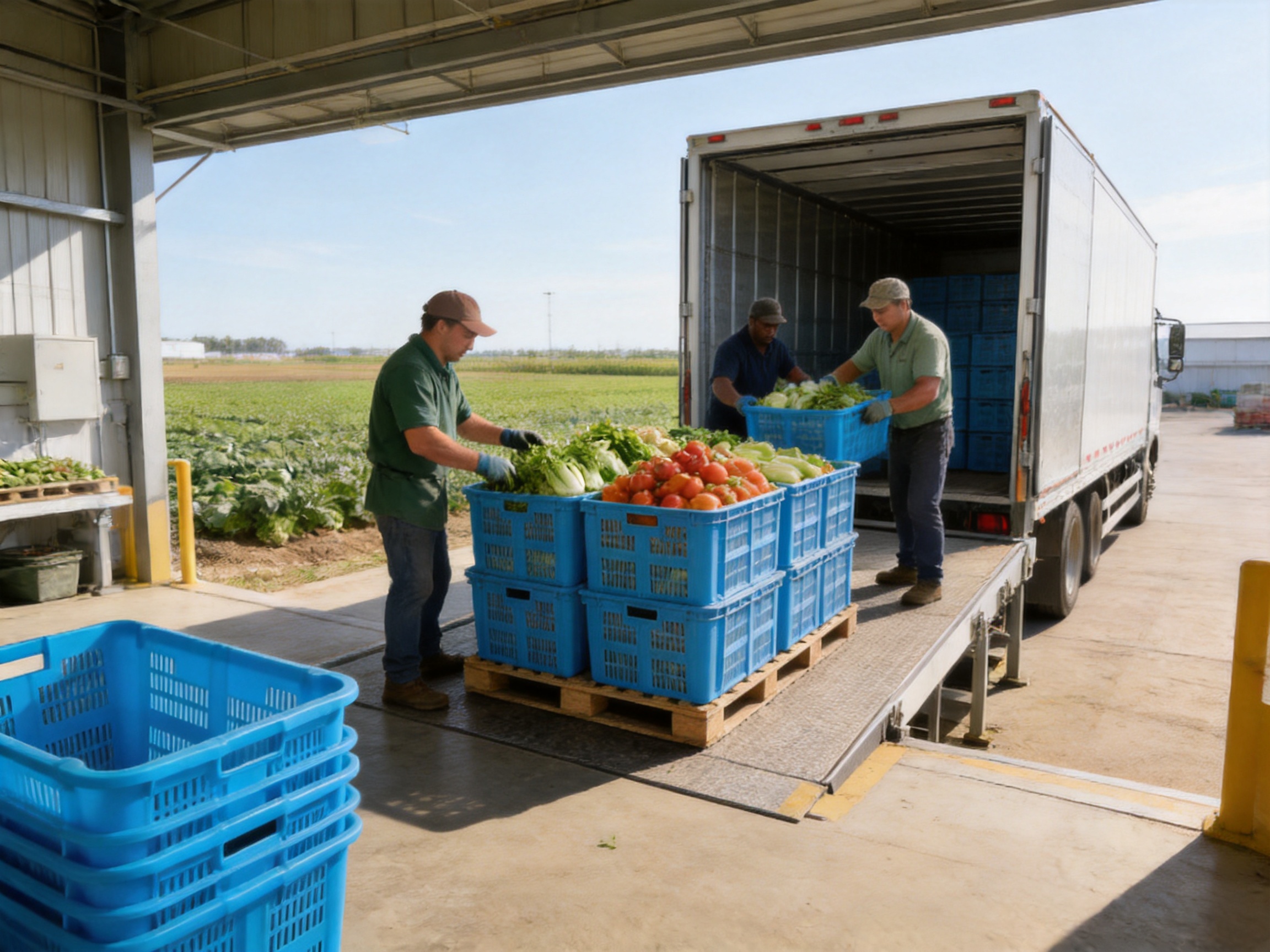
For agricultural businesses, the value of nesting becomes particularly clear during harvest cycles. Crates may be sent empty to a field or collection point, filled with products, and returned to a packing or distribution facility. Once emptied, the crates can be nested for the return journey. This improves vehicle utilization because the truck is not transporting a large volume of empty air between locations.
Logistics companies can also benefit from nesting when managing reusable packaging pools. Empty crates can be grouped in return shipments, placed in designated collection zones, and moved between facilities with less disruption. A smaller empty-container footprint may reduce handling congestion around docks and sorting areas. It can also help companies maintain a more accurate count of available containers because nested stacks are easy to identify and measure.
Nesting should not be confused with stacking. Nesting is primarily intended for empty or appropriately arranged containers, while stacking refers to placing loaded or empty crates vertically in a stable configuration. The precise use of each function depends on the crate geometry and operating instructions. Users should confirm whether the product is approved for loaded stacking, nested return transport, or both under their particular load conditions.
Compared with many wooden boxes and fixed-wall cartons, a nestable plastic crate offers a more efficient empty-storage profile. Compared with smaller plastic totes, its larger 198-liter capacity means fewer containers may be required for the same volume of goods. Together, large capacity and nesting can improve both full-load productivity and empty-load efficiency.
Ventilation, Drainage, and Product Handling
The full-perimeter slotted mesh body is designed to promote air circulation around the contents. Ventilation is important when products generate heat, retain surface moisture, or require airflow to maintain quality. Fresh fruits and vegetables are common examples, although the suitability of the crate depends on the specific product, temperature, humidity, and handling conditions.
Air movement can reduce the formation of stagnant warm zones inside a tightly packed container. It may also assist cooling operations when crates are placed in a ventilated room or used with appropriate forced-air systems. In produce handling, open sides can make it easier to identify bruising, contamination, or product shortages without completely unpacking the crate.
Drainage is another practical benefit. When the crate is washed, exposed to rain, or used with products that carry surface moisture, slots allow water to escape instead of collecting inside the container. Faster drainage can support more efficient cleaning and drying processes. It can also help reduce the time that products remain in contact with standing water.
Mesh openings must be matched to the size and sensitivity of the goods. Small products may require liners, bags, or internal dividers to prevent them from falling through the slots. Delicate produce may need cushioning or careful loading to avoid abrasion. These considerations do not reduce the value of the mesh design; they simply ensure that the container is configured appropriately for each application.
For industrial users, the open structure can support visual identification and ventilation of components. Maintenance departments may use the crate for hoses, fittings, tools, or replacement parts that benefit from airflow and quick access. Warehouses may use color-coded units or labels attached to suitable areas of the crate to distinguish inventory categories.
Advantages Over Cardboard, Wood, and Lightweight Plastic Containers
Every packaging material has an appropriate use, but the 198L heavy-duty crate offers several advantages in demanding environments. Compared with cardboard cartons, it provides better resistance to water, repeated handling, and compression during reuse. Cardboard can be effective for clean, dry, one-way distribution, but it may weaken when exposed to moisture or when stacked for long periods. The reusable plastic crate is better suited to operations in which containers circulate continuously.
Compared with wooden boxes, the HDPE crate is lighter at 4.5kg and easier to clean. Wood can absorb moisture, retain contaminants, splinter, and require more maintenance. A plastic container with a slotted body can be washed and inspected more easily, which is useful for agricultural, food-related, and industrial environments. Plastic also avoids many of the sharp edges and loose fragments associated with damaged wooden packaging.
Compared with small lightweight plastic bins, this model provides significantly greater volume and a reinforced body for larger loads. Users may need fewer containers to move the same quantity of goods. Fewer individual units can mean fewer labels, fewer handling actions, and less time spent consolidating or separating products.
Compared with non-nestable rigid containers, the product provides better empty-space utilization. This distinction can influence the total cost of ownership, especially for companies that frequently return empty packaging. Transport cost is not determined only by the weight of the crate; the cubic volume occupied by empty units can be equally important.
Compared with disposable packaging, a reusable crate supports a closed-loop or partially closed-loop handling system. Crates can be issued, collected, cleaned, inspected, and returned to service. This approach may help reduce packaging waste and improve standardization across facilities. Businesses should evaluate the full system, including reverse logistics and sanitation, rather than comparing purchase prices alone.
Applications in Agriculture and Fresh Produce
Farms and agricultural collection centers often face a combination of high volume, variable weather, intensive handling, and time-sensitive products. A large ventilated plastic crate can support harvesting, field collection, sorting, temporary storage, and transport to packing houses or markets.
The 198L capacity is suitable for operations that need to gather a substantial amount of produce before transferring it to the next processing stage. The open design allows personnel to identify the contents quickly and may help air move around harvested goods. Drainage openings are useful when crates are cleaned between cycles or when produce arrives with surface moisture.
The crate can be used in a farm-to-market process in several ways. Empty nested crates may be delivered to a field or collection point. Workers can fill them according to product type, grade, or destination. Loaded crates can then be moved to a sorting area, placed on a pallet or transport platform, and sent to a warehouse, wholesaler, supermarket distribution center, or local market. After unloading, the empty crates can be nested for return.
Careful loading remains important for agricultural products. The container should not be overfilled in a way that crushes items near the top. Products with different levels of maturity, hardness, or sensitivity may require separate crates. Internal liners or separators can be used where smaller items or delicate surfaces need additional protection.
Because produce requirements vary widely, users should validate the crate with representative products before large-scale deployment. Testing should cover loading height, ventilation, washing, drying, stacking, and transport vibration. A trial can determine whether the slot configuration, capacity, and handling method are suitable for a particular crop.
Applications in Warehouses and Distribution Centers
Warehouses need containers that support clear inventory flow. The 198L crate can function as a bulk picking container, receiving bin, replenishment unit, temporary staging container, or returnable transport package. Its broad size is useful for products that are too large for standard totes but too small or numerous to handle individually.
In receiving operations, the crate can hold goods after unloading and inspection. Staff may assign a crate to a product code, purchase order, production batch, or shipping route. The slotted construction permits visual checks, while the rigid walls provide more protection than flexible bags or thin cartons.
During order preparation, a warehouse may use the crate to consolidate multiple cases or individual units destined for one customer or delivery route. The large capacity can reduce the number of separate handling units. Once filled, the crate can be moved to a staging area for scanning, verification, loading, or dispatch.
For internal replenishment, the crate may carry materials from reserve storage to picking locations. In manufacturing warehouses, it can separate components by work order or production line. In e-commerce fulfillment, it may be used for large products or for consolidating orders before final packing.
Warehouse managers can integrate the crates with pallet trucks, shelving, floor locations, and transport vehicles, provided that the dimensions and load characteristics are compatible. The 880×600mm footprint should be considered when designing storage lanes, pallet patterns, conveyor interfaces, truck loading plans, and dock layouts.
Standardized containers can also improve workplace organization. When every department uses a consistent container size, it becomes easier to allocate storage positions, estimate capacity, plan labor, and identify missing units. Labels, barcodes, RFID tags, or color systems may be added according to the company’s inventory-control practices.
Applications in Manufacturing and Industrial Operations
Manufacturing environments often require containers that can move materials between receiving, storage, production, quality control, assembly, and dispatch. The large nestable crate is suitable for many non-hazardous industrial items, including components, fittings, packaging supplies, maintenance materials, and completed assemblies.
A production line can use the crate as a controlled work-in-progress container. Materials for a particular batch or work order can be grouped in one place, reducing the risk of mixing parts. Once the batch is complete, the same crate can move to inspection or packaging. The rigid body helps protect contents from ordinary contact with floors, carts, and adjacent loads.
In maintenance departments, the crate can hold frequently used replacement parts or tools. The open sides make it easier to see contents and identify shortages. Where small components are involved, internal boxes or smaller bins can be placed inside the large crate to create a modular organization system.
Industrial users should assess chemical compatibility before using HDPE containers for oils, solvents, corrosive substances, or other specialized materials. The crate should not be treated as a certified hazardous-material container unless the appropriate certification has been confirmed. For ordinary industrial supplies and packaged goods, however, its durability and cleanability make it a practical alternative to disposable cartons.
Applications in Wholesale Markets and Retail Distribution
Wholesale markets need containers that can withstand fast turnover and frequent contact with loading personnel. Products may be received in bulk, sorted by customer, displayed temporarily, and dispatched several times in one day. A reinforced reusable crate can support this workflow while reducing dependence on fragile packaging.
The open structure allows market staff to recognize the type and approximate quantity of goods without opening sealed cartons. This can speed up sorting and reduce unnecessary handling. The large capacity also supports consolidation by customer, route, or product category.
Retail distribution centers may use the crates for store replenishment, backroom transfer, or returnable packaging programs. Empty crates can be collected from stores and nested for efficient return to a distribution center or supplier. This approach can create a more organized packaging cycle than disposing of cartons after each delivery.
For direct food handling, the operating organization should establish documented cleaning, inspection, and separation procedures. Crates used for different product types may need to be assigned by color or clearly labeled. Damaged containers should be removed from service, and any applicable local food-safety requirements should be followed.
Manufacturing Quality and Process Control
A durable crate depends not only on its material and shape but also on the consistency of its manufacturing process. Variations in resin quality, molding temperature, cooling, wall thickness, reinforcement, and dimensional control can affect the final product. For this reason, advanced production management and inspection at multiple stages are important advantages when selecting a supplier.
Yancheng Bingo Machinery Equipment Co., Ltd. states that it applies strict quality control from raw-material sourcing through production. This approach is valuable because defects introduced at an early stage may not become visible until the crate is loaded or stacked. Controlling incoming material, processing conditions, and finished dimensions helps reduce the risk of inconsistent performance across a shipment.
The company describes its production as based on standardized processes and strict standards. Standardization supports repeatable results for dimensions, color, surface finish, structural details, and assembly-free molded construction. For buyers operating a large fleet of containers, consistency matters because containers must fit together, stack predictably, and occupy planned storage positions.
Quality control may include inspection of raw materials, monitoring of molding conditions, visual examination, dimensional verification, weight checks, and functional testing. Although the precise inspection plan depends on the order and production batch, a disciplined process should verify that the finished crate corresponds to the approved specification.
The information supplied for this product identifies HDPE as the material. A separate general quality statement refers to high-density PP virgin material. Because HDPE and PP are different polymers, buyers with strict material, food-contact, recycling, or compliance requirements should request confirmation of the exact resin used for Model BG-886045-NC and obtain the applicable technical documentation before purchase. This clarification is a normal and important part of professional procurement.
Advanced manufacturing is most useful when it produces measurable consistency. For a commercial buyer, the relevant questions include whether the dimensions remain within tolerance, whether the base remains stable under load, whether nested units separate easily, whether the slots are cleanly formed, and whether the crate maintains its geometry during repeated use. A supplier capable of answering these questions transparently is better positioned to support long-term operations.
Customization and Color Management
The product information indicates that multiple colors and full specifications are available, with customization possible. Color selection can provide practical operational benefits beyond appearance. Warehouses may assign colors to different departments, product families, customers, destinations, or sanitation categories.
For agricultural operations, one color may be used for one crop while another color is assigned to a different product or grade. In manufacturing, colors can distinguish raw materials from finished items, or separate work-in-progress from rejected goods awaiting inspection. In distribution, color coding can support route identification and reduce sorting errors.
Customization may also include labels, markings, logos, dimensions, or other product details, depending on the order quantity and manufacturing feasibility. Any customized version should be reviewed carefully to ensure that modifications do not interfere with nesting, stacking, ventilation, drainage, cleaning, or load performance.
Color consistency is particularly important for customers operating large container fleets. A reliable supplier should use an agreed color standard and clarify acceptable variation between production batches. Buyers should also consider whether the selected color will remain visible after washing, outdoor exposure, or repeated handling.
Logistics and Total Cost of Ownership
The economic value of a reusable crate extends beyond its unit price. Businesses should consider the complete cost of ownership, including transport, storage, labor, damage, cleaning, replacement, reverse logistics, and disposal. The 198L crate addresses several of these cost areas through its capacity, durability, and nestable design.
Large capacity can reduce the number of containers required to move a given volume. Fewer containers may mean fewer loading actions, less labeling, and simpler inventory control. The 4.5kg empty weight can also help keep handling manageable, although the total loaded weight must always be evaluated according to the contents and local manual-handling requirements.
Nesting can reduce the cubic volume of empty returns. This may allow more units to fit in a vehicle or storage area, particularly when the containers are collected after delivery. Transport planners should calculate the nested height and create a practical loading pattern before finalizing fleet assumptions.
Durability can reduce replacement frequency, but only when the crates are used within their intended conditions. Damage caused by forklifts, excessive loads, unsuitable chemicals, extreme temperatures, or incorrect stacking can shorten service life. A container management program should include inspection, cleaning, repair or retirement criteria, and a method for tracking losses.
Reusable packaging can also support sustainability objectives. By circulating the same container many times, a company may reduce consumption of single-use cartons, plastic bags, and wooden packaging. The environmental result depends on actual reuse cycles, washing energy, transport distances, and end-of-life recycling practices. A life-cycle review can help determine the best operating model.
Cleaning, Hygiene, and Maintenance
One advantage of a plastic crate over absorbent packaging is the ability to clean its surfaces more effectively. The slotted design allows water and cleaning solutions to move through the body, while the rigid structure makes it easier to inspect corners, the base, and the rim.
Cleaning procedures should be developed according to the goods handled. A general process may include removing loose debris, pre-rinsing, applying an approved detergent, brushing or washing all surfaces, rinsing thoroughly, draining, drying, and inspecting before reuse. Food-related operations should use chemicals and temperatures suitable for the applicable hygiene program.
Crates should be stored in a clean area after washing. Nesting wet containers too tightly may slow drying, so facilities should allow sufficient airflow and drainage. Containers used outdoors should be protected from unnecessary contamination before they return to production or food-handling areas.
Routine inspections should look for cracked walls, broken slots, deformed rims, damaged bases, sharp edges, embedded foreign matter, or labels that obscure important surfaces. A damaged container may not nest or stack correctly and can present a risk to products or personnel. Removing one damaged crate from service is generally less costly than dealing with a product loss or workplace incident.
Maintenance teams should record recurring damage patterns. If many crates show impact marks on the same corner, the cause may be a loading dock layout, forklift route, or handling method rather than a material problem. Correcting the process can extend the life of the entire container fleet.
Safe Loading and Handling Practices
The crate should be loaded evenly, with the heaviest items positioned to maintain a low and stable center of gravity. Products should not be forced into the container or piled in a way that damages the sidewalls. Where the contents are fragile, dividers, liners, or smaller inner containers can provide additional separation.
Before stacking, operators should confirm that the lower crate is level and that the upper crate is properly aligned. Stacks should remain within the height and load limits established by the supplier and the operating site. Uneven floors, vehicle movement, wind, and loose products can affect stability, so additional controls may be necessary in outdoor or transport environments.
Manual handling should take account of both the crate’s 4.5kg tare weight and the weight of its contents. A full 198-liter crate may become too heavy for safe manual lifting depending on the material loaded. In such cases, pallet trucks, forklifts, carts, conveyors, or team-lifting procedures should be used according to workplace safety rules.
Forklift operators should avoid inserting forks directly into the crate unless the container and lifting method are specifically designed and approved for that purpose. In many applications, the crate should be placed on a suitable pallet or transport platform. Contact with forks, dock edges, and sharp metal structures can cause damage even when the crate is otherwise robust.
Labels and identification tags should be attached in a way that does not block ventilation slots, interfere with nesting, or create contamination risks. If barcodes are used, they should be positioned where scanners can read them during normal handling.
Implementation in a Reusable Container System
Businesses introducing large reusable crates should begin with a process review. The review should identify where goods are currently packed, how they move between locations, where empty packaging accumulates, and which costs result from damaged or disposable containers.
The next step is to define the standard operating cycle. A typical cycle may include empty-crate storage, delivery to a supplier or production area, loading, transport, receiving, unloading, cleaning, inspection, nesting, and redistribution. Each stage should have an assigned responsibility so that containers do not become lost or contaminated.
A pilot program can test the crate with representative goods and actual handling equipment. The trial should measure loading time, capacity utilization, damage rates, cleaning time, empty-return volume, and worker feedback. It should also verify that the crate fits doors, racks, pallets, vehicles, conveyors, and staging areas.
Once the system is validated, the company can establish a container identification method. Serial numbers, barcodes, color groups, or customer-specific markings may be used. Tracking is especially useful when crates move between multiple companies or locations and when the business needs to calculate the number of turns achieved by each unit.
Training is another essential part of implementation. Operators should know how to load, stack, nest, wash, inspect, and report damage. Clear instructions reduce misuse and help the organization obtain the full benefit of the container’s engineering features.
Supplier Strengths and Integrated Equipment Capability
Yancheng Bingo Machinery Equipment Co., Ltd. presents itself as a global supplier of warehousing and logistics equipment. Its product portfolio covers four connected areas: handling equipment, storage containers, packaging materials, and warehouse racking. This combination is useful for customers that want to coordinate storage and movement systems rather than purchase isolated products from multiple vendors.
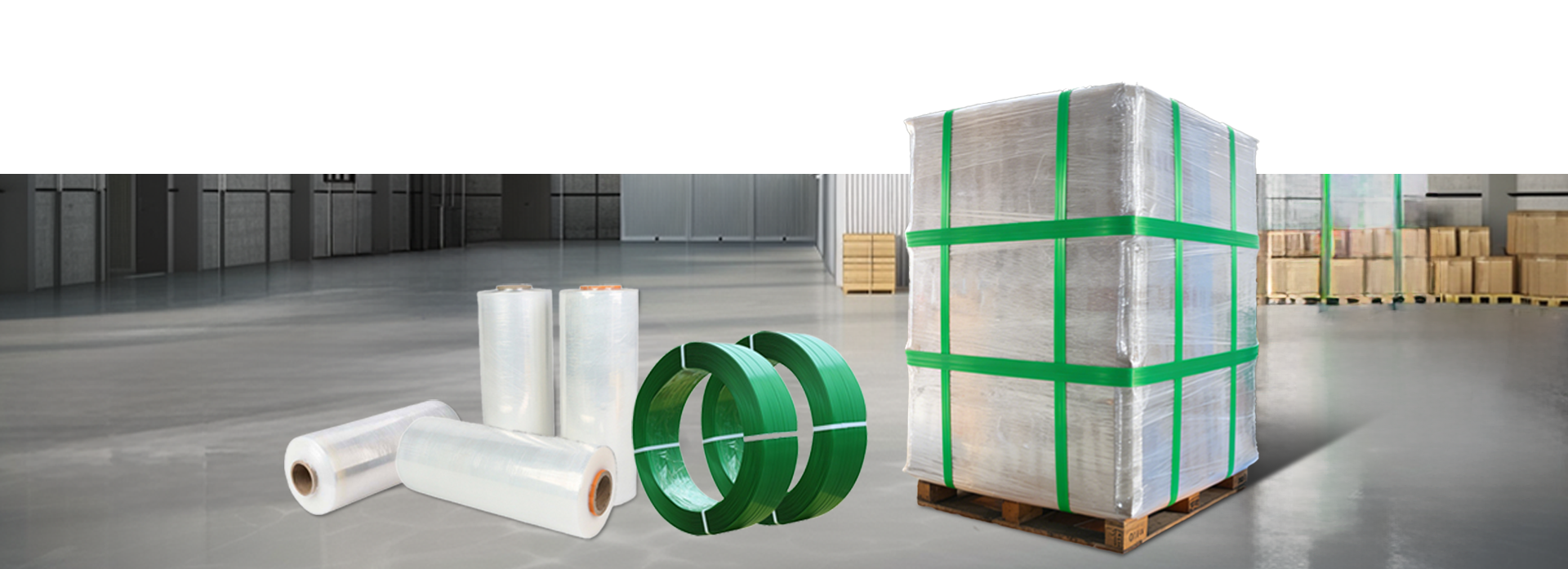
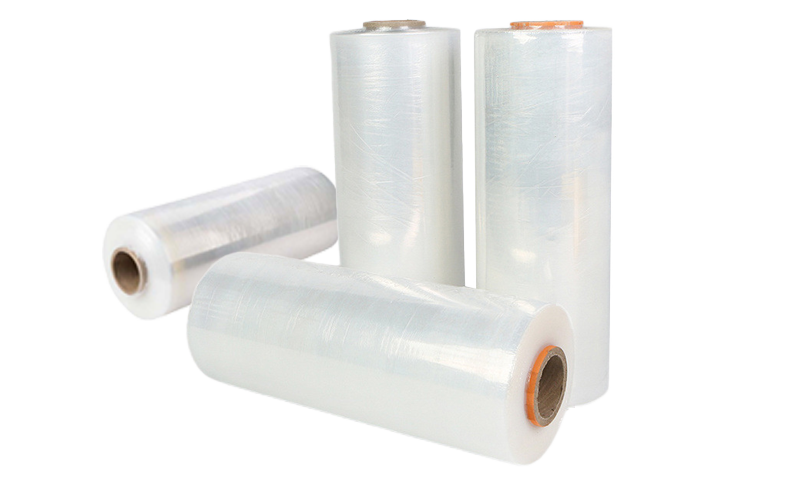
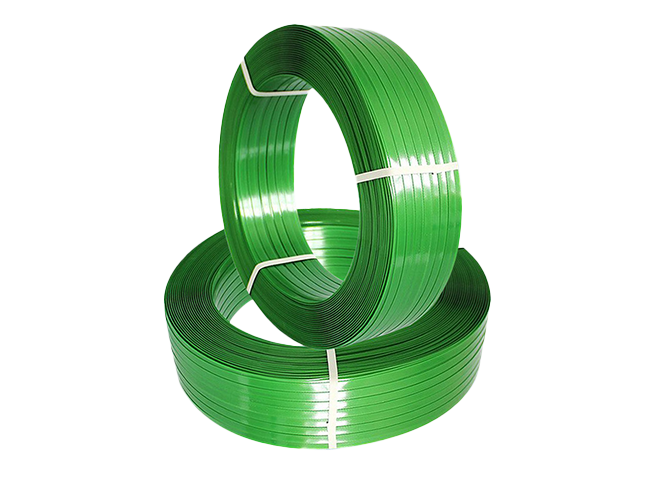
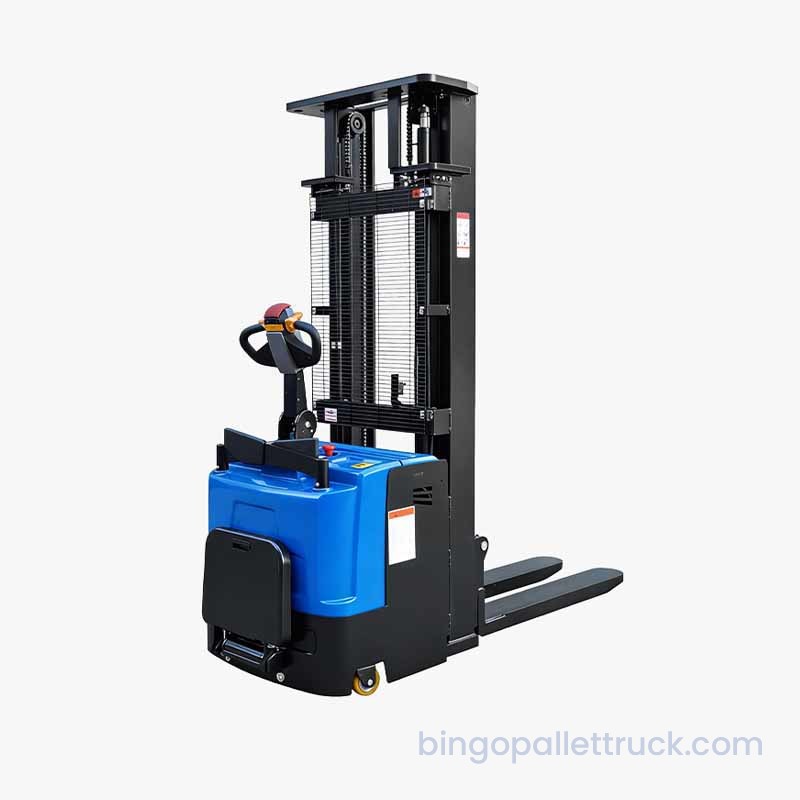
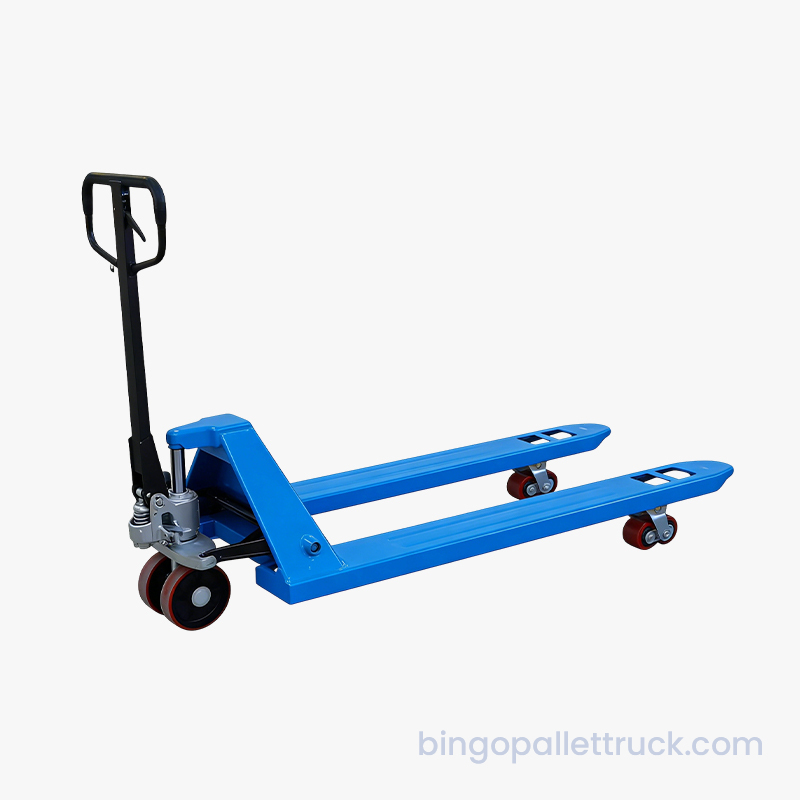
In handling equipment, the company offers manual and electric pallet trucks and stackers. Its storage-container range includes plastic pallets, plastic totes, crates, and bulk containers. Packaging products include stretch wrap and packing strapping, while the warehouse-racking range includes light-duty, medium-duty, and heavy-duty systems in various specifications.
This product breadth can simplify project planning. A customer designing a new warehouse may need racks for vertical storage, pallet trucks for movement, crates for small and bulk goods, and packaging materials for outbound shipments. Working with one supplier can reduce communication gaps and make it easier to align dimensions, delivery schedules, and technical requirements.
The company states that it relies on a mature supply chain and strict inspection processes to support consistent product quality. For professional buyers, supply-chain capability is important because large projects often require repeat orders, matching specifications, replacement units, and reliable lead times. Availability and readiness to ship can also be valuable when customers need to replenish their operational equipment quickly.
The supplier’s stated focus includes manufacturing, e-commerce logistics, warehousing and distribution, and supermarket retail. These sectors share common needs for durable equipment, standardized workflows, efficient storage, and controlled material movement. The 198L crate is especially appropriate where customers need a reusable link between production, storage, and delivery activities.
Procurement Considerations
Before ordering, buyers should confirm the exact material, dimensions, color, tolerance, capacity, weight, and intended use. The specification for Model BG-886045-NC identifies HDPE, 198L capacity, external dimensions of 880×600×450mm, internal dimensions of 820×550×440mm, and a 4.5kg weight. These details should be compared with the customer’s warehouse layout and transport plan.
Buyers should also ask for information about working load, stacking load, nesting ratio, temperature range, food-contact status if applicable, cleaning compatibility, and recommended storage conditions. The exact values may depend on the product configuration and operating environment, so they should be confirmed in the supplier’s technical documentation rather than assumed.
Sample testing is recommended when the crate will carry fragile, wet, perishable, heavy, or unusually shaped goods. A sample can be checked for fit, ventilation, drainage, ease of cleaning, label placement, and compatibility with existing pallets or racks.
For customized orders, buyers should approve drawings, colors, markings, packaging, and inspection criteria before production. It is also useful to agree on how nonconforming products will be handled and which documents will accompany the shipment.
International buyers should review shipping terms, export packaging, container loading plans, customs requirements, payment conditions, and after-sales support. Clear communication at the quotation stage helps prevent misunderstandings about dimensions, materials, and production schedules.
Recommended Use Cases by Industry
| Industry | Typical Use | Main Product Benefit |
| Agriculture | Harvest collection, sorting, and farm-to-market transport | Large capacity, ventilation, drainage, and reuse |
| Food Distribution | Bulk handling and returnable packaging | Washable plastic construction and airflow |
| Warehousing | Bulk picking, staging, and replenishment | Standardized dimensions and high volume |
| Manufacturing | Components, work-in-progress, and finished goods | Reinforced structure and visual access |
| Wholesale Markets | Product consolidation and fast turnover | Easy identification and robust handling |
| Logistics | Reusable transport and empty returns | Nestable design and reduced return volume |
Why This Crate Is a Competitive Choice
The strongest competitive advantage of this product is the combination of features rather than any single specification. A large 198-liter capacity addresses bulk movement. HDPE construction supports repeated use. Reinforcement improves confidence in demanding environments. Full-perimeter mesh promotes airflow and drainage. Nesting reduces the space required for empty containers. Together, these characteristics create a practical alternative to smaller, weaker, or non-nestable packaging options.
Many products focus on only one benefit. A lightweight tote may be easy to handle but lack capacity. A large rigid box may offer volume but consume excessive space when empty. A disposable carton may be inexpensive initially but perform poorly in wet or repetitive operations. A wooden crate may carry heavy goods but require more maintenance and provide less efficient cleaning. This model is designed to balance these competing requirements.
The product is also suitable for organizations that want to standardize multiple workflows. The same container can move from receiving to storage, production, picking, dispatch, and return collection. Standardization can reduce the number of packaging types that staff must learn to handle and can simplify storage planning.
Its competitive value should ultimately be assessed against the customer’s operating data. Important measurements include cost per use, number of units required, empty-return volume, cleaning cost, damage rate, labor time, and service life. When used in a suitable application, the crate has the potential to improve each of these factors compared with less durable or less space-efficient alternatives.
Q&A
What is the capacity of the crate?
The nominal capacity is 198 liters. The internal dimensions are 820×550×440mm, providing a large working area for bulk products, industrial supplies, components, and packaged goods.
What are the external dimensions?
The external dimensions are 880×600×450mm. These measurements should be checked against warehouse aisles, rack openings, pallet patterns, truck interiors, conveyors, and loading platforms before purchase.
What material is used to manufacture the crate?
The product specification identifies HDPE as the material. Buyers with strict resin, food-contact, recycling, or compliance requirements should request confirmation of the exact material grade and supporting documentation for the ordered model.
Is the crate stackable or nestable?
The model is described as nestable, and its design is intended to save space when empty. The product information also refers to stackable use. Buyers should confirm the approved stacking method, working load, and conditions for loaded stacking with the supplier before implementing a stacking system.
How much does one empty crate weigh?
The listed weight is 4.5kg. The total handling weight will depend on the goods loaded inside, so manual-lifting procedures should consider both the crate and its contents.
What products can be placed inside the crate?
Potential applications include fresh produce, industrial supplies, components, packaged goods, warehouse inventory, and wholesale products. The suitability of the crate depends on product dimensions, weight, fragility, moisture, temperature, and any applicable hygiene requirements.
Does the mesh design provide ventilation?
Yes. The full-perimeter slotted mesh design is intended to promote air circulation around the contents. It can also assist drainage during cleaning or when products carry surface moisture.
The description identifies the material as food-safe HDPE, but direct food-contact users should confirm the relevant certification, resin grade, cleaning procedure, and local regulatory requirements before use. Products may require liners or internal protection depending on their size and sensitivity.
Can the crates be customized?
The product information indicates multiple colors, full specifications, and customization options. Possible customization should be discussed with the supplier because minimum quantities, markings, colors, dimensions, and structural changes may affect production requirements.
How does nesting reduce logistics costs?
Empty crates can be placed inside one another, reducing the cubic volume required for storage and return transport. This may allow more empty units to fit in a vehicle or warehouse area and can reduce the number of trips required to move unused packaging.
Is the crate suitable for outdoor use?
Its HDPE construction and drainage design can be useful in agricultural and outdoor handling environments. However, users should consider ultraviolet exposure, temperature conditions, weather protection, contamination control, and the specific storage period before using the crates outdoors.
How should the crate be cleaned?
A suitable cleaning process generally includes removing debris, washing with an approved detergent, rinsing, draining, drying, and inspecting the crate. The exact procedure should match the goods handled and the hygiene rules of the operating facility.
Can forklifts lift the crate directly?
Direct forklift handling should not be assumed. Unless the crate and lifting method are specifically approved for direct fork insertion, it should be placed on a suitable pallet or platform. Forklift contact can damage the walls, slots, or base.
What should buyers verify before ordering?
Buyers should verify the material, dimensions, capacity, weight, color, working load, stacking requirements, nesting ratio, temperature range, cleaning compatibility, customization, delivery schedule, and applicable documentation. A sample trial is recommended for specialized applications.
Conclusion
The 198L Heavy-Duty Nestable Plastic Crate is designed for businesses that need more than a basic storage box. Its large capacity supports bulk handling, while its reinforced HDPE structure is intended for repeated commercial use. The full-perimeter slotted mesh improves airflow and drainage, and the nestable format helps reduce empty-container storage and return-transport volume.
For farms, warehouses, logistics companies, manufacturing facilities, wholesale markets, and distribution centers, the crate can become a standardized handling unit across multiple stages of the supply chain. It can help consolidate goods, reduce disposable packaging, simplify cleaning, and improve the use of warehouse and vehicle space.
The product is supported by the manufacturing and supply capabilities of Yancheng Bingo Machinery Equipment Co., Ltd., a supplier focused on handling equipment, storage containers, packaging materials, and warehouse racking. The company’s stated emphasis on standardized processes, supply-chain coordination, and inspection at different production stages provides a foundation for consistent commercial supply.
Before deployment, buyers should confirm the technical details and evaluate the crate with representative loads and equipment. When correctly specified, loaded, cleaned, and maintained, this reusable container offers a strong combination of volume, durability, ventilation, drainage, and space efficiency for modern material-handling operations.
References
1. Product specification sheet for Model BG-886045-NC, 198L Heavy-Duty Nestable Plastic Crate.
2. Technical information supplied for the 880×600×450mm plastic crate, including dimensions, capacity, material, weight, and design features.
3. General principles of reusable transport packaging, container pooling, reverse logistics, and total cost of ownership.
4. General warehouse practices for safe stacking, manual handling, pallet movement, container inspection, and storage-space planning.
5. General cleaning and hygiene practices for reusable plastic containers used in agricultural, industrial, warehousing, and distribution environments.
Product: 198L Heavy Duty Nestable Plastic Crate for Farms and Warehouses

Copyright @ Yancheng Bingo Machinery Equipment Co., Ltd. All rights reserved Warehouse Logistics Equipment Manufacturer Pallet Truck Supplier
