 en
en  Español

11L Stackable Plastic Tote Box for Warehouse Logistics: A Practical Guide to Durable, Flexible Storage
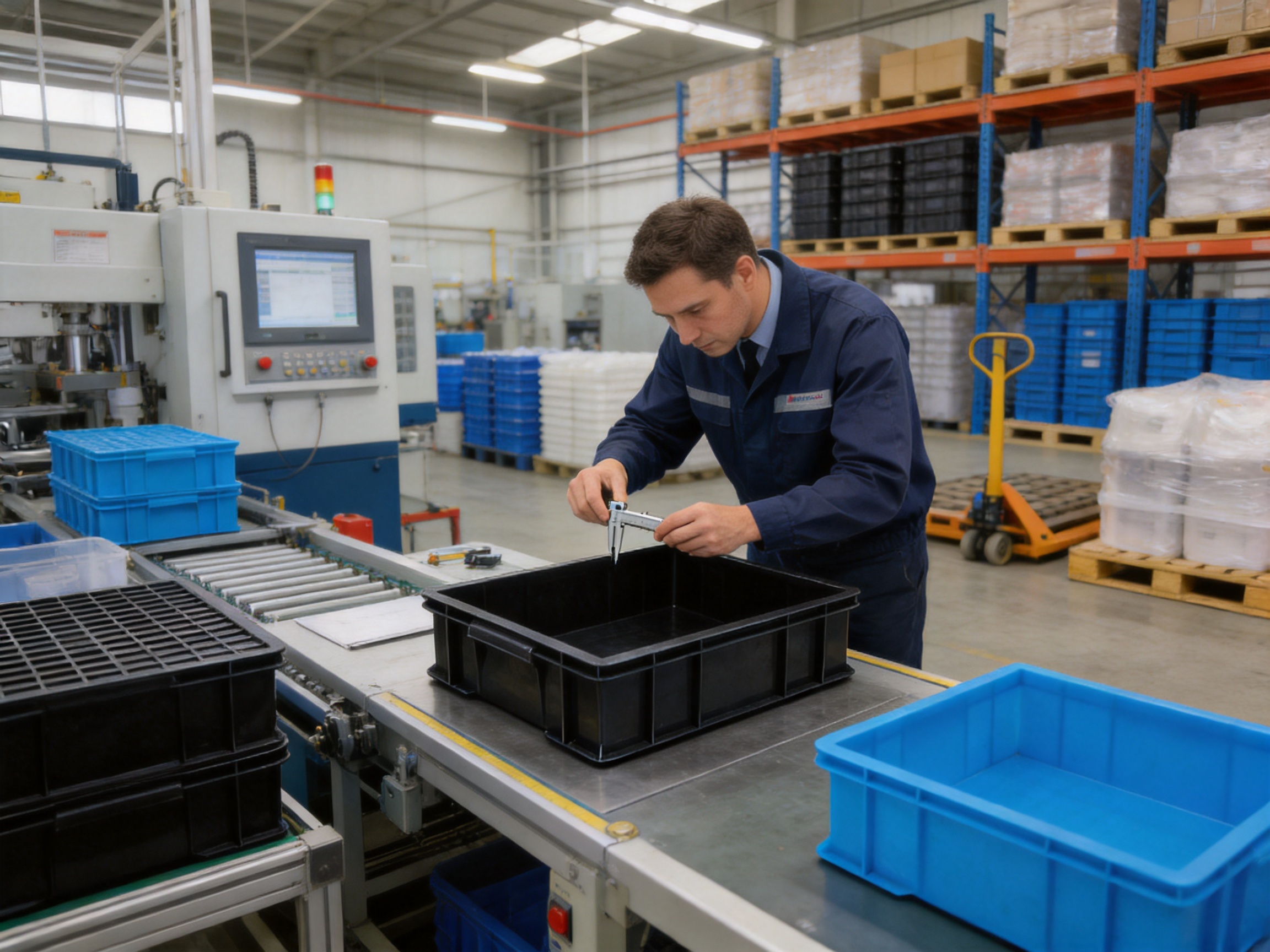
Efficient storage is one of the foundations of modern logistics. Whether products are moving through a manufacturing plant, an e-commerce fulfillment center, a distribution warehouse, or a retail back room, the right storage container can improve organization, reduce handling time, protect goods, and support a safer working environment. The 11L Stackable Plastic Tote Box, model BG-433110-ST, is designed for these demanding applications.
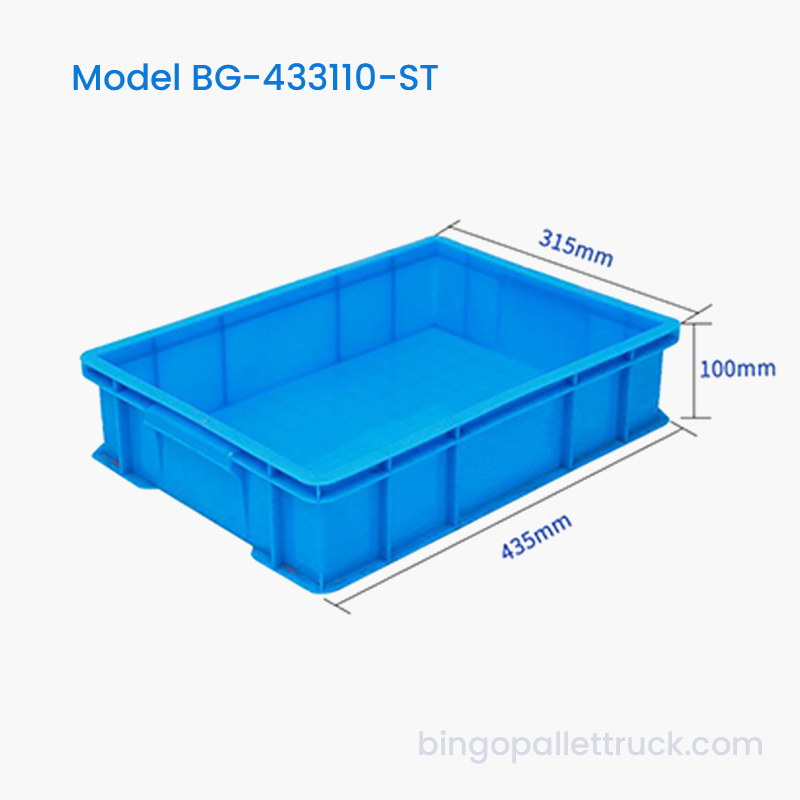
This open plastic tote box combines a compact footprint with useful internal capacity, robust HDPE construction, reinforced side walls, and a stable base. Its external dimensions are 435 × 315 × 100 mm, while the internal dimensions measure 405 × 287 × 95 mm. With an 11-liter capacity and a product weight of approximately 0.89 kg, it offers a practical balance between strength, maneuverability, and storage efficiency.
Unlike many rigid containers designed for only one type of product, this stackable tote has a fully open, compartment-free interior. The open design allows operators to store different components, tools, packages, spare parts, and materials without being restricted by fixed dividers. At the same time, the tote can be stacked securely when full and nested when empty, helping businesses make better use of valuable floor and transport space.
This article examines the product’s structure, material, manufacturing quality, logistics benefits, storage applications, competitive advantages, and suitability for professional supply chains. It also explains how the manufacturing capabilities of Yancheng Bingo Machinery Equipment Co., Ltd. support consistent product quality and customized logistics solutions.
Content
- 1 Product Overview
- 2 Why the Open Design Matters
- 3 HDPE Construction and Material Performance
- 4 Stacking and Nesting Efficiency
- 5 Advantages Compared with Competing Storage Options
- 6 Manufacturing Quality and Process Control
- 7 Company Capabilities and Supply Chain Strength
- 8 Applications Across Different Industries
- 9 Warehouse Layout and Operating Recommendations
- 10 Cleaning and Maintenance
- 11 Purchasing Considerations
- 12 Why Choose a Specialized Logistics Equipment Manufacturer
- 13 Sustainability and Reusable Packaging
- 14 Implementation Plan for a New Tote Program
- 15 Frequently Asked Questions
- 15.1 What is the capacity of the tote?
- 15.2 What material is used to manufacture it?
- 15.3 What are the external dimensions?
- 15.4 Can the tote be stacked?
- 15.5 Can empty totes be nested?
- 15.6 Does the tote have internal compartments?
- 15.7 Is it suitable for automated warehouses?
- 15.8 Can different colors be supplied?
- 15.9 Is the tote food-safe?
- 15.10 How much does the tote weigh?
- 15.11 What industries can use this tote?
- 15.12 How should the tote be cleaned?
- 15.13 What should buyers confirm before placing an order?
- 16 Conclusion
- 17 References
- 18 Product: 11L Stackable Plastic Tote Box for Warehouse Logistics
Product Overview
The BG-433110-ST is an 11L stackable plastic tote box developed for organized material storage and internal logistics. It is a low-profile container with an open top, reinforced walls, and a stable base. Its rectangular shape makes it easy to arrange on shelving, pallets, workbenches, conveyor systems, and warehouse picking stations.
The tote is manufactured from HDPE, or high-density polyethylene. This engineering plastic is widely used in industrial containers because it offers a useful combination of toughness, low moisture absorption, chemical resistance, and relatively low weight. For warehouses and production areas, these characteristics are important because containers may be exposed to repeated handling, dust, humidity, cleaning chemicals, oils, and changing temperatures.
The container’s dimensions are suitable for small and medium-sized goods that need to be separated from the warehouse floor and presented in an accessible format. The 100 mm external height makes it convenient for picking operations because users can see and reach the contents without excessive bending or searching through deep layers of material.
| Product Attribute | Specification |
| Product Type | Stackable plastic tote box |
| Model | BG-433110-ST |
| Material | HDPE |
| External Dimensions | 435 × 315 × 100 mm |
| Internal Dimensions | 405 × 287 × 95 mm |
| Capacity | 11 L |
| Product Weight | Approximately 0.89 kg |
| Design | Open, compartment-free interior |
| Storage Functions | Stacking when loaded and nesting when empty |
The product is intended to be reusable rather than disposable. This makes it appropriate for closed-loop logistics, returnable packaging systems, component replenishment, and repeated movement between suppliers, production lines, warehouses, and customers. By replacing single-use cartons or thin disposable packaging in suitable applications, reusable totes can help reduce packaging waste and improve handling consistency.
Why the Open Design Matters
Many storage containers are designed with deep walls, lids, or fixed internal compartments. These features may be useful for specific products, but they can also limit flexibility. A compartment that is suitable for one component may be too small for another. A closed box may protect contents during transport but slow down picking and visual identification. A deep container may hold more material but make it harder for employees to retrieve items at the bottom.
The BG-433110-ST takes a different approach with a fully open and compartment-free interior. This design allows users to adapt the tote to changing inventory requirements. A warehouse can use one unit for fasteners, another for electrical parts, and another for packaged products without purchasing several different container formats.
The open top also supports quick visual inspection. Operators can identify the contents without opening a lid or removing a cover. This can reduce unnecessary handling and support faster order preparation. In environments where picking speed is important, easy access may be more valuable than maximum enclosure.
Because the interior has no permanently molded dividers, businesses can add removable labels, bags, separators, or temporary inserts when needed. The same tote can therefore be configured for different tasks while retaining its core structural performance.
Benefits for Picking Operations
Efficient picking depends on visibility, reachability, and consistent placement. The low-profile form of this tote allows workers to access products from above and from the front. It can be positioned on a shelf, trolley, rack, picking cart, workstation, or flow rack according to the layout of the facility.
Open access can be particularly useful for small components, fast-moving inventory, maintenance parts, retail stock, and order consolidation. A worker can identify the product, select the required quantity, and return the remaining material without handling a lid or moving an entire carton.
Standardized tote dimensions also allow businesses to establish repeatable storage locations. When each bin occupies a known amount of space, warehouse managers can plan shelf spacing, label placement, replenishment routes, and workstation layouts more systematically.
HDPE Construction and Material Performance
Material selection has a direct effect on the service life of a reusable tote. HDPE is valued for its high strength-to-weight ratio and resistance to common industrial conditions. A well-designed HDPE container can withstand repeated contact with shelving, pallets, conveyors, and other containers without becoming brittle under normal operating conditions.
The material is also resistant to moisture, making it suitable for warehouses where containers may encounter condensation, damp floors, or routine cleaning. Unlike paper-based packaging, a plastic tote does not lose its basic structural form simply because it is exposed to moderate humidity.
HDPE also provides resistance to many common chemicals. This does not mean that every chemical is safe for every plastic container, and users should always confirm compatibility for specific substances. However, for general warehouse operations involving ordinary cleaning agents, oils, and industrial residues, HDPE offers a strong material platform.
The product description identifies the material as food-safe HDPE. For food-related applications, customers should still verify the exact regulatory requirements of the destination market, the stored product, the cleaning process, and the complete supply chain. When used correctly, food-safe plastic storage containers can support hygienic handling in food processing, catering supply, agricultural distribution, and grocery logistics.
Strength Without Excessive Weight
A storage container must be strong enough for repeated use but light enough for employees to lift and move safely. At approximately 0.89 kg, the BG-433110-ST is designed to provide useful durability without becoming unnecessarily heavy when empty. This can reduce the effort involved in repositioning empty totes and support more efficient manual handling.
When filled, the total weight will depend on the density and shape of the stored goods. Users should evaluate the expected load, the lifting frequency, and the height at which totes will be stacked. Proper loading practices remain important even when a container has strong walls and a reinforced base.
Resistance to Repeated Use
Reusable containers are exposed to more demanding conditions than one-way packaging. They may be lifted, slid, stacked, nested, transported, cleaned, and rearranged many times. The BG-433110-ST is designed for repeated warehouse and logistics use, with structural reinforcement intended to support long-term dimensional stability.
Its ribbed side walls help distribute stress over the container surface. Instead of relying solely on a flat wall, the ribbed structure creates additional stiffness and helps resist deformation during stacking and handling. The reinforced base supports the load and helps maintain contact stability when the tote is placed on shelves, pallets, or work surfaces.
Actual service life depends on load weight, handling methods, temperature, storage conditions, cleaning chemicals, and stacking practices. Nevertheless, the combination of HDPE material, reinforced geometry, and reusable construction gives this tote a clear advantage over lightweight disposable cartons and thin containers intended for occasional use.
11L Stackable Plastic Tote Box for Warehouse Logistics
Stacking and Nesting Efficiency
One of the most important advantages of this tote is its ability to support both stacking and nesting. These two functions address different stages of the logistics cycle.
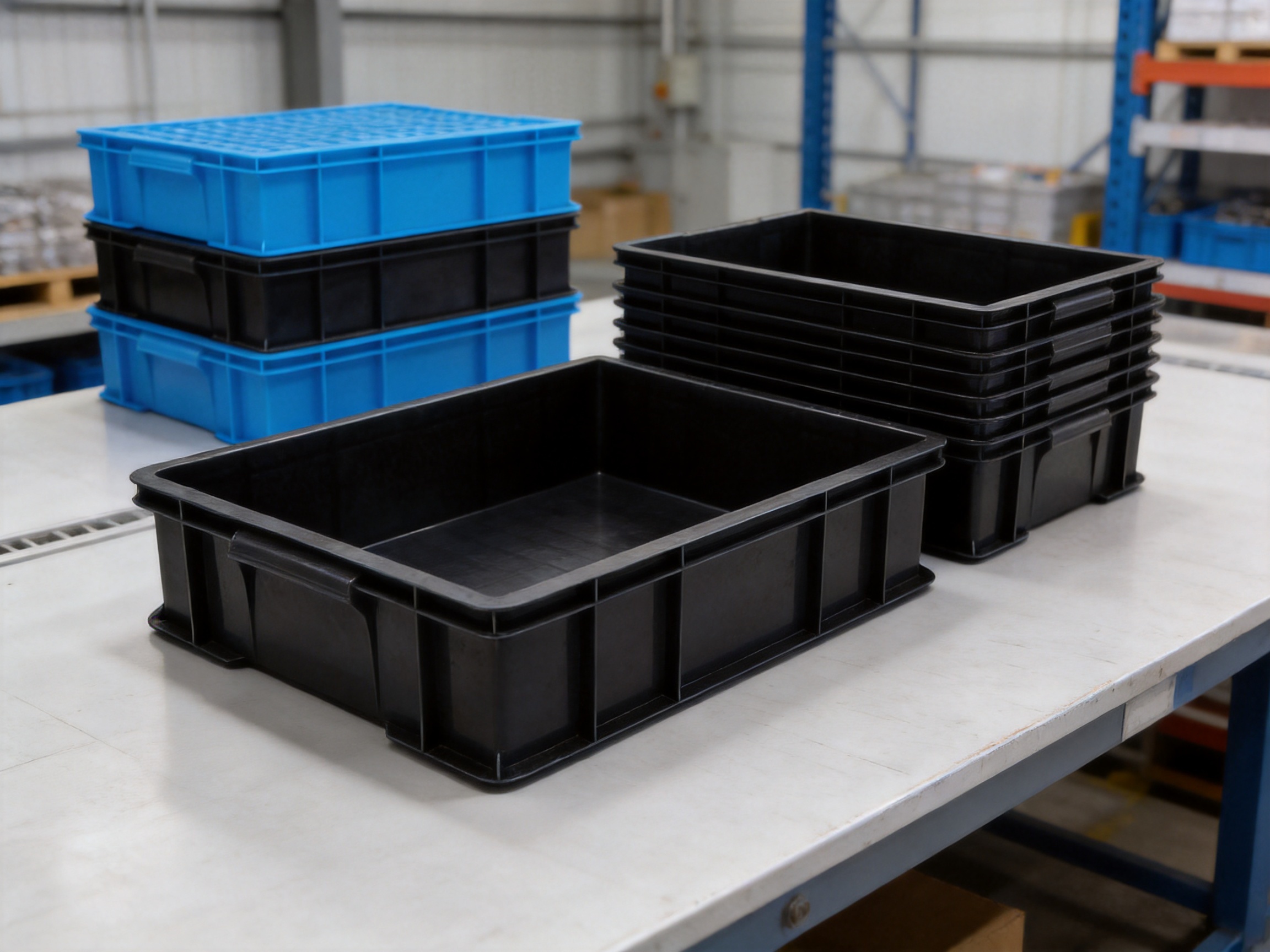
Stacking is used when the tote contains products or when filled containers need to be stored in a stable vertical arrangement. Stacking makes use of vertical warehouse space and can reduce the amount of floor area required for inventory. The product information indicates that the tote can be stacked up to 10 or more layers under suitable conditions.
Nesting is used when the tote is empty. Empty containers can be placed inside one another, reducing their overall volume during return transport or storage. This is especially valuable for companies that operate reusable packaging loops between plants, suppliers, warehouses, and customers.
Reducing Empty-Container Costs
Empty packaging can consume a surprising amount of warehouse and vehicle capacity. If empty totes cannot nest, a truck may carry a large volume of air. A warehouse may also need additional space to hold containers between production cycles. The nesting feature helps address this problem by allowing multiple empty units to occupy a smaller footprint.
Lower empty volume can support better truck utilization, fewer return trips, and more efficient storage planning. The precise savings depend on the nesting ratio, transport method, and operational layout, but the principle is straightforward: containers that occupy less space when empty are easier and less expensive to manage.
Improving Warehouse Organization
Stackable containers can help create defined storage zones. Instead of placing loose goods in mixed cartons or on open pallets, operators can assign specific products to individual totes. This improves visual order and may reduce the time needed to locate inventory.
Uniform tote dimensions also simplify warehouse design. Shelves and racks can be configured around a repeatable container size, while labels can be positioned at consistent heights. This supports visual management, stock counting, cycle counting, and standardized work procedures.
Advantages Compared with Competing Storage Options
The market includes many types of storage containers, including cardboard cartons, fabric bins, metal boxes, rigid crates, and plastic bins with lids. Each option has a suitable application, but the BG-433110-ST offers a practical combination of features for open-access warehouse storage.
Compared with Cardboard Cartons
Cardboard cartons are inexpensive and widely available, but they are generally intended for limited-use packaging. Repeated friction, moisture, compression, and rough handling can weaken their corners and walls. Cartons may also vary in shape as they age, making them less suitable for consistent stacking and automated storage.
The HDPE tote is reusable and washable, with a more stable shape for repeated logistics operations. It can be repositioned and stacked without the same concern about torn edges, crushed corners, or reduced performance after exposure to humidity. For recurring internal movements, the higher initial investment in a reusable plastic tote may be offset by a longer service life and more consistent handling.
Compared with Thin Disposable Plastic Containers
Thin disposable containers may have a low purchase price, but they are usually not engineered for thousands of stacking cycles or intensive warehouse use. Their side walls can flex under load, and their bases may deform when placed on uneven surfaces or stacked with heavier goods.
The reinforced structure of the BG-433110-ST is intended for more demanding use. Ribbed walls and a strengthened base improve stability, while the reusable HDPE construction supports a longer operating cycle than many low-cost disposable alternatives.
Compared with Deep Closed Boxes
Closed boxes provide additional protection from dust and impact, but they may slow picking operations. Workers must open the box, locate the product, and close it again. Deep interiors can also hide small items and lead to unnecessary searching.
The open tote is better suited to applications where immediate access and product visibility are priorities. It can be used in conjunction with covers, liners, or secondary packaging when additional protection is needed, while retaining the benefits of an accessible primary storage container.
Compared with Metal Containers
Metal containers can provide excellent strength and impact resistance, but they are often heavier and more expensive to move manually. They may also be vulnerable to corrosion depending on the material and surface treatment. For many general warehouse applications, an HDPE tote provides sufficient strength at a lower handling weight.
Plastic also offers electrical nonconductivity and resistance to moisture, which can be useful in certain production and maintenance environments. Metal remains appropriate for high-temperature, high-impact, or specialized heavy-load applications, but it may be excessive for lightweight parts and routine picking operations.
Compared with Fabric Storage Bins
Fabric bins are lightweight and collapsible, but they may not provide the same level of structural support when stacked. Their shape can change when loaded, and they may be less suitable for wet or oily environments.
The rigid form of the BG-433110-ST maintains a more predictable footprint. This makes it easier to use with shelving, warehouse racks, conveyor lines, and standardized workstations.
Manufacturing Quality and Process Control
A good logistics container is not defined only by its material or dimensions. Consistent manufacturing is equally important. Small variations in wall thickness, base flatness, edge geometry, or stacking features can affect stability and service life. For this reason, the manufacturing process must control quality from material preparation through final inspection.
Yancheng Bingo Machinery Equipment Co., Ltd. emphasizes standardized production, supply chain coordination, and inspection at different stages. The company operates within a broader warehousing and logistics equipment business that includes handling equipment, storage containers, packaging materials, and warehouse racking. This product knowledge allows the company to evaluate storage containers as part of a complete logistics system rather than as isolated items.
Material Sourcing and Resin Control
Material quality begins with the selection and management of plastic resin. Consistent resin characteristics help support predictable molding behavior, surface quality, impact resistance, and dimensional stability. The supplied product information identifies this tote as an HDPE product and highlights the use of controlled raw materials and inspection procedures.
For professional customers, material documentation can be important when containers are used in food, pharmaceutical, automotive, electronics, or export logistics. Depending on the application, buyers may request information about material grade, food-contact suitability, recycled content, colorants, and chemical compatibility.
Clear material control also supports stable production between batches. When a container is reordered months later, consistent raw material practices can help reduce variations in appearance and performance.
Precision Molding
The BG-433110-ST is precision-molded to produce a repeatable rectangular shape and stable stacking geometry. During molding, the design of the mold, temperature control, cooling cycle, and material flow all influence the final product.
Uniform cooling is especially important for large flat surfaces and reinforced sections. If cooling is uneven, plastic components may warp or develop dimensional differences. A controlled process helps ensure that the tote sits properly on a flat surface and aligns with other containers during stacking.
Ribbed side walls and a reinforced base must also be formed accurately. The ribs need to provide stiffness without creating sharp edges or interfering with nesting. The base must support the container’s contents while maintaining a stable contact surface. These details illustrate why industrial plastic containers require more than a simple box-shaped mold.
Inspection at Multiple Stages
Strict quality control is most effective when it is performed throughout production rather than only at the end. Incoming material checks can identify problems before molding begins. In-process inspections can verify dimensions, surface quality, color consistency, and molding conditions. Final inspections can confirm the product specification and packaging condition before shipment.
Common inspection points for a tote box include external length, width, and height; internal usable dimensions; wall and base appearance; edge smoothness; stacking alignment; nesting performance; weight; and visible defects. Depending on the customer’s requirements, additional tests may evaluate load stability, compression resistance, impact performance, and repeated handling.
Standardized Production Procedures
Standardized procedures reduce variation between operators and production batches. They help define the correct sequence for material preparation, molding, trimming, inspection, labeling, packing, and dispatch. Consistent procedures are particularly valuable for international customers who may purchase repeat orders in different colors or quantities.
Standardization also supports faster communication between sales, production, quality, and logistics teams. When specifications are clearly documented, a customer’s requirements can be translated into a repeatable manufacturing plan.
Company Capabilities and Supply Chain Strength
Yancheng Bingo Machinery Equipment Co., Ltd. is positioned as a supplier of warehouse logistics equipment and integrated material handling solutions. Its product portfolio covers four related areas: handling equipment, storage containers, packaging materials, and warehouse racks.
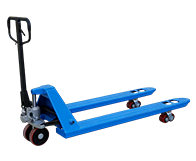
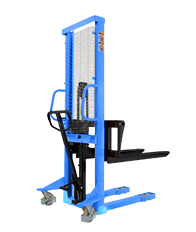
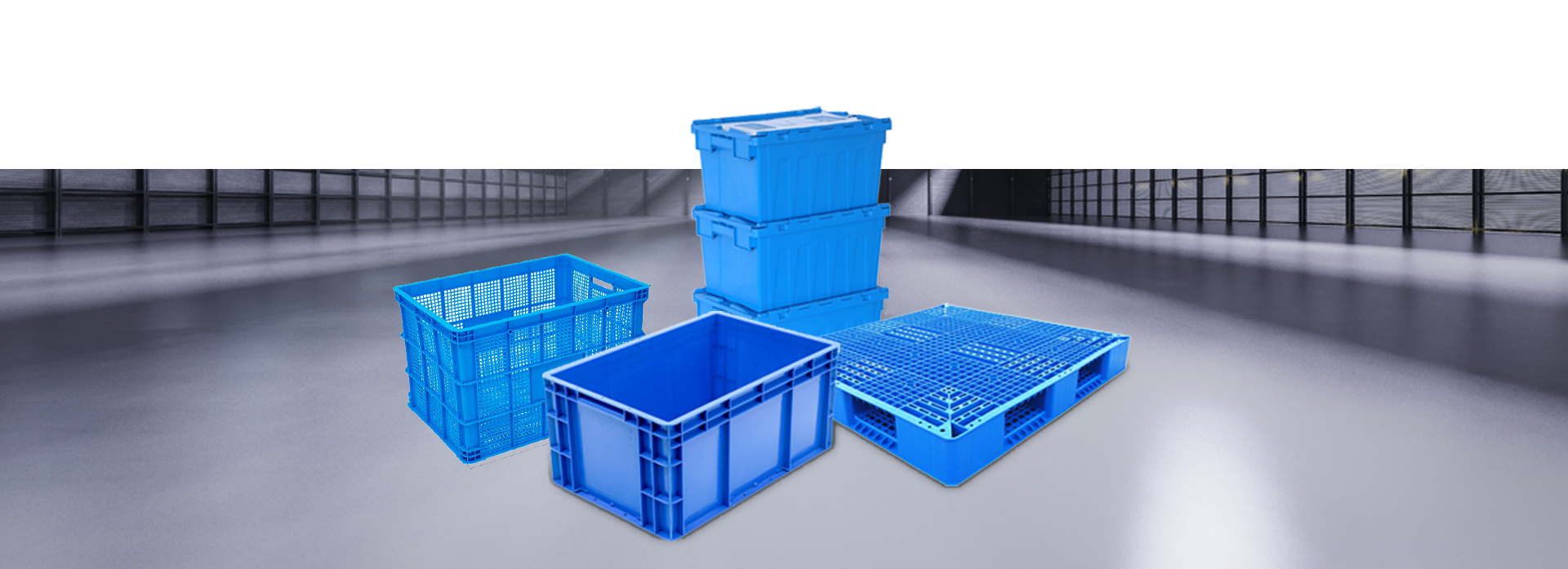
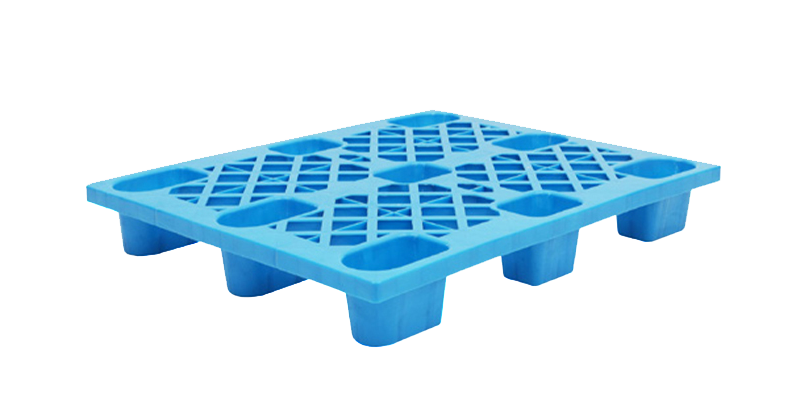
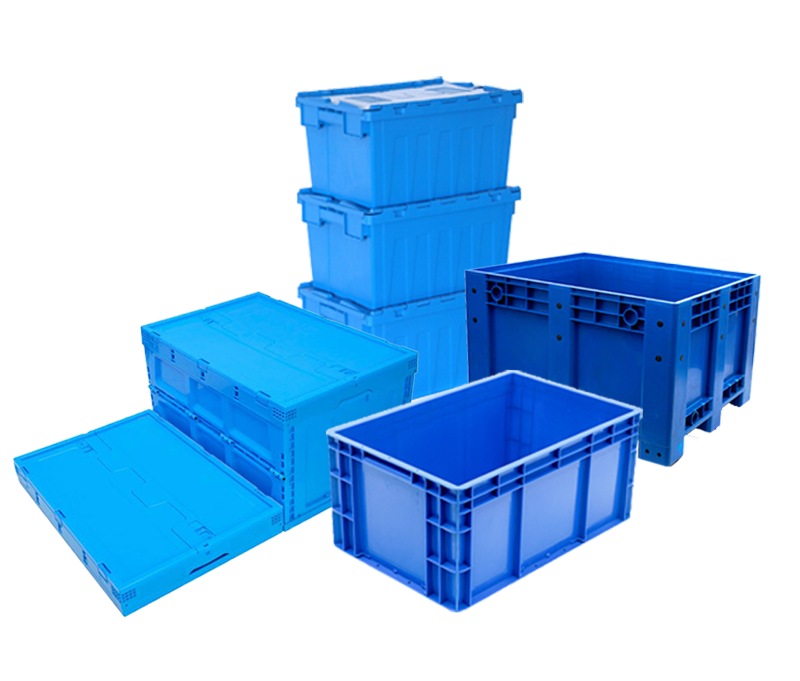
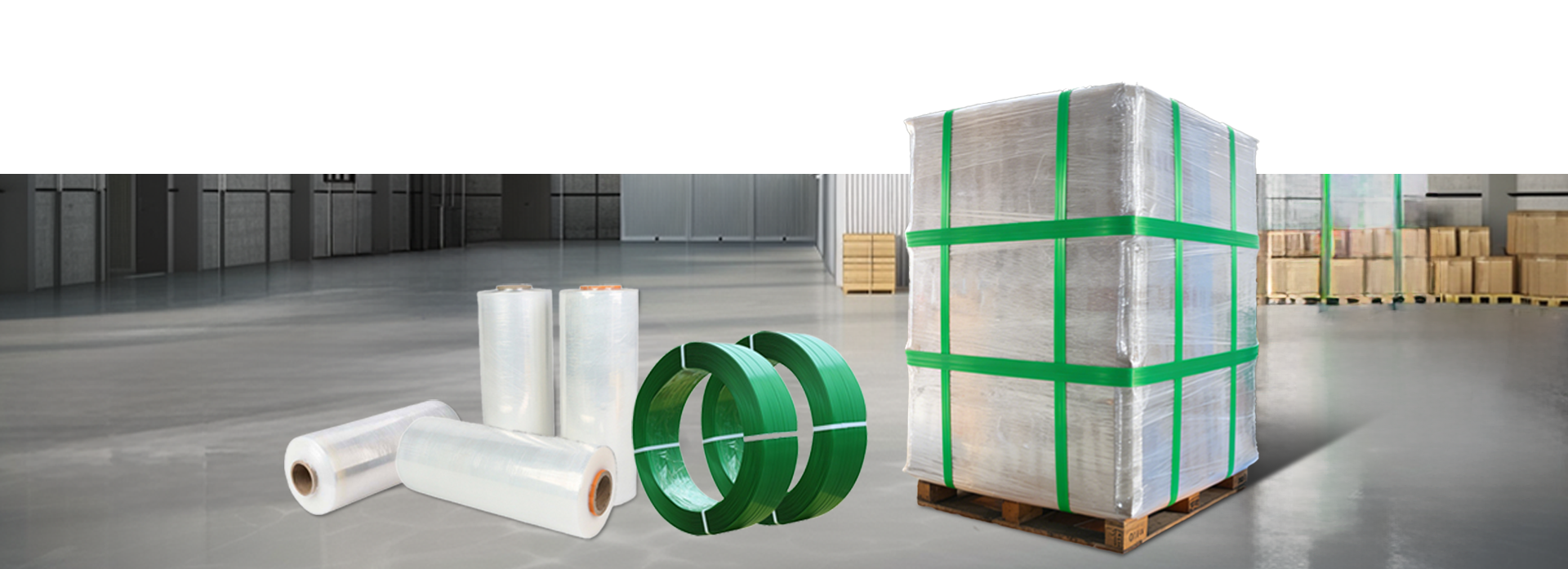
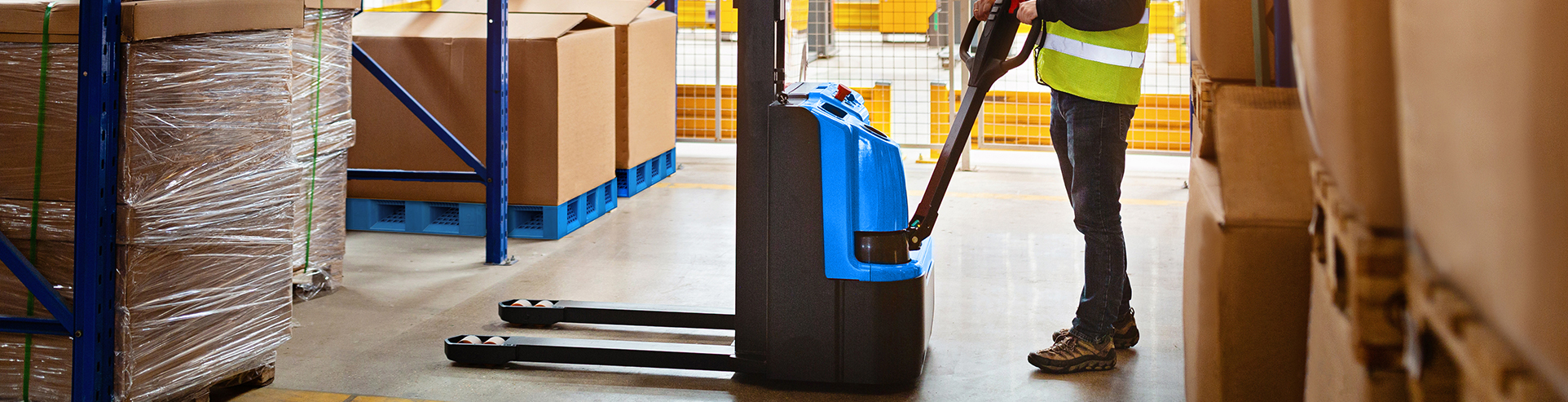
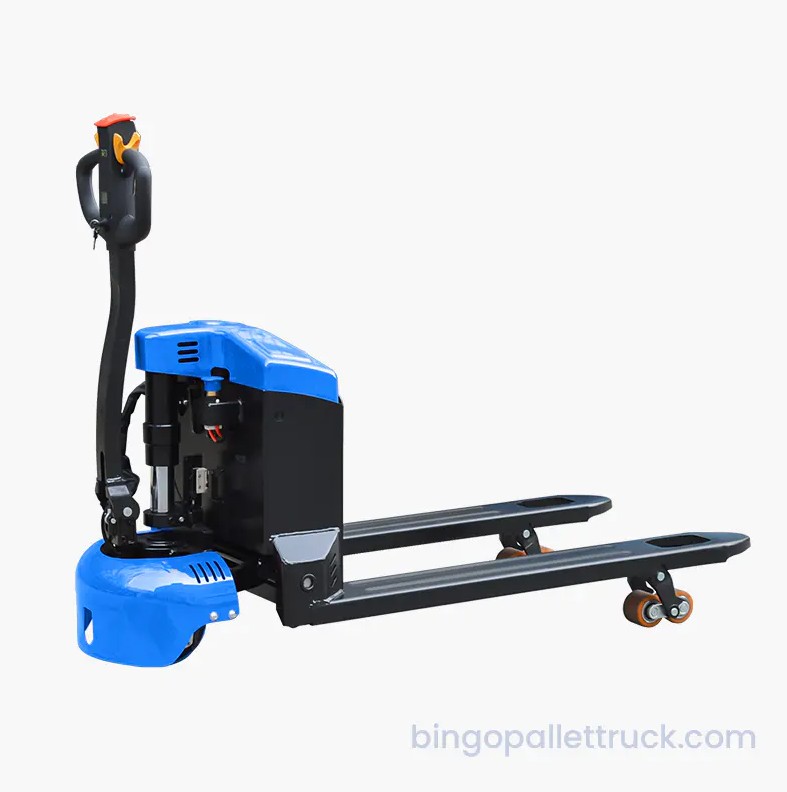
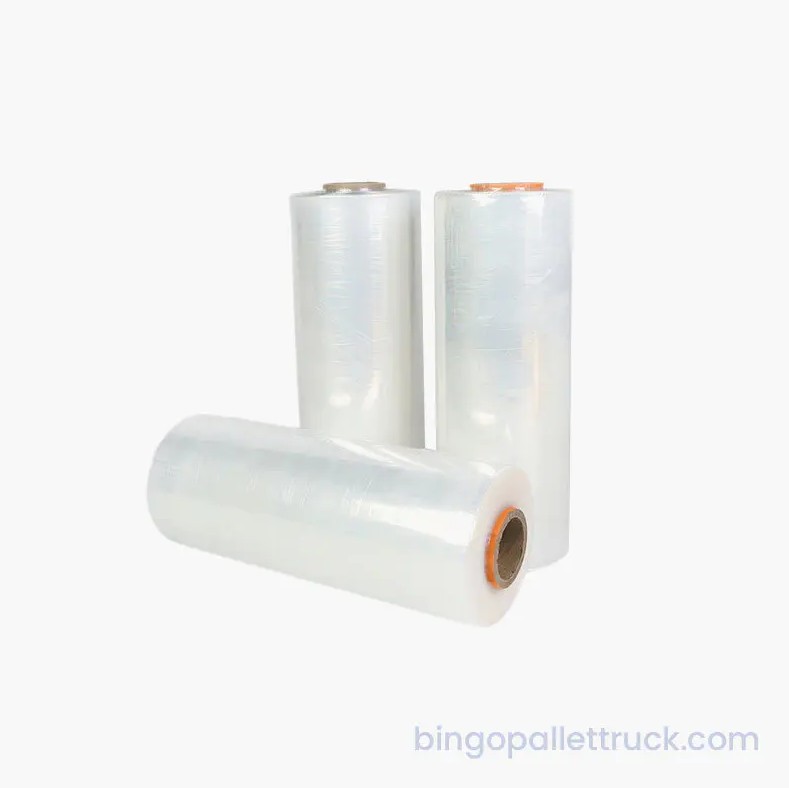
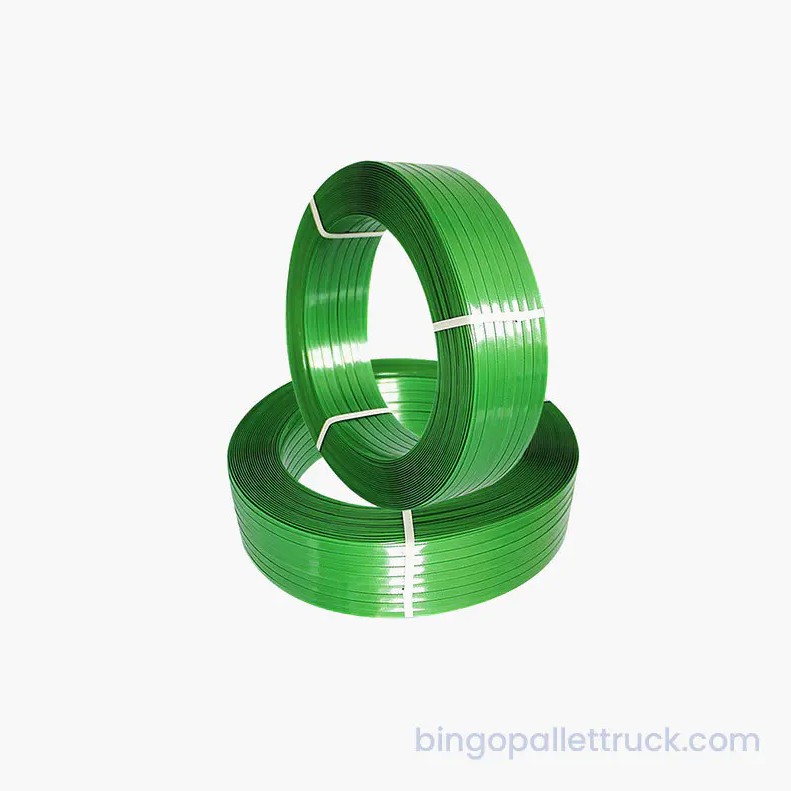
The handling equipment range includes manual and electric pallet trucks and stackers. The storage container range includes plastic pallets, plastic totes, crates, and bulk containers. Packaging products include stretch wrap and packing strapping, while warehouse racking products include light-duty, medium-duty, and heavy-duty systems.
This broader product structure is valuable for customers that are planning or upgrading an entire warehouse. A tote box may need to work with pallets, racks, trolleys, pallet trucks, and packing stations. A supplier that understands these connections can provide more coordinated recommendations than a company focused on one isolated product category.
One-Stop Logistics Support
Warehouse projects often involve several decisions at once. Customers may need containers for picking, pallets for transport, racks for storage, packaging materials for shipment, and handling equipment for movement. Buying each item from unrelated sources can create compatibility problems, inconsistent service, and additional administrative work.
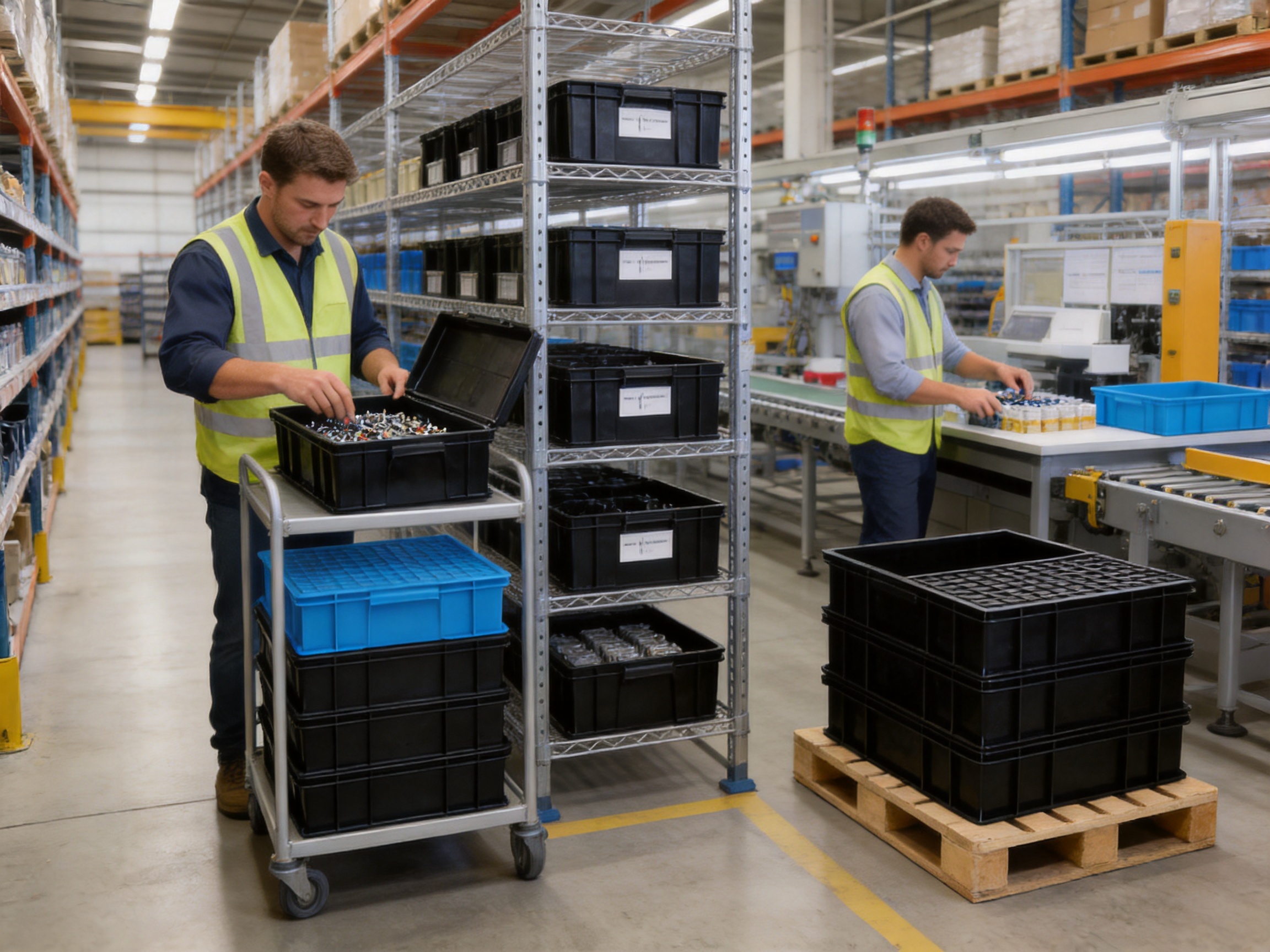
A one-stop supplier can help customers coordinate product dimensions, load requirements, delivery schedules, and application needs. The 11L tote may be combined with compatible plastic pallets, warehouse racks, carts, or manual handling equipment to create a more efficient workflow.
Customization and Color Options
The supplied information indicates that multiple colors, full specifications, and customization support are available. Color coding can improve warehouse identification. For example, different colors may represent separate production lines, customer orders, quality status, product categories, or handling instructions.
Color can also support visual management. A worker may recognize the correct tote from a distance without reading a label, reducing selection errors. Custom colors can be especially useful for companies operating several facilities or managing dedicated returnable packaging programs.
Customization should be evaluated according to order volume, color requirements, labeling needs, printing options, and application conditions. Customers should provide clear information about dimensions, expected load, environment, preferred color, and any regulatory requirements before production is confirmed.
Inventory Availability and Delivery Support
The product information states that stock is available for fast delivery. Availability can be a significant advantage for warehouse projects with tight implementation schedules. Delayed containers can prevent a new storage system from becoming operational, even when racks and handling equipment are already installed.
Stocked products also help customers respond to seasonal demand, replacement needs, and sudden increases in order volume. For larger projects, buyers should confirm actual inventory, production lead time, packaging configuration, shipping terms, and destination requirements in advance.
Applications Across Different Industries
The BG-433110-ST can be used in many environments because its open structure and moderate capacity are not limited to one product type.
Manufacturing Plants
Manufacturers can use the tote for raw material staging, work-in-process components, maintenance supplies, fasteners, small assemblies, and finished parts. The open design makes it easy for operators to retrieve components near an assembly line.
In lean manufacturing environments, standardized totes can support point-of-use storage and replenishment. A fixed number of containers can circulate between a parts supermarket and production stations. When one tote is empty, it can be returned for replenishment while another takes its place.
E-Commerce Fulfillment
E-commerce facilities handle a large number of stock-keeping units, often with frequent order changes. A flexible open tote can hold small products during picking, sorting, consolidation, or returns processing.
The 11L capacity is appropriate for compact items and short picking runs. Its low profile allows workers to see contents quickly, while stackability helps organize temporary inventory during peak periods. Color options can also distinguish different order groups or processing stages.
Warehousing and Distribution
Distribution centers can use the tote for stock storage, cross-docking preparation, route consolidation, spare parts, and order staging. Its standardized dimensions make it suitable for shelves, pallet locations, and mobile picking equipment.
When empty, the nesting feature can help distribution centers control the volume of returnable packaging. This is important where containers travel between multiple facilities.
Automated Warehouse Systems
Automation requires consistent dimensions and predictable container geometry. Totes may be used around conveyor lines, picking stations, sorting areas, and automated storage systems, subject to the specific requirements of the equipment.
Before integrating the tote into an automated system, users should confirm conveyor compatibility, sensor clearance, robotic gripping requirements, load distribution, stacking tolerances, and the system’s maximum permitted container dimensions. The tote’s stable shape and reinforced structure provide a useful starting point, but every automated installation should be validated as a complete system.
Retail and Supermarket Operations
Retail distribution and supermarket back rooms often need containers that can move products from receiving areas to shelves or preparation areas. The open design supports rapid access, and the washable plastic construction is convenient for repeated use.
Color-coded totes can separate departments, product groups, or delivery routes. The container can also support back-room organization by replacing a mixture of damaged cartons and unmarked temporary boxes.
Agricultural and Food-Related Logistics
Food-safe plastic containers may be suitable for selected agricultural and food supply applications. The open interior can support the handling of packaged food, ingredients, produce-related supplies, or food-processing components.
Users should determine whether the tote’s dimensions, ventilation characteristics, cleaning requirements, and material certifications are suitable for the exact food application. Where direct food contact is involved, buyers should request relevant documentation and follow local hygiene regulations.
Warehouse Layout and Operating Recommendations
The performance of a tote depends not only on its design but also on how it is used. A well-planned storage system can maximize the advantages of stacking, nesting, visibility, and standardized dimensions.
Use Consistent Location Coding
Assign each tote location a clear code based on aisle, rack, bay, shelf, and position. Labels should be large enough to read from the normal working distance and should remain visible when containers are stacked or placed side by side.
For fast-moving items, position totes between waist and shoulder height whenever possible. This can reduce bending and improve picking speed. Heavier products should be stored at lower levels to reduce manual handling risk.
Control Stacking Height
Although the tote is designed for stacking and may be stacked in 10 or more layers under suitable conditions, the correct limit depends on the load, base condition, environment, and handling method. Stacking should be performed on a level surface, with each tote aligned correctly.
Do not exceed the approved load or stacking limits supplied for the specific application. Inspect containers regularly for cracks, severe deformation, damaged edges, or other signs that could compromise stability.
Distribute Loads Evenly
Uneven loading can place excessive stress on one side of the container and make the stack unstable. Products should be distributed across the base rather than concentrated in one corner. Heavy items should not be placed on top of fragile goods if this could cause shifting or crushing.
When different products are stored in the same tote, consider using removable dividers, inner bags, or smaller packaging units to prevent movement and mixing.
Use Safe Handling Methods
Operators should lift totes with both hands when practical and avoid throwing or dropping loaded containers. Pallet trucks, carts, and other handling equipment may be used to move groups of totes over longer distances.
Because the tote is open, users should also consider the risk of loose objects falling out during movement. If the contents are small, dusty, sharp, or sensitive to contamination, secondary packaging or a suitable cover may be needed.
Cleaning and Maintenance
Reusable plastic totes should be included in a regular inspection and cleaning program. The cleaning method depends on the application. For general warehouse use, wiping or washing with a mild cleaning solution may be sufficient. Food and pharmaceutical applications may require documented sanitation procedures.
Before cleaning, remove labels, loose debris, and temporary inserts where appropriate. Avoid chemicals or temperatures that could damage HDPE or any attached identification materials. If a high-pressure cleaning system is used, confirm that the pressure and water temperature are suitable for the container.
After washing, allow totes to drain and dry before stacking them tightly. Moisture trapped between nested containers can create hygiene problems or produce unpleasant odors. Empty totes should be stored in a clean, dry area away from excessive heat and direct sunlight when possible.
Regular inspection should look for cracks, deep cuts, broken rims, severe distortion, and damaged stacking features. Containers that no longer remain stable should be removed from service or assigned to a lower-risk application after evaluation.
Purchasing Considerations
Businesses should evaluate more than price when selecting a plastic tote. The total value of a container depends on its usable life, handling performance, cleaning requirements, storage efficiency, and compatibility with the rest of the logistics system.
Confirm the Product Dimensions
Both external and internal dimensions matter. External dimensions determine whether the tote fits a rack, pallet, shelf, conveyor, or transport vehicle. Internal dimensions determine how much usable space remains for the products.
The BG-433110-ST has external dimensions of 435 × 315 × 100 mm and internal dimensions of 405 × 287 × 95 mm. Buyers should compare these measurements with the dimensions of the goods, shelf openings, pallet patterns, and automated equipment.
Evaluate the Expected Load
An 11-liter capacity describes volume, not necessarily the maximum weight. Dense metal parts may create a heavier load than lightweight packaging materials occupying the same volume. Customers should provide the expected product weight and load distribution when requesting application guidance.
Consider the Operating Environment
Temperature, humidity, chemicals, sunlight, impact, cleaning frequency, and outdoor exposure can all affect container performance. A tote used indoors for dry components may have different requirements from one used in a washdown area or an outdoor distribution yard.
Plan for Identification
Labels, barcodes, RFID tags, printed markings, and color coding can all improve inventory control. Buyers should decide whether identification needs to be temporary or permanent and whether it must remain readable after cleaning and repeated handling.
Review Delivery and Packaging
Because empty totes can nest, the shipping quantity and packing configuration may be more efficient than for non-nesting containers. Customers should confirm how units are packed, how many are included per shipment, and whether the delivery arrangement suits their receiving area.
Why Choose a Specialized Logistics Equipment Manufacturer
Working with a specialized logistics equipment manufacturer can provide advantages beyond the purchase of a single tote. A manufacturer with experience in material handling and warehouse systems is more likely to understand the relationship between container design, rack dimensions, pallet patterns, picking methods, and transport workflows.
Yancheng Bingo Machinery Equipment Co., Ltd. focuses on warehousing and logistics equipment and presents itself as a global partner for smart logistics. Its integrated product coverage allows it to serve customers seeking manual and electric handling equipment, storage containers, packaging supplies, and warehouse racks from a coordinated source.
The company’s stated strengths include mature supply chain management, standardized processes, strict quality inspection, customization support, and stock availability for selected products. These capabilities are relevant to customers that need consistent products, dependable communication, and repeat-order support.
Experience Across Four Product Systems
The company’s four core product systems create opportunities for coordinated project planning. Handling equipment supports movement. Storage containers organize products. Packaging materials prepare goods for shipment. Warehouse racks use vertical space and define storage locations.
When these systems are planned together, a warehouse can achieve better compatibility. For example, the dimensions of a plastic tote can be considered alongside rack levels, pallet footprints, cart decks, and picking routes. This integrated viewpoint can help reduce the risk of purchasing products that work individually but create inefficiencies when combined.
Quality as a Long-Term Value
Quality is particularly important for reusable logistics products because defects can create repeated costs. A cracked tote may damage products, interrupt a picking process, or create a safety concern. A deformed tote may no longer stack correctly and could occupy more storage space.
By applying controls at raw material sourcing, molding, inspection, and shipment, a manufacturer can help reduce these risks. Customers should still conduct their own application testing and establish receiving inspections, especially for large projects or regulated industries.
Sustainability and Reusable Packaging
Reusable plastic totes can support more sustainable logistics when they remain in service for many cycles. Instead of consuming a new carton or disposable container for every movement, a reusable tote can circulate between locations. This may reduce packaging waste and create a more standardized handling system.
The nesting function also contributes to transport efficiency when empty. Less empty volume may mean better use of truck capacity and reduced demand for storage space. The environmental benefit depends on the total number of reuse cycles, transportation distance, cleaning requirements, material composition, and end-of-life management.
Users should establish a return, repair, inspection, and recycling plan to obtain the greatest value from reusable containers. At the end of its service life, the tote may be suitable for recycling according to local facilities and material identification requirements. Customers should consult applicable waste and recycling regulations in their region.
Implementation Plan for a New Tote Program
A structured implementation program can help a business introduce the 11L tote successfully.
Step One: Analyze the Product Flow
Map where materials are received, stored, picked, assembled, packed, shipped, returned, and cleaned. Identify locations where loose cartons, mixed containers, or damaged packaging currently create delays.
Step Two: Select Suitable Product Groups
Start with products that match the tote’s internal dimensions and capacity. Small parts, packaged goods, tools, maintenance supplies, and fast-moving components are often good candidates for open tote storage.
Step Three: Test the Container in Real Conditions
Run a practical trial with representative loads. Test stacking, nesting, picking, labeling, cleaning, and transport. Observe how workers interact with the tote and whether the container fits existing shelves, carts, pallets, and workstations.
Step Four: Establish Standard Work
Define how totes are loaded, labeled, stacked, moved, cleaned, inspected, and returned. Establish maximum stacking levels and load limits for each application. Train employees using clear visual instructions.
Step Five: Measure Results
Track picking time, damaged goods, packaging consumption, empty-container volume, storage density, and worker feedback. Use these measurements to decide whether additional totes, different colors, or customized specifications are required.
Frequently Asked Questions
What is the capacity of the tote?
The tote has a nominal capacity of 11 liters. Its internal dimensions are approximately 405 × 287 × 95 mm, providing the usable interior space for stored products.
What material is used to manufacture it?
The product specification identifies HDPE, or high-density polyethylene, as the material. HDPE is commonly selected for reusable logistics containers because of its strength, moisture resistance, chemical resistance, and relatively low weight.
What are the external dimensions?
The external dimensions are 435 × 315 × 100 mm. These dimensions should be compared with the available rack, shelf, pallet, conveyor, and transport space before ordering.
Can the tote be stacked?
Yes. It is designed for stacking when loaded or when filled with products. The supplied information indicates that it can be stacked up to 10 or more layers under suitable operating conditions. The actual safe stacking limit should be confirmed for the specific load and environment.
Can empty totes be nested?
Yes. The nesting feature allows empty containers to be placed inside one another. This helps reduce storage and return-transport volume.
Does the tote have internal compartments?
No. The interior is fully open and compartment-free. Users can store different product sizes and add removable inserts or dividers when required.
Is it suitable for automated warehouses?
Its standardized shape and reinforced structure make it a potential option for automated warehouse environments. However, compatibility must be confirmed with the specific conveyor, robot, sensor, gripper, rack, and software system.
Can different colors be supplied?
The product information indicates that multiple colors and customization support are available. Color selection, minimum order quantities, and other customization details should be confirmed before production.
Is the tote food-safe?
The product description identifies the HDPE construction as food-safe. For direct food contact or regulated applications, customers should request the appropriate material and compliance documentation for their market and intended use.
How much does the tote weigh?
The listed product weight is approximately 0.89 kg. The final handling weight will depend on the products placed inside.
What industries can use this tote?
Potential applications include manufacturing, e-commerce fulfillment, warehousing, distribution, retail, supermarket logistics, maintenance operations, spare-parts management, and selected food-related supply chains.
How should the tote be cleaned?
Cleaning procedures should match the application. General warehouse users may use a mild cleaning solution, while food or regulated operations may require documented sanitation processes. Chemical concentration and water temperature should be checked for compatibility with HDPE.
What should buyers confirm before placing an order?
Buyers should confirm dimensions, capacity, expected load, operating temperature, chemical exposure, color, labeling, stacking requirements, order quantity, delivery schedule, and any regulatory or food-contact documentation requirements.
Conclusion
The 11L Stackable Plastic Tote Box, model BG-433110-ST, is designed to provide a durable and flexible storage solution for modern warehouse and logistics operations. Its HDPE construction, reinforced ribbed walls, stable base, open interior, stackable form, and nesting capability address several common challenges in material storage and movement.
Compared with disposable cartons, thin plastic containers, deep closed boxes, fabric bins, and unnecessarily heavy metal containers, it offers a balanced combination of reusability, accessibility, structural stability, and space efficiency. The fully open design supports fast picking and flexible product organization, while the nesting function helps control empty-container volume.
The product is also supported by the broader capabilities of Yancheng Bingo Machinery Equipment Co., Ltd., a supplier focused on warehousing and logistics equipment. Its coverage of handling equipment, storage containers, packaging materials, and warehouse racking allows customers to seek coordinated solutions for complete material flow systems.
Strict quality control, standardized production procedures, material management, precision molding, inspection at multiple stages, customization support, and stock availability are important strengths for customers seeking dependable reusable logistics products. When correctly selected, loaded, stacked, cleaned, and maintained, the BG-433110-ST can support more organized warehouses, faster handling, improved inventory visibility, and more efficient returnable packaging programs.
References
1. Product specification sheet for the BG-433110-ST 11L Stackable Plastic Tote Box.
2. Industrial guidelines for reusable plastic transport packaging and warehouse containers.
3. General technical references on high-density polyethylene properties and industrial applications.
4. Warehouse design principles for storage density, picking efficiency, and material flow.
5. Best-practice guidance for safe stacking, manual handling, container inspection, and reusable packaging management.
6. Company information and product portfolio materials supplied by Yancheng Bingo Machinery Equipment Co., Ltd.
Product: 11L Stackable Plastic Tote Box for Warehouse Logistics

Copyright @ Yancheng Bingo Machinery Equipment Co., Ltd. All rights reserved Warehouse Logistics Equipment Manufacturer Pallet Truck Supplier
