 en
 Español

327L Heavy-Duty Stackable Plastic Crate for Efficient Bulk Storage and Logistics
Content
- 1 Product Overview
- 2 Why a 327-Liter Crate Improves Bulk Storage
- 3 Heavy-Duty HDPE Construction
- 4 Ventilation and Product Visibility
- 5 Stackable Design for Vertical Warehouse Utilization
- 6 Advantages Compared with Cardboard Packaging
- 7 Advantages Compared with Wooden Boxes
- 8 Advantages Compared with Smaller Plastic Totes
- 9 Applications in Agriculture and Fresh Produce
- 10 Applications in Warehousing and Distribution
- 11 Applications in Manufacturing
- 12 Manufacturing Quality and Process Control
- 13 Product Customization and Color Management
- 14 Handling and Warehouse Integration
- 15 Cleaning, Hygiene, and Maintenance
- 16 Economic Value and Total Cost of Ownership
- 17 How the Crate Supports Sustainable Logistics
- 18 Choosing the Right Configuration for an Operation
- 19 Recommended Operating Practices
- 20 Questions and Answers
- 20.1 What is the capacity of the crate?
- 20.2 What are the external and internal dimensions?
- 20.3 What material is used to manufacture the crate?
- 20.4 Is the crate suitable for food and agricultural applications?
- 20.5 Does the mesh design improve airflow?
- 20.6 Can the crates be stacked?
- 20.7 How heavy is an empty crate?
- 20.8 Are different colors available?
- 20.9 Can the crate replace cardboard boxes?
- 20.10 Can the crate be used with smaller containers?
- 20.11 What quality controls are applied during manufacturing?
- 20.12 What types of businesses can benefit from the crate?
- 20.13 How should the crate be maintained?
- 21 Supplier Manufacturing and Logistics Strengths
- 22 Conclusion
- 23 References
- 24 Product: 327L Heavy Duty Stackable Plastic Crate for Bulk Goods Storage
Modern warehouses, farms, food distribution centers, manufacturing facilities, and retail supply chains all face the same operational challenge: how to store and move large quantities of goods safely while making the best possible use of available space. Conventional cartons may be inexpensive, but they can collapse, absorb moisture, restrict airflow, and require frequent replacement. Wooden boxes can be heavy, difficult to clean, and vulnerable to splinters or contamination. Standard small plastic totes may be durable, but they often lack the volume required for bulk handling.
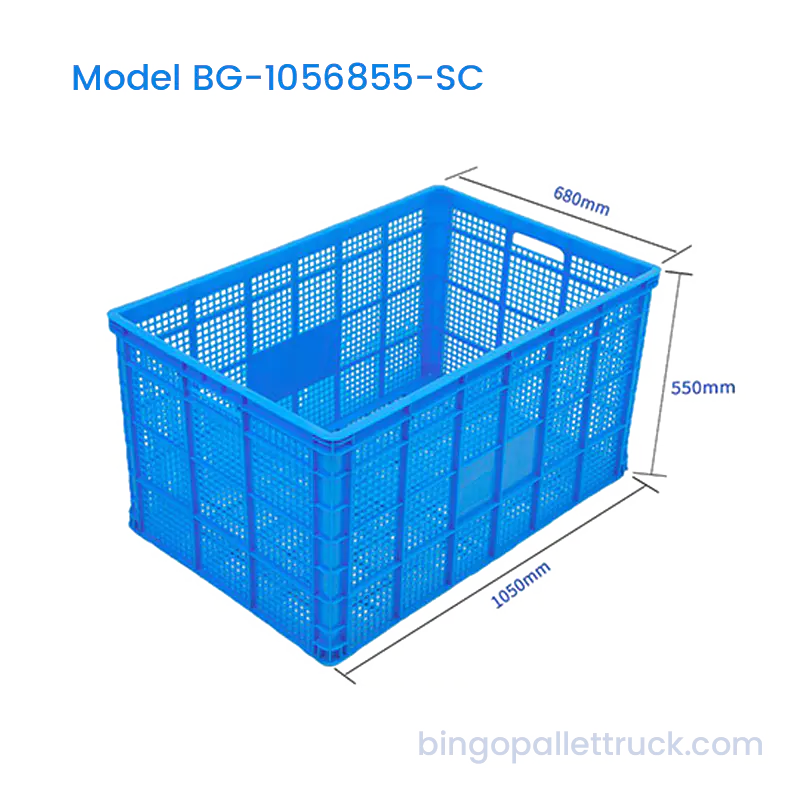
The 327L Heavy-Duty Stackable Plastic Crate is designed to address these limitations with a high-capacity, reusable, and space-efficient storage solution. Model BG-1056855-SC combines a 327-liter capacity with external dimensions of 1050 × 680 × 550 mm. Its extra-large format makes it suitable for bulk goods, fresh produce, agricultural materials, warehouse products, and other items that need ventilation, visibility, and reliable protection during storage or transport.
Manufactured from heavy-duty HDPE, the crate is built for demanding working environments. Its fully perforated mesh structure promotes airflow and allows users to inspect contents without opening the container. Reinforced construction supports repeated handling, while the stackable design helps businesses use vertical space more effectively. At a weight of only 6.5 kg, it remains manageable for workers even though it offers considerably more capacity than many conventional plastic crates.
Product Overview
The BG-1056855-SC is an extra-large stackable plastic crate developed for professional logistics and bulk storage applications. It is not simply a larger version of a household storage bin. Its dimensions, material selection, structural reinforcement, ventilation pattern, and handling characteristics are intended for environments where containers may be filled, moved, stacked, unloaded, cleaned, and reused many times.
The crate has external dimensions of 1050 × 680 × 550 mm and internal dimensions of 980 × 630 × 530 mm. The difference between external and internal measurements accounts for the thickness of the walls, base, and reinforced structural elements. With a nominal capacity of 327 liters, the container provides substantial usable volume while maintaining a footprint that can be integrated into organized warehouse layouts.
The open mesh configuration is especially valuable for products that benefit from ventilation. Fresh vegetables, fruits, agricultural produce, root crops, packaged goods, and certain industrial components can be stored with improved air circulation compared with solid-wall containers. The perforations also make it easier to identify the contents visually, reducing unnecessary opening, searching, and handling.
| Product Attribute | Specification | Operational Benefit |
| Model | BG-1056855-SC | Clear product identification for purchasing and inventory control |
| Material | Heavy-duty HDPE | Durability, moisture resistance, and suitability for repeated use |
| External dimensions | 1050 × 680 × 550 mm | Large footprint and high-volume storage capability |
| Internal dimensions | 980 × 630 × 530 mm | Substantial usable space for bulk goods |
| Capacity | 327 liters | Fewer containers required for high-volume operations |
| Weight | 6.5 kg | Relatively easy manual handling for an extra-large crate |
| Structure | Fully perforated, reinforced, stackable | Airflow, visibility, vertical storage, and structural stability |
| Color options | Multiple colors available | Product identification, zoning, and visual management |
Why a 327-Liter Crate Improves Bulk Storage
Storage density is one of the most important factors in warehouse efficiency. When products are placed in too many small containers, operators must spend more time labeling, moving, counting, and organizing individual units. A 327-liter container consolidates a substantial amount of material into a single reusable handling unit. This can reduce the number of containers required in a storage area and simplify internal transportation.
Larger capacity is particularly useful when the goods being handled are bulky, irregularly shaped, or produced in large batches. Agricultural harvests, packaged food ingredients, textile components, recyclable materials, and industrial parts may be inefficient to divide among small totes. The extra-large crate allows companies to maintain larger product groups while still benefiting from the order and protection of containerized storage.
The crate’s dimensions also support a more consistent warehouse layout. Standardized containers can be positioned in repeatable rows, assigned to specific zones, and integrated into receiving, picking, staging, and dispatch procedures. Consistency makes it easier to calculate floor requirements, establish safe stacking patterns, and train employees in correct handling methods.
Although the crate is large, its 6.5 kg empty weight helps prevent it from becoming unnecessarily difficult to move. This balance between capacity and tare weight is an important advantage. A container that provides large volume but is itself excessively heavy can create additional labor requirements. By contrast, a relatively lightweight plastic structure allows operators to handle the empty crate efficiently and prepare it for the next use.
Heavy-Duty HDPE Construction
Material selection has a direct influence on the service life and operating cost of a reusable crate. The BG-1056855-SC is made from heavy-duty high-density polyethylene, commonly known as HDPE. This material is widely used in industrial containers because it offers a useful combination of strength, low weight, moisture resistance, and practical cleanability.
Unlike cardboard, HDPE does not lose its basic form when exposed to ordinary warehouse humidity or incidental contact with water. Unlike untreated wood, it does not absorb moisture in the same way or create splinters during routine use. This makes it suitable for environments where containers may be exposed to rain during loading, washdown procedures, condensation, or damp storage conditions.
HDPE also supports the production of molded structures with carefully designed ribs, edges, openings, and reinforced corners. These features allow engineers to distribute loads across the crate rather than concentrating stress at a small number of vulnerable points. When the container is lifted, placed down, or stacked correctly, the reinforced structure helps maintain dimensional stability over repeated cycles.
Reusable HDPE containers can also support waste-reduction goals. A disposable carton or damaged wooden box may need to be discarded after a limited number of trips. A durable plastic crate is designed to remain in service for repeated handling, which can reduce the consumption of single-use packaging. The actual service life depends on load type, stacking practice, temperature, cleaning methods, and handling conditions, but the reusable design provides a strong foundation for a more efficient packaging program.
Ventilation and Product Visibility
The fully perforated design is one of the most important functional characteristics of the crate. Openings across the sides and base allow air to circulate around stored products. For fresh produce and agricultural goods, ventilation can help reduce the accumulation of heat and moisture within the container. Airflow is particularly important when products are transferred from outdoor harvesting areas to packing stations, cold storage, distribution centers, or retail facilities.
Ventilation also improves operational visibility. Employees can often identify the general contents of a crate from the outside, especially when the container is combined with labels, color coding, or barcode systems. This can reduce the time spent opening containers to check stock. In high-throughput facilities, even small reductions in inspection time can improve overall productivity.
The perforated structure may also help prevent products from being sealed in an enclosed environment for longer than necessary. However, the crate should always be selected according to the specific goods being handled. Small items may require an internal liner or secondary packaging to prevent them from falling through openings. Products that require strict temperature control, contamination protection, or complete isolation may need a solid-wall container or a compatible cover.
For produce applications, users should also consider cleaning schedules, drainage requirements, and the condition of the goods before loading. A ventilated crate is highly useful, but proper handling procedures remain essential for maintaining product quality.
327L Heavy Duty Stackable Plastic Crate for Bulk Goods Storage
Stackable Design for Vertical Warehouse Utilization
Warehouse floor space is expensive, and many facilities cannot expand horizontally whenever storage demand increases. The stackable design of the BG-1056855-SC allows operators to build organized vertical storage configurations and use the available height of a facility more effectively. Instead of spreading containers across the floor, businesses can create stable columns or rows, subject to the applicable load and safety requirements.
Vertical stacking can improve floor utilization in storage rooms, production areas, harvest collection points, and distribution hubs. It can also create clearer aisles by reducing the need for scattered temporary storage. When each crate is positioned consistently, employees can more easily access product groups, identify inventory locations, and maintain a clean working environment.
A purpose-designed stacking structure offers advantages over simply placing one ordinary box on top of another. The base and upper rim are engineered to align the containers, helping prevent unwanted movement during normal storage. Reinforced contact areas distribute pressure and help protect the walls from deformation when the crates are correctly loaded and aligned.
Stacking must always be carried out on a level and stable surface. Operators should avoid exceeding recommended load limits or creating unstable columns. Heavy items should be distributed evenly, and damaged crates should be removed from service. Where crates are stacked at significant heights or used in areas with vehicle traffic, the facility should implement appropriate risk assessments and handling procedures.
Advantages Compared with Cardboard Packaging
Cardboard remains useful for many applications, but it has limitations in harsh logistics environments. Moisture, condensation, abrasion, and repeated handling can weaken cardboard boxes. Once a carton has lost its shape, it may no longer stack properly, and products inside may become more difficult to protect.
The reusable plastic crate offers a more durable alternative for goods that move repeatedly through a supply chain. Its rigid structure remains easier to stack and clean than a softened carton. The mesh sides promote ventilation, while the molded body provides better resistance to ordinary warehouse impacts. Because the crate can be used multiple times, the cost of packaging can be evaluated across many trips rather than a single shipment.
Plastic crates can also make reverse logistics more practical. After goods are delivered, the empty crate can be returned to a supplier, packing station, or central warehouse for inspection and reuse. This closed-loop approach can reduce the need to purchase new disposable packaging for every shipment.
There are situations where cardboard remains preferable, such as lightweight parcel delivery, one-way export packaging, or applications that require a printed outer surface. However, for repeated internal movement and bulk handling, a heavy-duty plastic crate provides significant practical advantages.
Advantages Compared with Wooden Boxes
Wooden boxes can provide high structural strength, but they are often heavier and less convenient to clean. Wood may absorb water, develop rough surfaces, or produce splinters as it ages. Fasteners, broken boards, and inconsistent dimensions can also complicate stacking and handling. In food-related or hygiene-sensitive operations, these characteristics may require additional inspection and maintenance.
The molded HDPE crate provides a more consistent shape and a smoother, more manageable surface. It does not require nails or screws, and its perforated design provides visibility and airflow without the need for additional openings. Its relatively low empty weight can reduce manual handling effort, especially when employees must prepare multiple empty containers for use.
Wooden packaging may still be appropriate for extremely heavy machinery, oversized equipment, or one-way export shipments that require specialized shock protection. The 327L crate is better suited to reusable logistics, agricultural products, warehouse materials, and goods that benefit from standardized container handling.
Advantages Compared with Smaller Plastic Totes
Smaller plastic totes are convenient for picking, parts storage, and order assembly, but they may be inefficient for bulk goods. When a product is divided among many small containers, the number of handling events increases. Employees must move more units, maintain more labels, and devote more space to container staging.
The 327-liter capacity provides a different operating model. It is intended for larger product groups and high-volume material flow. A farm may use it to collect harvested goods, a factory may use it to hold components between production stages, and a distribution center may use it to consolidate products before dispatch.
The best solution may involve using both formats. Smaller totes can organize individual items or small parts, while the large crate can serve as an outer transport and staging container. This layered approach can combine efficient bulk movement with detailed product organization.
Applications in Agriculture and Fresh Produce
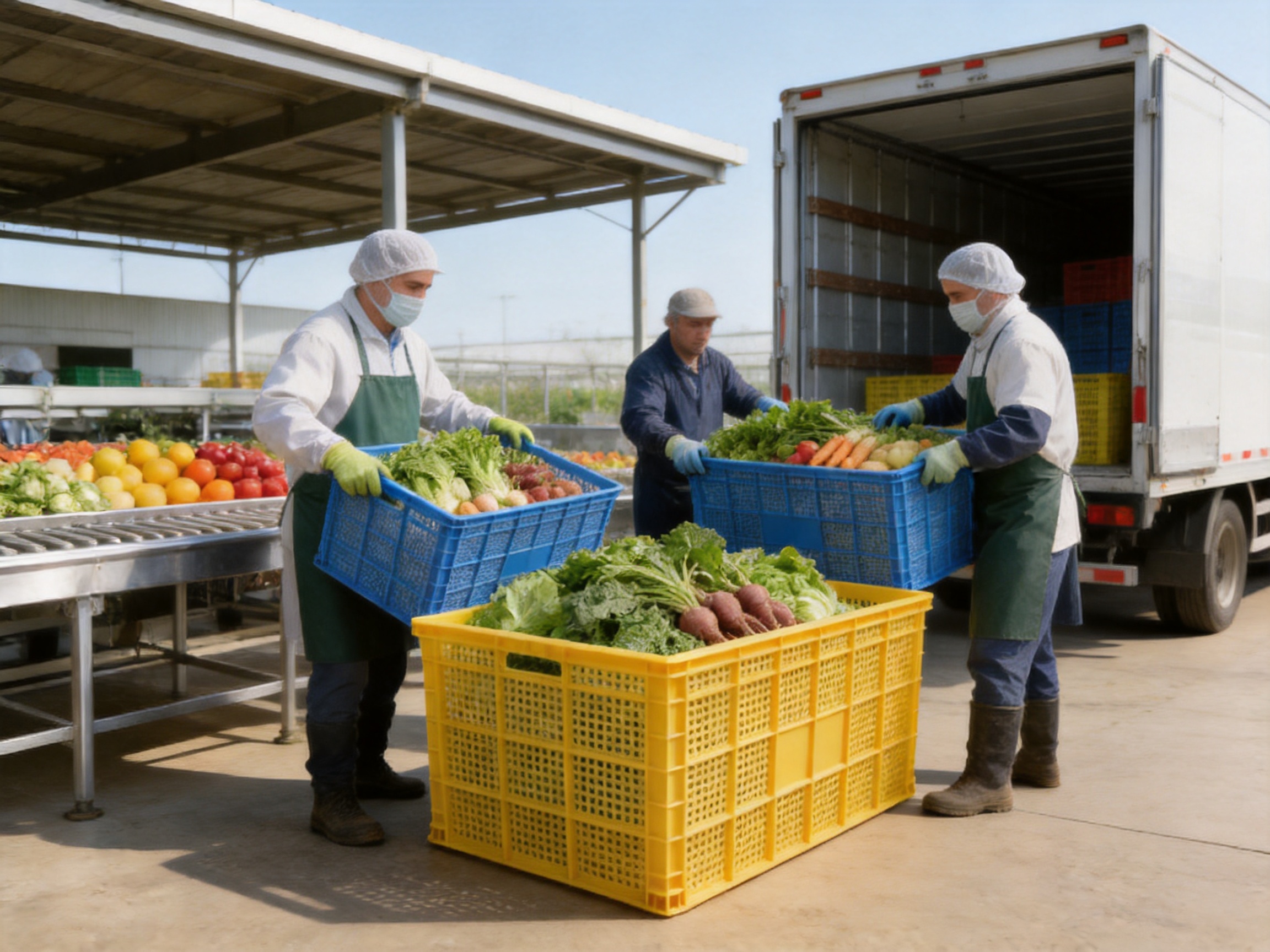
Agricultural operations frequently handle products in large quantities and under changing environmental conditions. Harvested fruits, vegetables, root crops, and other farm products may need to be collected in the field, moved to a packing area, temporarily stored, and transported to a distribution facility. A durable ventilated crate is well suited to this sequence because it can withstand repeated loading and unloading while allowing airflow through the contents.
The extra-large format can reduce the number of trips between harvesting areas and collection points. Workers can fill a crate with a practical batch size, then move it using suitable handling equipment or by coordinated manual methods. The visible mesh structure also makes it easier to observe the general condition of the load without opening the container.
Color selection can support agricultural workflows. Different colors may be assigned to different product grades, growing areas, processing stages, or customer orders. This visual system can reduce sorting errors, provided it is supported by clear procedures and labeling.
Before using the crates for food-related goods, businesses should establish suitable washing, sanitizing, drying, and inspection procedures. The crate’s food-safe HDPE material supports demanding applications, but hygiene performance depends on the entire operating process, including the cleanliness of loading equipment, storage areas, and personnel practices.
Applications in Warehousing and Distribution
Distribution centers need containers that can withstand frequent movement and support quick identification. The BG-1056855-SC can be used in receiving zones, reserve storage, order consolidation, staging areas, and return logistics. Its high capacity is useful when products arrive in bulk or when multiple smaller packages must be temporarily grouped for dispatch.
In a receiving operation, employees can transfer goods from inbound vehicles into standardized crates rather than leaving products in loose piles or temporary cardboard packaging. The crates can then be assigned to inventory locations. In a dispatch operation, grouped products can be staged in ventilated containers until they are loaded onto delivery vehicles.
For e-commerce and retail supply chains, the crate may serve as a reusable transfer unit between a central warehouse, regional distribution center, store, and return facility. It can hold replenishment products, promotional stock, or returned merchandise. The durable structure helps protect goods during repeated internal movement, while color coding can support route or department identification.
Applications in Manufacturing
Manufacturing plants often move components and work-in-process materials between production stages. The crate can be used for molded parts, assemblies, packaging components, raw materials, and finished goods that do not require complete enclosure. Its large capacity is particularly useful when production lines generate high volumes at regular intervals.
Standardized containers can improve line-side organization. Instead of placing components in mixed boxes or on open pallets, workers can assign dedicated crates to particular parts or process stages. This can reduce clutter and make material shortages easier to identify. The mesh sides also provide a quick visual indication of whether a container is full, partially filled, or awaiting replenishment.
Manufacturers should evaluate whether the crate’s openings are compatible with the size and shape of their components. Very small parts may require bags, inserts, or smaller nested containers inside the main crate. Sensitive electronic or static-prone components may require additional electrostatic-control measures beyond the standard HDPE construction.
Manufacturing Quality and Process Control
A professional reusable crate must be supported by a controlled manufacturing process. Product quality is not determined by material selection alone. The design, mold condition, processing parameters, cooling cycle, trimming, inspection, and packaging process all influence the final performance of the container.
The manufacturer applies quality control throughout the production chain, beginning with raw material sourcing. Controlled material selection helps maintain consistent physical properties and appearance between production batches. Virgin material and approved formulations can be managed according to the intended application, while incoming materials are checked before entering production.
During molding, process parameters such as temperature, pressure, injection timing, cooling, and cycle duration must be controlled carefully. These factors influence wall formation, dimensional accuracy, surface finish, and the consistency of reinforced areas. A stable process helps ensure that the stacking rim, base, corners, and perforated walls are formed correctly.
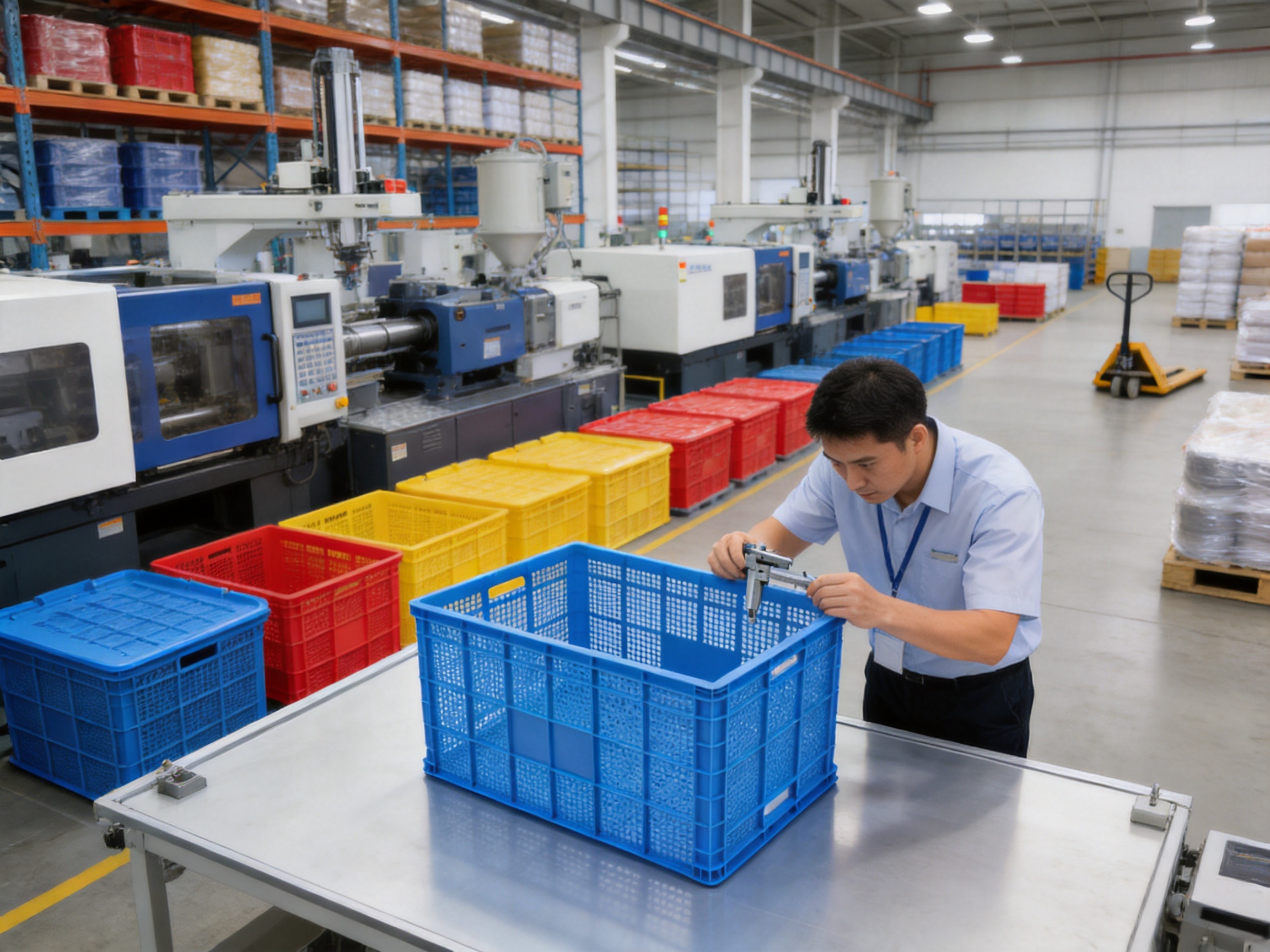
Inspection at multiple stages helps identify issues before shipment. Typical checks may include visual inspection, dimensional measurement, weight verification, structural review, and assessment of the crate’s overall finish. Particular attention should be paid to cracks, incomplete molding, sharp edges, deformation, blocked openings, and inconsistencies in the stacking interface.
Standardized production procedures also make it easier to reproduce the same product specification over time. For buyers managing large fleets of reusable containers, consistency is important. Crates with predictable dimensions can be arranged more efficiently, while consistent quality reduces the likelihood of premature failure or compatibility problems.
The manufacturer’s production organization is supported by strict standards and streamlined processes. This approach is important for customers who require repeat orders, multiple colors, custom specifications, or coordinated supply for several facilities. A controlled process provides a foundation for stable delivery rather than relying solely on individual batch inspection.
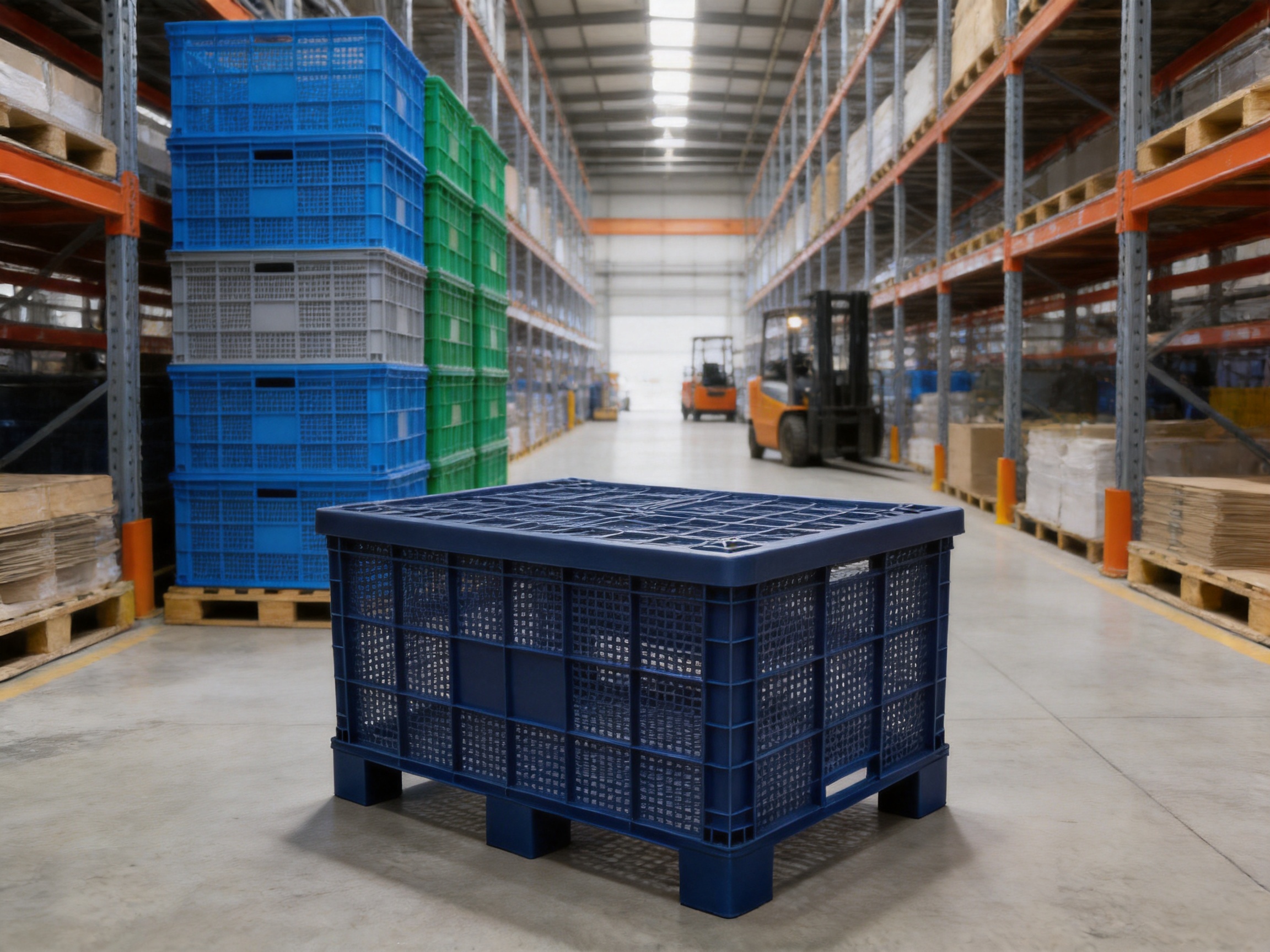
Product Customization and Color Management
Multiple color options provide more than an aesthetic choice. In logistics, color can function as a visual management tool. A company may assign one color to incoming materials, another to finished goods, and another to returned products. Agricultural users may use different colors for product categories, harvest dates, or quality grades.
Color zoning can help workers make faster decisions, especially in busy environments where labels may be difficult to read from a distance. It can also support separation between different customers, departments, production lines, or destinations. However, color should complement, not replace, written labels, barcode systems, or digital inventory controls.
Depending on project requirements, businesses may also discuss customized specifications with the supplier. Potential customization areas can include color, identification markings, labeling formats, and other product details. Any customization should be reviewed in relation to minimum order quantities, lead time, tooling requirements, material compatibility, and the intended working environment.
Handling and Warehouse Integration
The crate can become more effective when integrated with suitable handling equipment and warehouse procedures. Depending on the facility, operators may move it manually when empty or lightly loaded, or use pallet trucks, forklifts, platforms, and other material-handling equipment when the filled crate is too heavy for safe manual movement.
Workplace safety should remain the priority. Employees should be trained to assess the weight of the contents before lifting, use appropriate posture, avoid twisting under load, and request mechanical assistance when necessary. Containers should not be dragged across rough floors if doing so may damage the base or compromise stability.
Warehouses should define maximum stacking heights and inspect crates regularly. Damaged units should be isolated rather than returned to service automatically. A simple inspection program can include checks for cracked corners, distorted rims, damaged bases, sharp edges, and excessive wear. Regular cleaning and maintenance help preserve both hygiene and operational reliability.
The crate can also be integrated into a warehouse management system through labels, barcodes, or radio-frequency identification methods. The container itself can function as a reusable asset with a tracking number. Companies that circulate crates between locations may benefit from monitoring the number of units at each site, their condition, and their return status.
Cleaning, Hygiene, and Maintenance
Reusable plastic containers provide value only when they remain clean, serviceable, and available for the next operating cycle. The open design of the crate can simplify visual inspection and washing because dirt and residue are easier to identify than in enclosed packaging. Drainage through the perforations can also support drying after cleaning.
Cleaning procedures should be based on the type of goods handled. Agricultural users may need to remove soil, plant residue, and organic material. Industrial users may need to address oils, dust, metal particles, or process residues. Food-related applications require procedures that are consistent with the company’s hygiene program and applicable regulations.
Users should select cleaning agents and water temperatures that are compatible with HDPE and should avoid practices that cause unnecessary thermal shock or surface damage. After washing, crates should be allowed to dry thoroughly before being stacked or reused. Regular inspection is particularly important after cleaning because cracks and deformation may be easier to see when the surface is free of residue.
Storage conditions also affect service life. Empty crates should be stacked in an orderly manner on a stable surface and protected from unnecessary impact. Long-term exposure to extreme heat, direct sunlight, chemicals, or unsuitable mechanical handling may reduce the life of any plastic product. Following the manufacturer’s operating guidance is recommended.
Economic Value and Total Cost of Ownership
The purchase price is only one part of the cost of a storage container. Businesses should also consider the number of reuse cycles, labor requirements, damage rates, cleaning costs, storage density, return logistics, and disposal requirements. A durable 327-liter crate can provide value by addressing several of these cost factors at the same time.
Its high capacity may reduce the total number of containers needed for a given volume of goods. Its stackability may reduce the floor area required for storage. Its ventilation and visibility may reduce unnecessary inspection and handling. Its reusable structure may reduce dependence on disposable packaging. Its relatively low empty weight may support easier preparation and return handling.
The exact savings will depend on the application. A company should compare its current process with a proposed crate-based workflow. Useful measurements include the number of containers used per shipment, labor minutes per handling cycle, storage area occupied, product damage, cleaning time, and the percentage of crates returned for reuse.
For high-volume operations, even modest improvements can become significant over time. A standardized container fleet can also simplify purchasing because the business can establish repeatable specifications rather than sourcing different disposable packages for different shipments.
How the Crate Supports Sustainable Logistics
Reusable packaging can support sustainability by extending the useful life of a container and reducing the frequency of single-use packaging consumption. A plastic crate that circulates through a controlled supply chain may replace many cardboard boxes or damaged wooden containers over its service life.
Efficient stacking and bulk handling may also reduce the number of trips required to move goods within a facility. Better space utilization can help companies use existing warehouse capacity more effectively instead of expanding prematurely. Lower packaging waste, improved return logistics, and reduced replacement frequency can all contribute to a more resource-efficient operation.
Sustainability performance depends on responsible use. Crates should be reused as long as they remain safe and suitable, repaired or recycled through appropriate channels when they reach the end of their service life, and transported efficiently during return logistics. Businesses should evaluate the complete life cycle rather than assuming that any plastic product is automatically sustainable.
Choosing the Right Configuration for an Operation
Before purchasing the 327L crate, a buyer should review the dimensions of the goods, the available storage height, the required airflow, and the handling equipment used at each stage. The crate is an excellent choice for bulk goods, but the internal dimensions should be compared with the actual product size to ensure efficient loading.
Users should also determine whether the products require liners, dividers, smaller inner totes, or additional protection. The open mesh is beneficial for airflow but may not be appropriate for loose powders, very small components, liquids, or goods requiring complete containment.
Warehouse planners should assess how many filled crates can be safely stacked and how the containers will be accessed. If the crates are moved by forklift or pallet truck, the facility should confirm that the handling method is compatible with the crate design and load arrangement. If employees move them manually, the filled weight must be considered carefully.
Buyers should also clarify color requirements, inspection procedures, delivery schedules, and replacement policies. For larger projects, it can be helpful to begin with a controlled trial in one area of the operation. Performance data from the trial can then guide fleet sizing and process standardization.
Recommended Operating Practices
To gain the best results from the BG-1056855-SC, operators should load goods evenly and avoid placing concentrated weight on a single area of the base. The contents should remain below the upper rim where possible so that stacking remains stable and products are not compressed unnecessarily.
Crates should be stacked only when their bases and rims are correctly aligned. Unstable, damaged, or visibly deformed units should not be placed in a stack. If the contents are wet, users should ensure that the crate and surrounding floor can drain safely and that the product is suitable for the selected storage conditions.
Employees should avoid throwing, dropping, or dragging filled crates. Repeated impact may shorten the life of any molded container, even one designed for heavy-duty use. When a crate is transported over a long distance, the load should be secured in accordance with the requirements of the vehicle and the nature of the goods.
A regular inspection and cleaning schedule should be documented. Companies with large fleets may find it useful to assign a simple condition category, such as ready for use, needs cleaning, needs inspection, or removed from service. This creates accountability and helps prevent unsuitable containers from returning to active operations.
Questions and Answers
What is the capacity of the crate?
The nominal capacity is 327 liters. This makes it suitable for large-volume storage and bulk handling applications where smaller plastic totes would require too many separate units.
What are the external and internal dimensions?
The external dimensions are 1050 × 680 × 550 mm. The internal dimensions are 980 × 630 × 530 mm. Buyers should compare the internal dimensions with the size and shape of their products before finalizing an application.
What material is used to manufacture the crate?
The product specification identifies heavy-duty HDPE as the main material. HDPE provides a practical combination of strength, low weight, moisture resistance, and durability for reusable logistics containers.
Is the crate suitable for food and agricultural applications?
The crate is described as food-safe and is suitable for applications such as fresh produce, agricultural goods, and bulk storage. Users must still establish appropriate cleaning, sanitation, inspection, and handling procedures for their specific products and regulatory environment.
Does the mesh design improve airflow?
Yes. The fully perforated structure promotes air circulation around the contents and can help reduce the buildup of heat and moisture compared with a solid-wall container. The actual result depends on product type, storage conditions, and facility airflow.
Can the crates be stacked?
Yes. The crate is designed for stacking and can help businesses use vertical storage space. Stacking should be performed on a level surface, with correctly aligned containers and within the applicable load and height limits.
How heavy is an empty crate?
The empty crate weighs approximately 6.5 kg. This relatively low weight helps make empty-container handling more manageable, although the filled weight may require mechanical assistance.
Are different colors available?
Multiple colors are available. Color options can support warehouse zoning, product identification, process separation, and visual inventory management.
Can the crate replace cardboard boxes?
It can replace cardboard in many reusable internal logistics and bulk-handling applications. The best choice depends on the product, shipping method, required protection, cleanliness standards, and whether the packaging will be returned for reuse.
Can the crate be used with smaller containers?
Yes. Smaller totes, liners, dividers, or bags may be placed inside the large crate when the goods require additional organization or containment. Users should ensure that the inner packaging does not obstruct safe stacking or create excessive weight.
What quality controls are applied during manufacturing?
Quality control is applied from raw material sourcing through production and final inspection. Standardized manufacturing processes, dimensional checks, visual inspections, and structural reviews help ensure that the finished products meet the required specifications.
What types of businesses can benefit from the crate?
Potential users include farms, food and produce distributors, warehouses, manufacturing plants, e-commerce fulfillment centers, retail distribution networks, recycling operations, and logistics providers that require reusable bulk containers.
How should the crate be maintained?
It should be cleaned according to the type of goods handled, dried thoroughly, inspected for damage, and stored on a stable surface. Crates with cracks, serious deformation, sharp edges, or damaged stacking areas should be removed from service.
Supplier Manufacturing and Logistics Strengths
The supplier behind this product specializes in warehousing and logistics equipment and provides solutions across handling equipment, storage containers, packaging materials, and warehouse racking. This broad product range is valuable to customers that want to coordinate several parts of a logistics project through one experienced source.
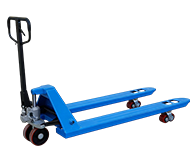
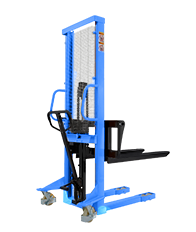
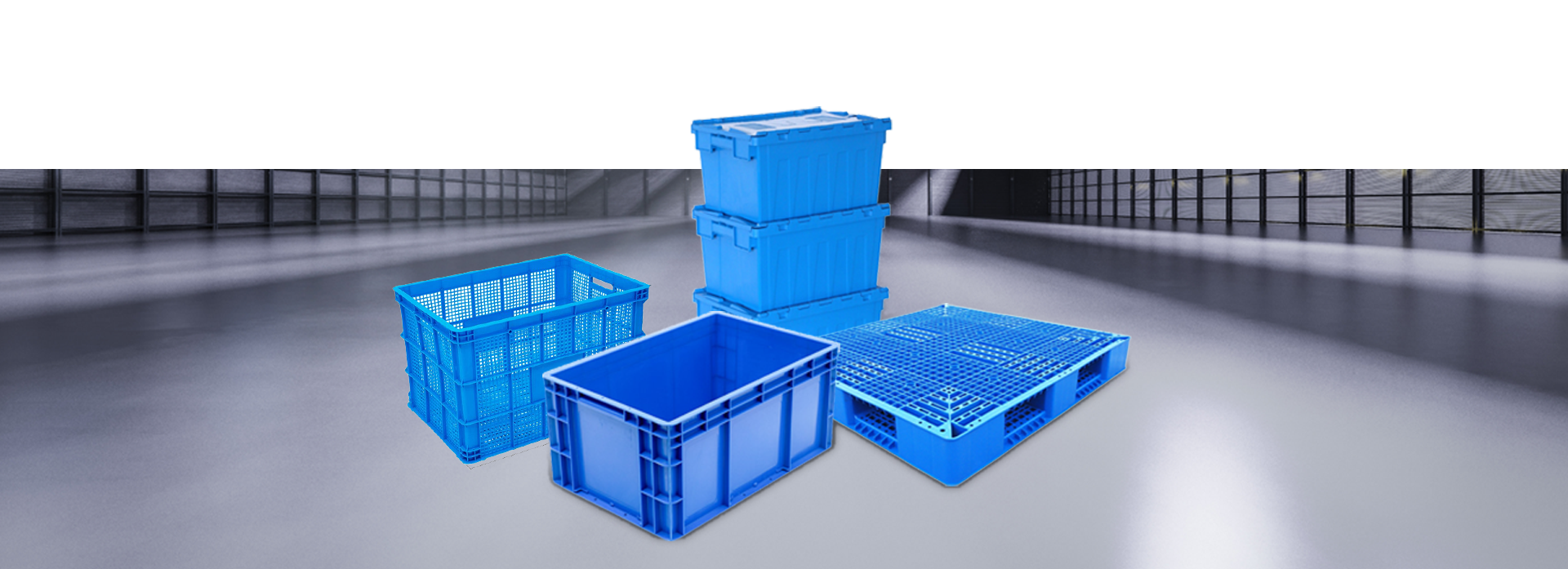
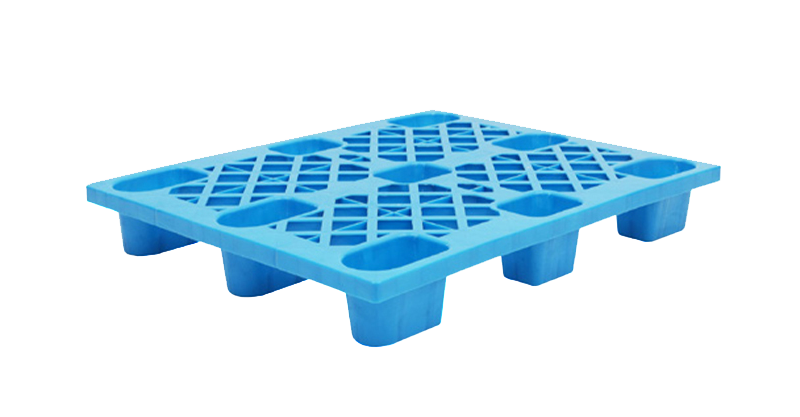
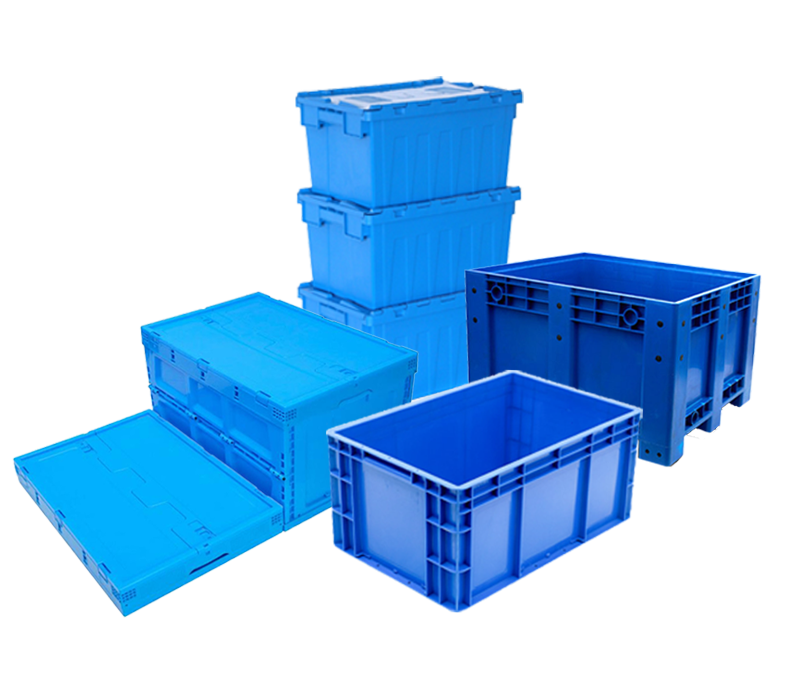
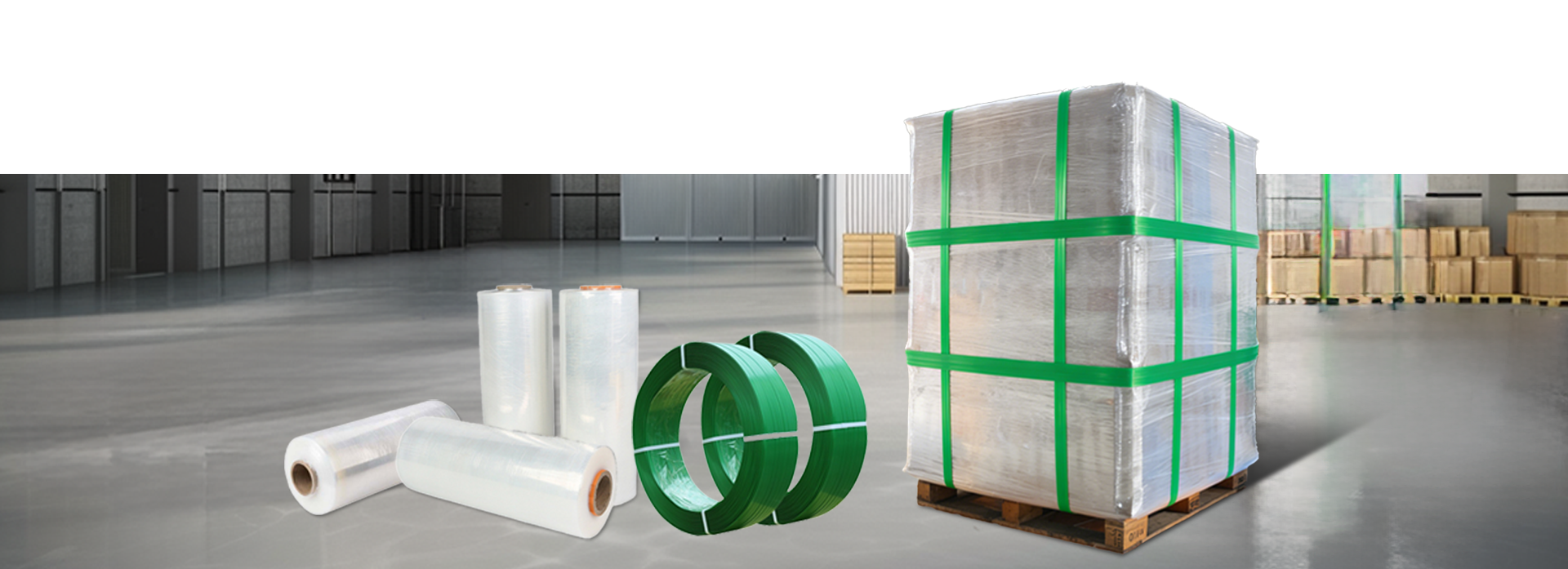
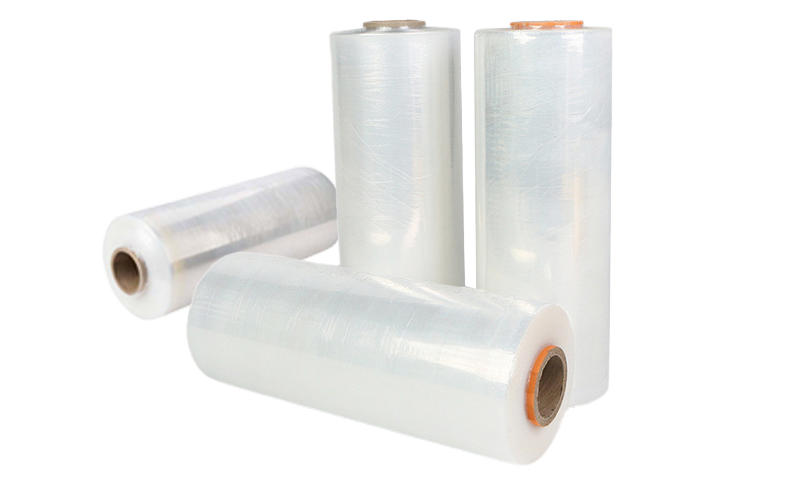
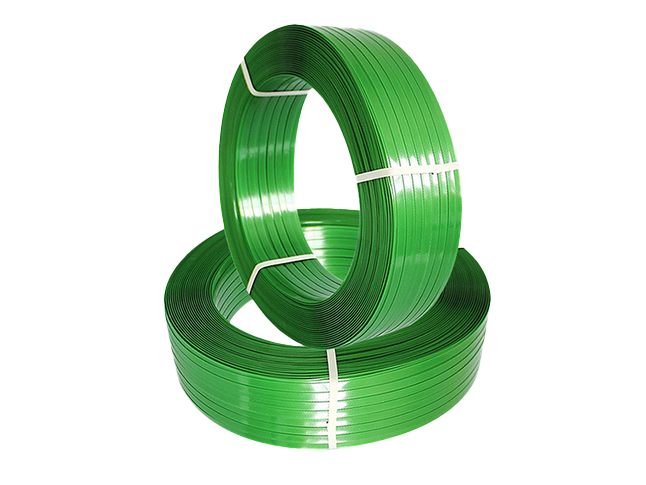
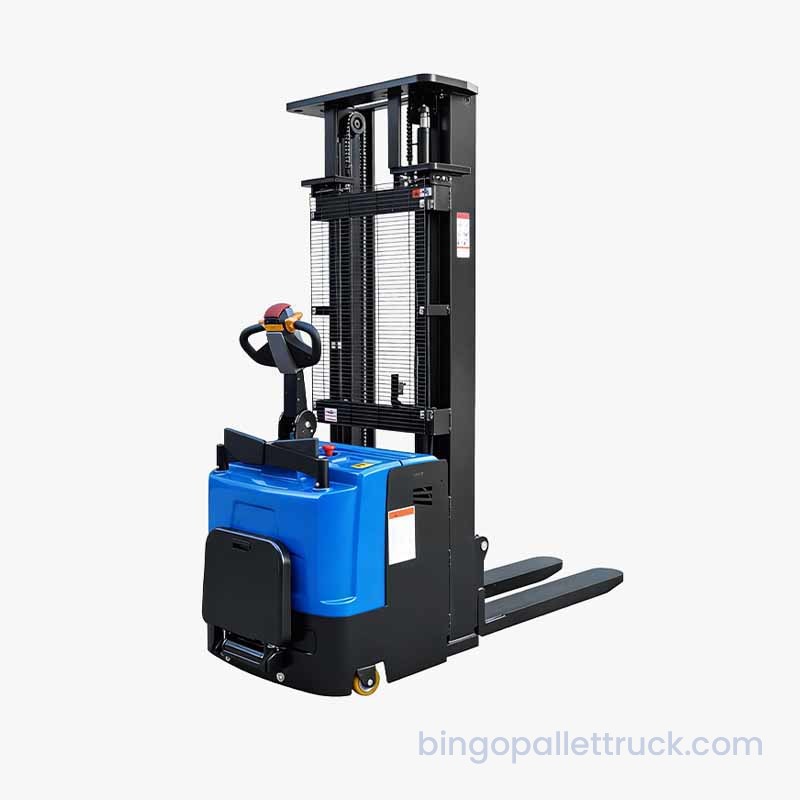
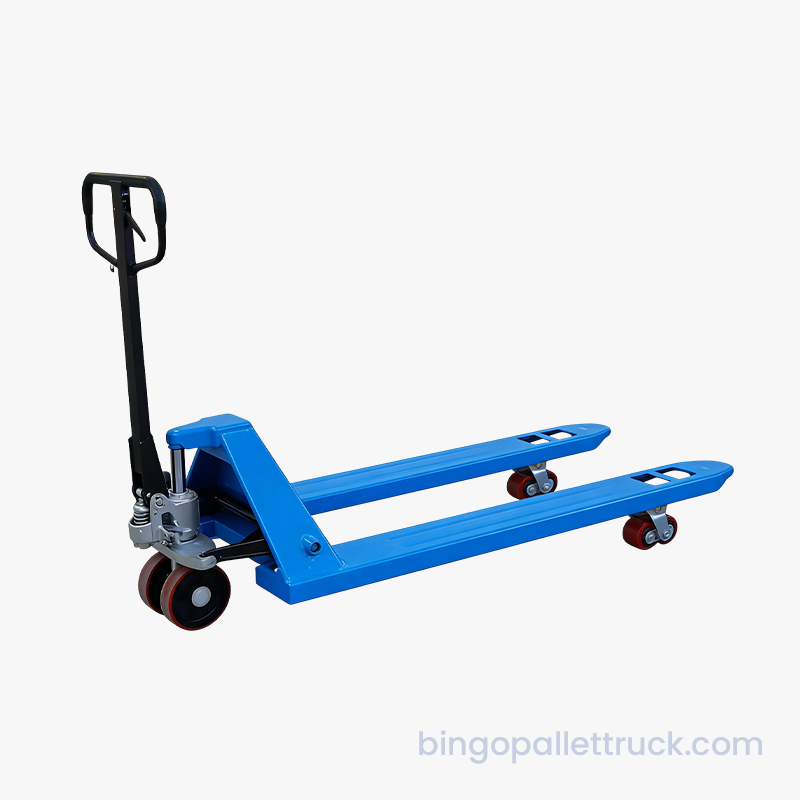
Its handling equipment portfolio includes manual and electric pallet trucks and stackers. Its storage container range includes plastic pallets, totes, crates, and bulk containers. Packaging products include stretch wrap and packing strapping, while warehouse racking is available in light-duty, medium-duty, and heavy-duty configurations.
This integrated capability allows customers to consider the crate as part of a complete material-flow system rather than as an isolated product. For example, a warehouse may combine reusable crates with pallet trucks, storage racks, stretch film, and other packaging products. Coordinating these elements can simplify procurement and improve compatibility between handling, storage, and dispatch processes.
The company emphasizes strict quality inspection and standardized production. This is especially relevant for international buyers that need stable specifications, repeat supply, and support for different warehouse environments. Products are kept in stock for ready shipment where applicable, which can help customers respond more quickly to operational needs.
With its base in Yancheng, Jiangsu, China, the manufacturer serves customers in global logistics and supply-chain markets. Its focus on cost-effective, integrated solutions makes the 327L crate suitable for organizations seeking to improve storage efficiency without adopting unnecessarily complicated systems.
Conclusion
The 327L Heavy-Duty Stackable Plastic Crate is designed for businesses that need more than basic storage. Its combination of extra-large capacity, reinforced HDPE construction, full perforation, stackable geometry, and manageable empty weight makes it a practical solution for bulk goods and repeated logistics operations.
Compared with disposable cardboard, it offers greater reusability and resistance to moisture. Compared with many wooden boxes, it provides lower tare weight, easier cleaning, and consistent molded dimensions. Compared with smaller totes, it offers substantial volume for high-throughput applications. These advantages can help reduce handling steps, improve ventilation and visibility, increase vertical storage utilization, and support a more organized material-flow system.
The supplier’s controlled manufacturing processes, inspection procedures, customization options, and broad logistics-equipment portfolio further strengthen the product’s value. Customers can use the crate independently or integrate it into a wider system involving pallet trucks, stackers, warehouse racks, pallets, and packaging materials.
For farms, warehouses, factories, distribution centers, and other demanding operations, the BG-1056855-SC provides a durable foundation for reusable bulk storage. When combined with proper loading, stacking, cleaning, inspection, and return procedures, it can support safer handling, improved warehouse efficiency, and more sustainable logistics performance.
References
1. Product specification sheet for Model BG-1056855-SC, including dimensions, material, capacity, weight, and structural characteristics.
2. Technical information on high-density polyethylene used in reusable industrial storage containers.
3. General warehouse management principles concerning vertical storage, container standardization, and material-flow efficiency.
4. Best-practice guidance for reusable packaging, bulk handling, produce ventilation, cleaning, and inspection procedures.
5. Manufacturing quality-control principles covering raw material sourcing, standardized molding processes, dimensional inspection, and final product assessment.
Product: 327L Heavy Duty Stackable Plastic Crate for Bulk Goods Storage


Copyright @ Yancheng Bingo Machinery Equipment Co., Ltd. All rights reserved Warehouse Logistics Equipment Manufacturer Pallet Truck Supplier
