 en
en  Español

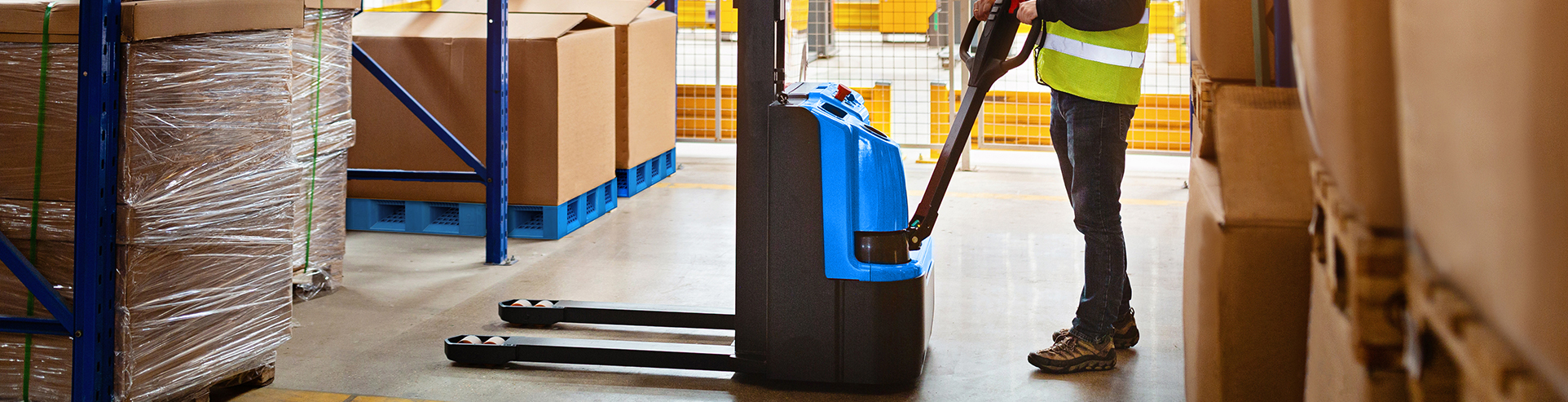
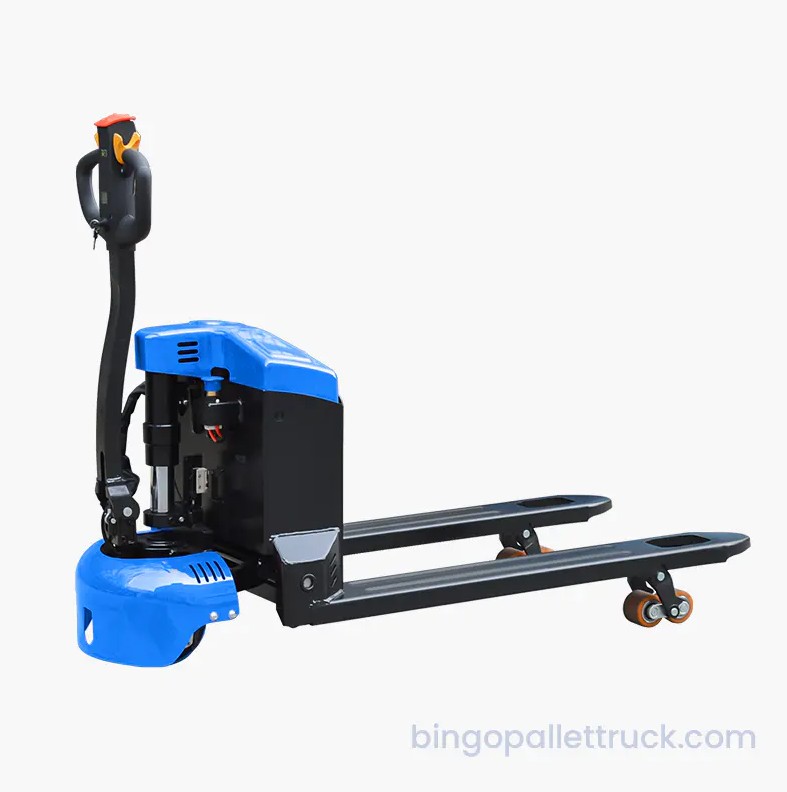
Sturdy 10L Stackable Plastic Tote Box for Efficient Warehouse Storage and Transport
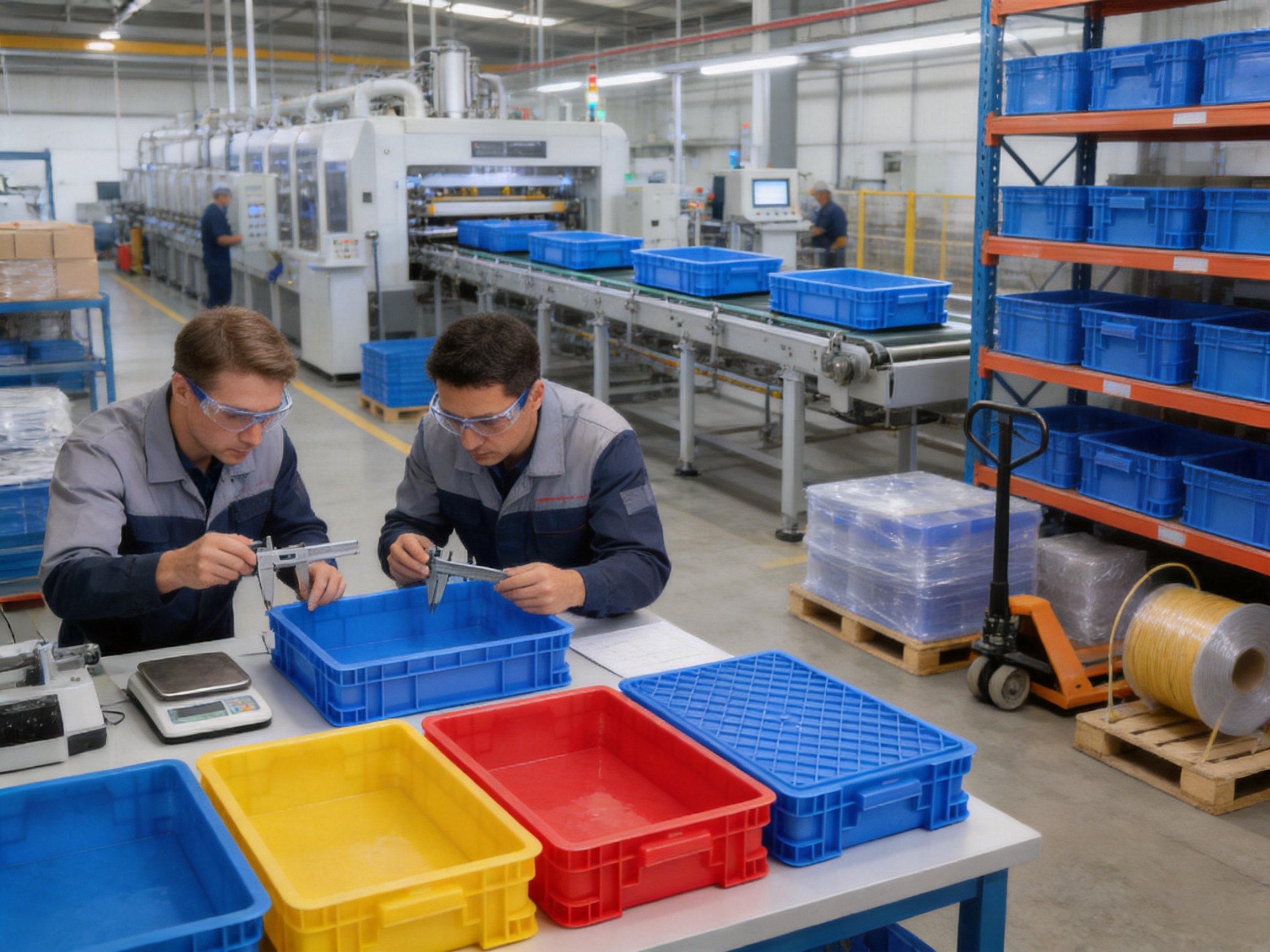
Modern warehouses require storage containers that do more than hold products. A reliable tote box must support organized inventory management, efficient order fulfillment, safe internal movement, cost control, and dependable long-term use. The 10L Stackable Plastic Tote Box, model BG-443310-ST, is designed to meet these requirements in manufacturing plants, distribution centers, e-commerce warehouses, retail backrooms, workshops, and logistics operations.
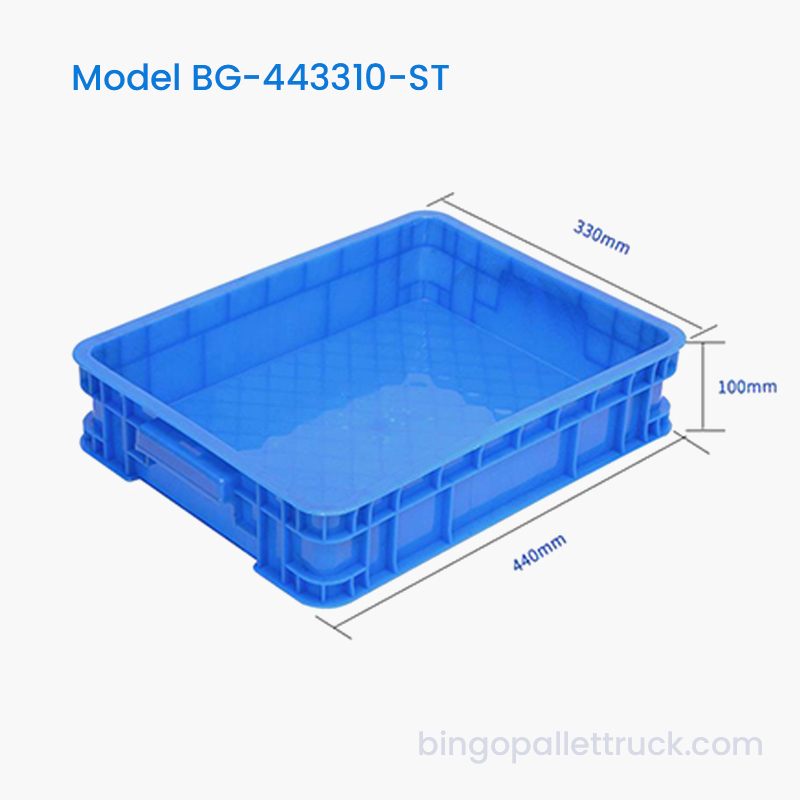
Manufactured from durable HDPE and developed around a practical 440×330×100 mm footprint, this plastic tote box offers a balanced combination of strength, capacity, stackability, and handling convenience. Its 10-liter capacity is suitable for storing components, tools, packaged goods, spare parts, maintenance materials, and other items that must remain protected and easy to access. The external dimensions are standardized for efficient use of warehouse space, while the internal dimensions provide a usable storage area of 400×300×90 mm.
Unlike improvised cardboard cartons or thin disposable plastic boxes, this reusable tote is built for repeated warehouse cycles. It can be loaded, transported, stacked, emptied, cleaned, and returned to service many times. This reusable design helps businesses reduce packaging waste, lower replacement costs, and establish more consistent storage procedures.
In addition to its physical construction, the tote box benefits from a structured manufacturing system, standardized production procedures, quality inspections, and supply-chain support. These strengths make it a practical option for companies seeking dependable storage containers from an experienced warehouse logistics equipment supplier.
Content
- 1 Product Overview
- 2 Durable HDPE Construction for Repeated Use
- 3 Efficient 10-Liter Storage Capacity
- 4 Stackable Design for Better Space Utilization
- 5 Advantages Over Conventional Storage Options
- 6 Support for Warehouse Efficiency
- 7 Reduced Storage and Transport Footprint
- 8 Product Protection and Handling Safety
- 9 Manufacturing Process and Quality Control
- 10 Customization and Color Management
- 11 Applications Across Multiple Industries
- 12 Integration with Warehouse Racks and Handling Equipment
- 13 How to Select the Right Quantity
- 14 Best Practices for Long-Lasting Use
- 15 Purchasing Considerations for Global Buyers
- 16 Supplier Strengths and Integrated Logistics Support
- 17 Frequently Asked Questions
- 17.1 What is the capacity of this plastic tote box?
- 17.2 What material is used to make the container?
- 17.3 Can the tote boxes be stacked?
- 17.4 What are the external dimensions?
- 17.5 How much does one empty tote weigh?
- 17.6 What types of products can be stored in it?
- 17.7 Can different colors be supplied?
- 17.8 Is the tote suitable for manufacturing lines?
- 17.9 Can it be used in e-commerce warehouses?
- 17.10 How can the tote reduce warehouse costs?
- 17.11 Can the tote be customized?
- 17.12 Is the product available from stock?
- 17.13 How should the containers be cleaned?
- 17.14 Can the tote be used outdoors?
- 17.15 What should buyers confirm before placing a large order?
- 18 Conclusion
- 19 References
- 20 Product: Sturdy 10L Stackable Plastic Tote Box for Long Lasting Use
Product Overview
The BG-443310-ST is a low-profile, stackable plastic tote box developed for organized material storage and transport. Its dimensions make it suitable for shelves, workstations, picking areas, conveyor-side operations, transport vehicles, and palletized warehouse systems. With a 10-liter capacity, it provides enough room for many small and medium-sized items without becoming too large or difficult to handle.
| Specification | Details |
| Product Type | Stackable Plastic Tote Box |
| Model | BG-443310-ST |
| Material | HDPE |
| External Dimensions | 440×330×100 mm |
| Internal Dimensions | 400×300×90 mm |
| Capacity | 10 L |
| Weight | 0.75 kg |
| Primary Application | Warehouse storage, parts handling, inventory organization, and logistics transport |
| Color Options | Multiple colors available, subject to production and customization requirements |
The relationship between external and internal dimensions reflects the structure required for strength and stackability. The walls and base provide protection for stored goods while maintaining a relatively lightweight overall product weight of 0.75 kg. This helps operators move individual containers conveniently and reduces unnecessary tare weight during larger transport operations.
The low-profile format also supports visual organization. Products can be arranged in layers, with each tote assigned to a particular part number, order, workstation, production stage, or inventory category. Because the box is not excessively deep, workers can often identify and reach stored items without having to remove large quantities of material first.
Durable HDPE Construction for Repeated Use
Material selection is one of the most important factors in the performance of a reusable warehouse container. This tote box is specified as being made from high-density polyethylene, commonly known as HDPE. HDPE is widely used in industrial containers because it provides a useful combination of impact resistance, structural rigidity, relatively low weight, and resistance to moisture.
In a warehouse environment, containers are exposed to repeated handling. They may be placed on racks, moved between workstations, loaded onto pallets, transported by hand, or handled alongside forklifts and pallet trucks. A container intended for this environment must tolerate more than a single delivery cycle. The durable plastic construction of this tote is intended to support repeated operational use and reduce the frequency of replacement.
HDPE also offers practical advantages over many traditional packaging materials. Cardboard can absorb moisture, lose its shape, tear at corners, and become unsuitable for reuse after exposure to handling or transport conditions. Thin disposable plastic packaging may be inexpensive initially but often lacks the stiffness and dimensional stability needed for organized warehouse stacking. A rigid reusable tote provides a more consistent solution.
The material is also suitable for applications where the container may need to be wiped or cleaned. Smooth plastic surfaces generally allow dust, light residue, and common warehouse contamination to be removed more easily than porous packaging materials. Specific cleaning agents, temperatures, and sanitation procedures should be evaluated according to the application, but the reusable plastic format provides a strong foundation for practical maintenance.
Another important benefit is dimensional consistency. A rigid tote maintains a defined footprint, making it easier to plan shelf spacing, storage locations, pallet configurations, and transport loads. This consistency contributes to more predictable warehouse operations and reduces the wasted space often associated with irregular or damaged cartons.
Efficient 10-Liter Storage Capacity
The 10-liter capacity places this tote box in a versatile range for daily warehouse work. It is large enough to hold many categories of components and supplies while remaining manageable for manual handling. The internal dimensions of 400×300×90 mm provide a broad, shallow storage area that is particularly useful for items arranged in layers or grouped by product code.
Typical contents may include fasteners, electrical components, hardware, machine parts, packaged accessories, automotive components, maintenance supplies, picking items, small tools, and retail stock. The exact loading suitability depends on the dimensions, weight, and characteristics of the goods being stored. However, the standardized rectangular format allows companies to develop repeatable storage methods across different departments.
In manufacturing environments, a tote can be assigned to a bill-of-materials line, production order, or workstation. Components can be prepared in advance and delivered to the appropriate assembly area. This reduces the time workers spend searching for parts and helps separate materials according to production requirements.
In e-commerce operations, the tote can be used for order picking, returns processing, replenishment, or temporary order consolidation. Several totes can be positioned near a picking station, with each container dedicated to a particular route, customer order, product category, or shipping wave.
In maintenance departments, the box can hold replacement parts and tools for a specific machine or service task. In retail backrooms, it can organize promotional materials, shelf stock, and smaller merchandise. In distribution centers, it can support sorting and short-distance movement between receiving, storage, picking, and dispatch areas.
The relatively low height is also useful for visibility and access. When workers need to identify small items quickly, shallow storage can be more efficient than deep bins. It reduces the chance that products will be hidden beneath unnecessary layers and allows operators to maintain more accurate visual control of inventory.
Stackable Design for Better Space Utilization
One of the most important advantages of this product is its stackable design. The container can be stacked up to 10 or more layers under suitable operating conditions, according to the supplied product information. The actual safe stacking height should be determined by the load weight, surface condition, container arrangement, handling method, and applicable workplace procedures.
Vertical stacking allows warehouses to use available height rather than relying only on floor area. This is valuable in facilities where floor space is expensive or limited. By placing containers in stable vertical layers, businesses can increase storage density and reduce the footprint required for parts and inventory.
Stackability is also useful during empty return transport. When containers are no longer filled, they can be arranged to reduce unused volume. This can help lower the number of vehicle trips required to return empty containers or move them between facilities. The resulting improvement in cube utilization may contribute to lower logistics costs and more efficient handling.
A well-designed stackable container should maintain alignment between layers. Stable positioning reduces the likelihood of uneven loads, leaning stacks, and accidental displacement. It also helps workers build organized storage columns rather than unstable piles of mixed packaging.
Compared with unstructured cardboard cartons, standardized stackable totes create a more predictable storage system. Every container follows the same footprint, making it easier to mark locations, assign rack spaces, calculate capacity, and plan replenishment. Consistent dimensions are especially helpful when integrating manual storage with shelving, pallet racking, carts, conveyors, or automated material-flow systems.
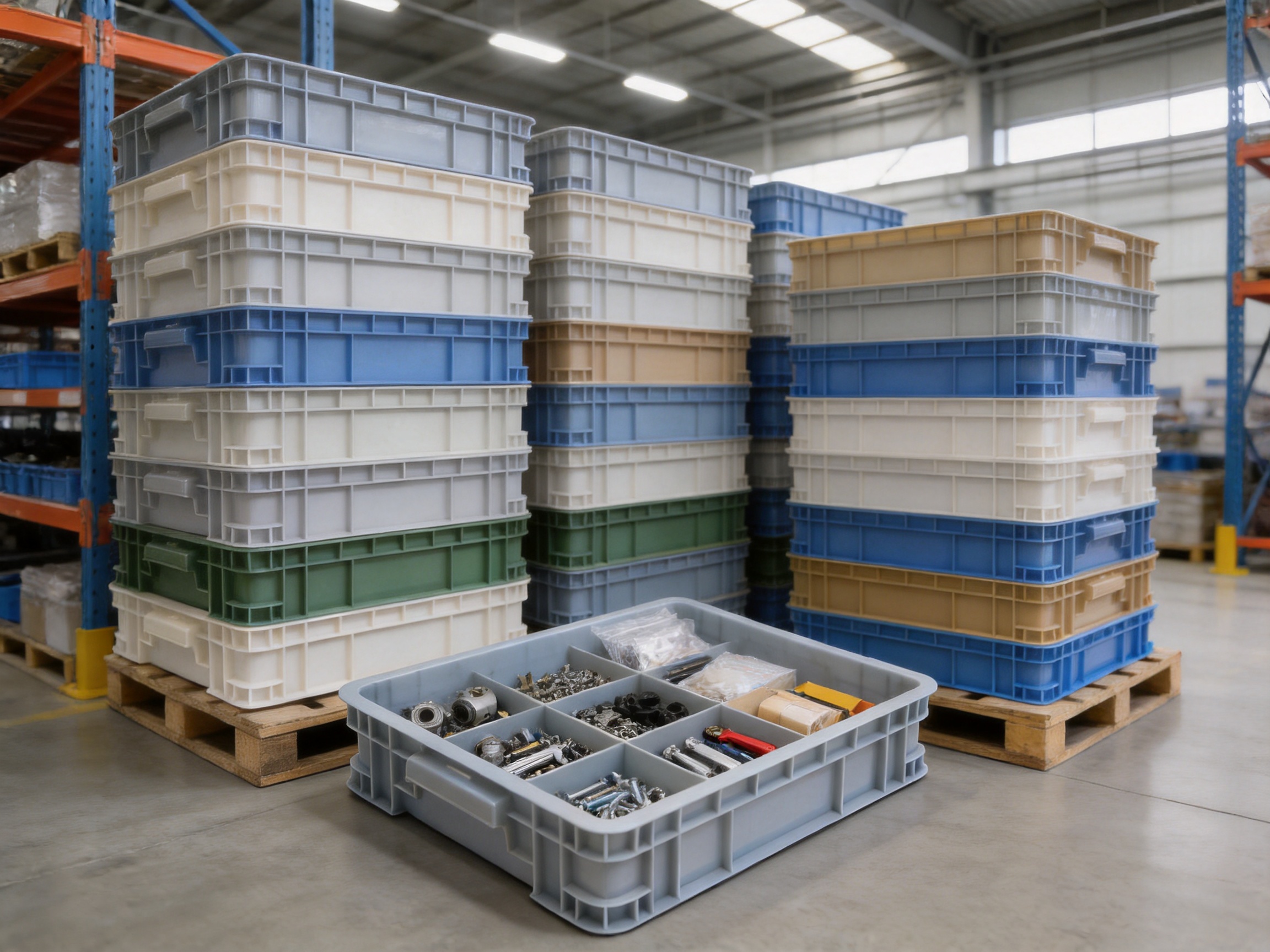
Stacking also supports visual management. Totes can be identified using labels, barcodes, color coding, or inventory tags. Multiple colors are available for this product category, which may allow businesses to create a practical visual classification system. For example, different colors may be assigned to raw materials, finished goods, quality-hold items, returns, maintenance parts, or different production lines.
Sturdy 10L Stackable Plastic Tote Box for Long Lasting Use
Advantages Over Conventional Storage Options
Businesses often compare reusable plastic totes with cardboard cartons, wooden boxes, open shelves, or low-cost disposable containers. Each option has a place in logistics, but the stackable HDPE tote offers several advantages where repeated handling and organized storage are priorities.
Compared with Cardboard Cartons
Cardboard cartons are widely available and convenient for one-way shipping, but they can deform under repeated stacking, especially when exposed to humidity or uneven loading. Their corners may become crushed, labels may be damaged, and their dimensions may change after use. This creates problems for long-term storage and repeatable warehouse organization.
The rigid plastic tote maintains its shape through repeated use and provides more reliable support for stacked loads. It can also be reused across many internal transport cycles. While the initial purchase price may be higher than that of a single cardboard carton, the total cost can become more favorable when the container replaces multiple disposable packages over time.
Compared with Thin Disposable Plastic Boxes
Thin disposable boxes may be suitable for lightweight, short-term applications, but they often provide limited resistance to impact and repeated stacking. Their sides may flex, their bases may deform, and their service life may be difficult to predict.
The BG-443310-ST is intended as a more durable reusable container. Its 0.75 kg weight reflects a structure designed for regular warehouse handling rather than one-time use. The combination of rigid plastic, defined dimensions, and stackable geometry supports more demanding logistics routines.
Compared with Open Shelving Alone
Open shelving provides direct access but does not itself contain loose parts. Small products may become mixed, fall behind other items, collect dust, or be misplaced during picking. Adding tote boxes to shelving creates a defined storage unit for each product group.
The 10-liter size can be used on shelves or workbenches to separate inventory while preserving access. It gives each group of items a physical boundary, making stock counting, relocation, and replenishment easier.
Compared with Oversized Bins
Large containers can hold more material, but they may encourage overloading and make individual items difficult to retrieve. They can also be heavy when full and consume more space than necessary for small components.
The 10-liter capacity provides a practical middle ground. It is appropriate for businesses that require a container with meaningful capacity but still want manageable handling and clear inventory separation. The shallow internal depth is useful for items that need to remain visible and accessible.
Support for Warehouse Efficiency
Warehouse efficiency depends on the interaction of people, products, information, and equipment. A tote box may appear simple, but a standardized container can influence several stages of the logistics process.
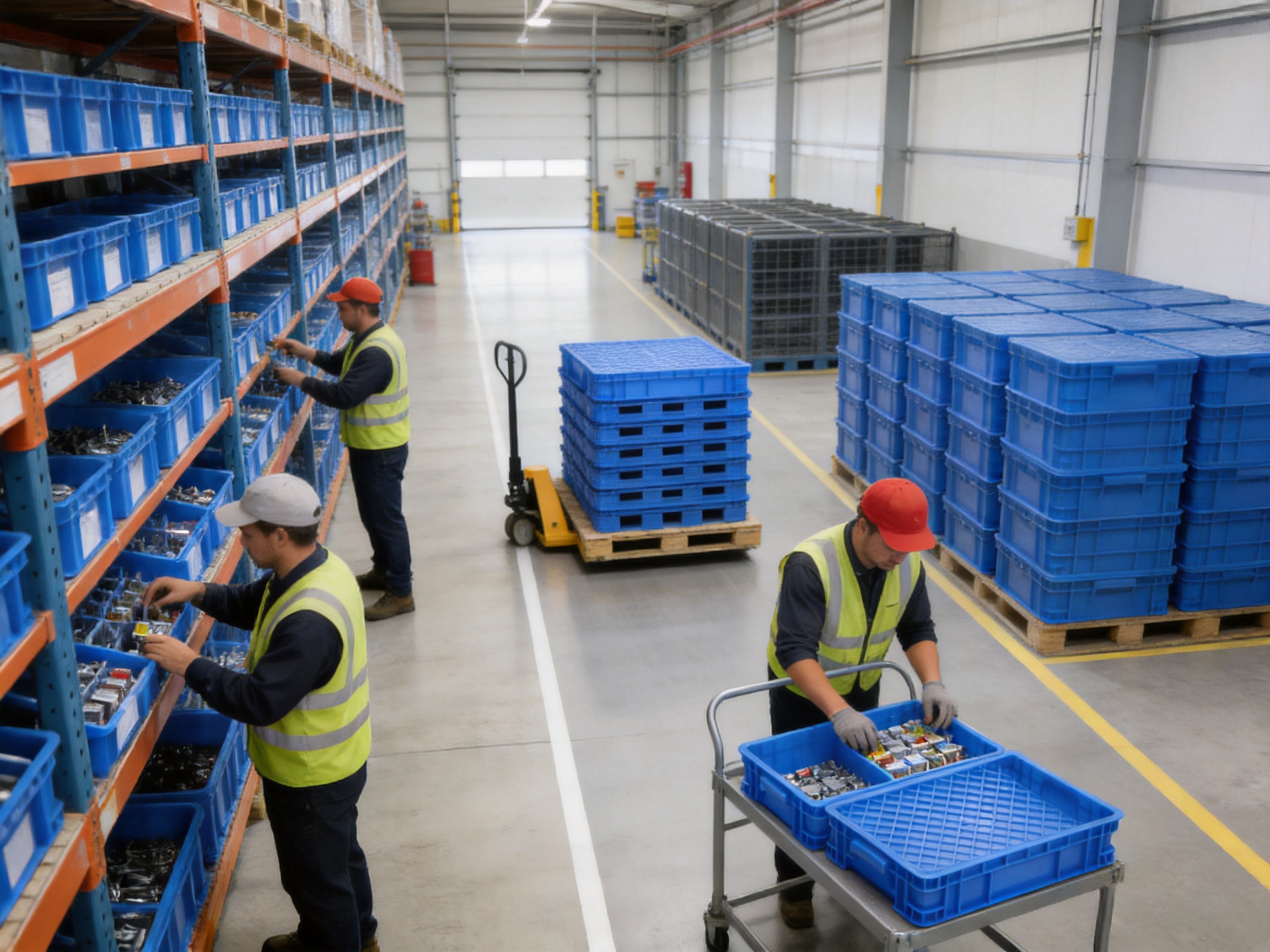
During receiving, products can be transferred from incoming packaging into designated totes. This may help remove damaged external packaging and establish a consistent internal storage method. During put-away, the standardized dimensions simplify location planning and make it easier to allocate shelves or rack positions.
During picking, workers can use separate totes for product groups or customer orders. The clear structure reduces the possibility of products being mixed during movement. During replenishment, containers can be moved directly from reserve storage to the workstation or picking face.
During production, totes can function as line-side containers. Parts can be prepared in advance, delivered according to a production schedule, and returned after use. This can reduce unnecessary walking, improve workstation organization, and help maintain a more orderly flow of components.
During dispatch, the totes can support temporary consolidation before goods are transferred to final shipping packaging. Even when the tote is not used as the final customer-facing package, it can improve internal handling and reduce the risk of loose products being lost or damaged.
The reusable nature of the container also supports reverse logistics. After a delivery or internal transfer, the empty tote can be returned, stacked, and placed back into circulation. A clearly defined return process helps prevent reusable containers from becoming scattered throughout the facility.
When combined with barcode or RFID-based inventory systems, standardized totes can also become part of a digital tracking process. A container identification label can be linked to a product group, work order, destination, or route. The tote itself does not replace warehouse management software, but its consistent physical format can support more reliable data-driven processes.
Reduced Storage and Transport Footprint
Warehouse costs are influenced by how efficiently a company uses floor area, rack volume, vehicle capacity, and labor time. The stackable form of this tote supports improvements in each of these areas.
In storage, vertical stacking can reduce the floor footprint required for a given number of containers. In transport, standardized dimensions make it easier to calculate how many units can fit on a pallet or in a vehicle. In handling, the lightweight 0.75 kg empty weight limits unnecessary tare weight compared with heavier containers made from wood or metal.
Empty-container management is another important consideration. When a reusable container is not carrying goods, it still occupies space. A stackable design helps businesses organize empty returns more efficiently. This is particularly valuable in closed-loop logistics systems where containers move repeatedly between suppliers, factories, distribution centers, stores, and service locations.
Reducing packaging waste can also support corporate sustainability goals. A reusable tote is not automatically sustainable in every situation; its environmental value depends on how often it is reused, how it is transported, and how it is handled at the end of its service life. However, replacing multiple single-use packages with a durable container can reduce material consumption when a suitable reuse cycle is maintained.
Businesses can improve the result by implementing return procedures, tracking container circulation, repairing or removing damaged units responsibly, and selecting appropriate loads. These measures help maximize the useful life of each tote and improve the economic return on the initial investment.
Product Protection and Handling Safety
Storage containers protect more than the products inside them. They can also improve workplace safety by reducing loose items, unstable piles, and unnecessary manual searching. When small components are placed in defined containers, the risk of products spilling across walkways or work surfaces may be reduced.
The rigid walls of the tote provide a barrier against incidental contact during normal handling. They also help keep parts together during movement. This is useful for products that are difficult to manage in open trays or soft packaging.
Stable stacking is essential to safe use. Operators should place containers on level surfaces, avoid exceeding appropriate load limits, keep stacks within recommended heights, and inspect damaged containers before use. Heavy items should be distributed evenly across the base rather than concentrated in one area.
Workers should also use suitable handling equipment when moving large quantities of filled totes. Manual lifting procedures should account for the weight of the contents, not only the empty container. Pallet trucks, carts, shelving, and other equipment should be selected according to the total load and operating environment.
For products that require special protection from static electricity, chemicals, extreme temperatures, or food-contact contamination, the application should be reviewed separately. Standard HDPE construction is suitable for many warehouse purposes, but specialized requirements may call for additional material grades, treatments, covers, or compliance documentation.
Manufacturing Process and Quality Control
The performance of a reusable tote depends not only on the polymer selected but also on how the product is manufactured. Consistent molding, controlled dimensions, proper cooling, inspection, and effective process management are all important to the finished result.
The supplier describes a manufacturing system based on standardized processes and strict quality control. This approach begins with raw material sourcing and continues through production and final inspection. Process control helps reduce variation between batches and supports consistent fit, appearance, strength, and stacking performance.
Raw Material Management
Raw material quality influences the strength, stiffness, surface finish, and service life of a plastic container. The product specification identifies HDPE as the material for this model. The supplied company information also refers to the use of virgin polymer material within its quality-control practices. For a specific order, buyers should confirm the exact resin grade, recycled-content policy, colorant system, and technical documentation required for their application.
Controlled material sourcing helps manufacturers maintain stable processing conditions. It also allows production teams to identify the source of materials and manage color, batch, and formulation requirements more effectively.
Molding and Dimensional Control
Plastic totes are generally formed using industrial molding equipment capable of producing repeatable shapes at scale. During this stage, attention must be given to wall thickness, base structure, corners, stacking interfaces, rim geometry, and cooling behavior.
Dimensional accuracy is important because the tote must fit with other containers, storage shelves, pallets, or handling systems. If dimensions vary excessively, stacks may become unstable or storage layouts may become inefficient. A standardized process helps ensure that the external 440×330 mm footprint and 100 mm height remain consistent with the intended logistics system.
Inspection at Multiple Stages
Quality inspections performed only at the end of production may not identify the root cause of defects quickly enough. A stronger system examines materials, machine settings, molded products, and finished batches at multiple stages.
Typical inspection areas may include appearance, dimensions, weight, surface condition, deformation, cracks, flash, color consistency, and stacking fit. The stated product weight of 0.75 kg can also serve as one reference point for batch consistency, although acceptable tolerances should be confirmed in the technical specification.
Inspection records help manufacturers identify recurring issues and improve production stability. They also give buyers greater confidence when ordering repeated quantities for large warehouse projects.
Standardized Production Procedures
Standard operating procedures provide a repeatable framework for production personnel. They may cover mold preparation, material loading, machine setup, inspection frequency, product handling, packaging, storage, and dispatch. Standardization reduces dependence on individual judgment and helps maintain consistent quality across different production runs.
The company emphasizes streamlined and standardized processes designed to deliver qualified products that meet strict standards. This is particularly important for logistics equipment because even small variations can affect how products stack, fit on shelves, or move through a facility.
Customization and Color Management
Multiple color options and customization support can help businesses adapt the tote box to their operating procedures. Color is often used as a simple visual management tool. A warehouse may assign one color to incoming inspection, another to approved stock, another to returns, and another to materials awaiting production.
Color coding can reduce reliance on text labels alone, especially in fast-moving environments. It can help employees identify the intended use of a container at a glance and may reduce sorting errors. However, colors should be combined with clear written labels or barcode systems so that the process remains reliable under different lighting and staffing conditions.
Customization may also involve labels, logos, markings, special packaging, or order quantities. The feasibility of each option depends on the required volume, production schedule, color requirements, and technical design. Buyers should provide detailed information about the operating environment and intended contents before confirming a customized order.
For companies with facilities in multiple locations, standardizing the same tote model and color system across sites can improve training and inter-warehouse transfers. A common container format makes it easier to move inventory between facilities without changing storage methods or handling procedures.
Applications Across Multiple Industries
Manufacturing and Assembly
Manufacturers can use the tote for line-side parts presentation, kitting, component storage, work-in-progress handling, and finished-part organization. The shallow format allows operators to access components quickly, while stackability helps conserve space around production lines.
For kitting operations, a tote can contain the parts needed for one assembly, batch, or production order. This approach can reduce component mixing and make missing items easier to identify before work begins.
E-Commerce and Distribution
E-commerce warehouses handle large numbers of small orders, making organization and picking speed especially important. The tote can be used to separate order lines, group products by route, organize returns, or move goods between picking and packing stations.
Its standardized shape is suitable for shelves, carts, and worktables. The reusable structure can also reduce dependence on temporary cardboard cartons during internal movement.
Automotive and Machinery Parts
Automotive and machinery operations frequently manage bolts, fittings, seals, brackets, electrical parts, and replacement components. These products may be small but critical, and they benefit from being kept in dedicated containers.
Using a separate tote for each part number or service kit can improve stock accuracy and reduce the likelihood of mixing similar-looking components.
Retail and Supermarket Backrooms
Retail staff can use the tote to organize replenishment stock, promotional materials, seasonal products, and backroom supplies. The stackable design helps maintain order where storage space is limited and goods must be moved frequently to the sales floor.
Maintenance and Service Operations
Maintenance teams can assign containers to specific machines, service routes, or repair tasks. A tote containing the necessary replacement parts can be prepared before a technician begins work, reducing repeated trips to a central storeroom.
Warehousing and Third-Party Logistics
Third-party logistics providers need flexible storage equipment that can support different customers and product categories. A standardized 10-liter tote can be integrated into multiple workflows, making it easier to reorganize storage as customer requirements change.
Integration with Warehouse Racks and Handling Equipment
The tote is designed for use as part of a broader logistics system rather than as an isolated product. It can be placed on shelving, workstations, carts, pallets, or other suitable storage surfaces. Its rectangular dimensions help businesses create consistent bays and storage positions.
When used with warehouse racks, operators should verify shelf width, depth, load rating, beam spacing, and access requirements. The tote’s external dimensions should be compared with the usable rack dimensions rather than the nominal rack size. Sufficient clearance should be maintained for safe placement and removal.
When moved using pallet trucks or carts, the boxes should be secured against sliding or falling. Multiple totes may be arranged on a pallet according to a stable loading plan. The total pallet weight, stack height, and vehicle capacity should be checked before transport.
In facilities using conveyors or automated equipment, compatibility should be confirmed in advance. Important factors may include base flatness, sidewall geometry, barcode placement, container rigidity, and sensor recognition. The tote can support organized material flow, but automated integration should always be tested under actual operating conditions.
How to Select the Right Quantity
The number of totes required depends on inventory volume, process cycle time, return frequency, and the number of operating locations. A company should consider how many containers are needed at receiving, reserve storage, production, picking, packing, dispatch, and return points.
A simple planning method is to calculate the number of active containers required for each process and then add a reserve. The reserve accommodates cleaning, inspection, temporary demand increases, damage replacement, and containers in transit between facilities.
Businesses using a closed-loop system should also consider the time required for a tote to complete one circulation cycle. If a container remains away from the main facility for several days, more units may be necessary to prevent shortages.
For a new warehouse project, it may be useful to conduct a pilot test. A limited quantity can be used to evaluate product fit, stacking behavior, label placement, worker acceptance, cleaning requirements, and compatibility with existing equipment. Results from the pilot can guide a larger purchase.
Best Practices for Long-Lasting Use
Although the tote is designed for durable use, proper operating practices will extend its service life. Containers should be loaded according to their intended application, with heavy or sharp objects positioned carefully to avoid concentrated stress.
Operators should avoid throwing totes, dragging them across abrasive surfaces, or using them as steps. Sudden impacts can damage rims, corners, or stacking interfaces. A damaged container should be removed from active use and inspected before being returned to service.
Storage conditions also matter. Long-term exposure to excessive heat, direct sunlight, or incompatible chemicals may affect plastic products over time. When totes are not in use, they should be stored in a clean, stable area and protected from conditions outside their intended operating range.
Cleaning procedures should be appropriate for the contents and the material. Mild cleaning methods are often sufficient for ordinary warehouse dust and residue. Strong chemicals, very high temperatures, or aggressive mechanical cleaning should be evaluated before routine use.
Inventory labels should be applied to surfaces where they remain visible and do not interfere with stacking. If labels are frequently changed, companies may use removable holders or standardized identification cards. A consistent labeling system is essential for gaining the full organizational benefit of reusable totes.
Purchasing Considerations for Global Buyers
International buyers should evaluate more than the product dimensions. Important considerations include order quantity, color requirements, packaging method, production lead time, delivery schedule, inspection documentation, payment terms, and after-sales communication.
The supplier states that products are available from stock for fast delivery, although actual availability should be confirmed at the time of inquiry. Stock status may vary according to color, quantity, customization, and destination.
Buyers should also confirm whether the quoted specification applies to the exact production batch. Questions may include the permitted dimensional tolerance, material grade, stacking recommendations, load guidance, color consistency, packaging configuration, and inspection procedure.
For large warehouse deployments, it is beneficial to provide a layout or application description. Information about racks, shelves, pallets, conveyors, product weights, operating temperatures, and handling equipment can help the supplier recommend the correct configuration and identify any compatibility issues.
Reliable communication is particularly important for global logistics projects. A supplier with experience in warehousing and material handling equipment can provide broader support than a general packaging distributor. This may include advice about storage containers, pallet trucks, stackers, plastic pallets, stretch wrap, packing strapping, and warehouse racks.
Supplier Strengths and Integrated Logistics Support
Yancheng Bingo Machinery Equipment Co., Ltd. specializes in warehousing and logistics equipment, including handling equipment, storage containers, packaging materials, and warehouse racking. Its product range covers manual and electric pallet trucks, stackers, plastic pallets, plastic totes, crates, bulk containers, stretch wrap, packing strapping, and rack systems.
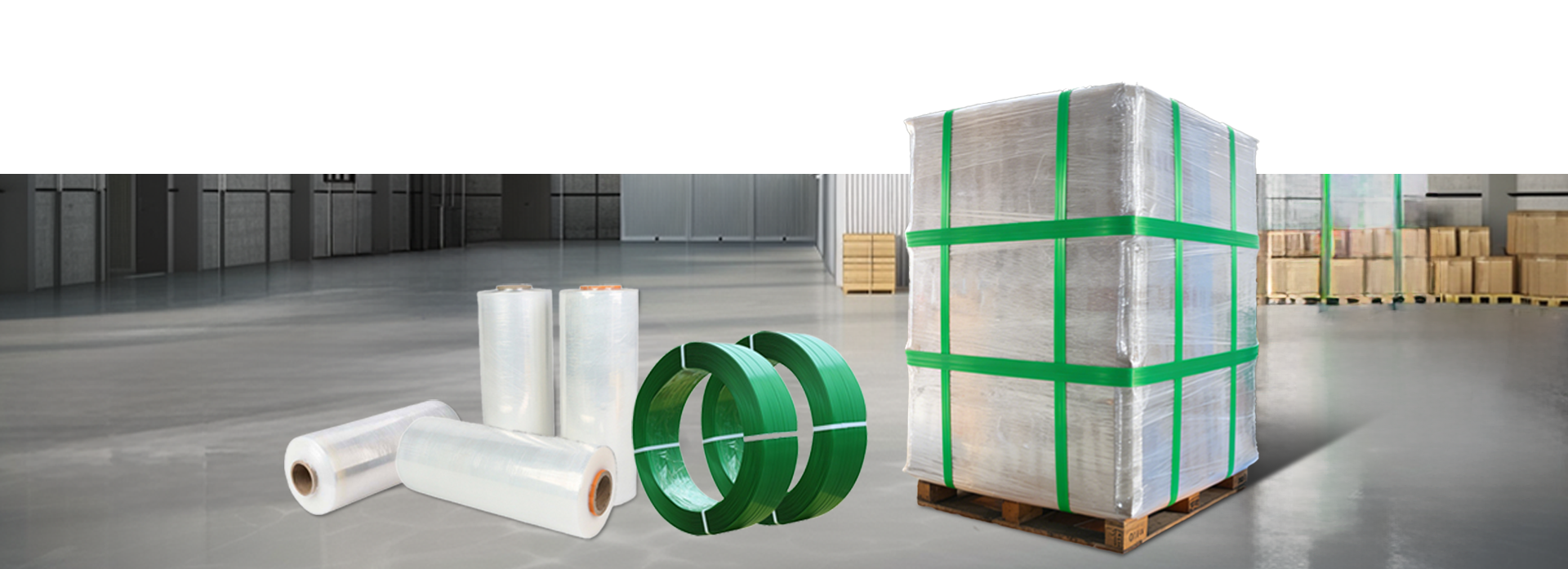
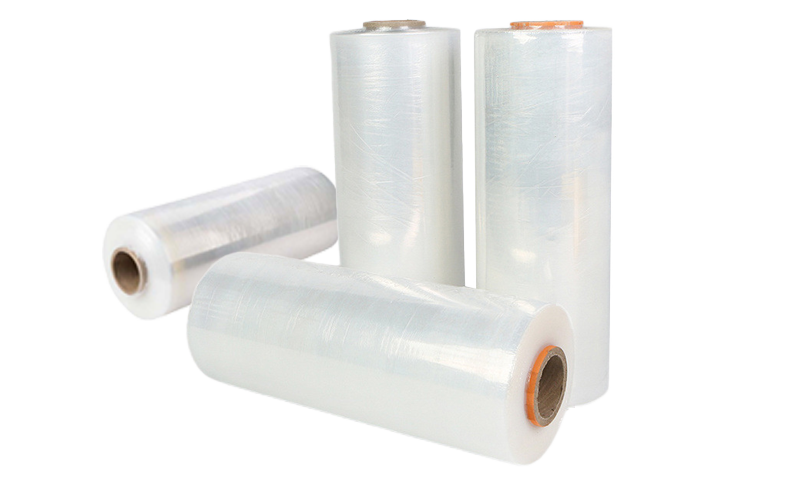
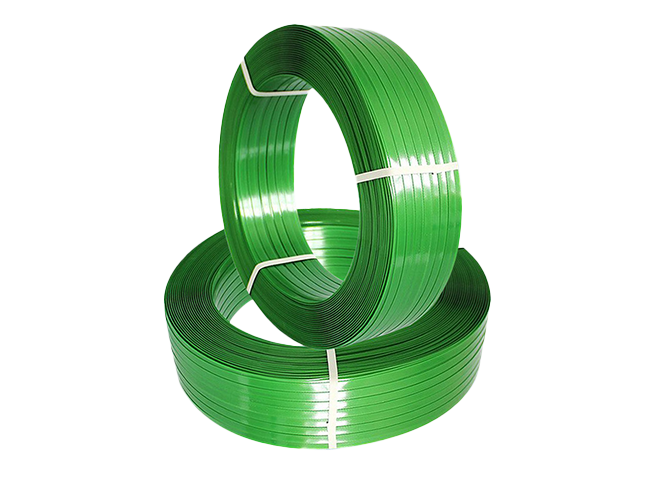
This broad portfolio allows customers to source multiple elements of a warehouse project from one supplier. A company purchasing the BG-443310-ST tote may also require pallet trucks for internal movement, racks for vertical storage, stretch film for outbound loads, or packing strapping for shipping operations. Coordinating these categories through one experienced supplier may simplify communication and project management.
The company presents itself as a global partner for smart logistics and focuses on one-stop material storage and handling solutions. Its stated markets include manufacturing, e-commerce logistics, warehousing and distribution, and supermarket retail. These applications require different combinations of storage density, movement efficiency, packaging control, and product durability.
Quality is identified as a core value, supported by a mature supply-chain system and strict inspection procedures. For customers, this focus is relevant because warehouse containers are often purchased in large quantities and expected to perform consistently across long service periods.
The supplier’s manufacturing and service strengths are especially useful for buyers seeking more than a standard off-the-shelf product. Multiple colors, specification support, customization, stock availability, and international sales experience can help adapt the tote to specific warehouse processes.
Frequently Asked Questions
What is the capacity of this plastic tote box?
The tote has a nominal capacity of 10 liters. Its internal dimensions are approximately 400×300×90 mm, providing a shallow rectangular storage area for parts, inventory, packaged goods, and other suitable materials.
What material is used to make the container?
The product specification identifies HDPE, or high-density polyethylene, as the main material. Buyers requiring a particular resin grade, recycled-content level, or compliance standard should confirm the detailed material specification before ordering.
Can the tote boxes be stacked?
Yes. The tote is designed for stacking and can be stacked up to 10 or more layers under appropriate conditions, according to the supplied information. Safe stacking depends on load weight, surface stability, stack height, and the operating environment.
What are the external dimensions?
The external dimensions are 440×330×100 mm. These dimensions are suitable for organized placement on shelves, workstations, pallets, and other compatible warehouse equipment.
How much does one empty tote weigh?
The listed weight is 0.75 kg per tote. The total handling weight will depend on the products stored inside the container.
What types of products can be stored in it?
The tote is suitable for many small and medium-sized warehouse items, including components, hardware, maintenance parts, tools, packaged accessories, order-picking items, and production materials. Users should confirm that the stored goods are compatible with the container material and dimensions.
Can different colors be supplied?
Multiple colors are available for this product category. Color availability, minimum order quantity, and customization options should be confirmed with the supplier for each order.
Is the tote suitable for manufacturing lines?
Yes. Its capacity, shallow profile, and stackable structure make it suitable for line-side storage, kitting, work-in-progress handling, and component presentation. It can help keep parts organized near assembly or processing stations.
Can it be used in e-commerce warehouses?
Yes. It can support picking, sorting, order consolidation, returns processing, and internal transport. Totes may be assigned to product categories, customer orders, routes, or processing stages.
How can the tote reduce warehouse costs?
Its reusable design can reduce dependence on disposable packaging, while stackability can improve use of vertical space and empty-return transport. The exact savings depend on purchase price, reuse frequency, handling procedures, and the warehouse’s existing packaging system.
Can the tote be customized?
The supplied information states that customization is supported. Possible options may include colors, markings, labels, or other order-specific requirements. The available options should be discussed with the supplier before production.
Is the product available from stock?
The supplier states that products are in stock and ready to ship. Actual stock availability should be checked for the required model, color, quantity, and delivery destination.
How should the containers be cleaned?
Cleaning should be based on the type of residue and the intended application. A suitable mild cleaning method should be tested first. Users should confirm compatibility before applying strong chemicals, high temperatures, or aggressive cleaning equipment.
Can the tote be used outdoors?
The product is primarily presented for warehouse and logistics use. Outdoor use should be evaluated according to exposure to sunlight, rain, temperature changes, chemicals, and impact. Buyers should request application guidance if outdoor storage is required.
What should buyers confirm before placing a large order?
Buyers should confirm dimensions, weight, capacity, material grade, color, tolerances, stacking recommendations, load requirements, packaging, quantity, lead time, inspection documentation, and delivery terms. A trial order may be useful for testing compatibility with existing warehouse equipment.
Conclusion
The 10L Stackable Plastic Tote Box, model BG-443310-ST, is a practical storage and transport solution for businesses that require durable, reusable, and space-efficient containers. Its HDPE construction supports repeated handling, while the 440×330×100 mm external dimensions provide a standardized footprint for shelves, pallets, workstations, and logistics operations.
The 10-liter capacity is versatile enough for parts, components, maintenance materials, retail stock, and e-commerce picking tasks. The internal dimensions of 400×300×90 mm offer a shallow storage area that improves accessibility and visual organization. The stackable design supports vertical storage, more efficient empty transport, and improved use of warehouse space.
Compared with disposable cartons and lightweight temporary packaging, this tote offers better potential for repeated use, consistent dimensions, and organized material flow. Its value is further strengthened by multiple color options, customization support, stock availability, and the supplier’s wider range of handling, storage, packaging, and racking equipment.
For companies seeking to reduce operational costs and improve warehouse efficiency, the container can become part of a broader logistics improvement program. When combined with clear labeling, appropriate stacking practices, inventory procedures, and regular inspections, it can support safer handling, faster picking, better space utilization, and more reliable supply-chain performance.
References
1. Product specification sheet for BG-443310-ST 10L Stackable Plastic Tote Box.
2. Manufacturer-provided information regarding HDPE material, dimensions, capacity, weight, color options, stacking capability, and quality-control procedures.
3. General warehouse storage and material-handling principles relating to reusable containers, vertical space utilization, inventory organization, and internal logistics.
4. General packaging management practices concerning reusable transport packaging, reverse logistics, container circulation, and waste reduction.
5. General industrial quality-management practices covering raw-material control, standardized production, dimensional inspection, batch consistency, and finished-product evaluation.
Product: Sturdy 10L Stackable Plastic Tote Box for Long Lasting Use

Copyright @ Yancheng Bingo Machinery Equipment Co., Ltd. All rights reserved Warehouse Logistics Equipment Manufacturer Pallet Truck Supplier
