 en
en  Español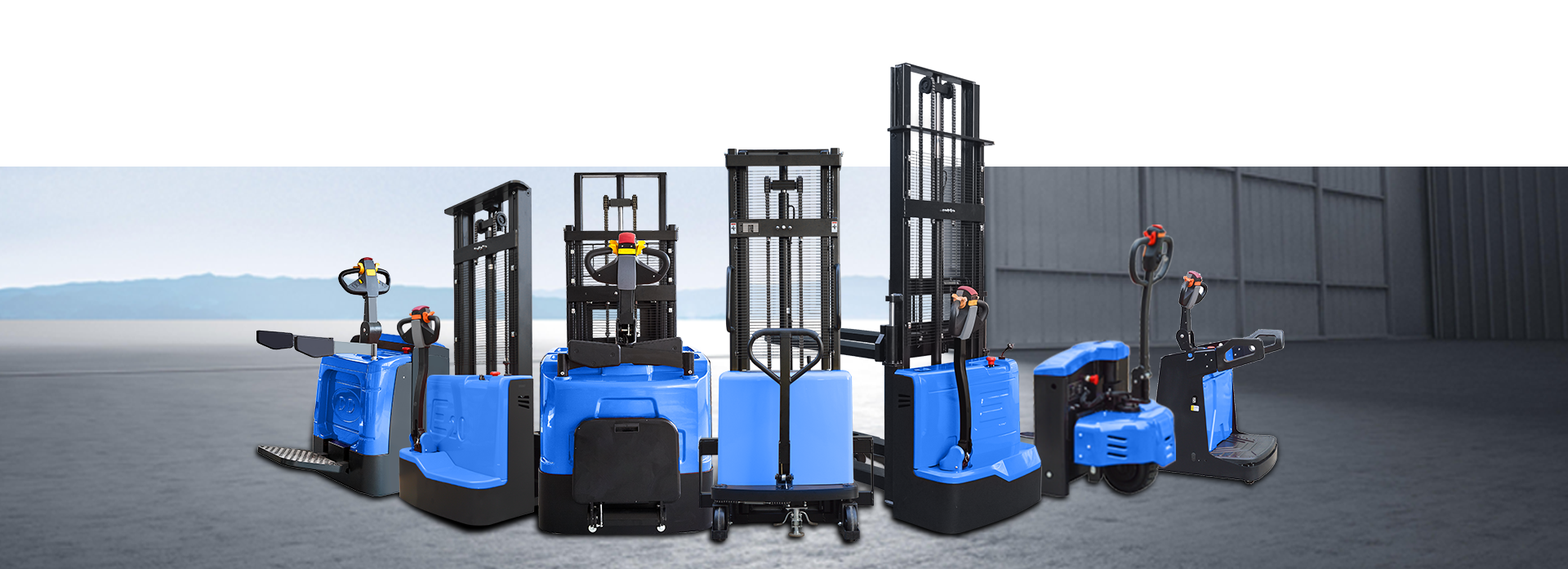

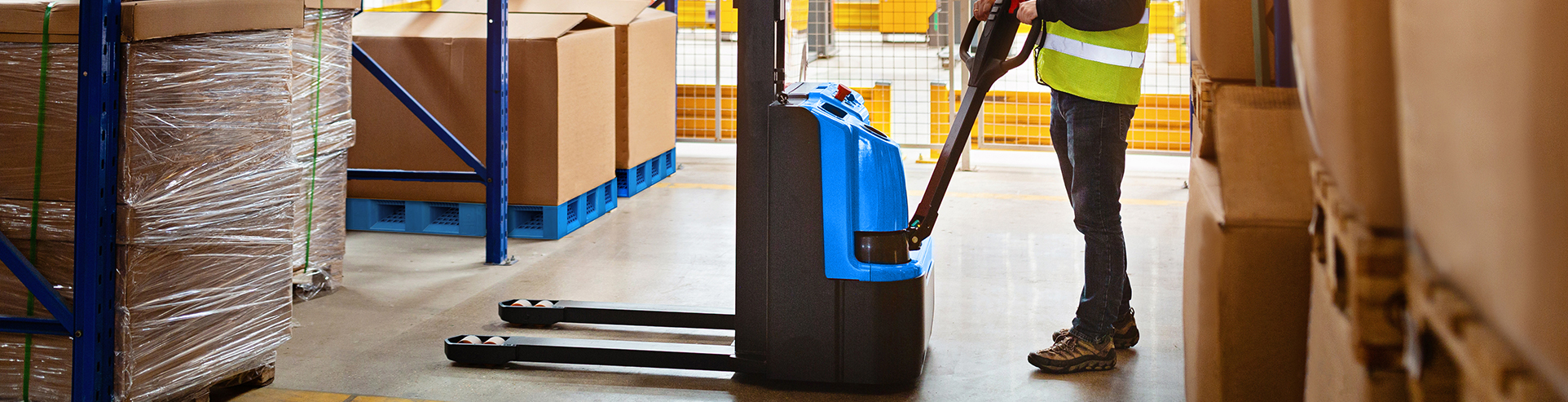
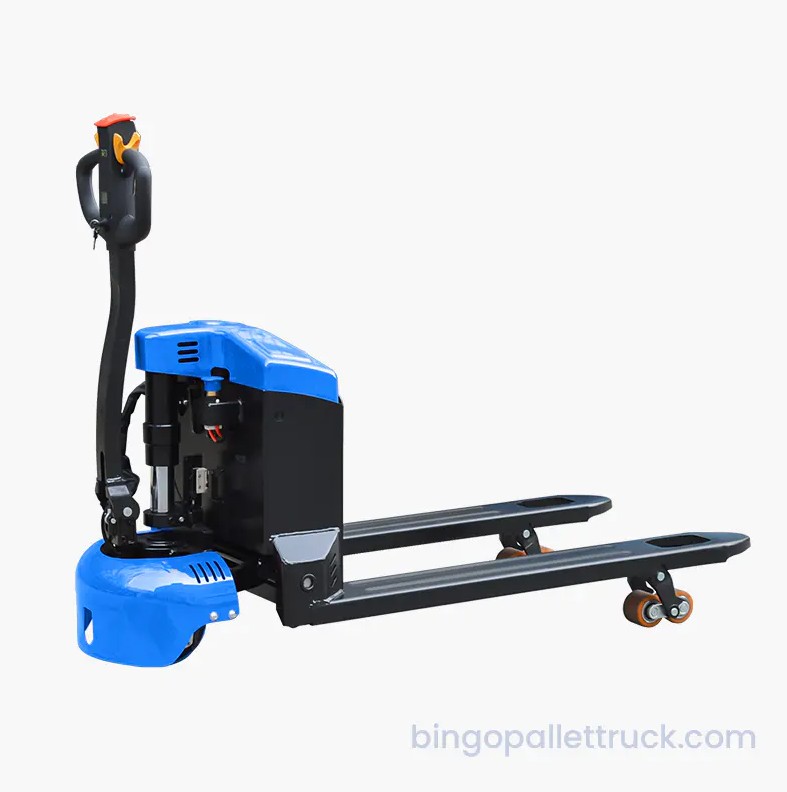
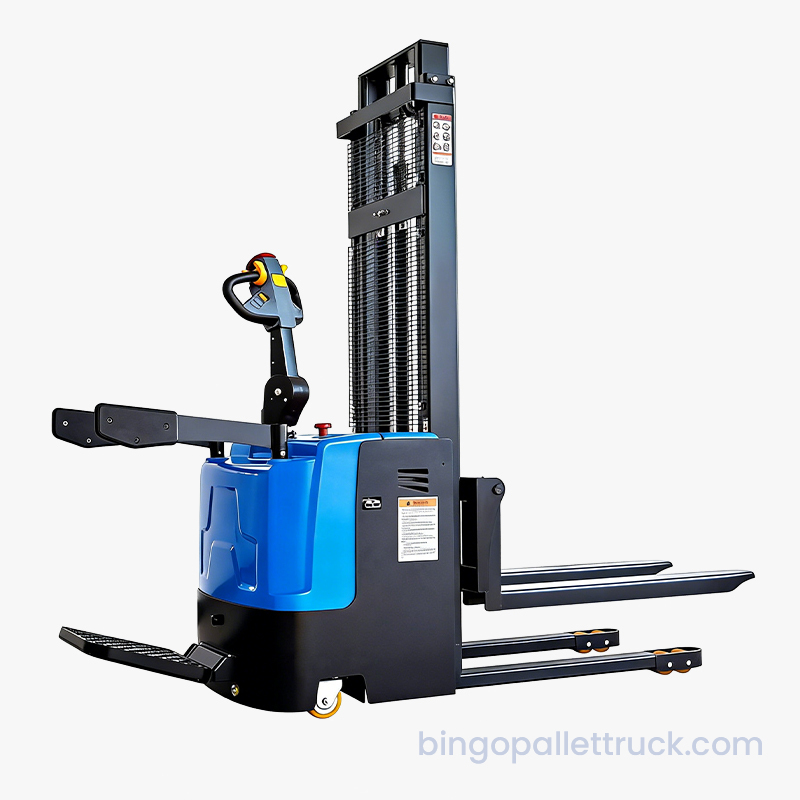
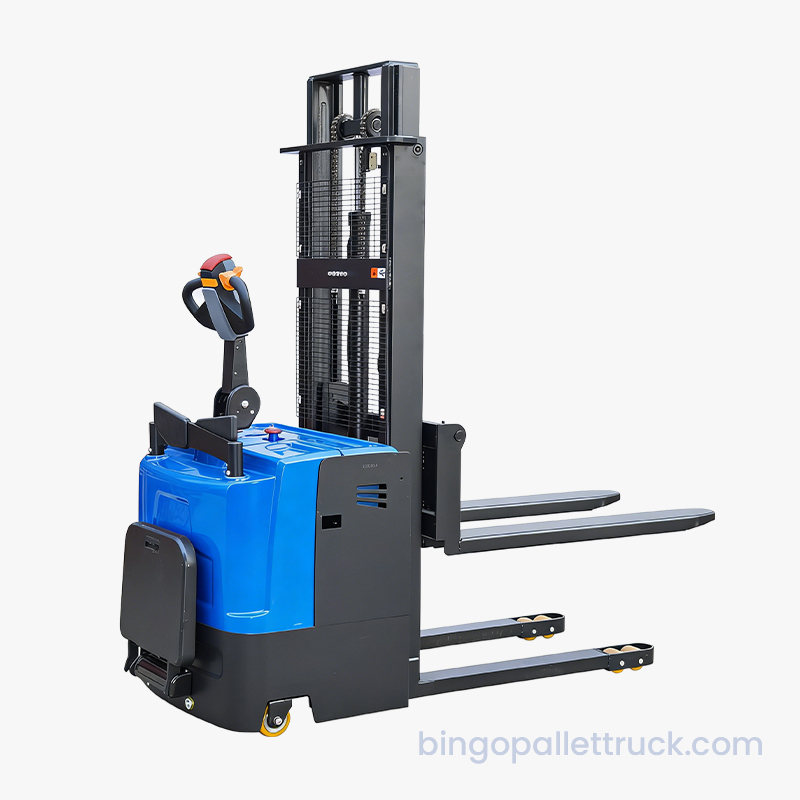
2000kg Electric Stand-On Reach Stacker for Narrow-Aisle Warehousing
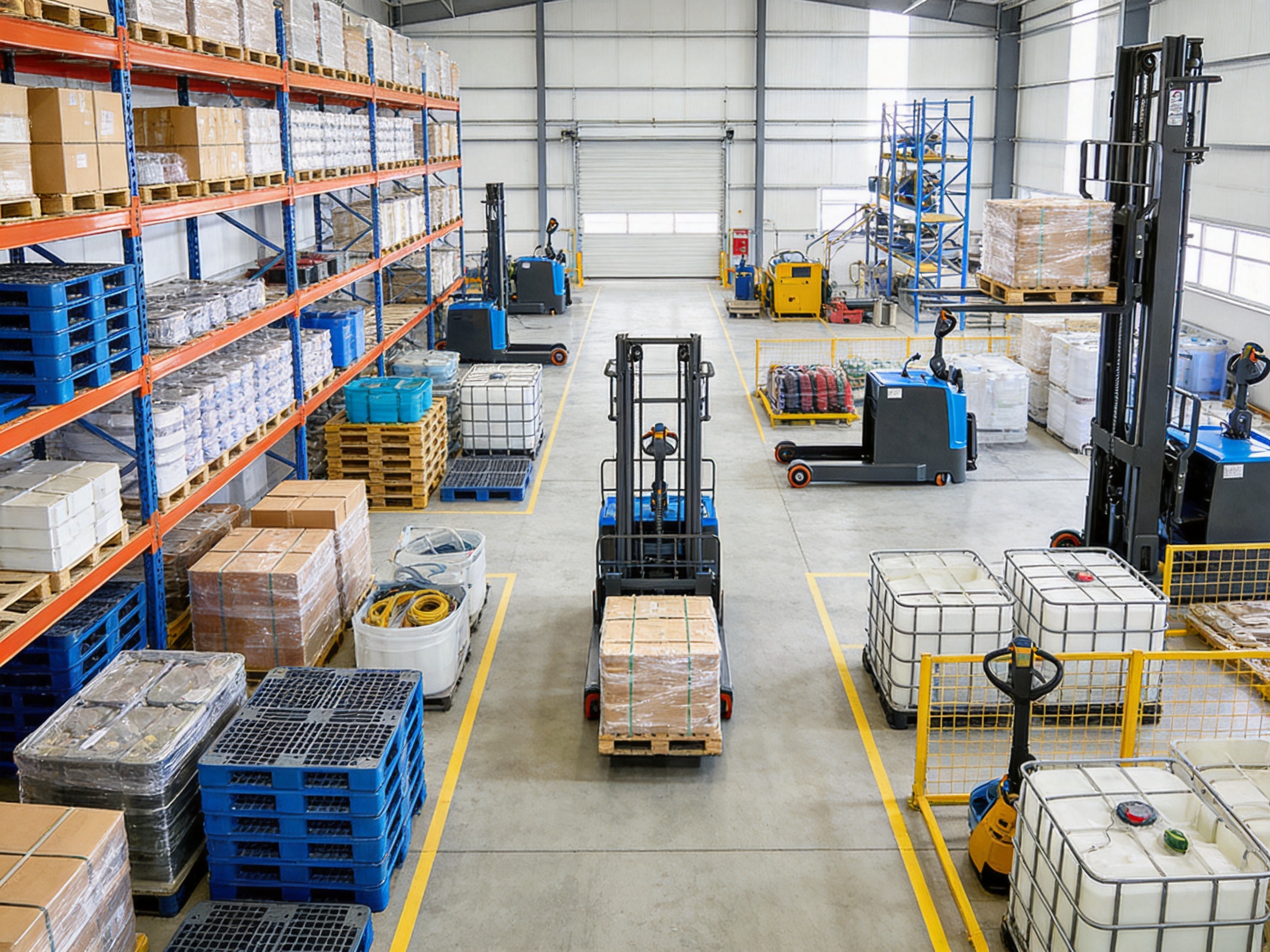
Modern warehouses need equipment that can move heavy pallets accurately, safely, and efficiently within increasingly limited floor space. The CQDA20E electric stand-on reach stacker is designed for this exact challenge. With a rated load capacity of 2,000 kilograms, a compact operating profile, electric steering, reach functionality, and a choice of lift heights from 2,000 to 3,500 millimeters, it provides a practical solution for pallet handling in manufacturing plants, distribution centers, e-commerce warehouses, supermarket back rooms, and general logistics operations.
This stand-on reach stacker combines the maneuverability of a compact warehouse truck with the load-handling capability normally associated with larger industrial equipment. Its narrow overall width, short turning radius, polyurethane wheels, adjustable fork spread, and reach distance of 550 to 650 millimeters allow operators to work productively in confined aisles. At the same time, its robust frame, 2.2 kW drive motor, 2.2 kW lift motor, electromagnetic service brake, and 24 V/240 Ah battery provide the power needed for demanding warehouse cycles.
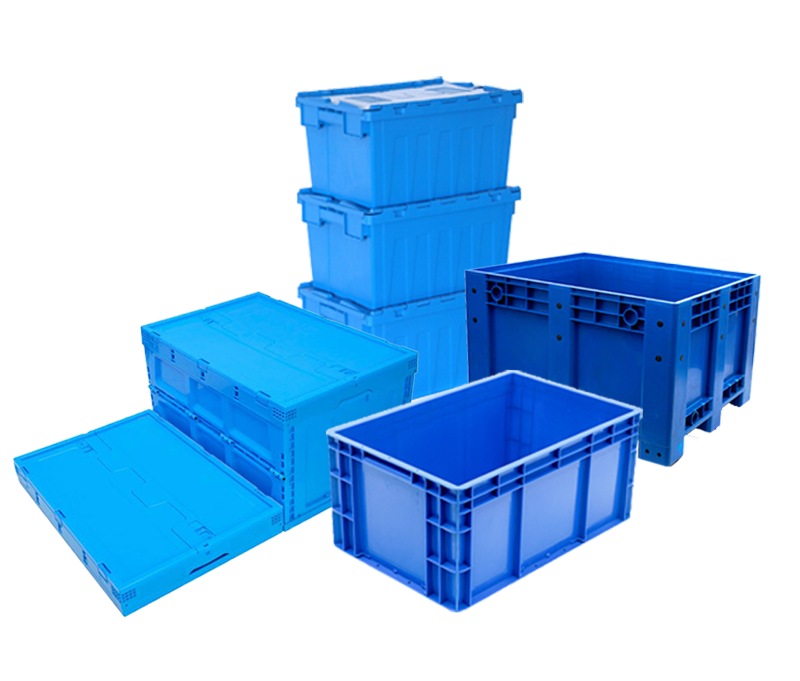
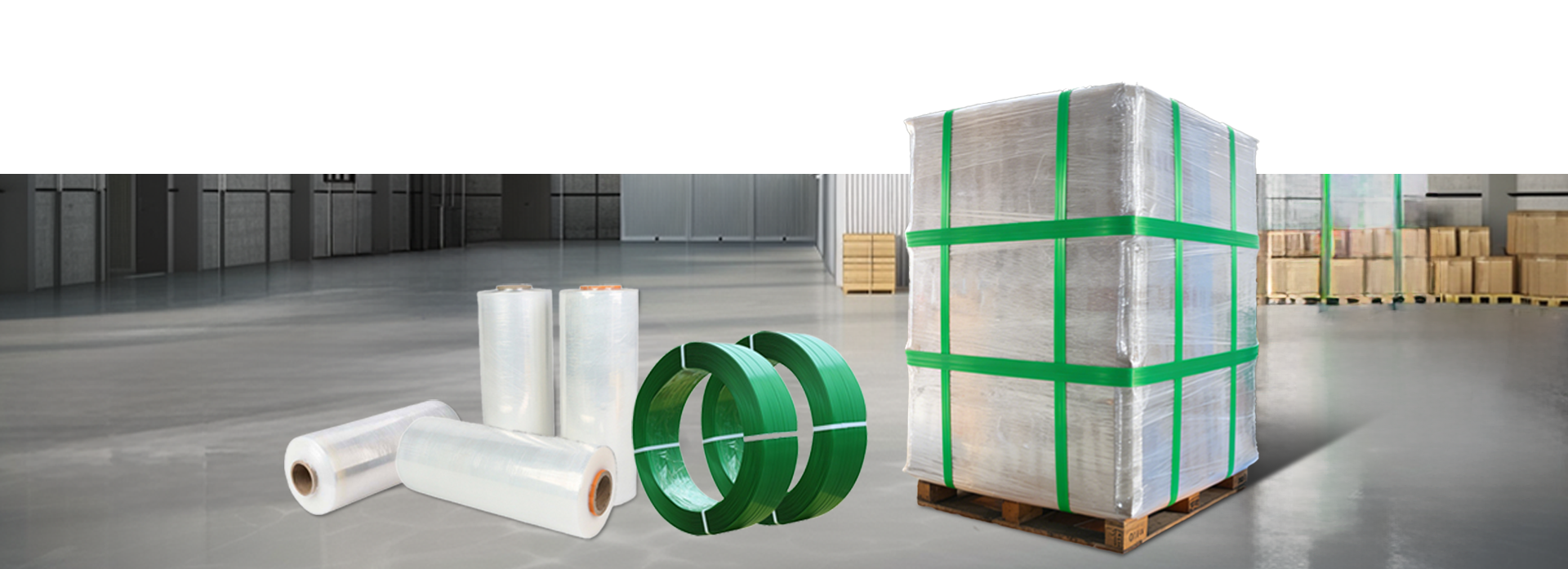
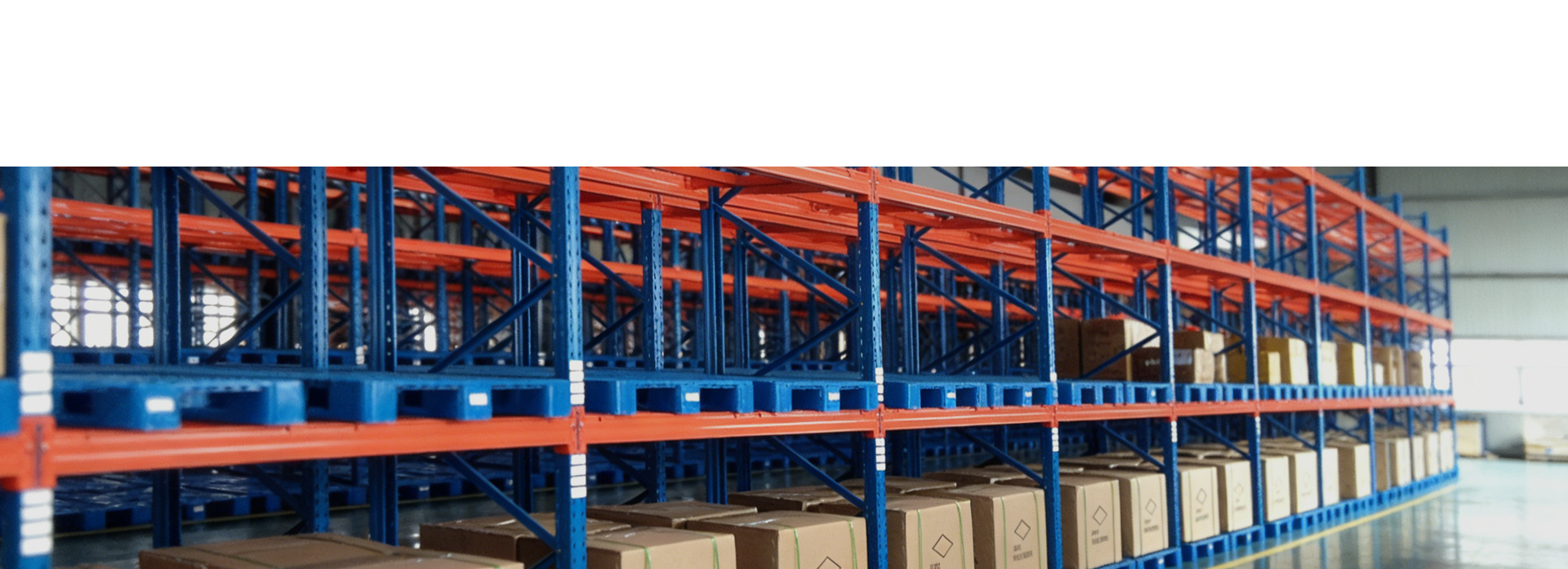
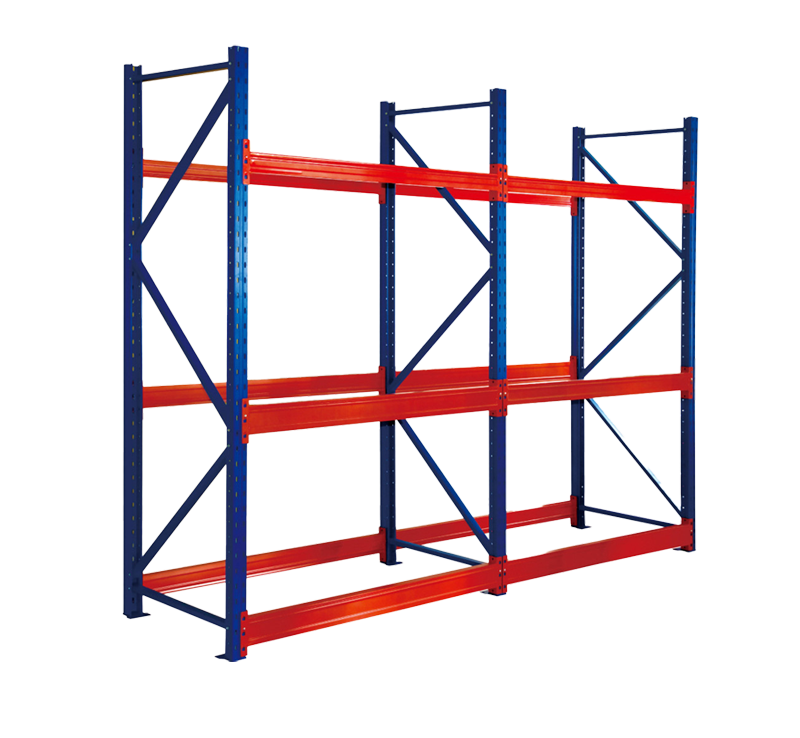
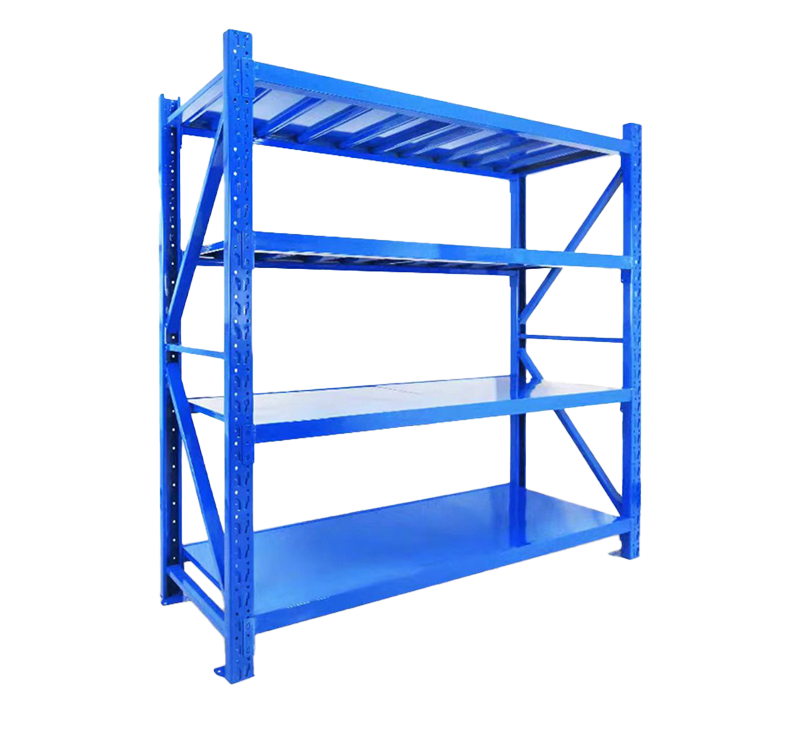
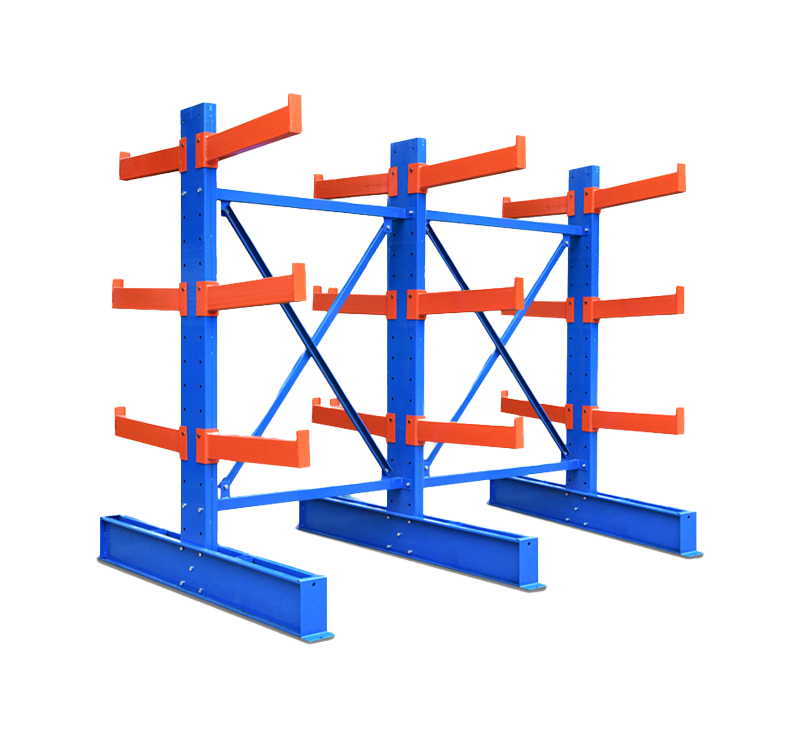
The machine is supplied by Yancheng Bingo Machinery Equipment Co., Ltd., a warehouse logistics equipment manufacturer and integrated material-handling supplier based in Jiangsu, China. The company provides equipment across four related product systems: handling equipment, storage containers, packaging materials, and warehouse racks. This broader manufacturing and supply-chain scope enables customers to source pallet handling equipment together with storage and packaging products from one experienced industrial partner.
Content
- 1 Why Narrow-Aisle Warehouses Need Reach Stackers
- 2 Core Product Capabilities
- 3 Compact Dimensions for Efficient Aisle Operation
- 4 Electric Performance and Battery Configuration
- 5 Operator Ergonomics and Daily Productivity
- 6 Safety Features for Heavy Warehouse Loads
- 7 Structural Strength and Heavy-Duty Working Capability
- 8 Advantages Compared with Alternative Equipment
- 9 Optional Equipment for Application Flexibility
- 10 Manufacturing and Quality Strengths
- 11 Recommended Warehouse Applications
- 12 Operational Planning and Total Cost Considerations
- 13 Installation, Training, and Fleet Integration
- 14 Technical Specification Summary
- 15 Frequently Asked Questions
- 15.1 What is the rated capacity of the CQDA20E?
- 15.2 Is the CQDA20E designed for narrow aisles?
- 15.3 What lift heights are available?
- 15.4 What type of battery does the machine use?
- 15.5 Can the forks be adjusted for different pallets?
- 15.6 Does the stacker include operator protection features?
- 15.7 Is fork tilt available?
- 15.8 What industries can use this reach stacker?
- 15.9 What are the main benefits of the stand-on design?
- 15.10 What should be checked before purchasing?
- 15.11 Does the manufacturer provide other warehouse products?
- 16 Conclusion
- 17 References
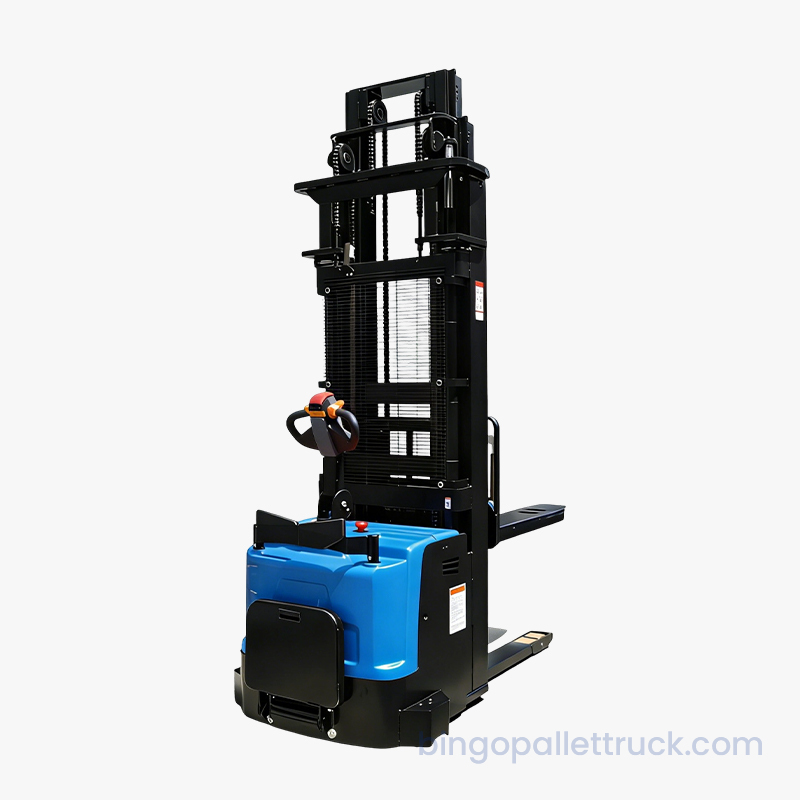
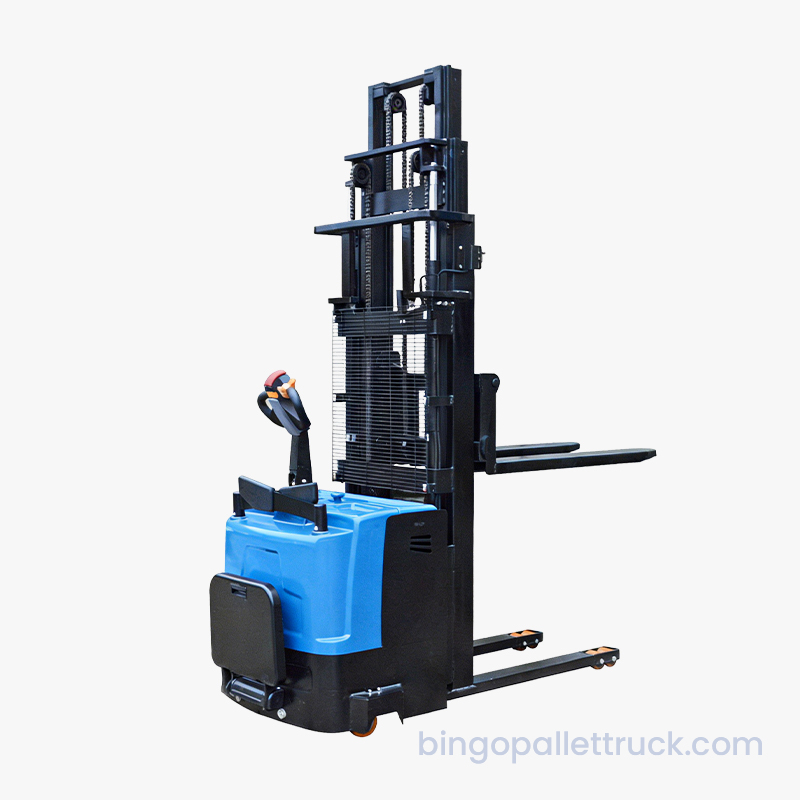
- 18 Product: 2000kg EPS Electric Stand-on Reach Stacker for Narrow Aisle Heavy Duty Warehousing
Why Narrow-Aisle Warehouses Need Reach Stackers
Warehouse space is expensive. Every additional aisle, turning area, or staging zone reduces the amount of floor area available for inventory. Many operators therefore seek to increase storage density by narrowing aisles and building upward. This strategy can reduce property costs and improve inventory capacity, but it also creates a demanding operating environment for material-handling equipment.
A conventional counterbalance forklift may have sufficient lifting capacity, yet its larger rear counterweight and longer turning radius can make it difficult to operate between closely spaced racks. A pedestrian stacker may be more compact, but it may not offer the same load capacity, driving comfort, or productivity for intensive warehouse work. A conventional reach truck can solve some of these problems, but it may be unnecessarily large or costly for facilities that need a compact stand-on design.
The CQDA20E addresses this gap. It is engineered for operators who need a 2,000 kg capacity in a relatively compact format. The stand-on configuration reduces the physical space occupied by a seated operator compartment, while the reach function allows the forks and load to move into or out of the rack without requiring the entire truck to travel as deeply into the aisle. This arrangement supports efficient pallet placement and retrieval in narrow warehouse layouts.
The machine is especially suitable when the following operating conditions are present:
• Pallets must be moved frequently over short and medium distances.
• Storage racks are arranged in relatively narrow aisles.
• Loads weigh up to 2,000 kg at the specified 500 mm load center.
• The operator needs a stable standing platform rather than a seated cabin.
• The warehouse requires electric, low-emission equipment for indoor operation.
• The business wants one machine to support receiving, put-away, replenishment, order preparation, and dispatch activities.
Core Product Capabilities
The CQDA20E is a two-stage electric stand-on reach stacker with a rated load capacity of 2,000 kg. It is available with lift heights of 2,000, 2,500, 3,000, or 3,500 mm. This range allows customers to select an appropriate configuration according to rack height, ceiling clearance, pallet dimensions, and operational requirements.
The service weight varies from 1,962 to 2,126 kg depending on the selected mast and lift-height configuration. The load center distance is 500 mm, which corresponds to a common industrial pallet-handling reference point. The front overhang is 502 mm, and the wheelbase is 1,538 mm. These dimensions contribute to a balanced layout that supports stability while preserving maneuverability.
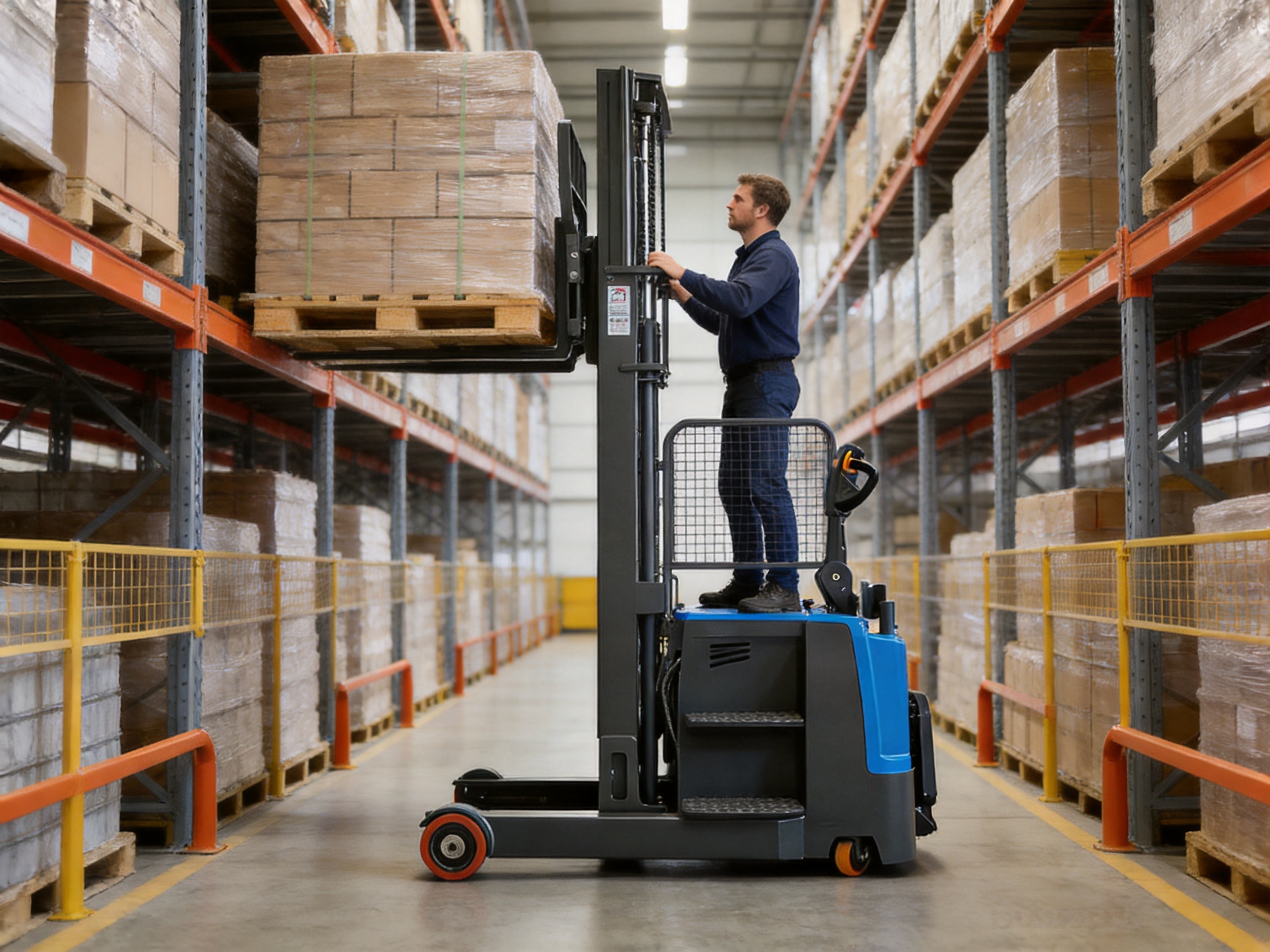
The stand-on operator format is intended for applications in which the operator repeatedly mounts and dismounts the truck, performs short travel cycles, and needs a clear view of the load and surrounding aisle. Compared with a seated truck, the design can simplify access to the operator position and reduce unnecessary cabin volume. This is valuable in fast-paced warehouse environments where every movement contributes to daily throughput.
Specification |
Value |
Model |
CQDA20E |
Operator type |
Stand-on |
Rated load capacity |
2,000 kg |
Mast type |
Two-stage |
Available lift heights |
2,000 / 2,500 / 3,000 / 3,500 mm |
Load center distance |
500 mm |
Wheelbase |
1,538 mm |
Controller |
LVM24S20 |
Drive motor |
2.2 kW |
Lift motor |
2.2 kW |
Battery |
24 V / 240 Ah lead-acid |
Compact Dimensions for Efficient Aisle Operation
One of the strongest advantages of the CQDA20E is its compact dimensional configuration. The overall width is 1,035 mm, while the turning radius is 1,867 mm. These figures help the truck operate where larger counterbalance forklifts may require additional clearance. The overall length is 2,431 mm, and the length to the face of the forks is 1,351 mm.
The manufacturer specifies an aisle width of 2,925 mm for 1,000 × 1,200 mm pallets placed crossways. For 800 × 1,200 mm pallets placed lengthways, the specified aisle width is 2,771 mm. Actual operating requirements depend on pallet condition, load dimensions, rack design, floor quality, operator skill, and local safety rules, but these reference values demonstrate the machine’s suitability for space-conscious warehouse layouts.
The reach distance is specified at 550 to 650 mm. This movement allows the operator to position the load into a rack while keeping the main body of the truck in a controlled position. Reach functionality can improve rack access and reduce the need for excessive turning or repositioning, which is particularly useful when handling pallets in high-density storage areas.
The lowered fork height is no more than 65 mm, helping the forks enter pallets and slide beneath loads with limited clearance. The standard fork dimensions are 40 mm in thickness, 100 mm in width, and 1,070 mm in length. Fork spread is adjustable from 220 to 680 mm, allowing the truck to accommodate different pallet openings and load configurations within the rated operating limits.
Compactness does not mean that the truck is designed only for light work. The robust frame and hinge-pin construction are intended to support heavy-load applications. This is an important distinction when comparing the machine with smaller walkie stackers that may occupy little space but have substantially lower capacity or reduced structural durability.
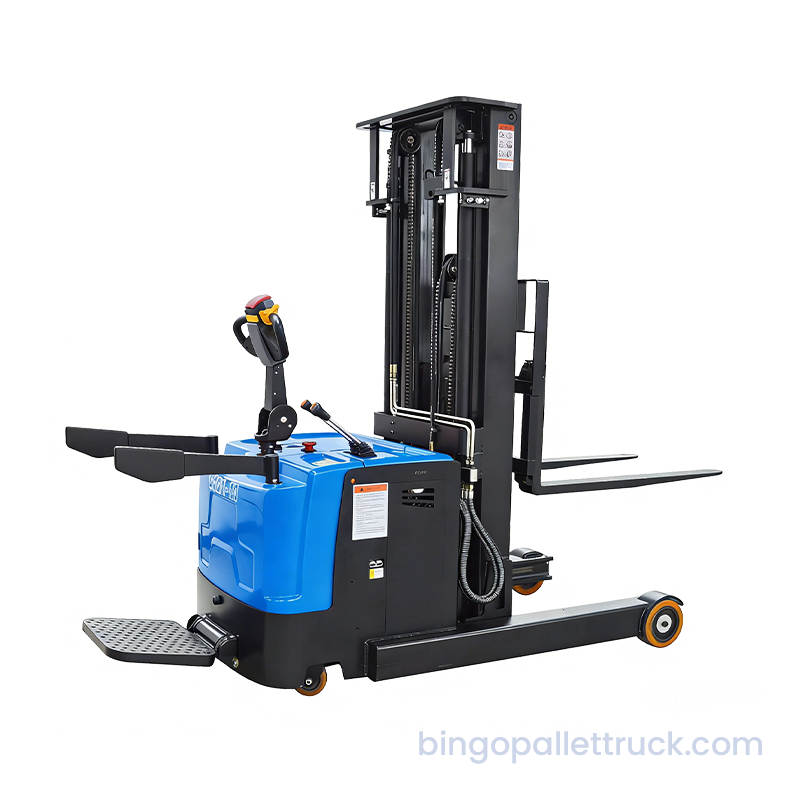
2000kg EPS Electric Stand-on Reach Stacker for Narrow Aisle Heavy Duty Warehousing
Electric Performance and Battery Configuration
The CQDA20E uses an electric drive system with a 2.2 kW drive motor and a 2.2 kW lift motor. Electric power provides smooth control for indoor warehouse operations and avoids the exhaust emissions associated with internal-combustion forklifts. This makes the machine appropriate for facilities handling packaged goods, food-related products, consumer merchandise, pharmaceuticals, components, and other materials that require a clean indoor environment.
The standard battery is a 24 V, 240 Ah lead-acid unit weighing 195 kg. Lead-acid batteries remain widely used in warehouse equipment because they are proven, serviceable, and available through established industrial supply channels. They can be integrated into established charging routines, and many warehouse maintenance teams already understand their inspection, charging, and replacement requirements.
A 200 Ah lithium-ion battery is available as an option. Lithium-ion technology may be appropriate for operations that require opportunity charging, reduced routine battery maintenance, or more flexible multi-shift scheduling. The ideal battery choice depends on shift length, charging infrastructure, operating temperature, duty cycle, energy management procedures, and total cost considerations.
Travel speed is 5.5 km/h when laden and 6.0 km/h when unladen. This difference reflects the need to prioritize controlled handling and stability under load while allowing efficient return travel when the forks are empty. Lifting speed is 75 mm/s when laden and 125 mm/s when unladen. Lowering speed is 95 mm/s when laden and 100 mm/s when unladen. These performance values support balanced warehouse cycles rather than excessive speed that could compromise load control.
Maximum gradeability is specified at 5 percent when laden and 8 percent when unladen. The truck is therefore best used on properly designed warehouse floors and moderate ramps rather than steep external terrain. Facility managers should assess floor slopes, dock transitions, surface conditions, and traffic routes before assigning the truck to a particular application.
Controlled Electric Travel
Electric power is particularly advantageous when a facility has repeated stop-and-start movements. The truck can be used in receiving areas, storage aisles, staging zones, and dispatch lanes without producing engine exhaust inside the building. Its electromagnetic service brake provides controlled stopping and can support safe parking when correctly applied according to operating procedures.
The electronic steering design enables responsive maneuvering and contributes to the machine’s single-hand operating concept. In a narrow aisle, an operator may need to steer, monitor the load, manage travel speed, and coordinate fork or reach movements in a limited amount of time. A responsive steering interface can reduce unnecessary hand movement and help the operator maintain attention on the aisle and load.
Operator Ergonomics and Daily Productivity
Warehouse equipment is used repeatedly throughout a shift. A machine that performs well technically but causes excessive operator fatigue can reduce productivity and increase the likelihood of mistakes. The CQDA20E includes several features intended to improve comfort and control during prolonged operation.
An ergonomic grip works together with electric steering to enable simple single-hand operation. This arrangement can make routine directional changes easier and allows the operator to maintain a natural working posture. Controls should always be used in accordance with training and site procedures, but the design is intended to make frequent maneuvering less demanding.
Shock-dampening foot pedals help reduce the impact transmitted through the operator’s feet when the machine travels over normal warehouse surface irregularities. Anti-bump arms provide additional protection and comfort during operation. These features are relevant in facilities where the truck works for extended periods and where operators perform hundreds of acceleration, braking, and positioning actions during a shift.
The stand-on platform also supports rapid access. Operators can step on and off the truck when completing short tasks, checking labels, coordinating with warehouse personnel, or moving between adjacent work zones. In applications involving frequent task changes, this can be more convenient than entering and exiting a seated cabin.
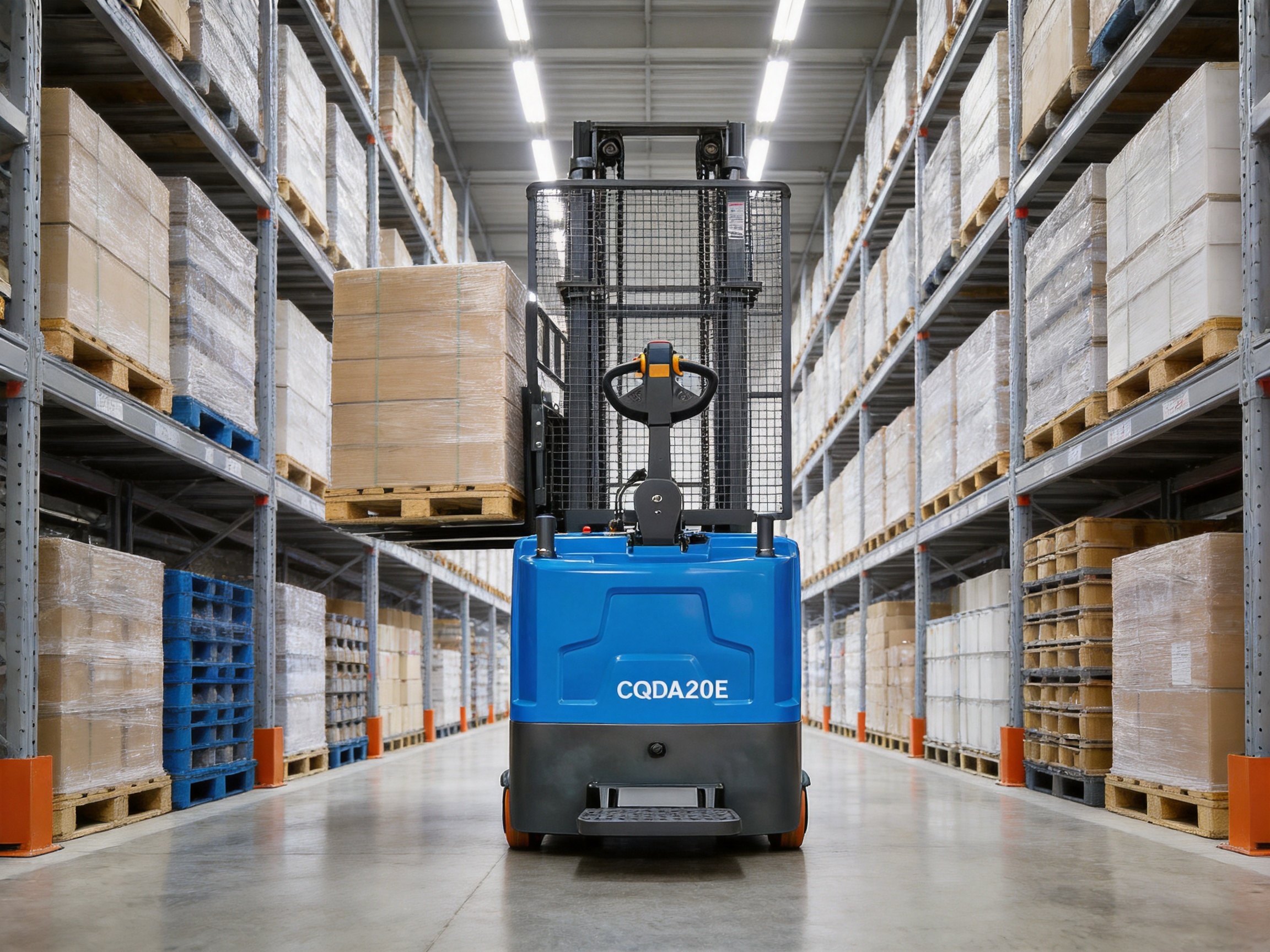
The stationary mast wire mesh shield keeps the operator separated from the load area while maintaining visibility through the protective structure. The shield is designed to provide a barrier between the operator and transported goods. It does not replace safe loading, pallet inspection, rack protection, or personal protective equipment, but it adds a valuable layer of separation during normal material handling.
The sound pressure level at the driver’s ear is specified at 69 dB(A). This relatively controlled noise level is suitable for indoor environments where operators work near other personnel. Noise exposure still depends on the building, traffic, floor condition, operating intensity, and other equipment, but electric drive technology generally supports a more comfortable working environment than many combustion-powered alternatives.
Safety Features for Heavy Warehouse Loads
Safety is a central consideration when lifting and transporting 2,000 kg loads. The CQDA20E incorporates structural and hydraulic features designed to help protect operators, loads, and facility infrastructure.
The hydraulic system includes an explosion-proof hydraulic structure intended to prevent the mast from dropping abruptly if a pipeline ruptures. This type of load-control protection is particularly important because an uncontrolled mast movement can endanger the operator, damage goods, and affect nearby racks. The system should be maintained and inspected as part of a complete preventive-maintenance program.
The mast wire mesh shield provides a physical barrier around the load-handling zone. It helps keep operators away from the load and moving mast components during standard operating conditions. Operators should still remain within the designated position, avoid reaching through protective structures, and follow site-specific rules for pallet inspection and load stability.
The electromagnetic service brake is designed for reliable stopping and parking control. Electromagnetic braking can be useful in electric warehouse trucks because it supports precise deceleration and helps keep the machine stationary when the travel control is released or the truck is parked, subject to the specific control system and operating conditions.
A stable operating configuration is also supported by the truck’s wheel arrangement. The machine uses polyurethane tires, a drive wheel arrangement of one drive wheel with two front and two rear wheel positions, and a balance wheel measuring 124 × 60 mm. Polyurethane wheels are well suited to smooth indoor floors because they offer durability, low rolling resistance, and resistance to many common warehouse operating conditions.
Safe operation depends on more than built-in features. The rated load capacity must not be exceeded, load centers must remain within the specified limits, pallets must be in good condition, and operators must be trained. Rack capacity, floor load capacity, aisle clearances, pedestrian segregation, charging procedures, and inspection schedules must also be considered.
Structural Strength and Heavy-Duty Working Capability
The CQDA20E is positioned as a heavy-duty 2,000 kg stand-on reach stacker. Its robust frame and hinge-pin construction are intended to withstand the mechanical demands of repeated pallet handling. These structural elements are important because warehouse trucks experience continuous forces during acceleration, braking, turning, lifting, lowering, and reach movements.
A frame that is adequately engineered for its intended duty cycle can help maintain alignment and stability over the working life of the equipment. Hinge-pin construction supports the connection points that experience movement and load transfer. These components require proper lubrication, inspection, and replacement when wear reaches the manufacturer’s service limits, but their inclusion reflects the machine’s focus on durable industrial operation.
The two-stage mast provides a practical balance between lift height and overall machine configuration. Available heights up to 3,500 mm support common warehouse rack applications while avoiding the complexity or additional height requirements of some taller mast arrangements. Customers can choose the lift height that matches their facility instead of purchasing a one-size-fits-all configuration.
The service weight range of 1,962 to 2,126 kg reflects the differences between lift-height versions. Facility managers should use the actual selected configuration when checking floor loading, transport arrangements, elevator capacity, loading dock limits, and battery-handling equipment.
Advantages Compared with Alternative Equipment
Compared with Manual Stackers
Manual stackers may be suitable for occasional light-duty lifting, but they require greater physical effort and generally offer lower travel productivity. The CQDA20E uses electric travel and electric lifting, making it more suitable for heavier loads and higher daily utilization. Its 2,000 kg capacity also exceeds the capacity of many basic manual stackers.
The difference becomes especially significant in facilities with long travel distances, multiple rack positions, or repeated pallet replenishment. Electric drive reduces the physical effort required from the operator and provides more consistent performance throughout the shift.
Compared with Walkie Stackers
Walkie stackers can be highly maneuverable, but the operator must often walk behind or beside the machine. This may be less efficient for longer travel cycles and can expose the operator to additional fatigue. The stand-on design of the CQDA20E allows the operator to travel with the truck, while the compact layout remains suitable for confined spaces.
The reach mechanism and 2,000 kg capacity also provide a stronger solution for rack storage than many entry-level pedestrian stackers. For operations that need both compactness and substantial lifting capability, the CQDA20E occupies a useful middle ground.
Compared with Counterbalance Forklifts
Counterbalance forklifts are versatile and powerful, but their larger chassis and counterweight may require wider aisles. They may also be less convenient for enclosed environments where exhaust emissions, engine noise, or ventilation requirements are concerns.
The CQDA20E is narrower, electrically powered, and optimized for indoor pallet handling. Its aisle reference dimensions and reach distance support high-density storage layouts. It is not intended to replace every counterbalance forklift, particularly for outdoor work, rough terrain, or very high lift capacities, but it can reduce the need to use larger trucks for indoor warehouse tasks.
Compared with Conventional Reach Trucks
Large seated reach trucks may provide greater lift heights and advanced features for high-bay warehouses, but they can also involve higher purchase costs, more cabin space, and larger turning requirements. The CQDA20E is more compact and straightforward for facilities whose storage heights fall within the available 2,000 to 3,500 mm range.
Its stand-on configuration may also suit operations in which the operator frequently leaves the truck or works through short repetitive cycles. Businesses should compare the required lift height, duty cycle, aisle geometry, operator preferences, and total cost of ownership before selecting a particular truck type.
Optional Equipment for Application Flexibility
The CQDA20E can be configured with several options to meet different warehouse requirements. A Curtis controller is available for customers who prefer that control-system configuration or need compatibility with an existing equipment standard.
A 200 Ah lithium-ion battery is offered as an alternative to the standard lead-acid battery. This can help customers tailor the power system to their charging schedule and fleet-management strategy. Lithium-ion selection should be evaluated together with charger compatibility, ambient temperature, shift length, battery protection, and service support.
Fork tilt is another available option. Tilt functionality can assist with load positioning and may improve the operator’s ability to stabilize or align certain pallets, provided that it is used within the truck’s rated capacity and the facility’s safety procedures.
Fork side shift is available for applications that require lateral fork adjustment. Side shift can reduce the need to reposition the entire truck when aligning forks with pallet openings or rack locations. This may be valuable in narrow aisles, where every additional steering movement consumes time and increases the risk of contact with racks or nearby goods.
These options allow buyers to select a configuration according to the warehouse’s actual working conditions rather than paying for features that are not required. A properly specified truck can improve usability while keeping the investment aligned with operational needs.
Manufacturing and Quality Strengths
The equipment is produced and supplied by Yancheng Bingo Machinery Equipment Co., Ltd., an enterprise specializing in warehousing and logistics equipment production, sales, and service. The company’s product range covers handling equipment, storage containers, packaging materials, and warehouse racking. This integrated portfolio is important because a warehouse solution is rarely limited to one machine. Pallets, totes, crates, stretch wrap, strapping, storage containers, racks, and handling equipment must work together as a complete material-flow system.
According to the supplied company information, Bingo has built a mature warehousing and logistics equipment supply chain. The supply chain covers manual and electric pallet trucks and stackers, plastic pallets, plastic totes, crates, bulk containers, stretch wrap, packing strapping, and light-duty, medium-duty, and heavy-duty warehouse racks.
This broad product coverage can support more coordinated project planning. For example, a customer installing a new distribution area may require rack dimensions, pallet specifications, pallet-truck access, packaging materials, and stacker aisle clearances to be considered together. A supplier with knowledge across these categories can help reduce compatibility problems between storage and handling equipment.
Supply-Chain Coordination
A mature supply chain can improve product consistency and availability when it is managed through clear specifications and inspection procedures. For industrial equipment, quality is influenced not only by final assembly but also by the reliability of motors, controllers, hydraulic parts, structural components, batteries, wheels, and electrical systems.
Bingo states that it relies on a mature supply chain system and strict quality inspection processes. This approach is intended to ensure that products comply with international standards and meet the practical requirements of global customers. Customers should request the applicable technical documentation, inspection records, conformity information, and service terms for their specific order.
Product-System Thinking
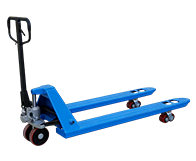
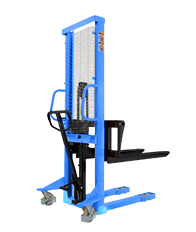
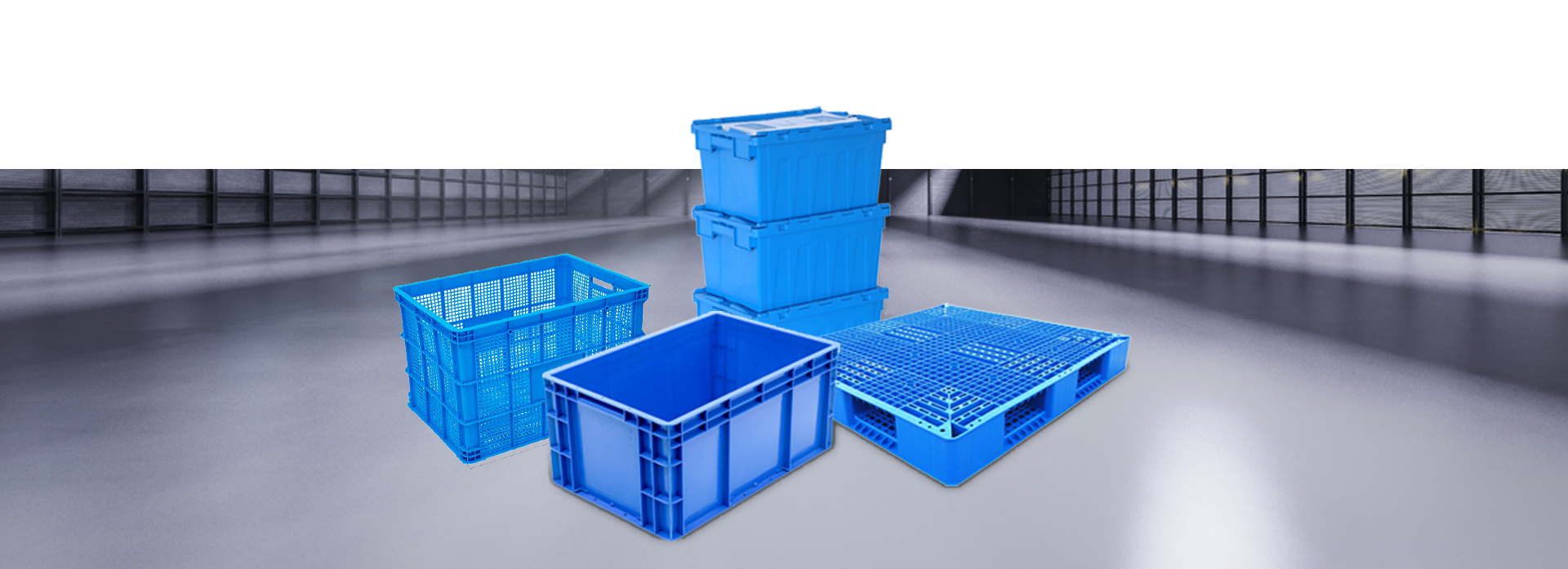
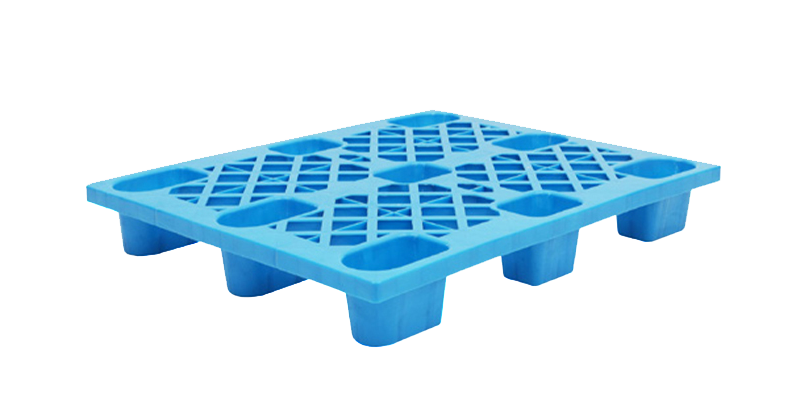
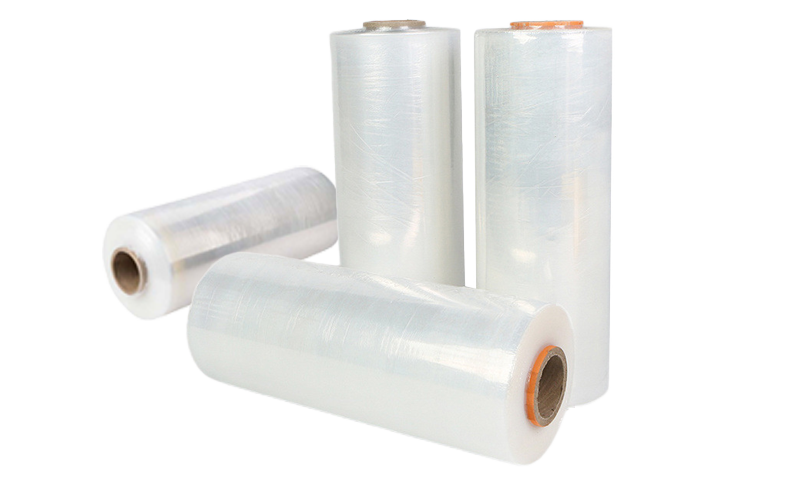
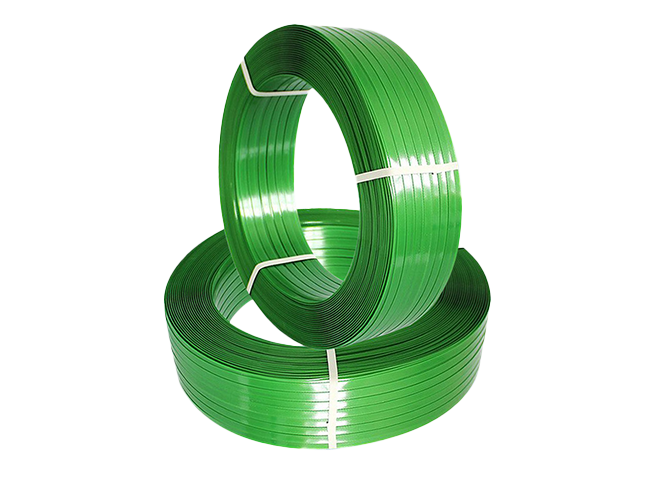
The company’s strength is not limited to offering a single model. Its product portfolio is organized around four connected warehouse systems. The first is handling equipment, including pallet trucks and stackers. The second is storage containers, including pallets, totes, crates, and bulk containers. The third is packaging materials, such as stretch film and strapping. The fourth is warehouse racking, available in different load classes and specifications.
This structure supports a product-system approach. A pallet truck or reach stacker performs best when pallet dimensions, rack beam heights, aisle widths, floor surfaces, packaging stability, and load weights have been assessed together. By supplying related categories, the company can participate in broader warehouse planning instead of treating each item as an isolated purchase.
Application-Oriented Engineering
The CQDA20E specification reflects practical warehouse requirements. Its compact width supports narrow aisles. Its adjustable fork spread supports different pallet formats. Its reach distance supports rack access. Its electric steering supports maneuverability. Its standing platform supports rapid repetitive operation. Its optional tilt and side-shift functions extend its application range.
This application-oriented design is a competitive advantage over equipment that may offer impressive individual specifications but does not fit the complete workflow. Warehouse productivity depends on the interaction between travel, lifting, steering, pallet entry, rack placement, operator comfort, and maintenance. A balanced design can be more valuable than a single maximum-performance figure.
Recommended Warehouse Applications
Manufacturing Plants
Manufacturing facilities often move raw materials, components, work-in-progress pallets, finished goods, and packaging supplies between production lines and storage areas. The CQDA20E can support line-side replenishment, finished-goods transfer, and pallet storage where indoor floors are smooth and aisles are carefully organized.
Its electric power is suitable for enclosed production buildings, while its 2,000 kg capacity supports many common industrial pallet loads. The operator protection features are useful when the machine works near stacked materials and fixed structures.
E-Commerce Fulfillment Centers
E-commerce operations depend on frequent replenishment and rapid movement between storage, picking, packing, and dispatch areas. The stand-on design can support repeated short travel cycles, while the compact dimensions help maximize storage density.
The truck can be used for pallet put-away and retrieval in reserve storage areas, replenishment of picking locations, and movement of outbound pallets. It can work alongside pedestrian order-picking personnel when traffic routes, speed limits, and segregation procedures are properly established.
Third-Party Logistics Warehouses
Third-party logistics providers handle products from multiple customers and often need flexible equipment that can accommodate different pallet sizes and load types. The adjustable fork spread, optional side shift, and multiple lift-height choices allow the CQDA20E to be specified for a broad range of contracts.
Because logistics providers may operate multiple shifts, battery selection and charging infrastructure are important. The standard lead-acid battery can suit established charging operations, while the optional lithium-ion battery may offer a different solution for high-utilization fleets.
Supermarket and Retail Distribution
Retail distribution centers require reliable pallet handling from inbound receiving through store replenishment. The machine’s indoor electric design, controlled travel speed, and compact aisle performance are appropriate for storage and staging areas where cleanliness, maneuverability, and low noise are valued.
Packaging and Consumer-Goods Storage
Packaged consumer goods often need careful handling to prevent crushed cartons, unstable stacks, or damaged stretch wrap. Smooth electric movement, controlled lifting and lowering, and optional fork tilt can help operators position loads carefully. Proper pallet quality and load securing remain essential.
Operational Planning and Total Cost Considerations
Choosing a reach stacker should involve more than comparing the purchase price. The total cost of ownership includes energy, battery maintenance, tires, hydraulic service, operator training, inspections, downtime, replacement parts, and the effect of equipment dimensions on warehouse capacity.
A compact truck can create value by allowing more storage positions within the same building. If aisle widths are reduced without compromising safety, the facility may gain additional pallet locations. However, aisle planning must be based on the actual truck specification, pallet dimensions, rack geometry, turning behavior, and local regulations.
Electric equipment can also reduce costs associated with indoor ventilation and fuel handling. The actual savings depend on electricity rates, utilization, charging efficiency, battery life, and maintenance procedures. A comparison should consider the full operating cycle rather than only the nominal motor rating.
Polyurethane wheels can support low rolling resistance on smooth warehouse floors and may provide a long service life under suitable conditions. Wheel life depends on floor joints, debris, turning frequency, load weight, operating temperature, and driving behavior. Regular inspection helps identify flat spots, wear, cuts, or embedded debris before they affect operation.
Preventive maintenance should include battery inspection, charger checks, hydraulic leak inspection, mast and chain examination, fork inspection, wheel inspection, brake testing, steering checks, controller diagnostics, and structural examination. Maintenance frequency should reflect the duty cycle and follow the manufacturer’s instructions.
Installation, Training, and Fleet Integration
Before the truck enters service, the warehouse should confirm that aisles, rack clearances, floor surfaces, ramps, doorways, loading docks, and charging areas are suitable. The actual mast height must be checked against ceiling obstructions, sprinkler systems, lighting, beams, door headers, and other overhead equipment.
Operators should receive training covering pre-use inspection, load capacity, load center, pallet entry, travel with a raised load, rack approach, reach operation, braking, steering, pedestrian awareness, battery charging, emergency procedures, and parking. Training should be refreshed when the operator changes equipment type or when the warehouse layout changes.
Fleet managers should also establish a process for reporting damage and defects. A minor issue such as a damaged fork tip, unusual hydraulic noise, worn tire, loose hinge pin, or intermittent steering response should be assessed promptly. Early intervention can prevent more expensive repairs and reduce safety risks.
When several trucks operate in the same facility, standardizing controls, inspection forms, charging procedures, and spare parts can simplify fleet management. The availability of related warehouse products from the same supplier may further support project standardization, although each product should still be verified against the relevant technical requirements.
Technical Specification Summary
Category |
Specification |
Model |
CQDA20E |
Rated capacity |
2,000 kg |
|
Lift height |
2,000 / 2,500 / 3,000 / 3,500 mm |
Mast |
Two-stage |
Service weight |
1,962 / 2,022 / 2,060 / 2,126 kg |
Front overhang |
502 mm |
Wheelbase |
1,538 mm |
Overall length |
2,431 mm |
Length to fork face |
1,351 mm |
Overall width |
1,035 mm |
Fork dimensions |
40 × 100 × 1,070 mm |
Fork spread |
220–680 mm |
Reach distance |
550–650 mm |
Turning radius |
1,867 mm |
Front and rear tires |
Polyurethane |
Laden travel speed |
5.5 km/h |
Unladen travel speed |
6.0 km/h |
Laden lifting speed |
75 mm/s |
Unladen lifting speed |
125 mm/s |
Service brake |
Electromagnetic |
Drive motor |
2.2 kW |
Lift motor |
2.2 kW |
Standard battery |
24 V / 240 Ah lead-acid |
Optional battery |
200 Ah lithium-ion |
Noise level at driver’s ear |
69 dB(A) |
Frequently Asked Questions
What is the rated capacity of the CQDA20E?
The rated load capacity is 2,000 kg at a 500 mm load center distance. Operators must confirm the applicable capacity chart for the selected mast, lift height, attachment, load center, and operating condition.
Is the CQDA20E designed for narrow aisles?
Yes. Its 1,035 mm overall width, 1,867 mm turning radius, reach distance of 550 to 650 mm, and specified aisle widths make it suitable for many narrow-aisle indoor warehouse applications. Final aisle planning must be based on the actual pallet, rack, and site layout.
What lift heights are available?
The two-stage mast is available with lift heights of 2,000, 2,500, 3,000, or 3,500 mm. The appropriate version depends on rack height, ceiling clearance, pallet dimensions, and required free lift.
What type of battery does the machine use?
The standard battery is a 24 V/240 Ah lead-acid battery weighing 195 kg. A 200 Ah lithium-ion battery is available as an option for customers seeking a different charging and maintenance strategy.
Can the forks be adjusted for different pallets?
Yes. The fork spread is adjustable from 220 to 680 mm. Optional fork side shift is also available to help with lateral positioning during pallet handling.
Does the stacker include operator protection features?
The machine includes a stationary mast wire mesh shield, shock-dampening foot pedals, anti-bump arms, an electromagnetic service brake, and an explosion-proof hydraulic structure designed to help prevent abrupt mast lowering in the event of pipeline rupture.
Is fork tilt available?
Yes. Fork tilt is available as an option. It can assist with load alignment and positioning when used within the rated capacity and according to safe operating procedures.
What industries can use this reach stacker?
Typical applications include manufacturing, e-commerce fulfillment, third-party logistics, warehousing and distribution, supermarket supply chains, retail storage, packaging operations, and indoor material handling.
What are the main benefits of the stand-on design?
The stand-on configuration provides quick access, compact operator-space requirements, and suitability for frequent short travel cycles. It can be particularly practical when operators repeatedly move between adjacent work areas.
What should be checked before purchasing?
Buyers should review load weight, load center, lift height, pallet dimensions, rack clearances, aisle width, floor condition, turning space, battery charging arrangements, operating hours, ramps, doorway dimensions, operator training, maintenance support, and local compliance requirements.
Does the manufacturer provide other warehouse products?
Yes. Yancheng Bingo Machinery Equipment Co., Ltd. supplies handling equipment, storage containers, packaging materials, and warehouse racks. Its portfolio includes pallet trucks, stackers, plastic pallets, totes, crates, bulk containers, stretch wrap, packing strapping, and different rack categories.
Conclusion
The CQDA20E electric stand-on reach stacker offers a balanced solution for warehouses that need heavy-load capacity without the size and operating space of a larger counterbalance forklift. Its 2,000 kg rated capacity, compact 1,035 mm width, 1,867 mm turning radius, 550 to 650 mm reach distance, adjustable fork spread, and available lift heights up to 3,500 mm make it well suited to dense indoor storage and pallet movement.
Its advantages extend beyond basic dimensions. Electric steering supports simple single-hand operation, the stand-on platform is appropriate for repetitive warehouse cycles, polyurethane tires suit smooth indoor floors, and the electromagnetic brake supports controlled stopping. The mast shield, hydraulic safety structure, anti-bump arms, and shock-dampening pedals address important aspects of operator protection and comfort.
The machine also benefits from the supplier’s broader position in the warehouse logistics industry. Through its handling equipment, storage containers, packaging materials, and warehouse racking product systems, Yancheng Bingo Machinery Equipment Co., Ltd. can support customers seeking coordinated material-flow solutions. Its stated reliance on a mature supply chain and strict quality inspection processes provides a foundation for serving manufacturing, e-commerce, logistics, distribution, and retail customers in international markets.
For facilities seeking to increase storage density, improve indoor handling efficiency, and match equipment to a narrow-aisle workflow, the CQDA20E is a strong candidate. The best results will come from selecting the correct mast, battery, and options; designing aisles around actual operating conditions; training operators thoroughly; and maintaining the truck according to an organized preventive-maintenance program.
References
1. CQDA20E Product Specification Sheet, supplied technical data for the 2000 kg electric stand-on reach stacker.
2. Internal product information describing operator ergonomics, mast protection, hydraulic safety, structural construction, and available options.
3. Warehouse logistics equipment portfolio information covering handling equipment, storage containers, packaging materials, and warehouse racking systems.
4. General industrial guidance for electric industrial trucks, pallet handling, warehouse aisle planning, operator training, and preventive maintenance.
5. General material-handling engineering principles concerning rated capacity, load center distance, pallet stability, rack clearance, battery management, and indoor fleet operation.
Product: 2000kg EPS Electric Stand-on Reach Stacker for Narrow Aisle Heavy Duty Warehousing

Copyright @ Yancheng Bingo Machinery Equipment Co., Ltd. All rights reserved Warehouse Logistics Equipment Manufacturer Pallet Truck Supplier
