 en
en  Español

92L Extra-Large EU Industrial Storage Bin for Workshop and Warehouse Logistics
Content
- 1 Introduction: A Practical Answer to High-Volume Component Storage
- 2 Product Overview
- 3 Why the Extra-Long Format Matters
- 4 Material Performance and Product Durability
- 5 Stackability and Space Utilization
- 6 Advantages Over Conventional Alternatives
- 7 Applications in Manufacturing
- 8 Applications in Warehousing and Distribution
- 9 Workshop and Maintenance Uses
- 10 Design Benefits for Handling and Picking
- 11 Manufacturing Quality and Process Control
- 12 Supply Chain and Customization Strengths
- 13 Integration with Warehouse Racking and Material-Handling Equipment
- 14 Operational Benefits and Cost Considerations
- 15 Recommended Implementation Method
- 16 Cleaning, Inspection, and Long-Term Care
- 17 Procurement Guidance for Buyers
- 18 Frequently Asked Questions
- 18.1 What is the capacity of the EU4833 storage bin?
- 18.2 What material is used to manufacture this model?
- 18.3 What are the external dimensions?
- 18.4 What are the internal dimensions?
- 18.5 How much does an empty container weigh?
- 18.6 Can the totes be stacked?
- 18.7 Is this tote suitable for long components?
- 18.8 Can different colors be supplied?
- 18.9 Can the container be customized?
- 18.10 Can the tote be used for direct food contact?
- 18.11 How does this product compare with cardboard packaging?
- 18.12 Is the tote suitable for automated conveyors?
- 18.13 What industries can use this storage bin?
- 18.14 How should users maintain the tote?
- 19 Supplier Capabilities and Global Logistics Support
- 20 Conclusion
- 21 References
- 22 Product: 92L Extra Large EU Industrial Storage Bin for Workshop
Introduction: A Practical Answer to High-Volume Component Storage
Modern warehouses, workshops, production lines, and distribution centers increasingly need storage containers that do more than simply hold products. A professional tote must protect inventory, support efficient picking, remain stable when stacked, move easily through a facility, and withstand repeated handling. It must also use space intelligently and offer predictable dimensions for standardized warehouse operations.
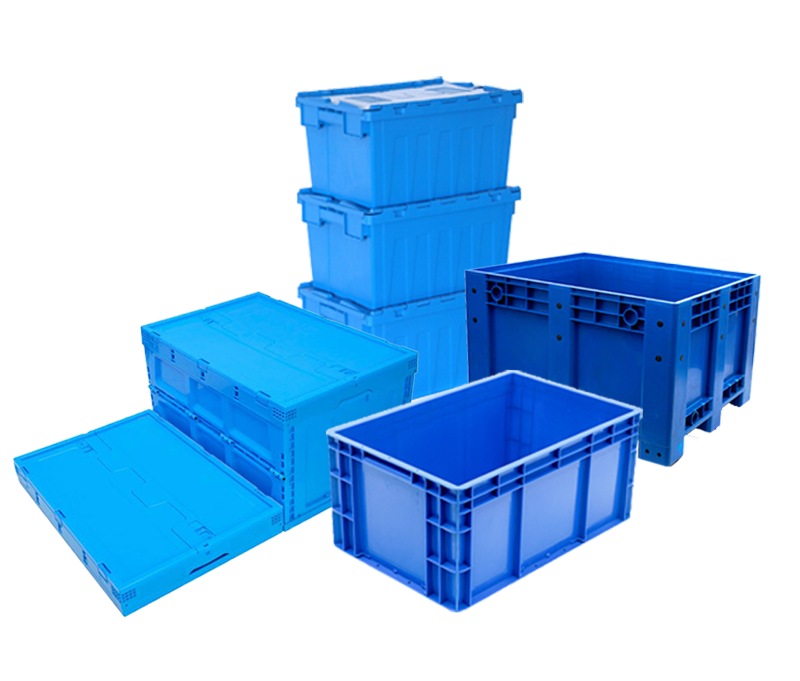
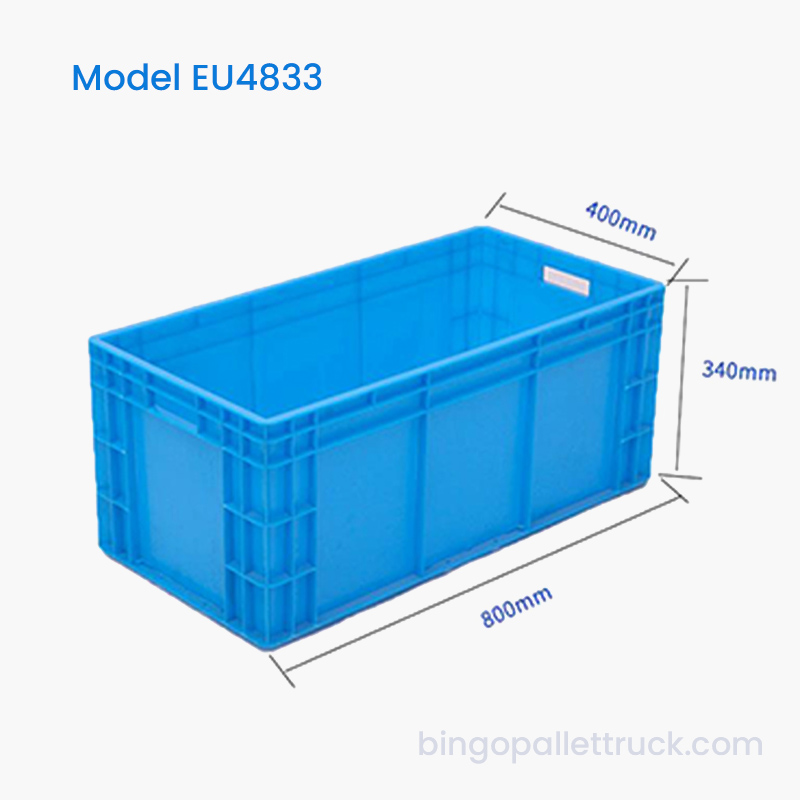
The EU4833 extra-large industrial storage bin is designed around these requirements. With external dimensions of 800 × 400 × 340 millimeters and a nominal capacity of 92 liters, it provides a long and spacious storage format for components, packaged goods, tools, electronic parts, and bulk inventory. Its extended length is particularly useful for products that are difficult to organize in short, narrow containers.
Manufactured from 100% virgin polypropylene, the bin combines low weight with practical toughness. It is intended for demanding environments where containers may be loaded, lifted, stacked, transported, emptied, and reused many times during their service life. The design supports organized material flow while helping businesses reduce wasted space, unnecessary repacking, and manual handling effort.
For companies seeking a dependable plastic tote box for industrial storage, the EU4833 offers a balanced combination of capacity, stackability, dimensional consistency, cleanability, and operational flexibility. It is suitable for manufacturing facilities, electronics distribution centers, parts warehouses, workshops, fulfillment operations, and other environments where storage reliability affects productivity.
92L Extra Large EU Industrial Storage Bin for Workshop
Product Overview
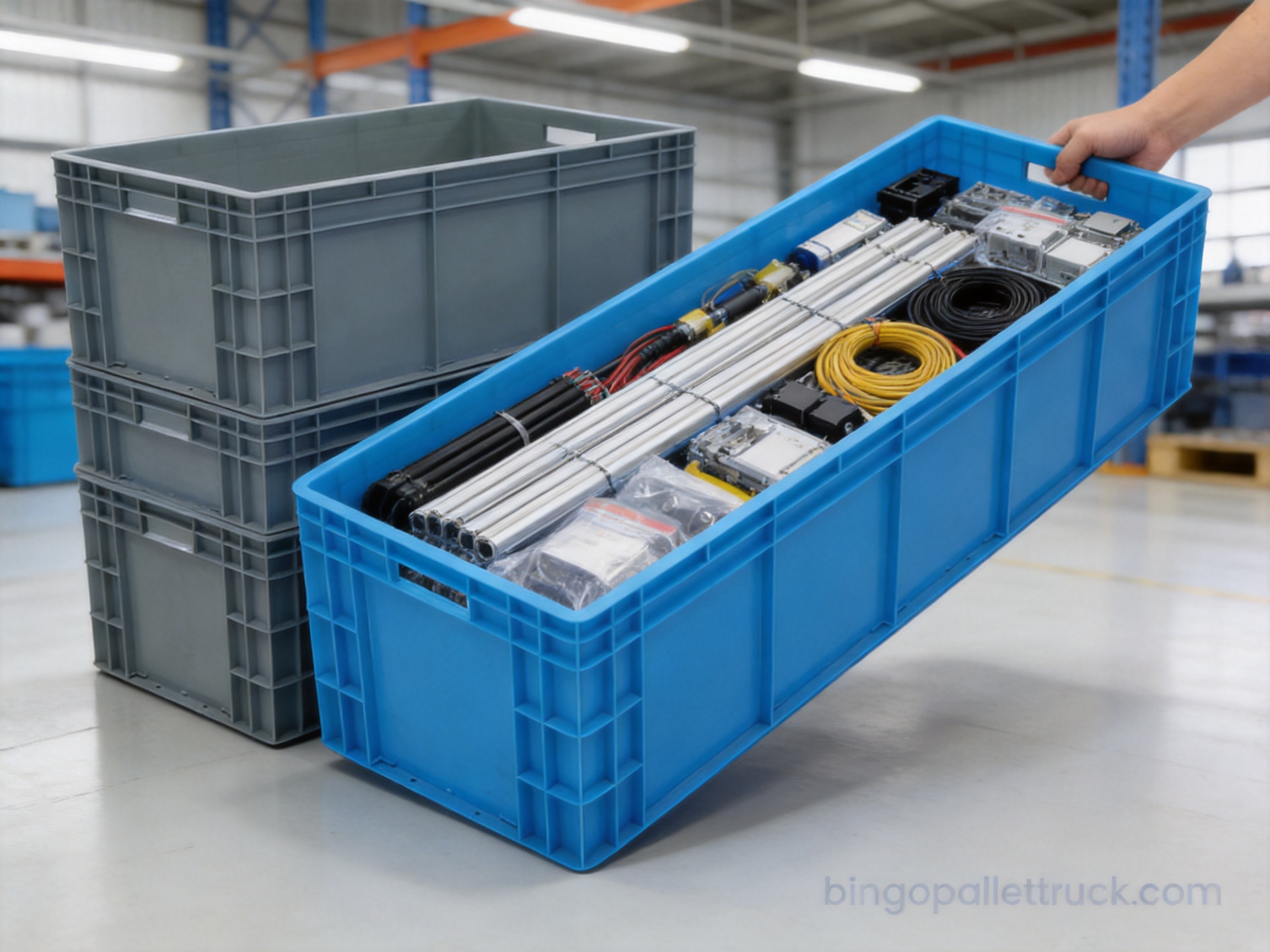
The EU4833 is an extra-large logistics plastic tote developed for storage and transportation applications. Its 800-millimeter external length provides more room for long components than many conventional rectangular bins. The 400-millimeter width and 340-millimeter height create a useful balance between volume and handling accessibility.
Its 92-liter capacity makes it appropriate for medium-to-large batches of inventory. A warehouse can use the tote for component replenishment, line-side material delivery, finished-goods staging, returnable packaging, or internal transport. In a workshop, it can organize tools, spare parts, maintenance supplies, fasteners, electrical components, and production consumables.
The container has internal dimensions of 765 × 365 × 330 millimeters. This allows users to estimate usable storage space more accurately than by relying only on outside measurements. The difference between external and internal dimensions accounts for the walls and structural features needed to provide rigidity and stacking support.
With a listed weight of 3.7 kilograms, the bin remains relatively manageable for a product of this capacity. Empty containers can be moved, positioned, and stored without requiring heavy equipment in most normal warehouse situations. When full, the container can be handled using suitable manual equipment, conveyors, carts, pallet trucks, or other warehouse systems appropriate to the load.
| Item | Specification |
| Product Type | EU Plastic Tote Box |
| Model | EU4833 |
| Material | Polypropylene, PP |
| Material Grade | 100% virgin food-grade PP as specified for this model |
| External Dimensions | 800 × 400 × 340 mm |
| Internal Dimensions | 765 × 365 × 330 mm |
| Nominal Capacity | 92 liters |
| Product Weight | 3.7 kg |
| Primary Applications | Warehousing, manufacturing, workshops, component logistics, distribution, and storage |
| Color Availability | Multiple colors may be available subject to production and customization requirements |
The dimensions and capacity make the EU4833 especially useful where long products must be stored without excessive bending, overfilling, or inefficient orientation. The tote can also be integrated into color-coded storage systems, helping workers identify product families, process stages, quality status, or customer orders more quickly.
Why the Extra-Long Format Matters
Many standard storage bins are optimized for compact parts, small cartons, and short components. That format is useful, but it becomes restrictive when the inventory includes long hardware, rails, profiles, cables, electronic assemblies, tools, or elongated subcomponents. Workers may be forced to place these items diagonally into smaller bins, leave parts protruding, or divide one product group between several containers.
The EU4833 addresses this problem with an 800-millimeter external length. The longer footprint allows items to be placed in a more natural orientation. This can reduce bending, unnecessary bundling, and overhanging material. It may also simplify counting because a complete product family can remain together in one clearly labeled container.
Longer storage space is valuable in production environments where components move from receiving to inspection, from storage to assembly, or from assembly to dispatch. A tote that accommodates the full length of a product can reduce the number of transfers required. Fewer transfers mean fewer opportunities for parts to be misplaced, damaged, or mixed with other inventory.
The format also supports better workplace organization. Instead of placing long items on open shelves or temporary pallets, operators can use standardized totes to create defined locations. Each container can be assigned a part number, barcode, batch code, work order, or destination. This supports visual management and makes inventory easier to locate during picking and replenishment.
Material Performance and Product Durability
The EU4833 is specified as being manufactured from 100% virgin polypropylene. Polypropylene is widely used in reusable logistics containers because it offers a practical combination of toughness, low density, chemical resistance, and processability. These properties make it suitable for repeated movement through warehouses and production areas.
Virgin material is important when consistent appearance, mechanical performance, and production stability are priorities. Compared with an uncontrolled mixture of recycled materials, virgin PP can provide a more predictable base for molding. This helps manufacturers maintain repeatable dimensions and product characteristics across production batches.
For industrial users, consistent dimensions matter because storage containers often work as part of a larger system. Totes may be stacked together, placed on shelving, transferred on pallets, or moved through a conveyor or picking area. Small variations in size can affect alignment, stability, and available storage density. A controlled raw-material program supports more reliable manufacturing outcomes.
Polypropylene also has a relatively low weight compared with many alternative materials. A metal container of similar volume may provide strength, but it will generally be heavier, more difficult to clean, and more expensive to move manually. A wooden container may be economical for certain one-way applications, but it is less suitable for clean, repeatable, high-frequency internal logistics.
The stated food-grade material specification may make the product appropriate for certain clean storage environments. However, end users should confirm the exact regulatory requirements, temperature conditions, chemical exposure, and intended contact application before using the tote for direct food contact or other regulated purposes. Suitability depends not only on the base material but also on the full application and relevant local standards.
The supplied product information also refers generally to HDPE in a broader product note. For the EU4833 model itself, the detailed specification identifies PP as the material. Buyers should therefore use the model-specific technical data when comparing material performance, arranging compliance documentation, or preparing procurement specifications.
Stackability and Space Utilization
Stackability is one of the most important features of a professional warehouse tote. Containers that cannot be stacked safely consume valuable floor space and make inventory more difficult to organize. The EU4833 is designed as a stackable tote, allowing users to build vertical storage arrangements and reduce dependence on scattered floor-level storage.
When identical containers are stacked, the footprint remains consistent from one level to the next. This creates a more orderly storage environment than a collection of irregular cartons, open trays, and mixed packaging. Standardized stacking can improve aisle visibility and make it easier to plan shelf locations, pallet positions, staging zones, and workstations.
Product information indicates that the containers can be stacked to more than ten layers under suitable conditions. Actual safe stacking height depends on factors such as the weight inside each bin, the condition of the floor, the stability of the load, the storage environment, and the handling method. Users should establish site-specific procedures and observe the recommended operating limits.
Stackable containers can reduce the amount of empty space between stored products. A warehouse can use the same type of tote to build repeatable vertical modules, which supports more accurate capacity planning. When product families are stored in identical bins, workers can also estimate remaining stock more quickly by observing the number of occupied containers or the fill level of a defined tote.
Stacking is equally valuable during internal transport. A stable stack can reduce load movement when containers are placed on a pallet, cart, or other platform. This is especially useful when products travel between receiving, production, quality inspection, assembly, and dispatch areas. Better load stability helps reduce the chance of containers tipping or shifting during normal movement.
Advantages Over Conventional Alternatives
Compared with Cardboard Boxes
Cardboard boxes are useful for one-way shipping, but they can lose strength when exposed to moisture, repeated handling, compression, or rough warehouse conditions. They may also require frequent replacement and can collapse when stacked with uneven loads.
The EU4833 offers a reusable alternative for internal logistics. Its molded polypropylene construction is better suited to repeated handling and routine stacking. A company that uses the same totes through multiple process stages can reduce dependence on disposable packaging and improve consistency in storage locations.
Reusable plastic totes also provide a more stable labeling surface. Labels, barcodes, and identification cards can be applied to a fixed container instead of being replaced every time a new carton is opened. This can support better traceability and reduce relabeling work.
Compared with Wooden Crates
Wooden crates can carry heavy or irregular products, but they are usually heavier and may have exposed nails, splinters, rough edges, or variable dimensions. Cleaning and sanitizing wooden packaging can also be more difficult than cleaning a smooth plastic tote.
The EU4833 is lighter and more uniform. Its dimensions are controlled for repeatable storage, and its polypropylene body is suitable for routine cleaning according to the user's facility procedures. The plastic format is also easier to color-code, identify, and integrate into modern warehouse organization programs.
Compared with Metal Containers
Metal containers can provide excellent rigidity and may be appropriate for very heavy or high-temperature applications. However, they can be costly, heavy, noisy, and susceptible to corrosion depending on the metal and operating environment. Manual movement may require additional equipment.
The EU4833 offers a lower-weight solution for applications where a durable plastic body is sufficient. Its 3.7-kilogram empty weight makes it more practical for frequent manual handling. It can be lifted, repositioned, and staged with less effort than many metal alternatives of similar capacity.
Compared with Small Standard Totes
Small bins are convenient for screws, fittings, and compact components, but they can become inefficient when used for long or high-volume inventory. Several small containers may be required for one product group, increasing labeling, picking, and replenishment activity.
The EU4833 provides 92 liters of capacity in a longer format. This allows users to consolidate suitable items while preserving a defined storage location. Consolidation can reduce container handling, simplify stock counts, and make internal transport more efficient.
Applications in Manufacturing
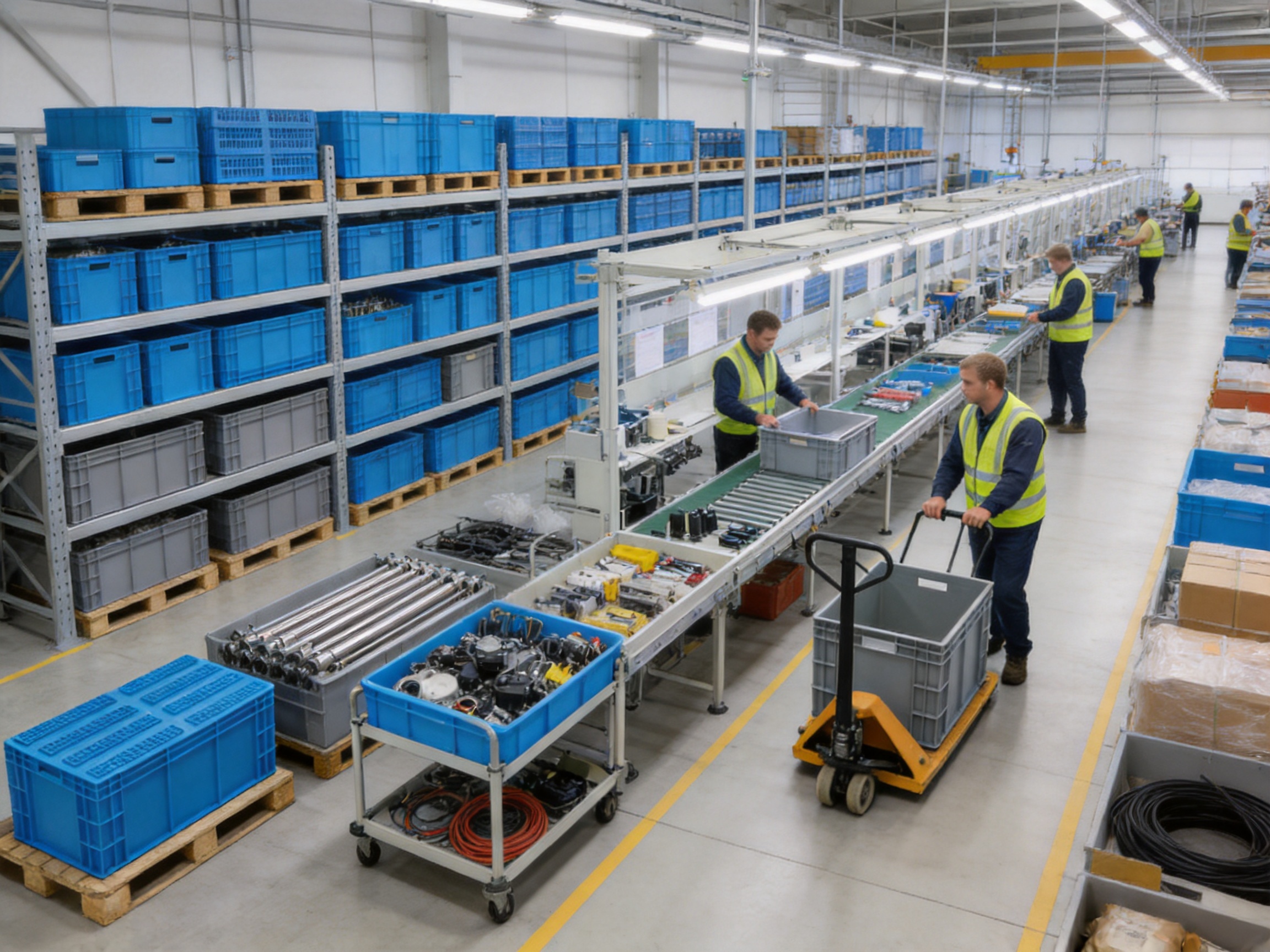
Manufacturing plants can use the EU4833 to move components from central storage to production lines. A tote can be assigned to a bill of materials, workstation, batch, or assembly sequence. Because the container is large enough for substantial quantities but still manageable when empty, it can support repetitive line-side replenishment cycles.
In metalworking and mechanical assembly, the long format may suit brackets, shafts, profiles, fittings, tooling accessories, and packaged hardware. In electrical and electronics production, it can hold cables, housings, connectors, control components, and protective packaging. The exact load should always be matched to the container's capacity and the handling equipment used at the site.
Production planners can also use color-coded containers to distinguish raw material, work-in-process, rejected items, repaired items, and finished goods. Color management is most effective when the same rules are applied consistently across departments. Multiple color availability can help companies create a visual system without relying only on printed labels.
For lean manufacturing programs, the tote can support 5S workplace organization. Dedicated storage positions can be marked on floors, shelves, or workbenches. A clearly defined location makes it easier to see when a container is missing, misplaced, or overfilled. This improves workplace discipline and can reduce time spent searching for components.
Applications in Warehousing and Distribution
In distribution centers, the EU4833 can function as a reusable order-picking or replenishment container. A warehouse worker may use one bin for a group of related products, a route, a customer order, or a processing wave. The standardized dimensions help operations teams organize storage and movement more systematically.
The tote can also be used in receiving areas. Incoming parts or goods can be transferred from external packaging into clean, labeled containers. This may improve inventory visibility and reduce the use of mixed cartons that are difficult to stack or identify. Once received, the container can move with the products through inspection, put-away, picking, and dispatch.
For e-commerce and parts distribution, container organization can be especially important. A large number of stock-keeping units may need to be stored in a limited area. While smaller bins are useful for tiny items, the EU4833 can serve as a larger reserve container or bulk-picking tote. It can hold reserve stock below or near a picking area, allowing operators to replenish smaller forward locations as needed.
In returnable transport systems, durable totes circulate between suppliers, factories, logistics hubs, and customers. A reusable container can help standardize the physical movement of parts while reducing reliance on disposable packaging. Companies considering this approach should create a tracking system for container ownership, location, cleaning, inspection, and repair.
Workshop and Maintenance Uses
Workshops often contain a wide range of tools, spare parts, replacement components, consumables, and maintenance materials. Without a defined storage system, these items may be placed on benches, pallets, or shelves in a way that makes them difficult to locate. The EU4833 provides a spacious, structured location for grouping related supplies.
A maintenance department may assign totes to different equipment systems, production lines, or scheduled service tasks. For example, one container can hold the parts required for a planned maintenance job, while another can store emergency replacement parts. The long body may also be helpful for hand tools and components that do not fit comfortably into short bins.
Because the container is stackable, workshops can preserve floor space while keeping inventory accessible. Containers that are used frequently can be positioned at convenient working height, while reserve stock can be stacked or stored on appropriate racking. Labels should be placed where they remain visible after stacking and should identify both the contents and the responsible department.
Design Benefits for Handling and Picking
Efficient storage is not only about capacity. Workers must be able to handle containers safely and quickly. The EU4833's relatively low empty weight supports easier repositioning during setup, cleaning, and replenishment. Its capacity allows more items to be moved per trip than a smaller container, potentially reducing walking and transport frequency.
The long rectangular format may also make product orientation more predictable. Parts can be loaded in rows, layers, bundles, or defined compartments depending on their shape. Organized loading reduces the need for workers to search through a disordered container and can make visual stock checks faster.
For products that require separation, users can add suitable dividers, inner trays, bags, or protective materials, provided that these additions do not interfere with stacking or exceed the container's safe working limits. The tote itself provides the main external structure, while internal organization can be adapted to the product being stored.
In a well-designed workflow, containers should travel the shortest practical distance between storage and use. The EU4833 can support this principle by acting as a common unit of movement. The same tote may be used for storage, picking, internal transport, and staging, reducing the number of times products must be transferred between different packaging formats.
Manufacturing Quality and Process Control
A reusable logistics tote must be manufactured with consistency. If the walls vary significantly, if the base is not square, or if stacking features are poorly formed, the container may not perform reliably in a warehouse system. For this reason, the manufacturer's quality approach is as important as the product's nominal dimensions.
Yancheng Bingo Machinery Equipment Co., Ltd. describes a production system based on standardized processes and strict quality control. The company states that inspections are carried out from raw-material sourcing through production. This approach is intended to ensure that finished products meet defined quality expectations rather than relying only on a final visual check.
Raw-material control is the first stage of a stable manufacturing process. For the EU4833, the specified use of virgin PP provides a defined material foundation. Appropriate material identification, storage, batching, and preparation help reduce the risk of unintended variation. A disciplined raw-material process is especially important when products are expected to maintain consistent color, strength, dimensions, and appearance.
During molding, process conditions must be managed so that the plastic fills the tool correctly and forms the required structural details. Temperature, pressure, cooling, cycle time, and material flow all influence the result. Although exact machine settings are application-specific, standardized production procedures help operators repeat successful conditions from batch to batch.
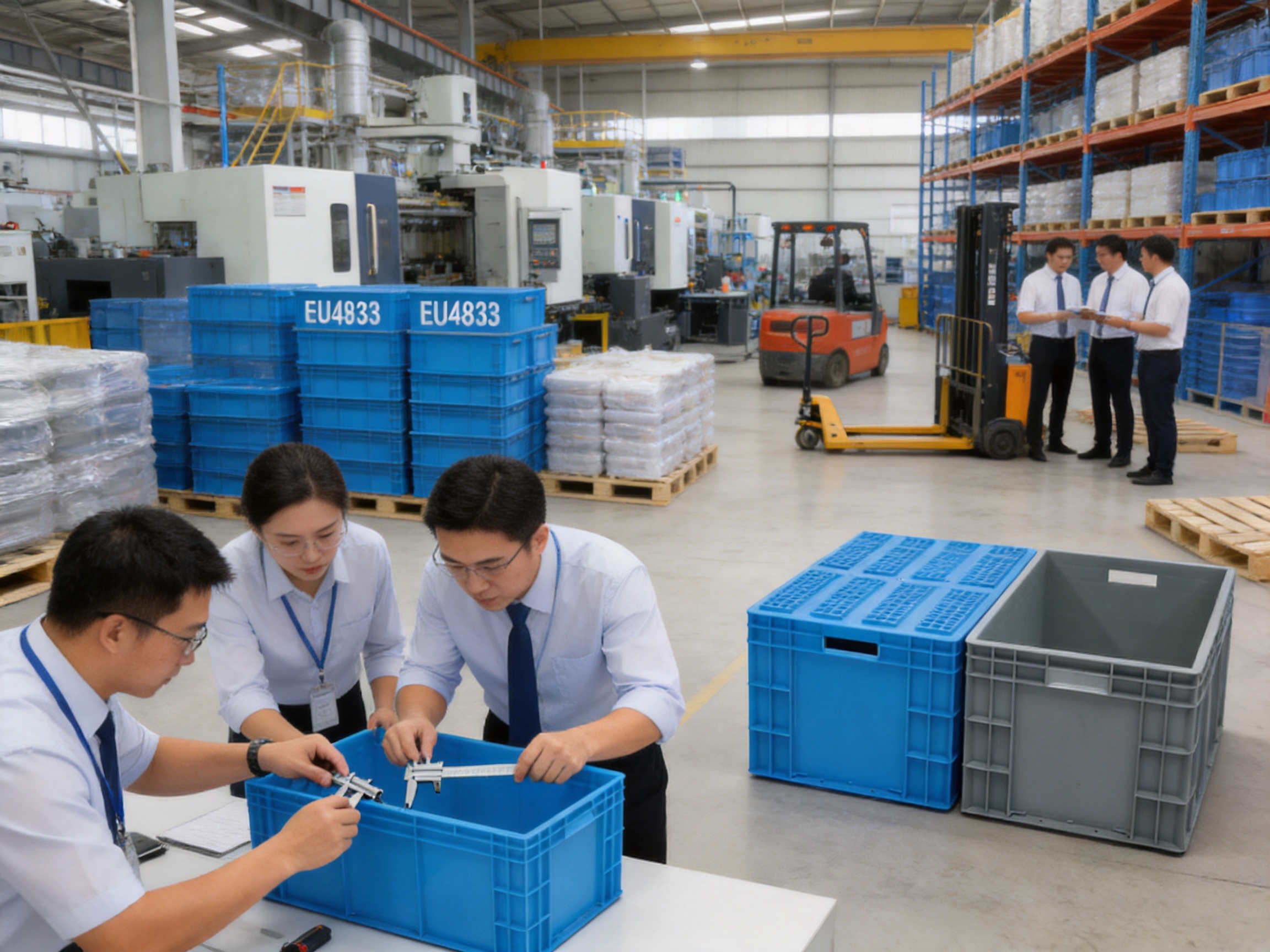
Dimensional inspection is another important part of quality assurance. The external length, width, and height affect storage density, while internal dimensions affect usable volume. Inspection of these measurements helps confirm that the product matches its technical specification and can work with other warehouse equipment and containers.
Visual inspection can identify issues such as incomplete molding, excessive flash, surface damage, deformation, discoloration, or irregular stacking features. Functional checks may also be used to verify that containers sit correctly when stacked and that the body maintains its intended shape during ordinary handling.
The company also emphasizes standardized production procedures. Standardization can include documented operating steps, defined inspection points, trained personnel, production records, and controlled handling of nonconforming products. These practices improve traceability and make it easier to identify the cause of an issue if a quality concern is reported.
For international customers, process discipline has additional value. Products may travel long distances, pass through multiple logistics stages, and be used in different climates. Consistent production reduces uncertainty during procurement and helps customers plan storage layouts, transport packaging, and operating procedures with greater confidence.
Supply Chain and Customization Strengths
Product availability is a practical consideration for warehouse equipment buyers. A storage project may depend on receiving containers before a new line opens, a distribution center expands, or an inventory system changes. The supplied company information states that selected products are kept in stock and prepared for fast delivery, which can help customers reduce waiting time for standard requirements.
Stock availability is especially valuable for replacement and expansion orders. If a customer needs additional containers several months after an initial purchase, a stable supply program can make it easier to maintain a consistent system. Matching dimensions, colors, and product formats reduces the operational disruption caused by introducing unrelated containers.
Customization support is another potential advantage. Depending on production feasibility, customers may request different colors, identification options, packaging arrangements, or product quantities. Customization should be discussed during the quotation stage because minimum order quantities, tooling requirements, lead times, and available material options may vary.
Color customization can contribute to visual management. A company may assign blue containers to raw materials, yellow containers to quality-hold inventory, green containers to finished products, and red containers to nonconforming goods. Such a system must be supported by written procedures, but the availability of multiple colors can make the visual distinctions easier to implement.
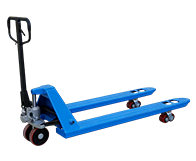
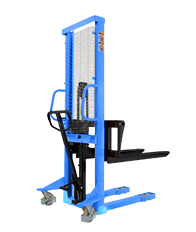
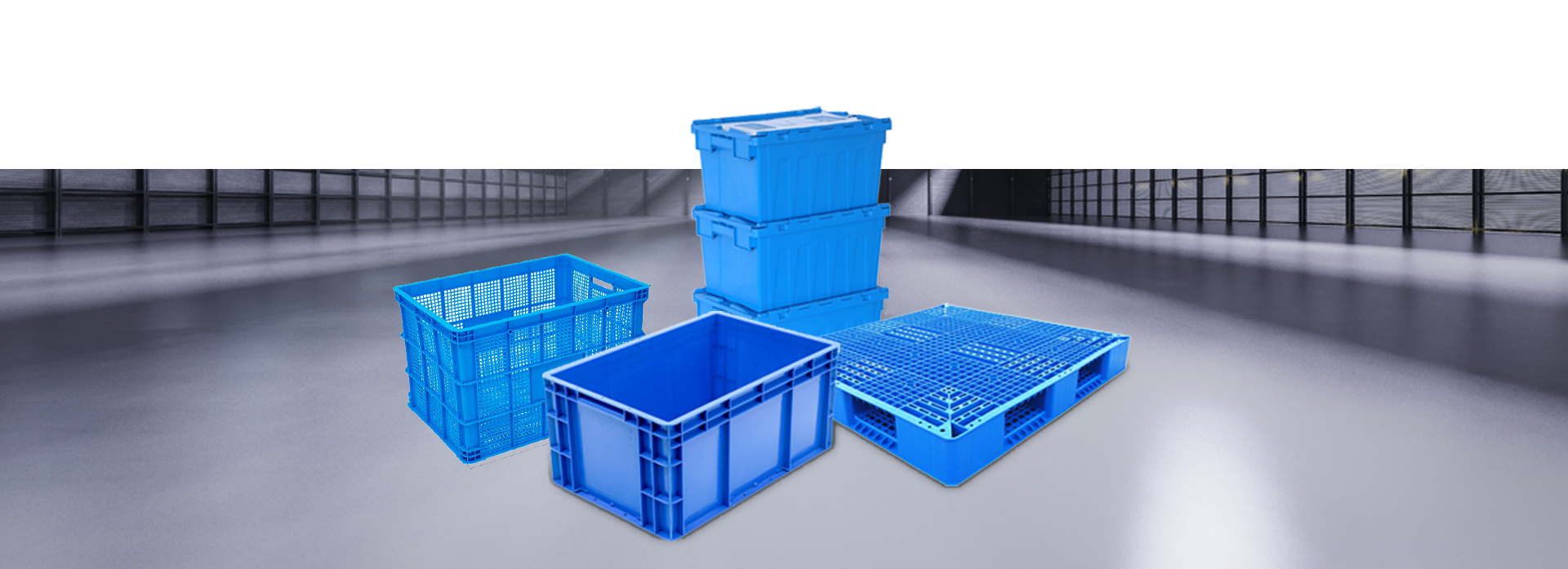
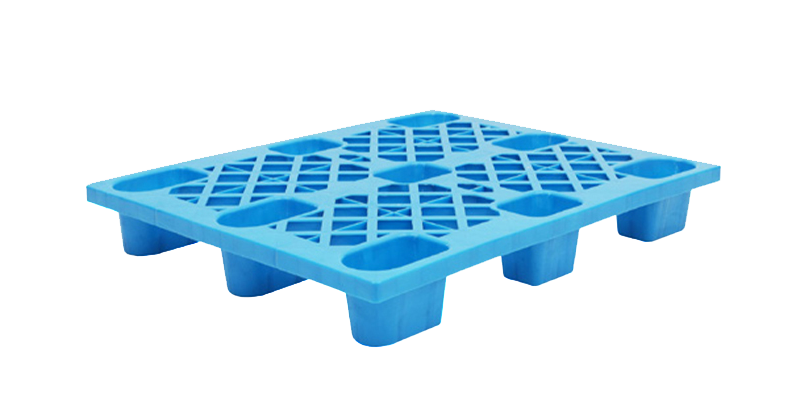
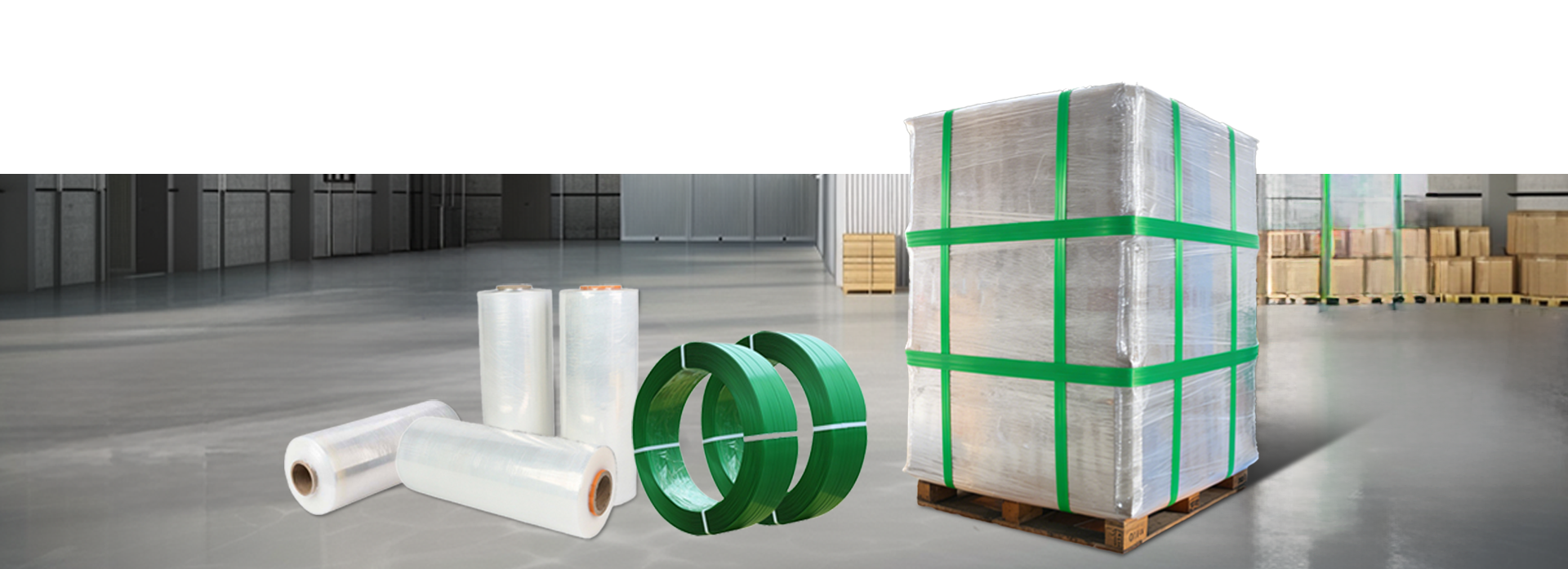
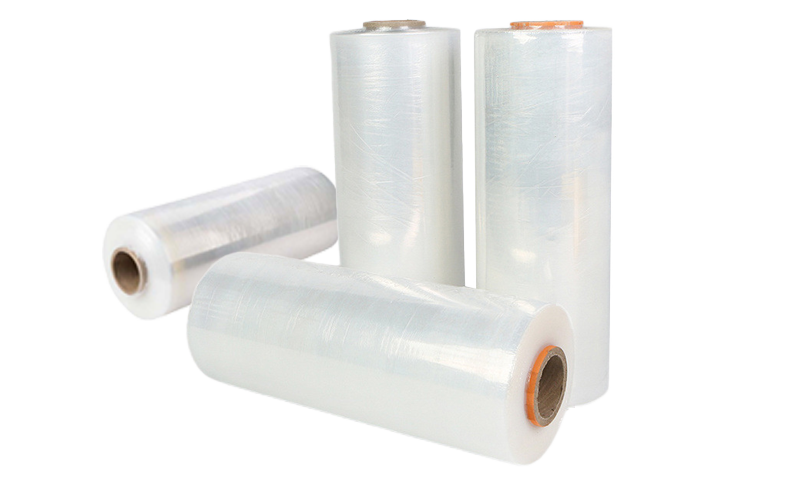
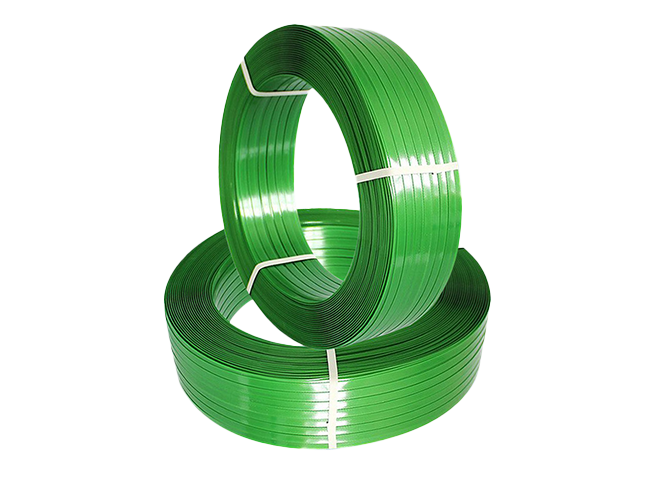
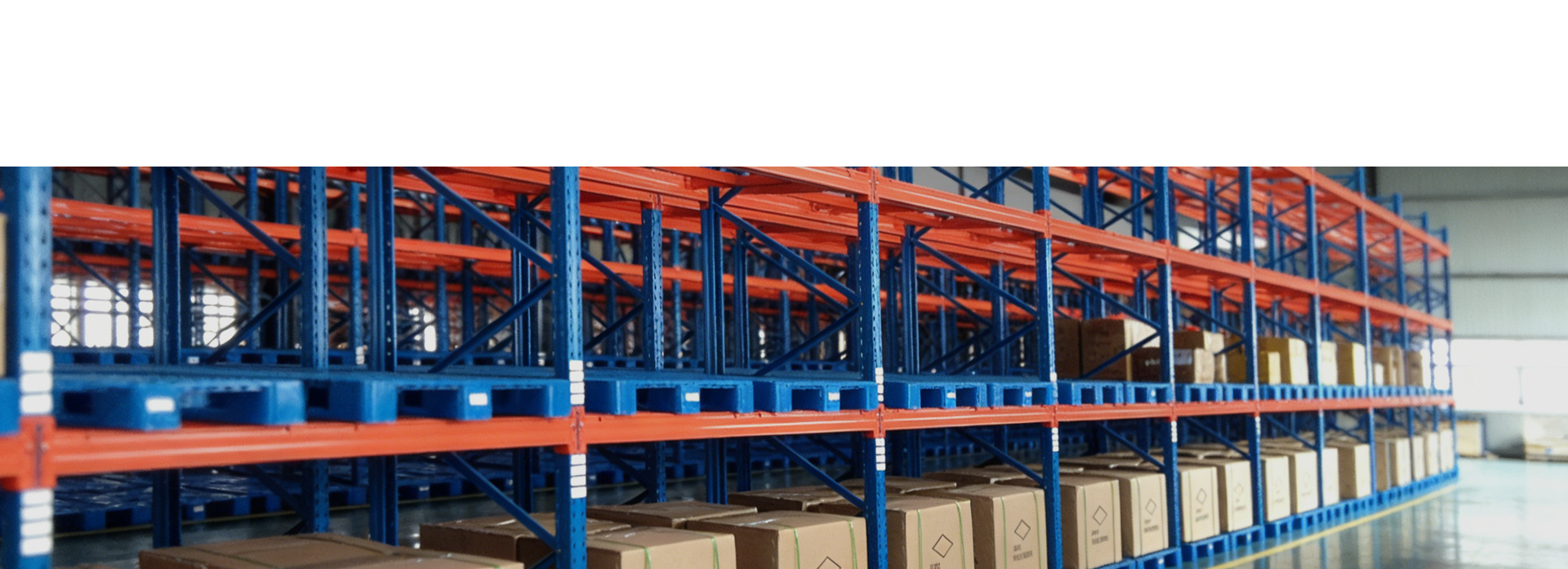
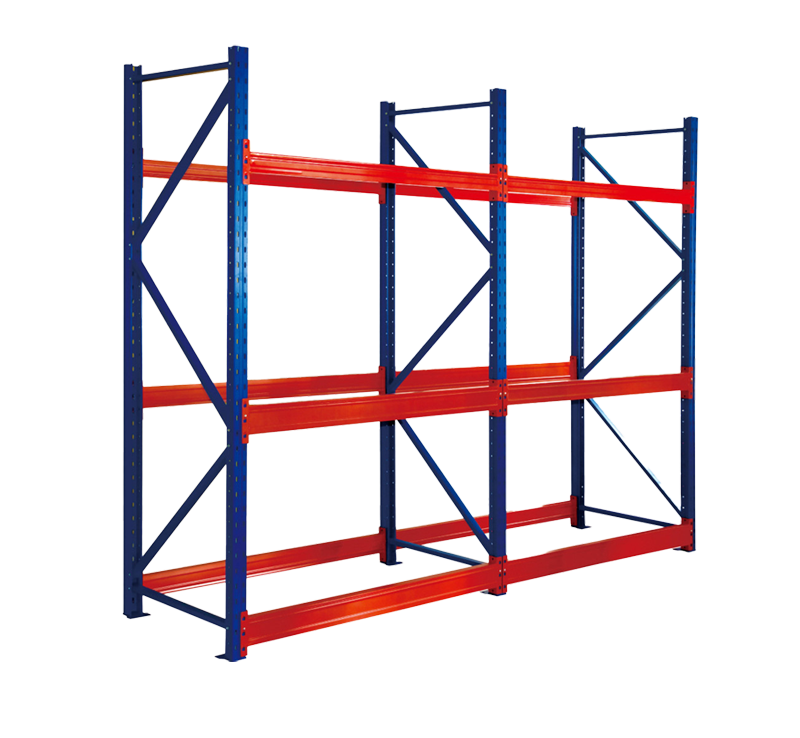
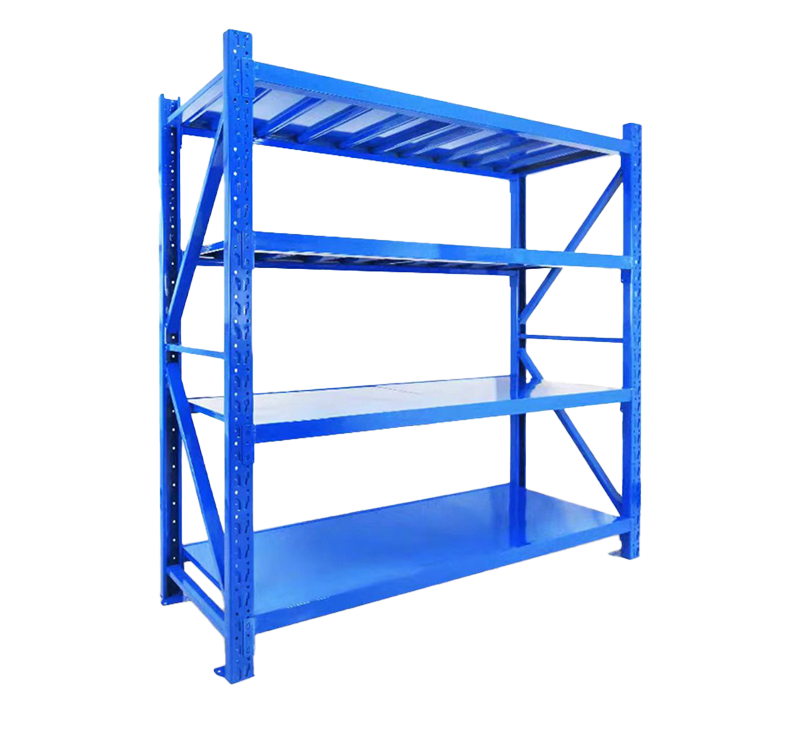
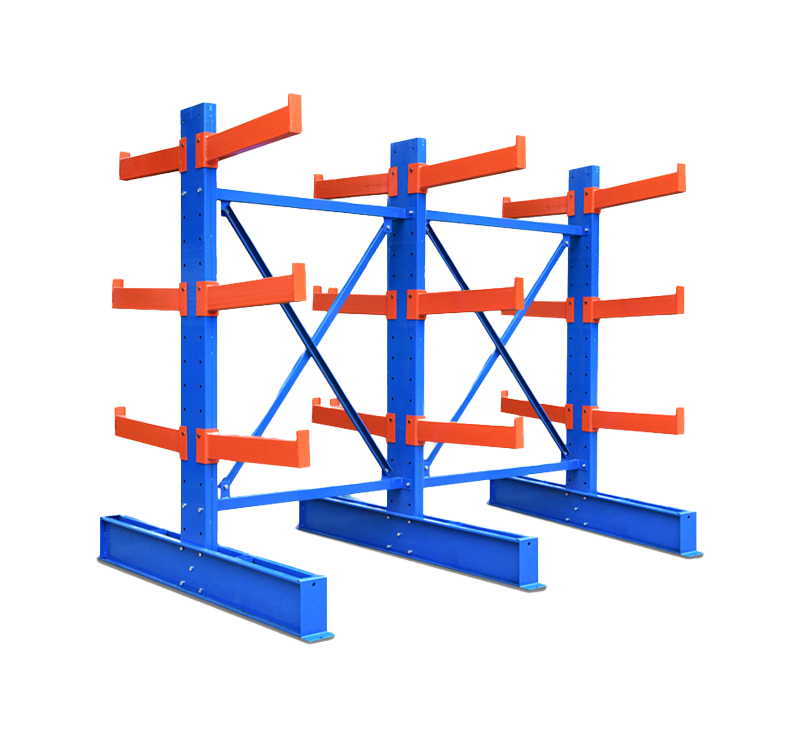
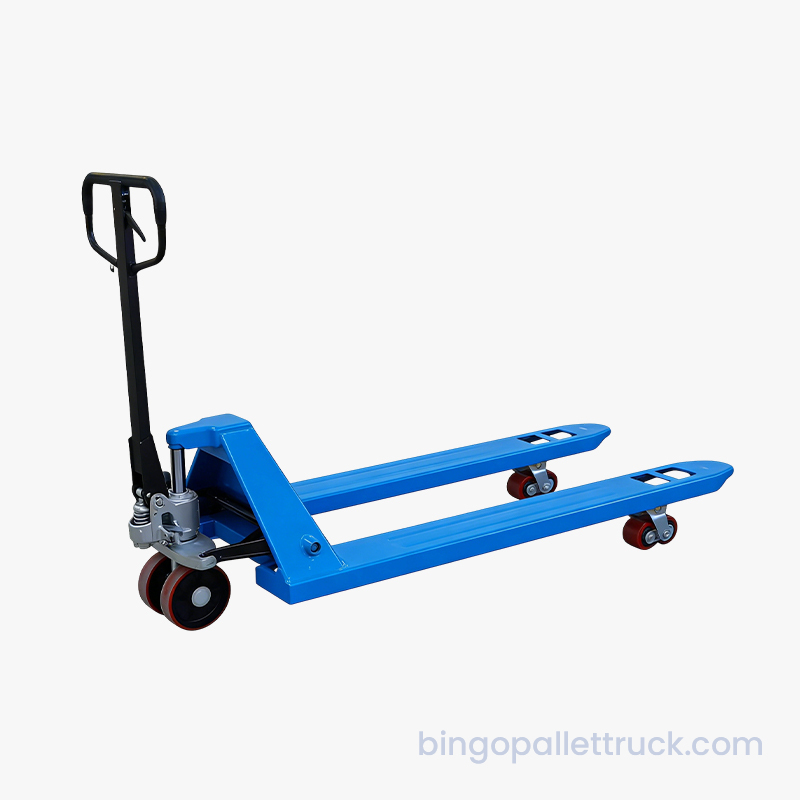
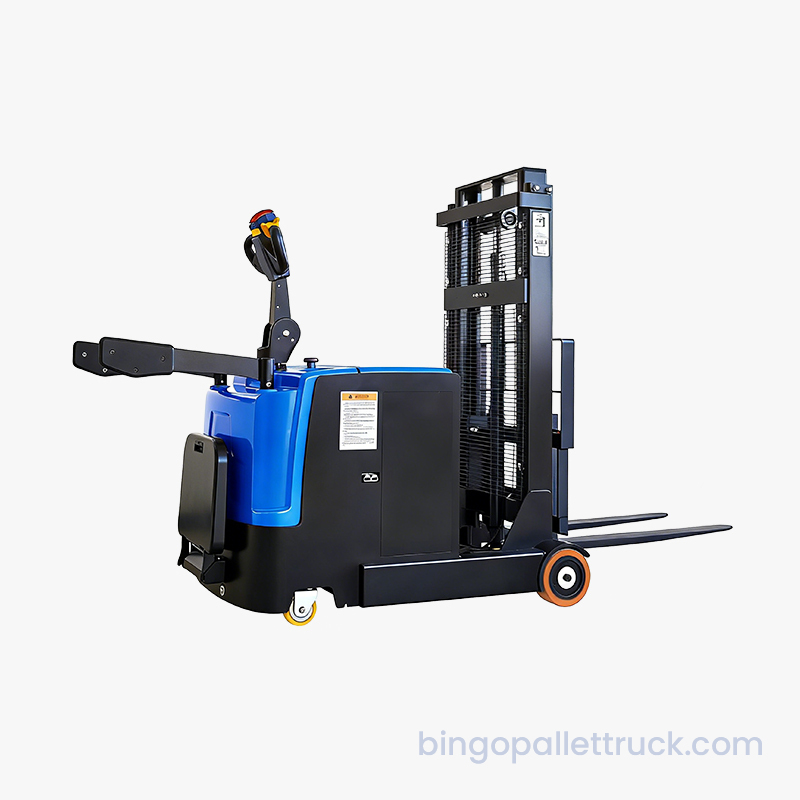
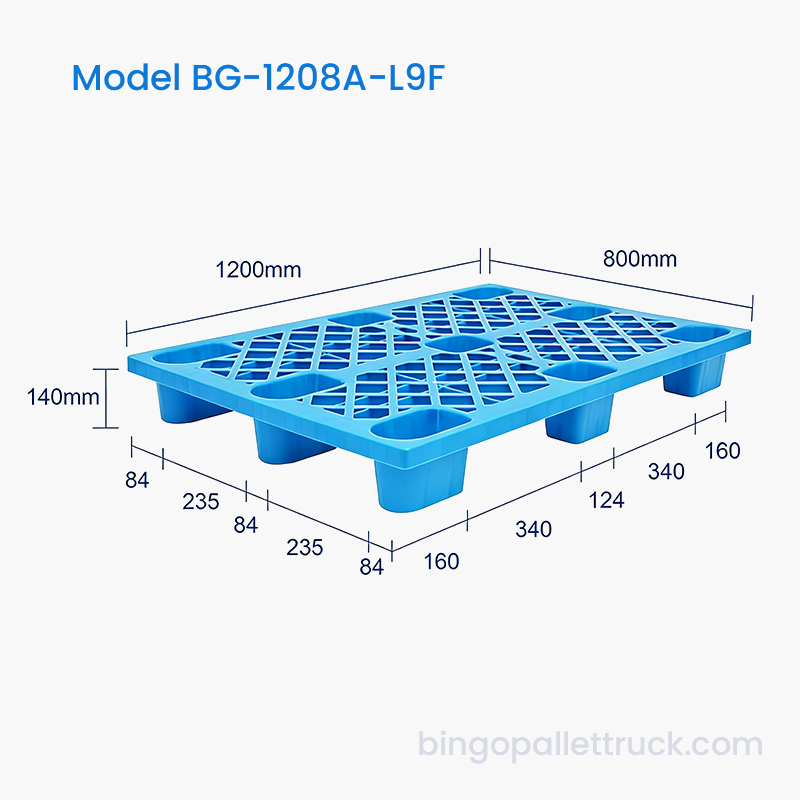
Yancheng Bingo Machinery Equipment Co., Ltd. presents itself as a supplier covering several related logistics categories. Its product range includes handling equipment such as manual and electric pallet trucks and stackers, storage containers such as plastic pallets, totes, crates, and bulk containers, packaging materials such as stretch wrap and packing strapping, and warehouse racking in light-, medium-, and heavy-duty specifications.
This broader portfolio can benefit buyers that prefer coordinated sourcing. A business setting up a warehouse may need storage bins, pallets, pallet trucks, packaging materials, and racking at the same time. Working with a supplier that understands the relationship between these systems can simplify communication and help create a more unified material-handling plan.
Integration with Warehouse Racking and Material-Handling Equipment
The EU4833 should be selected with the wider warehouse layout in mind. Before ordering, users should compare the external dimensions with rack beam spacing, shelf depth, conveyor width, pallet dimensions, cart surfaces, and available aisle clearances. The 800 × 400-millimeter footprint should be treated as a key planning dimension.
On shelving, the tote can provide a defined storage module. Multiple containers may be arranged side by side or front to back depending on the rack design. Operators should ensure that the shelf has adequate load capacity and that the containers do not project into aisles or interfere with sprinkler systems, lighting, doors, or other safety equipment.
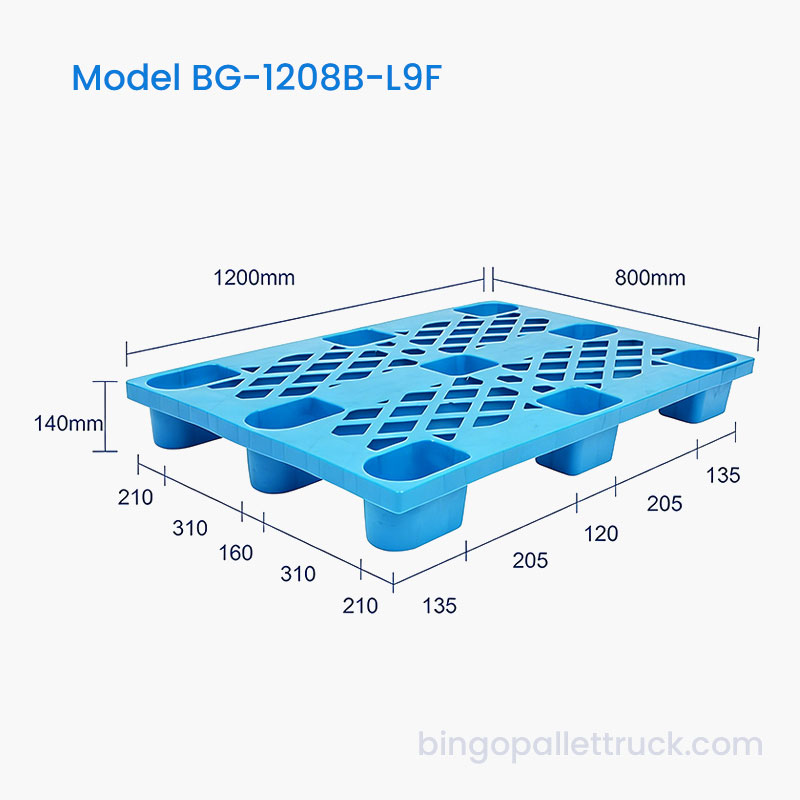
On pallets, users can develop repeatable loading patterns based on the tote's footprint. A stable pallet pattern supports safer movement and more efficient use of vehicle space. The final arrangement should account for the weight distribution and the total height of the stack, not only the number of containers that fit on the pallet.
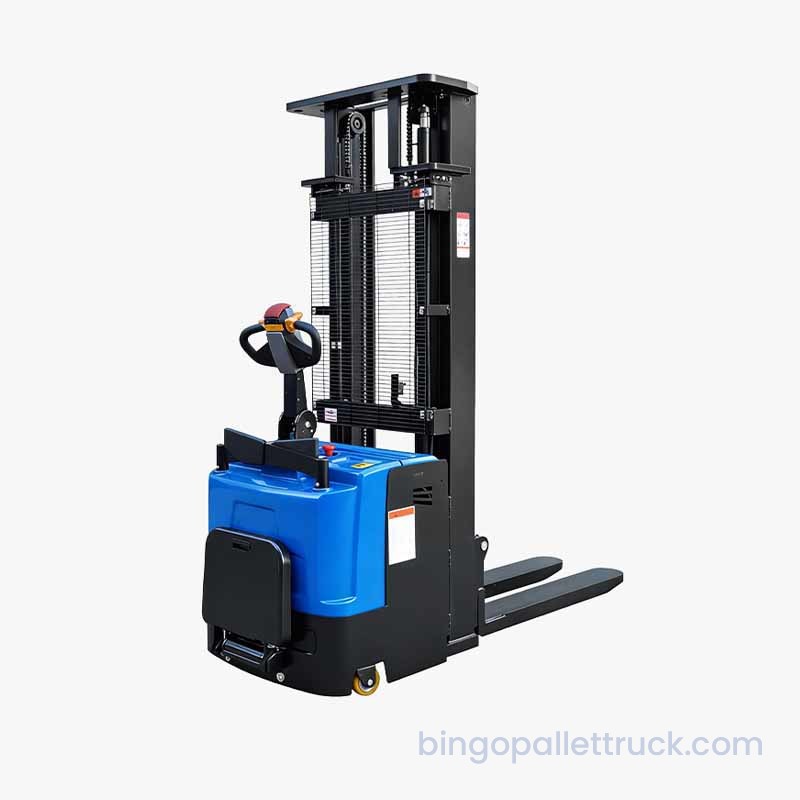
Manual and electric pallet trucks can support the movement of palletized tote loads. In facilities using automated conveyors or roller systems, the tote's base condition and dimensional compatibility should be confirmed before deployment. Different conveyor surfaces and transfer mechanisms have different requirements, so testing is recommended when automation is involved.
The manufacturer’s wider expertise in material-handling equipment can be useful when developing a complete solution. A tote is most effective when it works together with suitable pallets, racks, carts, lifting equipment, and packaging procedures. The objective is not merely to purchase a container but to create a smooth movement path for materials throughout the facility.
Operational Benefits and Cost Considerations
The purchase price is only one part of a storage container's cost. Businesses should also consider replacement frequency, labor requirements, space consumption, product damage, cleaning, labeling, and transport efficiency. A reusable plastic tote can create value when it remains in circulation and replaces less durable packaging.
The EU4833's 92-liter capacity may reduce the number of containers needed for suitable product groups. Fewer containers can mean fewer labels, fewer locations to manage, and fewer individual movements. However, larger capacity is not automatically better for every product. The best results come when the tote is matched to the size, weight, turnover, and handling needs of the inventory.
Stackability can improve vertical space utilization. In facilities where floor space is expensive, using the available height can delay the need for expansion or allow more inventory to be kept close to production. The warehouse must still maintain safe access, emergency clearances, and appropriate load limits.
The lightweight structure can support labor efficiency. Empty totes can be moved during cleaning, reconfiguration, or return logistics without adding unnecessary weight. When the container is full, workers should follow safe lifting practices and use mechanical assistance whenever the load exceeds recommended manual-handling limits.
Durability also affects total cost of ownership. A tote that tolerates frequent use can remain part of a circulation system for a longer period than disposable packaging. To maximize service life, users should avoid dragging containers over abrasive floors, dropping them from height, overloading them, or exposing them to chemicals and temperatures outside the intended operating range.
Recommended Implementation Method
A successful tote program begins with a clear inventory analysis. List the products that need storage, including their dimensions, weights, packaging requirements, turnover rates, and handling frequency. Identify which items would benefit from a long 800-millimeter container and which are better suited to smaller bins.
Next, review the physical warehouse. Measure shelf depths, pallet positions, aisle widths, workbench spaces, loading areas, and transport equipment. Confirm that the 400-millimeter width and 340-millimeter height fit the intended locations. It is also important to assess whether workers can reach the contents safely when containers are placed at different elevations.
Develop a stacking policy before putting the totes into operation. The policy should specify maximum stack height, maximum load, acceptable floor conditions, inspection requirements, and rules for damaged containers. Product information indicates stacking above ten layers may be possible under suitable conditions, but every site should validate its own safe operating limit.
Create a labeling standard. Each tote may display a product code, description, quantity, batch number, storage location, status, and destination. Barcode or RFID identification can be added if the warehouse management system supports it. Labels should remain readable during normal use and should not interfere with stacking or cleaning.
Introduce the system in a pilot area. A small trial can reveal whether the tote capacity is appropriate, whether workers can access the contents comfortably, and whether the containers move correctly on existing equipment. Feedback from operators is valuable because they understand practical handling issues that may not be visible in a layout drawing.
After the pilot, review the results using measurable indicators. Useful measures may include picking time, replenishment frequency, damaged-product incidents, search time, floor-space utilization, container loss, and packaging consumption. The EU4833 should be evaluated not only as an isolated product but as part of the overall material-flow system.
Cleaning, Inspection, and Long-Term Care
Reusable totes should be included in a routine maintenance program. Cleaning requirements depend on the products stored, but users should remove dust, loose particles, oil, labels, and other contamination before the container is returned to service. Cleaning agents should be compatible with polypropylene and should be tested when the application is sensitive.
Inspection should focus on cracks, deformation, damaged edges, worn stacking surfaces, and contamination that cannot be removed. A container with structural damage should not be used in a tall stack or for loads that require full support. Damaged totes should be isolated, assessed, repaired if appropriate, or removed from service.
Storage conditions also affect service life. Empty containers should be stored away from unnecessary heat, sharp objects, and conditions that could cause distortion. When totes are nested or stacked empty, they should be arranged in a way that avoids excessive pressure or uneven loading.
Companies operating a closed-loop returnable system should track tote circulation. Basic records can show how many containers are in stock, in transit, at suppliers, at production lines, or awaiting cleaning. This helps prevent shortages and makes it easier to determine whether additional totes are required.
Procurement Guidance for Buyers
When requesting a quotation, buyers should identify the model as EU4833 and confirm the required quantity, color, packaging method, delivery destination, and expected application. They should also confirm whether the quoted product is based on virgin PP and request any available material or quality documentation needed for internal approval.
Buyers should verify whether the 92-liter capacity is nominal or calculated under a particular measurement method. The internal dimensions provide a useful planning reference, but actual usable volume may vary depending on product shape, loading method, dividers, and the need to leave clearance below the top edge.
If the totes will be used with automated equipment, provide the supplier with details of the conveyor type, transfer points, rack system, and handling method. A sample or pre-production evaluation can reduce the risk of incompatibility. This is particularly important when the tote will be used in a high-speed or highly automated facility.
For regulated environments, request the appropriate documentation before purchase. Material suitability, food-contact requirements, hygiene procedures, temperature limits, chemical exposure, and export requirements should be reviewed by the buyer's technical or compliance team. Product claims should be matched to the conditions of actual use.
It is also useful to discuss replacement availability and future expansion. A container system is more valuable when the same model can be reordered consistently. Buyers should ask about production capacity, standard lead times, color availability, customization options, and after-sales support.
Frequently Asked Questions
What is the capacity of the EU4833 storage bin?
The listed capacity is 92 liters. The actual amount of product that can be loaded depends on the product's shape, packaging, weight, and the clearance required for safe handling and stacking.
What material is used to manufacture this model?
The model-specific product specification identifies polypropylene, or PP, as the material. It is described as 100% virgin food-grade PP. Buyers should confirm any specific compliance documentation required for their application.
What are the external dimensions?
The external dimensions are 800 × 400 × 340 millimeters. These dimensions should be compared with the usable space in racks, on pallets, inside carts, and around conveyors before ordering.
What are the internal dimensions?
The internal dimensions are 765 × 365 × 330 millimeters. These measurements are useful for planning the storage of long components and estimating whether products will fit without bending or overhanging.
How much does an empty container weigh?
The listed weight is 3.7 kilograms. The total handling weight will be substantially higher when the bin is loaded, so users should consider the weight of the contents and apply appropriate manual-handling procedures.
Can the totes be stacked?
Yes. The EU4833 is designed as a stackable logistics tote. Product information indicates that stacking above ten layers may be possible under suitable conditions. The safe limit must be determined according to the load, floor, environment, and handling method at the user's facility.
Is this tote suitable for long components?
Its 800-millimeter external length makes it suitable for many long components, tools, electronic parts, and elongated inventory items. Users should compare the product's actual length and protection requirements with the internal dimensions before loading.
Can different colors be supplied?
Multiple colors are indicated as available, subject to production arrangements. Color selection can support warehouse zoning, product classification, process control, and visual management.
Can the container be customized?
Customization support is indicated in the supplied information. The available options, minimum order quantity, lead time, and technical feasibility should be confirmed with the supplier before placing an order.
Can the tote be used for direct food contact?
The material is described as food-grade PP, but direct food-contact suitability depends on the specific food, temperature, cleaning method, regulatory jurisdiction, and required documentation. Buyers should obtain and review the relevant compliance information before use.
How does this product compare with cardboard packaging?
The polypropylene tote is reusable, stackable, and better suited to repeated warehouse handling than many disposable cardboard boxes. Cardboard may still be appropriate for certain one-way shipping applications, while the EU4833 is particularly valuable for internal logistics and returnable packaging systems.
Is the tote suitable for automated conveyors?
It may be suitable for some conveyor systems, but compatibility should be verified. Conveyor width, base design, transfer points, load weight, and speed all affect performance. Testing is recommended before full-scale automation deployment.
What industries can use this storage bin?
Potential users include manufacturing plants, electronics distribution operations, parts warehouses, workshops, e-commerce logistics centers, supermarket supply operations, repair departments, and general storage facilities.
How should users maintain the tote?
Users should clean it according to the application, inspect it for cracks or deformation, avoid overloading, protect it from damaging chemicals and excessive heat, and remove structurally damaged containers from service.
Supplier Capabilities and Global Logistics Support
Yancheng Bingo Machinery Equipment Co., Ltd. is presented as a China-based supplier of warehousing and logistics equipment. The company focuses on storage, movement, packaging, and warehouse organization, allowing it to serve customers that need more than one type of logistics product.
Its stated product scope includes handling equipment, storage containers, packaging materials, and warehouse racks. This combination reflects the way modern logistics projects are normally developed. Storage containers must fit rack dimensions, pallets must work with handling equipment, and packaging materials must support the movement and protection of goods.
The company describes its role as a provider of one-stop storage and material-handling solutions. For customers, this can simplify supplier coordination during warehouse construction, production expansion, equipment replacement, or logistics process improvement. A unified project discussion may also make it easier to identify compatibility issues between different product categories.
The company's stated quality philosophy emphasizes quality control, standardized processes, international standards, and long-term cooperation. These principles are relevant when purchasing reusable industrial containers because the value of the product depends on stable performance over repeated use rather than on a single shipment.
Global buyers should provide detailed application information, including destination country, expected order volume, required colors, packaging preferences, applicable regulations, and delivery schedule. Clear technical communication helps the supplier determine the correct product configuration and identify any requirements that should be confirmed before production.
Conclusion
The EU4833 92-liter extra-large industrial storage bin is designed for organizations that need more capacity and length than conventional small totes can provide. Its 800 × 400 × 340-millimeter external dimensions create a useful storage format for long components, bulk inventory, electronic parts, workshop supplies, and production materials.
Its main advantages include a spacious 92-liter capacity, stackable construction, manageable 3.7-kilogram empty weight, reusable polypropylene body, standardized dimensions, and suitability for multiple logistics environments. Compared with disposable cardboard, wooden crates, heavy metal containers, or small standard bins, it can provide a more consistent and efficient solution for repeated internal handling.
The product's value is strengthened by the manufacturer's stated focus on virgin material, standardized production, inspections at multiple stages, stock availability, customization support, and a broader portfolio of warehouse and material-handling equipment. These capabilities can help buyers develop coordinated storage and logistics systems rather than purchasing isolated products.
For the best results, users should match the tote to the weight and dimensions of the inventory, validate stacking limits, confirm compatibility with racks and conveyors, implement clear labeling procedures, and maintain a regular inspection program. When these practices are followed, the EU4833 can become a reliable building block for cleaner, safer, and more productive warehouse operations.
References
1. Product technical specification for the EU4833 EU Plastic Tote Box, including dimensions, material, weight, and capacity.
2. Manufacturer-provided information on virgin polypropylene material, stackability, quality control, standardized production, stock availability, and customization support.
3. General principles of warehouse storage design, reusable transport packaging, and material-handling efficiency.
4. General guidance on plastic container inspection, safe stacking, manual handling, and returnable packaging management.
Product: 92L Extra Large EU Industrial Storage Bin for Workshop


Copyright @ Yancheng Bingo Machinery Equipment Co., Ltd. All rights reserved Warehouse Logistics Equipment Manufacturer Pallet Truck Supplier
