 en
 Español

66L Practical EU Storage Bin with Stable Stackable Design
Content
- 1 Introduction
- 2 Product Overview
- 3 Why the EU49230 Design Matters
- 4 Material Advantages of Polypropylene
- 5 Advantages Over Ordinary Storage Boxes
- 6 Warehouse and Industrial Applications
- 7 Space Utilization and Stackability
- 8 Ergonomics and Handling Efficiency
- 9 Cleanability and Reusability
- 10 Manufacturing Strengths and Process Control
- 11 Supplier Capability and One-Stop Logistics Support
- 12 Color Coding and Inventory Management
- 13 Recommended Operating Practices
- 14 Purchasing Considerations for Industrial Buyers
- 15 Economic and Environmental Value
- 16 Frequently Asked Questions
- 16.1 What is the capacity of the EU49230 tote?
- 16.2 What are the external dimensions?
- 16.3 What material is used to manufacture the container?
- 16.4 Is the tote suitable for stacking?
- 16.5 Can the tote be used for heavy parts?
- 16.6 Is the interior easy to clean?
- 16.7 Can different colors be supplied?
- 16.8 Can the tote be used in a manufacturing workshop?
- 16.9 How does it compare with cardboard packaging?
- 16.10 Does the supplier provide more than storage totes?
- 16.11 Can the product be customized?
- 16.12 What should buyers check before placing a large order?
- 17 Conclusion
- 18 References
- 19 Product: 66L Practical EU Storage Bin with Stable Stackable Design
Introduction
Efficient storage is one of the foundations of a productive warehouse, distribution center, workshop, manufacturing plant, or e-commerce fulfillment operation. When goods are stored in unsuitable containers, businesses often experience wasted floor space, difficult stock identification, damaged components, slow picking, and unnecessary handling costs. A dependable logistics tote can solve many of these problems by combining standardized dimensions, strong construction, stackability, easy cleaning, and convenient access to stored goods.
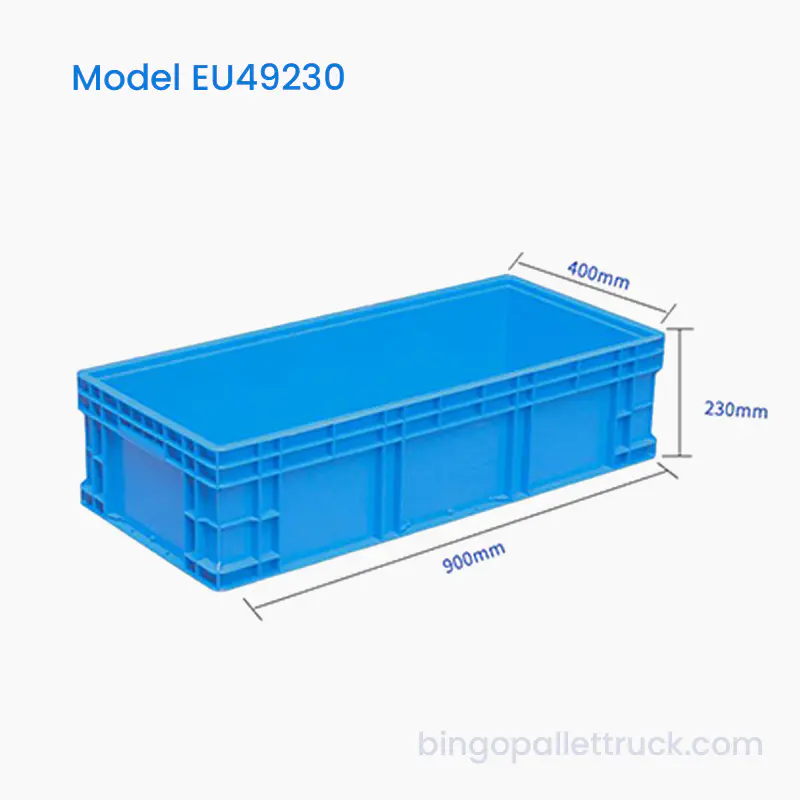
The EU49230 is a 66-liter EU plastic tote box developed for demanding industrial and commercial logistics applications. With external dimensions of 900 × 400 × 230 millimeters and internal dimensions of 855 × 355 × 218 millimeters, it is designed as an extra-long, shallow container that can hold a substantial quantity of components, packaged products, tools, or bulk items while remaining easy to organize. Its proportions make it especially useful in locations where long storage lanes, shelving bays, conveyor systems, or picking stations require a broad but relatively low-profile container.
Manufactured from impact-resistant polypropylene, the tote provides a practical balance between strength, weight, chemical resistance, cleanability, and service life. Its reinforced ribbed structure supports stable vertical stacking and helps the container retain its shape during routine handling. The smooth internal surfaces simplify cleaning and reduce the risk of dirt accumulating in corners, making the tote suitable for manufacturing, parts storage, workshops, order fulfillment, and many general warehouse environments.
This article examines the product’s design, performance, industrial value, manufacturing background, quality-control approach, and advantages over less specialized storage solutions. It also explains how a standardized tote can contribute to a more efficient material-handling system and why supplier capability is an important consideration when purchasing storage containers in volume.
66L Practical EU Storage Bin with Stable Stackable Design
Product Overview
The EU49230 belongs to the European-standard plastic tote category. It is designed around a rectangular footprint that supports organized storage and efficient use of warehouse space. The 900-millimeter length provides considerable room for long components, packaged products, tools, or multiple smaller items. The 400-millimeter width is compatible with many shelving and workbench layouts, while the 230-millimeter external height provides useful capacity without creating an excessively tall container that is difficult to access.
| Item | Specification |
| Product type | EU plastic logistics tote |
| Model | EU49230 |
| Material | Polypropylene (PP) |
| External dimensions | 900 × 400 × 230 mm |
| Internal dimensions | 855 × 355 × 218 mm |
| Capacity | 66 liters |
| Product weight | 3.1 kg |
| Structure | Reinforced ribbed, stackable design |
| Typical applications | Warehousing, parts storage, manufacturing, workshops, distribution, and order fulfillment |
The 66-liter capacity makes the container large enough for meaningful inventory quantities while remaining more manageable than oversized bulk bins. A shallow design also allows operators to see and reach stored goods more easily. This is valuable in picking operations, where excessive container depth can cause items to be buried below the visible working area.
The difference between external and internal dimensions reflects the wall thickness, structural ribs, reinforcing features, and stacking geometry required to create a durable industrial tote. The 3.1-kilogram product weight indicates that the container is built for repeated use while remaining practical for manual movement when empty or partially loaded.
Why the EU49230 Design Matters
Long and Shallow Geometry
Many storage containers are designed as short, deep boxes. That geometry can be suitable for compact parts, but it is not ideal for long products, flat components, packaging materials, pipes, profiles, tools, or items that need to be arranged in a single layer. The EU49230 addresses this need with an extended 900-millimeter length and a relatively low 230-millimeter height.
The long footprint makes it possible to place several groups of inventory side by side or to arrange elongated goods without bending, folding, or compressing them. The lower height also supports ergonomic access. Workers can identify and retrieve items from the container without having to reach deeply into a tall box. In fast-moving picking environments, this can reduce search time and improve consistency.
Balanced Capacity
A 66-liter tote offers a useful middle ground between small component bins and very large bulk containers. Smaller bins may require excessive handling because many units are needed to store a complete product family. Very large bins can become heavy, difficult to move, and prone to mixed inventory. The EU49230 provides enough volume for productive storage while encouraging clearer item separation.
Capacity should always be considered together with product density. A container filled with lightweight packaging materials will be easier to handle than one filled with metal parts or dense components. For this reason, operators should establish suitable loading limits according to the stored material, the rack system, and the planned stacking height. The container’s robust construction supports industrial use, but safe warehouse practices remain essential.
Reinforced Ribbed Structure
Plastic containers used repeatedly in warehouses are exposed to impacts, vibration, abrasion, compression, and frequent stacking. A plain thin-wall box may deform when loaded or may become unstable when several containers are stacked. The EU49230 uses reinforced ribbing to improve structural rigidity and help distribute loads across the walls and base.
Ribbing can also reduce the tendency of broad plastic surfaces to flex. This is particularly important for an extra-long container, because a long side wall can experience more bending than a compact square wall. By incorporating reinforcement into the design, the tote can maintain better dimensional stability during storage and handling.
Stable stacking is valuable not only because it saves floor space. It also creates more predictable storage lanes, reduces the risk of leaning stacks, and helps warehouse personnel maintain orderly inventory locations. When empty totes are not in use, stackability can reduce the volume needed for return transport or storage.
Material Advantages of Polypropylene
Polypropylene is widely used in reusable industrial containers because it offers a practical combination of durability and processing flexibility. It is relatively lightweight compared with many alternative materials, yet it can be molded into strong walls, reinforced bases, stacking features, and other functional details.
For the EU49230, polypropylene supports repeated handling without the excessive weight associated with metal containers. This can benefit workers who move totes between storage locations, picking stations, assembly areas, and dispatch points. Lower container weight also helps reduce transport weight when empty containers are returned or redistributed.
Polypropylene has good resistance to moisture and many commonly encountered substances. This makes it suitable for general warehouse, workshop, manufacturing, and distribution environments. The material also supports smooth molded surfaces that are easier to wipe or wash than rough timber or damaged cardboard.
Another important advantage is the material’s suitability for reusable systems. Cardboard boxes often lose strength after exposure to humidity, repeated handling, or compression. Disposable packaging also generates recurring purchasing and waste-disposal costs. A durable PP tote can circulate through a facility many times, helping businesses move toward more reusable and standardized logistics practices.
Material selection should still be matched to the operating environment. Users should verify chemical compatibility, temperature requirements, load conditions, and hygiene standards for specialized applications. For general industrial storage and logistics operations, however, polypropylene is a widely accepted and practical choice.
Advantages Over Ordinary Storage Boxes
Compared with Cardboard Boxes
Cardboard is inexpensive and convenient for one-way shipping, but it is less suitable for long-term storage or repeated internal handling. Cardboard can absorb moisture, lose compression strength, tear at corners, and collapse when stacked under changing conditions. Labels may also become damaged, and the box may need to be replaced after only a few handling cycles.
The EU49230 offers a reusable alternative with molded structural strength and a stable stacking profile. Its smooth plastic surfaces are easier to clean, and its dimensions remain consistent over repeated use. Standardized dimensions also help businesses design fixed storage locations instead of relying on irregular cartons.
For returnable transport systems, the difference can be especially significant. A reusable tote can move between suppliers, production areas, warehouses, and customers without becoming unusable after one trip. This may help reduce packaging waste and improve the predictability of material flow.
Compared with Wooden Crates
Wooden crates can carry heavy products, but they are often bulky and less convenient for small components or frequently accessed inventory. They may contain splinters, nails, rough surfaces, and variable dimensions. Wood can also absorb moisture and require additional treatment for certain transport applications.
The EU49230 provides a cleaner and more standardized option for many storage tasks. Its molded PP construction offers a smooth internal surface and consistent external dimensions. The lighter weight can make routine handling easier, while the shallow format provides better access to stored parts than a deep wooden crate.
Compared with Metal Containers
Metal containers are valued for high strength and resistance to certain impacts, but they can be heavy, noisy, and expensive to move. Metal edges may also damage products or create workplace safety concerns if the container is not properly finished. For general parts storage, the strength of metal may exceed what is necessary.
A plastic tote such as the EU49230 can provide sufficient industrial durability for many routine logistics tasks with lower dead weight and easier handling. It is also less likely to corrode in humid environments. The appropriate choice depends on the load and working conditions, but plastic is often more efficient for repeated warehouse circulation.
Compared with Non-Stackable Plastic Boxes
Some low-cost plastic boxes have simple walls and no reliable stacking interface. When stacked, they may slide, lean, or place excessive pressure on the contents below. Their lack of standardization can also create wasted space on racks and floors.
The reinforced stackable design of the EU49230 is intended to provide more orderly vertical storage. Properly aligned totes can create a more stable storage column and improve the visual organization of inventory. This is a practical advantage over general-purpose containers that were not designed for logistics stacking.
Warehouse and Industrial Applications
Component Storage
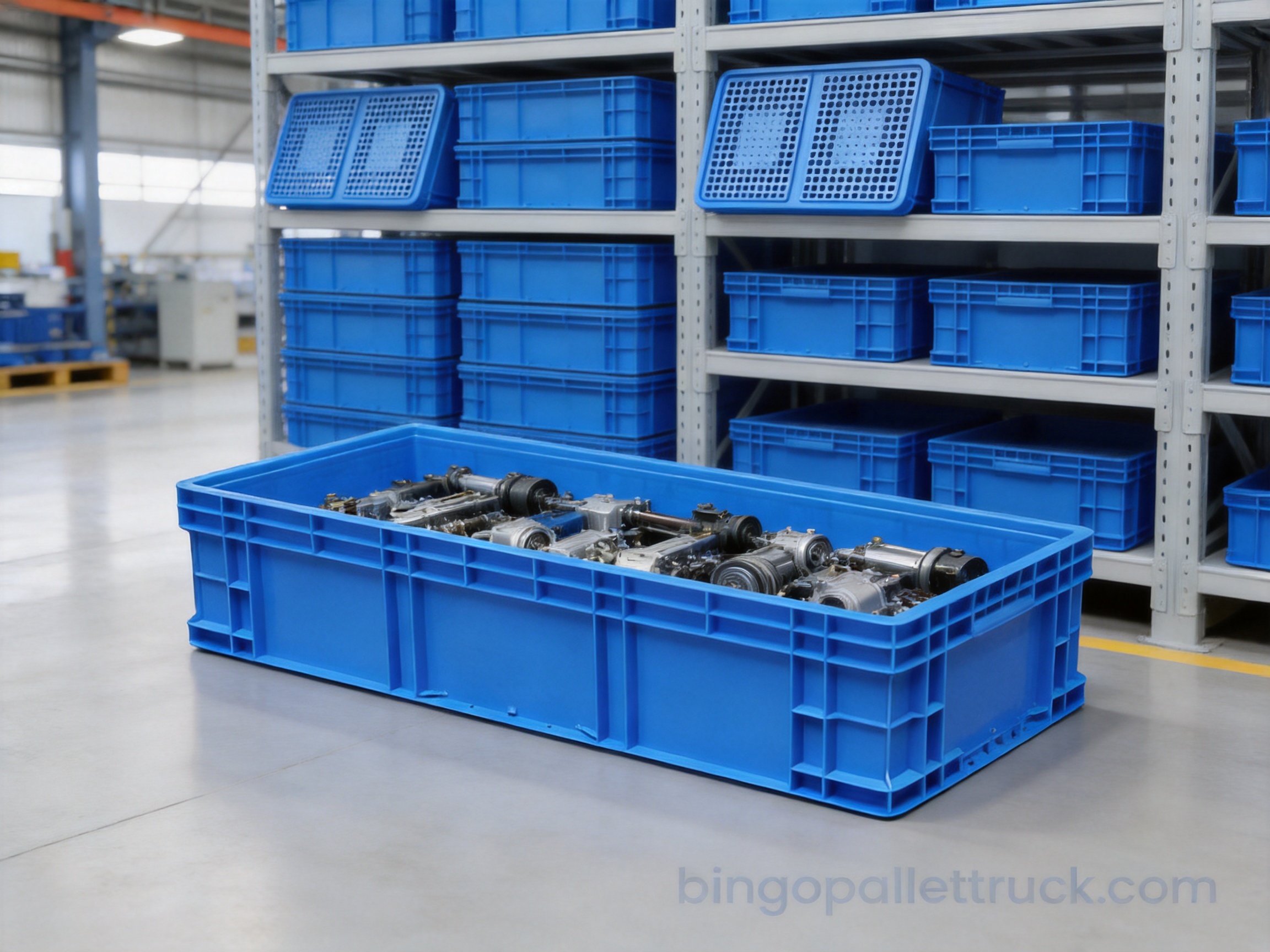
Manufacturers often need to store fasteners, molded parts, electrical components, fittings, seals, tools, and subassemblies close to production lines. The EU49230 can serve as a visible and accessible component container. Its long shape is suitable for organizing several related part groups with dividers, labels, or internal packaging.
When each product family is assigned a dedicated tote, operators can reduce mixed inventory and simplify replenishment. The 66-liter volume provides enough space for productive quantities without requiring a very large container that encourages excessive mixing.
Order Fulfillment
E-commerce and distribution centers depend on fast and accurate picking. A storage tote must allow workers to identify products quickly, retrieve them without unnecessary movement, and return the remaining inventory to a stable location. The shallow height of the EU49230 can support this workflow by keeping products within an accessible reach zone.
The tote can be positioned on shelving, staging tables, picking carts, or other compatible handling equipment. Its standardized footprint may help businesses create repeatable aisle layouts and improve location labeling. When several totes are used in a sequence, operators can organize inventory by stock-keeping unit, order group, route, or processing stage.
Workshop Organization
Workshops often contain a mixture of hand tools, maintenance parts, consumables, and work-in-progress items. Without suitable containers, these materials may be placed on benches or floors, creating clutter and increasing search time. A durable tote provides a defined location for each category.
The EU49230 is particularly useful for long tools, maintenance kits, replacement components, and grouped work orders. Its smooth interior can be cleaned after exposure to dust, light grease, or ordinary workshop debris, subject to the compatibility of the cleaning agent with polypropylene.
Manufacturing and Assembly Lines
In manufacturing, components frequently move from a warehouse to a kitting station and then to an assembly line. Reusable totes can support this flow by protecting parts during internal transport and keeping batches together. The container’s extended format may accommodate line-side kits or low-profile components that do not fit efficiently in taller boxes.
Stackability is also useful when temporary storage is required between processes. Totes can be staged in controlled stacks rather than spread across valuable floor space. This can contribute to cleaner production areas and better visual management.
Packaging and Distribution
Packaging departments can use the tote to hold packing accessories, labels, protective materials, or grouped products waiting for dispatch. The rigid walls help maintain order during internal movement, while the reusable format can support returnable packaging programs.
For distribution operations, it is important to separate the container’s role from that of a sealed shipping package. The EU49230 is primarily a reusable logistics and storage tote. It can support internal material movement and organized staging, while additional outer packaging or covers may be used when required for external shipment protection.
Space Utilization and Stackability
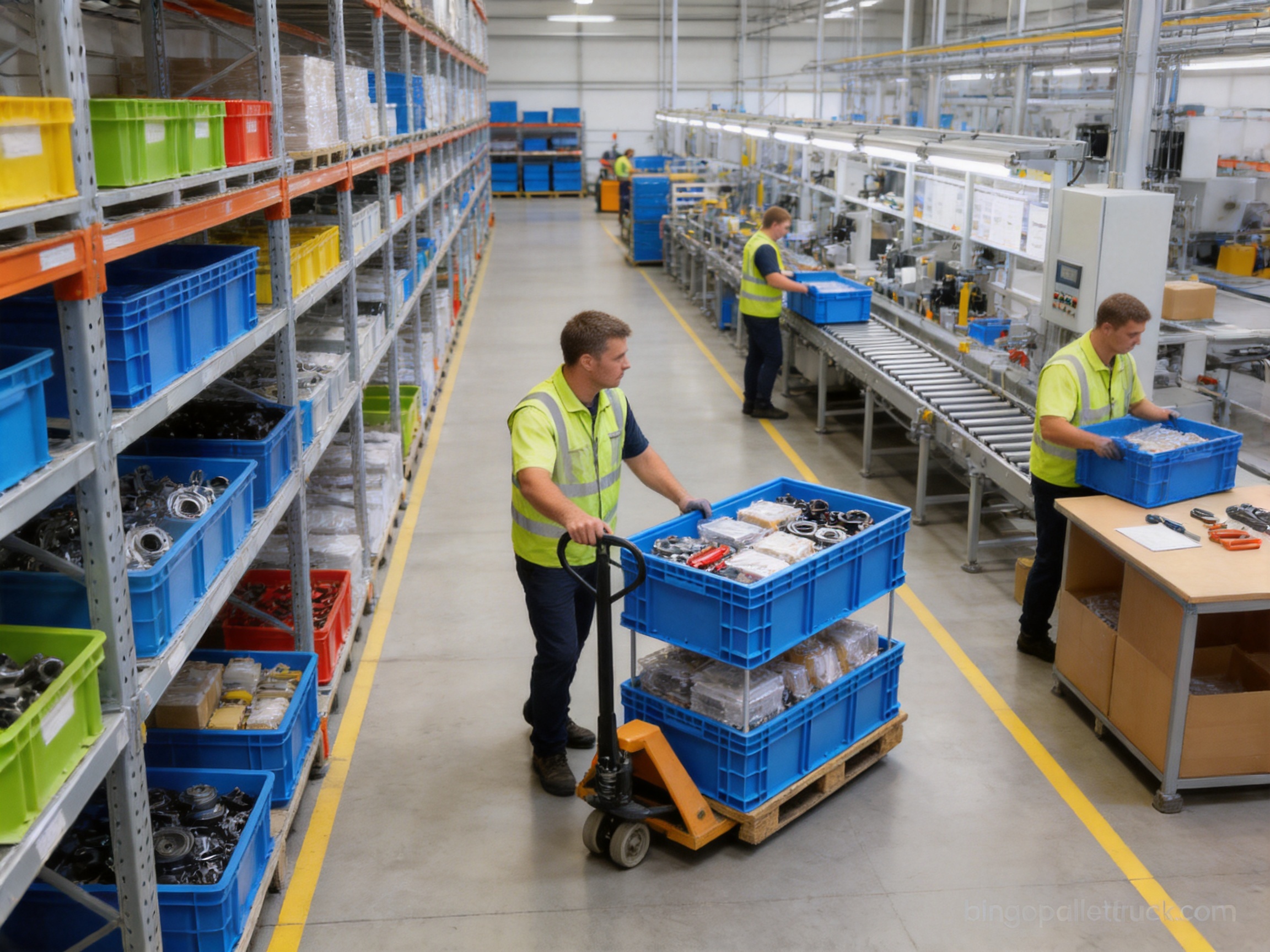
Warehouse space is expensive, and the cost of inefficient storage is often hidden in congestion, extra travel distance, and poor visibility. Vertical stacking allows companies to use available height rather than relying only on floor area. The EU49230 is designed to support stable stacking, with product information indicating that stacks can reach more than ten layers under suitable conditions.
The actual safe stacking height should be determined by the load, surface condition, rack or floor design, environmental factors, and the manufacturer’s operating guidance. A lightly loaded tote may be suitable for a taller stack than one filled with dense metal parts. Stacks should remain level, aligned, and free from excessive side loading.
Stackable containers can also improve space planning during peak seasons. When inventory volumes rise, additional totes can be added vertically within the available storage zone. When demand falls, empty totes can be nested or stacked in a compact area, depending on the design and operating procedure.
Consistent dimensions are important for this benefit. Randomly sized boxes create gaps and make it difficult to build safe, repeatable stacks. The EU format provides a more predictable basis for rack planning, aisle design, and workstation layout.
Ergonomics and Handling Efficiency
Storage equipment affects the way people work. A container that is too deep can force workers to bend or reach repeatedly. One that is too heavy can increase fatigue. One that is difficult to identify can cause unnecessary walking and searching. The EU49230 addresses several of these issues through its shallow geometry, manageable empty weight, and organized storage format.
The 218-millimeter internal height can make it easier for workers to view the contents from above. This is helpful when totes are placed on shelves or work surfaces. Items can be arranged in layers, bags, trays, or partitions according to the process requirements.
Ergonomic performance also depends on how the tote is loaded. Heavy goods should be positioned safely, and frequently accessed products should be kept within suitable reach zones. Operators should avoid creating loads that are too heavy for manual handling, even if the container itself can physically hold them.
By reducing the need to search through loose cartons or move multiple smaller boxes, a standardized tote can support smoother material flow. Over time, these small improvements may contribute to higher picking productivity and lower handling variability.
Cleanability and Reusability
Reusable plastic totes are valuable in environments where cleanliness and orderly storage matter. The smooth interior of the EU49230 helps reduce places where dust, fibers, and residue can collect. It can be wiped or washed using procedures appropriate for polypropylene and the stored materials.
Cleanability is especially useful in workshops, component handling areas, food-related non-contact logistics, and facilities where products must remain free from excessive debris. Users should define a cleaning schedule based on the environment. A tote used for clean components may need only periodic inspection, while one used in dusty or oily operations may require more frequent cleaning.
Reusability also supports cost control. Although a durable tote typically has a higher initial cost than a disposable carton, the purchase can be distributed across many usage cycles. The overall value depends on the number of trips, the replacement rate of alternative packaging, labor savings, and the cost of disposal.
At the end of its service life, polypropylene may be suitable for recycling through appropriate industrial channels. Recycling procedures should follow local regulations and should account for contamination, additives, labels, and mixed materials.
Manufacturing Strengths and Process Control
A storage tote’s performance depends not only on its visible design but also on how consistently it is manufactured. Dimensional accuracy, material quality, wall uniformity, rib formation, surface finish, and cooling control all influence the final product. A supplier with standardized processes is better positioned to deliver repeatable batches for customers operating large container fleets.
Material Selection and Preparation
The manufacturing process begins with the selection and preparation of polypropylene raw material. Material consistency affects impact resistance, stiffness, color uniformity, and molding behavior. The company’s stated quality approach emphasizes virgin material and inspection from raw-material sourcing through production. This type of control can help reduce variation between batches.
Raw material should be stored in a controlled manner to prevent contamination and ensure that production inputs meet defined specifications. Proper preparation supports stable molding conditions and helps maintain the mechanical properties expected from the finished tote.
Precision Molding
Industrial plastic totes are commonly produced through injection molding or a related high-volume molding process. The mold defines the external shape, internal cavity, stacking geometry, ribs, corners, and other functional details. Consistent molding conditions are necessary to avoid warping, incomplete features, sink marks, short shots, or excessive flash.
For a long container such as the EU49230, mold balance and cooling are particularly important. Uneven cooling can create distortion along the extended walls or base. A controlled process helps the tote maintain its intended dimensions so that containers stack correctly and fit planned storage locations.
Rib and Corner Formation
Reinforcing ribs must be formed accurately to provide the intended stiffness without creating unnecessary weight. Corners also require careful attention because they experience impact and load transfer during stacking. Smooth transitions and suitable radii can help reduce stress concentration and improve durability during repeated use.
The stacking interface must be consistent across production batches. If the upper and lower contact areas vary too much, containers may not align securely. Standardized tooling and routine dimensional inspection help maintain compatibility between totes produced at different times.
Inspection at Multiple Stages
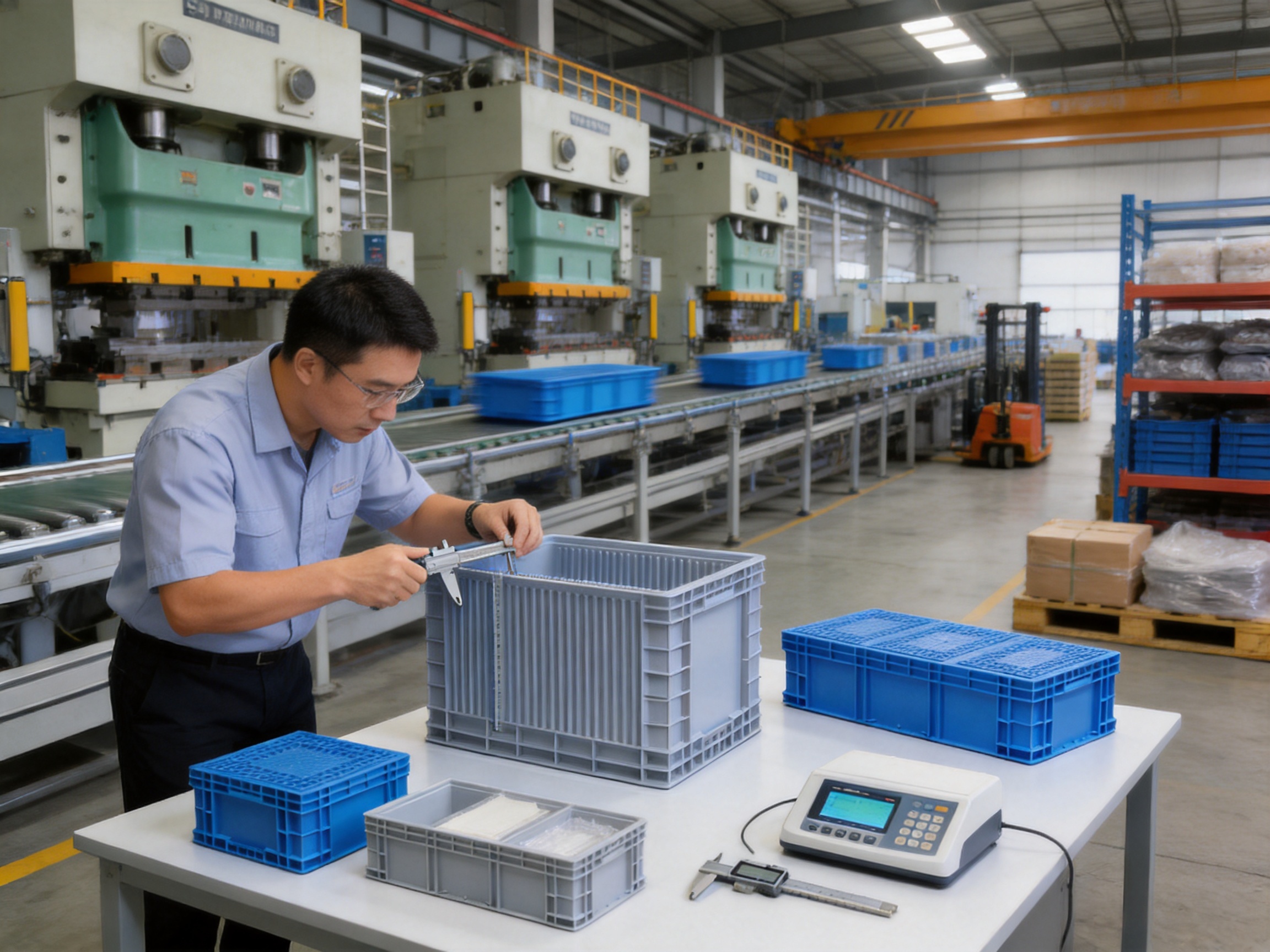
Quality control is most effective when it is performed throughout the manufacturing process rather than only at the final packing stage. Inspection may include raw-material verification, first-piece approval, in-process checks, visual inspection, dimensional measurement, weight verification, and functional testing.
Dimensional checks can confirm external length, width, height, and critical stacking features. Visual checks can identify surface defects, cracks, warping, contamination, or molding marks that could affect use. Weight checks can help detect abnormal material variation. Functional checks may evaluate stacking stability, load behavior, and resistance to routine handling.
The company describes standardized production procedures and strict inspection practices as important parts of its manufacturing system. This approach is valuable for wholesalers, distributors, and industrial users who need consistent products across repeat orders rather than isolated sample quality.
Production Capacity and Supply Readiness
Commercial buyers often need more than a technically suitable product. They also require dependable supply, color options, specification consistency, and responsive communication. The supplier provides multiple colors and full specifications, supports customization, and maintains stock for fast delivery according to the supplied information.
Availability can be especially important when a warehouse is expanding or replacing a fleet of damaged containers. If the same model can be replenished without long delays, businesses can maintain a consistent storage system instead of mixing incompatible boxes.
Supplier Capability and One-Stop Logistics Support
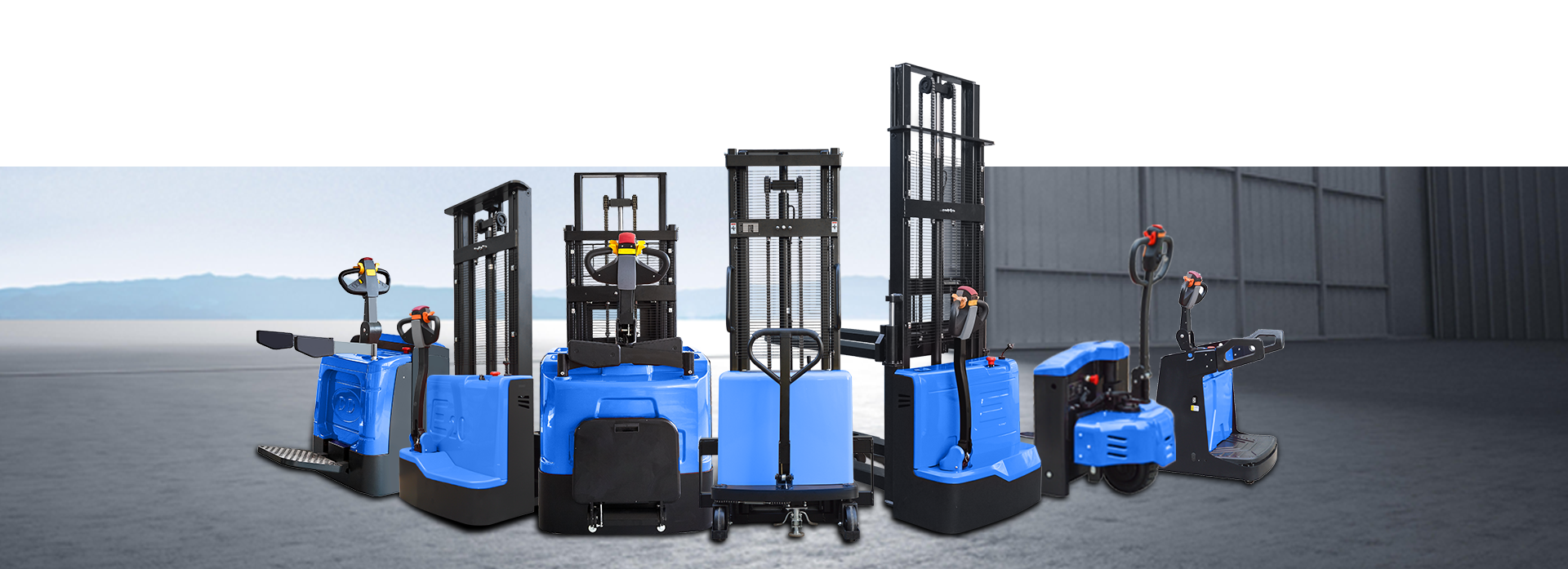
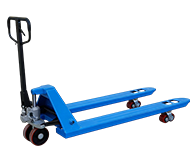
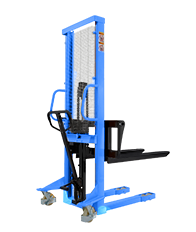
The manufacturer behind the EU49230 operates across several related logistics-equipment categories. Its product scope includes handling equipment, storage containers, packaging materials, and warehouse racks. This broader range can be useful for customers planning an integrated warehouse solution rather than purchasing isolated products from multiple suppliers.
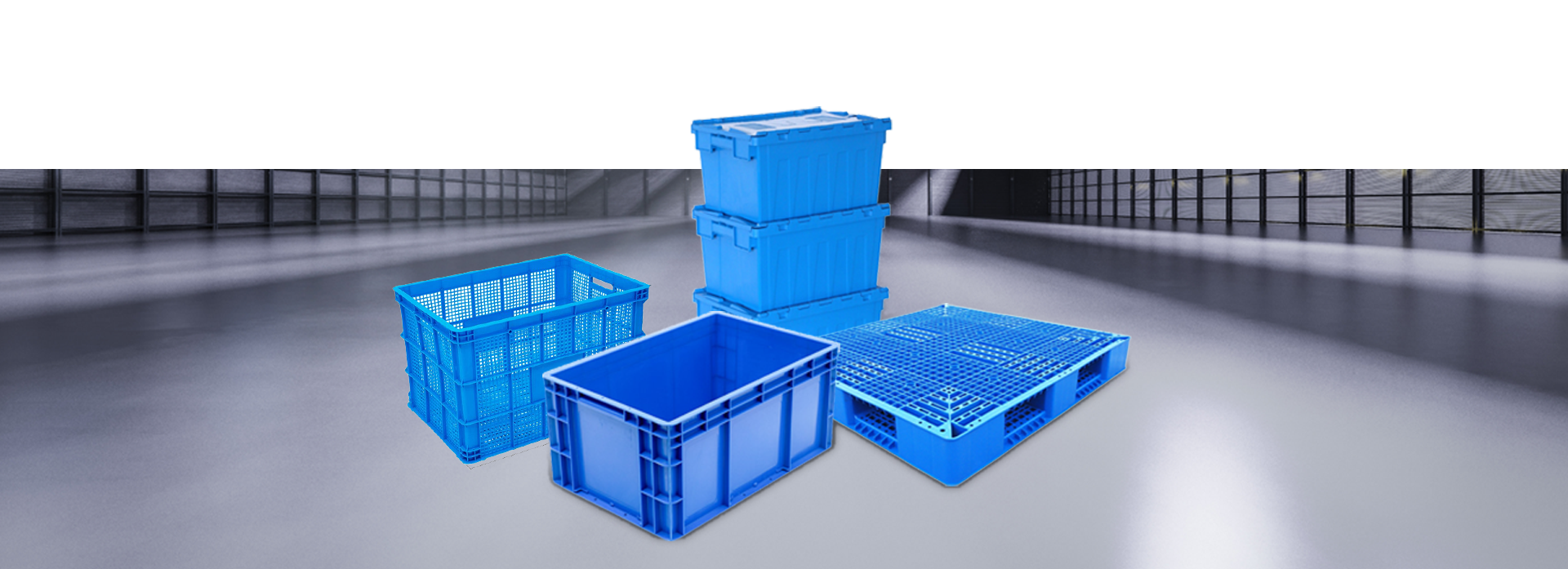
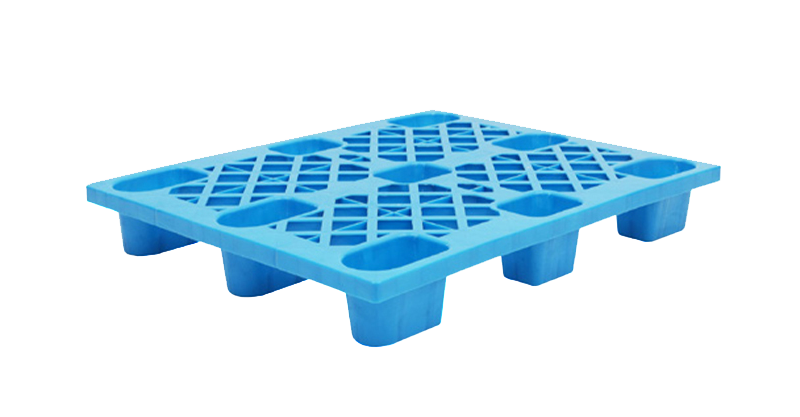
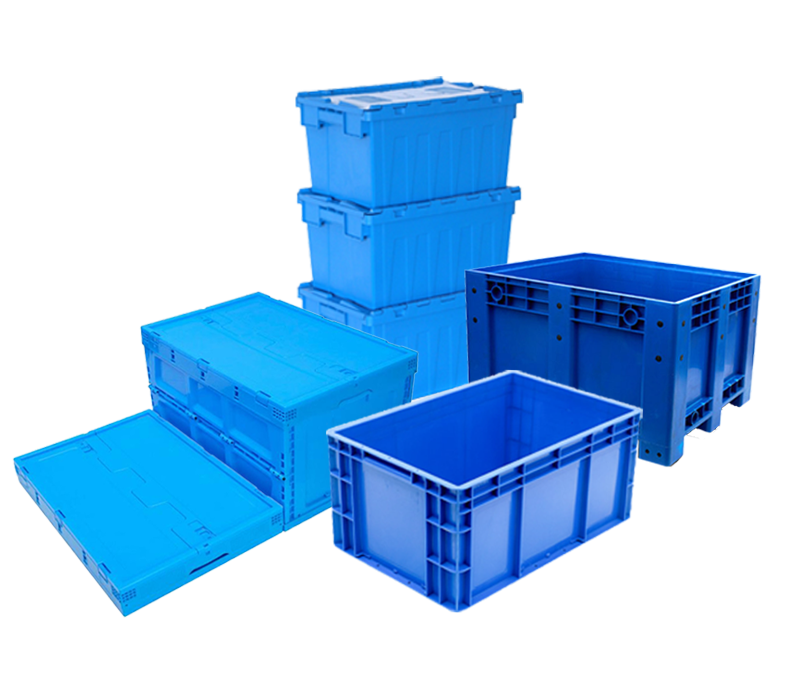
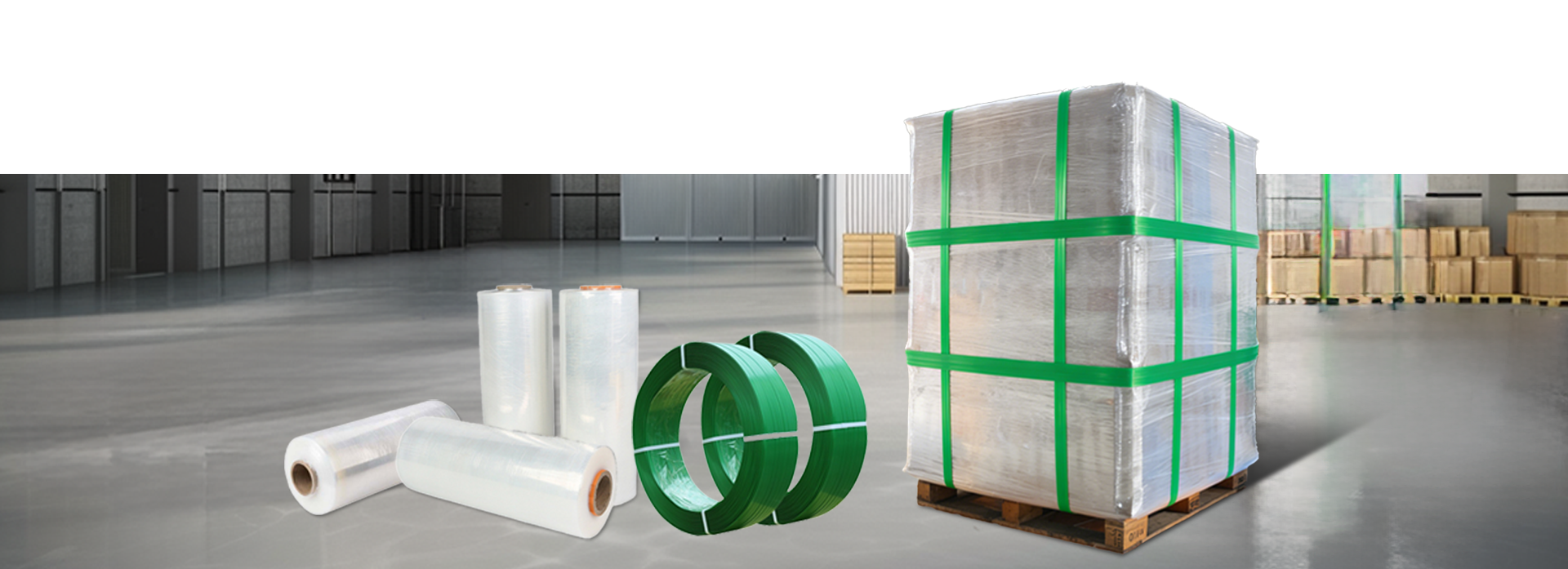
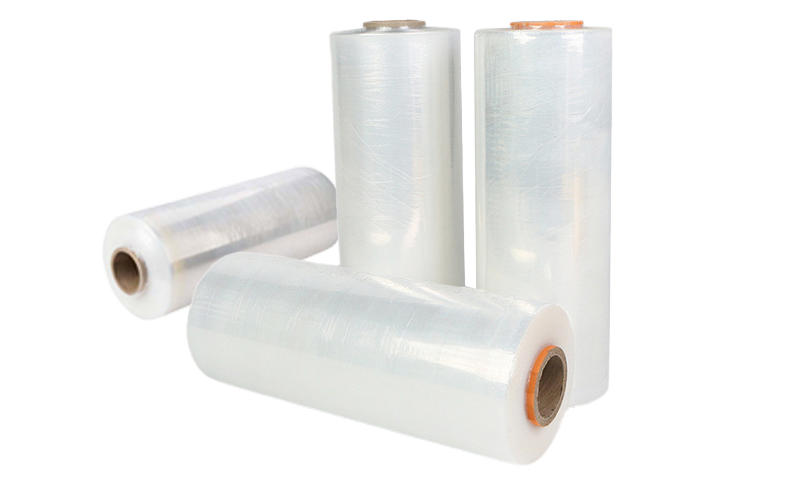
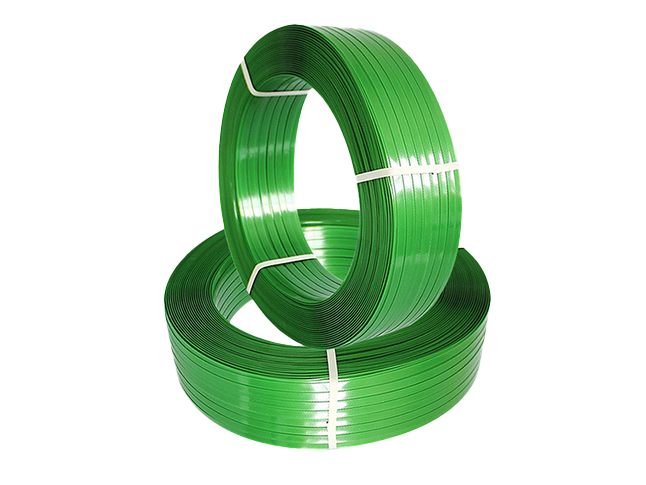
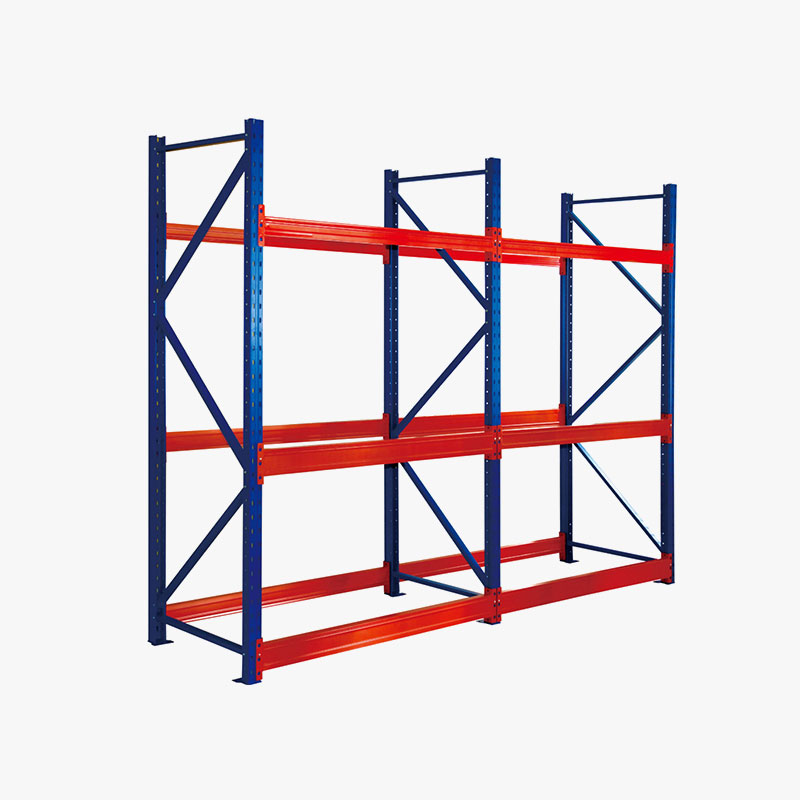
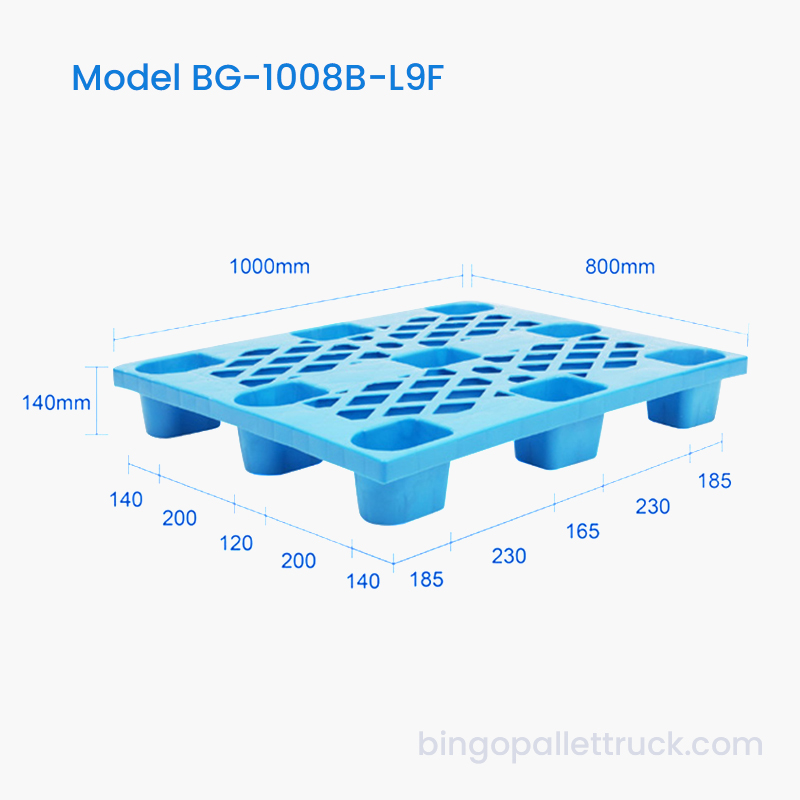
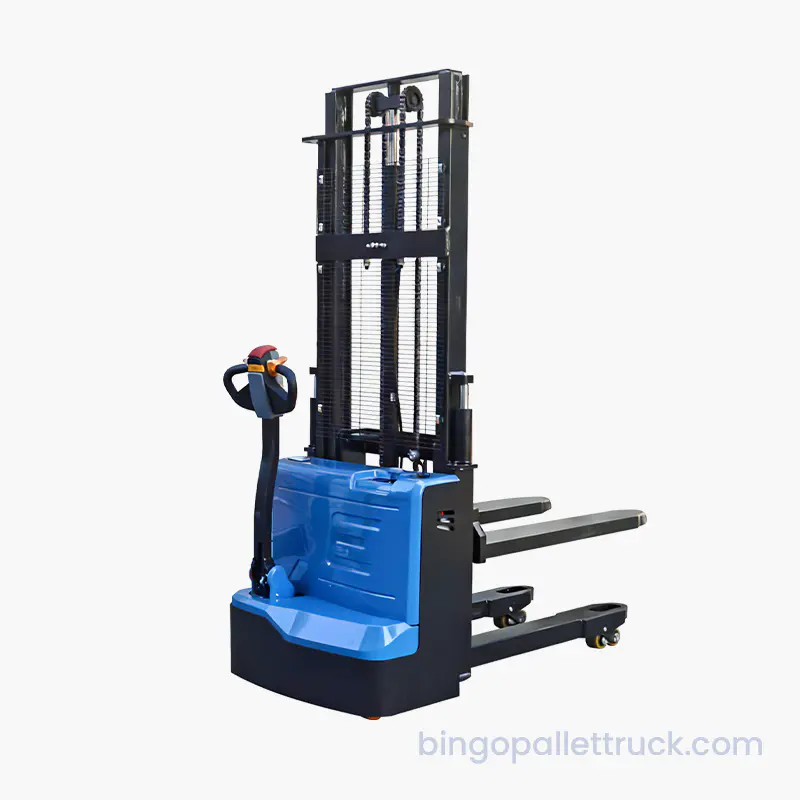
Handling equipment includes manual and electric pallet trucks and stackers. Storage products include plastic pallets, totes, crates, and bulk containers. Packaging materials include stretch wrap and packing strapping, while warehouse-racking products cover light-duty, medium-duty, and heavy-duty applications.
A supplier with capabilities across these categories can help customers consider how containers interact with racks, pallet trucks, workstations, and packaging processes. For example, the dimensions of a tote may influence shelf spacing, aisle clearance, picking-cart design, and the position of packing stations. Coordinated product selection can reduce compatibility issues during installation.
The company’s location in Yancheng, Jiangsu, China, places it within a major industrial and manufacturing environment. Its stated business focus includes production, sales, and service for warehousing and logistics equipment. For international buyers, this combination of manufacturing and export-oriented support may simplify sourcing and communication.
Customization support is another potential advantage for larger projects. Businesses may require different colors for product classification, private labeling, altered specifications, or coordinated equipment packages. Any customization should be reviewed carefully with regard to tooling, minimum order quantity, color consistency, lead time, and quality requirements.
Color Coding and Inventory Management
Color is more than a visual preference in a warehouse. It can support process discipline and help employees distinguish product families, work stages, locations, or handling requirements. Multiple tote colors can be assigned to receiving, quality inspection, production, returns, finished goods, or specific departments.
Color coding can also reduce the risk of sending the wrong material to a workstation. For example, one color may identify components awaiting inspection, while another may identify approved stock. The system should be documented and applied consistently so that color differences reinforce, rather than replace, barcode or label controls.
Labels can be attached to the tote or placed in dedicated identification areas when available. Operators may record the item number, description, quantity, lot, date, and destination. Because the container has a fixed size and shape, labels can be positioned consistently across a storage zone.
Recommended Operating Practices
Before putting the EU49230 into service, users should inspect each tote for cracks, deformation, sharp defects, or visible damage. Damaged containers should be removed from circulation and evaluated before reuse.
Loads should be distributed evenly across the base. Concentrated point loads may create higher stress than evenly distributed goods. Sharp components should be packaged or protected so they do not cut or puncture the plastic during movement.
When stacking, containers should be aligned with the designed stacking features fully engaged. Operators should avoid leaning stacks, uneven floors, excessive overhang, and side impacts from vehicles or carts. The maximum practical stack height should be determined by the actual load and environment rather than by capacity alone.
Containers should not be dragged across rough floors when lifting or moving equipment is available. Dragging may abrade the base and create damage over time. If the tote is used on a rack, the rack deck and support spacing should be checked to ensure that the base is adequately supported.
Cleaning agents should be selected according to the material and contamination. Harsh chemicals, excessive heat, or unsuitable solvents may affect plastic performance. After washing, totes should be dried before storing moisture-sensitive products.
A simple inspection and replacement program can extend system reliability. Businesses may record the approximate age, location, and condition of each tote. Periodic checks can identify recurring damage patterns, such as impact at a particular transfer point or excessive loading at one workstation.
Purchasing Considerations for Industrial Buyers
When purchasing storage containers in volume, buyers should evaluate more than nominal capacity. Important factors include external and internal dimensions, compatibility with racks, usable height, product weight, material, stackability, cleaning requirements, color availability, supply capacity, and after-sales support.
Sample evaluation is recommended before a large order. A trial can confirm whether the tote fits existing shelves, picking carts, conveyors, pallets, and workstations. It can also reveal how employees interact with the container during real operations.
Buyers should test the tote with the intended products. A container that works well for lightweight packaging may behave differently when loaded with dense metal components. Trial use can help establish appropriate filling levels, safe handling methods, and practical stack heights.
Documentation is also important. A complete quotation should identify the model, dimensions, material, color, quantity, packaging method, delivery terms, inspection requirements, and any customization. Clear specifications reduce misunderstandings between the supplier and purchasing team.
For international orders, buyers may also review production lead times, export packaging, shipment planning, replacement availability, and communication procedures. A supplier that can provide related handling, storage, packaging, and racking products may offer additional convenience for larger warehouse projects.
Economic and Environmental Value
The business case for reusable totes is based on total operating value rather than purchase price alone. A durable container can reduce the repeated purchase of disposable cartons, lower the amount of packaging waste, and help employees work faster in organized storage areas.
Standardized totes may also reduce hidden costs associated with damaged goods, misplaced components, mixed inventory, and inefficient space usage. When containers stack predictably and remain in circulation, the warehouse can achieve better visibility and more consistent material flow.
The environmental benefit depends on actual usage. A reusable tote provides the greatest value when it completes many cycles and remains properly maintained. If it is used only once or is frequently lost, its advantages are reduced. Effective asset control, return procedures, and inspection programs therefore support both economic and environmental performance.
At the end of service life, responsible recycling can help recover material value. Users should separate heavily contaminated totes and follow local recycling rules. The supplier and buyer can also discuss design choices that support longer service life, repairability where practical, and efficient return transport.
Frequently Asked Questions
What is the capacity of the EU49230 tote?
The stated capacity is 66 liters. The internal dimensions are approximately 855 × 355 × 218 millimeters, providing usable space for components, packaged products, tools, and other industrial materials.
What are the external dimensions?
The external dimensions are 900 × 400 × 230 millimeters. These dimensions make the tote long and relatively shallow, which is useful for elongated items and accessible picking locations.
What material is used to manufacture the container?
The product specification identifies polypropylene, or PP, as the material. Polypropylene is commonly used for reusable logistics containers because it offers low weight, impact resistance, moisture resistance, and easy-clean molded surfaces.
Is the tote suitable for stacking?
Yes. The EU49230 has a reinforced ribbed structure and a stackable design. The supplied product information indicates that it can be stacked in more than ten layers under appropriate conditions. Actual safe stacking height depends on load weight, alignment, floor condition, and operating procedures.
Can the tote be used for heavy parts?
It is intended for industrial and commercial storage, but the suitable load depends on the type of part, distribution of weight, stacking height, and handling method. Dense or sharp parts should be evaluated through a trial before full deployment. Users should not exceed the supplier’s applicable load guidance.
Is the interior easy to clean?
The tote has a smooth interior designed to support convenient cleaning. Users should choose cleaning agents and temperatures that are compatible with polypropylene and should dry the container before storing moisture-sensitive goods.
Can different colors be supplied?
The supplied information indicates that multiple colors and full specifications are available. Color selection can support inventory classification, work-stage identification, and visual management. Availability, minimum order quantities, and customization details should be confirmed for each project.
Can the tote be used in a manufacturing workshop?
Yes. Typical uses include component storage, maintenance parts, tools, consumables, work-in-progress materials, and line-side kits. The container’s shallow shape can make stored items easier to see and retrieve from a workstation or shelf.
How does it compare with cardboard packaging?
The tote is reusable, rigid, stackable, and easier to clean than ordinary cardboard. Cardboard may still be appropriate for one-way shipments or temporary packaging, while the plastic tote is generally better suited to repeated internal handling and returnable logistics cycles.
Does the supplier provide more than storage totes?
Yes. The supplier’s stated product range includes handling equipment, storage containers, packaging materials, and warehouse racks. This supports the possibility of sourcing coordinated products for a broader warehousing or logistics project.
Can the product be customized?
The supplied information states that customization is supported. Buyers should confirm available options, such as color, marking, labeling, or specification adjustments, together with tooling requirements, order quantities, lead time, and quality standards.
What should buyers check before placing a large order?
Buyers should verify dimensions, material, capacity, color, stacking behavior, rack compatibility, load requirements, delivery schedule, inspection terms, and sample performance. A trial in the intended work environment is recommended before fleet-wide adoption.
Conclusion
The EU49230 66-liter EU plastic tote is designed for organizations that need more than a basic storage box. Its extra-long and shallow format supports accessible storage of components, tools, packaged products, and elongated items. Its polypropylene construction combines manageable weight with the durability required for repeated industrial use, while the reinforced ribbed design supports stable stacking and more efficient use of warehouse space.
Compared with cardboard cartons, wooden crates, metal boxes, and non-stackable plastic containers, the EU49230 offers a strong balance of reusability, cleanability, dimensional consistency, and handling convenience. It can support manufacturing, workshops, order fulfillment, distribution, packaging, and general warehouse organization.
The product’s value is strengthened by the supplier’s wider logistics-equipment capability. Its stated use of virgin material, standardized processes, inspection at multiple production stages, stock availability, color choices, and customization support provides a foundation for consistent supply. The broader portfolio of pallet trucks, stackers, pallets, crates, packaging materials, and warehouse racks also enables customers to consider integrated solutions.
For the best results, users should match loading practices, stack height, cleaning methods, and rack placement to their operating environment. When correctly selected and managed, the EU49230 can help businesses reduce packaging waste, improve inventory visibility, use vertical space more effectively, and create a cleaner, more systematic material-flow process.
References
1. Product specification sheet for EU49230 66-liter EU plastic logistics tote.
2. Industrial guidance on reusable plastic containers and returnable transport packaging.
3. General warehouse storage and material-handling safety practices.
4. Polypropylene material-performance references for industrial molded products.
5. Principles of warehouse slotting, visual management, and standardized inventory storage.
6. General quality-control practices for injection-molded plastic components.
7. Sustainable packaging and reusable logistics-container management principles.
Product: 66L Practical EU Storage Bin with Stable Stackable Design


Copyright @ Yancheng Bingo Machinery Equipment Co., Ltd. All rights reserved Warehouse Logistics Equipment Manufacturer Pallet Truck Supplier
