 en
 Español

50L Heavy-Duty HDPE Water Storage Tank: A Practical Guide to Industrial Storage, Transport, and Warehouse Efficiency
Content
- 1 Product Overview
- 2 Why HDPE Is Suitable for Industrial Water Storage
- 3 Structural Design and Durability
- 4 Capacity and Dimensional Efficiency
- 5 Stackability and Warehouse Space Utilization
- 6 Advantages Over Common Alternative Containers
- 7 Water Storage and Utility Applications
- 8 Industrial Storage and Bulk Goods Handling
- 9 Manufacturing Process and Quality Considerations
- 10 Supplier Strengths and Integrated Product Capabilities
- 11 Inspection, Cleaning, and Maintenance
- 12 Safe Handling and Transportation
- 13 Choosing the Right Quantity and Configuration
- 14 Commercial Value and Total Cost of Ownership
- 15 Ordering and Implementation Recommendations
- 16 Frequently Asked Questions
- 16.1 What is the capacity of the tank?
- 16.2 What material is used to manufacture the tank?
- 16.3 What are the external dimensions?
- 16.4 What are the internal dimensions?
- 16.5 How much does the empty tank weigh?
- 16.6 Can the tank be stacked?
- 16.7 Is the tank suitable for transporting water?
- 16.8 Can it be used for chemicals?
- 16.9 Is an optional lid available?
- 16.10 Can the tank be used in food-related operations?
- 16.11 What makes this tank more space-efficient than a round drum?
- 16.12 What industries can use this tank?
- 16.13 How should the tank be cleaned?
- 16.14 How can the supplier support a wider warehouse project?
- 17 Conclusion
- 18 References
- 19 Product: 50L Heavy Duty HDPE Water Storage Tank
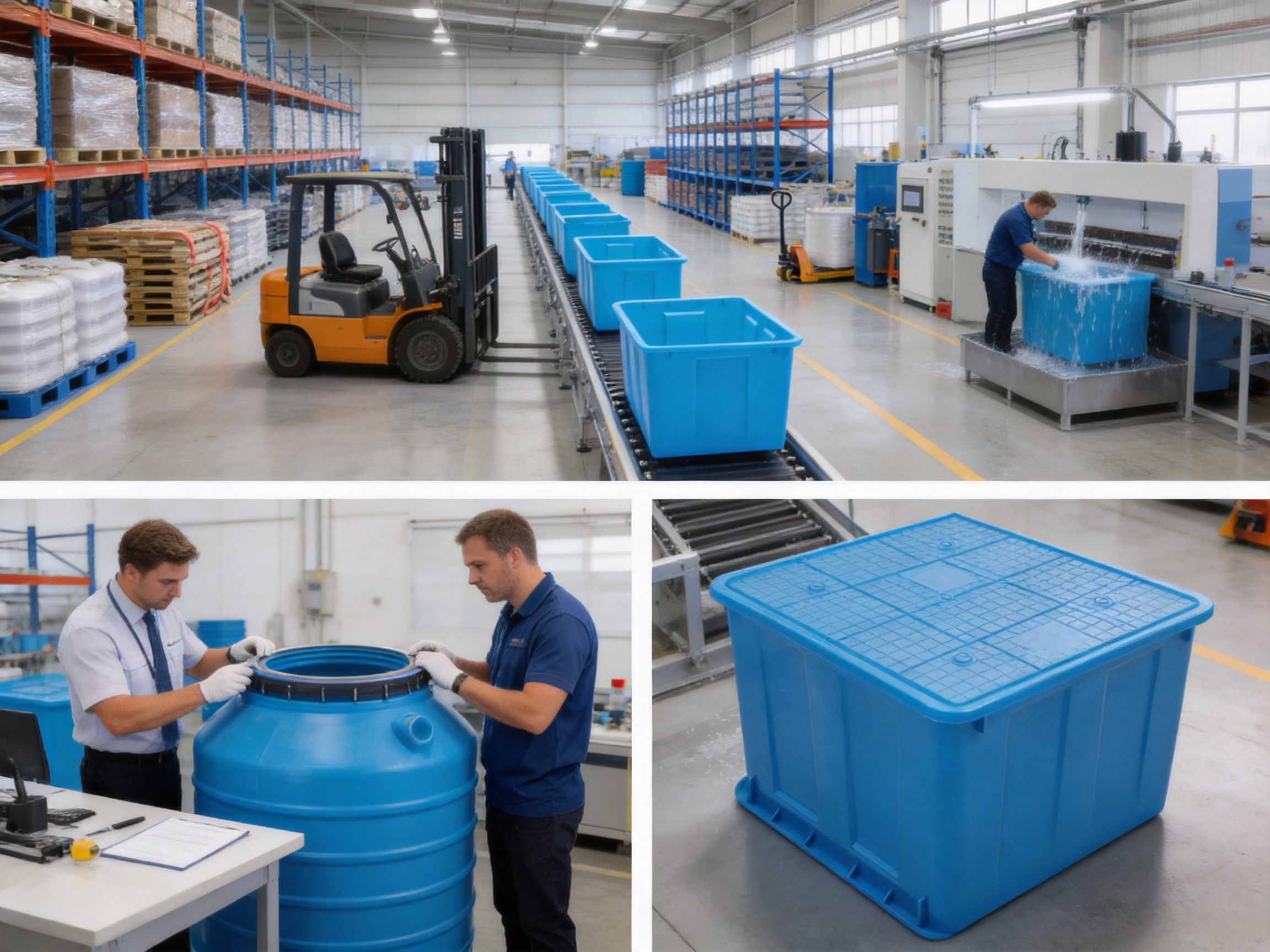
Reliable liquid storage is essential in modern warehousing, logistics, manufacturing, food processing, agriculture, construction, and utility operations. Businesses need containers that can hold substantial volumes, withstand repeated handling, use warehouse space efficiently, and remain dependable during transportation. The 50L Heavy-Duty HDPE Water Storage Tank, model BG-50L-WT, is designed to meet these requirements through a combination of durable material construction, reinforced structure, stackable geometry, and practical operating capacity.
With external dimensions of 480×343×260mm, internal dimensions of 445×303×252mm, and a nominal capacity of 50L, this tank provides a compact way to store and move water, liquids, bulk goods, and industrial supplies. Its solid-wall construction supports leak-resistant containment, while its reinforced rib structure improves resistance to impact and handling stress. The tank weighs only 0.86kg, making it easier to move manually than many heavier storage solutions.
This article examines the product in detail, including its material properties, structural design, warehouse benefits, manufacturing considerations, quality controls, applications, and advantages over less specialized alternatives. It also explains how the supplier’s wider capabilities in material handling equipment, storage containers, packaging materials, and warehouse racking support customers seeking integrated logistics solutions.
Product Overview
The BG-50L-WT is a reusable 50L plastic water storage tank manufactured from high-density polyethylene, commonly known as HDPE. HDPE is widely used in industrial containers because it combines low weight with useful mechanical strength, chemical resistance, moisture resistance, and good durability in demanding working environments.
The tank is designed with a rectangular profile rather than a traditional cylindrical water container. This configuration allows the unit to use floor and pallet space more efficiently. Rectangular containers can generally be arranged closely together with less unused space between units, which is particularly valuable in warehouses, delivery vehicles, workshops, production areas, and distribution centers.
Its stackable format allows users to build vertical storage arrangements when operating conditions and load limits permit. Vertical stacking can increase storage density without requiring additional floor area. This is especially beneficial where warehouse rent is high, aisle space must be preserved, or inventory needs to be organized in a compact footprint.
The tank’s solid-wall body is intended to support secure storage and transportation. Unlike open crates or ventilated bins, it is designed to contain liquids and protect stored materials from dust and external contamination. When paired with a suitable optional lid, the tank can provide an additional layer of protection during storage and movement.
| Product Attribute | Specification | Operational Significance |
| Model | BG-50L-WT | Identifies the 50L water storage tank configuration |
| Material | HDPE | Supports durability, moisture resistance, and repeated use |
| External Dimensions | 480×343×260mm | Defines the required warehouse and transport footprint |
| Internal Dimensions | 445×303×252mm | Provides usable internal storage space |
| Nominal Capacity | 50L | Suitable for medium-volume water and material storage |
| Product Weight | 0.86kg | Supports easier manual handling and lower empty-container weight |
| Design | Stackable, solid-wall, reinforced | Improves storage organization and handling performance |
Why HDPE Is Suitable for Industrial Water Storage
Material selection has a direct effect on a storage tank’s performance, service life, and operating cost. HDPE is a practical choice for many industrial container applications because it offers a useful balance between rigidity and flexibility. It can withstand normal handling, stacking, and transportation conditions while remaining considerably lighter than many metal alternatives.
HDPE does not absorb water in the same way as porous materials. This characteristic helps make it suitable for water storage and for environments where moisture is present. The non-corrosive nature of plastic is another advantage. Unlike untreated steel containers, HDPE tanks do not rust when exposed to water or humid warehouse conditions.
The material also provides good resistance to many commonly encountered chemicals and cleaning environments. However, users should always confirm chemical compatibility before storing substances other than water or approved materials. Compatibility depends on concentration, temperature, exposure time, and the specific chemical formulation.
For commercial operations, reusability is an important consideration. A durable HDPE tank can be cleaned, inspected, and returned to service multiple times when used within its intended operating conditions. Repeated use can help reduce the need for disposable packaging and may lower the total cost per use over the product’s service life.
The supplied product information identifies the tank as made from premium food-safe HDPE. This makes it suitable for applications involving water and certain food-related operating environments, subject to the user’s sanitation procedures and any applicable local regulations. Food-contact suitability should always be assessed according to the specific use, cleaning method, temperature, and regulatory requirements.
Structural Design and Durability
A storage tank must do more than hold a stated volume. It must also remain stable during filling, lifting, stacking, vehicle movement, and routine warehouse handling. The BG-50L-WT uses a reinforced rib structure to improve rigidity and support load-bearing performance.
Reinforcing ribs help distribute stresses across the body of the tank. When a container is stacked or subjected to pressure during handling, a ribbed design can reduce broad unsupported wall areas that might otherwise flex excessively. This contributes to improved shape retention and helps the tank maintain its functional geometry during repeated use.
The solid-wall body provides a continuous barrier between the stored contents and the external environment. This is valuable when water or other materials must be protected from dust, splashes, debris, and general warehouse contamination. In transportation applications, a closed body also helps reduce the risk of contents escaping through open sides.
The rectangular form provides a broad and stable base. Stability is important when tanks are placed on pallets, warehouse floors, transport platforms, or workstations. A stable base can help reduce unnecessary movement during normal handling, although users should still secure loads appropriately during vehicle transportation and follow safe stacking procedures.
The tank is described as leak-proof in the supplied product information. In practice, leak performance depends on the integrity of the molded body, the condition of any lid or closure, the loading method, and the operating environment. Users should inspect tanks before filling and should confirm that optional lids or accessories are correctly fitted.
Durability is also influenced by temperature. HDPE performs well across many ordinary operating conditions, but extreme heat, extreme cold, ultraviolet exposure, impact at low temperatures, and aggressive chemicals may affect service life. Proper storage and use within the manufacturer’s recommended conditions will help preserve performance.
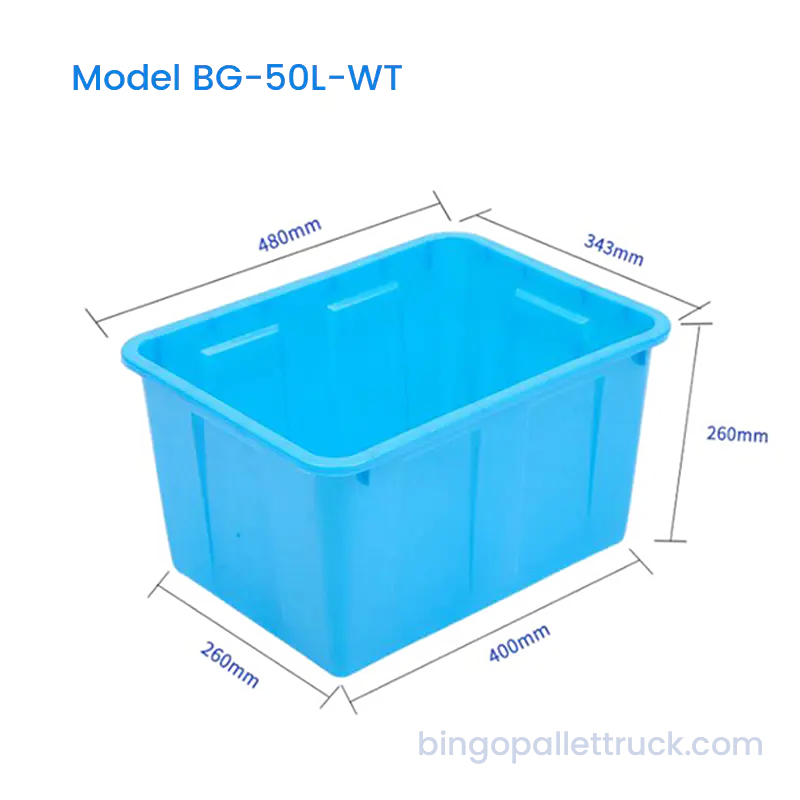
50L Heavy Duty HDPE Water Storage Tank
Capacity and Dimensional Efficiency
The 50L nominal capacity places this tank between small portable containers and large bulk storage units. This middle capacity is useful for operations that need more volume than a small jerry can or tote but do not require a large intermediate bulk container.
A 50L tank can be handled as an individual unit while still providing meaningful storage capacity. For example, a facility can allocate tanks to different production lines, delivery routes, work areas, or water-use stations. Separate containers can simplify inventory control and reduce the need to repeatedly open a much larger reservoir.
The external dimensions of 480×343×260mm provide a relatively compact footprint for a container of this capacity. The low height supports easier access and can make loading and unloading more convenient. The width and length also allow the tank to be organized in rows or placed on suitable pallets and shelving systems, subject to the applicable load ratings.
The internal dimensions of 445×303×252mm define the available storage area. The difference between internal and external dimensions reflects the wall structure, reinforcement, rim, and design features required for strength. These measurements should be used when planning filling equipment, cleaning tools, liners, or internal accessories.
Users should not automatically assume that the tank can be filled to the very top in every application. A suitable headspace may be necessary to account for thermal expansion, movement during transportation, and the use of lids or fittings. The actual working fill level should be established according to the stored material and the operating procedure.
Stackability and Warehouse Space Utilization
Warehouse space is one of the largest costs in many logistics operations. A container that can be safely stacked may help companies increase storage density and reduce unused vertical space. The stackable profile of the BG-50L-WT is therefore one of its most important operational benefits.
Vertical storage can be especially helpful in warehouses with limited floor area. Instead of spreading containers over a large surface, operators can arrange them in stable columns or organized tiers. This can make aisles clearer, improve visual inventory management, and reduce the distance employees travel when retrieving or replenishing containers.
Stackability also benefits transportation. Empty tanks can be organized efficiently before being delivered to a customer, returned from a worksite, or transferred between facilities. Efficient arrangement can reduce wasted vehicle volume and support better utilization of trucks, vans, and warehouse staging areas.
Stacking must always be performed according to a documented safety procedure. Operators should consider the tank’s contents, the total load, floor strength, pallet condition, rack configuration, and the number of units placed vertically. A full tank is significantly heavier than an empty tank because water weighs approximately one kilogram per liter under ordinary conditions. A fully loaded 50L tank may therefore contain approximately 50kg of water, in addition to the tank’s own weight.
Because of this, users should not treat the empty-container weight as the permitted stacking load. The correct stacking height and arrangement should be confirmed through the supplier’s technical guidance and the facility’s safety assessment. Full tanks should be placed on stable, level surfaces and should not be stacked beyond the rated capacity of the tank, pallet, shelf, or rack.
Advantages Over Common Alternative Containers
Compared with Disposable Plastic Bags
Disposable plastic bags may be inexpensive for short-term use, but they provide limited protection against puncture, tearing, and deformation. They are also difficult to stack and may require an external box or frame for support. The rigid HDPE tank offers stronger shape retention, better handling stability, and a more organized storage format.
The reusable nature of the tank can also improve operational consistency. A business can use the same type of container repeatedly, establish standard filling and cleaning procedures, and reduce dependence on single-use packaging. This may help simplify procurement and waste management.
Compared with Cardboard Boxes
Cardboard is useful for dry goods but is not normally suitable for storing water or other liquids without an internal liner. Moisture can weaken cardboard, compromise stacking strength, and damage surrounding inventory. The solid HDPE body is better suited to wet environments and liquid containment.
The tank can also be cleaned more easily than cardboard. This makes it more practical for repeated use in workshops, food-related operations, and utility environments where containers may be exposed to splashes, dust, or residues.
Compared with Metal Containers
Metal containers can offer high strength, but they are often heavier than plastic alternatives and may be vulnerable to corrosion if not properly protected. The 0.86kg empty weight of this tank supports more convenient manual handling and reduces the dead weight transported when containers are empty.
HDPE also avoids the sharp edges, dents, and surface corrosion that can occur with some metal products. While metal may be preferred for certain high-temperature or specialized applications, a molded HDPE tank is often more practical for ordinary water storage and general logistics handling.
Compared with Cylindrical Drums
Cylindrical drums are widely used for liquid storage, but their round shape can create unused gaps when arranged on rectangular pallets or warehouse floors. The rectangular form of the BG-50L-WT can support closer packing and more efficient use of available space.
A lower-profile rectangular tank may also be easier to position under work surfaces, in vehicle compartments, or in storage areas with height restrictions. The most suitable shape depends on the operation, but space efficiency is a significant advantage where storage density matters.
Compared with Open Plastic Crates
Open crates are useful for ventilated storage and visual access, but they do not provide liquid containment or full protection from dust. The solid-wall tank is intended for applications where the contents need to remain enclosed and protected during storage or transportation.
Water Storage and Utility Applications
The primary application of the BG-50L-WT is water storage. It may be used in industrial facilities, workshops, construction sites, agricultural operations, warehouses, emergency supply areas, cleaning stations, and utility support activities.
In manufacturing environments, the tank can help store process water, cleaning water, equipment service water, or non-hazardous liquid supplies. Separate tanks can be assigned to different departments to improve organization and reduce unnecessary movement of larger containers.
In construction and maintenance operations, a portable 50L tank can provide a convenient water reserve for cleaning, dust suppression, equipment maintenance, or general site support. Its relatively low empty weight makes it easier to transport before filling, while its durable body supports normal worksite handling.
In agricultural settings, the tank may be used for water or approved agricultural liquids, provided the material compatibility and sanitation requirements are confirmed. It can support short-distance movement of liquid supplies around a farm, greenhouse, nursery, or processing area.
For emergency preparedness, medium-capacity containers can be easier to distribute than a single large tank. Organizations may position several units at different locations, allowing water supplies to be managed by zone. Emergency use should follow applicable public health, sanitation, and storage regulations.
For food processing or related operations, the stated food-safe HDPE construction may be advantageous for water and suitable non-hazardous materials. However, users must establish cleaning, disinfection, inspection, and traceability procedures. Food-contact use should not be assumed solely from the container material; the entire application must satisfy the relevant regulatory requirements.
Industrial Storage and Bulk Goods Handling
Although identified as a water storage tank, the product description also indicates suitability for bulk goods and industrial supplies. This may include suitable solid materials, production components, maintenance items, or other goods that benefit from enclosed, reusable storage.
The tank can function as a standardized internal logistics unit. Standardized containers allow businesses to establish repeatable workflows for receiving, storing, picking, replenishment, and transportation. When every unit follows the same dimensional format, warehouse teams can plan locations more efficiently and reduce variation in handling methods.
In e-commerce and distribution environments, reusable containers can support internal movement between receiving docks, storage zones, assembly areas, and dispatch stations. The tank’s stackable design may help separate work-in-process materials from finished goods while keeping the facility organized.
In workshops, the container may hold tools, parts, consumables, cleaning supplies, or other items that need protection from dust and moisture. The solid walls can help prevent small components from falling out during movement, unlike open containers that may expose their contents to accidental loss.
Before using the tank for materials other than water, companies should verify chemical compatibility, weight distribution, cleaning requirements, and the effect of the material on the tank’s walls and closures. A tank designed for water should not automatically be used for fuels, solvents, corrosive chemicals, or hazardous substances without written compatibility confirmation.
Manufacturing Process and Quality Considerations
The performance of a molded HDPE tank begins with material selection and continues through every stage of manufacturing. The supplier describes a controlled production system with attention to raw-material sourcing, standardized processes, inspection, and final product quality.
High-quality resin selection is important because inconsistent raw materials can affect strength, appearance, dimensional stability, and long-term performance. The company states that it uses high-density virgin material in its production processes and applies quality control from raw-material sourcing through manufacturing.
For this particular product, the specified material is HDPE. Maintaining the correct material specification helps ensure that the tank has the intended balance of rigidity, impact resistance, weight, and chemical performance. Material identification and batch control can also support more consistent production results.
The molding process must produce a uniform body with properly formed walls, corners, ribs, base surfaces, and rim areas. Dimensional control is particularly important for stackable products. Small variations in height, width, or stacking features can affect the stability of multiple tanks placed together.
Quality inspection may include visual checks, dimensional verification, weight checks, body integrity inspection, and testing of representative units for leakage or structural performance. Inspection procedures should identify defects such as incomplete molding, warping, surface damage, weak seams, irregular rims, or inconsistent reinforcement.
Standardized processes reduce variation between production batches. When machines, molds, material handling systems, and inspection procedures are managed consistently, customers can receive products with more predictable dimensions and performance. This is important for businesses that purchase tanks repeatedly or use them in a standardized warehouse system.
The company also describes strict standards and streamlined production procedures. These strengths are valuable to industrial buyers because product quality is not determined only by a single sample. Reliable supply requires consistent manufacturing, documented inspection, stable lead times, and the ability to maintain specifications across repeated orders.
Supplier Strengths and Integrated Product Capabilities
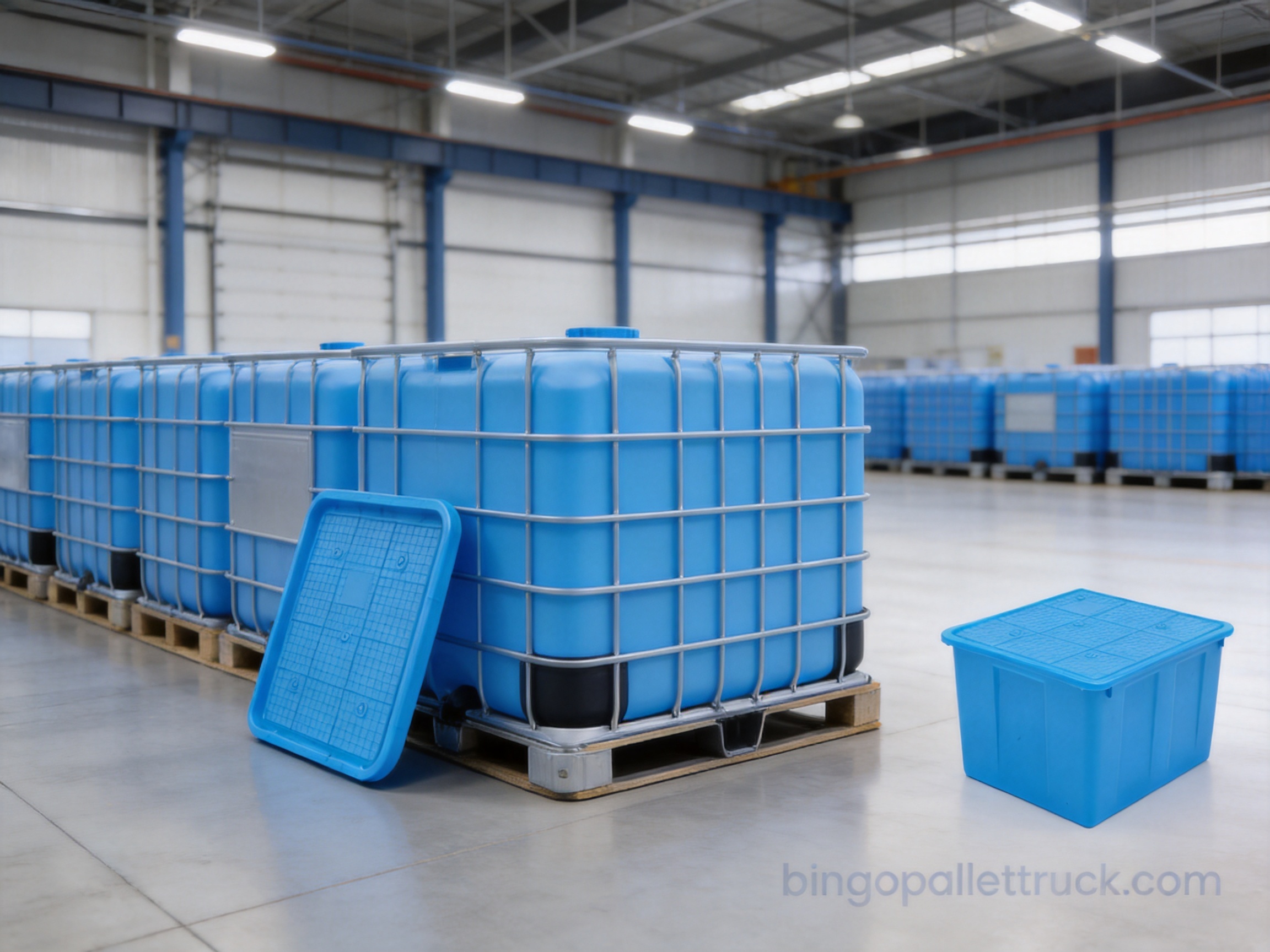
Yancheng Bingo Machinery Equipment Co., Ltd. operates across several related product categories, including material handling equipment, storage containers, packaging materials, and warehouse racking. This wider portfolio allows the supplier to understand the relationships between containers, pallets, handling equipment, packaging workflows, and warehouse layouts.
For a customer purchasing storage tanks, this integrated perspective can be useful. A tank does not operate in isolation. It may be moved by pallet trucks, stored on warehouse racks, protected with packaging materials, and used alongside plastic pallets, crates, totes, or bulk containers.
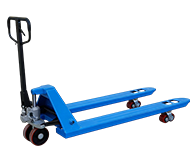
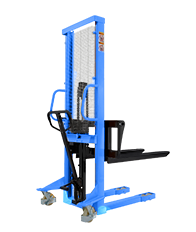
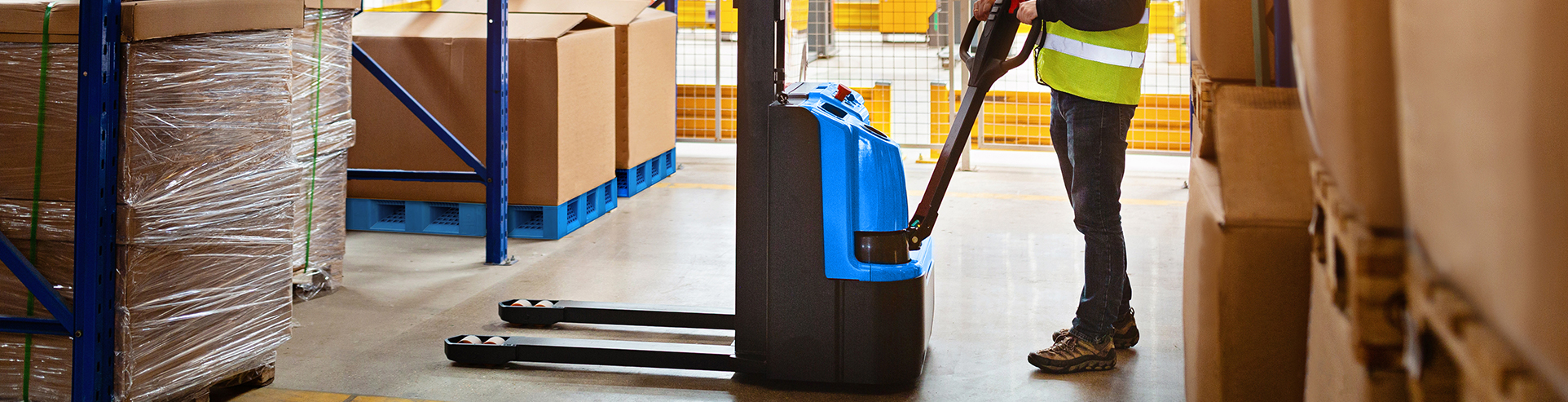
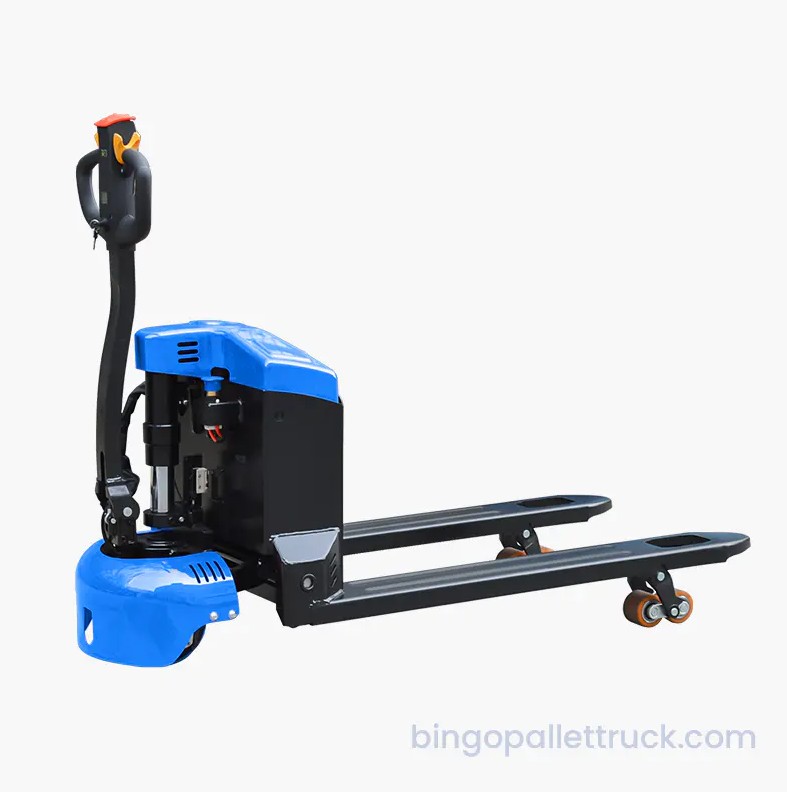
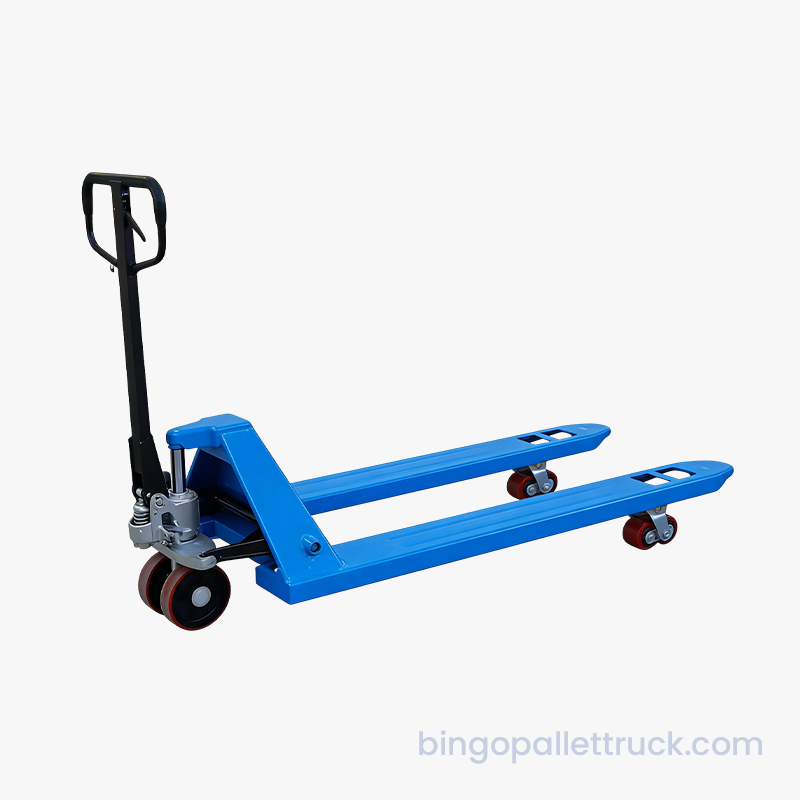
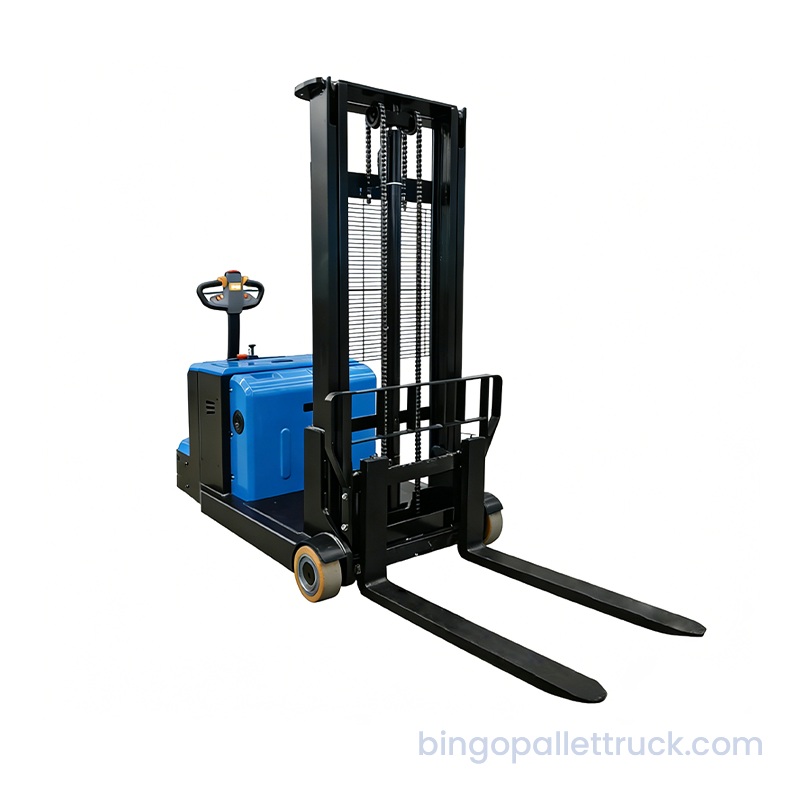
The company’s handling equipment range includes manual and electric pallet trucks and stackers. These products can support the movement of loaded containers in warehouses and production facilities. When selecting handling equipment, customers should consider the tank’s filled weight, pallet configuration, lifting height, aisle width, and floor conditions.
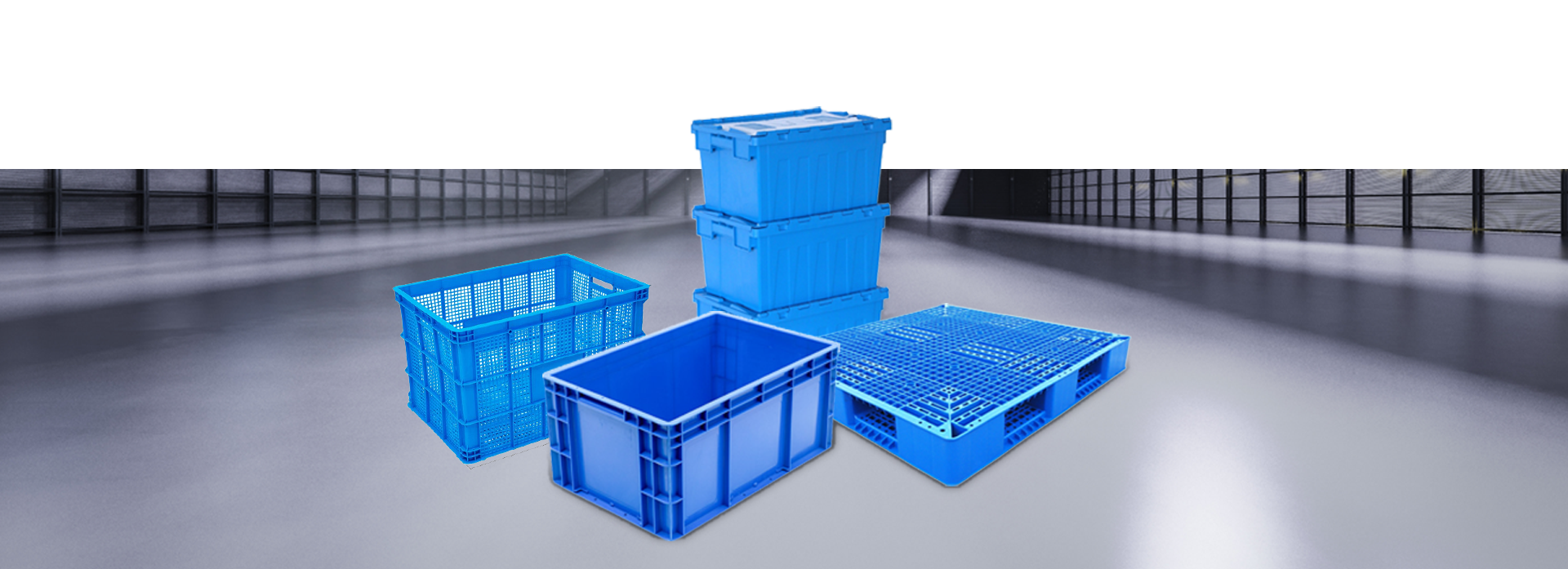
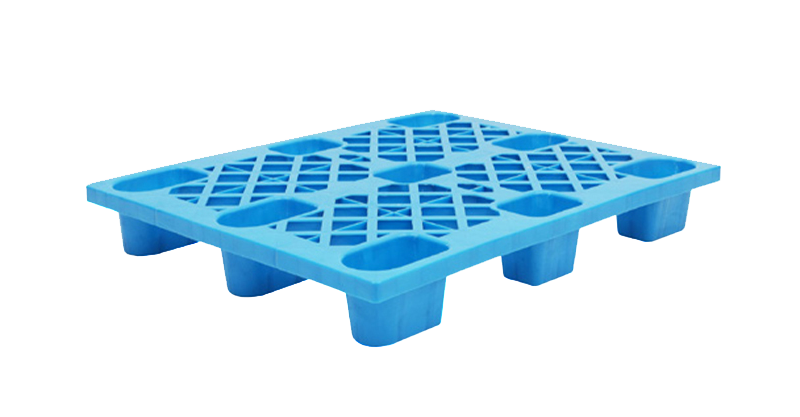
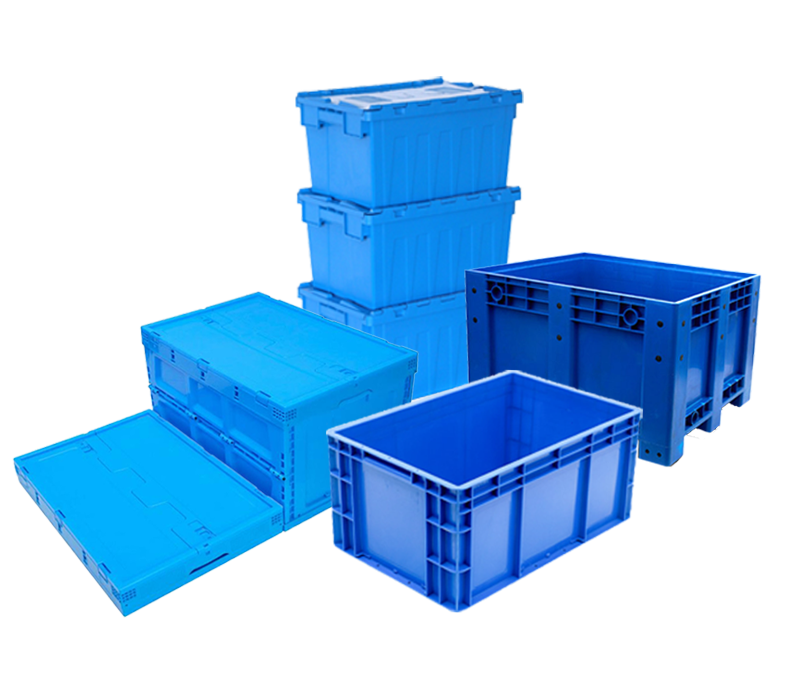
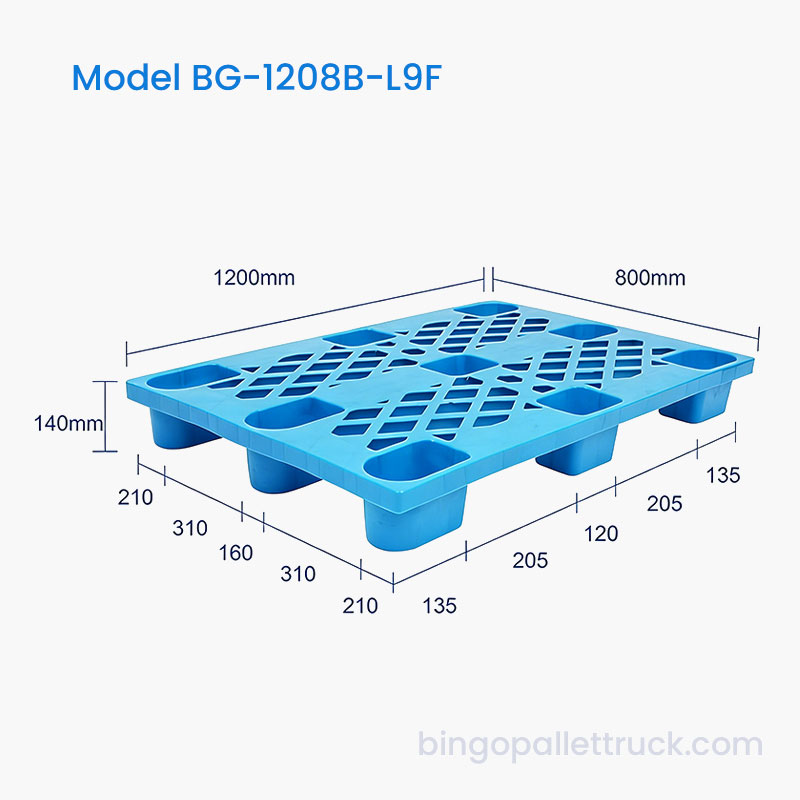
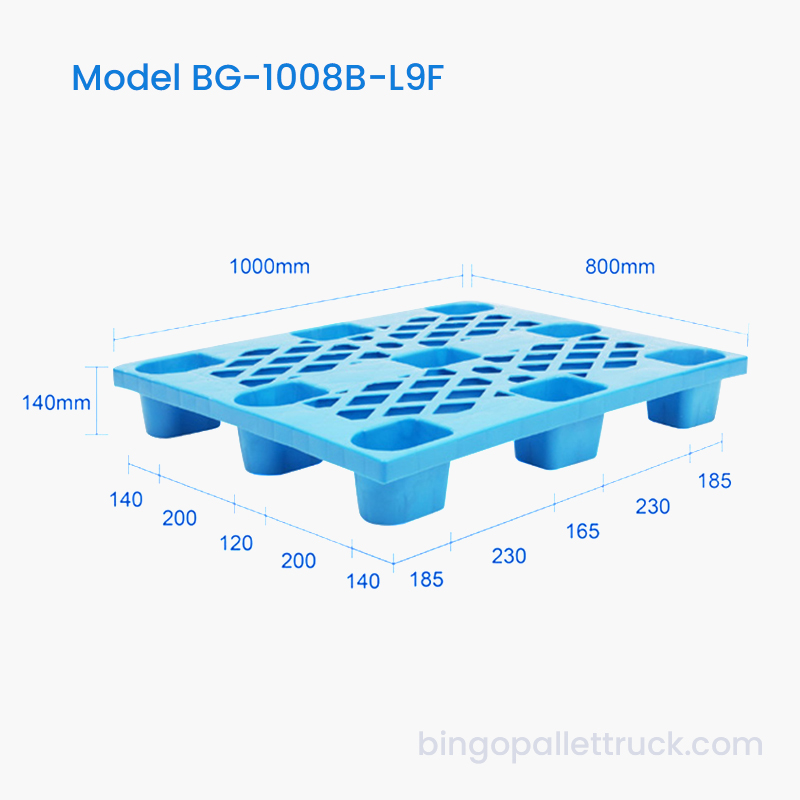
The storage container range includes plastic pallets, plastic totes, crates, and bulk containers. A customer may combine the 50L tank with other container formats to create a coordinated storage system. Smaller totes can hold components, crates can support ventilated goods, and solid-wall tanks can manage water or liquid-related tasks.
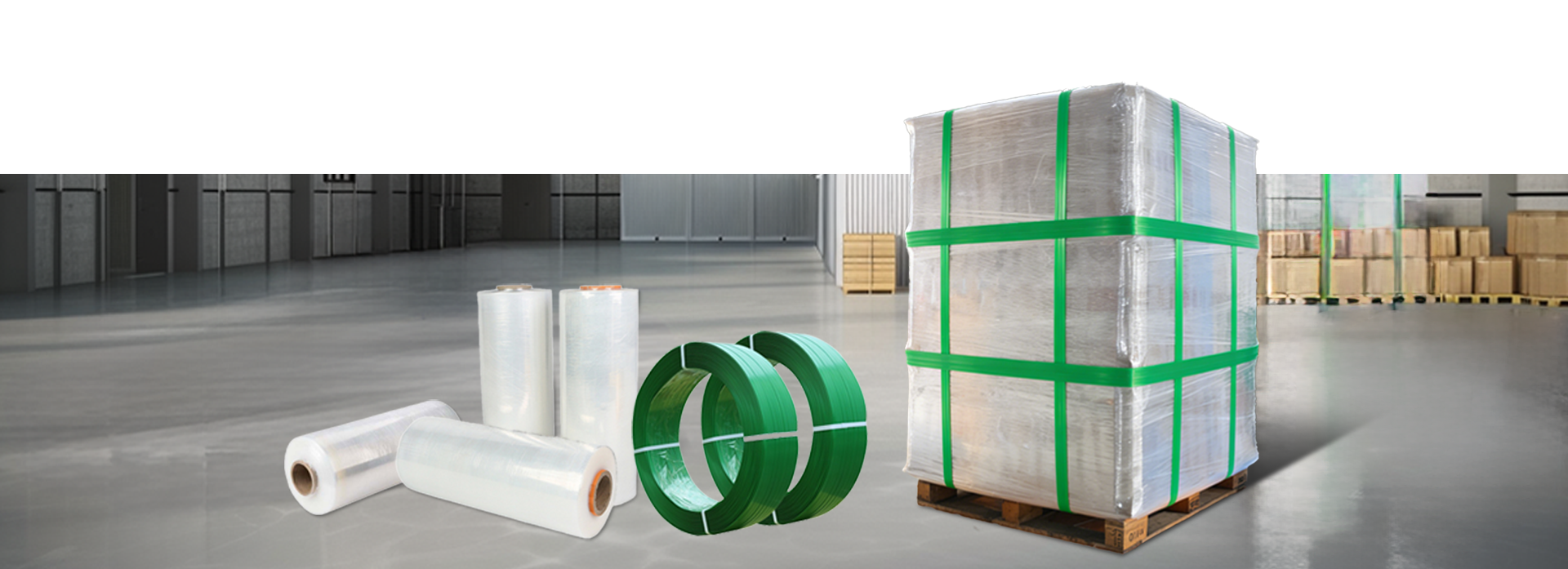
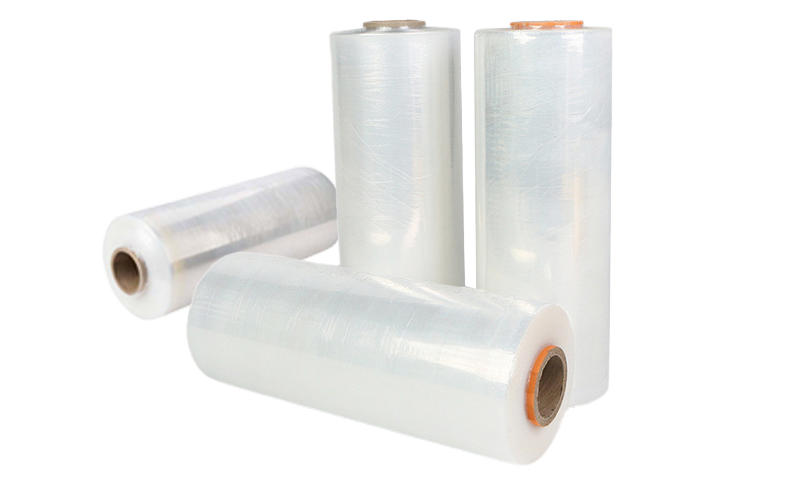
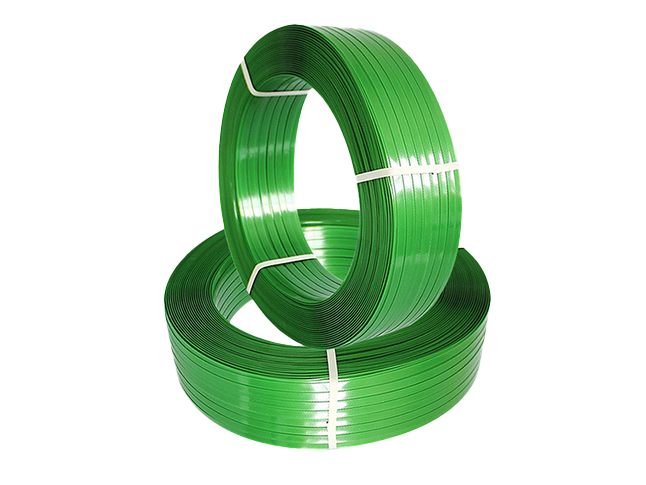
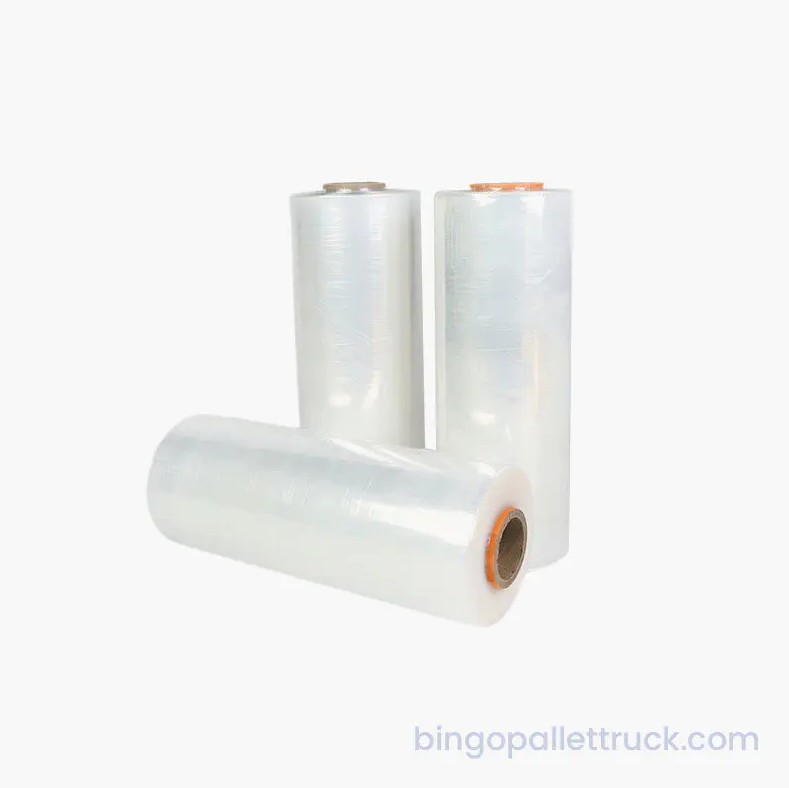
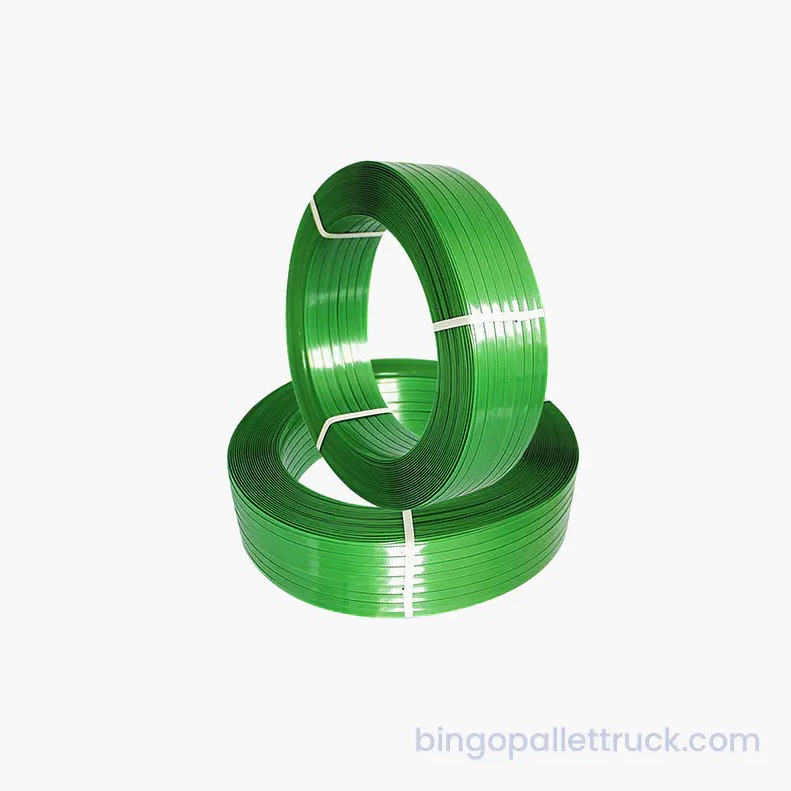
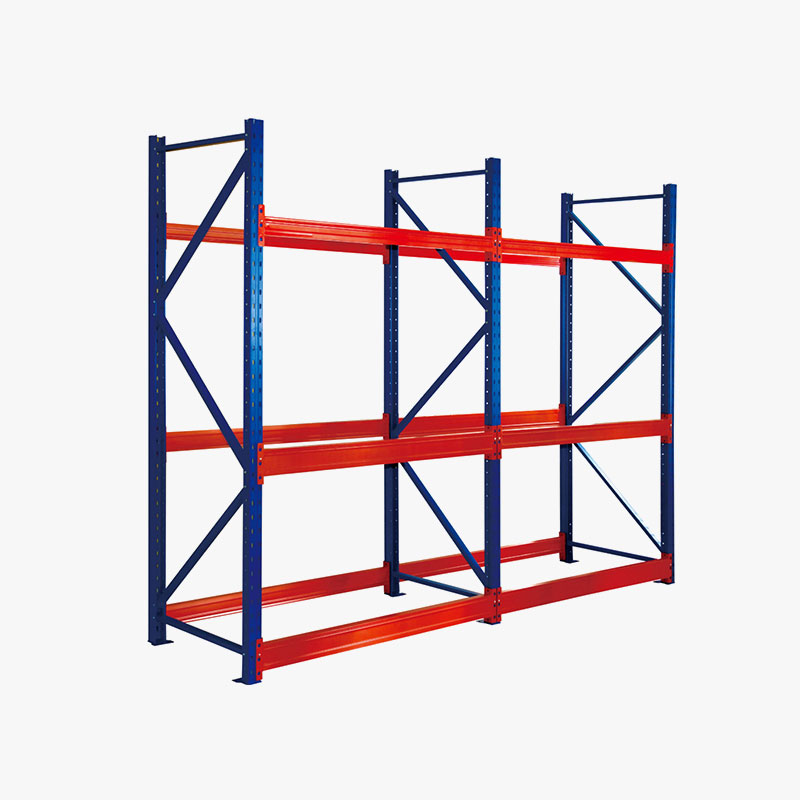
Packaging materials such as stretch wrap and packing strapping can help stabilize grouped containers during transportation. These materials should be used correctly and should not replace suitable load-securing procedures. The company’s warehouse racking range, including light-duty, medium-duty, and heavy-duty options, can also help customers plan storage around their available space and load requirements.
This one-stop approach can simplify sourcing for businesses that are developing or upgrading a warehouse. Instead of selecting unrelated products from several vendors, customers can discuss storage, handling, packaging, and racking requirements with a supplier familiar with the complete logistics workflow.
The company identifies manufacturing, e-commerce logistics, warehousing and distribution, and supermarket retail as key industries. These sectors often require dependable reusable containers, efficient storage systems, and consistent material handling processes. The BG-50L-WT can serve as one component within a wider logistics solution.
Inspection, Cleaning, and Maintenance
Routine inspection is essential for preserving the tank’s performance. Before each use, operators should check the body for cracks, punctures, deep scratches, deformation, damaged ribs, or signs of chemical exposure. The rim and any lid should also be inspected for damage that could affect closure or containment.
Cleaning procedures should match the stored material. For water storage, the tank should be emptied, washed, rinsed, and dried according to the facility’s sanitation requirements. If the tank is used in a food-related environment, cleaning and disinfection procedures should be documented and verified.
Harsh cleaning agents, high temperatures, or abrasive tools may damage plastic surfaces or affect the material over time. Users should follow approved cleaning instructions and confirm that detergents and disinfectants are compatible with HDPE and the intended application.
The tank should be stored away from unnecessary heat sources, sharp objects, and prolonged direct sunlight when not in use. Although HDPE is durable, all plastics can be affected by extended ultraviolet exposure and extreme environmental conditions. Keeping empty tanks clean, dry, and properly organized can extend their usable life.
Any tank that shows a serious crack, significant deformation, persistent leakage, or uncertain chemical contamination should be removed from service. Repairs should not be attempted unless an approved repair method is available and the repaired tank can be verified as safe for its intended use.
Safe Handling and Transportation
A filled 50L tank may weigh more than 50kg when the weight of the water and container is combined. Manual lifting of a full tank may therefore present a risk of strain or injury. Where possible, operators should use pallet trucks, stackers, lifting aids, or team-lifting procedures appropriate to the workplace.
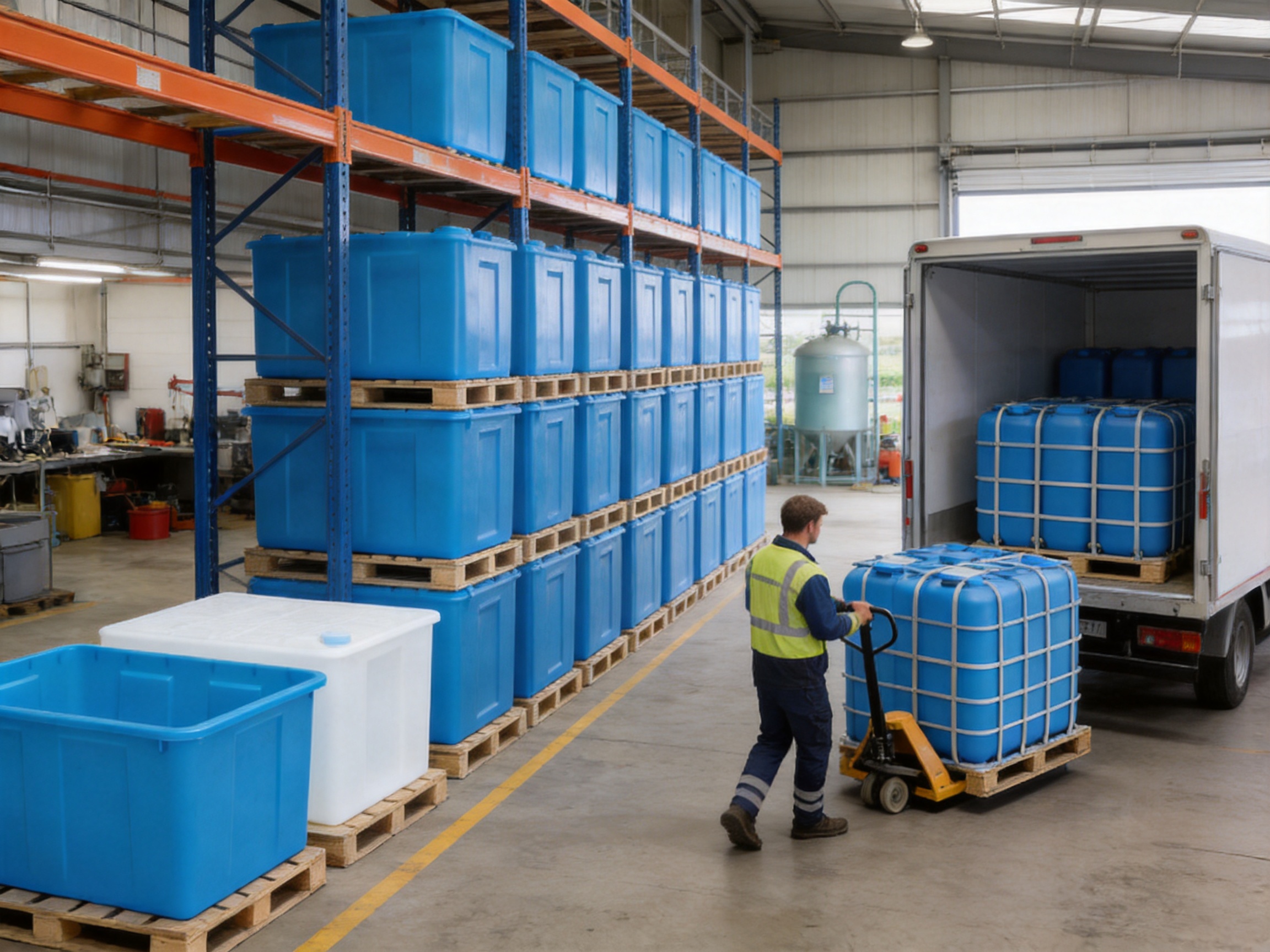
When tanks are transported by vehicle, they should be positioned on a stable base and restrained against movement. Sudden braking, turning, or acceleration can cause containers to shift even when they appear stable at the start of a journey. Load-securing systems should be selected according to the vehicle, route, load quantity, and relevant transport rules.
Optional lids can help protect contents from dust and accidental exposure. A lid does not necessarily make a load safe to transport without restraint, and it should not be considered a substitute for proper closure and load security procedures.
Operators should avoid dragging full tanks across rough surfaces because abrasion can damage the base and increase the risk of deformation. Forklift forks, pallet edges, and sharp corners should be handled carefully to prevent puncture or impact damage.
Stacked units should be aligned and placed on surfaces that are level and capable of supporting the total load. Uneven stacking can create concentrated forces and reduce stability. Facilities should establish clear maximum stacking heights based on the tank’s technical data and site conditions.
Choosing the Right Quantity and Configuration
The number of tanks required depends on the facility’s daily water demand, replenishment frequency, transportation distance, storage layout, and cleaning cycle. Some users may need only a few tanks for local utility tasks, while distribution centers or production plants may require a larger fleet of standardized units.
Businesses should consider whether tanks will be used for one dedicated material or for multiple compatible materials. Dedicated use can simplify cleaning and reduce the risk of cross-contamination. Multi-purpose use may improve asset utilization but requires stricter labeling, inspection, and sanitation controls.
The available footprint should be measured before ordering. Although the external dimensions are compact, the total space required also includes access aisles, handling clearance, lids, pallet dimensions, and safe separation between storage areas.
Customers should also evaluate whether the tanks will be stored directly on the floor, on pallets, in racks, or inside vehicles. The chosen arrangement affects the required load capacity and may determine whether additional handling equipment is needed.
For businesses with customized requirements, it is useful to discuss color options, specifications, lids, labeling, and order quantities with the supplier. The supplied information indicates that multiple colors, full specifications, customization, stock availability, and fast delivery may be available, subject to confirmation for the specific order.
Commercial Value and Total Cost of Ownership
The purchase price is only one part of the cost of a storage container. Businesses should also consider service life, cleaning, transport, storage density, labor, damage rates, and replacement frequency. A reusable HDPE tank may provide value by supporting repeated use and reducing reliance on disposable alternatives.
The low empty weight can reduce the labor required to move unused containers and may also reduce transport weight during return journeys. The stackable design can improve warehouse space utilization, potentially allowing more units to be stored within the same facility footprint.
Durability can help reduce replacement costs when the tank is used correctly. Reinforced construction and impact resistance are valuable in facilities where containers are frequently moved, stacked, loaded, and unloaded.
Standardization can produce additional savings. When workers handle one consistent container format, training can be simpler, storage locations can be planned more accurately, and inventory processes can become easier to manage.
Companies should evaluate these benefits against their specific operating conditions. A tank that is suitable for water and general industrial storage may not be appropriate for high-temperature liquids, hazardous chemicals, pressurized contents, or applications requiring specialized certifications. Correct application is essential to achieving the expected return on investment.
Ordering and Implementation Recommendations
Before placing an order, customers should confirm the required capacity, dimensions, material, color, lid configuration, quantity, delivery schedule, and intended application. They should also provide information about whether the tank will be used for drinking water, process water, food-related materials, industrial supplies, or other substances.
For warehouse use, the customer should provide details about floor loading, pallet dimensions, rack type, aisle width, available handling equipment, and expected stacking arrangements. This allows the storage system to be planned around the filled rather than empty weight.
For transportation use, the customer should explain the vehicle type, route conditions, loading method, and expected movement frequency. These factors influence the need for lids, pallets, straps, protective separators, and other accessories.
When tanks arrive, receiving personnel should inspect the shipment for visible damage and verify model, quantity, dimensions, and accessories. Any concerns should be documented promptly. A sample tank can be measured and tested before the full shipment is deployed throughout the facility.
Implementation should include employee training. Workers should understand safe lifting practices, filling limits, cleaning procedures, inspection requirements, stacking rules, and the difference between empty and filled-container handling.
Frequently Asked Questions
What is the capacity of the tank?
The nominal capacity is 50 liters. The recommended working fill level may be lower than the total internal volume, depending on the stored liquid, required headspace, lid configuration, and transportation conditions.
What material is used to manufacture the tank?
The product is specified as being made from HDPE, or high-density polyethylene. The supplied information describes the material as premium and food-safe for suitable applications, subject to the applicable sanitation and regulatory requirements.
What are the external dimensions?
The external dimensions are 480×343×260mm, measured as length, width, and height.
What are the internal dimensions?
The internal dimensions are 445×303×252mm. These dimensions indicate the usable internal area and should be considered when planning filling, cleaning, or accessory requirements.
How much does the empty tank weigh?
The empty tank weighs approximately 0.86kg. The total handling weight increases substantially when the tank is filled, especially with water, which weighs approximately one kilogram per liter.
Can the tank be stacked?
Yes. The product has a stackable design. However, stacking height and configuration must be determined according to technical guidance, filled weight, surface conditions, pallet strength, and workplace safety requirements.
Is the tank suitable for transporting water?
It is designed for water storage and transportation applications. During transport, the tank should be properly closed, positioned on a stable base, and secured against movement.
Can it be used for chemicals?
Users should not assume compatibility with every chemical. Chemical resistance depends on the specific substance, concentration, temperature, and contact duration. Compatibility should be confirmed before use.
Is an optional lid available?
The product information indicates compatibility with optional lids. Customers should confirm the exact lid type, closure method, and availability for their required order configuration.
The product is described as using food-safe HDPE. Food-related users should still establish cleaning, disinfection, storage, and traceability procedures and verify compliance with all applicable regulations.
What makes this tank more space-efficient than a round drum?
Its rectangular profile can reduce unused gaps when multiple units are arranged on pallets, warehouse floors, or vehicle platforms. The stackable design also supports vertical space utilization when used within safe load limits.
What industries can use this tank?
Potential users include manufacturing plants, warehouses, logistics companies, e-commerce distribution centers, food processing facilities, agricultural operations, construction sites, workshops, utility departments, and retail support operations.
How should the tank be cleaned?
Cleaning should be based on the stored material and the intended application. For water or food-related use, operators should follow a documented washing, rinsing, drying, and, where appropriate, disinfection procedure using compatible products.
How can the supplier support a wider warehouse project?
The supplier provides products across handling equipment, storage containers, packaging materials, and warehouse racking. Customers may therefore be able to source tanks together with pallet trucks, stackers, pallets, crates, stretch wrap, strapping, and storage racks.
Conclusion
The 50L Heavy-Duty HDPE Water Storage Tank is a practical solution for businesses that need reusable, space-efficient, and durable liquid storage. Its 50L capacity provides a useful balance between portability and volume, while its 480×343×260mm external footprint supports organized warehouse and transport planning.
The HDPE body offers low weight, moisture resistance, durability, and suitability for many industrial environments. Reinforced ribs improve structural stability, the solid-wall design supports enclosed storage, and the stackable profile helps businesses make better use of vertical space. Compared with disposable bags, cardboard boxes, open crates, and many heavier metal containers, the tank provides clear advantages in reusability, cleanliness, organization, and handling efficiency.
The product’s value is strengthened by the supplier’s broader capabilities. Yancheng Bingo Machinery Equipment Co., Ltd. combines storage containers with material handling equipment, packaging materials, and warehouse racking, enabling customers to develop more coordinated logistics systems. Its stated focus on standardized production, virgin raw-material control, inspection at each stage, and strict quality management supports consistent industrial supply.
For the best results, users should select the tank according to the actual liquid or material, confirm compatibility, respect filled-weight limitations, apply safe stacking and transport procedures, and maintain a regular cleaning and inspection program. Used correctly, the BG-50L-WT can become a reliable component of water storage, internal logistics, warehouse organization, and reusable industrial packaging operations.
References
1. Product specification sheet for model BG-50L-WT, including dimensions, material, capacity, weight, and design characteristics.
2. General technical references on high-density polyethylene properties, industrial container design, and reusable plastic packaging.
3. General warehouse safety guidance concerning manual handling, pallet loading, vertical stacking, and load securing.
4. General food-contact packaging principles concerning material suitability, cleaning, sanitation, and application-specific compliance.
5. General logistics management references concerning warehouse space utilization, reusable containers, material handling systems, and total cost of ownership.
Product: 50L Heavy Duty HDPE Water Storage Tank


Copyright @ Yancheng Bingo Machinery Equipment Co., Ltd. All rights reserved Warehouse Logistics Equipment Manufacturer Pallet Truck Supplier
