 en
 Español

38L Stackable Plastic Crate for Safe Shrimp Seed Transport
Content
- 1 Introduction
- 2 Product Overview
- 3 Why Shrimp Seed Transport Requires Specialized Containers
- 4 Fine Mesh Design and Live Product Containment
- 5 HDPE Construction for Wet Working Environments
- 6 Stackable Structure and Space Efficiency
- 7 Capacity, Dimensions, and Handling Balance
- 8 Advantages Compared with General-Purpose Competitors
- 9 Manufacturing Process and Quality Control
- 10 Standardized Production and Scalable Supply
- 11 Applications Across the Aquaculture Supply Chain
- 12 Cleaning, Inspection, and Maintenance
- 13 Integrating the Crate with Warehouse Equipment
- 14 Purchasing Considerations for International Buyers
- 15 How the Product Supports Sustainable Operations
- 16 Recommended Operating Practices
- 17 Frequently Asked Questions
- 17.1 What is the main purpose of the BG-604217-SC crate?
- 17.2 What are the external dimensions?
- 17.3 What are the internal dimensions?
- 17.4 How much does the crate weigh?
- 17.5 What is the capacity?
- 17.6 What material is used?
- 17.7 Can the crate be stacked?
- 17.8 Why is fine mesh important for shrimp seed?
- 17.9 Is the crate reusable?
- 17.10 Can the product be used for species other than shrimp?
- 17.11 Is the crate suitable for food-related operations?
- 17.12 Can colors or specifications be customized?
- 17.13 How should the crate be cleaned?
- 17.14 Can the crate be used with warehouse handling equipment?
- 17.15 What should buyers confirm before ordering?
- 18 Conclusion
- 19 References
- 20 Product: 38L Stackable Plastic Crate Shrimp Seedling Basket
Introduction
Reliable transport is one of the most important operational requirements in modern aquaculture. Shrimp hatcheries, nurseries, farms, seafood distributors, and live aquatic product handlers all need containers that protect delicate stock while supporting efficient movement, cleaning, storage, and reuse. A poorly designed container can lead to escape, inadequate drainage, excessive water retention, difficult stacking, unstable handling, and avoidable losses during transport. For these reasons, the selection of a suitable aquaculture crate is a practical business decision rather than a simple packaging choice.
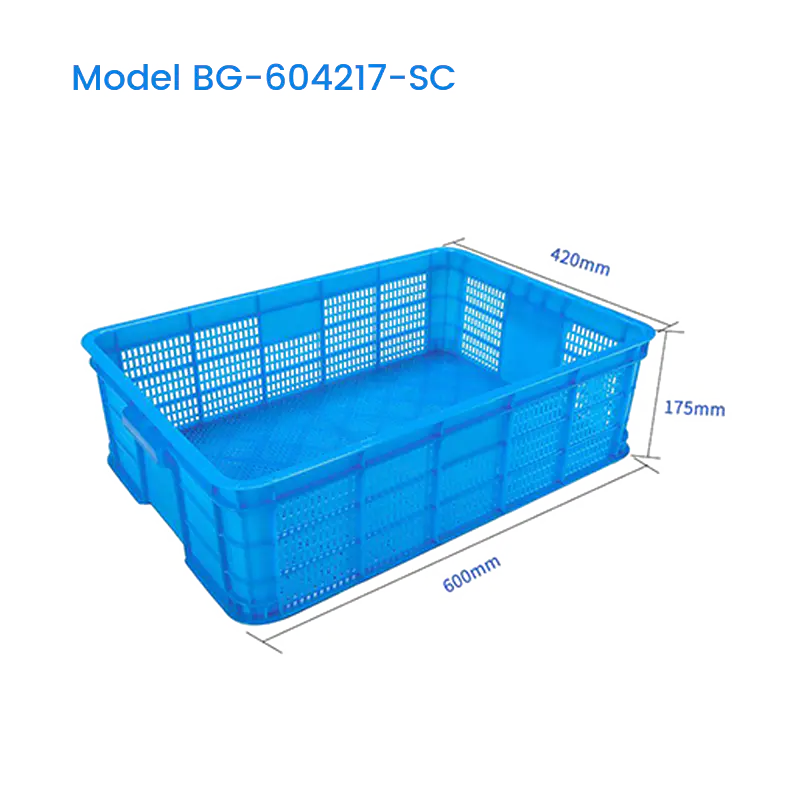
The 38L Stackable Plastic Crate for Shrimp Seed Transport is designed specifically for this demanding environment. Identified by model BG-604217-SC, the crate combines a 600×420×175mm external footprint with an ultra-fine mesh structure, durable HDPE construction, a 38L nominal capacity, and a lightweight 1.15kg body. Its 575×390×170mm internal dimensions provide usable space for shrimp seed handling while maintaining a compact footprint suitable for stacking, transport, and storage.
Unlike ordinary solid-wall plastic boxes, this crate is intended to support the safe movement of live shrimp seed and other small aquatic products. The fine mesh design helps contain delicate stock, while the openings support water drainage and air circulation. The stackable structure also helps hatcheries and logistics operators reduce the floor area required for temporary storage and shipment preparation.
This article examines the product’s structure, material, dimensions, aquaculture applications, operational benefits, manufacturing controls, quality approach, and advantages compared with general-purpose plastic crates. It also explains how a professional manufacturer with a broader logistics equipment supply chain can support customers seeking an integrated solution for storage and material handling.
38L Stackable Plastic Crate Shrimp Seedling Basket
Product Overview
The BG-604217-SC is a reusable stackable plastic crate developed for shrimp seed transport and related aquaculture applications. It belongs to the category of stackable plastic crates, but its design is more specialized than that of a conventional warehouse tote. The crate is configured around the requirements of live aquatic products, where containment, drainage, cleanliness, and careful handling are essential.
The external dimensions are 600×420×175mm. This footprint provides a stable base for stacking while remaining manageable for manual handling and movement on pallets, carts, or other warehouse equipment. The height is deliberately moderate, which can make the crate easier to access during loading, inspection, transfer, and unloading. At the same time, the 38L capacity provides practical volume for hatchery and farm operations.
The internal dimensions are 575×390×170mm. The difference between the external and internal measurements reflects the thickness and structure of the crate walls, rim, base, and reinforcing elements. These internal measurements are important for operational planning because they indicate the approximate usable area available for shrimp seed, water, temporary holding, or protective packing arrangements.
With a weight of approximately 1.15kg, the crate is light enough to support repeated handling without imposing unnecessary labor or transport weight. A lighter empty container can help workers prepare more units per shift, while transport operators can devote a greater proportion of payload capacity to water and live product rather than packaging weight. The crate remains sufficiently reinforced for repeated use in wet working environments.
The product specification identifies HDPE as the primary material. High-density polyethylene is widely used in reusable industrial and food-handling containers because it combines impact resistance, moisture resistance, chemical tolerance, and relatively low maintenance requirements. For an aquaculture crate, these properties are particularly valuable because the container may be exposed to water, salt, cleaning agents, temperature changes, and frequent loading cycles.
| Specification | Details |
|---|---|
| Model | BG-604217-SC |
| Product type | Stackable plastic shrimp seed crate |
| Material listed in product specification | HDPE |
| External dimensions | 600×420×175mm |
| Internal dimensions | 575×390×170mm |
| Nominal capacity | 38L |
| Approximate weight | 1.15kg |
| Primary application | Shrimp seed transport and aquaculture logistics |
| Design features | Fine mesh, stackable construction, drainage openings, reusable body |
Why Shrimp Seed Transport Requires Specialized Containers
Shrimp seed is vulnerable to stress during handling and movement. Sudden changes in water conditions, mechanical impact, poor drainage, overheating, overcrowding, and escape can all affect transport outcomes. The container therefore needs to provide more than simple volume. It must support the practical workflow used by hatcheries, farms, distributors, and logistics teams.
A crate with openings that are too large may allow shrimp seed to escape or become trapped. A container with no drainage may retain excessive water, increase weight, and create stagnant conditions. A container with an unsuitable shape may be difficult to stack securely or may waste valuable vehicle space. A weak container may deform after repeated exposure to water, handling, and cleaning. The BG-604217-SC addresses these concerns through a combination of fine mesh, structural reinforcement, compact dimensions, and a stackable form.
The ultra-fine mesh design is one of the product’s most important features. The mesh helps create a physical barrier suitable for small shrimp seed while allowing water to pass through controlled openings. This can support efficient draining during transfer and reduce the risk of stock escaping through large openings. Because the precise suitability of any mesh size depends on the size and developmental stage of the shrimp, operators should confirm the intended use with their technical team before deployment.
Water management is also central to safe aquaculture transport. Water adds substantial weight, and unnecessary water retention can increase labor requirements and handling risks. A crate that drains efficiently can be easier to lift, move, rinse, and prepare for the next operating cycle. At the same time, drainage should be managed according to the transport method and the biological needs of the shrimp. The crate is a handling tool, and operating procedures should determine how much water is used and how the product is secured.
The crate’s moderate height supports visibility and access. Workers can inspect the contents more easily than they might with a deep, opaque box. This can be useful during counting, grading, transfer, loading, and unloading. The open mesh structure also gives personnel a clearer view of the interior and can facilitate cleaning inspections between uses.
Fine Mesh Design and Live Product Containment
Fine mesh construction distinguishes this product from many general-purpose plastic crates used for dry goods, vegetables, or warehouse parts. Standard warehouse crates often have ventilation slots intended for large objects or packaging units. Those openings may not be suitable for live shrimp seed because small aquatic animals can pass through, become lodged, or suffer damage during movement.
The BG-604217-SC uses an ultra-fine mesh concept to create smaller openings throughout the body. This design supports containment while preserving drainage and airflow. The result is a better balance between security and water movement than a fully solid container or an open agricultural basket may provide.
Fine mesh also helps reduce the likelihood that the transported stock will be pressed against a small number of large slots. A more evenly distributed opening pattern can support a more consistent flow of water around the container. In practical operation, this may simplify rinsing and reduce the accumulation of residues in isolated recesses, although cleaning procedures should still be carefully followed.
The mesh must be produced with consistent dimensions and smooth surfaces. Irregular openings, sharp edges, excessive flash, or incomplete molding can create handling risks for both workers and live products. This is why manufacturing control is critical. A professional production process should monitor mold condition, material flow, cooling, trimming, inspection, and final packing.
For users comparing competing crates, the key question is not simply whether a product has holes. The more important questions are whether the openings are appropriate for the intended shrimp seed size, whether the mesh remains stable under load, whether the surface is smooth, and whether the crate can be cleaned without damaging the structure. The BG-604217-SC is positioned around these practical requirements.
HDPE Construction for Wet Working Environments
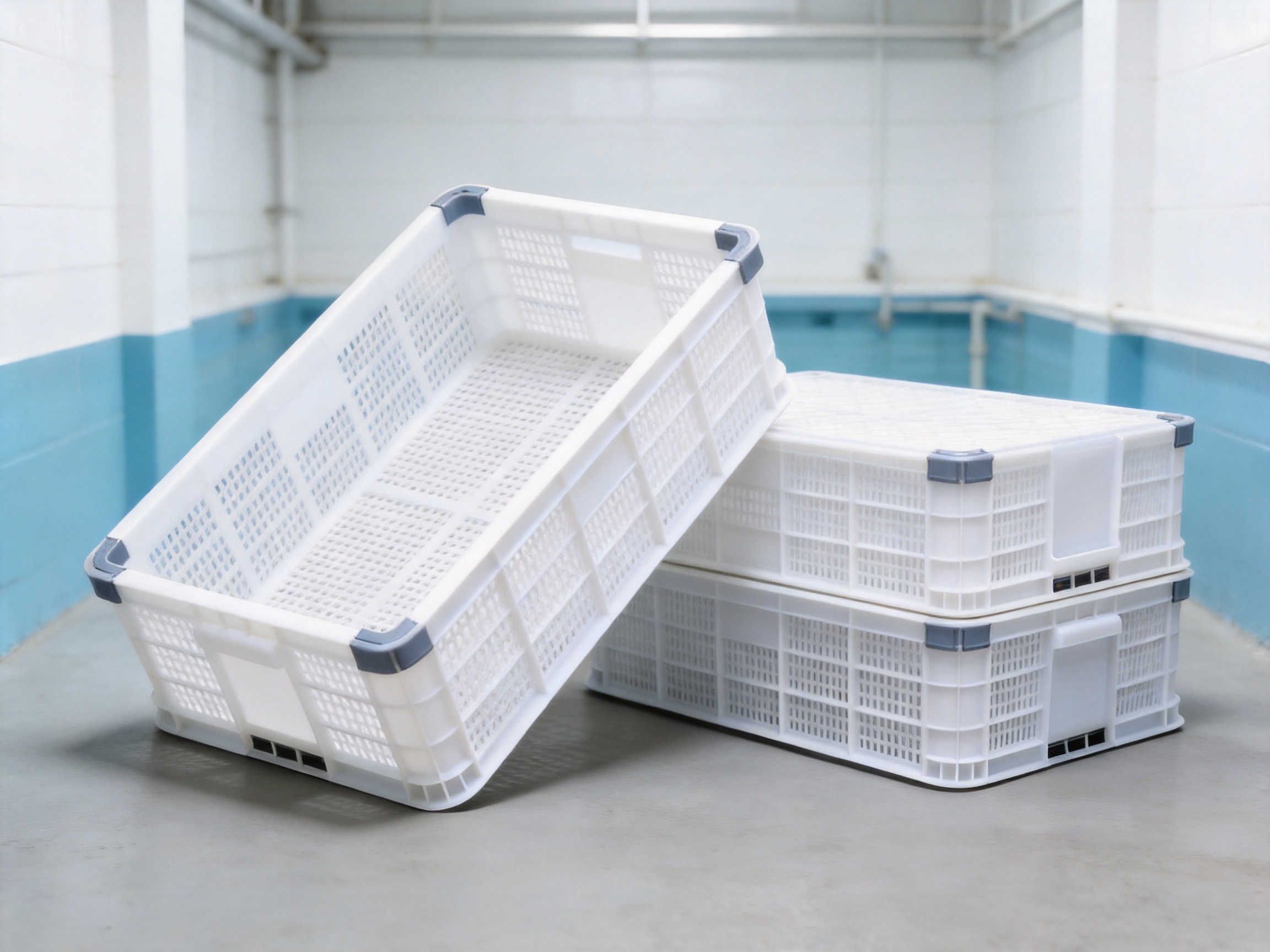
The product specification lists high-density polyethylene, or HDPE, as the crate material. HDPE is a practical choice for reusable aquaculture containers because it does not absorb water in the way that many fiber-based materials can. This helps the crate maintain a consistent weight and shape during repeated wet use. It also supports straightforward washing and rinsing after contact with aquatic products.
HDPE offers a useful combination of toughness and flexibility. The crate can withstand ordinary impacts associated with loading, stacking, and movement, while the material can absorb a degree of handling stress without immediately cracking like a brittle material. Actual performance depends on wall thickness, rib geometry, operating temperature, load distribution, and handling conditions, so users should follow appropriate loading procedures.
Another benefit is resistance to many common environmental conditions. Aquaculture operations may involve freshwater, brackish water, saltwater, disinfectants, detergents, mud, feed residues, and organic matter. A suitable HDPE crate can be cleaned repeatedly and returned to service without the rapid deterioration often associated with untreated wood, cardboard, or lower-grade temporary packaging.
The information supplied for the product also refers to the use of virgin polymer material and strict raw-material control in manufacturing communications. Since the product specification identifies HDPE while general production information mentions virgin PP in a broader quality statement, buyers should confirm the exact resin grade and material formulation for the specific BG-604217-SC order. This clarification is important for customers with food-contact, export, temperature, or regulatory requirements.
Material selection also affects hygiene management. A reusable plastic crate can be integrated into a wash-and-inspect cycle more easily than disposable packaging. Operators can establish procedures for rinsing, detergent washing where appropriate, disinfection, drying, and visual inspection. The mesh design should be checked for retained organic matter, and the crate should be removed from service if it develops cracks, sharp deformation, or other defects.
Stackable Structure and Space Efficiency
Space utilization is a major cost factor in hatcheries, farms, distribution centers, and transport vehicles. Containers are often stored before loading, staged during sorting, and returned after delivery. If they cannot be stacked securely, they consume valuable floor space and may create unstable piles. The stackable design of the BG-604217-SC addresses this requirement directly.
When empty, the crates can be arranged in vertical stacks to reduce the footprint required for storage. When loaded, the stacking structure helps organize units during staging and transportation. A defined external footprint also makes it easier to plan pallet patterns, warehouse locations, vehicle loading, and production-line layouts.
Stacking can improve more than storage density. It can reduce unnecessary walking, make inventory quantities easier to count, and establish clearer work zones. A hatchery may use separate areas for empty crates, cleaned crates, filled crates, and crates awaiting inspection. Consistent dimensions support this organization.
The 600×420mm footprint is also compatible with many common warehouse handling practices. Users can evaluate how the crate fits on pallets, shelves, trolleys, hand trucks, and pallet trucks. The exact number of crates per pallet or vehicle depends on the loading pattern, clearance requirements, pallet dimensions, and local transport rules. However, standardized dimensions make this planning more predictable than using mixed-size containers.
Compared with loose bags, improvised tubs, or irregular baskets, stackable crates can reduce movement and improve physical control. Containers remain grouped in a defined arrangement, helping workers handle larger quantities with less repeated repositioning. This can be particularly valuable during busy stocking periods, harvest preparation, or delivery scheduling.
Stackability must always be used within the product’s safe operating conditions. Operators should avoid unstable piles, excessive height, uneven floors, or loads that exceed the strength of the crate or stacking system. The weight of water and shrimp should be considered in addition to the empty crate weight. Proper handling equipment and worker training remain essential.
Capacity, Dimensions, and Handling Balance
The nominal capacity of the crate is 38L. Capacity provides a useful starting point for planning, but the practical amount of shrimp seed and water carried in each unit should be determined according to animal size, stocking density, transport duration, water quality, oxygen management, temperature, and local operating procedures.
The 575×390×170mm internal dimensions give the crate a broad, relatively shallow usable space. This geometry can be helpful when operators need to spread live product across an area rather than place it in a deep, narrow container. A shallow design may also make visual inspection and manual access more convenient.
The 175mm external height contributes to a lower center of gravity compared with much taller containers. This can support stability during stacking and movement, particularly when the crates are arranged on a pallet or cart. The relatively low profile may also reduce the reach required for loading and unloading, supporting more efficient manual work.
At 1.15kg, the empty crate provides a favorable balance between durability and portability. A crate that is too light may lack the reinforcement needed for repeated use, while a crate that is unnecessarily heavy increases labor and shipping costs. The BG-604217-SC is designed to remain manageable for regular handling while offering a reinforced structure for wet environments.
Businesses can use the specifications to estimate handling requirements. For example, total empty packaging weight can be calculated by multiplying the number of crates by 1.15kg. The combined operating weight will also include water, shrimp seed, labels, and any protective accessories. This information can help users choose suitable carts, pallet trucks, lifting methods, and vehicle loading plans.
Advantages Compared with General-Purpose Competitors
The first advantage over a basic plastic storage box is application-specific containment. A general storage box may be strong and inexpensive, but it may not have openings fine enough for shrimp seed. The BG-604217-SC is designed around live aquatic product handling, making its mesh structure more relevant to hatchery and farm requirements.
The second advantage is the balance between drainage and containment. A solid container can hold water but may be difficult to drain and rinse. A wide-slot crate may drain quickly but may not contain small shrimp seed safely. The fine mesh format aims to provide a controlled middle ground. This balance is particularly useful when the operator needs to move live stock while managing water weight and flow.
The third advantage is reusability. Disposable sacks, cardboard cartons, and thin temporary packaging may be suitable for limited circumstances, but they can create recurring waste and inconsistent handling performance. A durable reusable crate can be cleaned, inspected, and returned to service. Over multiple cycles, this may support more predictable packaging costs and improve workflow consistency.
The fourth advantage is stackability. Many improvised containers cannot be stacked safely or occupy a large amount of space when empty. The standardized shape of this crate supports vertical storage and organized movement. It can also simplify the development of returnable packaging systems between hatcheries, farms, distributors, and customers.
The fifth advantage is relatively low empty weight. Compared with heavier rigid bins or metal containers, the 1.15kg plastic body is easier for workers to handle repeatedly. It can also reduce the proportion of transport capacity consumed by packaging, although actual cost savings depend on the shipment configuration and operating method.
The sixth advantage is suitability for wet conditions. HDPE construction, a mesh body, and a reinforced form offer a more appropriate solution than materials that absorb water, rust, delaminate, or degrade quickly in humid environments. A plastic crate is also easier to wash than wooden packaging, provided that the cleaning process is appropriate for the aquaculture operation.
Finally, the product is part of a broader logistics equipment offering. Customers purchasing shrimp seed crates may also require plastic pallets, bulk containers, warehouse racks, pallet trucks, stackers, stretch film, packing straps, and other handling products. A supplier capable of supporting several connected equipment categories can help customers reduce coordination effort and develop a more consistent material-flow system.
Manufacturing Process and Quality Control
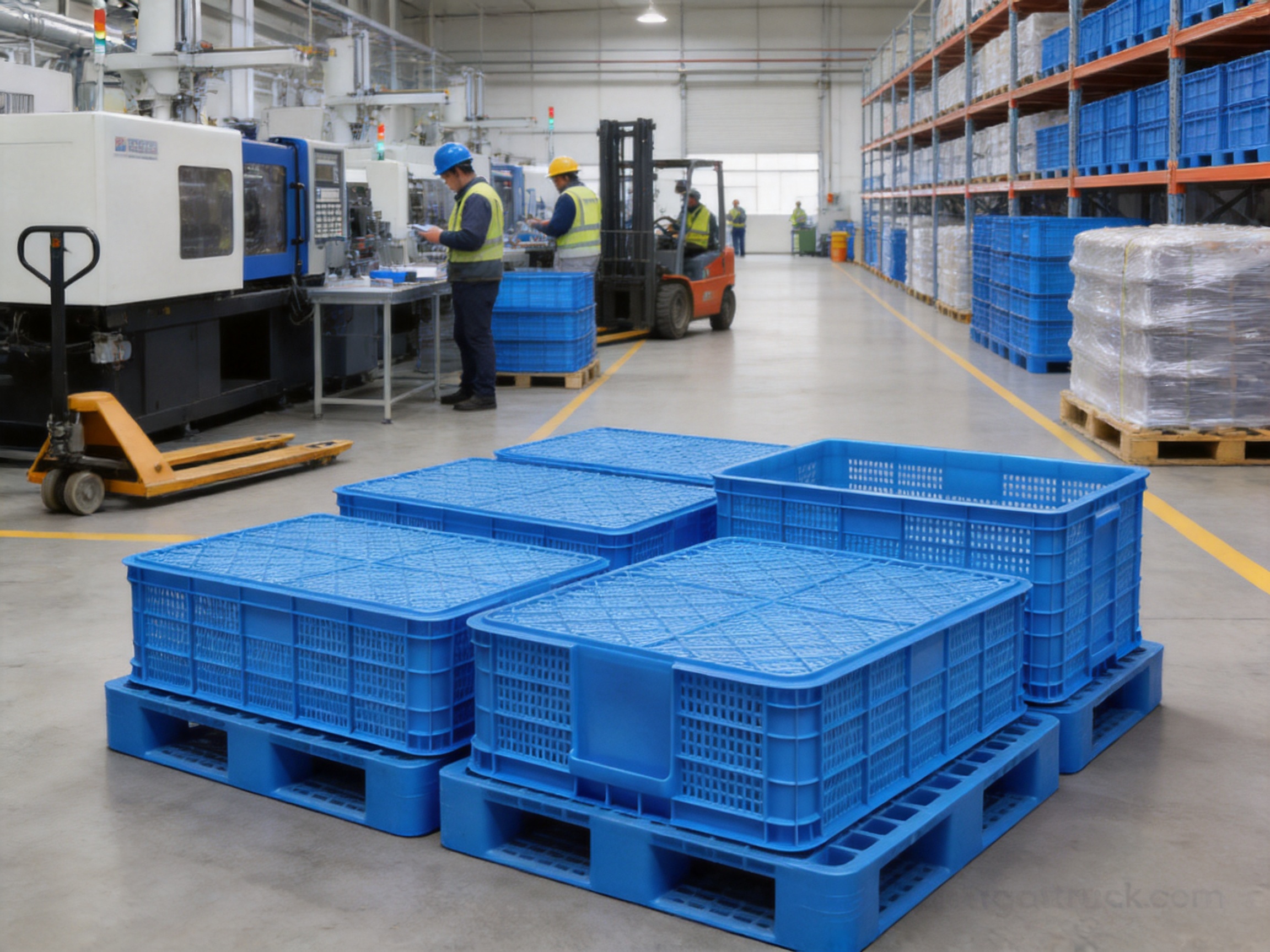
Product performance begins with manufacturing discipline. A crate may have a suitable design on paper, but inconsistent raw materials, poorly maintained molds, uneven cooling, or insufficient inspection can reduce its practical value. The manufacturer’s stated approach emphasizes standardized processes and quality control from raw-material sourcing through production and final inspection.
The first stage is material preparation. Polymer material must be selected, stored, and processed according to the requirements of the product. Control of material identity, cleanliness, moisture exposure, and batch consistency can help reduce variation in color, strength, surface finish, and molding behavior. For customers with specific compliance requirements, material documentation should be requested and reviewed before mass production.
The next stage is mold preparation. The fine mesh structure requires a mold capable of forming repeated small openings and maintaining stable dimensions across the product. Mold condition affects the accuracy of the mesh, the smoothness of the surfaces, the shape of the stacking features, and the consistency of the rim and reinforcing sections. Regular mold inspection and maintenance are therefore important.
During molding, process parameters such as temperature, pressure, fill speed, cooling time, and cycle consistency influence the final crate. A stable process helps prevent incomplete filling, excessive flash, warping, sink marks, weak joints, and dimensional deviations. These issues are especially important for a stackable product because small changes in geometry can affect how units align.
After molding, the crate should undergo trimming and visual finishing. Excess material around mesh openings, edges, handles, and the rim should be removed. The surface should be checked for sharp points or defects that could damage workers, shrimp seed, gloves, bags, or adjacent crates. A professional inspection process should also look for cracks, deformation, color abnormalities, and incomplete structural features.
Dimensional inspection is another important step. External length, width, and height should be checked against the specified 600×420×175mm dimensions, while internal dimensions should be monitored for consistency. Weight checks can help identify significant variation in material distribution. Capacity verification and stacking tests may also be included in a product-quality program.
Load and handling tests should reflect actual use as closely as possible. These may include stacking evaluation, repeated handling, wet-condition observation, drainage assessment, and inspection after transport simulation. The exact test method should be defined by the manufacturer and customer according to the intended application. No single test can represent every operating condition, so a combination of checks is preferable.
Final inspection is not limited to the product itself. Packaging, labeling, model identification, order quantity, color, and shipment preparation should also be verified. Accurate product identification reduces the risk of mixing different models or specifications in a customer’s inventory.
Standardized Production and Scalable Supply
For aquaculture businesses, supply reliability is almost as important as individual product quality. Seasonal demand, stocking schedules, export orders, and farm expansion can create sudden requirements for additional crates. A manufacturer with standardized production processes and a broad equipment supply chain is better positioned to support repeat orders and coordinated procurement.
Standardization allows the same model to be produced with consistent dimensions and design features across multiple batches. This matters when crates are stacked together, used with existing pallets, or incorporated into a returnable packaging loop. Consistency also makes staff training easier because workers can follow one handling method for the same crate type.
The manufacturer’s stated supply capabilities cover handling equipment, storage containers, packaging materials, and warehouse racks. This product range indicates an ability to view the crate as part of a broader logistics system rather than as an isolated item. A customer may be able to coordinate container selection with warehouse layout, pallet movement, packaging protection, and racking requirements.
Stock availability can also be valuable. The supplied information identifies the product as in stock and ready to ship, although customers should confirm current availability, production schedules, colors, packaging quantities, and shipping terms for each order. Ready inventory can be especially helpful when a farm or hatchery needs to replace damaged containers or expand capacity quickly.
Multiple color options may support operational organization. Different colors can be assigned to separate farms, product grades, cleaning statuses, transport routes, or workflow stages. Color coding should be managed through a documented system so that employees understand what each color represents. Custom colors and specifications should be discussed with the supplier, including minimum order quantities and production lead times.
Applications Across the Aquaculture Supply Chain
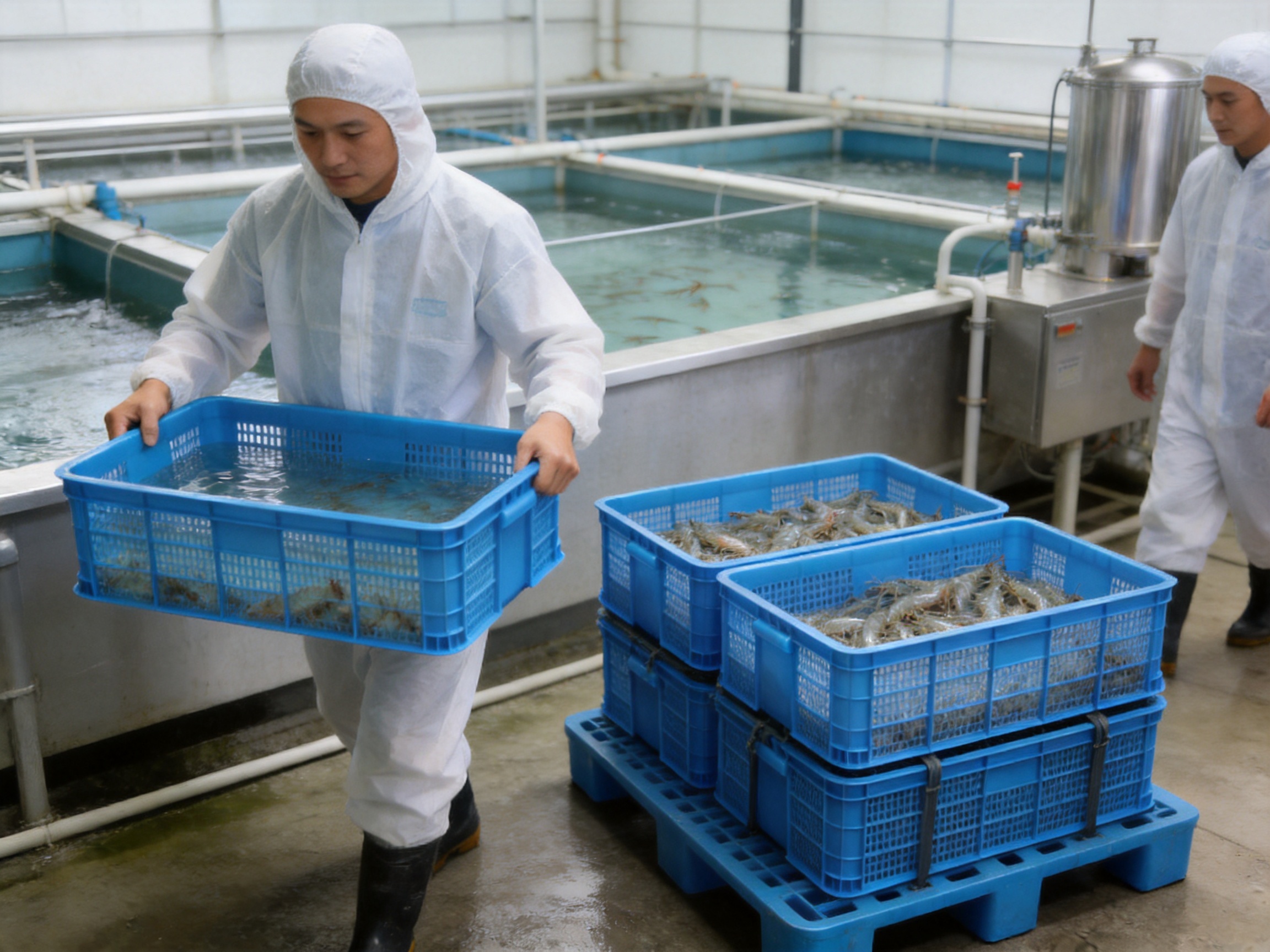
The primary application is shrimp seed transport. Hatcheries can use the crates during internal movement from nursery areas to packing stations, while distributors can use them for organized staging before delivery. Farms may use the crates during acclimatization, transfer, sorting, and short-distance movement between tanks, ponds, or processing areas.
The crates may also support seafood logistics where small live aquatic products require containment, drainage, and reusable packaging. Depending on the species, size, handling procedure, and regulatory requirements, similar containers may be considered for other aquatic organisms. Each application should be evaluated separately because different species have different containment, oxygen, temperature, and water-management needs.
Within a hatchery, the crates can be used as part of a clearly defined material flow. Empty clean crates can be held in a designated zone, filled crates can move through inspection and loading areas, and used crates can be returned to a wash station. This separation helps reduce confusion and supports better hygiene control.
In distribution operations, standardized crates can improve order organization. Each crate can be associated with a customer, batch, route, or delivery schedule. Labels, tags, or external identification systems can be used, provided they do not obstruct the mesh or create contamination risks. The crate’s stable dimensions can also simplify vehicle loading plans.
For seafood logistics companies, reusable crates may help reduce dependence on disposable packaging. The economic value depends on purchase cost, cleaning labor, loss rates, return rates, transport distance, and service life. Companies should evaluate the complete operating cycle rather than comparing only the initial unit price.
Cleaning, Inspection, and Maintenance
Reusable aquaculture containers require a disciplined cleaning program. After each use, visible organic matter should be removed before it dries onto the mesh or reinforcing sections. The crate can then be rinsed and washed according to the facility’s sanitation procedures. Cleaning agents should be compatible with HDPE and with the biological requirements of the operation.
The fine mesh should receive particular attention. Small particles can collect around intersections, corners, and the base. A brush or suitable low-pressure cleaning method may help remove residues without damaging the structure. Operators should avoid tools or procedures that deform the mesh, create sharp edges, or force contamination deeper into the openings.
After washing, crates should be inspected and allowed to dry or drain as required. Inspection should look for cracks, broken mesh, distorted rims, damaged stacking features, sharp edges, and excessive wear. A damaged crate should not be used for live shrimp seed until it has been evaluated and approved for continued service.
Storage conditions also affect service life. Crates should be stored in a clean, organized area away from unnecessary heat, flames, sharp objects, and chemicals that are incompatible with the material. Stable stacking can prevent deformation, while excessive height should be avoided for safety reasons.
Facilities should maintain records when the containers are part of a controlled logistics system. Basic records may include purchase batch, assigned area, cleaning status, repair or rejection date, and approximate number of cycles. Such information can help identify recurring problems and support more accurate replacement planning.
Integrating the Crate with Warehouse Equipment
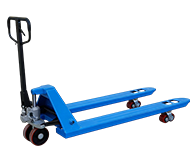
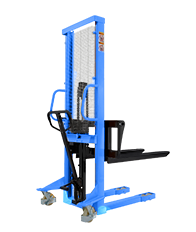
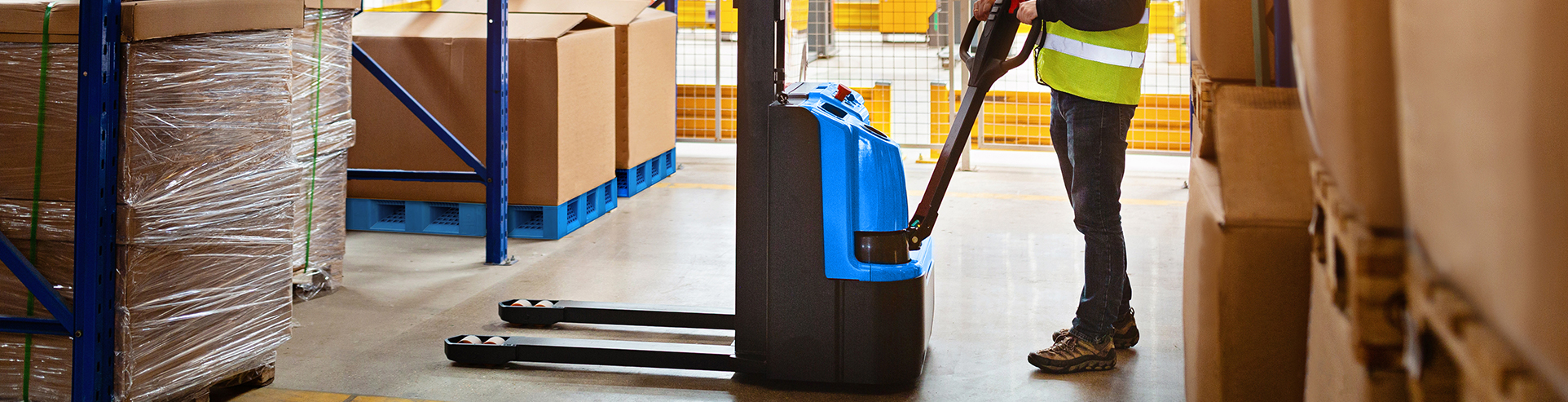
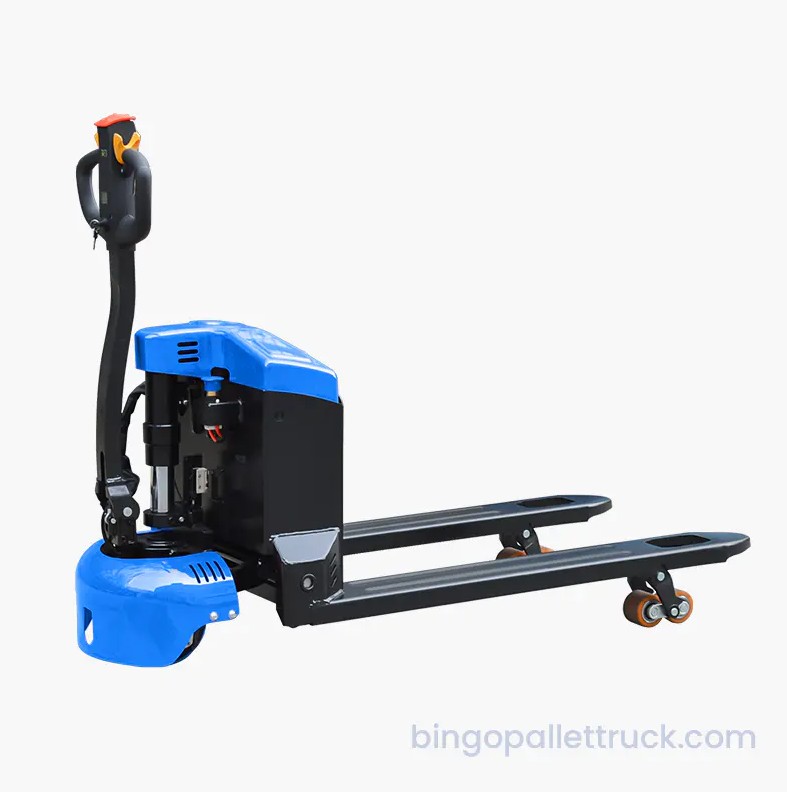
Although the crate is designed for aquaculture, it can be integrated with common warehouse and material-handling equipment. Pallet trucks can move grouped crates across smooth floors, while stackers may assist with palletized loads when the operating environment and load configuration are suitable. Racking systems can be evaluated for empty-crate storage or staged inventory.
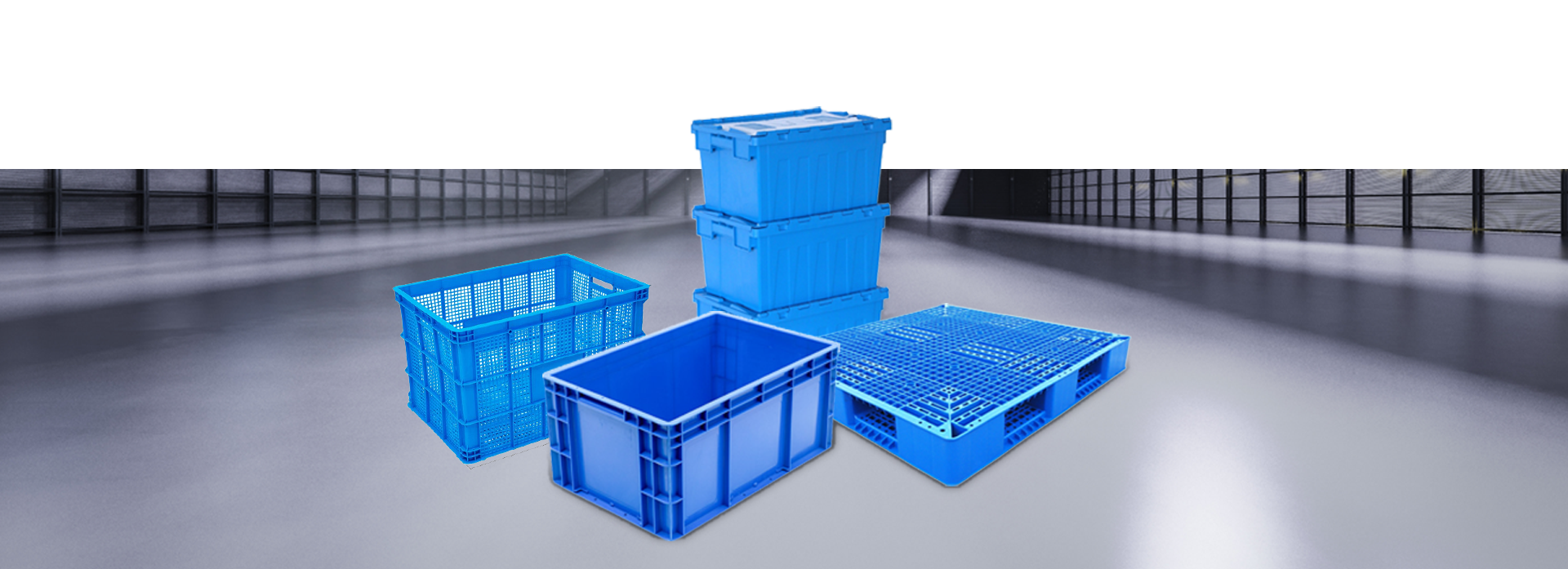
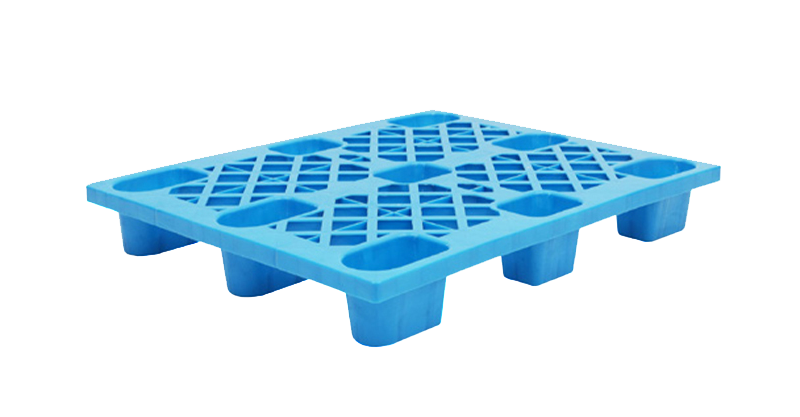
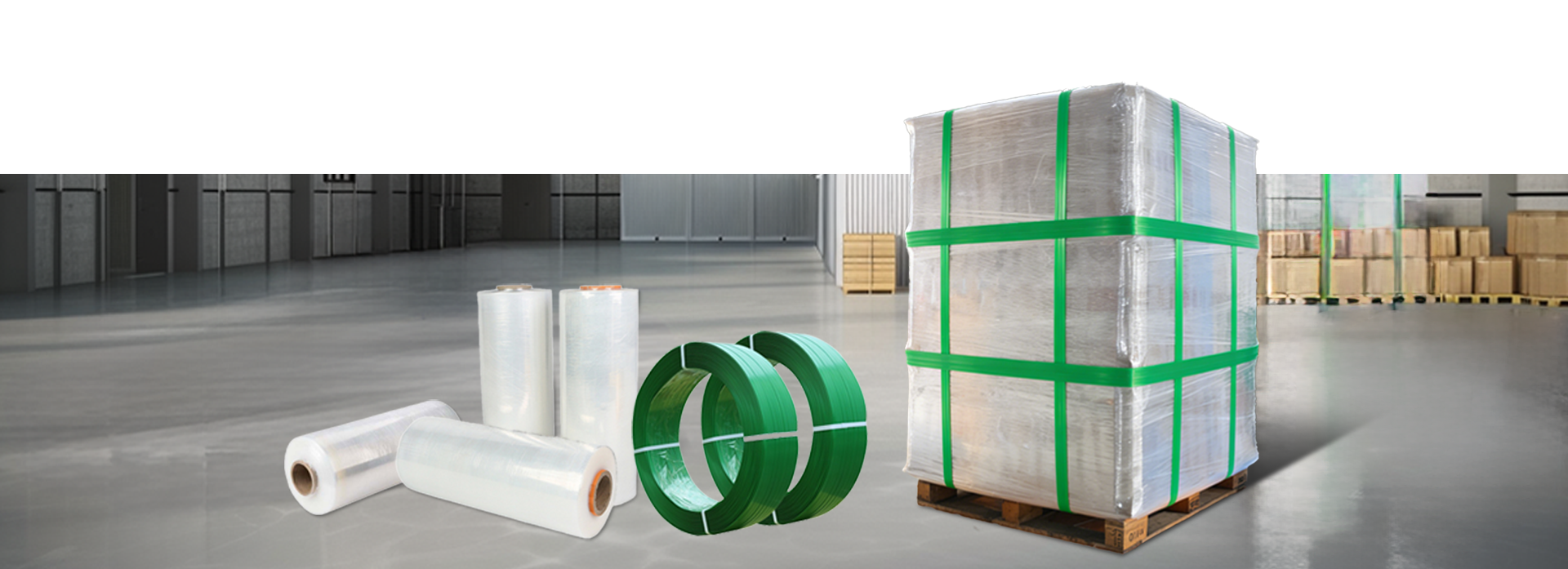
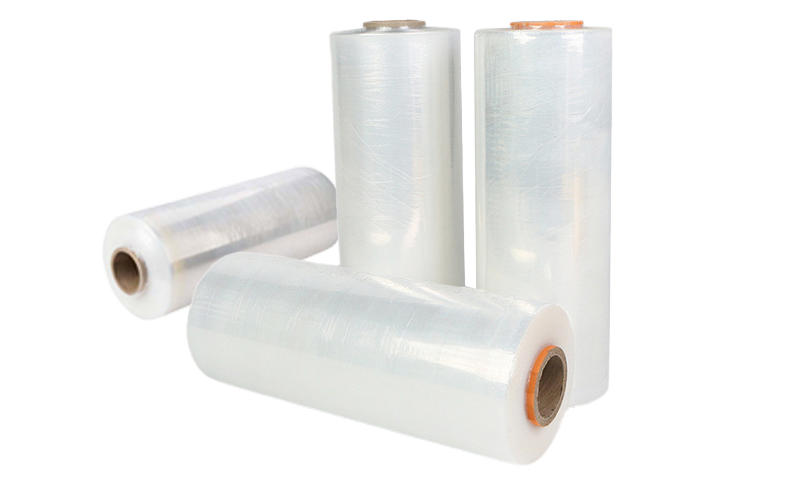
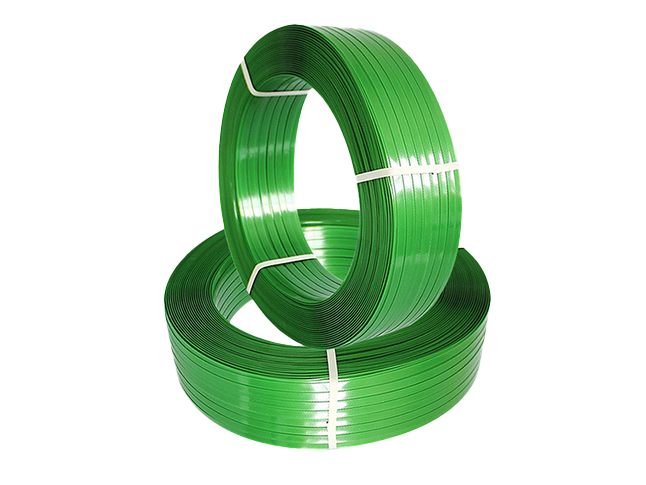
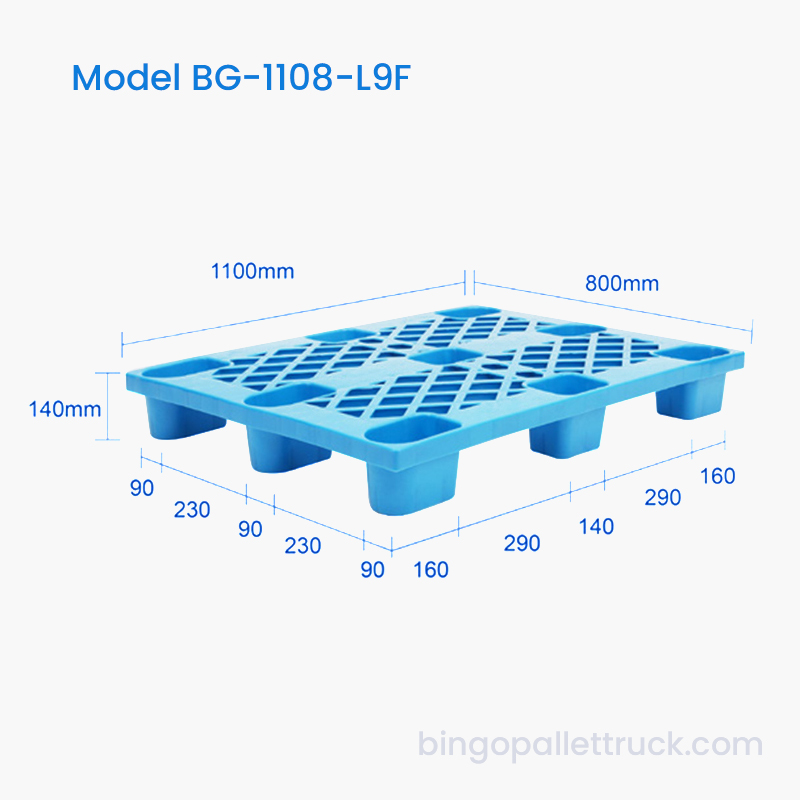
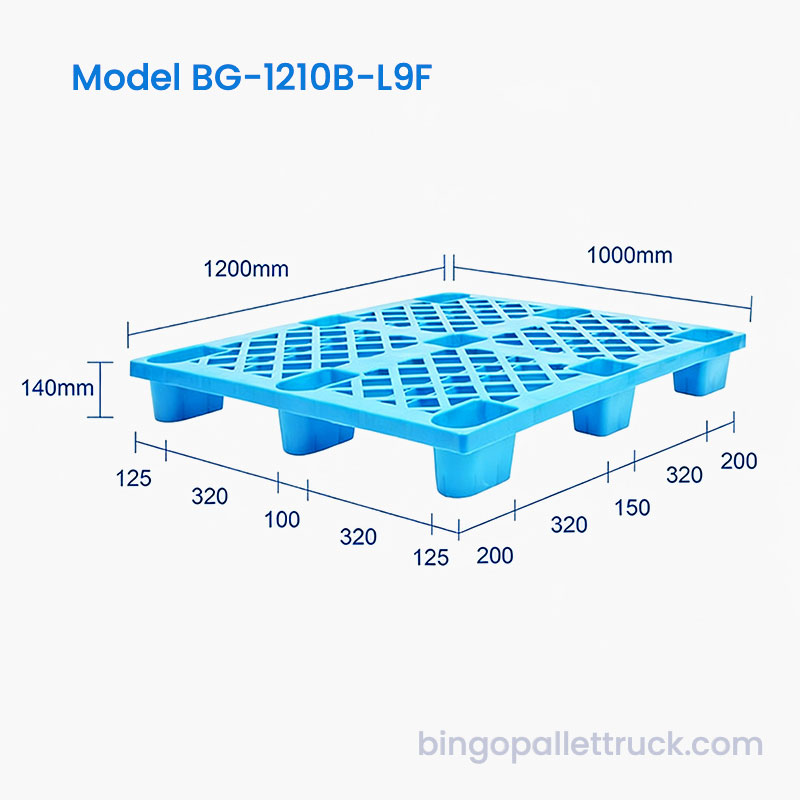
Plastic pallets can provide a stable base for transporting multiple crates. Stretch film or packing straps may be used to secure a palletized group during transit, but the restraint method should not deform the mesh or obstruct drainage when drainage is required. Operators should also ensure that wrapping does not create unsafe lifting conditions.
Warehouse racks can help separate clean, filled, empty, and returned crates. Light-duty or medium-duty racking may be suitable for certain storage arrangements, but rack selection must be based on the total load, shelf dimensions, safety factors, and local requirements. The crate’s dimensions should be compared with the clear rack opening before installation.
The wider equipment portfolio of the manufacturer includes manual and electric pallet trucks, stackers, plastic pallets, totes, bulk containers, stretch wrap, packing straps, and warehouse racks. This range can support a coordinated procurement approach. Instead of selecting unrelated items from multiple vendors, customers can discuss how containers and handling equipment will function together in their facility.
Purchasing Considerations for International Buyers
International buyers should confirm the product specification before placing an order. Important points include the exact material, color, dimensions, weight tolerance, mesh pattern, stacking method, capacity definition, packaging quantity, and available customization. Buyers should also clarify whether the stated 38L capacity is a brimful volume or an operating capacity recommended for live product handling.
Material documentation may be required for certain markets or applications. Customers should request information about the HDPE grade, additives, colorants, recycled content if applicable, and any available food-contact or product-safety documentation. The supplied material describes the product as food-safe, but the specific documentation and regulatory scope should be confirmed for the destination country and intended use.
Shipping plans should account for the crate’s external dimensions and stackability. Empty crates may be nested or stacked depending on the design, while filled crates may require a different configuration. Buyers should ask for carton or pallet packing details, gross shipment weight, loading quantity, and container utilization information.
Quality expectations should be stated clearly in the purchase order. Buyers may define acceptable dimensional tolerances, surface-finish requirements, mesh-opening consistency, color tolerance, labeling, inspection procedures, and packaging standards. A pre-shipment inspection can be considered for larger orders or customized production.
Customers should also discuss after-sales communication, replacement parts if any, warranty conditions, and methods for reporting defects. A supplier that provides handling equipment and storage products may be able to offer broader technical support for warehouse and aquaculture logistics planning.
How the Product Supports Sustainable Operations
The reusable nature of the crate can contribute to a more durable packaging system. When properly cleaned and maintained, one crate can serve through many operating cycles, reducing the need for single-use boxes, sacks, or temporary containers. This may lower packaging waste and make material consumption more predictable.
Its light weight can also support efficient transport. Reducing empty-container weight may help lower manual handling effort and improve the ratio between useful cargo and packaging. The actual environmental benefit depends on the distance traveled, cleaning requirements, service life, return logistics, and end-of-life management.
Stackability can reduce storage space and improve vehicle utilization. Better space planning may lower the number of movements required within a facility and reduce the amount of storage infrastructure needed for the same number of units. These benefits are strongest when the crates are used in a standardized, well-managed system.
At the end of its service life, plastic containers should be evaluated for recycling according to local rules and material identification. Keeping the material stream organized can make recycling more practical. Customers should consult local waste-management providers and confirm whether the product can enter an appropriate HDPE recycling channel.
Recommended Operating Practices
Before first use, inspect each crate for visible defects, sharp edges, contamination, or transport damage. Confirm that the mesh and stacking structure are intact. Wash the crate according to the facility’s approved procedure before introducing live product.
During loading, distribute the product and water evenly where appropriate. Avoid dropping, dragging across abrasive surfaces, overfilling, or placing loads that exceed the crate’s intended operating conditions. Keep the rim and stacking points free from obstructions so that units can align correctly.
During movement, use suitable carts, pallets, pallet trucks, or manual handling techniques. Workers should be trained to lift safely and to recognize that water-filled crates can be substantially heavier than empty units. Do not create unstable stacks or move loads that exceed the capacity of the handling equipment.
During transport, protect the crates from uncontrolled sliding, impact, extreme heat, and excessive vibration. The exact transport method should be selected according to the species, duration, water volume, oxygen requirements, and regulatory conditions. The crate alone does not replace a complete live-animal transport protocol.
After unloading, remove the crate from the clean-storage area until it has been washed and inspected. Establish clear visual or documented status controls so that used crates are not accidentally returned to service without cleaning.
Frequently Asked Questions
What is the main purpose of the BG-604217-SC crate?
The crate is designed primarily for transporting shrimp seed and supporting related aquaculture handling activities. Its fine mesh, drainage structure, stackable form, and reusable HDPE body are intended for live aquatic product logistics.
What are the external dimensions?
The external dimensions are 600×420×175mm.
What are the internal dimensions?
The internal dimensions are 575×390×170mm, providing the approximate usable interior space within the crate structure.
How much does the crate weigh?
The listed empty weight is approximately 1.15kg. The operating weight will be higher when water, shrimp seed, and any other contents are added.
What is the capacity?
The nominal capacity is 38L. The recommended working quantity of shrimp seed and water should be determined according to the species, size, stocking density, transport duration, and operating procedure.
What material is used?
The product specification lists HDPE, or high-density polyethylene. Buyers with specific regulatory or food-contact requirements should confirm the exact resin grade and documentation for their order.
Can the crate be stacked?
Yes. The product is designed as a stackable crate. Users should follow safe stacking practices and consider the combined weight of the crates and their contents.
Why is fine mesh important for shrimp seed?
Fine mesh helps contain small live shrimp seed while allowing drainage and air movement. The appropriate mesh suitability depends on the size and developmental stage of the shrimp, so customers should confirm the application before purchase.
Is the crate reusable?
Yes. The durable plastic construction is intended for repeated use. Reuse depends on proper cleaning, inspection, handling, and storage.
Can the product be used for species other than shrimp?
It may be suitable for certain other aquatic products, but each application should be evaluated separately. Species size, behavior, water requirements, density, and transport conditions must be considered.
The supplied product information describes the material as food-safe. However, buyers should request the relevant material and compliance documentation for their country and intended application before using the crate in a regulated food-contact process.
Can colors or specifications be customized?
The supplied information indicates that multiple colors and full specifications may be available, with customization possible. Minimum order quantities, color availability, tooling, and lead times should be confirmed with the supplier.
How should the crate be cleaned?
Remove organic matter, rinse the crate, wash it using an approved procedure, inspect the mesh and structural features, and allow it to drain or dry as required. Cleaning agents and methods should be compatible with the material and the facility’s biological-control program.
Can the crate be used with warehouse handling equipment?
Yes. It can be incorporated into systems using pallets, carts, pallet trucks, stackers, and warehouse racks, provided that the total load, dimensions, and handling method are suitable.
What should buyers confirm before ordering?
Buyers should confirm material grade, dimensions, capacity definition, mesh details, colors, order quantity, packing method, shipping configuration, documentation, customization, and current availability.
Conclusion
The 38L Stackable Plastic Crate for Shrimp Seed Transport is a specialized reusable container designed to address the practical challenges of aquaculture logistics. Its 600×420×175mm external size, 575×390×170mm internal dimensions, 38L capacity, and 1.15kg empty weight provide a balanced combination of usable volume, handling efficiency, and storage convenience.
Its most important functional advantage is the combination of fine mesh and drainage. The design helps contain small shrimp seed while supporting water movement and easier handling. The HDPE construction offers a practical solution for wet environments, while the stackable structure helps reduce storage requirements and improve transport organization.
Compared with ordinary storage boxes, disposable packaging, or open-slot agricultural crates, this product is more closely aligned with the requirements of live aquatic product handling. Its reusable format can support standardized cleaning and returnable logistics systems, while its dimensions can be integrated with pallets, carts, warehouse racks, and other material-handling equipment.
The value of the crate is strengthened by the manufacturer’s broader capabilities in handling equipment, storage containers, packaging materials, and warehouse racks. Through standardized production, raw-material controls, inspection procedures, and integrated logistics knowledge, the supplier can support customers seeking more than a single container purchase.
For the best results, buyers should match the crate to their shrimp seed size, water-management method, transport duration, hygiene program, and handling equipment. They should also confirm the exact material documentation and operating specifications before ordering. When integrated into a disciplined aquaculture workflow, the BG-604217-SC can provide a practical foundation for safer, more organized, and more efficient shrimp seed transport.
References
1. Product specification sheet for model BG-604217-SC, including dimensions, capacity, material, and weight information.
2. Manufacturer-provided product information concerning stackable plastic crates, fine mesh construction, multiple colors, customization, and quality control.
3. General industrial guidance on reusable plastic containers, HDPE handling, warehouse storage, and material-flow organization.
4. General aquaculture logistics principles concerning live shrimp seed containment, water management, hygiene, loading, and transport preparation.
5. General warehouse safety practices for stacking, pallet handling, manual movement, and storage-rack integration.
Product: 38L Stackable Plastic Crate Shrimp Seedling Basket


Copyright @ Yancheng Bingo Machinery Equipment Co., Ltd. All rights reserved Warehouse Logistics Equipment Manufacturer Pallet Truck Supplier
