 en
en  Español

31L Stackable Plastic Crate for Efficient Cold Chain and Fresh Produce Logistics
Modern supply chains depend on containers that can protect products, improve handling efficiency, maximize warehouse capacity, and support fast movement from production sites to distribution centers and retail locations. For fresh produce, food storage, and general logistics, the right crate must provide more than basic containment. It must encourage airflow, allow quick visual inspection, withstand repeated handling, stack safely, and remain easy to clean and transport.
The 31L stackable plastic crate, model BG-614215A-SC, is designed to address these operational requirements in one practical format. Manufactured from heavy-duty HDPE, the crate combines a reinforced structure with a fully perforated body, a standardized footprint, and a stackable configuration. Its design is suitable for warehouses, supermarkets, food distribution hubs, agricultural operations, manufacturing facilities, and logistics providers that need a reusable alternative to disposable cartons or less durable storage boxes.
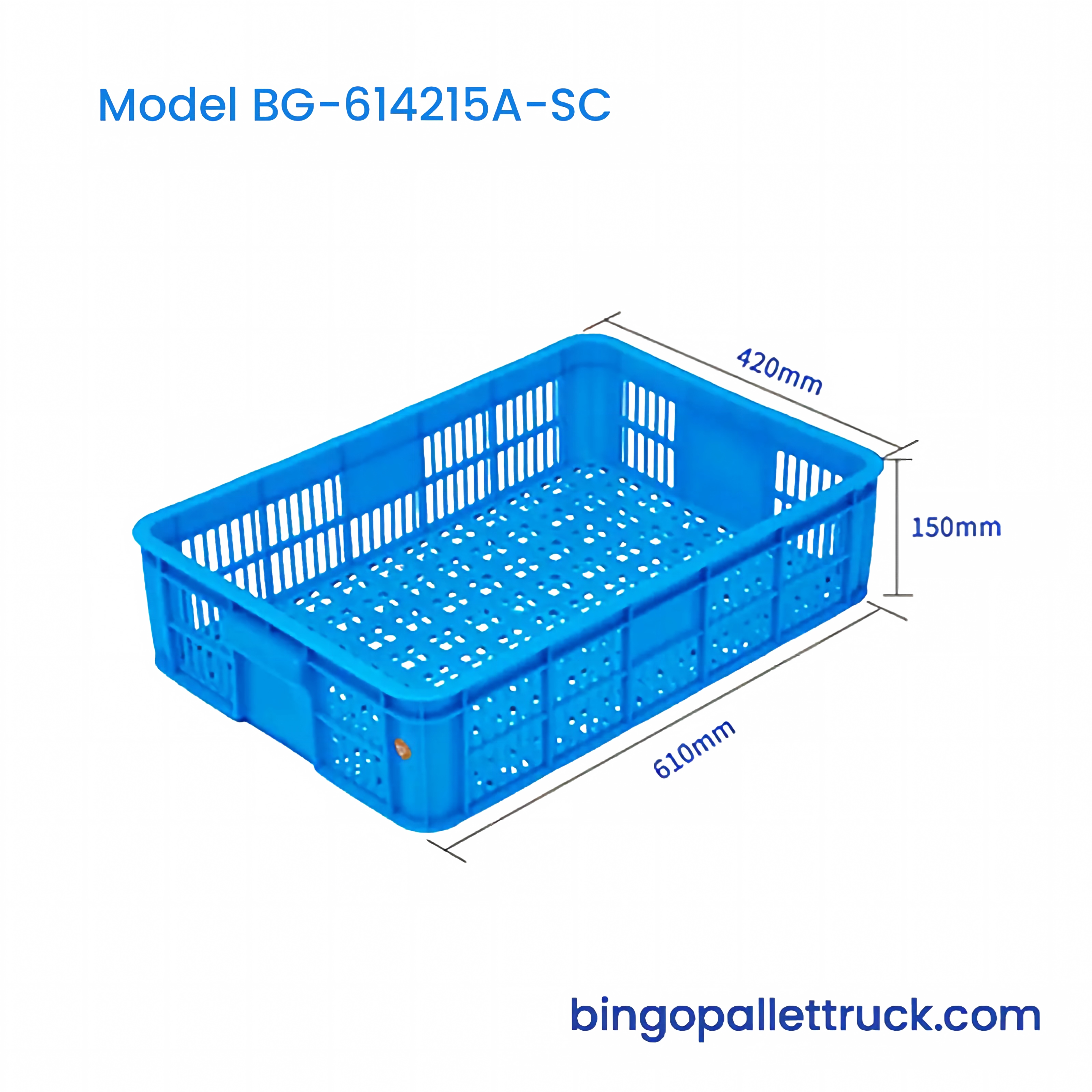
With a stated capacity of 31 liters, an external size of 610×420×150mm, an internal size of 575×390×140mm, and a weight of approximately 1.15kg, the crate provides a balance between usable volume and easy manual handling. Its open-wall construction supports ventilation and product visibility, while the stackable format helps companies make better use of vertical storage space.
This article examines the product’s construction, operating benefits, manufacturing quality, applications, maintenance requirements, and advantages compared with common alternatives. It also explains how an experienced warehouse and logistics equipment manufacturer can support customers with coordinated storage, handling, packaging, and racking solutions.
Content
- 1 Product Overview
- 2 Key Specifications
- 3 HDPE Construction for Repeated Logistics Use
- 4 Ventilation and Product Visibility
- 5 Stackable Design and Space Optimization
- 6 Ergonomic Handling and Practical Weight
- 7 Advantages in Fresh Produce Logistics
- 8 Benefits for Food Storage and Distribution
- 9 General Warehouse and Industrial Applications
- 10 Comparison with Common Alternatives
- 11 Manufacturing Process and Quality Control
- 12 Supplier Strengths and Integrated Logistics Capability
- 13 Customization and Procurement Options
- 14 Operational Best Practices
- 15 Cold Chain Considerations
- 16 Warehouse Layout Integration
- 17 Sustainability and Lifecycle Value
- 18 Why the Product Offers Strong Competitive Value
- 19 Recommended Customer Profile
- 20 Frequently Asked Questions
- 20.1 What is the capacity of the crate?
- 20.2 What material is used?
- 20.3 What are the crate dimensions?
- 20.4 Is the crate suitable for fresh produce?
- 20.5 Can the crate be stacked?
- 20.6 Is the crate suitable for cold chain operations?
- 20.7 How much does the empty crate weigh?
- 20.8 Can customers request different colors?
- 20.9 Can the crate be used with warehouse racks?
- 20.10 How should the crate be cleaned?
- 20.11 Can the crate replace cardboard cartons in every application?
- 20.12 What should be confirmed before a large order?
- 21 Conclusion
- 22 References
- 23 Product: 31L Stackable Plastic Crate for Cold Chain Fresh Produce Logistics
Product Overview
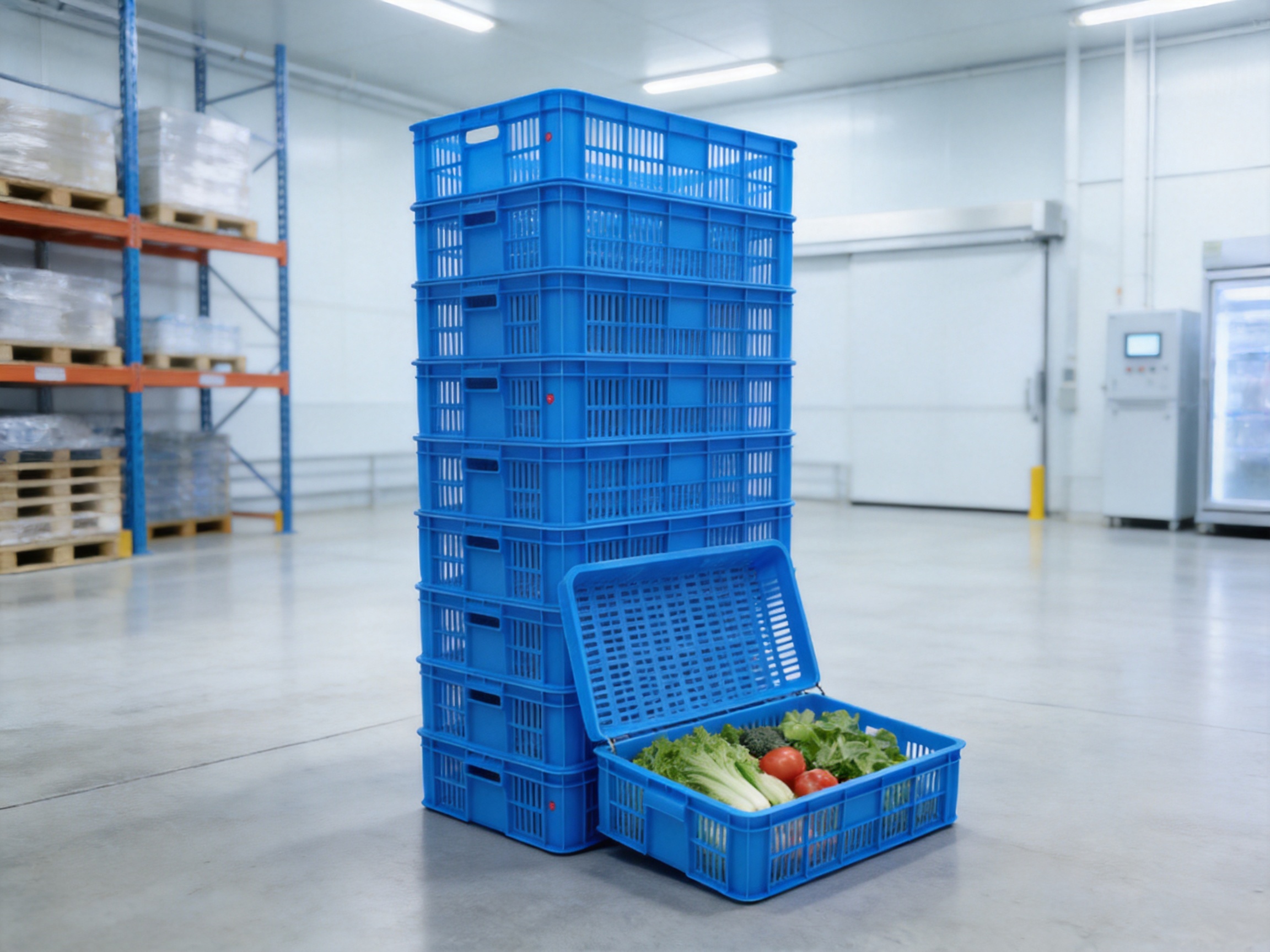
The 31L stackable plastic crate is a reusable logistics container intended for organized storage, internal transportation, picking, sorting, and distribution. Its design is especially appropriate for goods that benefit from air circulation, including fresh fruits, vegetables, bakery products, packaged foods, and other temperature-sensitive items. It can also be used for non-food products that require a durable, washable, and easily stackable container.
The crate uses HDPE, or high-density polyethylene, as its primary material. HDPE is widely used in industrial containers because it offers a strong relationship between weight, impact resistance, chemical resistance, and service life. When properly processed, it can create a rigid but relatively lightweight container capable of withstanding the routine demands of warehousing and transportation.
The crate’s fully perforated walls and base support airflow around the contents. This characteristic is valuable in cold chain and fresh produce applications, where ventilation can help reduce heat accumulation and support more consistent environmental conditions. The openings also make it easier for workers to identify the contents without opening or moving every container.
The standardized rectangular form allows the crates to be arranged in rows, placed on pallets, positioned in warehouse shelving systems, or integrated into picking and sorting workflows. The stackable design supports vertical utilization, reducing the floor area required for empty or loaded containers when compared with randomly placed boxes.
Key Specifications
| Specification | Details |
|---|---|
| Product Type | Stackable plastic logistics crate |
| Model | BG-614215A-SC |
| Material | HDPE |
| Capacity | 31L |
| External Dimensions | 610×420×150mm |
| Internal Dimensions | 575×390×140mm |
| Approximate Weight | 1.15kg |
| Configuration | Stackable and fully perforated |
| Typical Applications | Fresh produce, food storage, warehouses, retail, distribution, and general logistics |
Product information sometimes presents nominal dimensions using rounded descriptions, while technical specifications may identify the precise external and internal measurements. For procurement, warehouse layout planning, and automated system integration, buyers should confirm the final dimensional drawing and production specification with the supplier before placing a large order.
HDPE Construction for Repeated Logistics Use
Material selection has a direct effect on the service life and operating cost of a reusable crate. HDPE is valued for its durability and suitability for demanding storage environments. It is generally resistant to moisture and many common chemicals, making it more practical than untreated fiberboard in areas where condensation, washdown, or accidental spills may occur.
For fresh produce operations, containers may be exposed to water, soil, plant residue, condensation, and frequent cleaning. A plastic crate can be rinsed and returned to service without the drying time associated with absorbent paper-based packaging. This supports more consistent sanitation routines and helps reduce the need to replace damaged cartons after a single use.
The material also supports a smooth, practical surface that can be cleaned using procedures appropriate for the customer’s industry. Food-handling operations should establish their own cleaning agents, temperatures, contact times, and sanitation processes according to applicable regulations and the nature of the goods being handled. The crate’s material and perforated design make it suitable for such controlled cleaning workflows, but the exact sanitation method should always be validated by the operator.
HDPE also offers useful impact performance in normal warehouse handling. Crates may be placed on pallets, moved by workers, transferred through picking areas, or loaded into vehicles. Compared with fragile disposable packaging, a reinforced reusable crate is better suited to repeated handling cycles. Its durability can contribute to lower replacement frequency and more predictable packaging expenditure.
Ventilation and Product Visibility
The fully perforated body is one of the crate’s most important functional features. Fresh produce continues to exchange heat and moisture after harvesting. A container that restricts airflow can contribute to localized condensation or uneven temperature conditions, particularly when products are packed closely together or moved through refrigerated environments.
Open perforations allow air to circulate through the sides and base of the crate. This can support more consistent cooling and ventilation during storage and transportation. The actual cooling performance will depend on the crate arrangement, product type, loading density, refrigeration system, airflow pattern, and operating conditions. Even so, the perforated design provides a practical foundation for ventilation-focused logistics.
The openings also improve visibility. Workers can often identify colors, product types, fill levels, or labels without removing the contents. This can shorten inspection and picking time, reduce unnecessary handling, and make stock rotation easier. In retail and distribution environments, visual access may also help employees identify mixed loads or damaged goods more quickly.
Compared with fully enclosed containers, the perforated structure can reduce the need to open multiple boxes during receiving and dispatch. This is particularly useful in high-throughput operations where small time savings are repeated across hundreds or thousands of handling events.
Stackable Design and Space Optimization
Warehouse space is a major operating cost. A container that can be stacked securely allows businesses to use vertical space rather than relying only on floor-level storage. The 31L crate is designed for stacking, helping users create organized columns of containers when the products, rack configuration, and load conditions are appropriate.
Stacking improves orderliness in cold rooms, packing areas, staging zones, and distribution centers. It can also reduce the amount of floor space used by empty returnable packaging. Instead of leaving individual crates scattered around the facility, operators can form stable stacks and assign designated storage locations.
The rectangular footprint supports more efficient area utilization than irregular boxes or containers with heavily tapered sides. It can be aligned with pallets, shelving, conveyor lanes, and workstations. The result is a more consistent material flow from receiving through storage, picking, packing, and dispatch.
Stacking must always be performed according to the supplier’s loading guidance and the customer’s risk assessment. Factors such as product weight, temperature, stack height, floor condition, vibration, and transport movement can influence stability. For tall stacks or rack storage, operators should confirm compatibility with the relevant warehouse equipment and safety procedures.
31L Stackable Plastic Crate for Cold Chain Fresh Produce Logistics
Ergonomic Handling and Practical Weight
At approximately 1.15kg, the crate is light enough for routine manual handling while still providing a durable reusable structure. A lower empty weight can reduce the total handling burden for workers who repeatedly lift, carry, load, and unload containers during a shift.
When the crate is filled, the total weight will depend on the density and quantity of the contents. Operators should establish maximum safe loading levels based on the product, worker capability, lifting frequency, and workplace safety requirements. A 31L capacity offers useful volume for many produce and distribution tasks without requiring an excessively large container that becomes difficult to maneuver when full.
The crate format can support standardized handling practices. Workers can be trained to position the load evenly, maintain clear pathways, use carts or pallet trucks when appropriate, and keep stack heights within approved limits. Standardization reduces variation in daily operations and helps supervisors establish repeatable procedures.
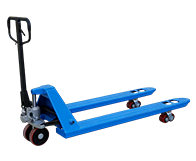
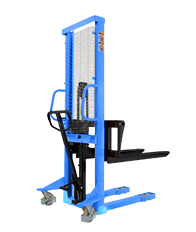
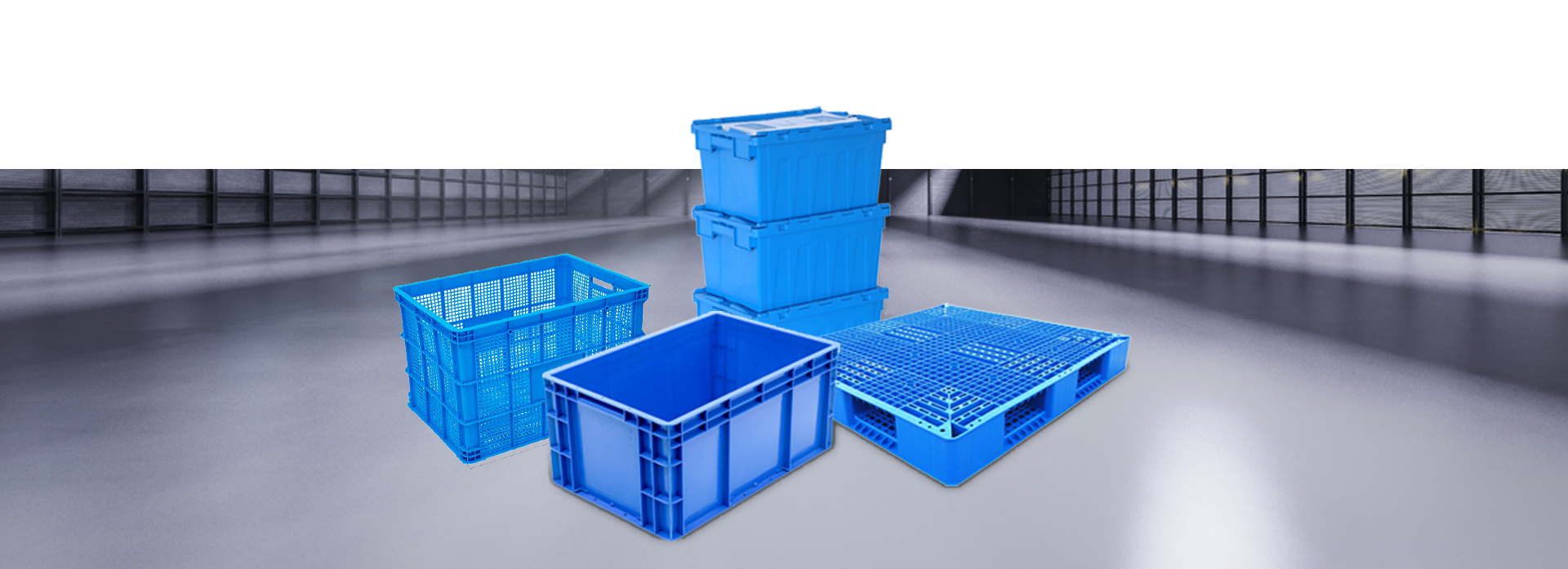
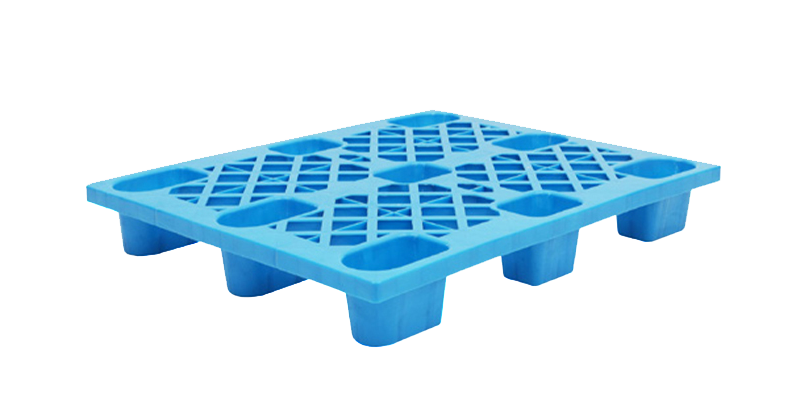
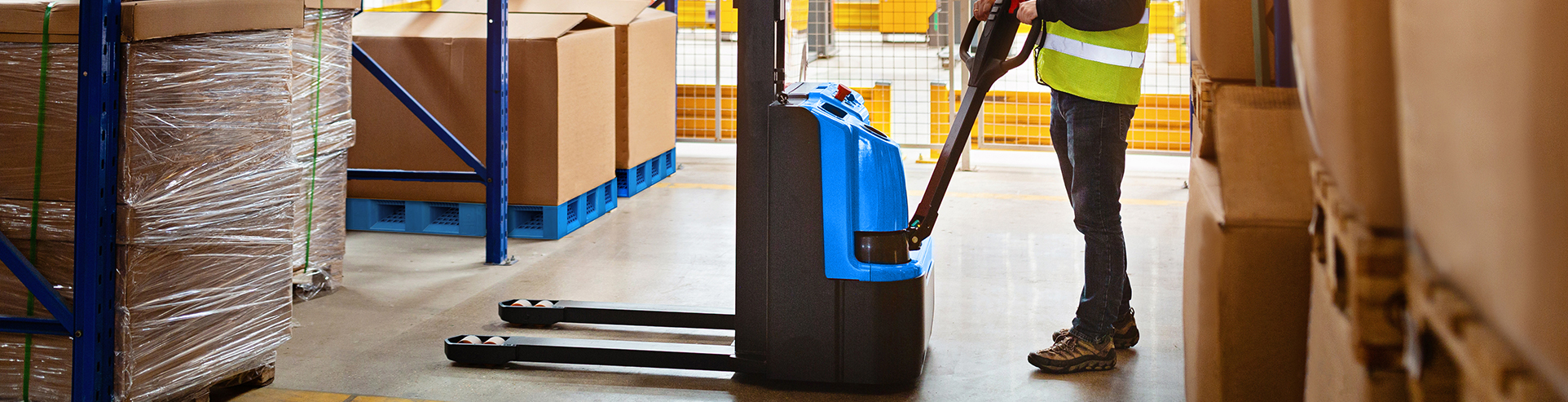
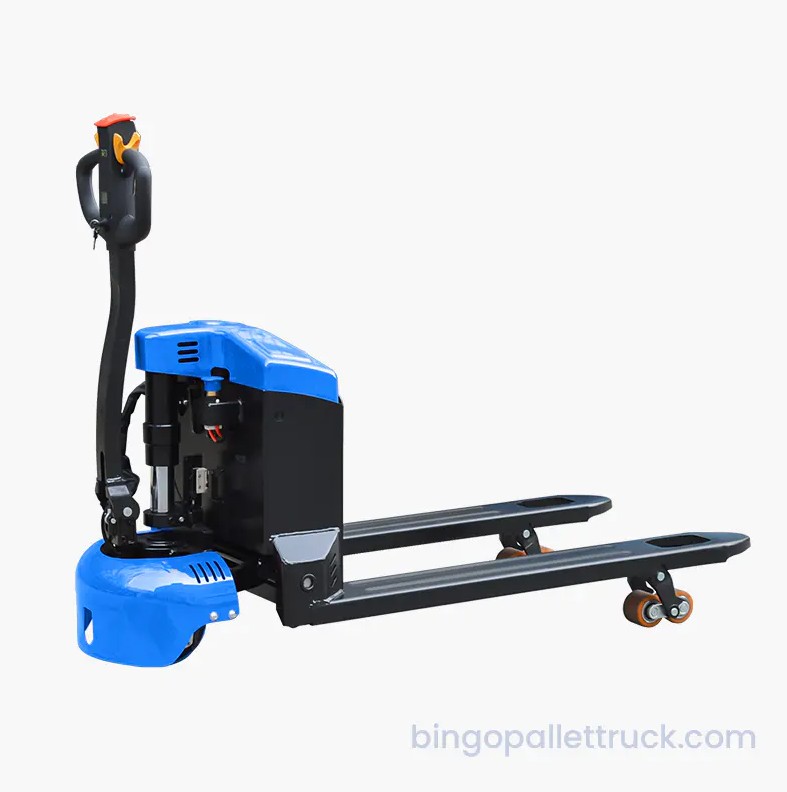
For larger facilities, the crate can be incorporated into a broader material-handling system that includes pallet trucks, electric pallet trucks, stackers, warehouse racks, plastic pallets, and packaging materials. Coordinating the crate with these products can help reduce unnecessary transfers and improve the continuity of internal logistics.
Advantages in Fresh Produce Logistics
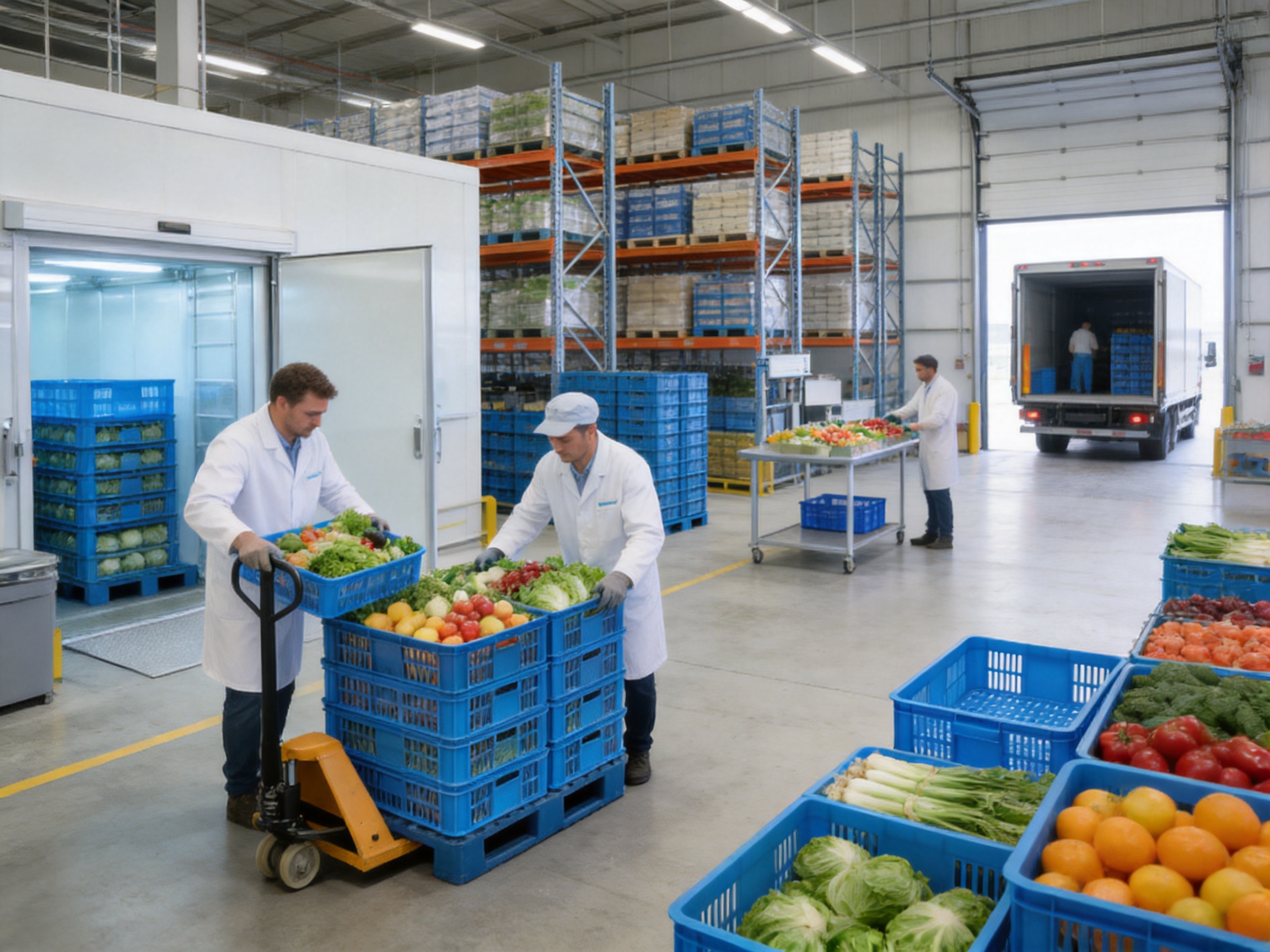
Fresh produce logistics often involves short delivery windows, multiple handling stages, and changing environmental conditions. Products may move from farms or processing centers to cold rooms, wholesalers, supermarkets, food service distributors, and final retail displays. A crate designed for airflow and repeated use can support this chain more effectively than disposable packaging in many applications.
The perforated walls help expose the produce to circulating air. This can be beneficial during pre-cooling, refrigerated storage, and distribution, provided the crate is loaded and arranged in a way that does not block airflow. The openings also allow staff to inspect the condition of products for bruising, spoilage, or overfilling.
The reusable HDPE structure can reduce dependence on single-use corrugated cartons. While cardboard remains useful for many products and delivery conditions, it can weaken when exposed to moisture or repeated handling. A plastic crate is better suited to returnable systems in which containers move repeatedly between facilities.
The 31L size can also help with product segregation. Different produce varieties, grades, batches, or destinations can be assigned to separate containers. This may simplify order picking and reduce the risk of mixing products during sorting and dispatch.
For retailers, consistent crate dimensions can help organize receiving areas and back rooms. Employees can move standardized units through the store or distribution center, then return empty crates for cleaning and reuse. This can improve housekeeping and reduce the accumulation of damaged packaging materials.
Benefits for Food Storage and Distribution
Food distribution operations require containers that can support cleanliness, traceability, and efficient movement. The crate’s plastic construction is appropriate for workflows where containers must be wiped, washed, inspected, and returned to circulation. Its open structure can help staff identify the contents while maintaining a consistent container format.
Distribution centers can use the crate for order consolidation, route preparation, and cross-docking. A worker may receive products in one area, sort them by customer or destination, and stage the filled crates for rapid dispatch. The stackable format allows temporary storage without consuming excessive floor space.
In food service supply chains, the crate can be used for vegetables, fruits, packaged ingredients, and selected non-liquid food products. Operators should confirm that the product, packaging, temperature, and sanitation conditions are compatible with the intended use. Liquids or very small items may require an additional liner or a different container style.
Because the crate is reusable, companies can establish a return flow. Empty crates can be collected from customers, inspected, cleaned, and placed back into circulation. A well-managed returnable packaging program can reduce recurring carton purchases and create more predictable packaging availability.
General Warehouse and Industrial Applications
Although the crate is especially suitable for fresh produce and food logistics, its applications are not limited to agriculture or retail. Warehouses may use it for component storage, spare parts, order picking, maintenance supplies, packaging preparation, and internal material transfer.
Manufacturing facilities can assign crates to workstations or production lines. Small and medium-sized parts can be separated by production order, process stage, or destination. The visual access provided by perforated walls can help employees locate materials quickly and identify empty containers at a glance.
E-commerce fulfillment centers can use standardized crates for batch picking and zone-based order assembly. A crate may represent one customer order, one route, or one product category during a particular stage of the fulfillment process. The stackable format is useful in temporary staging areas where many orders must be held before dispatch.
Repair centers and technical service departments can use the crates to organize tools, replacement parts, returned products, and inspected items. The durable construction is helpful in environments where containers are moved frequently and exposed to workshop dust or occasional impacts.
Warehouses may also combine these crates with shelving and racking systems. Before doing so, the operator should verify rack beam spacing, crate support, maximum loads, access clearances, and the appropriate safety practices. The crate is a storage component, but it should be integrated into a complete engineered layout rather than used outside its intended support conditions.
Comparison with Common Alternatives
Compared with Corrugated Cartons
Corrugated cartons are lightweight and economical for one-way shipping, but they can lose strength when exposed to moisture, condensation, or repeated handling. They may also require frequent replacement and generate a steady volume of packaging waste. The HDPE crate is designed for repeated use and is better suited to wet, chilled, or washdown-oriented environments.
The crate also provides consistent dimensions over multiple handling cycles. A carton may become crushed, bent, or deformed, making stacking less predictable. A reusable plastic crate can support a more stable storage pattern when used within its rated conditions.
Cartons may still be preferable for long-distance one-way shipments, printed retail packaging, or products that require complete enclosure. However, for closed-loop distribution and repeated internal logistics, the reusable crate can offer stronger lifecycle value.
Compared with Wooden Boxes
Wooden boxes can provide high strength, but they are comparatively heavy and may absorb moisture. Splinters, nails, rough surfaces, and inconsistent dimensions can also create handling or product-protection concerns. The molded HDPE crate offers a smoother, more standardized alternative for daily warehouse operations.
The lower empty weight helps reduce manual handling effort. The perforated structure provides ventilation that a solid wooden box may not deliver without additional modification. Plastic also offers easier cleaning in many food and produce applications.
Compared with Fabric or Flexible Bags
Flexible bags can be economical for certain bulk products, but they do not provide the same structural support, stacking performance, or visual organization. A rigid crate protects its shape during movement and provides a defined footprint for storage and transport.
For products that are easily compressed, damaged, or difficult to count, a rigid container can improve handling consistency. The crate is also easier to place on a pallet, in a rack, or on a picking trolley than a loose flexible bag.
Compared with Non-Stackable Plastic Bins
Some plastic bins provide durability but lack stacking features or ventilation. They may occupy more warehouse space and require additional shelving to organize large quantities. The stackable, perforated design combines two important advantages: vertical storage and airflow.
Non-stackable bins can still be suitable for liquid-sensitive products, dust protection, or applications requiring enclosed walls. The appropriate choice depends on the product and operating environment. For ventilated fresh produce logistics and general handling, the 31L crate provides a more specialized solution.
Manufacturing Process and Quality Control
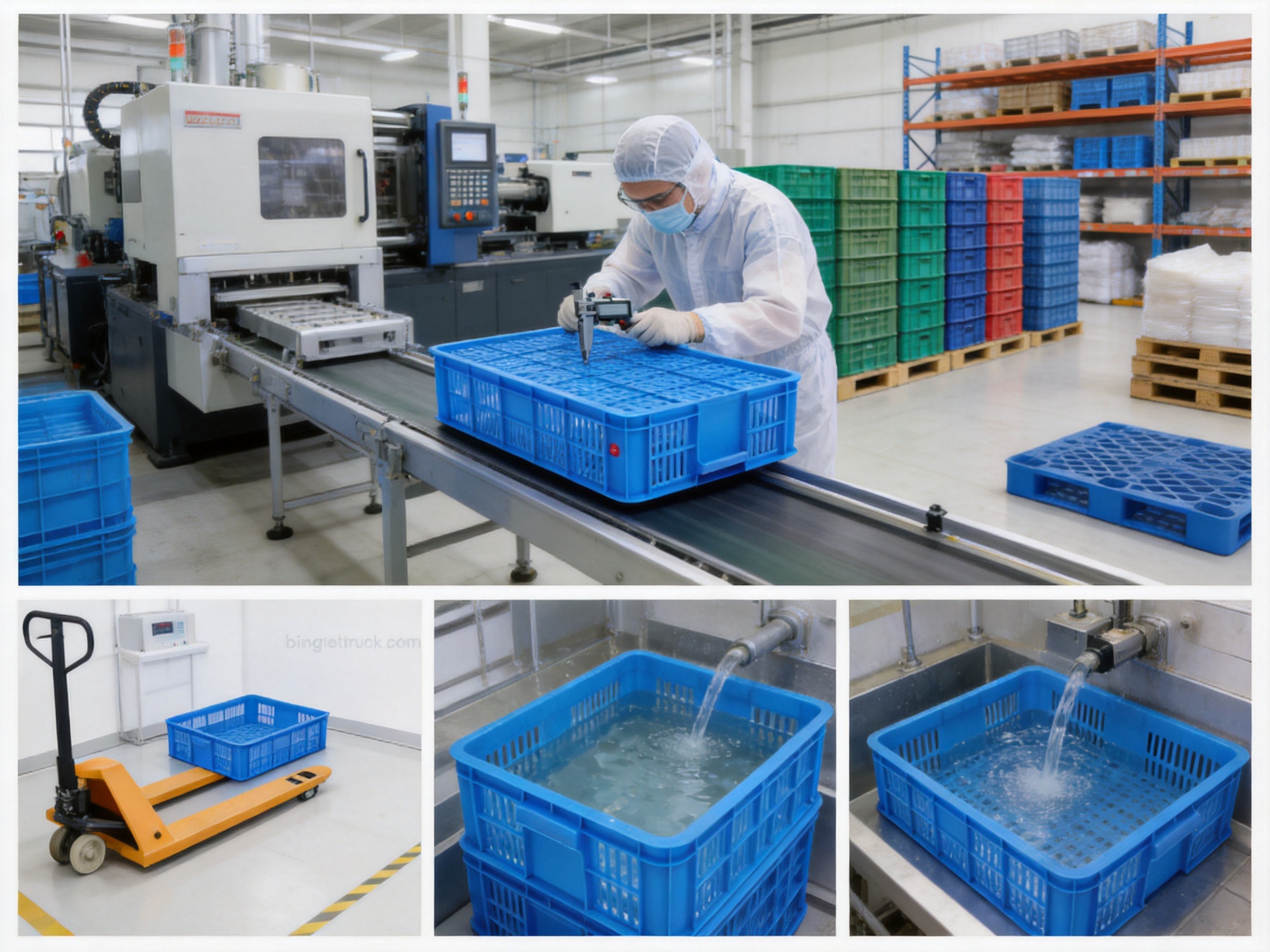
Product reliability begins with controlled material selection and continues through molding, inspection, finishing, and shipment. The manufacturer describes a production system based on standardized processes, strict quality control, and inspections at multiple stages. This approach is important for reusable logistics products because dimensional consistency directly influences stacking, palletization, handling, and system integration.
Raw material control is a fundamental part of production. The supplied information identifies HDPE as the crate material and also refers to the use of virgin material in manufacturing quality statements. Since different product lines may use different material descriptions, buyers should confirm the exact resin grade, recycled-content policy, food-contact status, and applicable documentation for the purchase order in question.
During molding, process parameters such as temperature, pressure, cooling time, and material distribution influence the final shape and strength of the crate. Consistent processing helps reduce defects such as warping, incomplete formation, weak corners, uneven walls, or unstable bases. A repeatable process is particularly important when crates must stack accurately across large quantities.
Reinforced areas are designed to support the crate during loading and handling. Corners, rims, base sections, and stacking contact points require careful control because these areas experience concentrated forces. Properly formed reinforcement can improve resistance to deformation and help maintain the crate’s functional geometry during routine use.
Inspection at every stage can include visual checks, dimensional verification, weight checks, color inspection, structural assessment, and packaging review. Depending on the customer’s requirements, additional testing may be used to evaluate stacking performance, impact resistance, load capacity, environmental suitability, or repeated handling durability.
Standardized production processes also help the manufacturer provide multiple colors and specifications. Color options can support product categorization, warehouse zoning, route identification, or customer branding programs. Customization should be discussed during the quotation process because minimum order quantities, tooling, pigments, labels, and lead times may vary.
Supplier Strengths and Integrated Logistics Capability
A crate supplier’s value is determined not only by the individual product but also by its ability to support the customer’s broader logistics system. Yancheng Bingo Machinery Equipment Co., Ltd. specializes in warehousing and logistics equipment, including material handling equipment, storage containers, packaging materials, and warehouse racks.
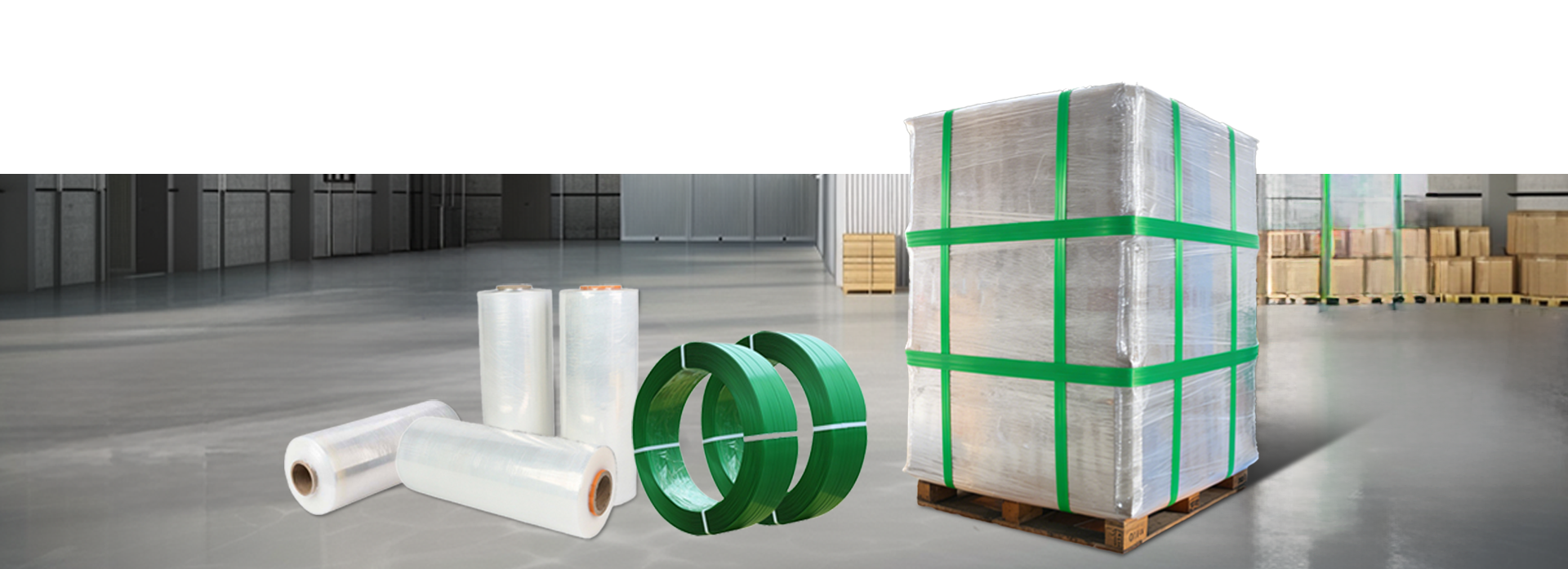
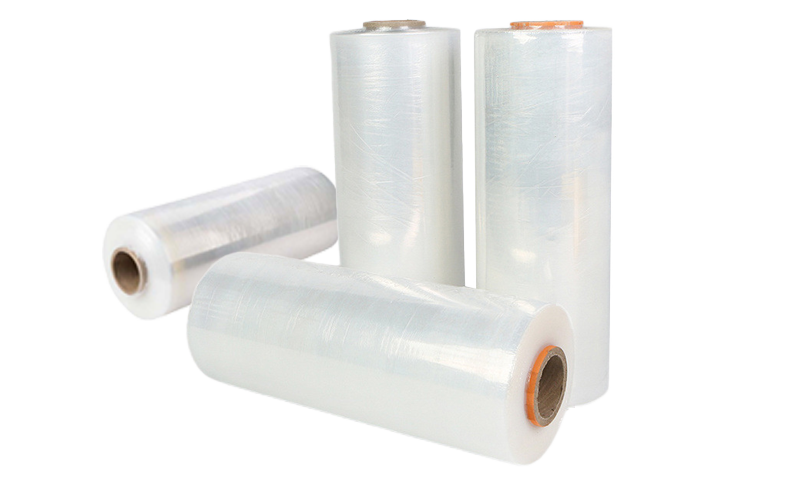
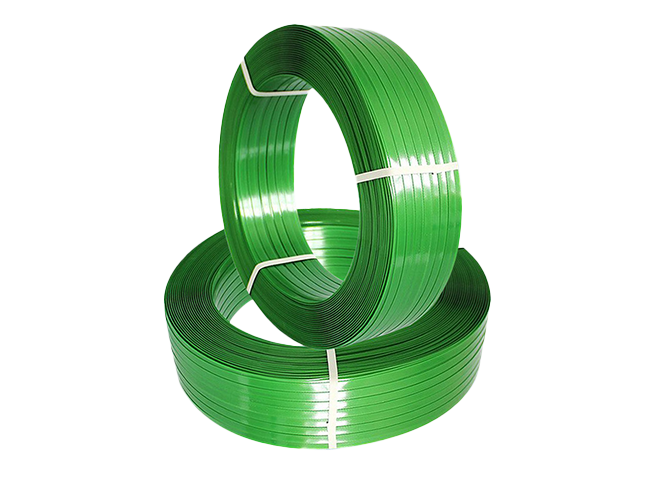
This product range creates an opportunity for customers to coordinate multiple parts of a warehouse project through one experienced source. A business purchasing plastic crates may also require plastic pallets, hand pallet trucks, electric pallet trucks, stackers, stretch wrap, packing strapping, and storage racking. Coordinating these products can simplify communication, improve compatibility, and reduce the time spent managing separate suppliers.
The company’s stated business model covers production, sales, and service. This combination is useful for international customers that need assistance with product selection, specification confirmation, packaging, shipment preparation, and after-sales communication. A supplier familiar with both containers and handling equipment can better understand how crates will be used in real warehouse workflows.
The company operates from Yancheng, Jiangsu, China, and serves global customers with integrated warehousing and material-handling solutions. Its stated customer sectors include manufacturing, e-commerce logistics, warehousing and distribution, and supermarket retail. These sectors require different combinations of storage density, mobility, cleanliness, durability, and delivery speed.
The company also emphasizes quality-first operations, streamlined processes, supply-chain coordination, and strict inspection. For buyers, these strengths can be particularly valuable when ordering repeated batches. Consistent production helps ensure that crates purchased at different times remain compatible with existing stacks, pallets, shelving, and workflows.
Customization and Procurement Options
Many logistics operations require more than a standard container. They may need specific colors, labels, markings, dimensions, quantities, or packaging methods. The product information indicates that multiple colors and full specifications are available, with customization support offered for suitable requirements.
Color customization can help separate products by customer, route, department, product type, or handling status. For example, one color may be assigned to inbound materials, another to finished products, and another to returned or quarantined goods. Visual identification can reduce sorting errors and shorten search time.
Labeling and identification systems should be selected according to the operating environment. Options may include printed marks, molded identification, adhesive labels, barcodes, or other tracking methods. Buyers should consider exposure to moisture, cleaning chemicals, abrasion, temperature changes, and repeated handling before choosing a marking method.
For large projects, customers should request a complete technical package that includes external and internal dimensions, weight tolerance, material information, loading guidance, stacking recommendations, color options, packaging details, and inspection standards. These documents help warehouse planners confirm compatibility before mass procurement.
It is also important to clarify whether the crate will be used for direct food contact, indirect food handling, cold storage, outdoor staging, or general industrial applications. The supplier can then advise on the most appropriate material and production specification for the intended environment.
Operational Best Practices
Loading
Products should be distributed evenly inside the crate rather than concentrated at one point. Uneven loading can increase stress on the base and make stacked units unstable. Operators should avoid overfilling the container above the rim, especially when the crate will be stacked or moved through narrow aisles.
Stacking
Crates should be aligned correctly so that stacking contact points bear the load as intended. Uneven floors, damaged crates, protruding products, and leaning stacks can reduce stability. Workers should inspect the base and rim before stacking and remove visibly damaged units from active service.
Cleaning
Cleaning procedures should match the type of goods and the applicable workplace or food-handling requirements. Remove loose residue before washing, use approved detergents, rinse thoroughly, and allow the crate to drain and dry when necessary. The perforated design can assist drainage, but crates should still be stored in a manner that prevents contamination after cleaning.
Inspection
Routine inspections should look for cracks, severe deformation, broken edges, sharp damage, excessive abrasion, contamination, and weakened stacking features. A damaged crate may not perform as expected, even if it appears suitable for light use. Establishing a clear inspection and replacement policy supports safer operations.
Identification
Businesses using returnable packaging should track crate circulation where practical. Basic records can include the number of crates issued, returned, cleaned, repaired, or retired. This information helps determine loss rates, replacement needs, and the effectiveness of the returnable packaging program.
Cold Chain Considerations
Cold chain logistics requires careful control of temperature, airflow, loading density, transit time, and product condition. The crate can support cold chain workflows through its ventilated structure, but it does not independently control temperature. Refrigeration equipment, insulated transport, monitoring systems, and correct loading practices remain essential.
To promote effective airflow, operators should avoid blocking all perforations with liners, labels, or tightly compressed products. Crates should be arranged with sufficient clearance for the facility’s air circulation pattern. The best arrangement depends on the cooling system and should be confirmed through operational testing.
Temperature changes may cause condensation on products and equipment. Because HDPE does not absorb water like paperboard, the crate can remain structurally useful in damp conditions. However, standing water, contaminated surfaces, and poor drainage can still create hygiene risks. Cleaning and environmental controls remain necessary.
For long-term cold storage, buyers should confirm the expected temperature range and any relevant impact or load requirements. Material behavior can vary with temperature, and the appropriate operating limits should be established with the supplier before use in demanding freezer environments.
Warehouse Layout Integration
The crate’s standardized rectangular form makes it suitable for organized warehouse layouts. It can be assigned to receiving stations, picking aisles, consolidation zones, cold rooms, packing benches, and outbound staging areas. The key is to define the movement path before purchasing large quantities.
At receiving, crates can be used to separate incoming goods by supplier, batch, inspection status, or destination. In storage, they can be stacked on pallets or placed in approved shelving locations. During picking, they can provide a consistent container for gathering products. At dispatch, they can be grouped by route or customer order.
Warehouse managers should consider aisle width, lift height, rack depth, pallet dimensions, conveyor compatibility, door clearances, and employee reach zones. The external measurement of 610×420×150mm should be used for layout planning, while the internal measurement of 575×390×140mm should be used to estimate actual product space.
Although the crate can help increase storage density, density should not come at the expense of access or safety. A well-designed system balances vertical utilization with picking speed, visibility, ergonomic handling, fire protection, and emergency access.
Sustainability and Lifecycle Value
Reusable logistics containers can support waste reduction by replacing a portion of single-use packaging. A durable crate can circulate through a supply chain many times, spreading its manufacturing impact over multiple trips. The environmental value depends on actual reuse rates, transport distances, cleaning requirements, loss rates, and end-of-life management.
Plastic crates can also support more efficient transport because their standardized dimensions may reduce wasted space. Better space utilization can lower the number of vehicle movements or improve the amount of product carried per trip. These benefits should be evaluated through the company’s actual logistics data rather than assumed universally.
At the end of its service life, the crate may be suitable for material recovery depending on its composition, contamination level, local recycling infrastructure, and applicable regulations. Separating damaged crates from general waste can help organizations explore recycling or controlled disposal options.
A lifecycle approach should include purchasing, cleaning, storage, return transport, inspection, repair, replacement, and recycling. The most sustainable packaging choice is often the one that fits the operating system well enough to be reused consistently and maintained effectively.
Why the Product Offers Strong Competitive Value
The crate’s competitive value comes from the combination of features rather than from one isolated specification. Its 31L capacity provides useful volume, while its 1.15kg weight supports easier handling. Its HDPE construction provides a durable reusable format, and its perforated body promotes ventilation and visibility. The stackable design addresses space efficiency, while the standardized dimensions support organized workflows.
Many competing containers provide only some of these advantages. A solid bin may protect against dust but restrict airflow. A lightweight carton may reduce initial cost but lack durability in wet environments. A heavy-duty box may provide strength but increase manual handling effort. A flexible bag may be easy to store empty but provide limited stacking stability.
The value proposition is especially strong for customers operating returnable packaging systems. Repeated use, standardized handling, cleaning, and stacking can make the crate more economical over time than disposable alternatives. The actual return on investment will depend on purchase price, circulation frequency, loss rate, cleaning cost, and service life, so customers should evaluate the product using their own operating data.
Another advantage is the possibility of sourcing the crate alongside related warehouse and handling products. A supplier capable of offering containers, pallet trucks, stackers, packaging materials, and racking can help customers create a more coordinated system instead of assembling unrelated components from multiple vendors.
Recommended Customer Profile
This crate is well suited to fresh produce wholesalers, agricultural distributors, supermarket supply chains, cold storage facilities, food processors, e-commerce fulfillment centers, manufacturing warehouses, and third-party logistics providers.
It is particularly appropriate for organizations that handle products repeatedly between multiple locations. Businesses that currently use damaged cartons, irregular boxes, or non-stackable containers may benefit from a standardized reusable format.
It can also support companies developing warehouse organization programs. By assigning crates to product categories, routes, production stages, or order types, managers can make material flow easier to understand and control.
Before purchase, customers should confirm whether the 31L capacity and internal dimensions match the product size. They should also review the required load, stack height, temperature range, cleaning process, pallet configuration, and transport method. These checks ensure that the container is selected for a real operational need rather than only for its nominal capacity.
Frequently Asked Questions
What is the capacity of the crate?
The stated capacity is 31 liters. The usable volume may vary depending on the shape of the goods, the need to avoid overfilling, and the way products must be arranged for airflow and protection.
What material is used?
The listed material is HDPE, or high-density polyethylene. Buyers with specific food-contact, temperature, or recycled-content requirements should confirm the exact material grade and compliance documentation with the supplier.
What are the crate dimensions?
The listed external dimensions are 610×420×150mm, and the listed internal dimensions are 575×390×140mm. Customers should use the external dimensions for warehouse planning and the internal dimensions for product-fit evaluation.
Is the crate suitable for fresh produce?
Yes. The fully perforated construction is designed to support airflow and visibility, making the crate suitable for many fresh produce applications. Cooling, loading, sanitation, and temperature management must still be controlled by the operator.
Can the crate be stacked?
Yes. It is designed as a stackable crate. Operators should follow approved stacking guidance and consider product weight, stack height, floor conditions, temperature, and transport movement.
Is the crate suitable for cold chain operations?
It is suitable for many cold chain handling and storage workflows because its plastic structure resists moisture and its perforations support airflow. The supplier should confirm the appropriate operating temperature range and load requirements for specialized freezer use.
How much does the empty crate weigh?
The listed weight is approximately 1.15kg. The total handling weight will increase according to the quantity and density of the loaded products.
Can customers request different colors?
The product information indicates that multiple colors are available. Color selection, minimum order quantity, production schedule, and customization options should be confirmed before ordering.
Can the crate be used with warehouse racks?
It may be integrated into suitable warehouse rack systems, but compatibility must be checked. Rack depth, beam spacing, support points, loading conditions, and safety requirements should be reviewed before placing crates directly on racking.
How should the crate be cleaned?
Cleaning should follow the customer’s product, facility, and regulatory requirements. A typical process may include removing residue, washing with an approved detergent, rinsing, draining, drying, and inspecting before reuse. The exact process should be validated by the operator.
Can the crate replace cardboard cartons in every application?
No. The crate is highly practical for reusable, ventilated, and moisture-exposed logistics, but cartons may remain preferable for one-way shipping, full enclosure, printed retail presentation, or products requiring a different protection method.
What should be confirmed before a large order?
Customers should confirm the final model number, dimensions, material grade, weight, load rating, stacking guidance, color, packaging, inspection requirements, delivery schedule, and intended application. A technical drawing or sample evaluation can help prevent compatibility issues.
Conclusion
The 31L stackable plastic crate is a practical solution for businesses seeking more efficient, durable, and organized logistics handling. Its HDPE construction supports repeated use, while the fully perforated design promotes airflow and product visibility. The stackable format helps make better use of vertical space, and the approximately 1.15kg empty weight supports routine manual handling.
With external dimensions of 610×420×150mm and internal dimensions of 575×390×140mm, the crate provides a standardized format for fresh produce, food distribution, cold chain handling, warehouse picking, retail replenishment, manufacturing storage, and general logistics. Compared with disposable cartons, wooden boxes, flexible bags, and non-stackable bins, it offers a balanced combination of durability, ventilation, cleanliness, visibility, and space efficiency.
The product is supported by a manufacturer with capabilities across handling equipment, storage containers, packaging materials, and warehouse racking. This broader product portfolio can help customers develop coordinated material-handling and storage systems rather than purchasing isolated products without considering overall compatibility.
For the best results, buyers should evaluate the crate within their complete workflow. Load requirements, stack height, temperature, sanitation, warehouse layout, pallet compatibility, and return logistics should all be considered. When properly specified and managed, the crate can become a dependable part of a reusable packaging system and contribute to more efficient supply chain operations.
References
1. Product specification sheet for the 31L Stackable Plastic Crate, model BG-614215A-SC.
2. General technical literature on high-density polyethylene materials used in reusable logistics containers.
3. Industry guidance on fresh produce handling, ventilation, cold chain storage, and transport packaging.
4. Warehouse planning principles concerning stackability, pallet utilization, racking compatibility, and ergonomic material handling.
5. General best-practice guidance for reusable transport packaging inspection, cleaning, circulation, and lifecycle management.
Product: 31L Stackable Plastic Crate for Cold Chain Fresh Produce Logistics


Copyright @ Yancheng Bingo Machinery Equipment Co., Ltd. All rights reserved Warehouse Logistics Equipment Manufacturer Pallet Truck Supplier
