 en
 Español


20-Compartment Dividable Plastic Tote Box for Fasteners and Screws
Content
- 1 Product Overview
- 2 Why Compartment Organization Matters
- 3 Durable Polypropylene Construction
- 4 Reinforced Ribbed Base and Stable Side Walls
- 5 Efficient Use of Space
- 6 Advantages Over Cardboard Boxes
- 7 Advantages Over Generic Open Bins
- 8 Advantages Over Thin Disposable Trays
- 9 Precision Manufacturing and Quality Control
- 10 Manufacturing Strengths of the Supplier
- 11 Cleaning, Hygiene, and Workplace Control
- 12 Applications in Manufacturing
- 13 Applications in Warehousing and Distribution
- 14 Applications in Retail and Store Operations
- 15 Applications in Automotive and Equipment Maintenance
- 16 Ergonomics and Worker Productivity
- 17 Implementation in a Lean Storage Program
- 18 Transport and Supply Chain Benefits
- 19 Purchasing Considerations
- 20 Care and Maintenance Recommendations
- 21 Commercial Value and Return on Investment
- 22 Why This Tote Is a Strong Competitive Choice
- 23 Recommended Operating Scenarios
- 24 Frequently Asked Questions
- 24.1 What is the main purpose of the 20-compartment tote?
- 24.2 What material is used to manufacture the tote?
- 24.3 What are the external dimensions?
- 24.4 How large is each compartment?
- 24.5 How many compartments does the tote have?
- 24.6 Is the tote suitable for metal fasteners?
- 24.7 Can the tote be stacked?
- 24.8 Is the surface easy to clean?
- 24.9 What is the net weight of the product?
- 24.10 Can the tote replace cardboard packaging?
- 24.11 Can different types of screws be stored in the same tote?
- 24.12 Is the tote appropriate for automated operations?
- 24.13 Can the product be supplied in different colors?
- 24.14 Does the supplier provide other logistics products?
- 24.15 How should the tote be maintained?
- 24.16 What should buyers confirm before placing an order?
- 25 Conclusion
- 26 References
- 27 Product: 20-Compartment Dividable Plastic Tote Box for Fasteners and Screws
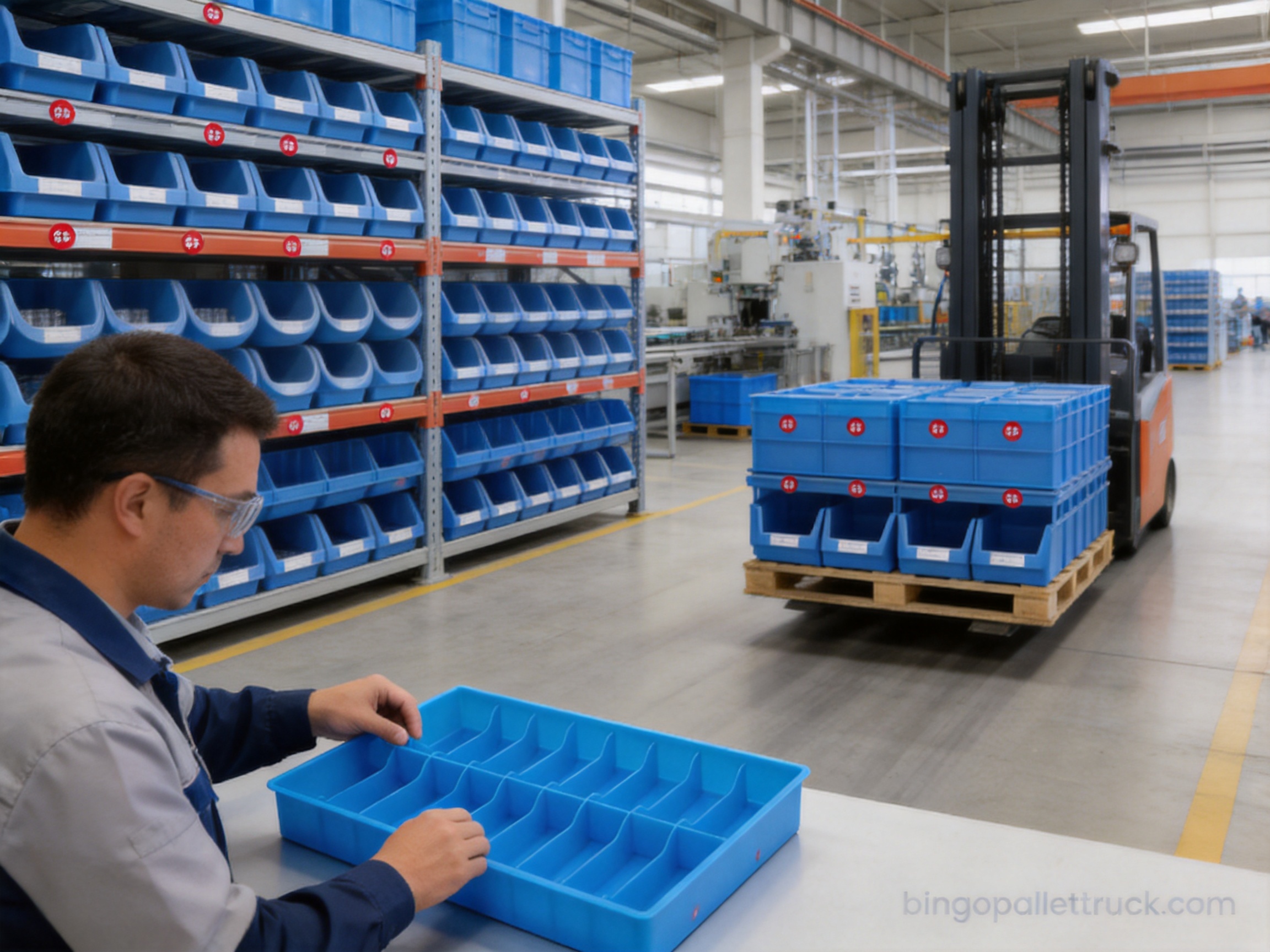
Efficient storage is one of the foundations of a productive warehouse, assembly line, maintenance department, or distribution center. Small components such as screws, bolts, washers, nuts, clips, fittings, electrical terminals, and other fasteners may have low individual value, but poor organization can create significant operating costs. Time is lost when workers search through mixed parts, errors occur when similar components are stored together, and damaged packaging can interrupt production or dispatch operations. A well-designed compartment storage container addresses these problems by combining clear organization, dependable protection, easy handling, and efficient use of space.
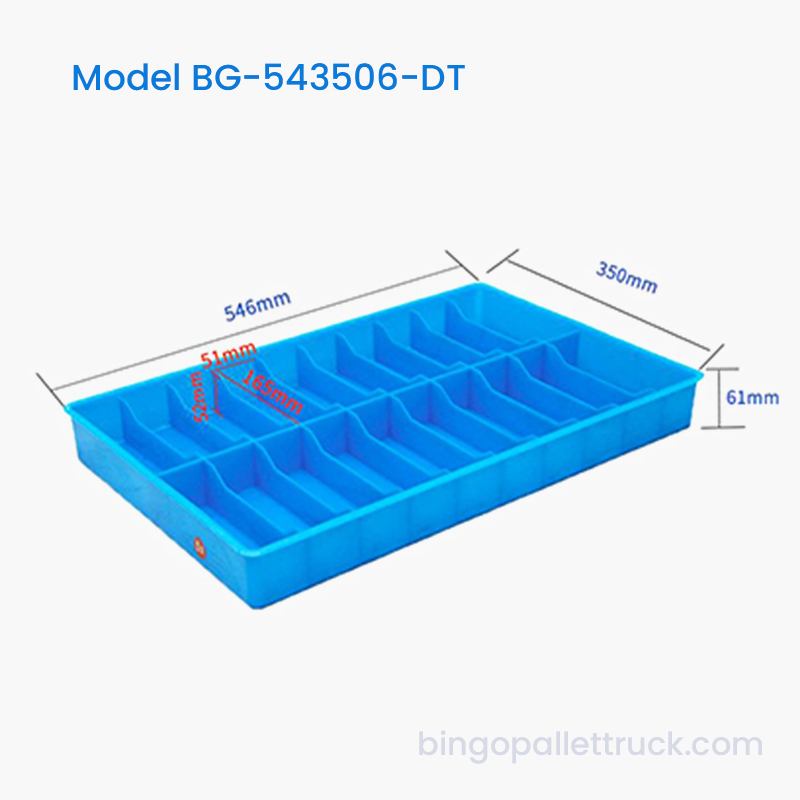
The 20-Compartment Dividable Plastic Tote Box, model BG-543506-DT, is designed specifically for these requirements. Manufactured from durable polypropylene, this low-profile tote provides twenty organized storage compartments within a stable external footprint of 546 × 350 × 61 millimeters. Its internal dimensions of 520 × 330 × 52 millimeters offer practical storage capacity while maintaining a compact profile suitable for shelves, workstations, carts, racks, and automated material-flow systems.
Unlike an ordinary open box, this dividable plastic tote creates a structured storage environment. Integrated partitions separate products and help users identify inventory quickly. The reinforced ribbed base supports load stability, while the strengthened side walls help the box maintain its form during stacking, transport, and repeated handling. Its smooth, non-porous surface is easy to wipe, clean, and sanitize, making the tote suitable for demanding industrial, commercial, and maintenance environments.
This article examines the tote’s design, manufacturing qualities, operating advantages, applications, storage performance, and suitability for modern logistics. It also explains why a carefully engineered compartment tote can outperform improvised cartons, thin disposable trays, and generic plastic boxes in applications where repeatability, cleanliness, and inventory accuracy are important.
Product Overview
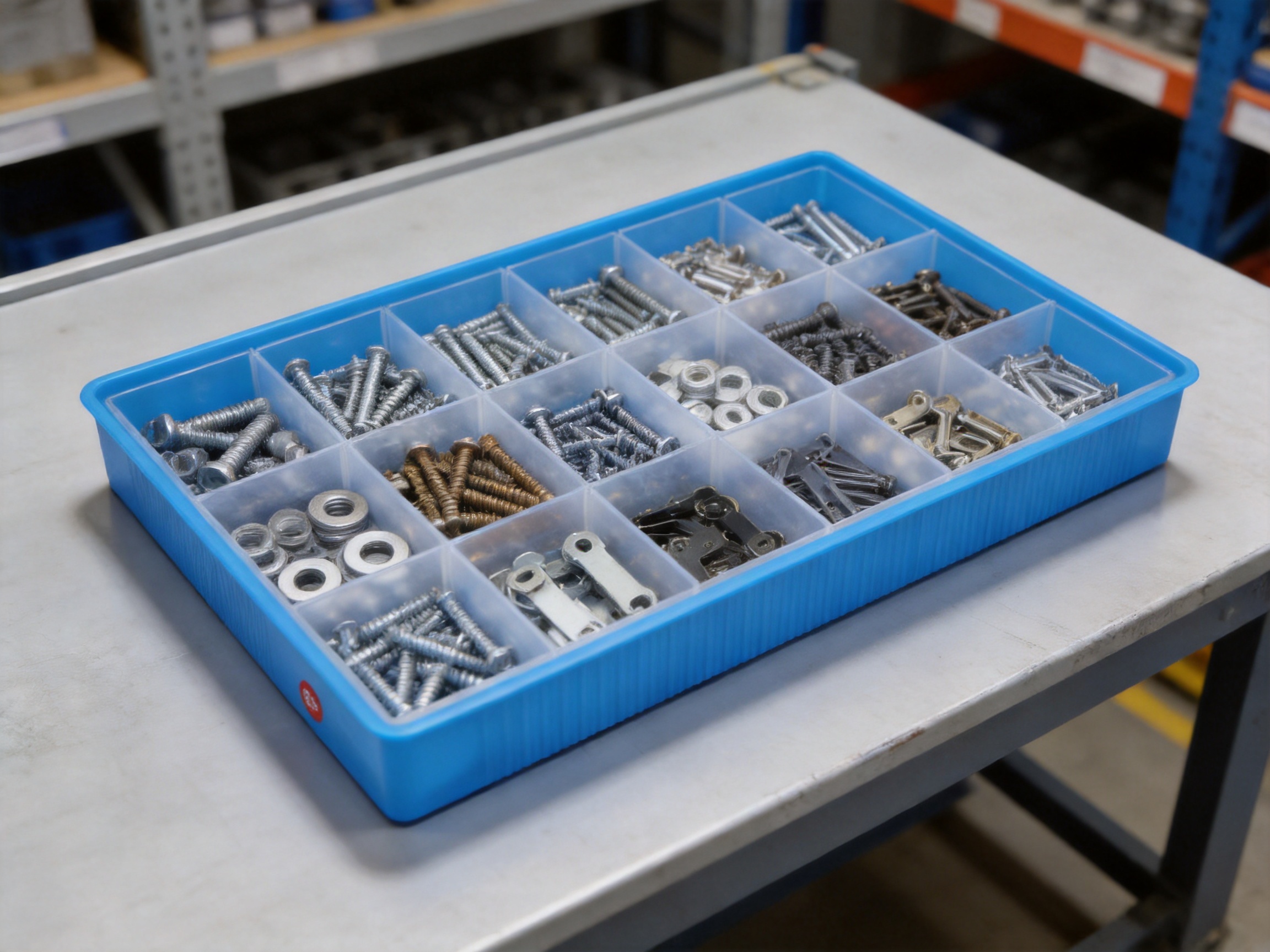
The BG-543506-DT is a 20-compartment dividable plastic tote intended for the organized storage of small parts. It is particularly suitable for fasteners and screws, but its use is not limited to those products. Depending on the industry, the compartments can hold washers, rivets, cable glands, small bearings, machine components, repair parts, tools, electrical accessories, fittings, and packaged items that need to remain separated during storage and movement.
The tote is precision-molded from polypropylene, commonly abbreviated as PP. PP is widely used for reusable industrial containers because it combines low weight with useful mechanical strength, chemical resistance, and dimensional stability. These characteristics are valuable in warehouses and factories where containers are moved frequently, exposed to dust or oils, and expected to remain in service over an extended period.
The container has a net weight of approximately 0.85 kilograms. This gives users a practical balance between durability and handling comfort. A tote that is too light may flex excessively or fail under repeated use, while a container that is unnecessarily heavy increases manual handling effort and transport cost. The BG-543506-DT is designed to provide structural support without becoming difficult to lift, carry, or place on a shelf.
| Specification | Details |
| Product Type | 20-compartment dividable plastic tote |
| Model | BG-543506-DT |
| Primary Material | Polypropylene, PP |
| External Dimensions | 546 × 350 × 61 mm |
| Internal Dimensions | 520 × 330 × 52 mm |
| Net Weight | 0.85 kg |
| Number of Compartments | 20 |
| Internal Compartment Size | 165 × 51 × 52 mm |
| Surface Characteristics | Smooth and non-porous |
| Primary Uses | Fasteners, screws, small parts, components, and maintenance supplies |
The internal compartment size of approximately 165 × 51 × 52 millimeters provides a useful format for long or narrow items, as well as groups of smaller pieces. The relatively shallow overall height helps the user see and reach the contents without excessive digging. It also allows the tote to fit into many existing storage systems designed for low-profile bins and trays.
Why Compartment Organization Matters
Small-part management is often more difficult than large-item storage. Pallets, cartons, and bulk containers can be identified by labels or barcodes, but small fasteners frequently look similar and may be consumed in high quantities. If several sizes are mixed in one container, workers must spend time checking individual pieces. This creates delays and increases the possibility of selecting the wrong part.
A twenty-compartment layout gives each product group a defined location. A warehouse team can assign one compartment to each screw diameter, length, thread type, or material grade. A maintenance department can allocate spaces for commonly used repair items. An assembly workstation can arrange components in the order in which they are used. A distributor can separate stock-keeping units while retaining them in one manageable tote.
The visual effect of compartmentalization is important. When items have designated positions, missing stock becomes easier to notice. A partially empty compartment immediately signals that replenishment may be required. In contrast, a mixed box may appear full even when one essential component is almost depleted. This supports more accurate inventory monitoring and can reduce line stoppages caused by unexpected shortages.
Compartment organization also improves picking accuracy. Workers can learn the layout quickly and develop consistent picking patterns. Labels can be applied to the tote, shelf, or individual storage position. When the same layout is repeated across multiple workstations, training becomes easier because employees do not need to learn a different arrangement for every location.
The design is especially valuable where components are similar in appearance. For example, two screws may differ only in length, thread pitch, coating, or head style. Separating them physically reduces the risk of accidental mixing. This is beneficial in manufacturing, equipment servicing, electronics assembly, automotive maintenance, construction supply, and repair operations.
Durable Polypropylene Construction
The choice of PP as the primary product material contributes to the tote’s long-term usability. Polypropylene is valued for its combination of stiffness, toughness, low density, and resistance to many common chemicals. In a warehouse environment, this can include exposure to dust, light oils, cleaning agents, and handling residues. While every application should be evaluated according to its specific chemical conditions, PP is a practical material for general industrial storage.
The tote is manufactured using a precision-molding process intended to produce a consistent shape and repeatable dimensions. Consistency is important for stackable storage products. If the walls or base vary significantly from one unit to another, containers may not align correctly, and stacked loads can become unstable. Controlled molding helps ensure that each tote fits the intended storage arrangement.
A molded plastic body also eliminates many of the weaknesses associated with folded cardboard cartons or thin disposable packaging. Cardboard can absorb moisture, tear at corners, collapse under pressure, and generate debris. Low-quality plastic trays may crack, warp, or lose their shape after repeated use. A reusable molded tote is better suited to circulation between storage, production, inspection, and dispatch areas.
The material’s relatively low weight supports ergonomic handling. Employees can move the tote manually without the container itself adding excessive load. This is particularly important when the tote is used at workstations or on shelving where it may be lifted repeatedly throughout a shift.
In addition to product strength, the smooth material surface helps prevent dirt from becoming deeply embedded. Fastener storage areas can accumulate metal dust, oil, packaging fragments, and general workplace debris. A non-porous tote can be cleaned more easily than absorbent packaging and is less likely to retain moisture or odors.
Reinforced Ribbed Base and Stable Side Walls
The base of a storage container is exposed to several types of stress. It carries the weight of the contents, receives impact when the tote is placed on a shelf or pallet, and transfers load when multiple containers are stacked. The reinforced ribbed base of the BG-543506-DT is designed to improve stiffness and support load stability during these activities.
Ribbing increases structural performance without requiring the entire base to be excessively thick. This allows the manufacturer to create a product that is strong while retaining a reasonable weight. The ribs help distribute pressure across the base and can reduce flexing when the compartments are filled with metal fasteners or other dense components.
The side walls also contribute to the tote’s stability. Stronger walls help the container retain its rectangular shape when handled, stored, or positioned beside other units. This is important because distorted walls can create gaps, interfere with stacking, and make the contents more difficult to access.
For users, the practical benefit is confidence in repeated handling. The tote can be moved between storage shelves, picking areas, assembly stations, carts, and packing zones without behaving like a fragile disposable tray. Its design supports the operational reality that a reusable container may be touched, lifted, placed down, and repositioned many times each day.
Efficient Use of Space
Warehouse space is expensive, and inefficient storage affects more than rent. Unorganized containers require additional shelving, create wider aisles, and increase the distance workers must travel. A low-profile tote with a defined footprint helps businesses make better use of vertical and horizontal storage capacity.
The external dimensions of 546 × 350 millimeters provide a broad but manageable base area. The 61-millimeter external height keeps the tote relatively shallow, which makes it suitable for shelves and drawer-style storage where vertical clearance is limited. The dimensions can also support standardized workstation layouts and organized presentation of components.
When multiple totes are arranged consistently, storage density improves. Each unit occupies a predictable space, reducing the irregular gaps often created by mixed cartons and loose boxes. The low height makes it possible to place several levels of small-part storage within a vertical rack or cabinet, subject to the capacity of the supporting structure.
The product information indicates that the tote is stackable and can support storage arrangements of more than ten layers under suitable conditions. Actual stacking height and load should always be evaluated according to the shelf, rack, floor condition, tote contents, and operating environment. Nevertheless, stackability provides a major advantage over unstructured packaging because it allows users to exploit vertical space while keeping items grouped and accessible.
Space efficiency also affects transportation. A reusable tote with a regular shape is easier to arrange on pallets, carts, and delivery vehicles than a collection of irregular cartons. When empty, nestable or space-saving designs can reduce unused transport volume, depending on the specific configuration and stacking method. Lower empty-volume requirements can help reduce handling and storage costs throughout the supply chain.
Advantages Over Cardboard Boxes
Cardboard remains useful for many shipping applications, but it has limitations when used as a long-term small-parts organizer. It is vulnerable to moisture, abrasion, crushing, and repeated handling. Once a carton becomes soft or damaged, its dimensions change and its ability to protect contents declines.
The plastic tote provides a more durable alternative for internal logistics and reusable storage. Its walls do not collapse simply because the box is opened and closed repeatedly. Its smooth surface can be wiped clean, and it does not absorb small spills in the same way as paper-based packaging. The molded compartments also maintain separation more reliably than cardboard dividers that may bend or detach.
Cardboard boxes often require additional inner bags or small cartons to keep fasteners separated. This creates more packaging materials, more labels, and more handling steps. The twenty-compartment tote performs the organizing function within one reusable unit. Over multiple handling cycles, this can reduce packaging consumption and simplify workstation organization.
Another advantage is visual durability. A plastic tote retains a consistent appearance for a longer period when used correctly. Damaged cardboard may make a storage area look disorganized and can cause employees to question whether contents remain protected. A clean, intact tote supports a more professional and controlled working environment.
Advantages Over Generic Open Bins
Generic open bins are often suitable for large or non-sensitive products, but they are less effective when many small components must be stored in the same footprint. A single open bin may hold a large quantity of parts, yet it does not prevent mixing. Workers may need to empty or sift through the bin to locate a specific item.
The BG-543506-DT improves selectivity by dividing the storage area into twenty dedicated locations. This reduces search time and allows multiple stock-keeping units to be held in one tote without sacrificing separation. It is a particularly strong choice where shelf space is limited but product variety is high.
Compartment walls also provide a degree of protection against movement during transportation. In an open bin, parts can slide, collide, and become mixed whenever the bin is tilted or moved. Individual compartments limit this movement and help keep products in their assigned spaces.
A generic bin may have a deep cavity that hides smaller items beneath the top layer. The low-profile design of this tote keeps contents more visible and accessible. Workers can generally identify the contents of each compartment without reaching deeply into the container, which supports faster and more ergonomic picking.
Advantages Over Thin Disposable Trays
Thin disposable trays may have a low initial purchase price, but they are not always economical over their full service life. They may crack when loaded with dense metal components, deform when stacked, or become unusable after only a few handling cycles. Replacement and disposal costs can quickly offset their apparent savings.
The reinforced base and side walls of this tote are intended for repeated use. A durable reusable container can support a returnable logistics system in which the same unit moves between suppliers, warehouses, production lines, and maintenance areas. Such systems can improve standardization and reduce dependence on single-use packaging.
The tote’s 0.85-kilogram net weight also demonstrates a balanced approach. It is not designed as an unnecessarily heavy industrial box; instead, it combines a manageable handling weight with structural features that support durability. This balance is particularly important in workplaces where employees repeatedly load, unload, and reposition containers.
Precision Manufacturing and Quality Control
Product performance begins with the manufacturing process. A well-designed tote can only provide reliable service when raw materials, molding conditions, tooling, inspection, and finishing operations are controlled consistently. The manufacturer describes a standardized production system with quality checks conducted from material sourcing through final production.
The use of virgin polymer material is an important part of this approach. Virgin PP can provide more predictable material properties than inconsistent or contaminated recycled feedstock. For a molded container, predictable material behavior supports uniform color, dimensional stability, surface quality, and mechanical performance. Material selection should always be matched to the intended application, and users should confirm any special requirements such as food contact, extreme temperatures, or chemical exposure before ordering.
During molding, process control influences wall uniformity, corner formation, partition accuracy, and the overall flatness of the base. Temperature, pressure, cooling, and cycle time must be managed carefully. If these factors are not controlled, the product may show warping, sink marks, incomplete filling, or dimensional deviations. Standardized manufacturing helps limit such defects and improves consistency between production batches.
Quality control can include inspection of raw materials, visual checks, dimensional measurement, weight verification, surface inspection, and functional evaluation. For this tote, useful inspection points include the external dimensions, internal dimensions, compartment size, base condition, side-wall integrity, partition alignment, and overall shape. These checks help ensure that the product performs as intended in storage systems and logistics operations.
Standardized processes are also valuable for customers purchasing repeat quantities. A warehouse may need hundreds or thousands of identical containers. If dimensions vary between batches, previously planned shelving and labeling systems may no longer align. A disciplined manufacturing system reduces this risk and supports scalable deployment.
Strict quality control does not mean that every application has identical requirements. Heavy loads, high-temperature environments, outdoor exposure, food handling, cleanroom use, and contact with aggressive chemicals may require additional specifications. Responsible procurement includes reviewing the operating conditions and confirming suitability with the supplier.
Manufacturing Strengths of the Supplier
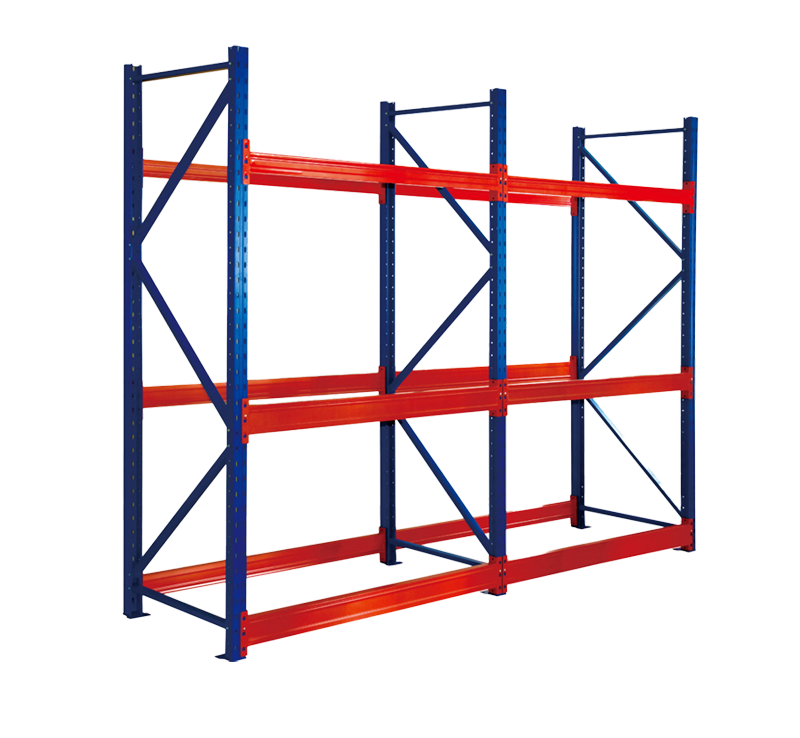
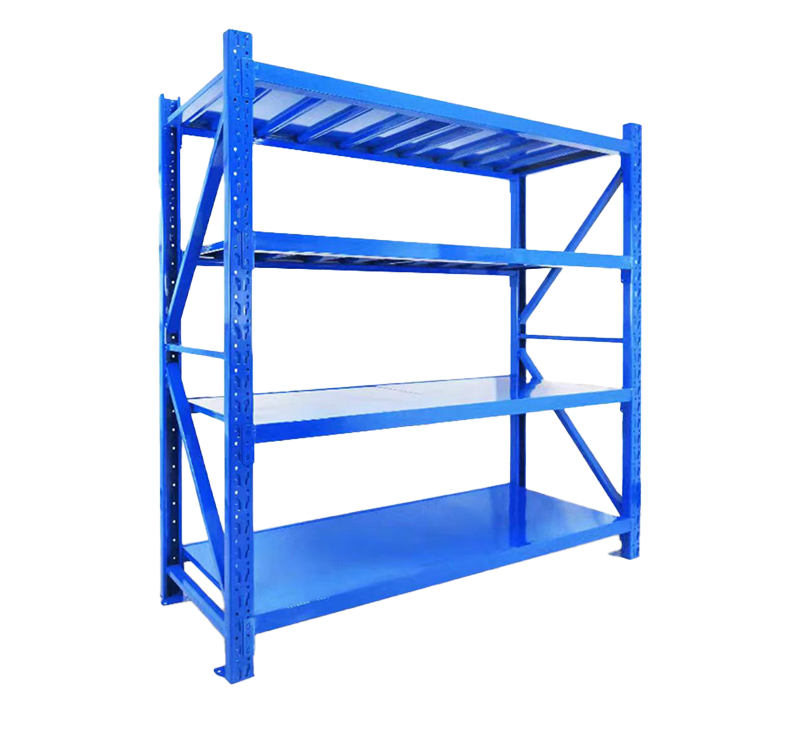
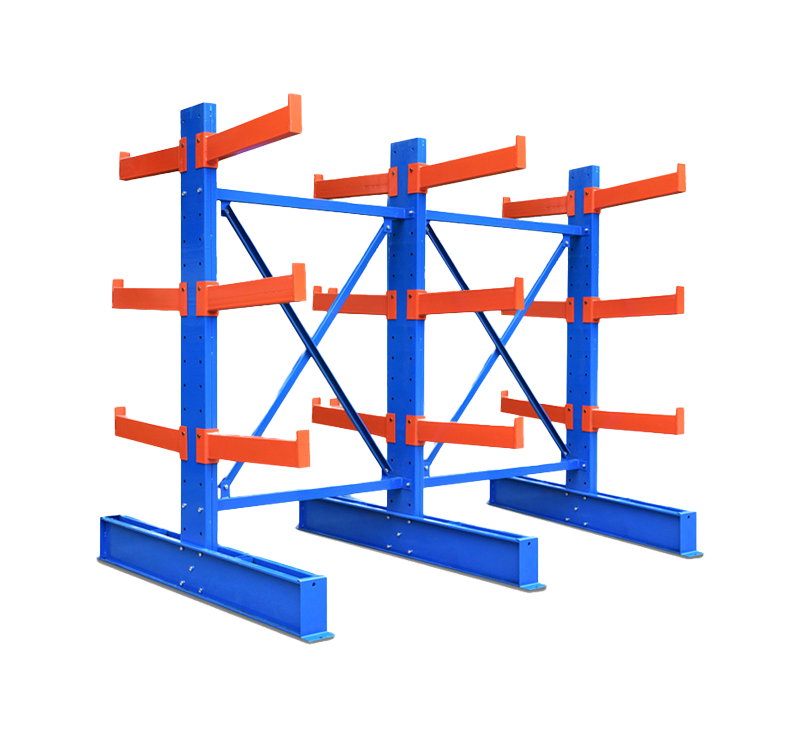
The supplier operates within the broader field of warehousing and logistics equipment, with product lines covering handling equipment, storage containers, packaging materials, and warehouse racks. This broader manufacturing and supply capability is relevant because the tote is not an isolated product; it can form part of a complete material-flow system.
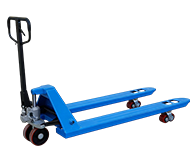
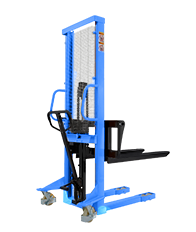
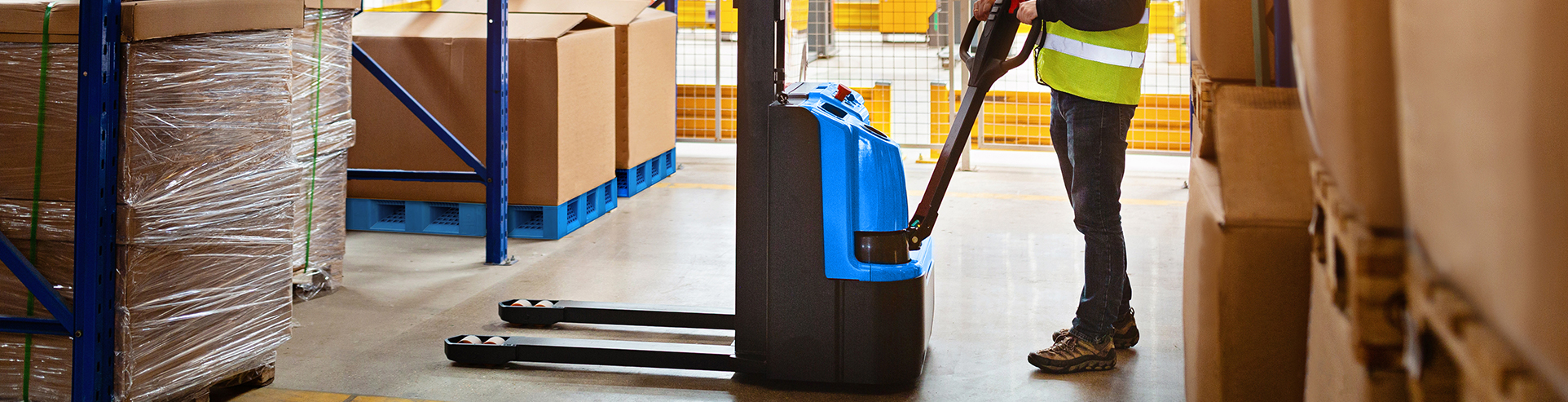
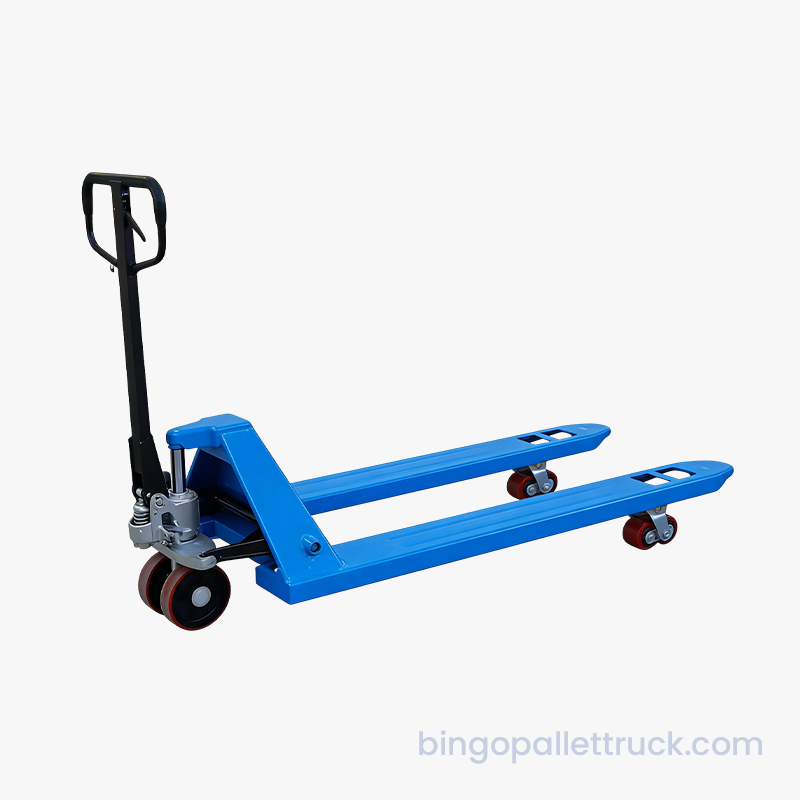
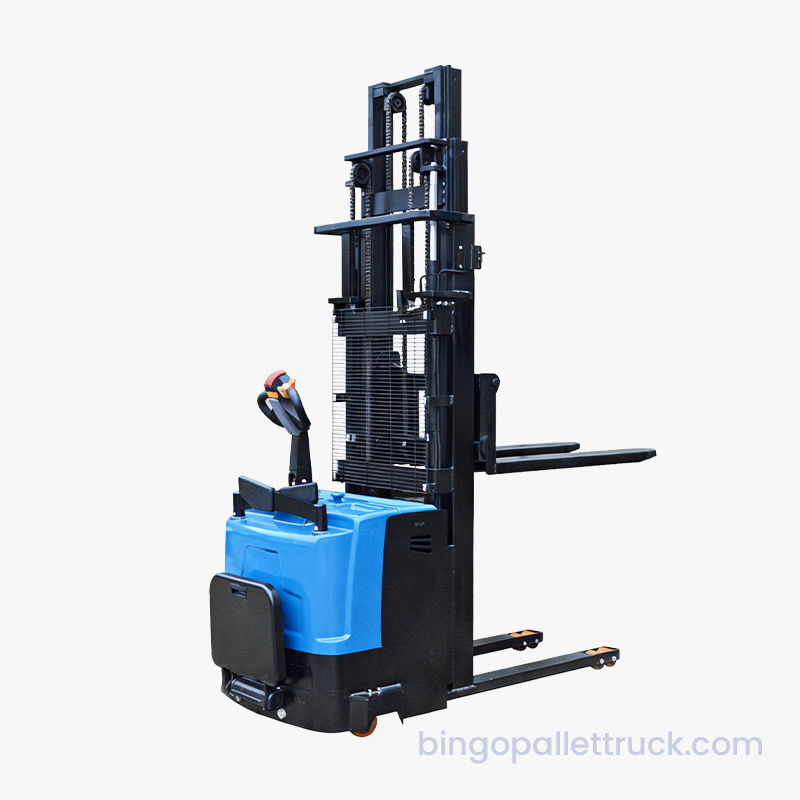
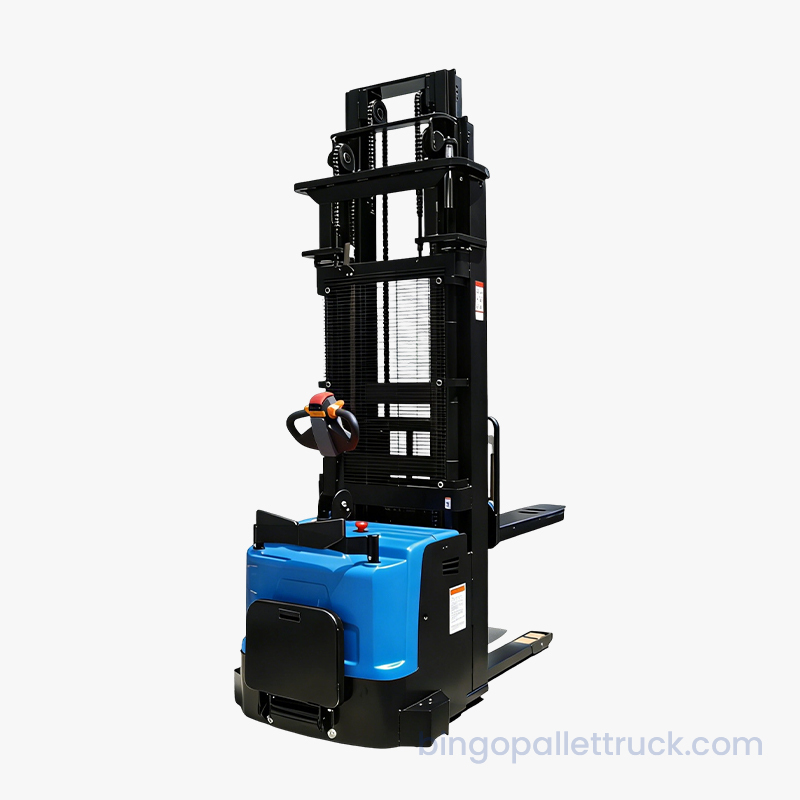
A supplier with experience across these categories can better understand how storage containers interact with pallets, shelving, carts, pallet trucks, stackers, packaging stations, and distribution processes. This systems perspective can help customers select compatible products rather than treating each purchase as a separate item.
The company emphasizes standardized production, strict inspections, virgin polymer materials, inventory availability, and customization support. These capabilities are useful for business customers that require consistent supply, specific colors, identification systems, or coordinated warehouse layouts. Color options can support visual classification, such as assigning different colors to product families, production areas, maintenance teams, or quality status.
Stock availability can also be important. A small-parts storage project often involves multiple workstations and locations. Delayed delivery of containers may postpone implementation, leaving workers to continue using temporary or inconsistent packaging. Ready-to-ship inventory can support faster deployment and simplify replenishment planning.
Customization may include color selection, labeling arrangements, packaging quantities, or other commercial requirements, subject to confirmation with the supplier. Customers implementing a standardized lean-storage program may benefit from ordering a consistent tote format in several colors or with a defined identification scheme.
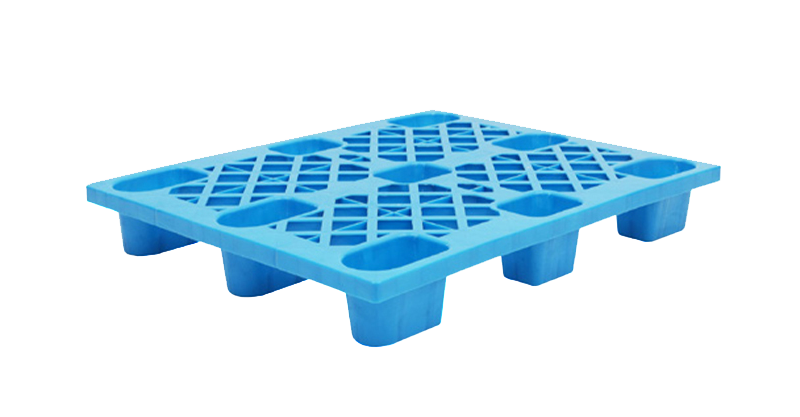
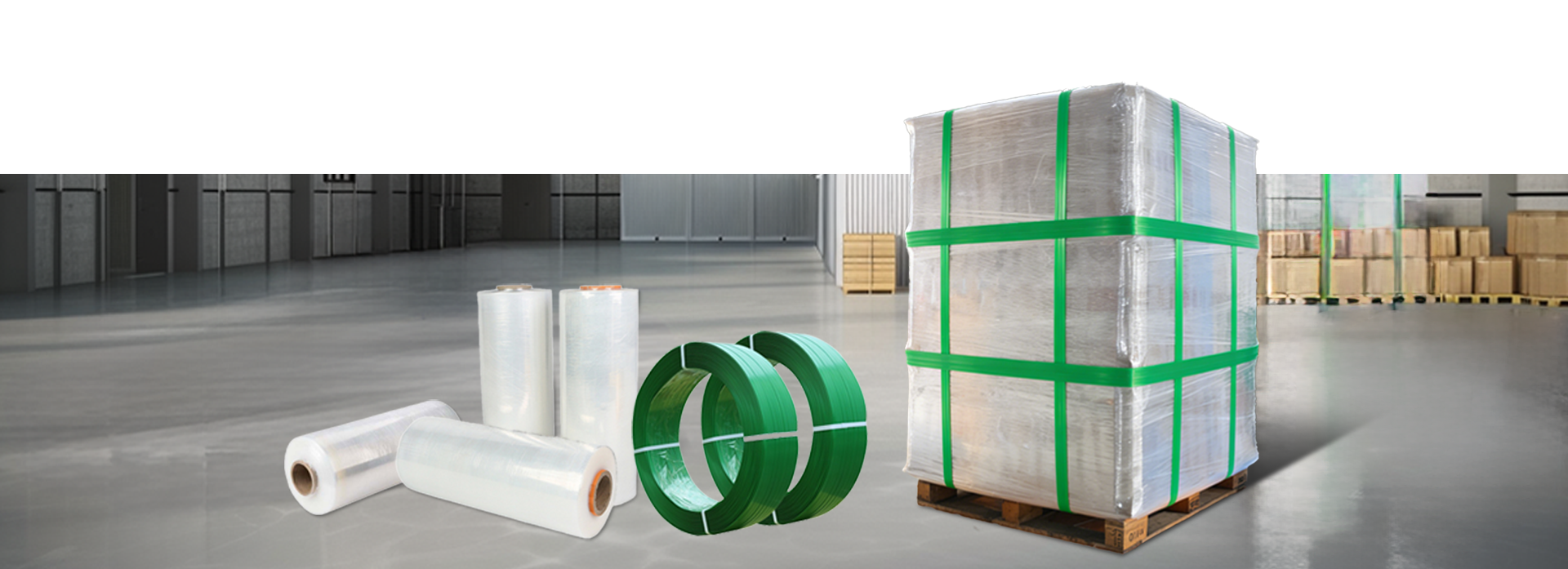
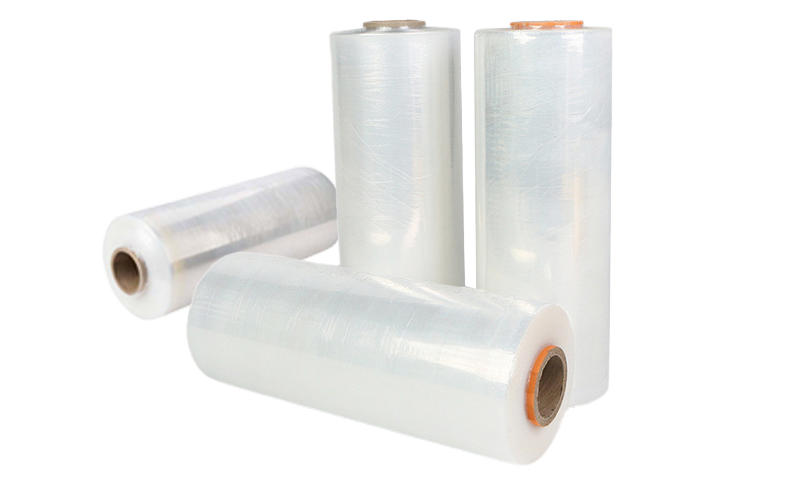
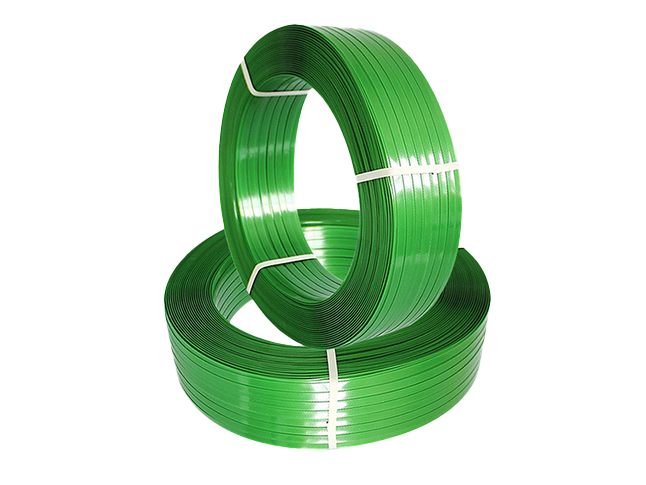
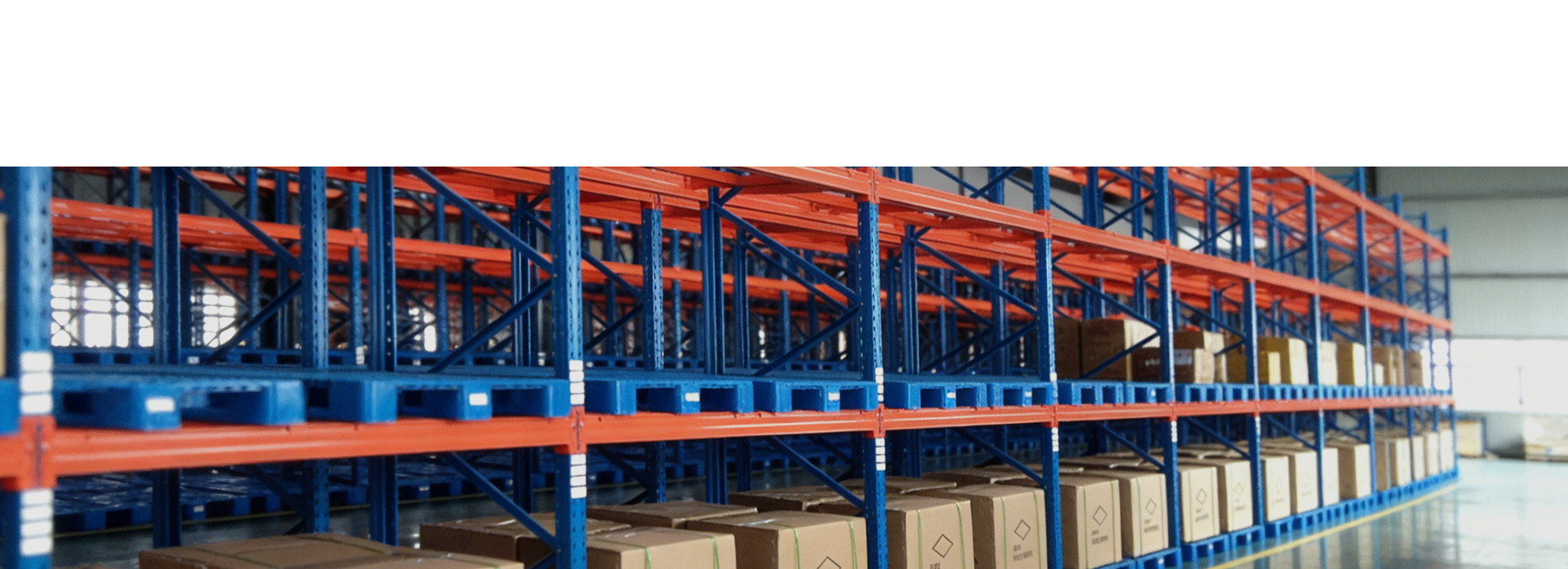
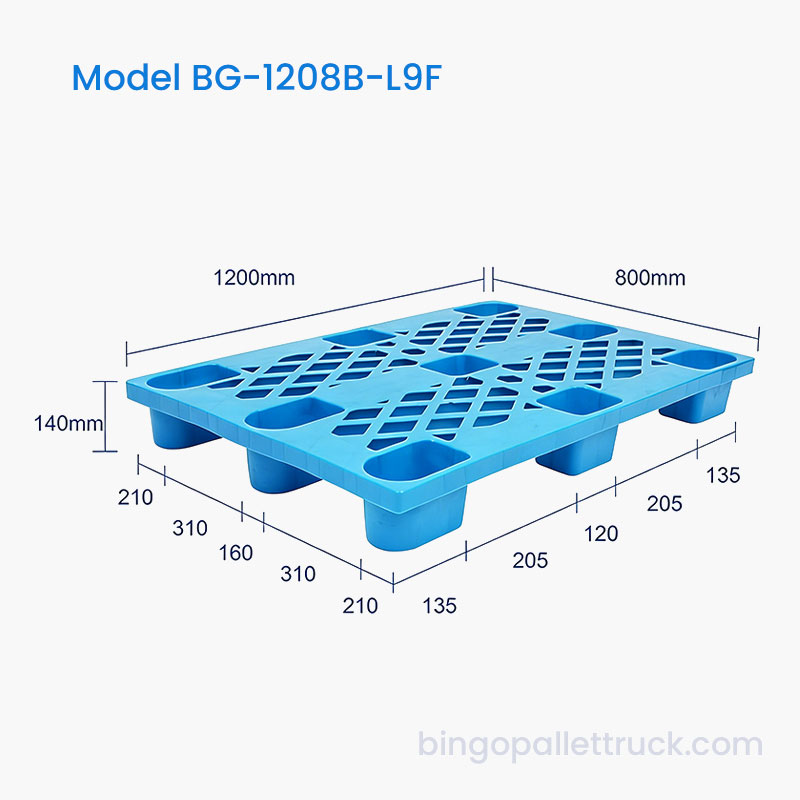
The supplier’s focus on one-stop storage and handling solutions can also support larger projects. A customer may require plastic totes for small components, pallets for bulk goods, stretch wrap for outbound packaging, and warehouse racks for organized storage. Coordinating these requirements through an experienced logistics-equipment provider can reduce procurement complexity.
Cleaning, Hygiene, and Workplace Control
The smooth, non-porous surface of the tote is a practical feature for environments where cleanliness matters. Dust, metal particles, oil residues, and packaging debris can accumulate around small parts. A surface that can be wiped and washed more easily supports better housekeeping than absorbent or heavily textured materials.
Cleaning procedures should be matched to the material and the nature of the contamination. For general industrial use, a suitable detergent solution and clean water may be sufficient, followed by thorough drying. If sanitizing chemicals are used, the user should verify compatibility with polypropylene and follow the chemical manufacturer’s instructions.
Clean storage containers can support quality control in assembly and manufacturing. Foreign particles may interfere with precision components, electrical contacts, or finished surfaces. By providing a defined and clean location for parts, the tote contributes to a more controlled material environment.
The non-porous surface can also be advantageous in service and maintenance departments. Greasy or dusty parts may need to be separated from clean components. A reusable tote can be assigned to a particular material category and cleaned between uses, helping reduce cross-contamination and maintaining a more orderly workspace.
Applications in Manufacturing
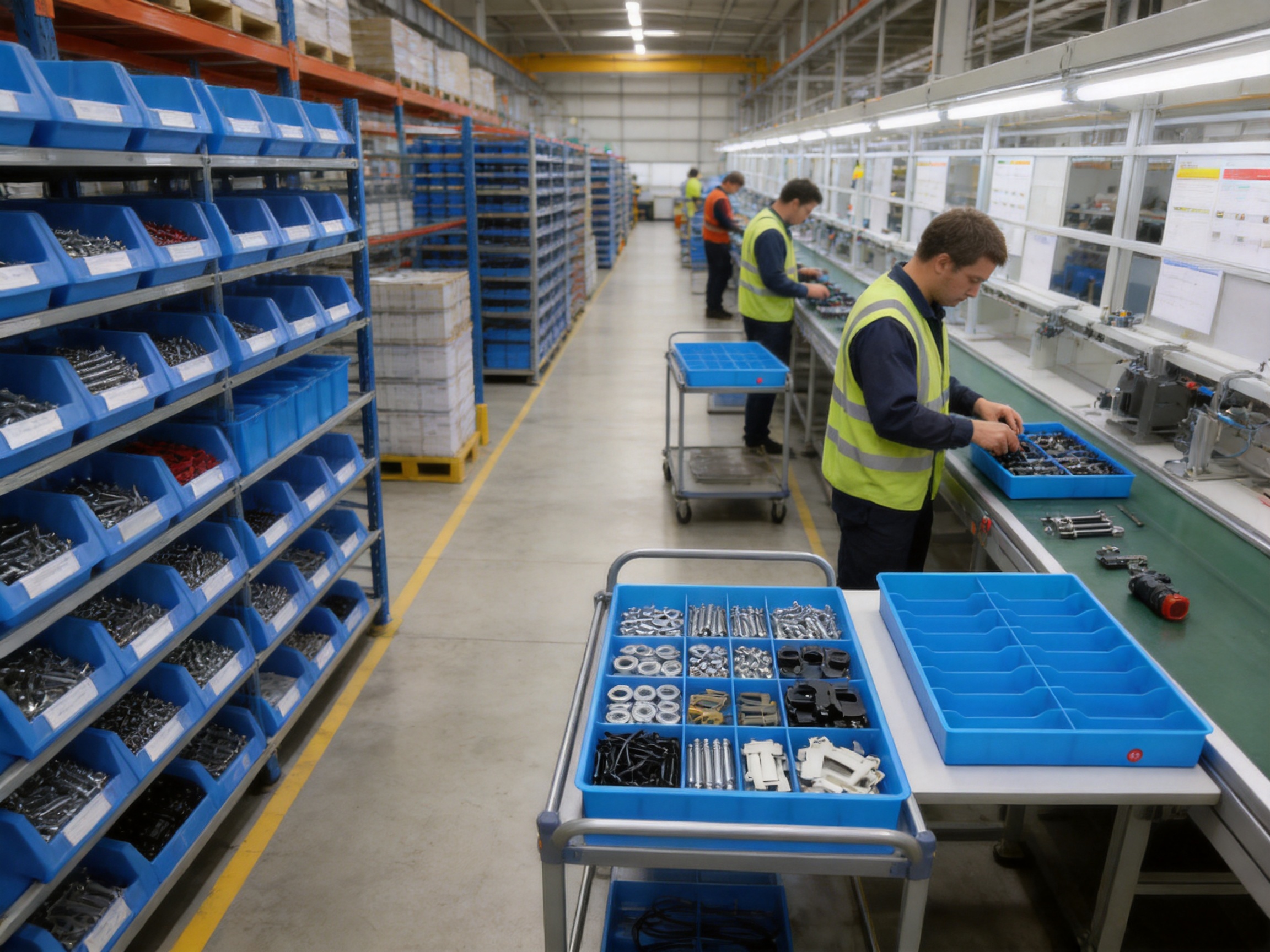
Manufacturing plants use large volumes of fasteners and small components. A single production line may require different screws, bolts, washers, spacers, clips, and fittings at several stations. The 20-compartment tote can be positioned beside an assembly area, mounted on a shelf, or placed on a mobile cart.
At an assembly workstation, the compartments can be arranged according to the sequence of use. Frequently accessed components may be placed in the front or most convenient locations, while less frequently used items occupy the remaining spaces. This can reduce reaching and searching, especially when the layout is repeated consistently across multiple stations.
For kitting operations, one tote can hold the component groups needed for a particular product or work order. Workers can prepare the tote before production begins, then deliver it to the relevant station. The compartment arrangement makes it easier to verify whether the kit is complete before it reaches the line.
In maintenance workshops, the tote can hold replacement screws, nuts, washers, cable ties, connectors, and other frequently used supplies. A maintenance team can assign one tote to electrical repairs, another to mechanical repairs, and another to a specific machine family.
Applications in Warehousing and Distribution
Warehouses can use the tote for small-item picking, stock replenishment, order preparation, and returns processing. Because the unit has a regular footprint, it can be arranged on shelves or within rack-supported storage zones. Labels can be placed on shelves or adjacent identification areas to help workers locate products quickly.
For e-commerce fulfillment, the tote may serve as an order-picking container or a component storage unit. Small hardware items can be separated by product code, size, or customer order. The low profile allows several totes to be arranged within a picking bay, helping maximize available space.
In distribution centers, totes can support cycle counting. Each compartment can represent a defined inventory location, making it easier to compare physical quantities with warehouse-management records. When stock is depleted, the open space is visible and can trigger a replenishment task.
For returns processing, compartments can separate returned items by inspection status, product family, defect type, or disposition. This reduces the risk of mixing accepted, pending, and rejected items during evaluation.
Applications in Retail and Store Operations
Retail back rooms often have limited space and a high number of small products. The tote can organize replacement hardware, shelf fittings, display accessories, packaging supplies, and maintenance items. Its compact profile makes it suitable for cabinets and shelving behind the sales floor.
In supermarket or hardware retail environments, color-coded totes can help identify departments or categories. For example, one color may be assigned to electrical items, another to plumbing fittings, and another to store-maintenance supplies. Clear labeling remains important, but color adds a quick visual reference.
The same benefits apply to service counters and repair businesses. A technician can keep commonly needed components separated and accessible instead of relying on several small bags or open boxes. This can make the workspace more professional and improve response time.
Applications in Automotive and Equipment Maintenance
Automotive workshops and equipment-service departments regularly handle many similar fasteners. A compartment tote can separate screws by diameter and length, clips by vehicle type, or replacement parts by equipment model. This is useful when a technician must work on several jobs during the same shift.
The tote can also be used for dismantling and reassembly. Components removed from a machine or vehicle may be placed into assigned compartments according to location or reassembly sequence. This reduces the chance of losing small hardware and helps the technician return parts to the correct position.
Where lubricants or light chemical residues are present, the tote’s smooth surface can simplify cleaning. The suitability of the material should still be confirmed for any specific chemical, temperature, or contamination condition.
Ergonomics and Worker Productivity
Storage design affects human performance. When workers must bend, reach deeply, or search through mixed containers, fatigue and error rates may increase. A shallow, compartmentalized tote brings small components into a more visible and accessible arrangement.
The product’s manageable weight supports manual handling. It can be carried between a storage area and a workstation or repositioned on a shelf without requiring mechanical equipment for ordinary use. Handles, shelf supports, and surrounding storage should be evaluated as part of the overall setup.
Ergonomics also depends on placement. The tote should be positioned within a comfortable reach zone, with frequently used compartments located where the worker can access them naturally. Heavy contents should not be placed at excessive heights, and shelves should be rated for the combined weight of the containers and their contents.
Better organization can improve productivity without increasing work speed artificially. Workers spend less time identifying parts, opening secondary packaging, and correcting picking mistakes. Over a full shift, small time savings repeated across many transactions can produce meaningful operational gains.
Implementation in a Lean Storage Program
The tote can support lean-storage practices such as visual management, point-of-use storage, standard work, and replenishment control. A successful implementation begins by identifying the parts most often searched for, mixed, misplaced, or urgently required.
Next, the business can define a consistent compartment layout. Each location should have a clear purpose, and labels should use a standard format. Product code, description, size, material, and minimum stock level may be included according to the needs of the operation.
Frequently used items should be placed at the point of use whenever practical. Less frequently used stock can remain in a central store, with the tote used for controlled replenishment. The container itself can then become part of a two-bin or scheduled replenishment system.
Regular audits help preserve the benefit. Employees should return items to their assigned compartments, remove damaged labels, and report broken or contaminated containers. Clean, consistent storage is easier to sustain when responsibilities are clearly defined.
Transport and Supply Chain Benefits
A reusable tote can serve as a link between different stages of the supply chain. Parts may move from a supplier to a receiving area, then to storage, production, inspection, and final dispatch. Using a standardized container reduces the need to repack items at every stage.
The regular shape supports stable arrangement on pallets, carts, and shelves. The reinforced structure helps the tote retain its form during routine movement, while the compartments help prevent small parts from shifting into a mixed mass.
Reusable containers can also help reduce reliance on single-use packaging. The total environmental and financial benefit depends on product life, cleaning requirements, return distances, and the way the system is managed. However, a durable container that completes many handling cycles generally offers more long-term value than packaging intended for one short use.
For international and domestic logistics, standardized containers can simplify warehouse planning. The known dimensions make it easier to estimate storage positions, pallet patterns, vehicle loading arrangements, and handling requirements.
Purchasing Considerations
Before purchasing, users should evaluate the dimensions of the intended parts. The internal compartment size is approximately 165 × 51 × 52 millimeters, but the usable capacity will depend on the shape of the items and the need to access them without overfilling. Long or bulky components may require a different container format.
Load requirements should also be considered. Metal fasteners are dense, and the total weight can increase quickly when compartments are filled. Shelves, carts, and racks must be rated for the combined load. Containers should not be stacked beyond the safe limits of the storage system or operating environment.
Temperature, chemical exposure, outdoor conditions, food-contact requirements, and regulatory needs may influence material suitability. Polypropylene is a versatile material, but no single plastic is appropriate for every application. Buyers should provide the supplier with complete operating information before final selection.
Color and identification requirements should be discussed when standardization is important. A company may wish to use different colors for departments, product families, status categories, or customer programs. It may also require consistent packaging quantities for large-scale rollout.
Care and Maintenance Recommendations
To maximize service life, totes should be inspected periodically for cracks, severe deformation, damaged partitions, or sharp edges. A damaged unit should be removed from demanding applications and evaluated before reuse.
Containers should be cleaned according to the type of material stored inside them. Metal dust, oils, and debris should not be allowed to accumulate unnecessarily. After washing, the tote should be dried before storing parts that are sensitive to moisture or corrosion.
Users should avoid dropping loaded totes from significant heights or dragging them across abrasive surfaces. Although the product is designed for durability, misuse can damage any molded container. Stacking should be stable, and loads should not extend in a way that creates a tipping hazard.
Labels should be kept legible and replaced when they become damaged. A durable container delivers its best organizational value when the identification system remains accurate throughout its use.
Commercial Value and Return on Investment
The value of a compartment tote extends beyond its purchase price. A business should consider the time required to locate parts, the cost of picking errors, the frequency of repacking, packaging waste, product damage, and shelf-space utilization.
If a worker saves only a few seconds on each small-part retrieval, the total saving may become significant over hundreds or thousands of transactions. Preventing one incorrect assembly or shipment may provide an additional benefit. Reducing damaged or lost fasteners can also improve material control.
Reusable construction supports repeated service rather than immediate disposal. When combined with consistent labeling and replenishment procedures, the tote can become a long-term part of the warehouse infrastructure. Its value increases further when the same format is adopted across multiple departments.
For larger projects, purchasing from a supplier that provides related pallets, racks, handling equipment, and packaging materials can simplify system design. A coordinated solution may improve compatibility and reduce the administrative burden of managing multiple suppliers.
Why This Tote Is a Strong Competitive Choice
The BG-543506-DT combines several features that are often found separately in competing products. It offers a twenty-compartment organization system, a durable molded PP body, a reinforced ribbed base, strengthened side walls, a smooth cleanable surface, and a low-profile footprint. Each feature contributes to performance, but the combined design provides the strongest advantage.
Compared with a basic open bin, it offers superior separation and picking accuracy. Compared with cardboard, it offers improved durability, cleanability, and repeat-use potential. Compared with thin disposable trays, it offers a stronger structure and better long-term value. Compared with deep containers, its low profile provides improved visibility and easier access.
The product is also supported by a manufacturer with experience in material handling, storage, packaging, and racking equipment. This wider capability can be valuable for customers seeking a complete logistics solution rather than a single disconnected container.
Production discipline is another competitive factor. Consistent molding, virgin polymer material, standardized processes, inspections at multiple stages, and available stock all contribute to purchasing confidence. Businesses that need repeatable dimensions and dependable supply can benefit from working with a supplier that emphasizes these areas.
20-Compartment Dividable Plastic Tote Box for Fasteners and Screws
Recommended Operating Scenarios
The tote is especially well suited to locations where many small parts must remain separated and accessible. Examples include assembly benches, maintenance rooms, repair centers, tool cribs, hardware stores, parts warehouses, quality-inspection areas, and kitting stations.
It is also appropriate for mobile storage. A group of totes can be placed on a cart and moved to a production line, service area, or project location. The standardized footprint helps create a predictable mobile workstation.
For new warehouse installations, the tote can be included during the design of shelving and rack layouts. For existing facilities, it can be introduced gradually, beginning with the most disorganized or frequently accessed parts. This allows the company to demonstrate productivity gains before expanding the program.
In all applications, users should match the tote to the size, weight, and condition of the stored products. The design is optimized for small parts and fasteners, not for oversized objects, liquids, sharp loads that may puncture the material, or conditions beyond the stated operating requirements.
Frequently Asked Questions
What is the main purpose of the 20-compartment tote?
The primary purpose is to organize and store small components such as screws, fasteners, nuts, washers, clips, fittings, and maintenance parts. Its twenty compartments help prevent mixing and make items easier to identify and retrieve.
What material is used to manufacture the tote?
The product specification identifies polypropylene, or PP, as the primary material. PP is commonly used for reusable industrial containers because it offers a practical balance of strength, low weight, chemical resistance, and cleanability. Users with special material requirements should confirm suitability with the supplier.
What are the external dimensions?
The external dimensions are 546 × 350 × 61 millimeters. The internal dimensions are 520 × 330 × 52 millimeters.
How large is each compartment?
The stated internal compartment size is approximately 165 × 51 × 52 millimeters. Actual usable capacity depends on the shape and arrangement of the stored parts.
How many compartments does the tote have?
The tote has twenty compartments. This allows users to separate multiple product types, sizes, grades, or work-order components within one organized storage unit.
Is the tote suitable for metal fasteners?
Yes. The product is designed for fasteners and screws, including many types of small metal components. Because metal parts can be dense, users should check the total filled weight and confirm that shelves, carts, and stacking arrangements are adequately rated.
Can the tote be stacked?
The product information identifies the tote as stackable and indicates that storage arrangements of more than ten layers may be possible under suitable conditions. Actual stacking limits depend on load, surface, container condition, shelf design, and workplace safety requirements.
Is the surface easy to clean?
Yes. The smooth, non-porous surface is designed to support easy cleaning and sanitization. Cleaning agents should be selected according to the contamination type and verified for compatibility with polypropylene.
What is the net weight of the product?
The net weight is approximately 0.85 kilograms. This provides a manageable handling weight while retaining a reinforced structure for repeated use.
Can the tote replace cardboard packaging?
It can replace cardboard in many internal storage and reusable handling applications. It offers better resistance to moisture, repeated handling, and deformation, while its molded compartments improve organization. Cardboard may still be preferable for certain disposable shipping or protective-packaging applications.
Can different types of screws be stored in the same tote?
Yes. The compartments are intended to separate different products within one unit. Screws can be organized by diameter, length, thread type, coating, material, product code, or work order. Clear labeling is recommended to prevent selection errors.
Is the tote appropriate for automated operations?
Its regular dimensions, structured compartments, and consistent molded form make it suitable for consideration in organized and automated material-flow systems. Compatibility must be evaluated against the specific conveyors, robotic equipment, sensors, racks, and software used in the facility.
Can the product be supplied in different colors?
The supplier indicates that multiple colors and customization support are available. Color requirements, minimum quantities, and available options should be confirmed before ordering.
Does the supplier provide other logistics products?
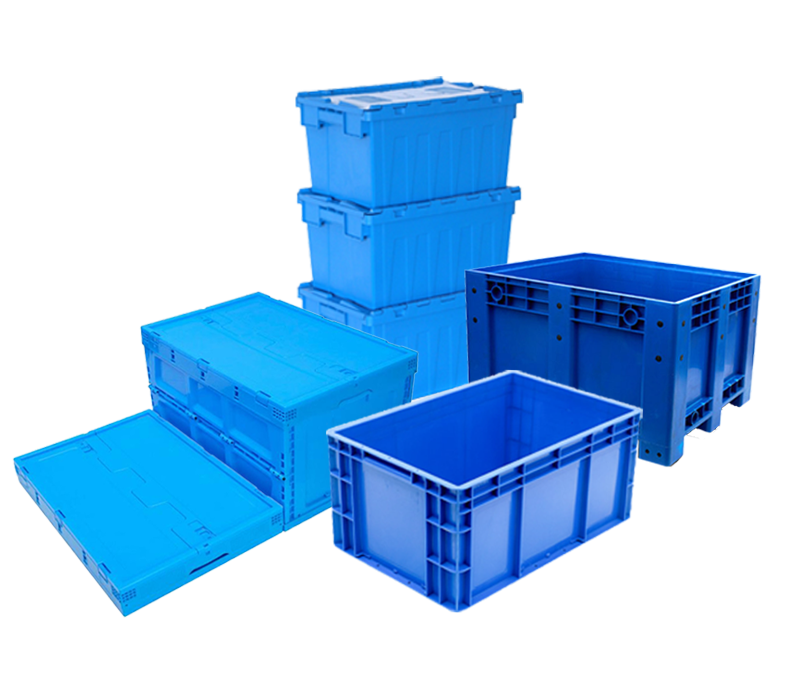
Yes. The supplier’s product range includes handling equipment, plastic pallets, totes, crates, bulk containers, packaging materials, and warehouse racks. This allows customers to explore coordinated storage and material-handling solutions.
How should the tote be maintained?
Users should keep it clean, avoid excessive impact, prevent overloading, inspect it for cracks or deformation, and maintain clear labels. Stacking and shelving should comply with the capacity limits of the storage system.
What should buyers confirm before placing an order?
Buyers should confirm dimensions, compartment requirements, material suitability, expected load, environmental conditions, color or customization needs, packaging quantity, delivery schedule, and any special compliance requirements.
Conclusion
The 20-Compartment Dividable Plastic Tote Box for Fasteners and Screws provides a practical solution for the organization of small components. Its twenty dedicated compartments reduce mixing, improve visibility, and support faster picking. The low-profile dimensions make it efficient for shelves, workstations, carts, and storage systems, while the reinforced ribbed base and stable side walls support repeated handling and stacking.
Its polypropylene construction offers a useful combination of durability, light weight, cleanability, and general industrial performance. The smooth, non-porous surface supports easier housekeeping, and the reusable design can help reduce dependence on disposable cartons and trays. For manufacturing, warehousing, maintenance, retail, and distribution operations, these features can improve both daily productivity and long-term material control.
The supplier strengthens the product proposition through standardized manufacturing, virgin polymer material, quality inspections, process control, stock availability, color options, and broader expertise in warehouse logistics equipment. This combination of product design and manufacturing capability makes the tote suitable not only as an individual storage container but also as part of a larger, standardized logistics program.
When correctly matched to the stored parts and operating conditions, the BG-543506-DT can help businesses create cleaner workspaces, reduce search time, improve inventory visibility, increase storage density, and establish more reliable material-flow processes. It is a compact storage tool with a direct role in improving warehouse efficiency and operational discipline.
References
1. Product specification sheet for the 20-Compartment Dividable Plastic Tote Box, model BG-543506-DT.
2. Supplier information concerning polypropylene storage containers, handling equipment, packaging materials, and warehouse racking systems.
3. General industrial guidance on small-parts organization, visual management, workplace ergonomics, and point-of-use storage.
4. General reference information on polypropylene material characteristics, reusable logistics containers, and molded plastic product manufacturing.
5. General warehouse-management principles concerning inventory accuracy, compartmentalized picking, replenishment control, and space utilization.
Product: 20-Compartment Dividable Plastic Tote Box for Fasteners and Screws


Copyright @ Yancheng Bingo Machinery Equipment Co., Ltd. All rights reserved Warehouse Logistics Equipment Manufacturer Pallet Truck Supplier
