 en
en  Español
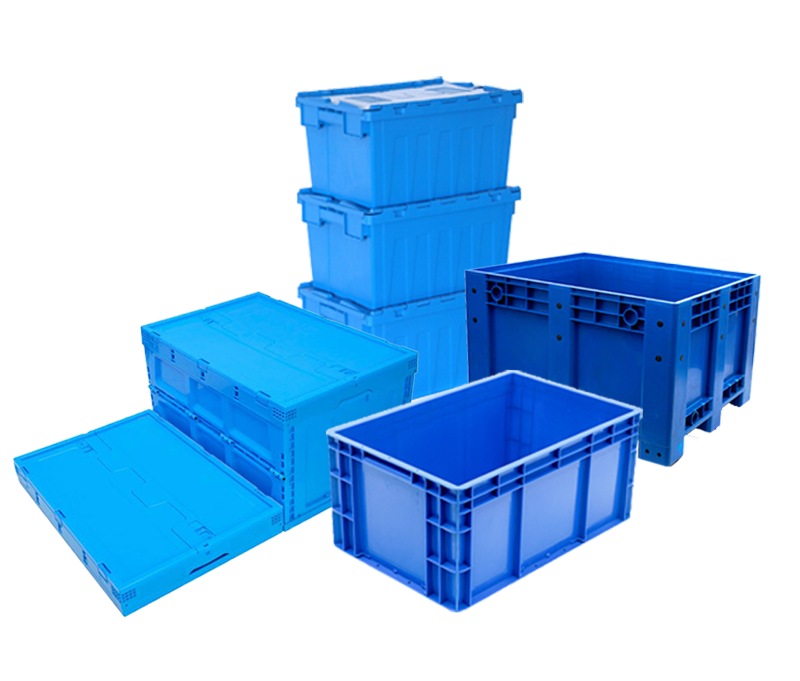

173L High-Capacity Nestable Plastic Crate for Warehouse Storage
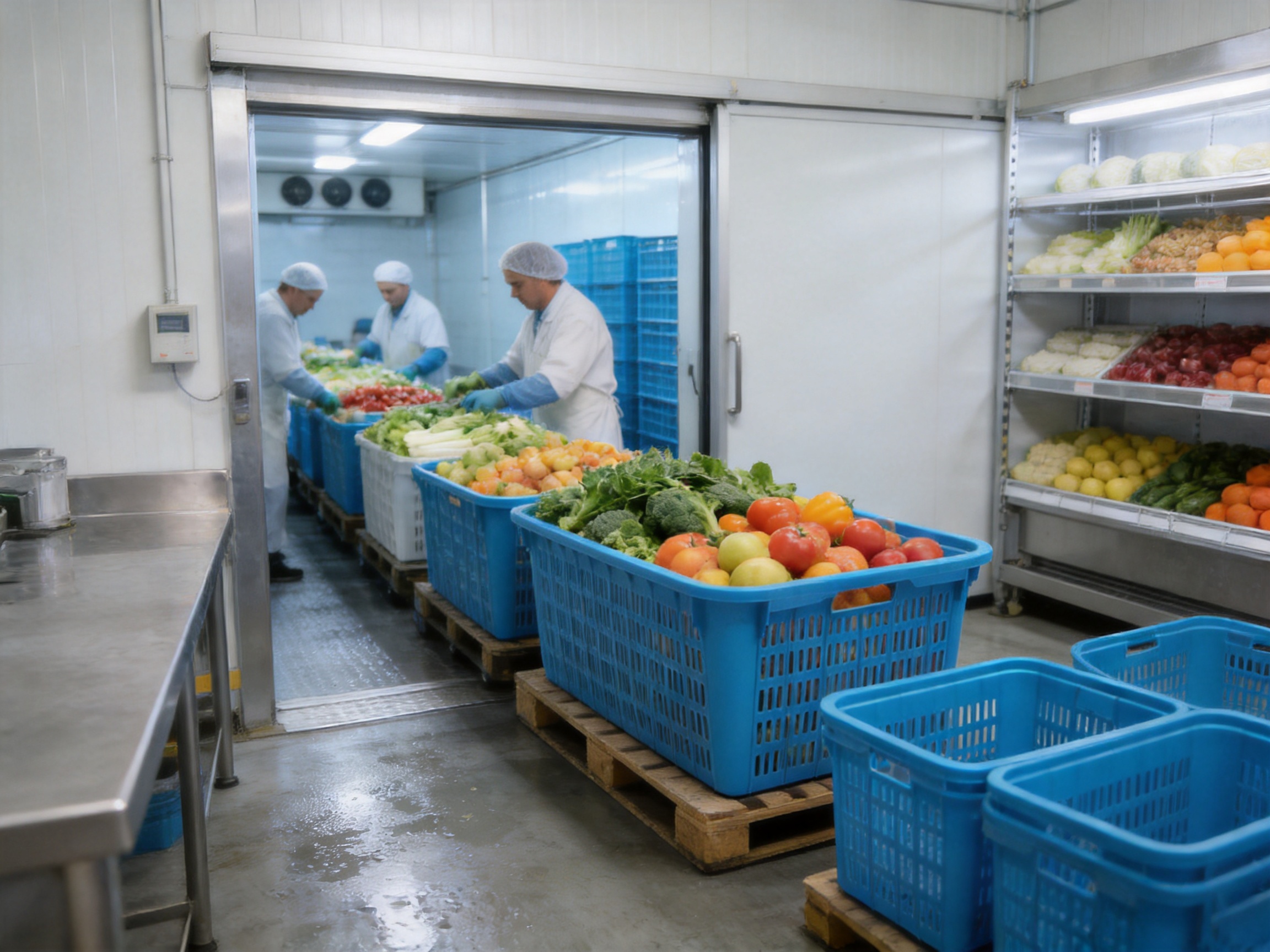
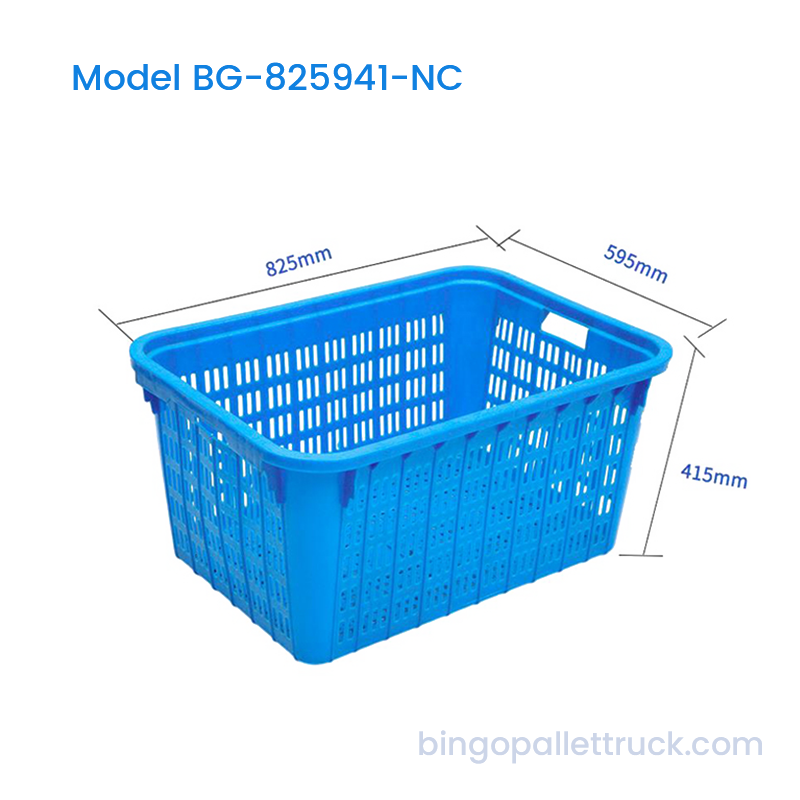
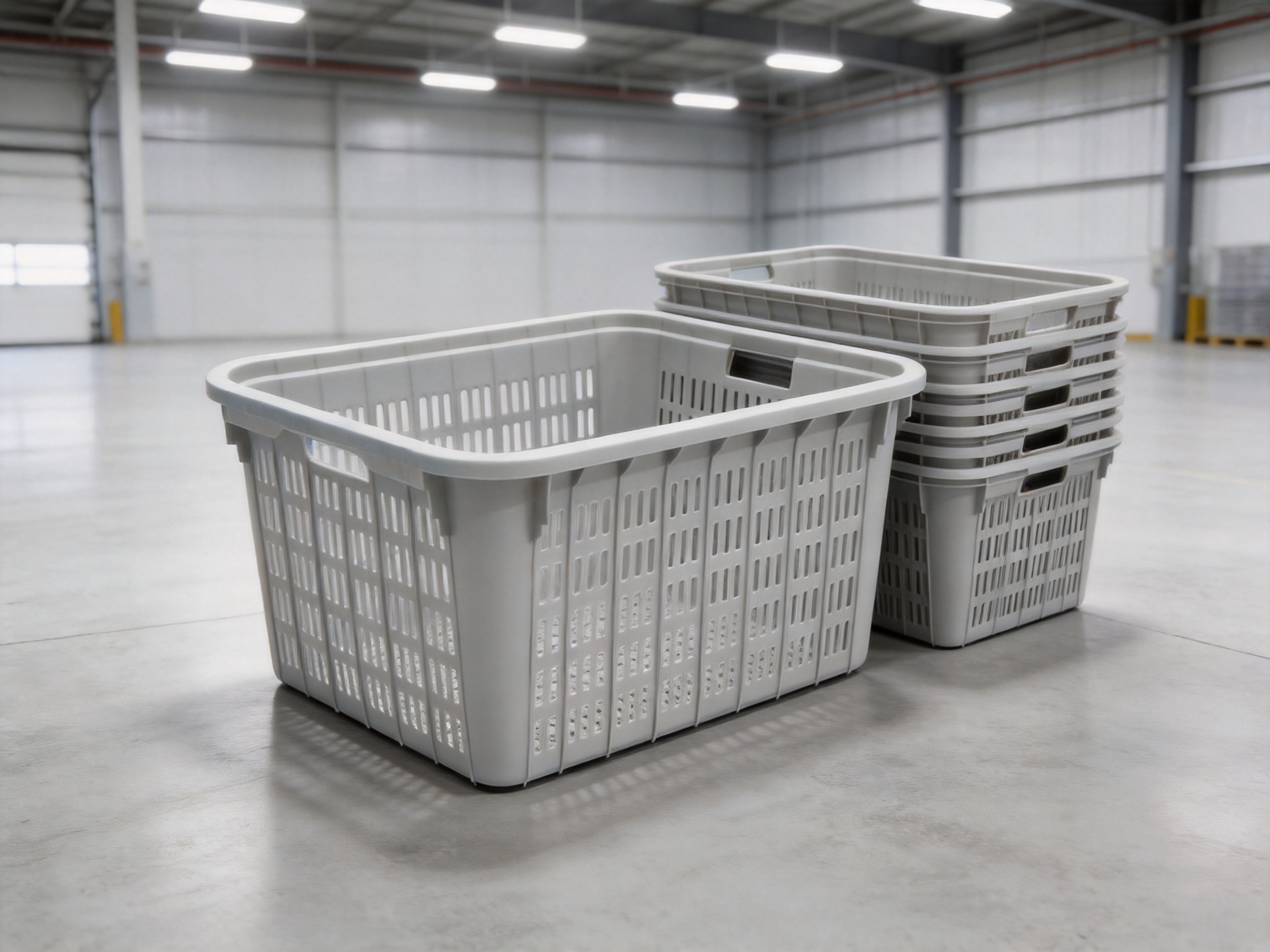
Modern warehousing and distribution operations require storage containers that can handle demanding workloads while reducing handling time, space consumption, product damage, and replacement costs. The 173L High-Capacity Nestable Plastic Crate is designed for precisely these requirements. With external dimensions of 825×595×415mm, internal dimensions of 775×545×410mm, and a working capacity of 173 liters, it provides a practical solution for storing, transporting, sorting, and distributing large volumes of goods.
Model BG-825941-NC is a heavy-duty plastic crate developed for industrial storage, agricultural distribution, wholesale operations, cold-chain logistics, manufacturing facilities, and other environments where reusable containers must perform consistently. Its large internal volume allows users to consolidate more products in each unit, while its nestable structure helps reduce the amount of space required when the crates are empty.
Manufactured from high-density polyethylene, commonly known as HDPE, the crate combines strength, impact resistance, chemical durability, and long service life. Its slotted mesh walls support air circulation and drainage, making it suitable for fresh produce, chilled goods, and products that benefit from ventilation. Reinforced ribs strengthen the body and help the crate maintain its form during loading, stacking, transportation, and repeated industrial handling.
Unlike disposable cartons, thin consumer-grade bins, or poorly reinforced plastic boxes, this crate is intended for repeated use across demanding supply-chain cycles. It can be integrated into warehouse receiving, order preparation, production-line supply, cross-docking, fleet transport, cold storage, and returnable packaging systems.
Content
- 1 Product Overview
- 2 Why High-Capacity Crates Matter in Logistics
- 3 HDPE Construction for Repeated Industrial Use
- 4 Reinforced Structure and Load-Bearing Performance
- 5 Slotted Mesh Design for Airflow and Drainage
- 6 Nestable Design for Space Efficiency
- 7 Advantages Over Common Alternatives
- 8 Applications Across Different Industries
- 9 Manufacturing Quality and Process Control
- 10 Company Strengths and Supply Capability
- 11 Warehouse Integration and Operating Practices
- 12 Cleaning, Maintenance, and Service Life
- 13 Environmental and Economic Considerations
- 14 How to Select the Correct Crate for an Operation
- 15 Procurement and Customization Support
- 16 Safety Considerations
- 17 Implementation Strategy for a Returnable Crate Pool
- 18 Frequently Asked Questions
- 18.1 What is the capacity of the BG-825941-NC crate?
- 18.2 What are the external dimensions?
- 18.3 What are the internal dimensions?
- 18.4 What material is used?
- 18.5 Is the crate suitable for fresh produce?
- 18.6 Can the crates be nested when empty?
- 18.7 How much does one crate weigh?
- 18.8 Can the crates be stacked when loaded?
- 18.9 Are different colors available?
- 18.10 Can the crates be cleaned?
- 18.11 What industries can use this crate?
- 18.12 How does the crate compare with cardboard packaging?
- 18.13 Can the crate be used for direct food contact?
- 18.14 What should be checked before placing a bulk order?
- 19 Conclusion
- 20 References
- 21 Product: 173L High Capacity Nestable Plastic Crate for Warehouse Storage
Product Overview
The BG-825941-NC is a large-format nestable plastic crate for businesses that need substantial storage capacity without using permanently fixed containers. The design provides a balance between volume and operational efficiency. When loaded, the crate offers a spacious enclosure for bulk goods. When empty, its nestable form allows multiple crates to be placed inside one another, reducing the footprint required for backhaul, storage, and return transportation.
The external size of 825×595×415mm is suitable for many warehouse and logistics layouts. Its rectangular footprint supports organized placement on floors, pallets, shelves, trucks, and staging areas. The dimensions also help operators establish repeatable loading patterns, which can improve space utilization and make inventory handling more predictable.
The internal dimensions of 775×545×410mm provide approximately 173 liters of usable volume. This large capacity is particularly valuable where products are bulky, irregularly packaged, or handled in high quantities. Instead of filling several smaller containers, an operation may be able to consolidate an entire batch into one large crate, reducing the number of handling events and simplifying product identification.
| Model | BG-825941-NC |
| Product Type | Nestable plastic crate |
| Material | HDPE |
| External Dimensions | 825×595×415mm |
| Internal Dimensions | 775×545×410mm |
| Capacity | 173L |
| Product Weight | 4kg |
| Structure | Slotted mesh body with reinforced ribs |
| Application | Warehousing, logistics, agriculture, cold storage, manufacturing, and distribution |
Why High-Capacity Crates Matter in Logistics
Storage and transport costs are influenced by much more than the purchase price of a container. The total cost also includes labor, vehicle utilization, warehouse space, product damage, cleaning, replacement, handling frequency, and the efficiency of empty-container returns. A well-designed reusable crate can improve several of these cost factors at the same time.
A high-capacity crate reduces the number of containers required for a given product volume. Fewer containers can mean fewer labels, fewer scans, fewer picking actions, and fewer transfers between locations. In a warehouse, this may shorten the time required to prepare outbound orders. In a distribution network, it may reduce the number of loose units that must be loaded, unloaded, and counted.
Large reusable crates are also useful for standardizing bulk handling. Rather than moving products in inconsistent cartons, bags, or improvised bins, companies can create a uniform flow using containers with known dimensions and capacity. Standardization supports clearer operating procedures and can make warehouse planning more accurate.
The crate’s nestable design adds another operational benefit. Empty containers often occupy a substantial amount of space and may require dedicated return vehicles or storage zones. By nesting crates together, businesses can reduce the volume of empty packaging. This can help free valuable warehouse floor area and improve the efficiency of reverse logistics.
For organizations operating multiple sites, the same type of crate can be circulated between farms, production facilities, distribution centers, retail locations, and customers. The reusable format supports a controlled packaging loop rather than a continuous cycle of purchasing and disposing of single-use packaging.
HDPE Construction for Repeated Industrial Use
Material selection is central to the performance of a reusable crate. HDPE is widely used in industrial containers because it offers a useful combination of toughness, low moisture absorption, chemical resistance, and dimensional stability. For a crate expected to move through warehouses, vehicles, outdoor loading areas, and cold environments, these characteristics are important.
The HDPE body is designed to withstand the ordinary impacts associated with handling. Crates may be placed on floors, pushed across staging areas, loaded onto pallets, or moved by hand and mechanical equipment. A heavy-duty polymer structure is less vulnerable to moisture-related deterioration than paper-based packaging and does not splinter like damaged wood.
HDPE also supports hygienic and practical cleaning procedures. The material can be washed and reused, subject to the user’s cleaning method, product requirements, and applicable industry regulations. This is useful in agricultural, food-related, and distribution operations where containers may need to be cleaned between product cycles.
The product description identifies the material as food-safe HDPE. Users should still confirm the intended application, cleaning chemicals, temperature range, and local compliance requirements before using the crate for direct food contact. Proper sanitation procedures and documented handling practices remain essential for every food-related operation.
Compared with thin-walled storage boxes, the thickened construction offers improved resistance to deformation. Compared with cardboard, the plastic structure is more suitable for humid environments, repeated handling, and returnable logistics. Compared with untreated wooden containers, it avoids common problems associated with splinters, moisture absorption, nails, and irregular dimensions.
Reinforced Structure and Load-Bearing Performance
The crate incorporates reinforced ribs throughout its body. These ribs are not merely decorative features; they help distribute stress across the walls and base. When a crate is filled, the load creates pressure on the bottom and side panels. During stacking or movement, additional forces may be introduced through contact points, uneven floors, acceleration, and handling impacts.
A ribbed structure can improve stiffness without requiring the entire body to be excessively thick. This approach helps balance durability and product weight. At approximately 4kg, the crate is substantial enough for heavy-duty use while remaining practical for warehouse personnel and logistics operators to handle according to their safety procedures.
Reinforcement is particularly valuable in high-throughput environments. A container that flexes excessively may be difficult to stack, may shift during transport, or may place additional stress on its contents. A more rigid body supports safer organization and makes the container easier to position consistently.
Load performance depends on multiple factors, including the type and distribution of goods, stacking height, temperature, handling method, pallet support, and the condition of each crate. Users should establish their own load and stacking procedures based on actual operating conditions. The crate’s heavy-duty construction provides a strong foundation, but no container should be loaded beyond a verified safe working limit.
The reinforced design also supports a longer usable life. When a crate retains its shape through repeated cycles, the user can achieve greater value from the original investment. Long service life can reduce the frequency of container replacement and lower the amount of packaging waste generated by the operation.
173L High Capacity Nestable Plastic Crate for Warehouse Storage
Slotted Mesh Design for Airflow and Drainage
The precision slotted mesh structure is one of the product’s most important functional features. Openings in the walls allow air to move around stored goods, helping reduce the buildup of heat and humidity. This is especially useful for fresh produce, vegetables, fruit, flowers, chilled products, and other items that require ventilation during storage or transport.
Ventilation is valuable throughout the supply chain. After harvesting, produce may continue to release heat and moisture. If it is enclosed in an unsuitable container, condensation and stagnant air can accelerate deterioration. A ventilated crate provides a better environment for cooling and circulation, particularly when it is used with appropriate cold-chain procedures.
The openings also allow water to drain from the crate. This can be useful when products are washed before packing or when containers are cleaned between use. Drainage can shorten drying times and reduce the likelihood of water remaining inside the container during storage.
Mesh openings must always be considered in relation to the size, shape, and fragility of the goods. Very small products may require an inner liner, bag, tray, or secondary container. For delicate items, operators should test the crate under real conditions to confirm that the slotted walls do not cause abrasion or loss.
Compared with fully enclosed plastic boxes, ventilated crates can offer superior airflow and easier visual inspection. Staff may be able to identify the contents without opening every container. This can improve picking accuracy and reduce unnecessary handling during receiving and dispatch.
Nestable Design for Space Efficiency
Empty packaging can be an overlooked source of cost. Even when a crate is not carrying products, it still occupies warehouse space and must be returned to its point of use. The nestable configuration of the BG-825941-NC addresses this issue by allowing empty crates to fit inside one another.
Nesting reduces the vertical and horizontal space required for empty containers. A warehouse can therefore store more units in a smaller area, leaving additional space for inventory or operating activities. Distribution centers may also be able to return more empty crates per vehicle, improving the utilization of transport capacity.
This feature provides a clear advantage over rigid containers that cannot nest. Non-nestable boxes may require more pallets, racks, or truck space when empty. They can also create clutter in receiving areas and increase the time needed to organize returns.
Although the crate is described as nestable, users should follow the correct orientation and stacking method. Containers should be fully empty, aligned properly, and placed on stable surfaces. The nesting height and maximum number of nested units should be determined through the company’s own handling procedures and safety assessment.
Nesting can also support seasonal operations. Farms, wholesalers, and retailers may need very large numbers of crates during peak harvest or promotional periods and fewer units during quieter periods. Compact empty storage allows the same reusable packaging pool to be retained without requiring permanent expansion of the storage area.
Advantages Over Common Alternatives
Compared with Cardboard Cartons
Cardboard cartons are lightweight and convenient for one-way shipping, but they are vulnerable to moisture, compression, tearing, and repeated handling. In humid warehouses, refrigerated transport, or wet processing environments, cardboard may lose stiffness and become difficult to stack. The reusable HDPE crate is better suited to these conditions because it does not soften in the same way when exposed to ordinary moisture.
The plastic crate also offers more consistent dimensions over repeated use. A damaged carton can change shape and compromise pallet stability, while a durable crate is designed to retain its form through multiple handling cycles. For returnable logistics, this difference can be significant.
Compared with Wooden Boxes
Wooden boxes can be strong, but they may be heavy, absorb moisture, develop splinters, and contain nails or rough surfaces that can damage products or injure workers. Their dimensions and quality may vary depending on construction. A molded plastic crate offers a smoother, more uniform structure and is easier to standardize across a logistics network.
The plastic format also avoids many maintenance issues associated with wood. It does not require painting or replacement of individual boards, and it can be washed according to the user’s sanitation program.
Compared with Thin Consumer Storage Bins
Consumer storage bins are often designed for light household use rather than high-frequency industrial movement. They may have limited wall thickness, weak handles, poor stacking performance, or inadequate resistance to impact. The BG-825941-NC is designed as a heavy-duty logistics container, with reinforced ribs, a large-format body, and a structure intended for warehouse and distribution environments.
Compared with Non-Nestable Industrial Boxes
Some industrial boxes provide excellent rigidity but occupy the same amount of space whether they are full or empty. The nestable format delivers a more flexible balance. It provides substantial capacity during use and a reduced footprint during empty storage and return transport.
Compared with Smaller Crates
Smaller crates may be easier to carry, but many units may be needed for bulk goods. This increases counting, labeling, picking, and transfer work. The 173L capacity provides an alternative for products and operations that benefit from consolidation. It is particularly suitable where the contents are large-volume, robust enough for bulk handling, or already packaged in units that can be grouped together.
Applications Across Different Industries
Agriculture and Fresh Produce
Large farms, cooperatives, packhouses, and produce wholesalers can use ventilated crates for harvesting, temporary holding, sorting, and distribution. The open structure supports airflow, while the durable body is suitable for repeated movement between fields, processing areas, cold rooms, and delivery vehicles.
The crate can be used for vegetables, fruit, flowers, and other agricultural products when the product dimensions and handling requirements are compatible with the crate openings. Operators should avoid overfilling and should use suitable liners or protective materials when products are sensitive to pressure or abrasion.
Cold Storage and Chilled Distribution
Cold-chain operations depend on consistent temperature management, suitable airflow, and reliable packaging. The slotted design allows air to circulate around the contents, which may support more even cooling when the crate is correctly arranged within a cold room or refrigerated vehicle.
Plastic construction is also useful in environments where condensation is common. Unlike paper packaging, HDPE is not structurally weakened simply because it is exposed to a damp atmosphere. Users should still manage condensation, hygiene, and temperature transitions carefully to protect both the products and the containers.
Wholesale and Distribution Centers
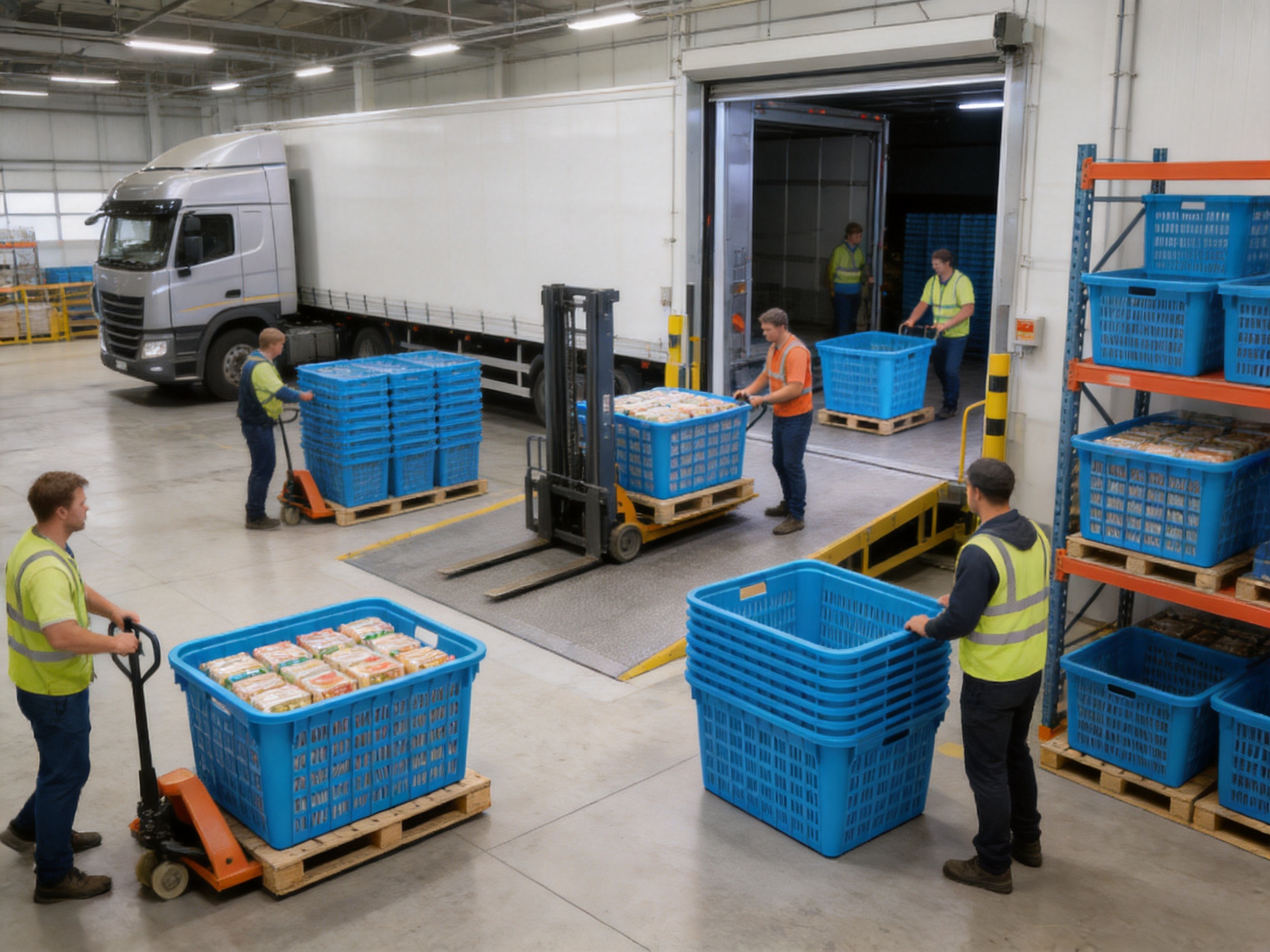
Wholesale facilities often handle high volumes of products that must be received, sorted, stored, and dispatched quickly. A large reusable crate can consolidate goods and reduce the number of small packages moving through the facility. The consistent dimensions support organized staging and more predictable space planning.
The crate may also support route-based distribution. A wholesaler can allocate products by customer, store, or delivery route, then move the completed crate through dispatch without repacking the contents into disposable cartons.
Manufacturing and Production Lines
Manufacturers can use the crate for components, subassemblies, raw materials, work-in-process goods, and finished products. Reusable containers can reduce the accumulation of cardboard and help create a cleaner, more controlled production environment.
The ventilated body may be useful for parts that need to dry after washing or for components that should not be sealed in a moisture-retaining package. The actual suitability depends on the material, dimensions, cleanliness requirements, and production process.
E-Commerce Fulfillment
Large e-commerce and fulfillment centers frequently move products between receiving, storage, picking, packing, returns, and dispatch zones. The 173L volume can be used for bulk picking, temporary order consolidation, returns handling, or the movement of inventory between workstations.
Because the crate is reusable, it can help reduce dependence on single-use transport packaging for internal movements. Color options and labeling systems may also help companies create visual distinctions between product categories, work areas, or handling statuses.
Supermarket and Retail Distribution
Retail distribution networks can use reusable crates to deliver products from central warehouses to stores. Once emptied, the nestable containers can be collected and returned efficiently. The structure is suitable for backroom staging, stock replenishment, and movement of goods between receiving areas and sales-floor support spaces.
Manufacturing Quality and Process Control
Product performance depends not only on the design but also on the consistency of manufacturing. Yancheng Bingo Machinery Equipment Co., Ltd. describes a production approach based on standardized processes, supply-chain coordination, and inspection at multiple stages.
The company’s broader product portfolio covers handling equipment, storage containers, packaging materials, and warehouse racking. This gives it experience across several connected areas of warehouse operations. Rather than viewing a crate as an isolated item, the company can understand how reusable containers interact with pallets, pallet trucks, stackers, shelving, warehouse layouts, and distribution processes.
For the BG-825941-NC, material control is an important starting point. The product specification identifies HDPE as the principal material. The company’s quality information also emphasizes the use of controlled polymer materials and inspection from raw-material sourcing through production. In practical terms, reliable material control helps reduce variation in color, stiffness, surface quality, and finished dimensions.
Manufacturing inspections may include checks of dimensions, wall structure, rib formation, openings, weight, appearance, and nesting compatibility. Consistent inspection helps identify problems before products are packed and shipped. It also supports more predictable performance when customers purchase multiple batches over time.
Standardized production procedures are especially important for large-format crates. Small dimensional variations can affect how containers nest, how they fit on pallets, and how efficiently they are arranged in vehicles or warehouse areas. Process discipline helps maintain the repeatability that industrial customers require.
Quality control should continue after production. Packaging, storage, and shipment can influence the condition of the crates received by the customer. A coordinated supply chain and organized dispatch process help protect the finished products until they arrive at the user’s facility.
Company Strengths and Supply Capability
Yancheng Bingo Machinery Equipment Co., Ltd. is positioned as a supplier of warehousing and logistics equipment for customers seeking integrated material storage and handling solutions. Its portfolio includes manual and electric pallet trucks, stackers, plastic pallets, plastic totes, crates, bulk containers, stretch wrap, packing strapping, and warehouse racking.
This breadth provides a practical advantage for customers that are developing or upgrading a complete logistics system. A buyer may require storage containers together with pallet handling equipment, racking, and packaging materials. Working with a supplier familiar with all these categories can simplify communication, product coordination, and procurement planning.
The company serves sectors including manufacturing, e-commerce logistics, warehousing and distribution, agricultural supply, and supermarket retail. These industries have different requirements, but they share common priorities: durable equipment, efficient space utilization, reliable delivery, and controlled operating costs.
The company identifies quality as a central value and describes strict inspection procedures throughout the production process. It also emphasizes standardized workflows and the use of controlled raw materials. For customers purchasing reusable crates in commercial quantities, these capabilities are important because product consistency is often as valuable as individual product strength.
Availability is another stated strength. The product information indicates that the crate is in stock and ready to ship. Stock availability can help customers respond quickly to seasonal demand, facility expansion, new distribution contracts, or replacement requirements. Buyers should confirm current inventory, production schedules, packaging details, and shipping terms before placing an order.
Multiple colors and full specifications are available according to the product information. Color selection can support warehouse organization, customer-specific identification, route management, or product-category separation. Customization requirements should be discussed in advance, including color quantity, labeling, marking, printing, and minimum order considerations.
Warehouse Integration and Operating Practices
The crate should be incorporated into a defined operating system rather than used as an unplanned replacement for every type of packaging. Before implementation, managers should identify the products to be stored, the expected load per crate, the number of handling cycles, and the routes through which the containers will move.
In a receiving area, workers can inspect incoming products and place them directly into assigned crates. In a storage area, the containers can be grouped by product code, batch, destination, or handling status. In an order preparation area, they can be used for bulk picking or route consolidation.
Clear identification improves the value of reusable containers. Businesses may use labels, barcodes, RFID systems, color coding, or printed markings depending on their tracking requirements. The crate itself provides the physical platform, while the customer’s information system determines how inventory and container circulation are controlled.
Crates should be positioned on stable surfaces and should not block emergency exits, fire equipment, walkways, or access to machinery. When they are stacked, the stack should be straight, stable, and within the organization’s approved height and weight limits. Operators should receive training on lifting, pushing, stacking, and mechanical handling procedures.
Products should be distributed evenly inside the crate. Concentrated weight or protruding items may place unnecessary stress on the base or walls. Heavy goods should be placed below lighter goods when multiple items share a crate, and fragile products should be protected with suitable internal packaging.
Cleaning, Maintenance, and Service Life
Reusable plastic crates deliver the greatest value when they are maintained as part of a controlled returnable-packaging program. After each use, the crate should be inspected for cracks, broken ribs, sharp edges, severe deformation, contamination, or other conditions that could affect safe operation.
Cleaning procedures should match the products carried and the requirements of the facility. A user may employ water, approved detergents, brushes, automated washing equipment, or sanitizing processes. Chemicals and temperatures should be verified for compatibility with HDPE and with the company’s regulatory obligations.
After washing, the slotted body can assist with drainage and drying. Crates should be allowed to dry adequately before being nested for long-term storage. Storing wet containers in a poorly ventilated area can create unnecessary hygiene concerns even when the material itself is moisture resistant.
Damaged containers should be removed from service or evaluated by a responsible supervisor. A crate with a broken base, severely damaged rib, or sharp fracture may no longer provide the expected support. Prompt inspection helps prevent damaged containers from entering high-risk stacking or transport operations.
Good maintenance extends the useful life of the container and supports more accurate cost analysis. Instead of treating crates as disposable assets, companies can monitor circulation, repair or retire units when necessary, and calculate the cost per use over the life of the packaging pool.
Environmental and Economic Considerations
A reusable crate can reduce reliance on single-use packaging when it is used repeatedly and managed effectively. Its long service life allows the material and manufacturing energy invested in the product to be distributed over many logistics cycles. The nestable design may further reduce fuel and storage requirements during empty returns.
Environmental performance depends on actual usage. A crate that is purchased but rarely reused will not provide the same benefit as a container that circulates continuously between suppliers, warehouses, stores, and return centers. Businesses should therefore establish a return system, assign ownership, and monitor loss rates.
At the end of its service life, the plastic may be suitable for recycling depending on local facilities and contamination levels. Users should follow local waste-management rules and separate damaged plastic containers from incompatible materials where required.
Economic evaluation should include purchase price, expected service life, cleaning costs, transport savings, labor savings, space savings, product protection, and replacement frequency. A more durable crate may have a higher initial cost than disposable packaging but deliver lower total cost over repeated cycles.
How to Select the Correct Crate for an Operation
The 173L capacity is a major advantage for bulk handling, but not every product should be placed in a large container. Buyers should first measure the goods and determine whether the internal dimensions of 775×545×410mm provide appropriate clearance. The product should fit without excessive compression, movement, or overhang.
Users should also evaluate the weight of the intended contents. The 4kg empty weight is provided as a product specification, but the safe working load and stacking capacity should be confirmed for the customer’s specific conditions. The supplier should be consulted when the crates will be used for unusually heavy products, high stacks, automated systems, or specialized transport.
Environmental factors should be reviewed as well. Facilities may expose containers to cold rooms, outdoor weather, cleaning chemicals, sunlight, oils, or other substances. HDPE offers broad industrial resistance, but exact conditions should be tested or confirmed before full-scale deployment.
The crate openings should be compared with the size and fragility of the goods. Ventilation is beneficial, but small parts may require an inner tray or liner. Produce may require cushioning or controlled filling depth. Each application should be validated through a pilot test.
Recommended Evaluation Checklist
Confirm the product dimensions and available warehouse space before ordering.
Measure the goods and compare them with the internal dimensions.
Estimate the average and maximum loaded weight per crate.
Determine the required stacking height and handling method.
Check whether ventilation and drainage are necessary.
Assess cleaning, sanitation, and drying requirements.
Plan a system for identification, return, inspection, and retirement.
Confirm color, customization, packaging, quantity, lead time, and shipping details with the supplier.
Procurement and Customization Support
Commercial buyers may require more than a standard product description. They may need a coordinated quotation, sample approval, container-load planning, color selection, marking, delivery scheduling, and documentation. These details should be confirmed before purchase so that the crates arrive ready for the intended operating environment.
Multiple colors can support practical warehouse controls. For example, one color may be assigned to raw materials, another to finished goods, and another to returns. Alternatively, colors may identify customers, delivery routes, temperature zones, or product categories. Color management is most effective when it is supported by written procedures and staff training.
Customization may include labels, logos, identification panels, or other markings, depending on manufacturing feasibility and order quantity. Buyers should specify whether the marking must withstand washing, outdoor exposure, abrasion, or contact with particular products.
When ordering large quantities, customers should request confirmation of production specifications and batch consistency. It is useful to agree on inspection criteria for dimensions, weight, color, nesting, appearance, and packaging. Clear specifications support a more reliable purchasing relationship.
Safety Considerations
Safe use begins with selecting the crate for an appropriate application. The container should not be used beyond its verified capacity or in a way that creates unstable loads. Operators should be aware that working performance can change with temperature, impact, support conditions, and stacking duration.
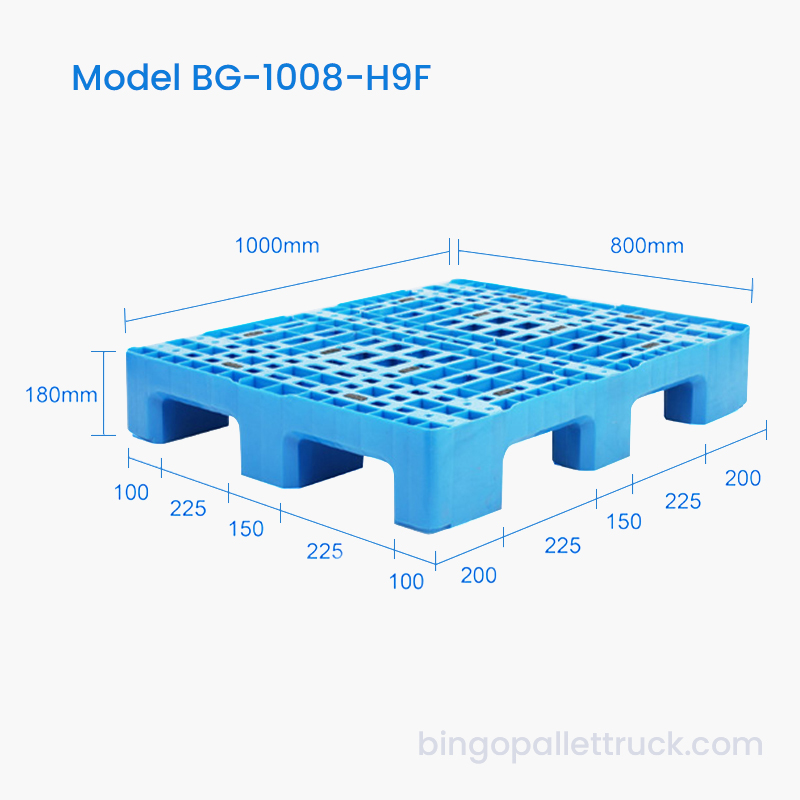
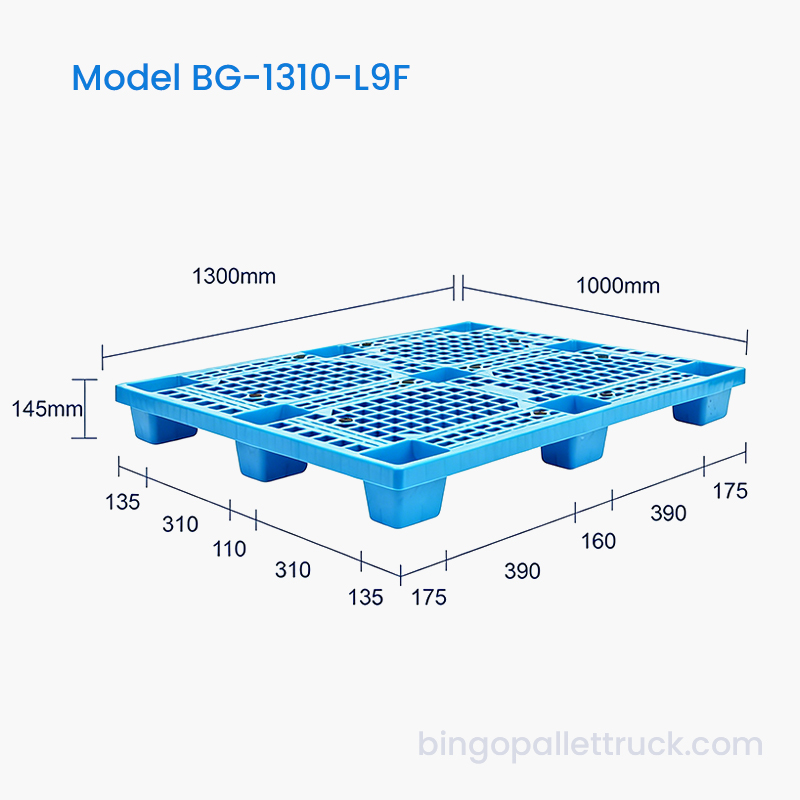
Crates should not be thrown, dragged over sharp surfaces, or placed on unstable stacks. Forklifts, pallet trucks, and other equipment should engage loads carefully to avoid striking the sidewalls or ribs. If a crate is used on a pallet, the load should be positioned evenly and secured when transport conditions require it.
Manual handling should follow workplace safety procedures. The large 173L capacity may result in a heavy total load even when the empty crate is manageable. Workers should use team lifting or mechanical assistance where appropriate and should not attempt to move a loaded crate beyond their safe handling capability.
Where the crates are used with food, pharmaceuticals, chemicals, or other regulated goods, the customer remains responsible for confirming compliance with applicable standards. Product suitability should be evaluated together with cleaning, traceability, temperature, and contamination-control procedures.
Implementation Strategy for a Returnable Crate Pool
Companies introducing reusable crates can begin with a controlled pilot. Select one product family, warehouse zone, delivery route, or customer group. Measure the number of crates used, average cycle time, handling labor, empty-return volume, damage rate, cleaning requirements, and space consumption.
The pilot should include both full and empty movements. Nestability creates its greatest benefits during storage and return logistics, so the business should measure how many empty crates can be consolidated safely and how much vehicle or warehouse space is saved.
Container ownership and responsibility should be clearly assigned. If crates move between suppliers, distribution centers, and stores, each participant should know how to inspect, clean, identify, and return them. A simple tracking system can reduce loss and improve the utilization rate.
After the pilot, management can compare the results with existing packaging. Relevant measures include cost per shipment, labor hours per batch, product damage, packaging waste, empty-return volume, storage area, and customer feedback.
Once the program is proven, the business can expand the crate pool across additional products and sites. The standardized dimensions make it easier to develop repeatable procedures, but each new application should still be reviewed for fit, load, hygiene, and handling requirements.
Frequently Asked Questions
What is the capacity of the BG-825941-NC crate?
The stated capacity is 173 liters. This makes the crate suitable for bulk storage, agricultural distribution, warehouse consolidation, and other applications requiring more volume than a standard small or medium tote.
What are the external dimensions?
The external dimensions are 825×595×415mm, measured as length, width, and height.
What are the internal dimensions?
The internal dimensions are 775×545×410mm. These measurements should be compared with the actual size and shape of the products before ordering.
What material is used?
The product specification identifies HDPE as the material. HDPE is widely used for reusable industrial containers because of its toughness, moisture resistance, and suitability for repeated handling.
Is the crate suitable for fresh produce?
It is designed with a slotted mesh structure that supports ventilation and drainage, making it suitable for many produce-handling applications. The product, filling method, temperature conditions, and hygiene procedures should be evaluated before use.
Can the crates be nested when empty?
Yes. The product is designed as a nestable crate. Empty units can be placed inside one another to reduce storage and return-transport volume. Users should follow the correct nesting orientation and approved stack limits.
How much does one crate weigh?
The stated product weight is approximately 4kg. The total handling weight will be substantially higher when the crate is filled, so loaded handling procedures must be established according to workplace safety requirements.
Can the crates be stacked when loaded?
The reinforced rib structure is intended to support heavy-duty stacking, but the safe stack height and working load depend on the contents, temperature, support surface, handling method, and duration. Customers should confirm operating limits before implementation.
Are different colors available?
The product information indicates that multiple colors are available. Color requirements, minimum quantities, and customization options should be confirmed with the supplier.
Can the crates be cleaned?
HDPE crates can generally be washed using procedures compatible with the material and the intended application. Users should select approved cleaning agents, temperatures, and sanitation methods based on their own product and regulatory requirements.
What industries can use this crate?
Potential applications include agriculture, fresh produce, cold storage, wholesale distribution, manufacturing, e-commerce fulfillment, supermarket logistics, warehousing, and industrial material handling.
How does the crate compare with cardboard packaging?
The reusable plastic structure offers better resistance to moisture, repeated handling, and impact than ordinary cardboard. Cardboard may remain appropriate for certain one-way shipping applications, while this crate is intended for returnable, repeated-use logistics.
Can the crate be used for direct food contact?
The product information describes the material as food-safe HDPE. However, users should confirm the exact application, cleaning procedures, temperature conditions, and applicable local requirements before using it for direct food contact.
What should be checked before placing a bulk order?
Buyers should confirm dimensions, capacity, material, colors, customization, stacking requirements, load conditions, cleaning procedures, packaging, current stock, shipping terms, and quality-inspection expectations.
Conclusion
The 173L High-Capacity Nestable Plastic Crate provides a practical combination of volume, durability, ventilation, drainage, and empty-space efficiency. Its 825×595×415mm external dimensions and 775×545×410mm internal dimensions make it suitable for large-scale handling, while its 173-liter capacity allows businesses to consolidate goods and simplify warehouse movement.
Its HDPE construction, thickened body, reinforced ribs, and slotted mesh structure distinguish it from disposable cartons, fragile consumer bins, and non-nestable industrial boxes. The crate is designed for repeated use in demanding environments, including farms, wholesale distribution centers, manufacturing plants, cold rooms, logistics hubs, and retail supply chains.
The nestable format provides a further operational advantage by reducing empty-storage and return-transport volume. When combined with an effective tracking, cleaning, inspection, and return program, the crate can support lower packaging waste, improved labor efficiency, better space utilization, and more consistent material handling.
Yancheng Bingo Machinery Equipment Co., Ltd. strengthens the offering through its broader expertise in warehouse logistics equipment, storage containers, packaging materials, and warehouse racking. Its focus on standardized production, material control, inspection procedures, product availability, and integrated logistics solutions makes it a suitable supplier for customers seeking more than an individual container.
For the best results, each buyer should evaluate product fit, load requirements, stacking conditions, cleaning practices, and logistics routes before deployment. Used within clearly defined operating limits, the BG-825941-NC can become a reliable part of a modern returnable packaging and warehouse storage system.
References
Product specification sheet for Model BG-825941-NC, including material, dimensions, weight, capacity, and structural features.
Industrial packaging principles for reusable plastic containers, nestable storage systems, and returnable transport packaging.
General warehouse safety guidance covering manual handling, stacking, palletized loads, and material movement.
General HDPE material information concerning durability, moisture resistance, chemical resistance, and reusable container applications.
Cold-chain logistics practices relating to ventilation, drainage, temperature management, and fresh-produce handling.
Yancheng Bingo Machinery Equipment Co., Ltd. company information concerning warehousing equipment, storage containers, packaging materials, warehouse racking, manufacturing quality control, and integrated logistics solutions.
Product: 173L High Capacity Nestable Plastic Crate for Warehouse Storage

Copyright @ Yancheng Bingo Machinery Equipment Co., Ltd. All rights reserved Warehouse Logistics Equipment Manufacturer Pallet Truck Supplier
