 en
en  Español


4-Compartment Dividable Plastic Tote Box for Efficient Small-Parts Storage
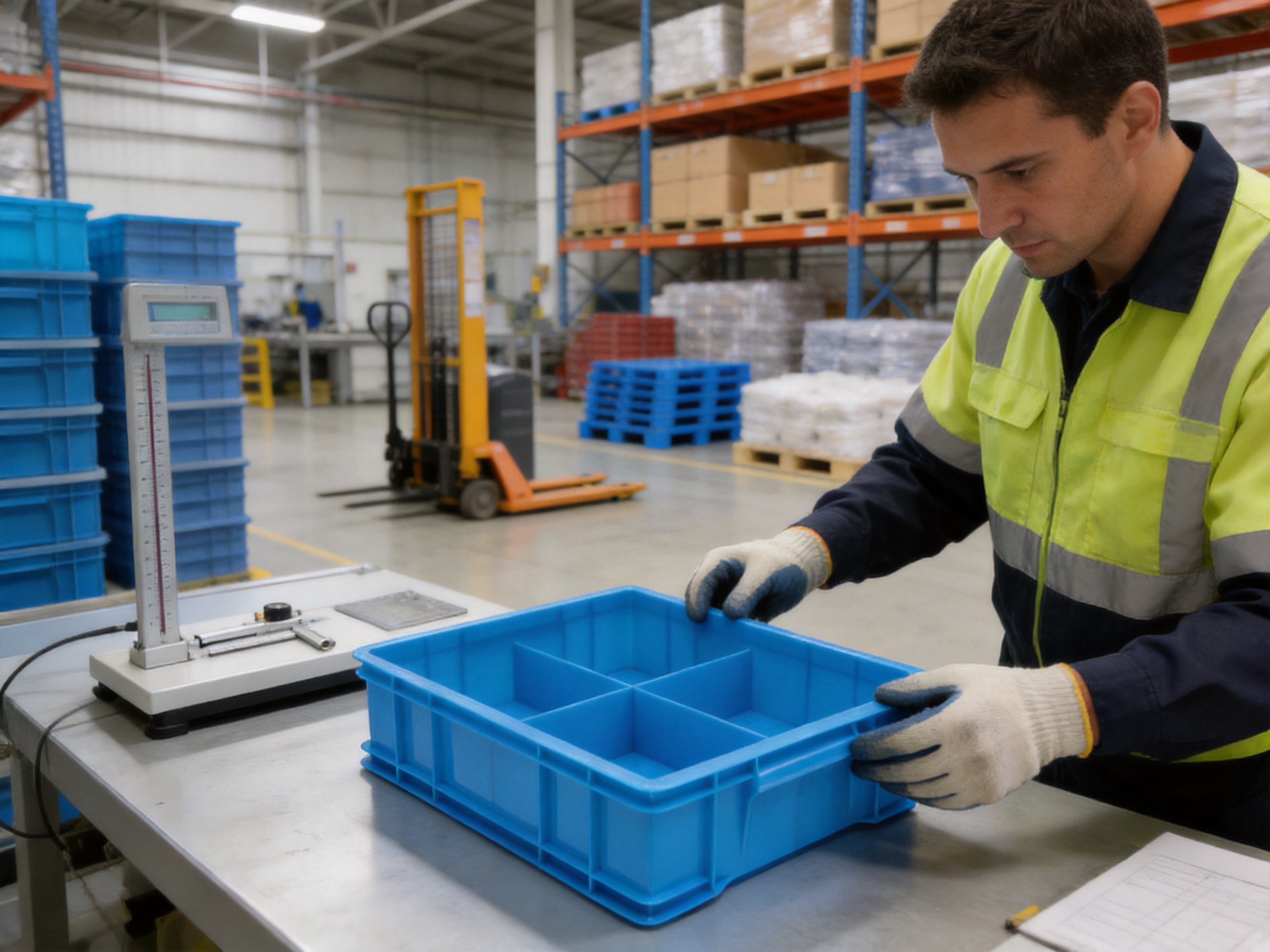
Modern warehouses, factories, workshops, and distribution centers are under constant pressure to store more components in less space while maintaining fast access, accurate inventory control, and safe handling practices. Small parts may be individually inexpensive, but they can create significant operational costs when they are mixed together, misplaced, damaged, or stored in unsuitable containers. A well-designed storage tote therefore serves a much greater purpose than simply holding products. It becomes part of a structured material-flow system that supports productivity, organization, and workplace efficiency.
The BG-372708-DT 4-compartment dividable plastic tote box is designed for this purpose. With four separated storage compartments, a durable polypropylene construction, and a stackable form, it provides a practical solution for organizing fasteners, electrical components, machine parts, tools, fittings, and other small items. Its external dimensions of 372 × 276 × 80 millimeters create a useful balance between capacity and portability, while the internal compartment configuration helps users separate products by type, size, model, or production stage.
Unlike a basic open box, this dividable tote supports visual organization and controlled access. Unlike many improvised cardboard cartons or oversized plastic bins, it makes better use of shelf, workstation, and transport space. The four-compartment format can reduce the need for multiple containers without forcing different components into one undivided storage area. This makes the product suitable for production lines, maintenance departments, spare-parts rooms, order-picking stations, assembly areas, and general warehouse storage.
Content
- 1 Product Overview and Intended Applications
- 2 Key Product Specifications
- 3 Why Compartmentalized Storage Matters
- 4 Durable Polypropylene Construction
- 5 Stackable Design for Better Space Utilization
- 6 Advantages Compared with Conventional Storage Methods
- 7 Supporting Lean Warehousing and Production
- 8 Applications Across Multiple Industries
- 9 Manufacturing Process and Quality-Control Strengths
- 10 Customization, Colors, and Supply Flexibility
- 11 Ergonomic and Operational Benefits
- 12 Cleaning, Maintenance, and Service Life
- 13 Implementation Guide for a Warehouse or Factory
- 14 Purchasing Considerations
- 15 Frequently Asked Questions
- 15.1 What is the BG-372708-DT tote designed to store?
- 15.2 How many compartments does the tote have?
- 15.3 What material is used to manufacture the tote?
- 15.4 What are the overall dimensions?
- 15.5 Is the tote suitable for stacking?
- 15.6 Can the tote replace cardboard cartons?
- 15.7 Can different types of parts be stored in one tote?
- 15.8 Is the tote suitable for chemicals?
- 15.9 Can the tote be customized?
- 15.10 Is the product available from stock?
- 15.11 How should the tote be cleaned?
- 15.12 What industries can use this product?
- 15.13 What makes this tote different from a single-compartment bin?
- 15.14 How does the supplier support larger logistics projects?
- 16 Supplier Capability and Integrated Logistics Support
- 17 Conclusion
- 18 References
- 19 Product: 4-Compartment Dividable Plastic Tote Box for Factory Small Parts
Product Overview and Intended Applications
The BG-372708-DT is a four-compartment dividable plastic tote developed for small-parts management. Its structure allows users to store multiple categories of items in one container while keeping each category physically separated. This is particularly valuable in environments where numerous components are handled at the same time and where selection errors can delay production or lead to incorrect shipments.
The tote is manufactured from PP, or polypropylene, a material widely used in industrial storage products because of its combination of strength, low weight, chemical resistance, and moisture resistance. Polypropylene can withstand the repeated handling associated with warehouse operations and production environments. It also offers practical resistance to many common workplace substances, although users should always confirm chemical compatibility before exposing the tote to aggressive solvents, concentrated acids, or other hazardous materials.
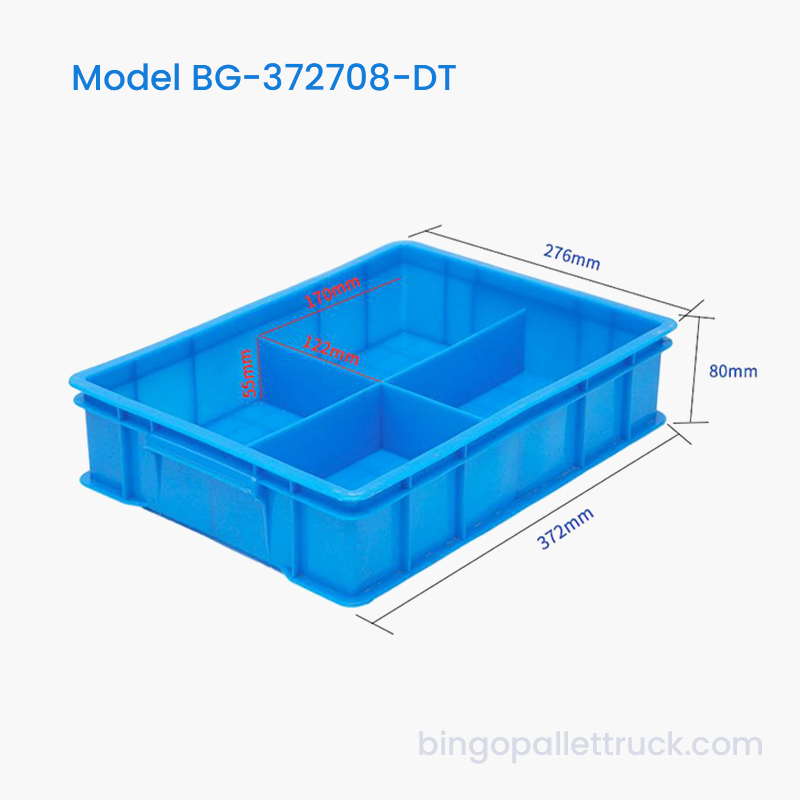
The external dimensions are 372 × 276 × 80 millimeters. These dimensions make the tote suitable for shelving systems, workbenches, picking areas, and standardized storage locations. Its relatively low height allows users to see and reach the stored contents without excessive bending or deep searching. The internal dimensions are approximately 347 × 250 × 75 millimeters, providing useful space while preserving the structural wall thickness required for durability.
Each internal compartment measures approximately 170 × 122 × 55 millimeters. This configuration is appropriate for organizing small hardware, repair components, electronic accessories, fasteners, fittings, clips, connectors, and similar items. The actual usable capacity will depend on the shape and density of the stored products, but the compartment arrangement provides a clear framework for separating inventory.
With a product weight of approximately 0.6 kilograms, the tote remains manageable for manual handling. Workers can move it from a storage rack to a workstation, from a production cell to a packing area, or from a maintenance cabinet to a service location without needing mechanical assistance. At the same time, its rigid plastic structure provides greater stability than flexible bags or thin disposable packaging.
Key Product Specifications
| Item | Specification |
| Product Type | 4-compartment dividable plastic tote box |
| Model | BG-372708-DT |
| Primary Material | PP, polypropylene |
| External Dimensions | 372 × 276 × 80 mm |
| Internal Dimensions | 347 × 250 × 75 mm |
| Approximate Weight | 0.6 kg |
| Internal Compartment Size | Approximately 170 × 122 × 55 mm |
| Storage Configuration | Four separated compartments |
| Primary Uses | Small parts, tools, components, hardware, fittings, and warehouse materials |
| Handling Features | Stackable, reusable, impact-resistant, and suitable for frequent handling |
The dimensions shown in the table provide a reference for planning shelf positions, workstation layouts, and storage density. Before purchasing in large quantities, users should compare the tote dimensions with their existing racks, cabinets, conveyors, pallets, and picking stations. This simple planning step helps create a consistent storage system and prevents wasted space.
4-Compartment Dividable Plastic Tote Box for Factory Small Parts
Why Compartmentalized Storage Matters
Small components often create disproportionate management challenges. A single assembly may require several types of screws, washers, brackets, connectors, seals, clips, or replacement parts. When these items are placed in one container, workers must spend additional time searching, counting, and identifying them. Mixed storage can also cause cross-contamination between product types and increase the risk of picking errors.
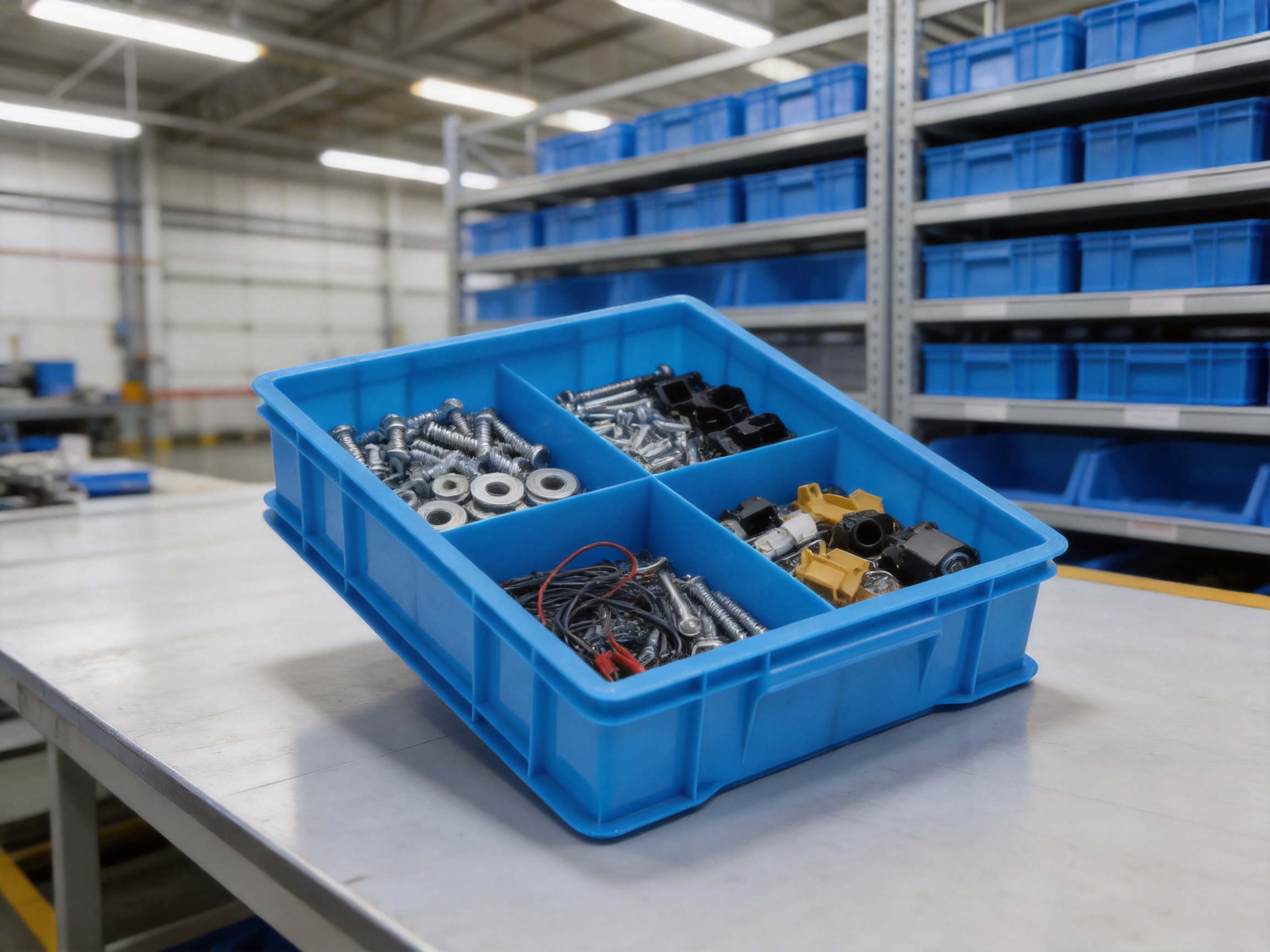
A four-compartment tote solves part of this problem by creating a fixed physical separation between groups of items. One compartment can be assigned to a specific product number, while the others can hold compatible accessories or related parts. In a maintenance environment, the compartments may be used for repair kits, replacement fasteners, electrical terminals, and hand tools. In an assembly area, they can correspond to sequential production steps.
Visual separation supports standard work. When each component has a designated location, workers can identify missing or incorrectly stored materials more quickly. A partially empty compartment can also provide an immediate visual signal that inventory should be replenished. This contributes to more disciplined stock control without requiring complex software or specialized automation.
Compartmentalization is also useful for kitting. A kit may contain four groups of parts that must be delivered together to a workstation or customer. Instead of using four small cartons, bags, or loose containers, a single divided tote can carry the complete kit. The result is easier transport, fewer packaging materials, and a lower chance that one part of the kit will be separated from the others.
Durable Polypropylene Construction
Material selection is one of the most important factors in the performance of an industrial tote. The BG-372708-DT uses PP as its specified material. Polypropylene is valued in storage and handling applications because it is lightweight compared with many rigid alternatives while still offering useful stiffness and impact resistance.
The material is suitable for repeated daily use. A reusable PP tote can be returned to a shelf, moved to a workstation, placed on a cart, and restocked many times during its service life. This repeated-use capability differentiates it from single-use cardboard packaging, which can soften, tear, collapse, or lose its shape after exposure to moisture and rough handling.
Polypropylene also resists moisture better than paper-based containers. This is important in warehouses where temperature changes may create condensation or where cleaning activities take place. The plastic surface is easier to wipe and maintain, helping users keep storage areas more orderly. The tote is not intended to replace specialized hygienic or chemical-containment equipment, but its material provides practical advantages for ordinary industrial storage conditions.
Impact resistance is another important consideration. Totes are frequently placed on shelves, picked from racks, transferred between work areas, and handled by different employees. A rigid plastic body is less vulnerable to crushing than thin packaging and can protect stored items from ordinary contact and movement. Proper loading remains essential, because excessive weight, sharp edges, or rough mechanical handling can damage any container.
The PP construction also supports dimensional stability. A stable container is easier to stack, label, count, and integrate into a standardized storage system. When containers keep their shape, workers can place them next to one another with fewer gaps, improving the use of shelf and cabinet space.
Stackable Design for Better Space Utilization
Warehouse space is expensive, and inefficient vertical storage can limit the capacity of an entire facility. The stackable design of the dividable tote helps users use vertical space instead of spreading containers across floors, shelves, and workbenches. When totes are stacked correctly, a smaller footprint can support a larger number of stored components.
Stacking is especially valuable for reserve inventory. A business may keep one tote at an assembly station while placing additional totes above or behind it for replenishment. In a warehouse, several units can be stored in a vertical arrangement according to product code or production schedule. This approach can reduce aisle congestion and create clearer material locations.
The supplied product information indicates that the broader product range can be stacked to more than ten layers under suitable conditions. Actual stacking performance depends on the load in each tote, the stability of the floor or rack, environmental conditions, and the shape of the stored goods. Users should follow safe stacking practices and avoid exceeding the recommended load or height for their operating environment.
A stackable tote must do more than simply sit on top of another container. It should remain stable during normal storage and handling. The rigid PP structure supports this requirement by maintaining a consistent shape. For best results, totes should be aligned properly, placed on level surfaces, and inspected regularly for cracks, deformation, or other damage.
Compared with open cardboard cartons, reusable stackable totes provide a more predictable storage geometry. Cartons can compress under load or become unstable when sizes vary. Standardized plastic totes help create uniform rows and columns, making shelf planning and inventory counting easier.
Advantages Compared with Conventional Storage Methods
Compared with Cardboard Boxes
Cardboard boxes are inexpensive and widely available, but they are not always suitable for long-term industrial storage. They can absorb moisture, collect dust, deform under pressure, and become difficult to stack after repeated use. Their flaps may also obstruct access to small parts, forcing workers to open and close the box repeatedly.
The BG-372708-DT offers a more durable and reusable alternative. Its rigid PP body maintains its shape, while the open-top configuration allows quick access to the contents. The four compartments provide built-in separation that cardboard boxes generally lack unless additional dividers are purchased and installed.
Compared with Loose Bins
Loose bins without internal separation can hold a large quantity of material, but they may encourage mixing. Workers must search through the entire container to find a specific part, and small components can become buried beneath larger items. A four-compartment tote divides the available space into identifiable sections, supporting faster picking and better inventory discipline.
Compared with Disposable Bags
Plastic bags are useful for temporary packaging, but they offer limited protection, poor stackability, and little support for organized workstation storage. Bags can slip, tear, or become difficult to identify when several products look similar. A rigid, reusable tote provides a stable location and protects the contents during routine handling.
Compared with Single-Compartment Totes
A single-compartment tote may be suitable when all stored items are identical. However, many production and maintenance tasks require several related parts to remain together without being mixed. The four-compartment design provides a higher level of organization in one container and can reduce the number of individual boxes needed for a small-parts kit.
Compared with Metal Containers
Metal containers can provide excellent strength, but they are often heavier and may be more vulnerable to corrosion depending on their finish and environment. A PP tote is easier to carry and does not rust. For applications involving ordinary small-part storage rather than extreme heat or heavy impact, plastic can offer a more practical balance between durability, weight, and cost.
Supporting Lean Warehousing and Production
Efficient storage is closely connected to lean manufacturing and warehouse management. Lean operations seek to reduce unnecessary movement, waiting, overstocking, defects, and searching time. A well-organized tote supports these objectives by placing related materials in predictable locations and making them easier to identify.
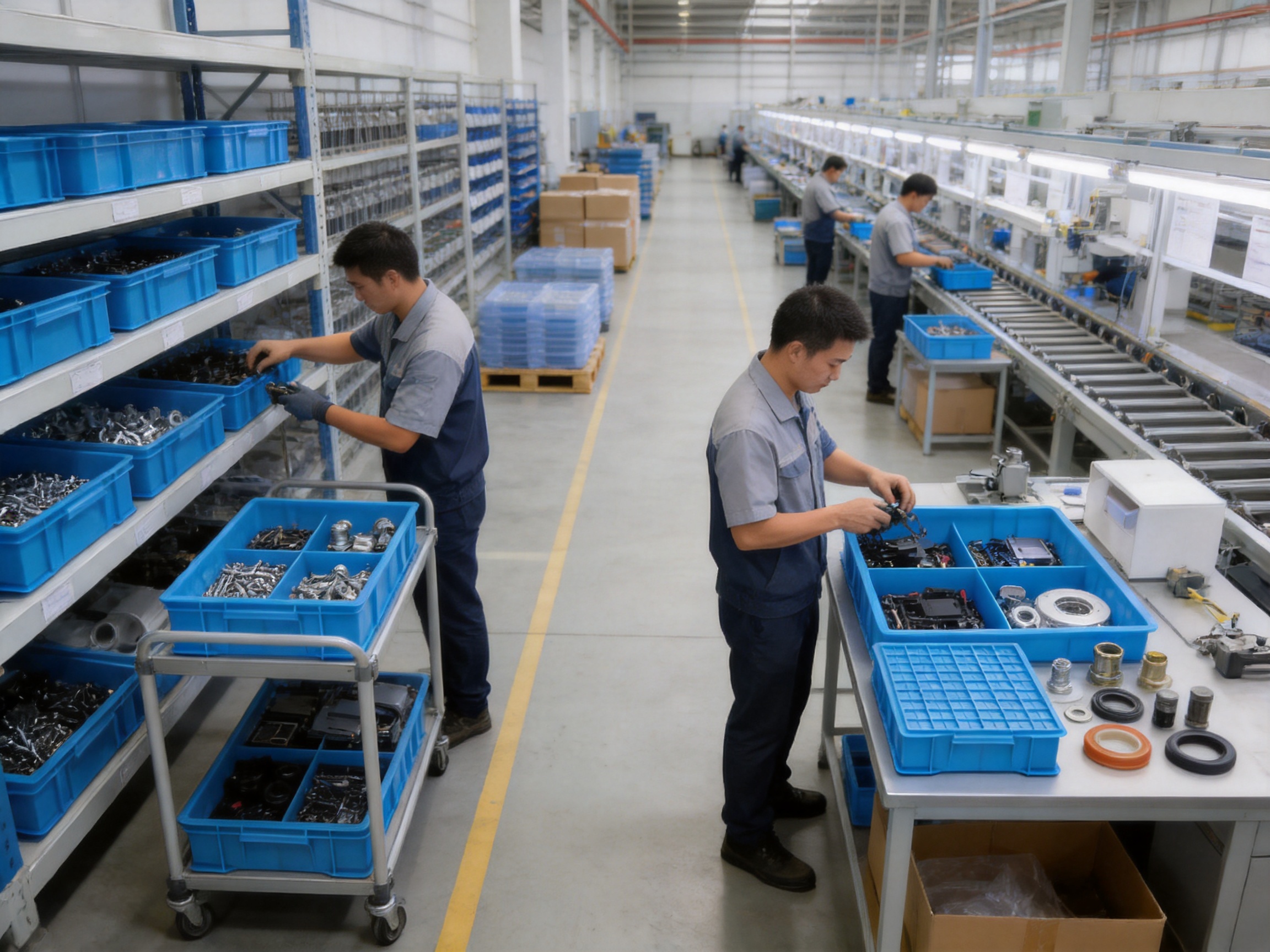
The four-compartment layout can support point-of-use storage. Instead of sending a worker to a central warehouse for every small component, frequently used materials can be kept close to the assembly line or maintenance bench. This reduces walking and improves response time. The tote can also be placed on a mobile cart, allowing an entire group of parts to move with the worker.
Standardization is another benefit. When every department uses consistent containers, employees can understand storage arrangements more quickly. A tote can be assigned a product family, workstation, or replenishment route. Labels, barcodes, color codes, or printed identification cards can be added according to the user's inventory system.
The container can also support the first-in, first-out principle when used with properly planned replenishment. Older stock can be placed in a designated position while newer stock is added behind it. Although the tote itself does not provide automatic inventory rotation, its structured design makes disciplined handling easier to implement.
In a 5S workplace program, the tote contributes to sorting, setting in order, cleaning, standardizing, and sustaining. Unneeded items can be removed from the work area, required components can be assigned to fixed compartments, and the container can be cleaned and returned to its standard position after use.
Applications Across Multiple Industries
Manufacturing Plants
Manufacturing facilities often handle hundreds or thousands of different parts. The tote is suitable for screws, nuts, washers, clips, brackets, electrical terminals, machine accessories, and other components used during production. Its four compartments allow material planners to create organized kits for specific assemblies.
Automotive and Machinery Maintenance
Maintenance teams need quick access to replacement parts and repair materials. A tote can hold different sizes of fasteners, seals, connectors, and fittings required for a particular machine or service task. Its portable design makes it practical for carrying these items between a maintenance room and a production line.
Electronic Assembly
Electronic assembly areas require careful separation of small items such as terminals, cable accessories, clips, housings, and mounting hardware. A compartmentalized tote helps reduce mixing and allows operators to keep related components near the assembly station. Users should apply any required electrostatic-control procedures separately where sensitive electronic components are involved.
Warehouse Picking and Distribution
In order-picking operations, the tote can be used for grouped orders, small-item batching, or temporary staging. Each compartment may correspond to a customer order, product type, or order-processing step. The container's stackable shape helps maintain order on carts, shelves, and staging areas.
E-Commerce Fulfillment
E-commerce operations often process large volumes of small products. The tote can support picking, returns processing, replenishment, and packing preparation. Dividing products into four sections can help workers separate orders or organize accessories that are frequently shipped together.
Hardware and Retail Storage
Hardware distributors and retail backrooms can use the tote for fittings, screws, small tools, plumbing accessories, and repair components. The reusable design is appropriate for back-of-house storage, while the compact dimensions make it suitable for cabinets and service counters.
Educational and Technical Workshops
Schools, laboratories, vocational centers, and technical workshops also benefit from orderly small-parts storage. The tote can hold project materials, fasteners, hand tools, and consumables while helping students or technicians return items to assigned locations.
Manufacturing Process and Quality-Control Strengths
The performance of an industrial tote depends not only on its design but also on how consistently it is manufactured. Yancheng Bingo Machinery Equipment Co., Ltd. describes a production system based on standardized processes, controlled material sourcing, and inspections at every stage. These practices are important because dimensional consistency affects stacking, compartment fit, labeling, and compatibility with storage equipment.
The company states that its production uses virgin material for its PP products. Virgin material can provide more consistent physical properties than uncontrolled recycled mixtures, particularly when manufacturers need stable color, strength, surface finish, and dimensional accuracy. The use of appropriate raw material also supports predictable performance from batch to batch.
Quality control begins with raw-material sourcing. Materials should be checked for identity, appearance, and suitability before entering production. Consistent input materials reduce variation during molding and help ensure that finished products meet the intended design requirements.
During production, standardized operating procedures help control important variables such as material preparation, molding conditions, cooling, trimming, and finishing. Consistency in these areas helps prevent defects including warping, incomplete forming, sharp edges, uneven walls, and dimensional deviations.
Inspection at multiple stages is particularly valuable for storage containers. A final visual inspection can identify obvious defects, but in-process checks can detect problems earlier, reducing the chance that an entire production batch will require rework. Dimensions, weight, appearance, structural integrity, and stacking condition can all be included in a suitable inspection program.
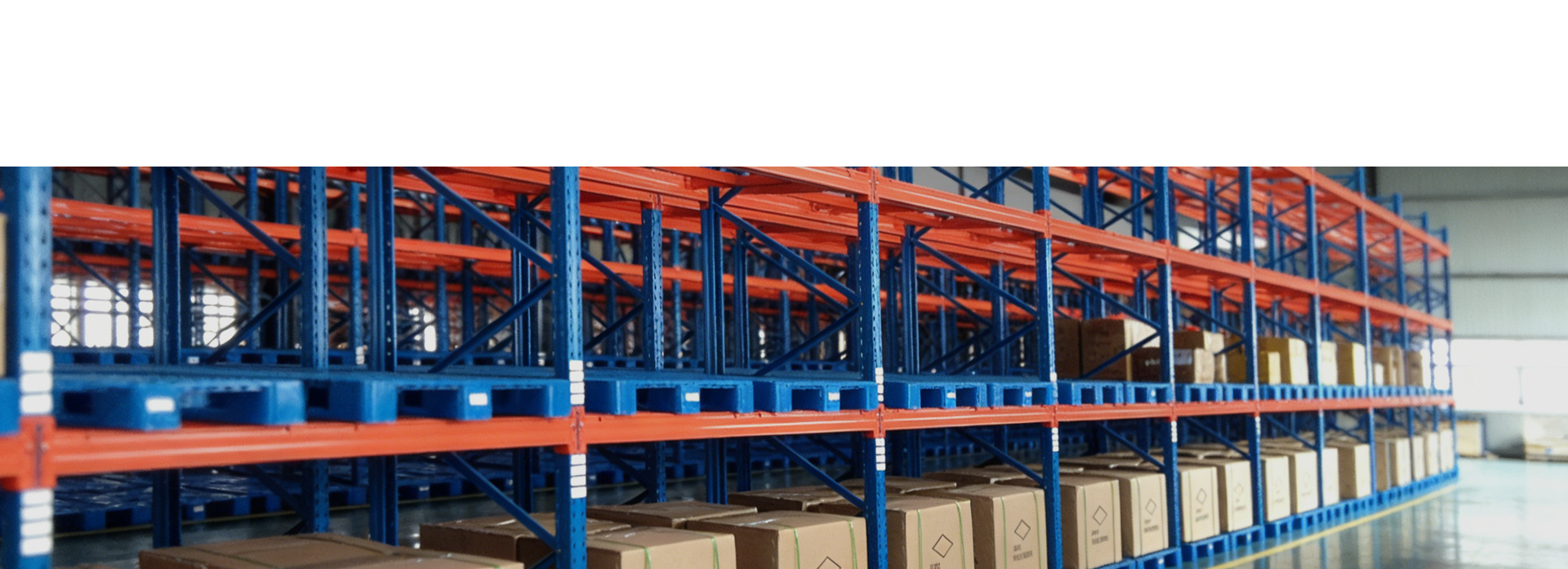
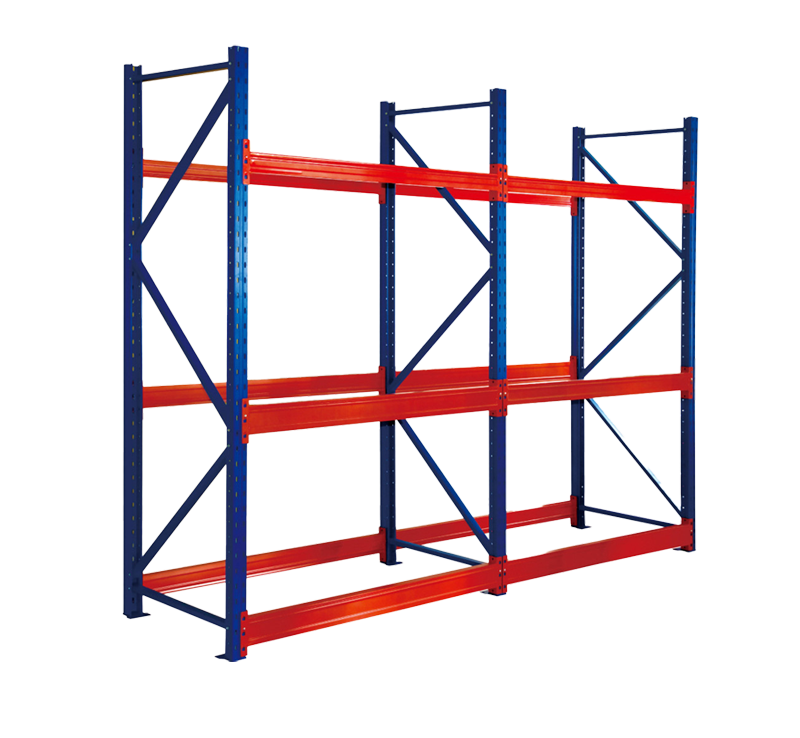
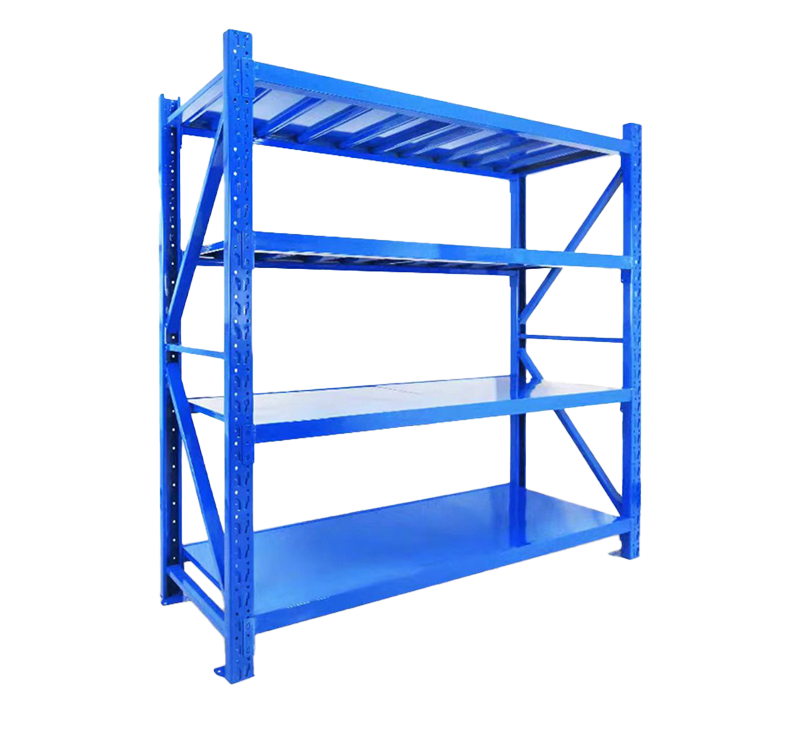
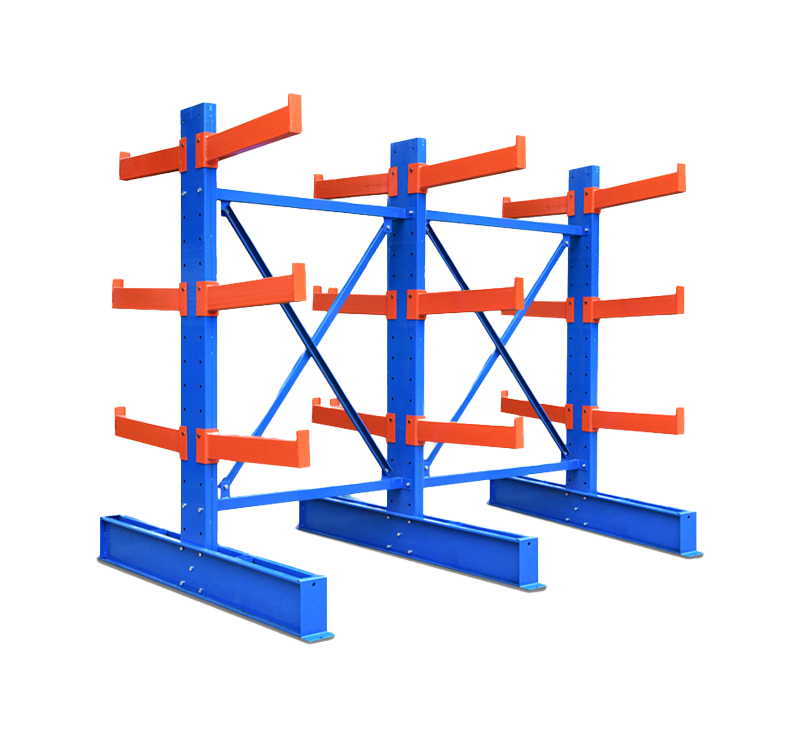
The company's broader business focuses on warehousing and logistics equipment, including handling equipment, storage containers, packaging materials, and warehouse racking. This product knowledge gives the supplier a wider understanding of how a tote interacts with pallets, shelves, carts, racks, and material-flow procedures. Customers can therefore source a container as part of a broader logistics solution rather than treating it as an isolated item.
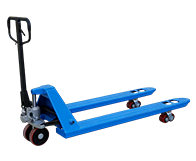
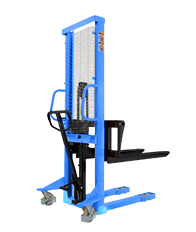
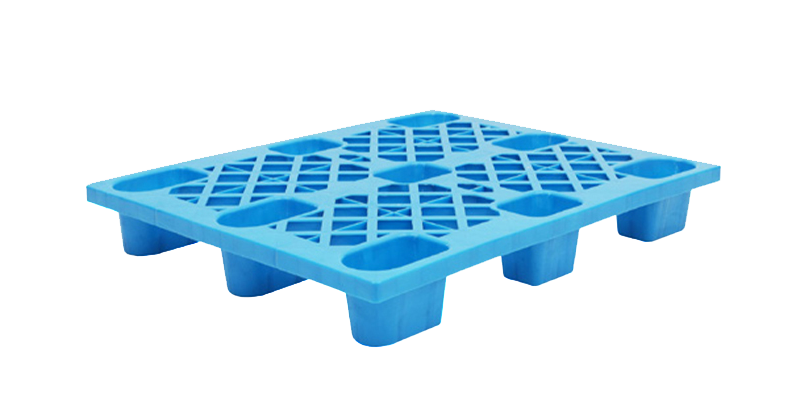
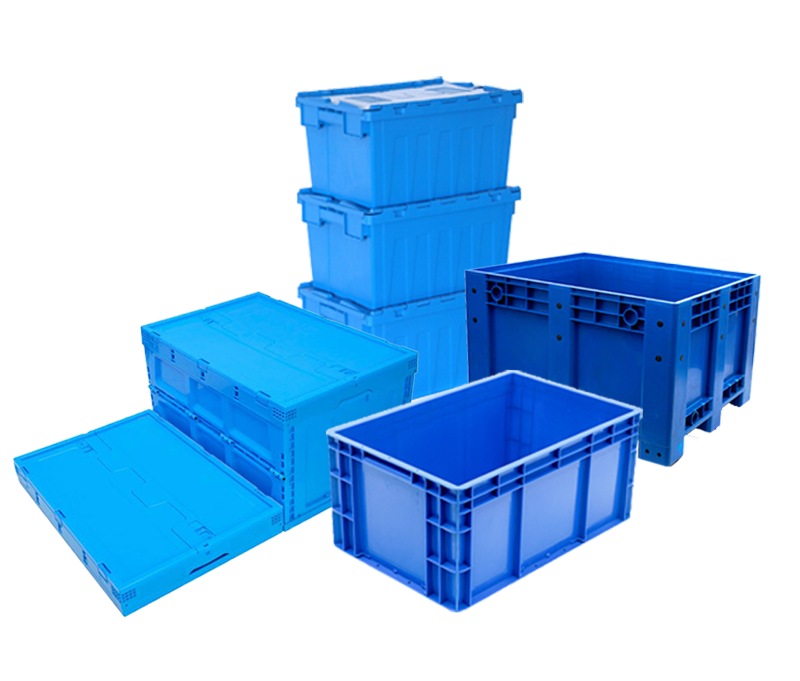
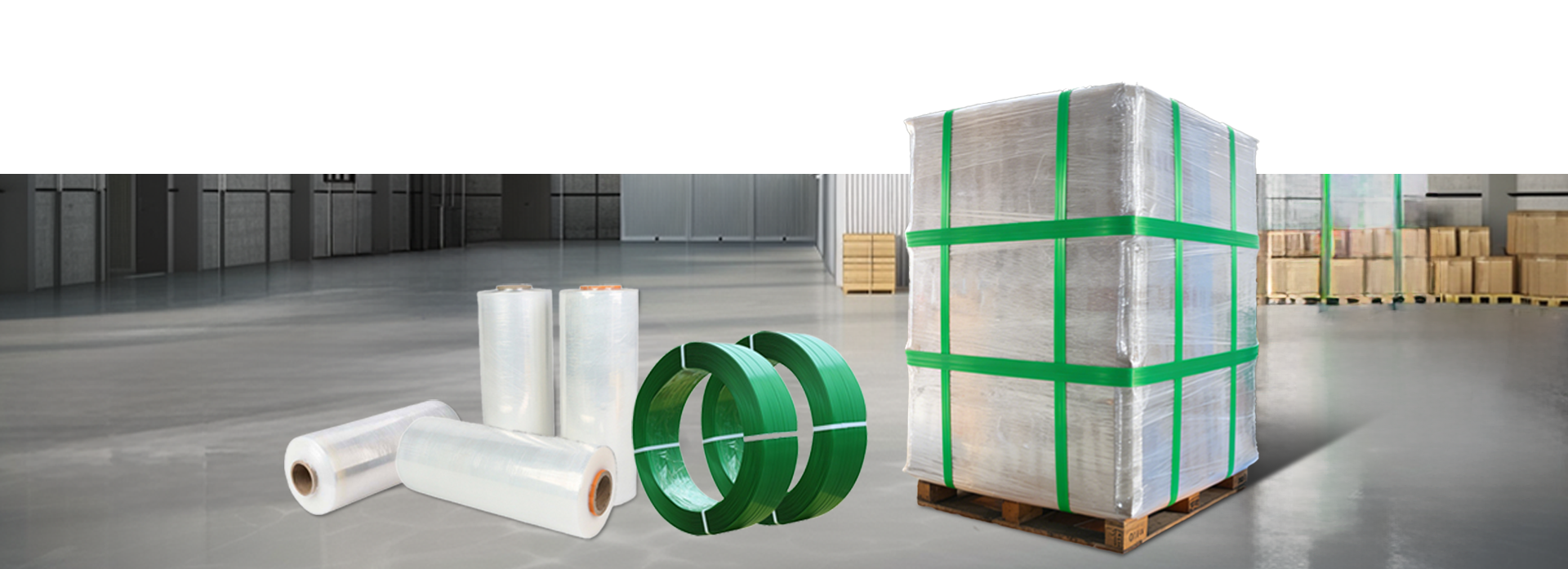
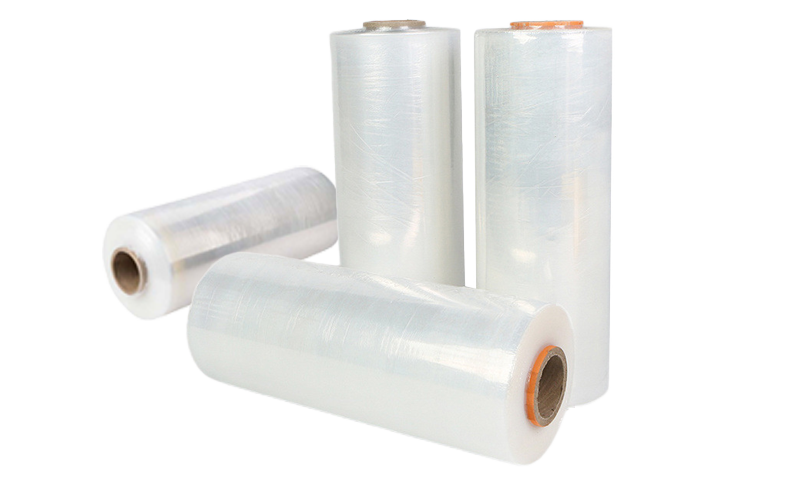
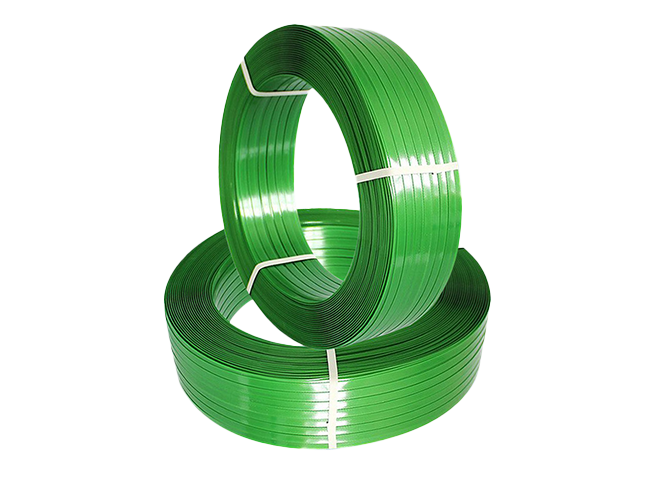
In addition to storage containers, the company supplies manual and electric pallet trucks, stackers, plastic pallets, crates, bulk containers, stretch wrap, packing strapping, and warehouse racks. This range can help customers coordinate dimensions, storage practices, and handling methods across different areas of a facility.
Customization, Colors, and Supply Flexibility
The supplied information indicates that multiple colors and full specifications are available across the product range, with customization supported for suitable requirements. Color coding can be useful in practical warehouse management. For example, one color may identify raw materials, another may identify finished goods, and a third may indicate maintenance or quality-control items.
Color coding can also support safety and process visibility. A red container might be designated for nonconforming products, while blue or green containers may be used for approved stock. The exact system should be defined by the customer and applied consistently across the facility.
Customization may involve color, labeling, packaging, or other specifications, depending on order quantity and production capability. Customers should communicate the intended application, required dimensions, expected load, storage conditions, and labeling method before confirming a customized order.
Availability from stock can be an important advantage for companies with urgent replenishment needs. The provided information states that selected products are in stock and ready to ship. Stock availability can shorten procurement cycles and help customers avoid production interruptions caused by a shortage of basic storage equipment.
For large projects, customers should request confirmation of current inventory, lead time, packaging arrangement, minimum order quantity, and shipping details. These factors can vary according to color, customization, order volume, and destination.
Ergonomic and Operational Benefits
Ergonomics is often overlooked when selecting storage containers, even though employees may handle the same tote many times each day. A 0.6-kilogram empty tote is relatively easy to move, and its low profile allows workers to access contents without reaching deeply into a tall container.
The compartment structure can reduce repeated searching. Instead of sorting through one large mass of mixed parts, a worker can go directly to the assigned section. This can reduce hand movement, visual strain, and the time spent identifying components.
For workstation use, the tote can be positioned near the operator's normal working area. Frequently used items should be placed in the easiest-to-reach compartments, while less frequently used parts can be assigned to other sections. This simple arrangement can improve workflow without requiring expensive automation.
For warehouse workers, the tote also supports cleaner picking routes. Related items can be collected together, transported in a single unit, and returned to their standard storage location. Fewer individual packages can mean fewer opportunities for items to be dropped or separated during movement.
Cleaning, Maintenance, and Service Life
Reusable plastic totes should be included in a routine inspection and cleaning program. Dust, oil, labels, and residue can accumulate over time, particularly in manufacturing and maintenance areas. The PP surface can generally be wiped with a suitable mild cleaning solution and dried before the tote is returned to service.
Users should avoid cleaning chemicals that may attack polypropylene or weaken labels and adhesives. If the tote is used with oils, lubricants, or industrial chemicals, the facility should confirm compatibility and establish a specific cleaning procedure.
Regular inspection should focus on cracks, deep scratches, deformation, damaged edges, and signs of excessive stress. A damaged tote should not be used for loads or stacking arrangements beyond its safe condition. Removing damaged containers from circulation protects both the stored components and the workers handling them.
Labels should also be maintained. A tote that is physically well preserved but poorly identified can still create inventory problems. Replace faded, damaged, or confusing labels and ensure that product codes remain legible from the normal picking position.
Correct loading contributes to service life. Heavy items should be distributed evenly among the compartments rather than concentrated in one area. Sharp or pointed objects should be packed in a way that prevents them from cutting into the plastic or creating a handling hazard. The tote should not be dragged across rough surfaces when it can be lifted or placed on suitable equipment.
Implementation Guide for a Warehouse or Factory
Step One: Identify the Storage Problem
Begin by listing the small parts that are currently mixed, misplaced, stored in disposable packaging, or difficult to access. Record the dimensions and approximate quantity of each part. This information helps determine whether the four-compartment tote is appropriate for the intended application.
Step Two: Assign Each Compartment
Create a simple storage rule for the four sections. Compartments can be assigned by part number, size, production sequence, customer order, or usage frequency. Avoid changing the arrangement from one shift to another unless the change is documented.
Step Three: Choose Identification Methods
Use labels, printed cards, barcodes, or color coding to identify the contents. The label should include enough information for accurate selection, such as part number, description, quantity, and revision or size where necessary.
Step Four: Plan the Storage Location
Place the tote on a shelf, cabinet, cart, or workstation where it can be accessed safely. Check that the surrounding area permits comfortable lifting and that stacked units remain stable. Keep frequently used totes close to the point of use.
Step Five: Establish Replenishment Rules
Define the minimum and maximum quantity for each compartment. When a compartment reaches its minimum level, the responsible employee should trigger replenishment. This can be done through a visual card, barcode scan, inventory system, or scheduled inspection.
Step Six: Train Employees
Explain what each compartment is for, how the tote should be stacked, how parts should be returned, and how damaged containers should be reported. A short standard operating instruction can prevent inconsistent use.
Step Seven: Review the Results
After implementation, measure search time, picking errors, replenishment delays, and workstation cleanliness. If the tote is used correctly, the organization should see clearer material locations and easier access to small components. Adjust labels or compartment assignments when operational experience identifies a better arrangement.
Purchasing Considerations
When evaluating a divided plastic tote, buyers should consider more than the initial unit price. The total value includes service life, reusability, storage density, labor savings, compatibility with existing equipment, and the reduction of picking or assembly errors.
Confirm the material specification before ordering. The product described here is specified as PP. Some industrial storage ranges may also include HDPE products, which have their own performance characteristics. Customers should make sure that the material selected matches the intended temperature, chemical, load, and cleaning conditions.
Check both external and internal dimensions. External dimensions determine whether the tote fits on a shelf or pallet, while internal dimensions determine whether the required components will fit. The compartment dimensions are especially important when storing long, wide, or irregularly shaped parts.
Ask about color availability, customization, packaging, stock status, and shipping schedule. For export orders, customers should also confirm carton quantities, palletization, loading plans, and documentation requirements. These details support smoother logistics and more accurate landed-cost calculations.
Frequently Asked Questions
What is the BG-372708-DT tote designed to store?
It is designed for small parts, components, tools, hardware, fittings, fasteners, and similar materials used in factories, warehouses, workshops, maintenance departments, and distribution operations.
How many compartments does the tote have?
The product has four separated internal compartments. Each compartment is approximately 170 × 122 × 55 millimeters, subject to the stated product specification and manufacturing tolerance.
What material is used to manufacture the tote?
The product specification identifies polypropylene, or PP, as the material. PP provides a practical combination of low weight, stiffness, moisture resistance, and resistance to ordinary handling impacts.
What are the overall dimensions?
The external dimensions are 372 × 276 × 80 millimeters. The internal dimensions are approximately 347 × 250 × 75 millimeters.
Is the tote suitable for stacking?
Yes. The tote has a stackable design intended for organized storage and transportation. Stacking height and load should be determined according to the actual operating conditions, product load, surface stability, and applicable workplace safety procedures.
Can the tote replace cardboard cartons?
For repeated-use small-parts storage, it can provide advantages over cardboard because it is more resistant to moisture, maintains its shape, and is easier to clean and reuse. Cardboard may still be suitable for temporary, lightweight, or disposable packaging applications.
Can different types of parts be stored in one tote?
Yes. The four compartments are intended to keep different parts separated within one container. Users should assign each compartment clearly and apply labels to prevent confusion.
Is the tote suitable for chemicals?
PP resists moisture and many common substances, but chemical compatibility depends on the specific chemical, concentration, temperature, exposure time, and stress condition. Users should conduct a compatibility review before storing hazardous or aggressive chemicals.
Can the tote be customized?
The supplied company information indicates that customization is supported for suitable product requirements. Customers should discuss color, labeling, dimensions, packaging, order quantity, and other requirements before placing an order.
Is the product available from stock?
The supplied information states that selected products are in stock and ready to ship. Current availability should be confirmed for the required quantity, color, specification, and destination.
How should the tote be cleaned?
Use a suitable mild cleaning solution and a soft cloth or brush, then dry the tote before reuse. Avoid chemicals that may damage polypropylene, and establish a specialized procedure if the tote is exposed to oils, solvents, or industrial residues.
What industries can use this product?
Typical applications include manufacturing, machinery maintenance, electronic assembly, automotive service, warehouse distribution, e-commerce fulfillment, hardware storage, retail backrooms, technical workshops, and general material handling.
What makes this tote different from a single-compartment bin?
The four-compartment layout allows several related groups of parts to remain together while preventing them from mixing. This can improve organization, reduce search time, and simplify kitting or replenishment.
How does the supplier support larger logistics projects?
Yancheng Bingo Machinery Equipment Co., Ltd. supplies a wider range of warehousing and logistics products, including pallet trucks, stackers, plastic pallets, crates, bulk containers, packaging materials, and warehouse racks. This enables customers to coordinate storage and handling equipment through one supplier.
Supplier Capability and Integrated Logistics Support
Yancheng Bingo Machinery Equipment Co., Ltd. positions itself as a supplier of warehousing and logistics equipment for customers in different industries and markets. Its product range covers four major areas: handling equipment, storage containers, packaging materials, and warehouse racking.
This integrated product structure can be useful for customers developing or upgrading a warehouse. A storage tote is most effective when it fits into a larger system that may include pallets, racks, carts, pallet trucks, stackers, packaging stations, and defined material routes. A supplier familiar with these connected requirements can help buyers evaluate product compatibility more efficiently.
The company emphasizes quality-first manufacturing, standardized processes, and strict inspection. These strengths are relevant to buyers who need repeatable products for multi-site operations or large-scale warehouse rollouts. Consistent dimensions and reliable supply are especially important when a tote becomes part of a standardized storage layout.
The company also highlights its ability to serve industries such as manufacturing, e-commerce logistics, warehousing and distribution, and supermarket retail. These industries have different storage patterns, but all depend on clear organization, safe handling, and efficient movement of goods.
For international buyers, supplier communication is an important part of project success. Product specifications, quantities, customization requirements, packaging, delivery schedules, and after-sales expectations should be documented clearly. A detailed technical and commercial review helps ensure that the selected tote matches the actual operating environment.
Conclusion
The BG-372708-DT 4-compartment dividable plastic tote box is a practical solution for businesses that need better control over small parts and compact materials. Its four-section layout provides separation within a single reusable container, while the PP construction offers a useful balance of durability, low weight, moisture resistance, and impact resistance.
Its 372 × 276 × 80 millimeter external size makes it suitable for shelves, workbenches, cabinets, carts, and warehouse storage areas. The stackable design supports vertical space utilization, and the approximate 0.6-kilogram empty weight allows convenient manual handling. Compared with cardboard boxes, loose bins, disposable bags, and single-compartment containers, the tote can provide better organization and more dependable long-term reuse.
The product is especially valuable when integrated into a broader material-management system. By assigning each compartment a defined purpose, labeling the contents, establishing replenishment rules, and placing the tote at the point of use, companies can reduce searching, improve picking accuracy, and create more consistent workstations.
The supplier's strengths in storage containers, handling equipment, packaging materials, and warehouse racks provide an additional advantage for customers seeking coordinated logistics solutions. Its stated use of standardized manufacturing processes, virgin material for PP products, and inspections throughout production supports the consistent quality expected in professional warehouse environments.
For factories, maintenance departments, distribution centers, e-commerce operations, and workshops, the divided tote offers a simple but effective improvement. It does not require complex technology to deliver value. Through physical separation, reusable construction, and efficient stacking, it helps transform scattered small parts into an organized, accessible, and manageable inventory system.
References
1. Product specification sheet for BG-372708-DT 4-Compartment Dividable Plastic Tote Box.
2. Internal product information concerning polypropylene storage containers, stackable designs, color options, customization, and stock availability.
3. Manufacturing and quality-control information supplied by Yancheng Bingo Machinery Equipment Co., Ltd.
4. General industrial guidance on warehouse organization, small-parts storage, reusable material-handling containers, and lean workplace practices.
5. General polypropylene material information relating to moisture resistance, impact resistance, chemical resistance, and reusable industrial applications.
Product: 4-Compartment Dividable Plastic Tote Box for Factory Small Parts

Copyright @ Yancheng Bingo Machinery Equipment Co., Ltd. All rights reserved Warehouse Logistics Equipment Manufacturer Pallet Truck Supplier
