 en
en  Español

How a 3-Compartment Dividable Plastic Tote Improves Small-Part Storage and Warehouse Efficiency
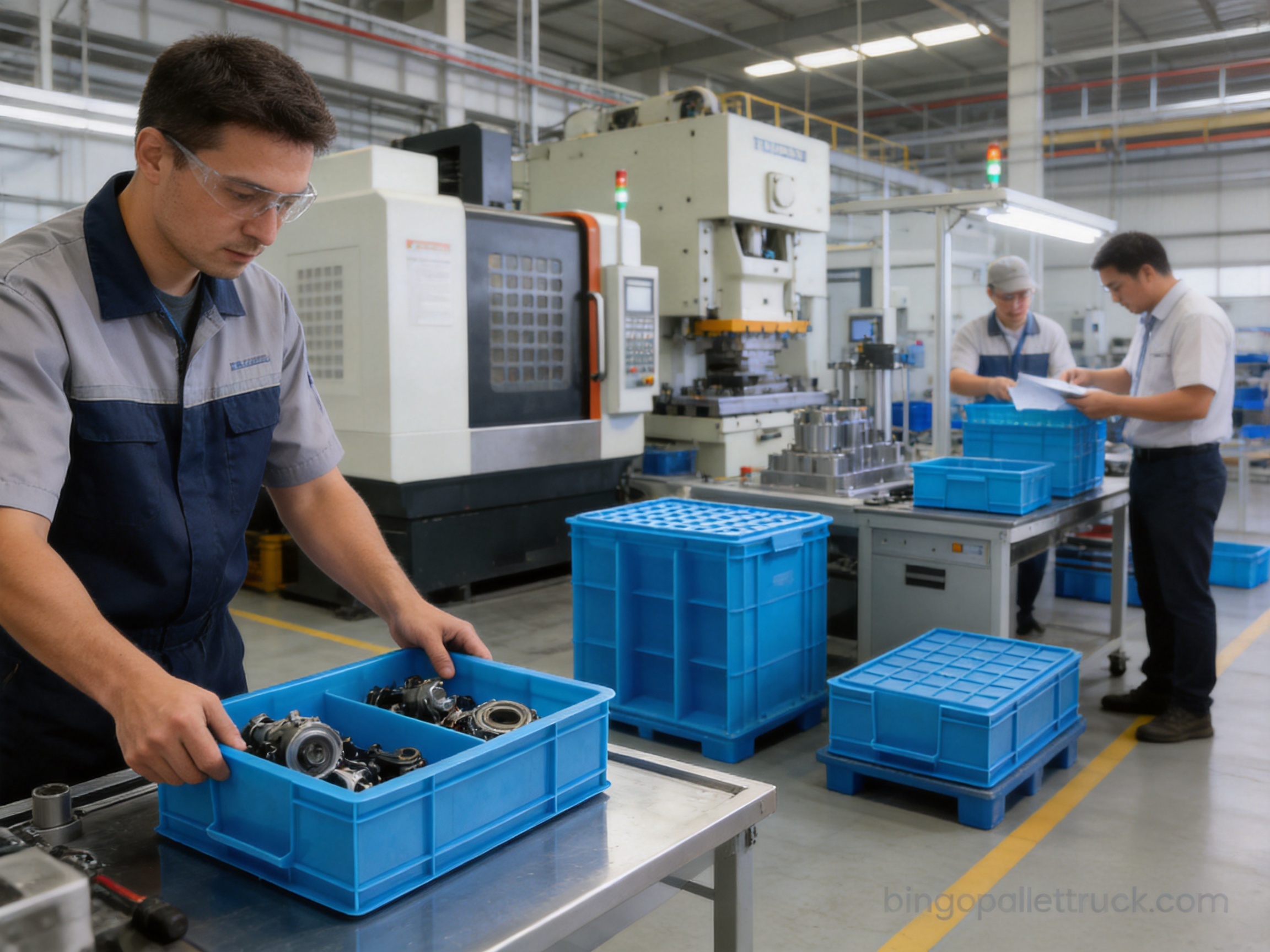
Efficient storage begins with a simple question: can every item be stored, identified, moved, and retrieved without unnecessary handling? In warehouses, workshops, assembly lines, maintenance departments, and distribution centers, small machine parts often create a disproportionate organizational challenge. Fasteners, fittings, bearings, electrical components, tools, seals, and replacement parts may be individually small, but their combined volume, variety, and importance make them difficult to manage without a structured storage system.
The 3-Compartment Dividable Plastic Tote for Small Machine Parts, model BG-352008-DT, is designed to address this challenge. It combines three integrated storage sections with a durable polypropylene body, reinforced structural features, standardized dimensions, and a stackable format. Instead of allowing numerous small components to become mixed together in a large open bin, the tote provides clearly separated compartments within one compact container.
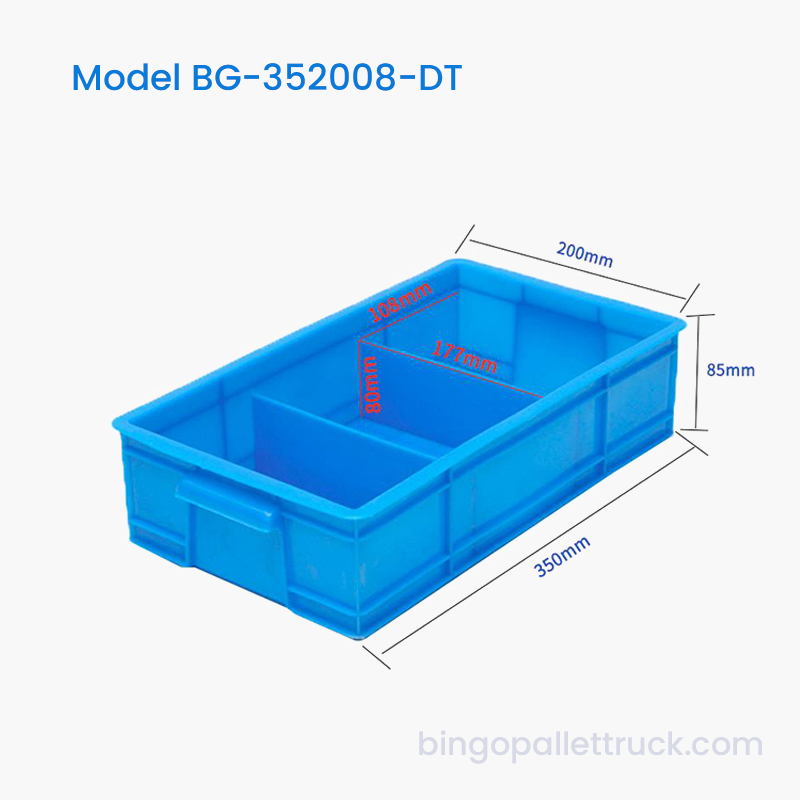
With external dimensions of 350 × 200 × 85 mm, internal dimensions of 325 × 177 × 80 mm, and a net weight of only 0.36 kg, this tote offers a practical balance between capacity, portability, and space efficiency. Its three-compartment layout is especially suitable for operations that require several related components to remain together while still being separated for faster identification and handling.
Unlike improvised cardboard cartons, thin disposable boxes, or loosely arranged open containers, a precision-molded plastic tote can support repeatable warehouse processes. It can be stacked, cleaned, reused, labeled, transported, and integrated into organized workstations. These features make it more than a storage box. It becomes part of a broader material-flow system that supports inventory accuracy, workplace organization, and operational efficiency.
Content
- 1 Why Small-Part Organization Matters
- 2 Product Overview
- 3 Three Compartments for Better Inventory Control
- 4 Material Advantages of Polypropylene
- 5 Structural Design for Load Stability
- 6 Space-Saving Storage and Transport
- 7 Advantages Compared with Conventional Storage Options
- 8 Manufacturing Process and Quality Focus
- 9 Engineering Details That Support Practical Use
- 10 Applications Across Industrial and Commercial Operations
- 11 Supporting Lean Warehousing and Workplace Organization
- 12 Cleaning, Maintenance, and Service Life
- 13 Color Options and Customization Potential
- 14 How to Implement the Totes in a Warehouse
- 15 Procurement Considerations for Business Buyers
- 16 Supplier Manufacturing and Service Strengths
- 17 Environmental and Reuse Benefits
- 18 Safety and Operational Best Practices
- 19 Frequently Asked Questions
- 19.1 What material is used to make the tote?
- 19.2 How many compartments does the product have?
- 19.3 What are the external dimensions?
- 19.4 What are the internal dimensions?
- 19.5 How much does the empty tote weigh?
- 19.6 Is the tote stackable?
- 19.7 Can the tote be cleaned?
- 19.8 What types of parts are suitable for the tote?
- 19.9 Can different colors be requested?
- 19.10 Is customization available?
- 19.11 Can the tote be used in automated operations?
- 19.12 How does the tote compare with cardboard packaging?
- 19.13 What quality controls are used during manufacturing?
- 19.14 How should users choose the correct quantity?
- 20 Conclusion
- 21 References
- 22 Product: 3-Compartment Dividable Plastic Tote Box for Small Machine Parts
Why Small-Part Organization Matters
Small machine parts are often high-value items even when their individual purchase price is modest. A missing washer, incorrectly selected bearing, misplaced connector, or mixed fastener can delay production and create additional labor costs. When parts are stored without clear separation, employees spend more time searching, counting, sorting, and verifying inventory.
Traditional storage methods may appear inexpensive at the beginning, but their indirect costs can be significant. Open cardboard cartons can collapse under repeated use. Plastic bags can tear or become difficult to identify when several similar items are stored together. Large undivided bins can hold a high volume of components, but they often make picking slower and increase the chance of mixing parts.
A divided tote supports a more disciplined storage method. Each section can be assigned to a specific component, part number, production order, repair task, or process stage. This helps users visually confirm whether the correct item is in the correct location. It also reduces unnecessary movement between containers, because related parts can be kept together in one tote while remaining physically separated.
For manufacturing companies, this organization can support line-side replenishment. For maintenance teams, it can help keep repair kits arranged by machine or service task. In e-commerce fulfillment, the compartments can be used for small-order picking. In technical workshops, the tote can hold compatible component groups or frequently used consumables.
Product Overview
The BG-352008-DT is a three-compartment dividable plastic tote made from polypropylene, commonly abbreviated as PP. The material is selected for its balance of strength, low weight, chemical resistance, and suitability for reusable industrial containers. The tote is precision-molded to maintain a consistent shape and provide dependable dimensional stability during normal storage and handling operations.
The tote features a reinforced ribbed base, reinforced side walls, and integrated partitions. These elements work together to improve load stability and help the container retain its form when stacked or transported. The partitions create three separate areas inside the tote, allowing small components to be organized according to size, type, destination, or use frequency.
Its smooth, non-porous surface supports easy cleaning. This is particularly useful in applications where dust, oil, metal shavings, or other workshop residue may accumulate. Unlike absorbent paper-based packaging, molded polypropylene does not readily retain moisture or surface contaminants. The container can therefore be wiped, washed, and returned to service more easily than many disposable alternatives.
| Item | Specification |
| Product Type | 3-compartment dividable plastic tote |
| Model | BG-352008-DT |
| Material | Polypropylene (PP) |
| External Dimensions | 350 × 200 × 85 mm |
| Internal Dimensions | 325 × 177 × 80 mm |
| Net Weight | 0.36 kg |
| Internal Compartment Size | 177 × 108 × 80 mm |
| Compartment Count | 3 |
| Primary Applications | Small machine parts, components, tools, hardware, and inventory organization |
Three Compartments for Better Inventory Control
The main advantage of the product is its internal division. A single large box may offer volume, but volume alone does not guarantee organization. The three-compartment arrangement introduces structure without requiring three separate containers.
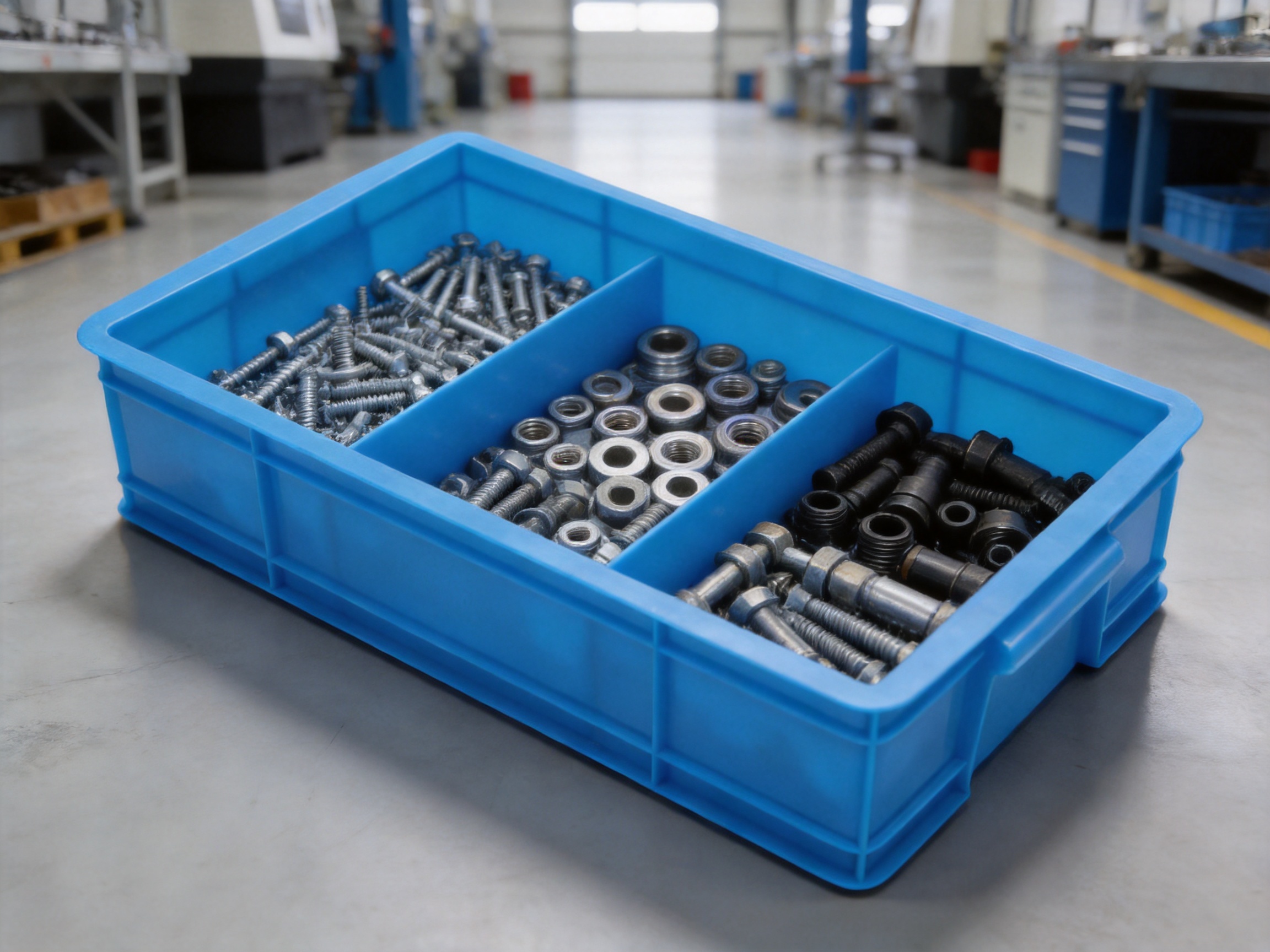
Users can assign each compartment according to the requirements of a particular workflow. For example, a maintenance technician may store screws, washers, and nuts for one repair task in the same tote. A production operator may separate three sizes of fittings used at one workstation. A distributor may place three related stock-keeping units in one container while preventing them from becoming mixed.
This arrangement can reduce the number of containers required for a small collection of related parts. Fewer containers may mean fewer labels, less shelf space, and fewer opportunities for a part to be separated from its associated items. The tote can also be moved as one unit from a storage rack to a picking station, assembly bench, service cart, or inspection area.
Compartmentalization is also valuable for visual control. When the three sections are used consistently, operators can quickly see whether a compartment is full, partially stocked, or empty. This supports simple replenishment signals and makes abnormal conditions easier to notice. A missing component is more apparent when each part has a designated location.
The internal compartment size of 177 × 108 × 80 mm provides a useful format for many small parts while preserving a compact overall footprint. Since the product is not excessively deep, users can reach the contents without having to search through a tall pile of material. This can be especially useful in workstations where speed and visibility are important.
Material Advantages of Polypropylene
Polypropylene is widely used in reusable industrial containers because it provides a practical combination of durability and light weight. A tote made from PP can withstand repeated handling better than many disposable packaging materials. Its low density also helps keep the empty container manageable for workers and economical to transport.
The material’s resistance to moisture is useful in warehouses and production environments where containers may be exposed to humidity, condensation, or routine cleaning. A non-porous polypropylene surface does not behave like paper or untreated wood, both of which can absorb moisture and become weakened over time.
Polypropylene also offers resistance to many common substances encountered in industrial settings. While the exact compatibility depends on concentration, temperature, exposure time, and the specific chemical involved, PP is generally suitable for handling many oils, greases, detergents, and routine cleaning solutions. Users should verify chemical compatibility before applying aggressive solvents or high-temperature cleaning processes.
The smooth molded surface supports easier removal of dust and debris. This can help prevent contamination from transferring between storage areas. A cleanable tote is also more suitable for repeated circulation between receiving, storage, production, inspection, and dispatch operations.
Another important benefit is reusability. A durable tote can replace a succession of single-use cartons or bags. This may reduce packaging waste and provide a more consistent storage format throughout a facility. Reuse also makes it easier to standardize labels, stacking patterns, and material-flow procedures.
Structural Design for Load Stability
The tote incorporates a reinforced ribbed base. Ribs can increase stiffness by adding structural support to a relatively thin molded section. This helps the base resist flexing when the container carries a load or is placed on a shelf, pallet, trolley, or conveyor surface.
Reinforced side walls contribute to overall shape retention. When containers are moved frequently or arranged in vertical stacks, side-wall rigidity helps reduce deformation. A stable tote is easier to align with other containers and less likely to create uneven stacking conditions.
The integrated partitions provide more than separation. They also help control the movement of contents inside the container. Small components are less likely to migrate freely across the full internal area, which can reduce mixing and make picking more predictable.
For stacking operations, the combination of a reinforced base and stable walls is especially valuable. Containers that deform easily may become difficult to align, causing stacks to lean or shift. A well-formed tote supports a more orderly storage arrangement and can contribute to safer use of vertical space. The supplied product information indicates that stackable storage can reach more than ten layers under suitable conditions. Actual stacking limits should always be evaluated according to load weight, rack design, floor conditions, and facility safety procedures.
Structural strength does not mean that the tote should be overloaded. The appropriate load depends on the type and density of the stored parts, the duration of stacking, temperature, handling method, and the condition of the container. Users should establish internal load guidelines and inspect totes regularly for cracks, distortion, or damage.
Space-Saving Storage and Transport
Warehouse space is one of the most expensive resources in a logistics operation. The product’s footprint of 350 × 200 mm allows it to fit into many shelving, workbench, and workstation layouts. Its 85 mm external height also makes it suitable for low-profile storage areas where taller bins may waste vertical clearance.
The compact format can help businesses use shelf space more efficiently. Instead of placing small parts in oversized containers with unused internal volume, operators can select a tote that is closer to the actual scale of the inventory. This may improve visibility and reduce the amount of empty air transported or stored around the goods.
Space efficiency is also important during internal movement. A tote that holds several related groups of parts can reduce the number of trips required between storage and the point of use. When multiple totes are arranged in a standardized pattern, carts, shelves, racks, and staging areas can be planned more effectively.
In distribution and returnable packaging systems, reusable containers can support a consistent circulation loop. Empty totes can be collected, cleaned, relabeled, and redeployed. This creates a repeatable packaging format that is easier to manage than a mixture of random boxes and temporary containers.
For automated operations, consistent dimensions are especially useful. Conveyors, shelving systems, picking stations, and robotic handling equipment generally perform better when containers have predictable external geometry. Although automation compatibility must be confirmed for each system, standardized molded dimensions provide a better starting point than irregular cartons or improvised packaging.
3-Compartment Dividable Plastic Tote Box for Small Machine Parts
Advantages Compared with Conventional Storage Options
Compared with Cardboard Boxes
Cardboard boxes are inexpensive and widely available, but they are not always suitable for repetitive industrial use. They may soften when exposed to moisture, tear at corners, collapse under stacking pressure, and retain dust or oil. Their dimensions can also vary, and repeated opening may damage flaps or labels.
The polypropylene tote offers a more durable and reusable alternative. Its smooth surface is easier to clean, and its molded structure maintains a more consistent shape. Integrated partitions also provide internal organization that a standard cardboard carton usually lacks.
Compared with Plastic Bags
Plastic bags are useful for very small quantities, but they can be difficult to arrange in a warehouse. Bags may slide, collapse, conceal labels, and become mixed with other bags. They also provide little protection from crushing or accidental puncture.
A rigid divided tote keeps components in a defined position and presents a more stable storage unit. Bags may still be placed inside the compartments when additional separation or dust protection is required, but the tote supplies the structural organization that bags alone cannot provide.
Compared with Undivided Bins
Undivided bins can hold larger quantities, but they often force users to search through mixed parts. This can increase picking time and raise the risk of incorrect selection. If different items are similar in appearance, mixing can lead to assembly errors or inventory discrepancies.
The three-compartment design provides separation without multiplying the number of containers. This is a practical middle ground between one large mixed bin and several isolated small boxes.
Compared with Low-Quality Thin-Wall Containers
Low-cost containers may have thin walls, weak corners, uneven bases, or poor dimensional consistency. They can be difficult to stack and may lose their shape when loaded. Even when the purchase price is lower, frequent replacement and operational disruption can increase total ownership costs.
The reinforced ribbed base and side walls of this tote are intended to support more reliable repeated use. Precision molding also helps create a consistent container geometry, which is important for stacking and standardized storage.
Manufacturing Process and Quality Focus
The product is precision-molded from polypropylene. In a typical industrial molding process, approved polymer material is prepared, heated to a controlled processing temperature, injected into a shaped mold, cooled, and released after the part has stabilized. The mold defines the external dimensions, internal spaces, ribs, walls, and integrated partitions.
Precision in the molding stage is important because container performance depends on more than appearance. Dimensional variation can affect stack alignment, shelf fit, compartment capacity, and compatibility with material-handling equipment. A controlled process helps produce totes that are more consistent from one production batch to another.
Material preparation is another important stage. The supplied manufacturing information emphasizes the use of virgin PP material and strict quality control from raw-material sourcing through production. Consistent material selection can help support predictable strength, surface finish, and molding behavior. It also reduces the uncertainty that may arise when uncontrolled recycled inputs are used without appropriate testing.
Quality control should address the complete product, not only the finished visual appearance. Relevant checks may include material verification, dimensional inspection, weight confirmation, surface inspection, partition integrity, base flatness, and stacking fit. Production teams can also monitor molding conditions such as temperature, pressure, cooling time, and cycle stability.
Inspection at multiple stages helps identify defects earlier. Raw-material checks can prevent unsuitable material from entering production. In-process checks can reveal molding instability, incomplete filling, warping, flash, or dimensional drift. Final inspection can confirm that finished totes meet the required product specification before packing and shipment.
Standardized production procedures are valuable because they make quality repeatable. When operators follow documented work instructions, use calibrated measuring equipment, and record inspection results, the manufacturing process becomes easier to control and improve. This is particularly important for business customers that purchase containers in volume and need consistent performance across multiple orders.
The manufacturer’s stated focus on streamlined processes, strict standards, and inspection at every stage supports a more dependable supply model. For customers, this can reduce variation in storage systems and make it easier to establish standard operating procedures across different warehouse zones.
Engineering Details That Support Practical Use
The external dimensions of 350 × 200 × 85 mm provide a compact rectangular format. The internal dimensions of 325 × 177 × 80 mm indicate that the walls, base, and structural features occupy a controlled portion of the overall footprint while preserving useful storage capacity.
The difference between the external and internal dimensions is necessary for wall thickness, reinforcement, rim structure, and molding geometry. These features contribute to the container’s durability and ability to maintain its shape. A container with extremely thin walls may offer slightly more nominal volume, but it can sacrifice stability and service life.
The 0.36 kg net weight is light enough for frequent manual handling. In a picking environment, employees may lift and reposition containers dozens or hundreds of times during a shift. Keeping the empty container relatively light helps reduce unnecessary handling effort while retaining the advantages of a rigid reusable structure.
The 80 mm internal height is appropriate for many small machine parts that do not require deep storage. Lower internal height can improve visibility because the contents are closer to the top opening. It can also make counting and picking easier than a deep container filled with loose components.
The internal compartment size is a useful reference for storage planning. Before purchasing, users should compare the dimensions with the largest item to be stored, allowing additional clearance for easy insertion and removal. It is also advisable to consider whether components will be placed loose, bagged, boxed, or fitted with protective wrapping.
Applications Across Industrial and Commercial Operations
Manufacturing and Assembly
Assembly lines require parts to be available at the correct workstation and in the correct sequence. The divided tote can hold several components associated with one assembly step, helping operators keep frequently used items together. Its compact size makes it suitable for line-side racks, mobile carts, and workbenches.
Production supervisors can assign compartments according to assembly order. For example, the first section may contain fasteners, the second may contain brackets, and the third may contain finishing components. This arrangement can support visual work instructions and reduce the need for operators to open multiple containers.
Maintenance and Repair
Maintenance departments often need to prepare small groups of parts before visiting a machine or work area. A divided tote can be used as a service kit for a particular asset, repair order, or scheduled maintenance task. Related components remain together, while the partitions prevent them from becoming mixed.
After the repair is complete, the tote can be returned to a storage location, cleaned, and prepared for the next task. This repeatable process can help maintenance teams reduce lost parts and improve accountability for consumable items.
Warehousing and Distribution
In a warehouse, the tote can be placed on shelves, in picking zones, or on staging carts. Each compartment can represent a different stock-keeping unit or order group. Clear labeling on the front or side of the tote can help workers identify contents without opening a carton.
The standardized form also supports warehouse slotting. Similar containers can be grouped by product family, turnover rate, or storage condition. This makes it easier to create consistent locations and reduce search time.
E-Commerce Fulfillment
E-commerce operations often process orders containing small hardware and accessories. A divided tote may be used to organize high-frequency products in a picking station. It can also hold components for multi-item orders, provided the items are compatible with the available compartment space.
The reusable format may be valuable in returns processing. Returned components can be sorted into designated sections for inspection, restocking, repair, or disposal. This helps separate workflow stages and reduces the risk of accepted and rejected items being mixed.
Automotive and Technical Workshops
Automotive and technical workshops frequently handle clips, connectors, screws, washers, terminals, fuses, and other small parts. A compact divided tote can be placed near a service bay or tool station. Its cleanable surface is useful in environments where grease, dust, and metal residue are common.
Technicians can dedicate one tote to a vehicle, machine, project, or customer order. The ability to move the tote from a parts shelf to a workbench helps maintain continuity during the service process.
Supporting Lean Warehousing and Workplace Organization
Lean warehousing aims to reduce wasted motion, unnecessary transport, excess inventory, waiting, defects, and avoidable handling. A small divided tote can contribute to these goals by giving every part a defined location and reducing the distance between storage and use.
In a 5S workplace organization program, totes can support sorting and setting items in order. Unneeded parts can be removed from the workstation, while required items are assigned visible positions. The compartments make it easier to maintain a consistent arrangement from one shift to the next.
Standardized storage also supports visual management. Labels, color coding, location codes, and replenishment markings can be applied to the tote or to the shelf location. When employees see an empty compartment or a low stock level, they can respond more quickly than when components are hidden in a mixed container.
Reducing search time may produce meaningful productivity gains over the course of a year. Even a small reduction in the time required to find a part can become significant when repeated across many employees, workstations, and shifts.
The tote can also help separate good stock from nonconforming material. One compartment may be assigned to inspected components, another to items awaiting verification, and another to small accessories. Clear procedures and labeling are essential, but the physical division can reinforce the process.
Cleaning, Maintenance, and Service Life
Routine cleaning is straightforward because the tote has a smooth, non-porous surface. Loose debris can be removed with a brush, air supply, or cloth, depending on the workplace’s safety requirements. For more thorough cleaning, users can apply a suitable detergent solution and rinse or wipe the tote before allowing it to dry.
Cleaning procedures should reflect the stored material. A tote used for clean electrical components may require a different process from one used for oily mechanical parts. Harsh chemicals, excessive heat, or abrasive tools should be avoided unless compatibility has been confirmed.
Regular inspection can extend service life and support safe use. Operators should check for cracks, sharp edges, excessive warping, damaged partitions, or a base that no longer sits flat. Damaged totes should be removed from stacking applications and evaluated before reuse.
Labels should be attached in a way that does not interfere with stacking or cleaning. Removable labels may be useful when the tote is reassigned to different parts. For long-term identification, customers can select a labeling method compatible with polypropylene surfaces and the expected operating conditions.
Good handling practices also matter. Totes should not be thrown, dragged across abrasive floors, or loaded with parts that exceed their intended capacity. Proper use reduces impact damage and helps preserve the dimensional accuracy required for stacking.
Color Options and Customization Potential
The supplied product information indicates that multiple colors and full specifications are available, with customization supported. Color selection can be used for practical warehouse control rather than decoration alone. For example, different colors may identify product families, production areas, customer orders, material status, or handling requirements.
A color-coded system can improve visual recognition, especially in large facilities where workers need to identify a container from a distance. Color should be combined with written labels and location codes so that the system remains understandable under different lighting conditions and for employees who may not distinguish all colors equally.
Customization may include dimensions, colors, markings, labels, packaging configurations, or other product requirements, subject to technical review and order quantity. Businesses with specialized workflows can discuss their storage needs with the manufacturer before placing a volume order.
In-stock availability can be an advantage for customers that need to implement a storage improvement quickly. Ready-to-ship products may reduce lead time for warehouse reorganizations, new production lines, replacement containers, and seasonal inventory preparation. Stock status should be confirmed before ordering, particularly for large quantities or customized versions.
How to Implement the Totes in a Warehouse
The first step is to identify the parts that create the greatest organizational difficulty. These may include small items with similar appearances, frequently picked components, high-value parts, or materials used in the same maintenance and assembly tasks.
Next, measure the items and compare their dimensions with the internal compartment size. Consider not only the length and width of each item but also how workers will grip and remove it. A compartment should not be filled so tightly that picking becomes difficult.
Assign a clear purpose to each compartment. The assignment may be based on part number, size, material, process sequence, customer order, or inventory status. Avoid changing the meaning of a compartment without updating the label and the relevant work instruction.
Choose a consistent labeling format. A useful label may include the part number, description, quantity unit, reorder point, and storage location. For operations using barcode systems, the tote or compartment label can be linked to the warehouse management process.
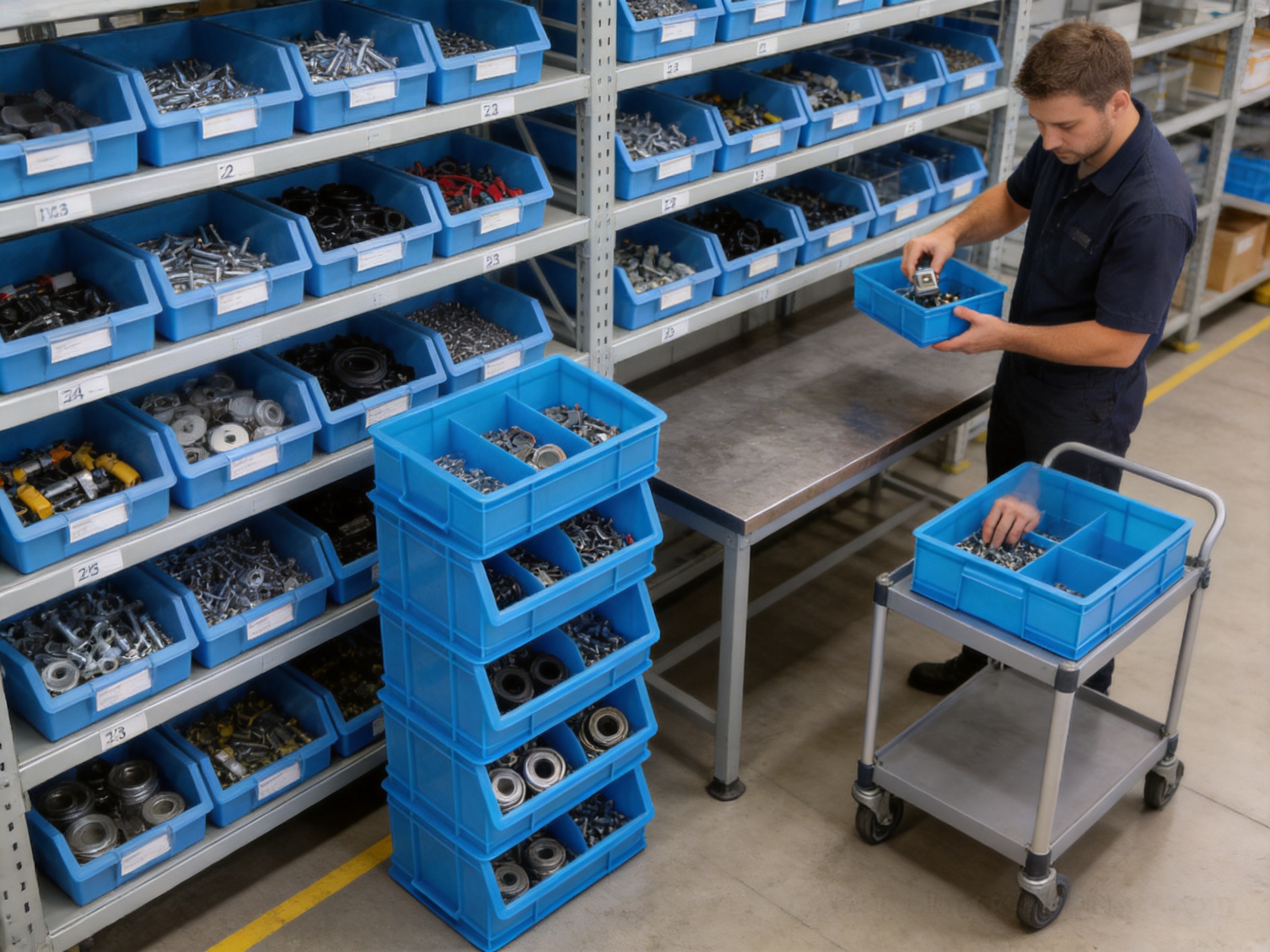
Place the totes where they are most useful. High-frequency items should be positioned near the point of use, while slow-moving inventory can remain in reserve storage. The compact footprint allows the containers to be installed on shelves, carts, racks, and workstation organizers that match the facility’s layout.
Finally, monitor the results. Track picking time, stock discrepancies, replenishment frequency, damaged containers, and worker feedback. If a compartment assignment does not work well, adjust the layout or labeling rather than abandoning the entire system.
Procurement Considerations for Business Buyers
Business buyers should evaluate more than unit price. The total value of a reusable tote includes its service life, labor savings, cleaning capability, storage efficiency, and compatibility with existing equipment. A slightly higher initial investment may be justified if the container remains functional through repeated handling and reduces daily search time.
Material specification should be confirmed before purchase. This model is described as polypropylene, and buyers should ensure that the material meets their requirements for temperature, chemical exposure, cleanliness, and durability. If the totes will be used in regulated or specialized environments, customers should request the relevant compliance documentation.
Dimensional consistency is also important for large deployments. Buyers may request samples or technical drawings to verify that the tote fits current shelving, carts, conveyors, drawers, or automated storage systems. A sample evaluation can reveal practical issues such as label placement, access clearance, and stacking behavior.
Order planning should account for the number of storage locations, reserve stock, replacement units, and future expansion. Purchasing too few containers may result in inconsistent storage methods, while purchasing too many may create unnecessary inventory. A staged rollout can help determine the required quantity based on actual usage.
Packaging and delivery arrangements should be discussed for international orders. Customers may need information about carton quantities, palletization, loading efficiency, estimated lead times, and documentation. The supplier’s stated in-stock and ready-to-ship capability may be useful for urgent requirements, but availability should be confirmed for each order.
Supplier Manufacturing and Service Strengths
The manufacturer behind the product operates across warehousing and logistics equipment, including handling equipment, storage containers, packaging materials, and warehouse racking. This broader product range can be useful to customers seeking coordinated solutions rather than isolated products from multiple suppliers.
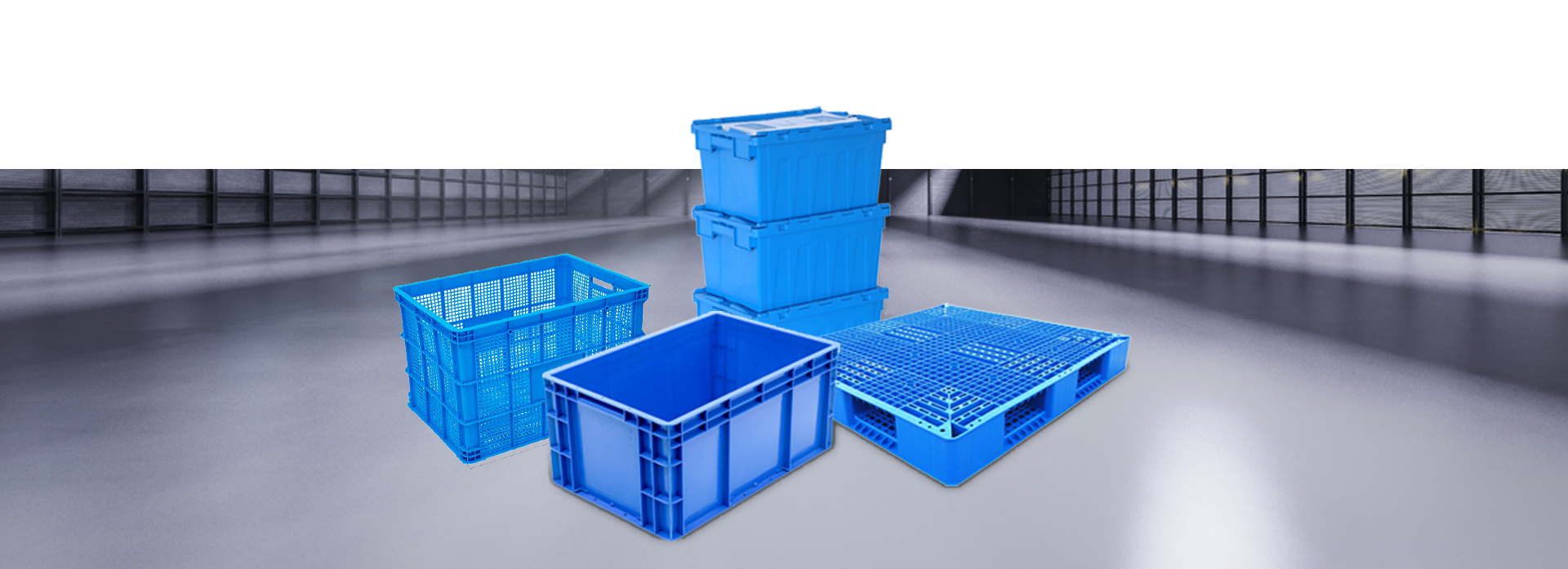
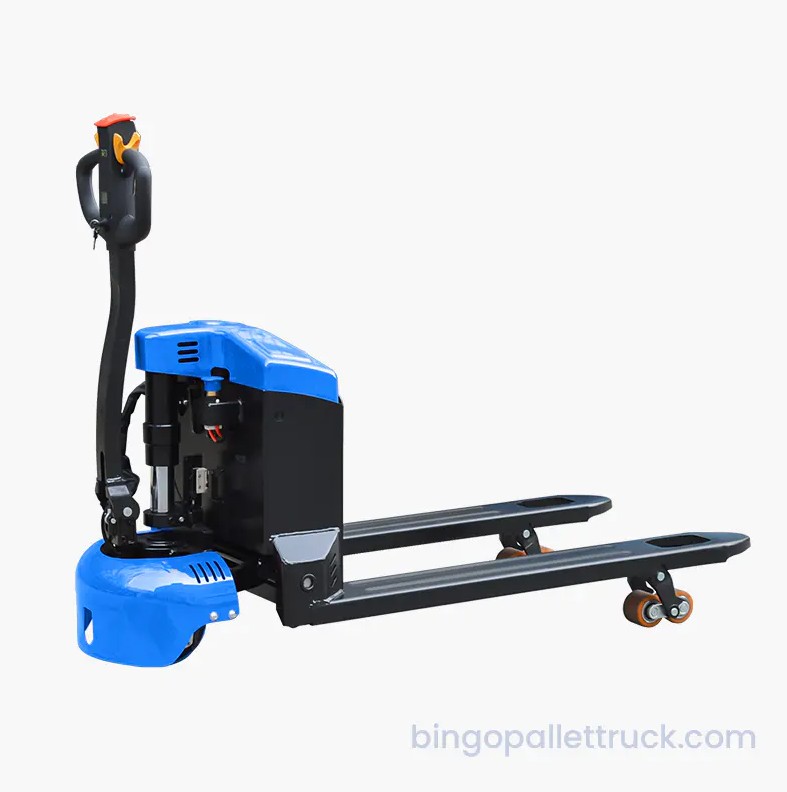
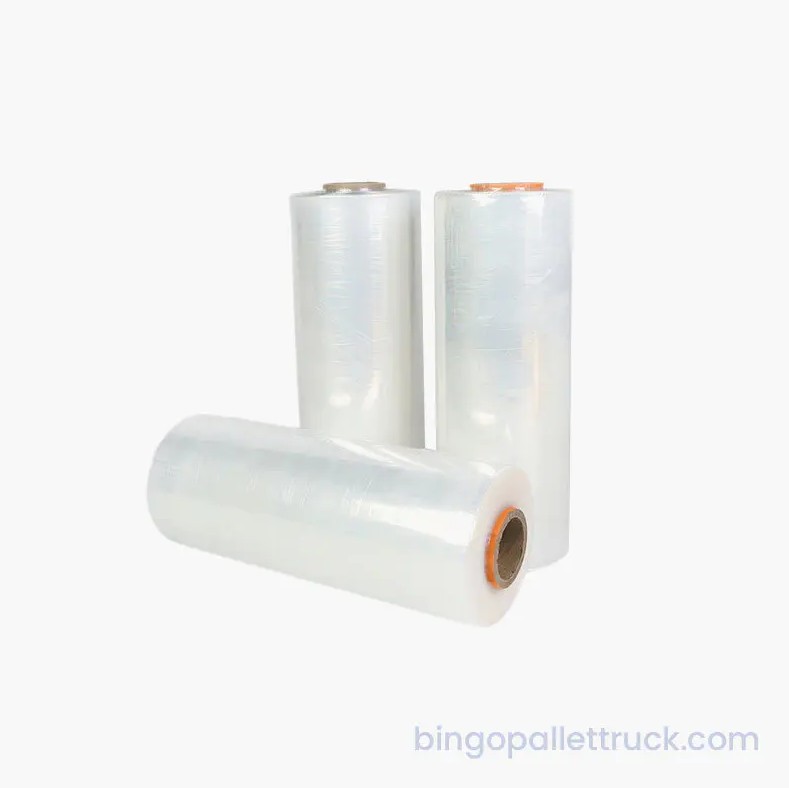
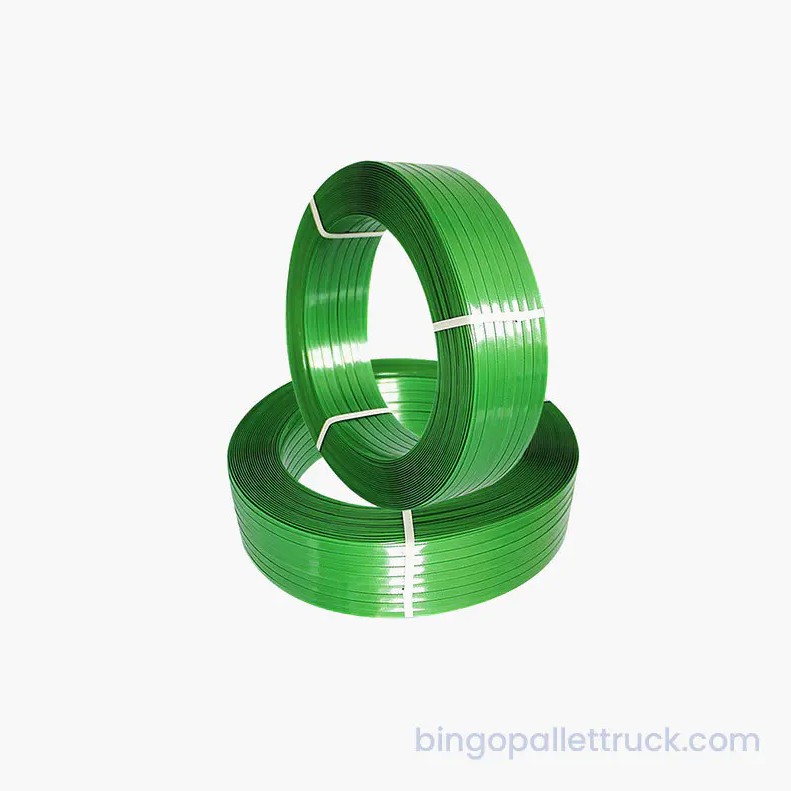
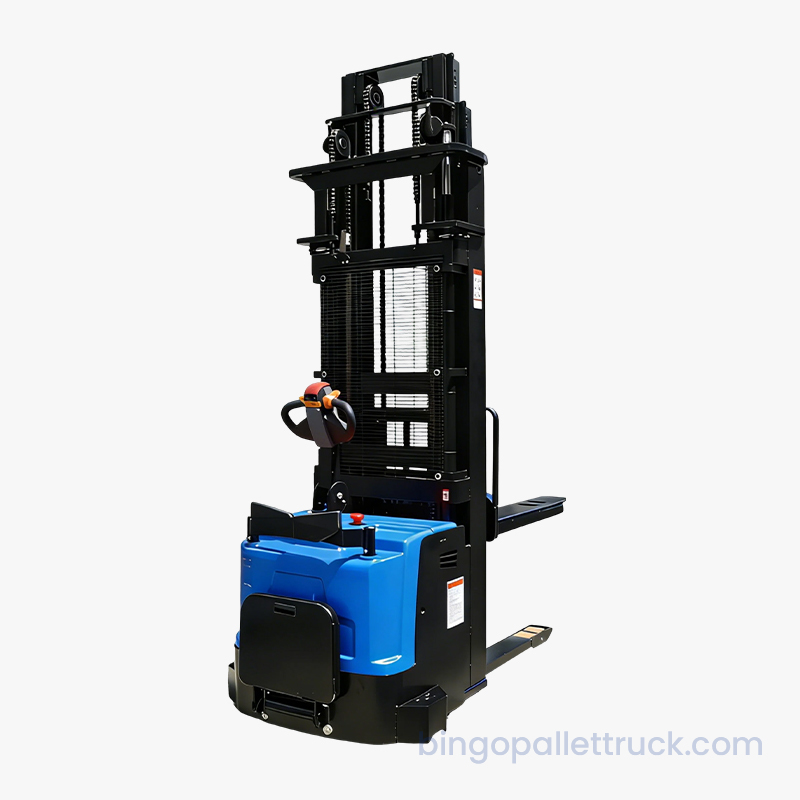
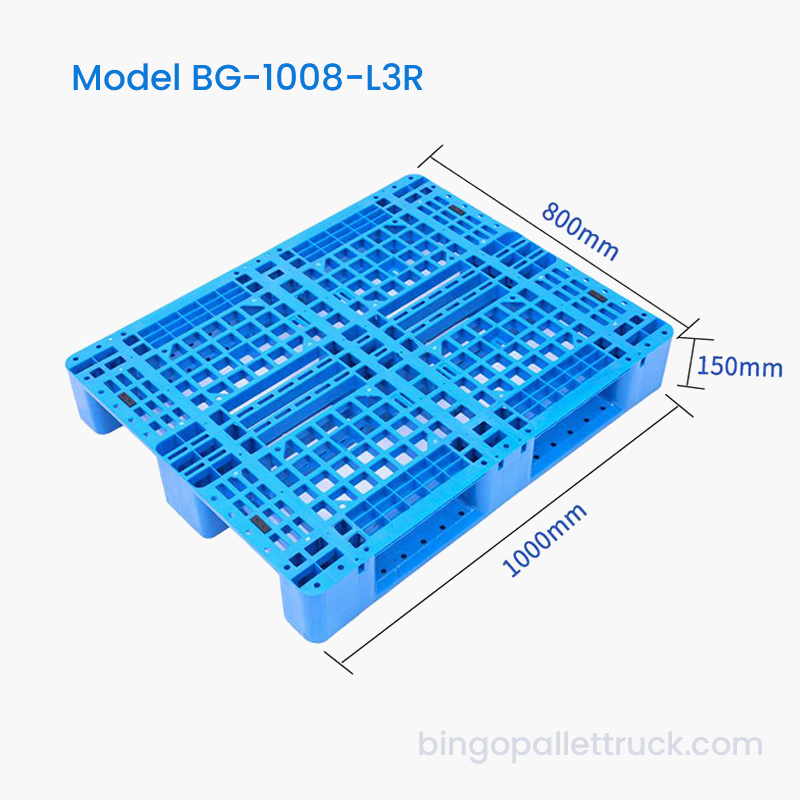
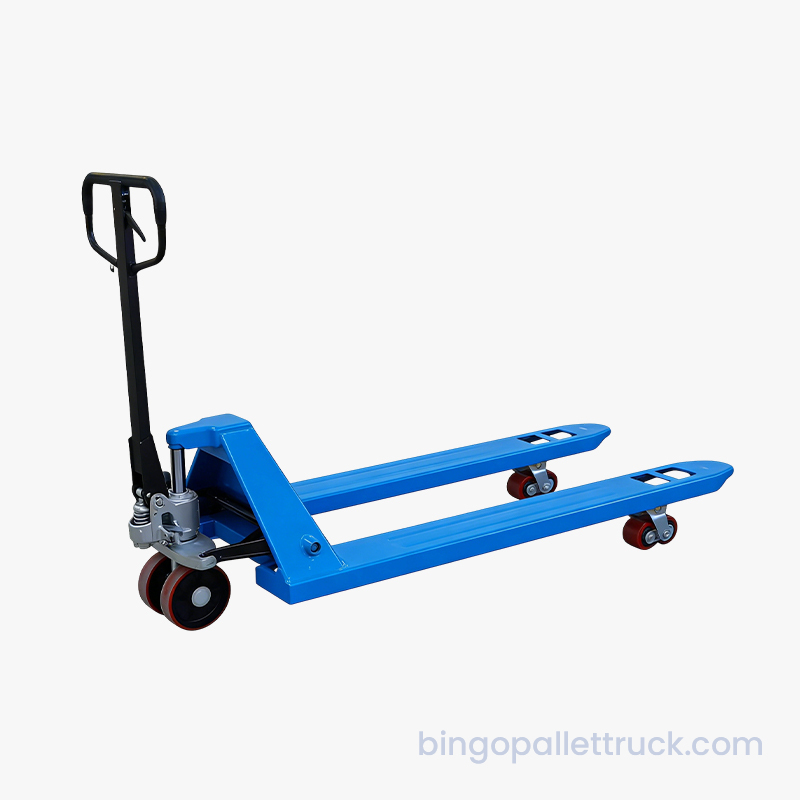
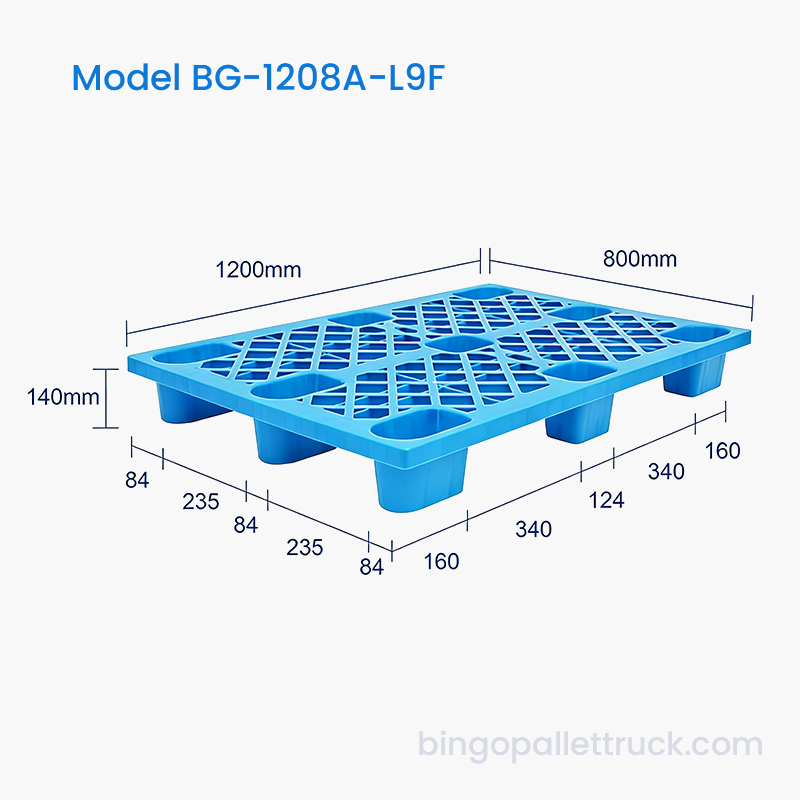
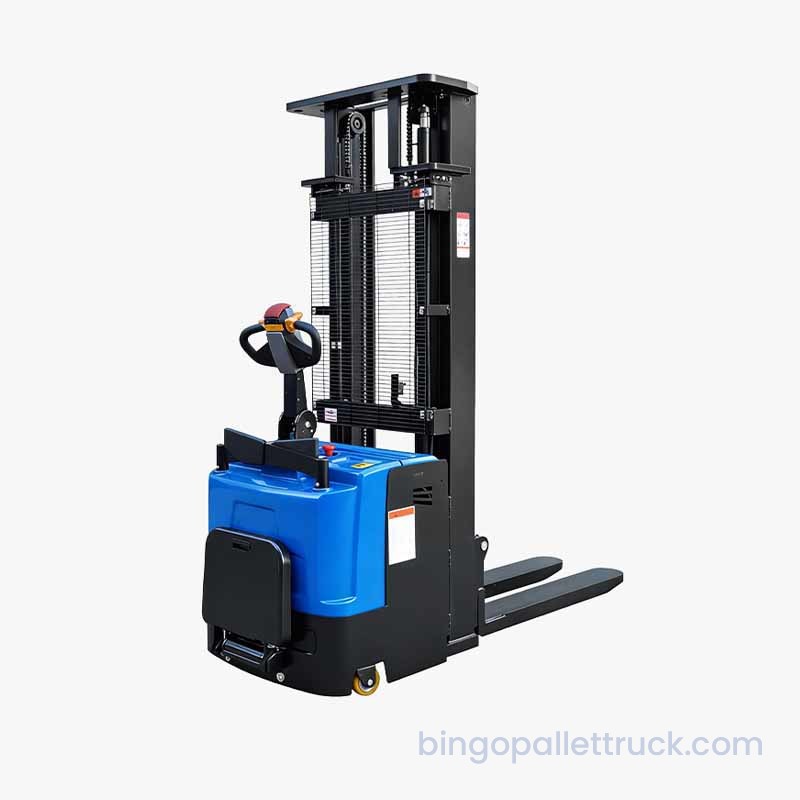
Its storage container portfolio includes plastic pallets, plastic totes, crates, and bulk containers. Its handling equipment range includes manual and electric pallet trucks and stackers. The company also supplies packaging materials such as stretch wrap and packing strapping, as well as light-duty, medium-duty, and heavy-duty warehouse racking.
This product breadth allows a customer to consider the relationship between storage, handling, packaging, and racking. For example, the three-compartment tote can be used on warehouse shelving, moved with carts or pallet-handling equipment, and incorporated into a broader packaging and storage plan.
The company states that it maintains a complete supply chain and applies strict quality inspection from raw-material sourcing through production. This approach is important for industrial buyers that need predictable supply, consistent product quality, and support for repeat orders.
Its manufacturing philosophy emphasizes quality, standardized processes, and long-term cooperation. For customers, this may translate into easier product specification, clearer communication, and the possibility of developing a consistent container standard across multiple facilities or operational departments.
Technical and commercial cooperation is particularly valuable when a customer is reorganizing a warehouse or introducing a new material-flow system. The supplier can help review product dimensions, color requirements, packaging quantities, and potential customization needs before mass procurement.
Environmental and Reuse Benefits
Reusable packaging can contribute to waste reduction by replacing disposable cartons, temporary bags, and other single-use storage methods. A durable tote can circulate through multiple internal processes and potentially remain in service for an extended period when properly handled.
The environmental benefit depends on actual usage. A reusable container provides the greatest value when it is used repeatedly, maintained properly, and integrated into a return or circulation system. Facilities should establish collection points for empty totes so that containers do not become stranded in remote work areas.
At the end of its service life, polypropylene may be suitable for material recovery depending on local recycling infrastructure and contamination levels. Users should follow local regulations and facility waste-management procedures. Separating damaged plastic containers from mixed waste can improve the possibility of responsible processing.
Reducing empty transport volume is another potential advantage. A compact tote with a standardized footprint can help organize shipments and internal movements more efficiently. Its actual logistics benefit will depend on how it is packed, stacked, and returned.
Safety and Operational Best Practices
Although the tote is designed for industrial storage, safety procedures remain necessary. Users should avoid placing unstable stacks in pedestrian routes, near emergency exits, or on shelves that are not rated for the combined load. Stack height should be determined by facility policy and risk assessment.
Heavy or dense parts should be distributed evenly within the compartments. Concentrating excessive weight in one section may affect handling balance or place unnecessary stress on the container base. When lifting several loaded totes, employees should use safe manual-handling techniques or suitable equipment.
Sharp-edged parts should be inspected before storage. If necessary, protective bags, separators, or liners can be used to prevent damage to the tote and to protect workers from exposed edges. Components that may leak, react chemically, or generate hazardous contamination require a container specifically approved for that application.
Clear identification is essential. A divided container does not eliminate the need for labels, stock records, and standard procedures. Each compartment should have a defined purpose, and changes should be documented to prevent confusion between shifts.
Frequently Asked Questions
What material is used to make the tote?
The tote is specified as being made from polypropylene, or PP. This material provides a useful balance of durability, low weight, moisture resistance, and cleanability for many warehouse and industrial storage applications.
How many compartments does the product have?
The product has three integrated compartments. The divisions allow related small parts to be stored in one tote while remaining physically separated.
What are the external dimensions?
The external dimensions are 350 × 200 × 85 mm. These dimensions make the tote suitable for compact shelving, workbenches, carts, and organized warehouse storage areas.
What are the internal dimensions?
The internal dimensions are 325 × 177 × 80 mm. The listed internal compartment size is 177 × 108 × 80 mm. Buyers should compare these measurements with the size and handling requirements of the intended parts.
How much does the empty tote weigh?
The net weight is 0.36 kg. Its relatively light empty weight supports frequent manual movement while the rigid plastic construction provides more structure than disposable packaging.
Is the tote stackable?
Yes. The tote is designed with a reinforced ribbed base, reinforced side walls, and a stable molded structure to support stacking. Product information indicates that more than ten layers may be possible under suitable conditions, but users must confirm the safe stacking height based on load, environment, and facility procedures.
Can the tote be cleaned?
Yes. Its smooth, non-porous polypropylene surface supports wiping and routine washing. The cleaning method should be selected according to the stored materials and should avoid chemicals or temperatures that are incompatible with PP.
What types of parts are suitable for the tote?
The tote is intended for small machine parts and can also be used for fasteners, fittings, connectors, electrical components, workshop accessories, tools, maintenance items, and other compact inventory. The largest item should fit comfortably within the compartment so that workers can remove it easily.
Can different colors be requested?
The supplied information indicates that multiple colors are available. Color options and minimum order requirements should be confirmed with the supplier. Color coding can support product identification, process control, and warehouse organization.
Is customization available?
Customization is supported according to the supplied product information. Potential requirements may include color, marking, packaging, or other specifications, subject to technical feasibility and order quantity.
Can the tote be used in automated operations?
Its standardized molded dimensions and rigid structure can make it a candidate for organized or automated workflows. However, compatibility with conveyors, robots, storage systems, and scanners must be tested against the specific equipment and operating conditions.
How does the tote compare with cardboard packaging?
The reusable polypropylene tote offers greater resistance to moisture, repeated handling, and deformation than many cardboard cartons. It also provides integrated compartments, a cleanable surface, and a consistent shape for stacking and standardized storage.
What quality controls are used during manufacturing?
The manufacturer states that it applies quality control from raw-material sourcing through production and uses standardized processes and inspections. Typical quality checks for this type of product may include material, dimensions, weight, surface condition, partition integrity, and stacking fit.
How should users choose the correct quantity?
Begin by counting the required storage locations, workstations, part families, and reserve areas. Add a reasonable quantity for replacements, cleaning rotation, and future expansion. A pilot program can help determine the best number before a larger purchase.
Conclusion
The 3-Compartment Dividable Plastic Tote for Small Machine Parts provides a practical solution for businesses that need better control over compact components. Its three-section design reduces mixing, improves visibility, and keeps related parts together without requiring several separate boxes. The 350 × 200 × 85 mm format offers a compact storage footprint, while the 0.36 kg weight supports frequent handling.
Its polypropylene construction, smooth non-porous surface, reinforced ribbed base, reinforced side walls, and integrated partitions distinguish it from disposable cartons, plastic bags, undivided bins, and low-quality thin-wall containers. These features support reuse, cleaning, stacking, and standardized warehouse processes.
The product is suitable for manufacturing, maintenance, assembly, distribution, e-commerce fulfillment, technical workshops, and line-side material supply. When combined with clear labeling, defined compartment assignments, suitable shelving, and regular inspection, it can help reduce search time, improve inventory accuracy, and optimize material flow.
The manufacturer’s broader expertise in handling equipment, storage containers, packaging materials, and warehouse racking further supports integrated logistics planning. Its stated use of virgin PP material, standardized production procedures, and quality inspection at multiple stages provides a foundation for dependable supply and repeatable product performance.
For organizations seeking a compact, reusable, and structured method for managing small parts, this three-compartment tote is a strong choice. It transforms an ordinary container into a practical tool for better organization, cleaner operations, and more efficient warehouse logistics.
References
1. Product specification sheet for the BG-352008-DT three-compartment dividable plastic tote.
2. Manufacturer-provided information on polypropylene storage containers, quality inspection, standardized production, and supply capability.
3. General principles of warehouse slotting, visual management, reusable packaging, and small-parts inventory control.
4. General industrial guidance concerning plastic container handling, stacking practices, cleaning procedures, and workplace organization.
Product: 3-Compartment Dividable Plastic Tote Box for Small Machine Parts

Copyright @ Yancheng Bingo Machinery Equipment Co., Ltd. All rights reserved Warehouse Logistics Equipment Manufacturer Pallet Truck Supplier
