 en
en  Español

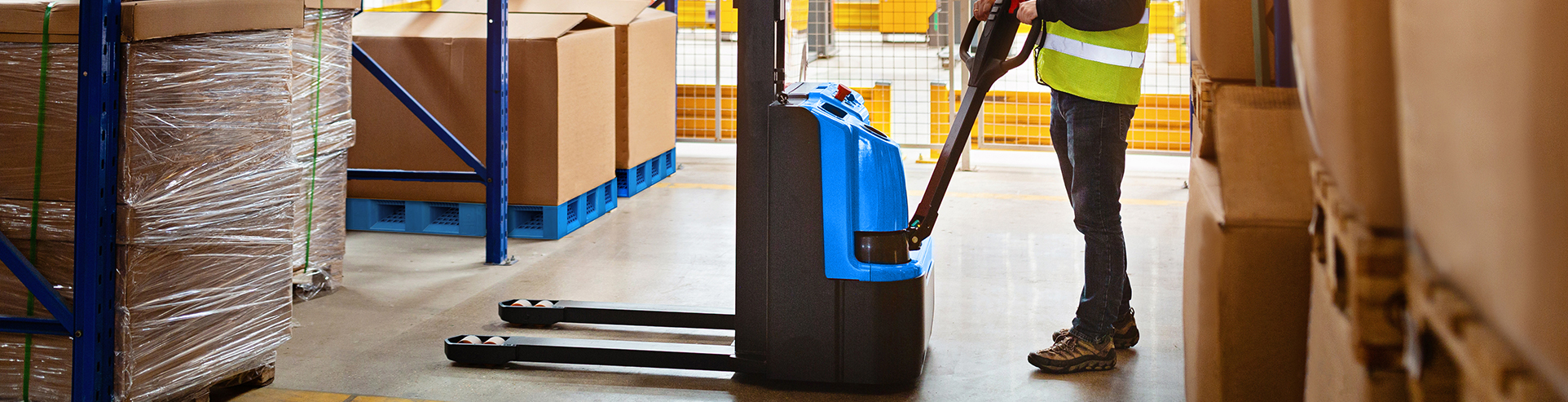
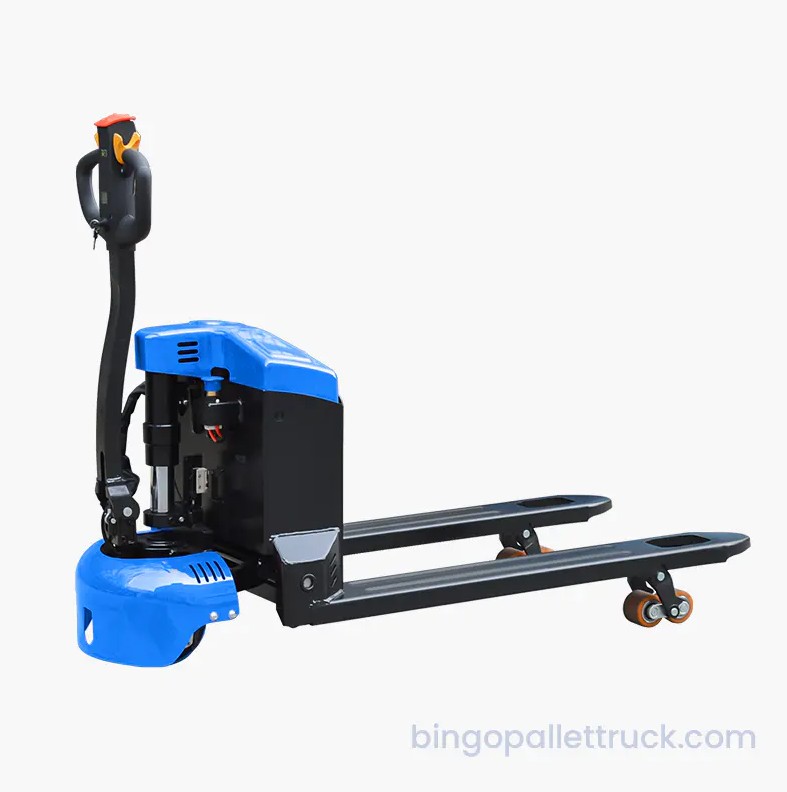
35L Stackable Plastic Crate with Round Hole Design for Efficient Warehouse and Fresh Produce Storage
Modern supply chains depend on storage containers that can protect products, move efficiently through handling points, and support reliable warehouse organization. For fresh produce operations in particular, the right crate must do more than hold goods. It must promote ventilation, allow water to drain quickly, withstand repeated loading and unloading, remain stable when stacked, and reduce the total cost of handling over its service life.
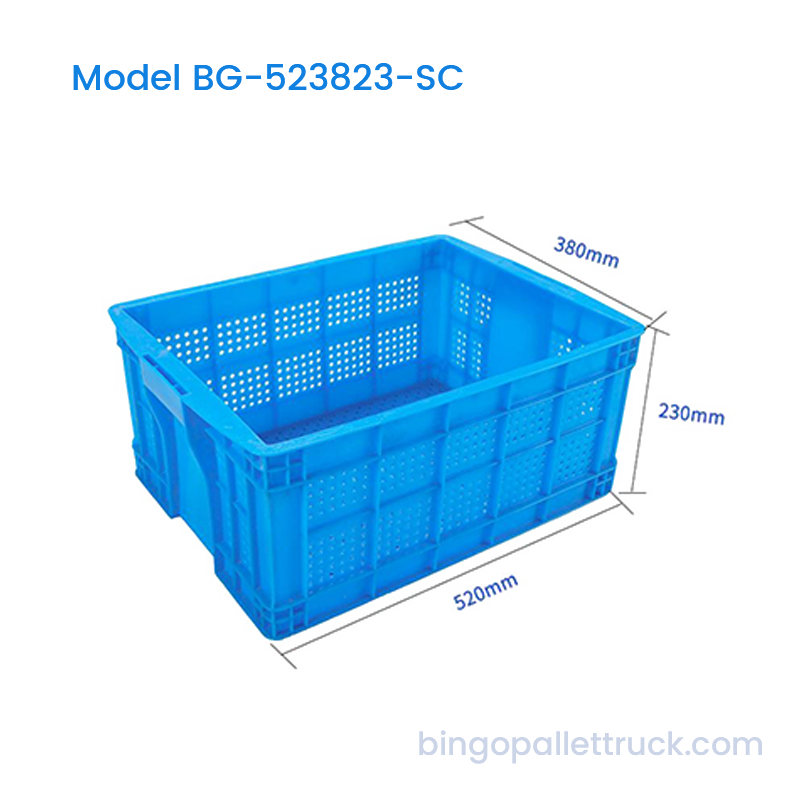
The 35L stackable plastic crate, model BG-523823-SC, is designed to meet these operational requirements in one practical container. With external dimensions of 520×380×230mm, an internal size of 465×350×220mm, and a net weight of approximately 1.5kg, it provides a useful balance between capacity, maneuverability, durability, and transport efficiency. Its round-hole side and base design supports air circulation and drainage, making it particularly suitable for fruit, vegetables, agricultural products, grocery distribution, wholesale markets, and food-handling environments.
Unlike disposable cartons or basic solid-wall containers, this crate is engineered for repeated use. Its food-safe HDPE construction provides resistance to ordinary impact, moisture, temperature changes, and the daily friction associated with warehouse operations. The integrated handles assist workers during manual movement, while the stackable structure helps businesses use vertical space more effectively.
For companies seeking a reusable alternative to fragile packaging, the crate offers a dependable platform for farm-to-market logistics. It can be used at harvesting points, in cold rooms, during transport preparation, on warehouse floors, and in retail back-of-house areas. Its standardized footprint also makes it easier to combine with pallets, racks, carts, conveyor systems, and other material-handling equipment.
35L Stackable Plastic Crate Round Hole Design for Warehouse Storage
Content
- 1 Product Overview and Intended Applications
- 2 Key Technical Specifications
- 3 Round-Hole Ventilation and Drainage Performance
- 4 Food-Safe HDPE Construction
- 5 Advantages Compared with Competing Packaging Options
- 6 Stacking, Storage, and Space Utilization
- 7 Ergonomic Handling and Worker Efficiency
- 8 Manufacturing Process and Quality Control
- 9 Company Manufacturing and Supply-Chain Strengths
- 10 Use in Farm-to-Table Logistics
- 11 Cleaning, Hygiene, and Maintenance
- 12 Sustainability and Total Cost of Ownership
- 13 Integration with Warehouse Systems
- 14 Ordering and Customization Considerations
- 15 Recommended Operating Practices
- 16 Frequently Asked Questions
- 16.1 What is the capacity of the crate?
- 16.2 What material is used to manufacture the crate?
- 16.3 What are the external and internal dimensions?
- 16.4 How much does an empty crate weigh?
- 16.5 Why does the crate have round holes?
- 16.6 Can the crates be stacked when loaded?
- 16.7 Can the crate be used in cold rooms?
- 16.8 Is the crate suitable for washing and reuse?
- 16.9 Are different colors available?
- 16.10 Can the crate be used for products other than fresh produce?
- 16.11 How does this crate compare with cardboard packaging?
- 16.12 Can it be used with pallet trucks and warehouse racks?
- 16.13 What quality controls are used during production?
- 16.14 Is the crate available from stock?
- 16.15 Can the supplier provide a complete logistics solution?
- 17 Conclusion
- 18 References
- 19 Product: 35L Stackable Plastic Crate Round Hole Design for Warehouse Storage
Product Overview and Intended Applications
The BG-523823-SC is a 35L stackable plastic crate developed for organized storage and transportation. The container has a rectangular form with ventilated round holes distributed through its walls. This design reduces unnecessary material while maintaining a practical structure for everyday handling. The crate can be filled, carried, stacked, inspected, emptied, washed, and returned to service repeatedly.
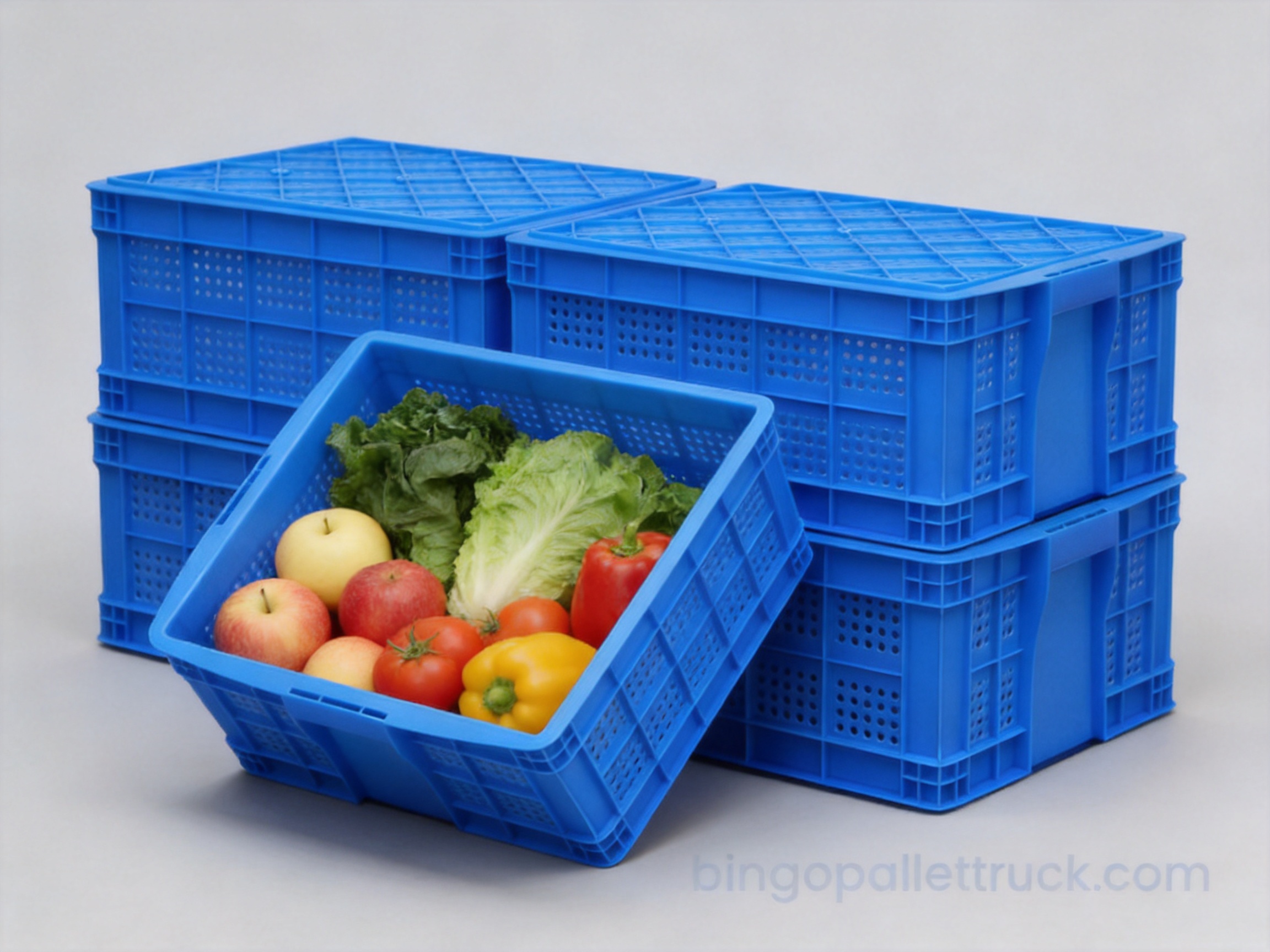
The crate is especially suited to fresh produce operations. Fruits and vegetables often release heat and moisture after harvesting. If those conditions remain trapped inside a closed container, condensation, softening, odor development, and premature deterioration may occur. The round-hole design creates multiple ventilation paths, allowing air to circulate around the contents. When wet produce is placed inside, the openings also support rapid drainage, reducing the time that water remains in contact with the product.
Typical applications include harvesting and field collection, farm packing stations, produce consolidation centers, wholesale markets, supermarket distribution, grocery storage, food processing support, and restaurant supply operations. The crate may also be used for general warehouse organization where ventilation and washability are desirable.
Its 35L capacity is suitable for routine manual handling. A container that is too large may become difficult to lift after filling, while a container that is too small may increase the number of handling cycles. This size provides a practical middle ground for many produce categories, including leafy vegetables, root crops, citrus products, apples, pears, tomatoes, peppers, and packaged agricultural goods.
Outside the agricultural sector, the crate may be used for tools, components, returnable packaging, inventory consolidation, and light industrial storage. However, the final application should always be assessed according to product weight, load distribution, operating temperature, stacking height, and sanitation requirements.
Key Technical Specifications
The following specifications define the standard configuration of the crate.
| Model | BG-523823-SC |
| Product Type | 35L stackable plastic crate |
| Material | HDPE |
| External Dimensions | 520×380×230mm |
| Internal Dimensions | 465×350×220mm |
| Nominal Capacity | 35L |
| Approximate Weight | 1.5kg |
| Design | Round-hole ventilated structure with integrated handles |
| Primary Use | Fresh produce storage, warehouse handling, and returnable logistics |
| Configuration | Stackable design |
| Color Options | Multiple colors available subject to production requirements |
Dimensions are important because container compatibility affects the entire handling system. The 520×380mm external footprint can be incorporated into planned pallet layouts and storage arrangements. The 230mm external height allows operators to create vertical stacks without using excessive floor area. The internal dimensions provide usable room for products while preserving the structural walls and handling features required for safe movement.
The stated capacity is a nominal volume and should not be treated as a recommendation to overfill the crate. Produce must be loaded in a way that prevents crushing, excessive compression, or obstruction of ventilation openings. The correct filling level depends on the type, density, fragility, and moisture content of the goods.
Round-Hole Ventilation and Drainage Performance
One of the defining features of this crate is its round-hole mesh design. Ventilation openings are essential when containers are used with fresh produce because airflow can influence temperature, moisture, and product condition. A ventilated crate allows air to move through the container rather than forcing all heat and humidity to remain around the goods.
Round holes provide a balanced combination of openness and structural continuity. Compared with a completely solid wall, the perforated design improves air exchange and reduces container weight. Compared with oversized openings or irregular cut-outs, round holes help distribute stress more consistently around the wall structure. This supports the crate’s ability to withstand normal handling while still providing effective ventilation.
Drainage is equally important. Produce may be washed before packing, exposed to rain during harvest, or stored in areas where condensation develops. Water that remains inside a container can increase the risk of spoilage and make manual handling unpleasant. The open structure gives water a clear path to leave the crate, helping products dry more quickly and supporting easier cleaning between uses.
The ventilation design can also benefit cold-chain operations. Although the crate does not replace refrigeration, its openings allow refrigerated air to reach a greater portion of the load. This may help reduce differences between the temperature of the outer layer and the temperature of goods located deeper inside a stack. Proper crate spacing, pallet arrangement, and refrigeration practices remain necessary for effective temperature management.
Ventilation requirements vary by product. Delicate produce may require liners or separators, while very small items may need an inner bag or secondary container. The crate’s openings should be considered part of a complete packaging system rather than a standalone solution for every product type.
Food-Safe HDPE Construction
The crate is manufactured from heavy-duty HDPE, a material widely used in reusable logistics containers and food-handling products. HDPE offers a useful combination of toughness, low moisture absorption, chemical resistance, and dimensional stability. These properties make it suitable for environments where containers are repeatedly moved, washed, stacked, and exposed to changing temperatures.
For fresh produce users, low moisture absorption is a major benefit. A container that absorbs water can retain odors, become difficult to sanitize, and experience gradual material degradation. HDPE forms a non-porous surface that is easier to wash and dry under normal operating procedures. The smooth molded structure also reduces the number of areas where dirt can collect compared with rough or heavily fibrous packaging materials.
The material’s impact resistance helps the crate handle ordinary warehouse conditions. Containers may contact floors, pallets, carts, vehicle walls, and other crates during daily work. A durable polymer structure is less likely to splinter than wood and less vulnerable to moisture-related weakening than corrugated cardboard. This supports returnable use and helps reduce packaging replacement frequency.
The food-safe material selection is appropriate for applications involving fruits and vegetables, provided that users follow their own cleaning, sanitation, and regulatory procedures. Food-contact requirements can differ between countries and industries. Buyers should confirm the specific compliance documentation needed for their intended market, product category, and cleaning process.
HDPE also supports color customization. Different colors can be used to identify farms, product types, processing stages, temperature zones, or ownership groups. Color coding can improve inventory visibility and reduce the risk of mixing different product categories. Custom colors may be available according to order quantity, pigment requirements, and manufacturing arrangements.
Advantages Compared with Competing Packaging Options
Compared with Corrugated Cartons
Corrugated cartons are lightweight and convenient for one-way distribution, but they can lose strength when exposed to water, condensation, or repeated handling. Fresh produce operations frequently encounter all three conditions. A reusable HDPE crate remains structurally functional after contact with moisture and can be washed for the next cycle.
The crate also provides a more consistent shape during stacking. Cardboard boxes can collapse or deform when loaded, especially if the bottom layer carries significant weight or if cartons are stored in humid conditions. The molded plastic structure helps maintain predictable dimensions, which is valuable for pallet stability and warehouse planning.
Although the initial purchase price of a reusable crate may be higher than that of a disposable carton, the total cost should be evaluated over multiple trips. Repeated use, lower damage rates, improved ventilation, and reduced packaging waste may provide a more favorable long-term operating cost.
Compared with Wooden Boxes
Wooden boxes can offer strength, but they are heavier, more difficult to clean, and more vulnerable to splinters, nails, moisture absorption, and inconsistent dimensions. The 1.5kg weight of this crate helps reduce manual handling effort and transport weight compared with many rigid wooden alternatives.
The molded plastic surface is also more uniform. This helps protect workers from sharp edges and provides a cleaner contact surface for produce. In addition, plastic crates do not require the same level of maintenance associated with damaged boards, loose nails, or fractured corners.
Compared with Solid-Wall Plastic Totes
Solid-wall totes can protect small components from falling out, but they may restrict airflow and hold water inside after washing. The round-hole design of this crate provides better ventilation and drainage for agricultural goods. It is therefore more suitable for products that benefit from air movement and rapid drying.
A solid-wall tote may still be preferable for dust-sensitive parts, liquids, or very small loose items. The choice should be based on the operational environment. For fresh produce and wash-down applications, however, an open ventilated structure often provides a practical advantage.
Compared with Low-Quality Thin Plastic Crates
Low-cost crates may be produced with insufficient wall thickness, inconsistent material quality, or weak corners. They can deform during stacking and become brittle after repeated exposure to temperature changes or sunlight. A heavy-duty specification, controlled molding process, and structured quality inspections help reduce these risks.
The BG-523823-SC is designed as a reusable logistics product rather than a short-term disposable container. Its integrated handles, reinforced geometry, stackable form, and carefully distributed ventilation openings are intended to support repeated commercial use.
Stacking, Storage, and Space Utilization
Stackability is one of the most important features in a warehouse crate. When containers can be placed securely on top of one another, businesses can use vertical space instead of relying only on floor area. This is especially valuable in cold rooms, packing stations, distribution centers, and retail storage areas where available space is limited.
The crate’s stackable design helps create orderly columns during temporary storage and transport preparation. Stable stacking reduces the need to leave wide gaps between individual containers and can make stock counting easier. Operators can also arrange crates by color, product, destination, or processing stage.
Empty crates can be gathered and stored in organized stacks rather than scattered across the facility. This supports cleaner work areas and reduces the time employees spend locating returnable packaging. When integrated into a closed-loop logistics program, the crates can travel from grower to distributor, retailer, and back to the packing operation for cleaning and reuse.
Stacking height should be determined according to the loaded weight, crate condition, floor quality, vehicle movement, and safety procedures. Heavy loads should be placed on the bottom, and damaged containers should be removed from service. Operators should also avoid creating unstable stacks on slopes or uneven surfaces.
When used with warehouse racks, pallet trucks, or conveyors, the crate’s dimensions should be checked against the equipment. The external footprint, internal clearance, and load distribution must be compatible with the intended system. Standardized planning before purchase can prevent interference with rack beams, pallet decks, rollers, and access aisles.
Ergonomic Handling and Worker Efficiency
Manual handling remains common in agriculture and distribution. Workers may move a crate from a field collection point to a vehicle, from a pallet to a sorting table, or from a cold room to a retail preparation area. The integrated handles provide designated gripping points that can make these movements easier and more controlled.
At approximately 1.5kg when empty, the crate can be moved efficiently before filling and during return logistics. Once loaded, the final weight will depend on the product inside. A practical container size helps workers avoid unnecessarily large loads and supports more frequent, manageable handling cycles.
Ergonomic performance is not determined by container weight alone. Handle location, edge smoothness, balance, product distribution, and stacking stability all influence worker comfort and safety. The integrated design eliminates the need for separate handles that could detach or create protruding hazards.
Businesses can further improve ergonomics by using pallet trucks, scissor lift tables, carts, conveyors, and height-adjustable workstations. The crate is part of a broader material-handling system. Its value increases when the surrounding workflow minimizes lifting from floor level, long carrying distances, and unnecessary twisting.
Manufacturing Process and Quality Control
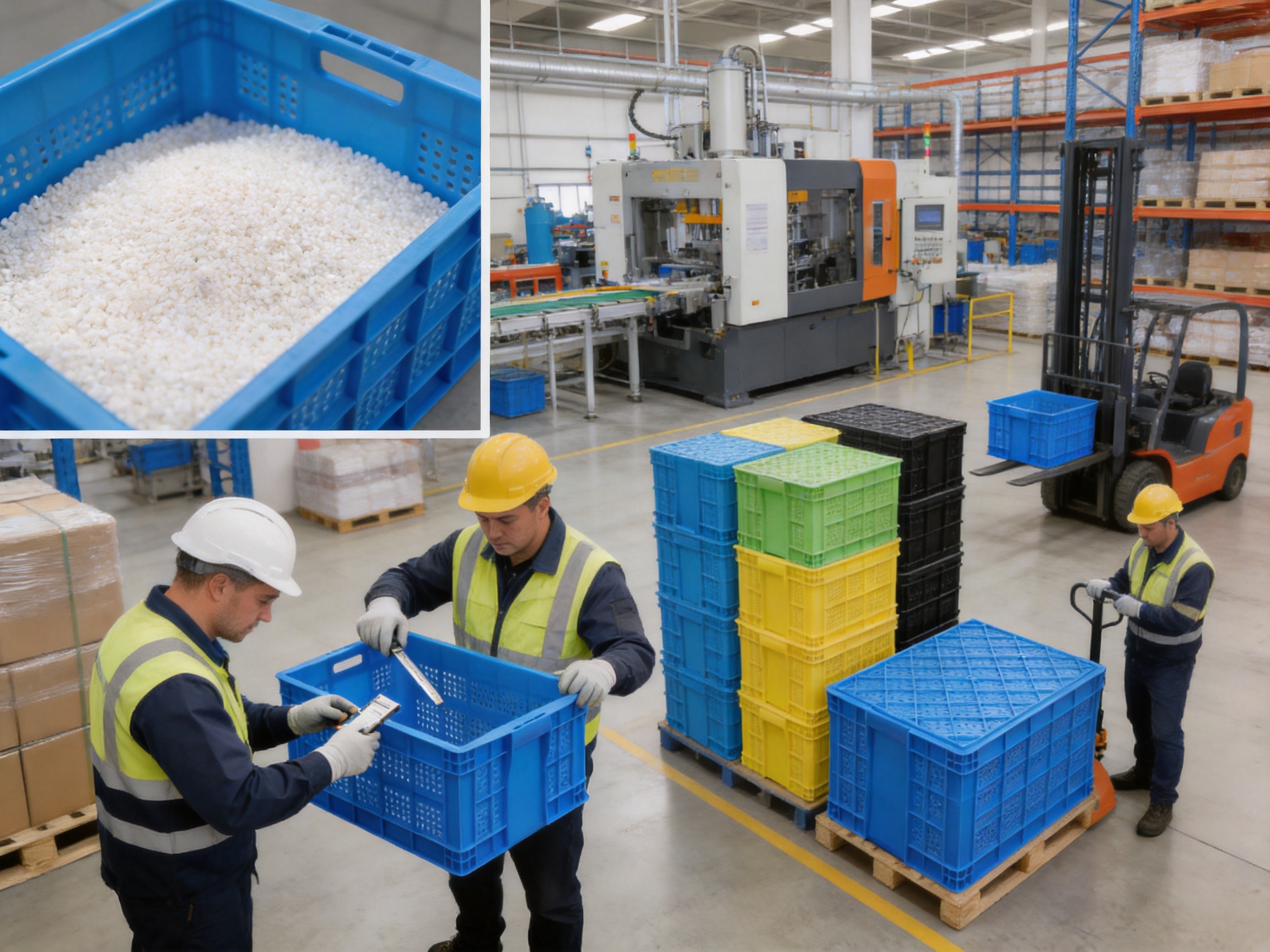
Reliable reusable crates depend on more than polymer selection. Manufacturing consistency affects dimensions, wall strength, handle performance, hole geometry, and stacking behavior. Yancheng Bingo Machinery Equipment Co., Ltd. emphasizes standardized production processes and inspection at multiple stages of its manufacturing operations.
The process begins with controlled raw-material sourcing. Material identity, cleanliness, and suitability for the intended product are important because inconsistent resin can affect impact resistance, color stability, and dimensional performance. The product specification identifies HDPE as the crate material. Across its broader storage-container range, the company also refers to controlled use of virgin polymer materials. Product-specific material documentation should be confirmed for each order and application.
During material preparation, the polymer is handled according to the requirements of the molding process. Proper preparation supports stable processing and reduces the risk of visible defects, contamination, or inconsistent appearance. Colorants and other approved additives, where applicable, must be evenly dispersed to create a consistent finished product.
The crate is formed through an industrial plastic molding process. The mold determines the external dimensions, internal cavity, round-hole pattern, handle geometry, stacking interfaces, and reinforcement areas. Accurate tooling is necessary because even small dimensional variations can affect how crates stack or fit into warehouse equipment.
Process parameters such as temperature, pressure, cooling time, and cycle control influence the finished crate. If cooling is insufficient, the container may be vulnerable to warping. If the material is processed unevenly, the wall structure may not achieve the expected consistency. Standardized operating procedures help production teams maintain repeatable results from batch to batch.
After molding, crates can be inspected for dimensional accuracy, surface quality, hole integrity, handle condition, corner formation, and stacking performance. Visual inspection can identify flash, incomplete molding, cracks, discoloration, or other abnormalities. Measurement checks help verify that the product conforms to its stated specifications.
Quality control should continue beyond the molding machine. Finished products may be sampled for weight, load behavior, impact resistance, and stacking stability. Packaging and shipment checks help prevent damaged products from entering the distribution chain. A structured inspection system gives buyers greater confidence that containers ordered at different times will remain compatible with the same handling process.
The company’s stated approach includes quality control from raw-material sourcing through production and final inspection. This process-oriented approach is important for industrial buyers because performance is influenced by the entire supply chain, not by the mold alone.
Company Manufacturing and Supply-Chain Strengths
Yancheng Bingo Machinery Equipment Co., Ltd. operates as a supplier of warehousing and logistics equipment, including handling equipment, storage containers, packaging materials, and warehouse racks. This product coverage allows the company to understand the relationship between containers and the wider movement of goods inside a facility.
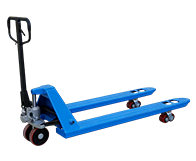
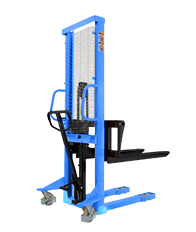
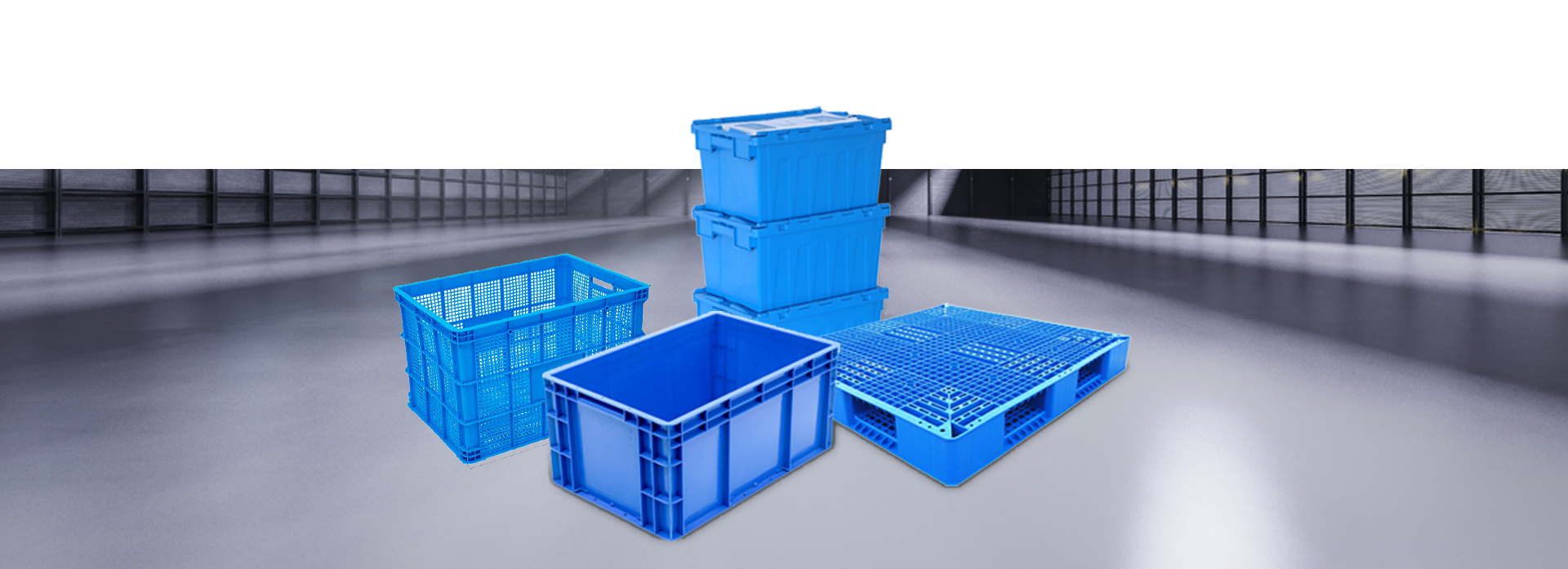
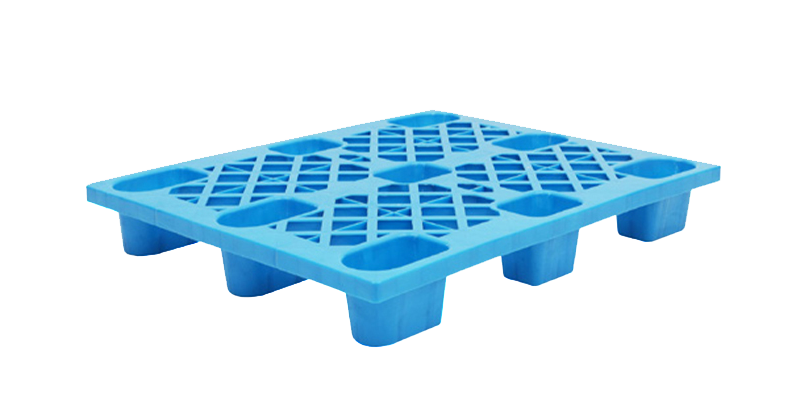
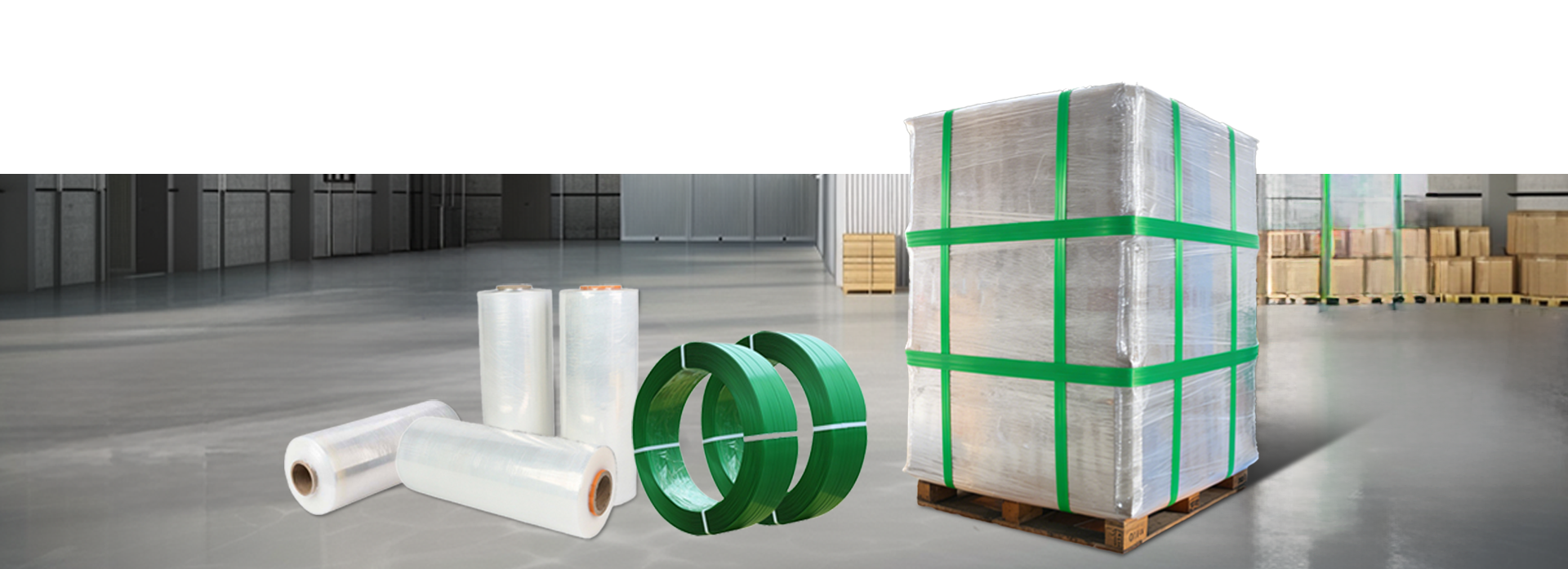
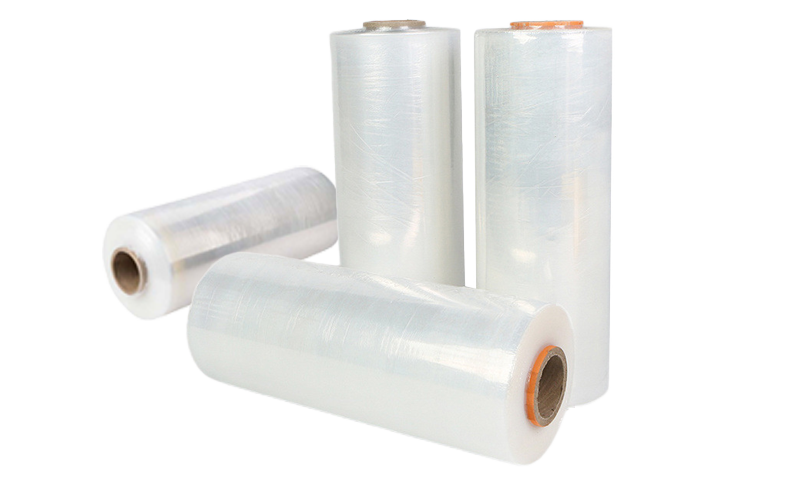
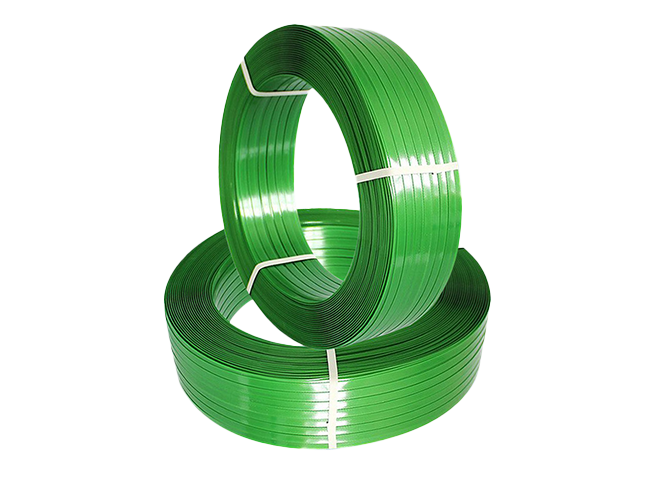
Its handling-equipment range includes manual and electric pallet trucks and stackers. Its storage-container portfolio includes plastic pallets, plastic totes, crates, and bulk containers. The packaging-material series includes stretch wrap and packing strapping, while the warehouse-racking range covers light-duty, medium-duty, and heavy-duty applications.
This broader capability can benefit customers that are developing complete logistics systems rather than purchasing a single container. A crate must work with pallets, racks, transport processes, packaging stations, and warehouse traffic patterns. A supplier familiar with several equipment categories may be better positioned to discuss compatibility, storage density, and material flow.
The company describes its operating philosophy as focused on quality, standardized processes, and win-win cooperation. Its production and supply-chain structure is intended to support consistent product delivery and one-stop sourcing. For international buyers, this can simplify communication, product coordination, and purchasing administration.
Availability is another practical consideration. The product information identifies the crate as in stock and ready to ship, subject to current inventory and order confirmation. Ready-stock products may help customers respond more quickly to seasonal demand, replacement needs, warehouse expansion, or new distribution contracts.
Customization is also relevant for commercial users. Depending on order quantity and technical requirements, customers may discuss color selection, packaging arrangements, labeling, and other product details. Customization should be reviewed before production so that the requested changes do not compromise ventilation, load performance, food-contact suitability, or compatibility with existing equipment.
Use in Farm-to-Table Logistics
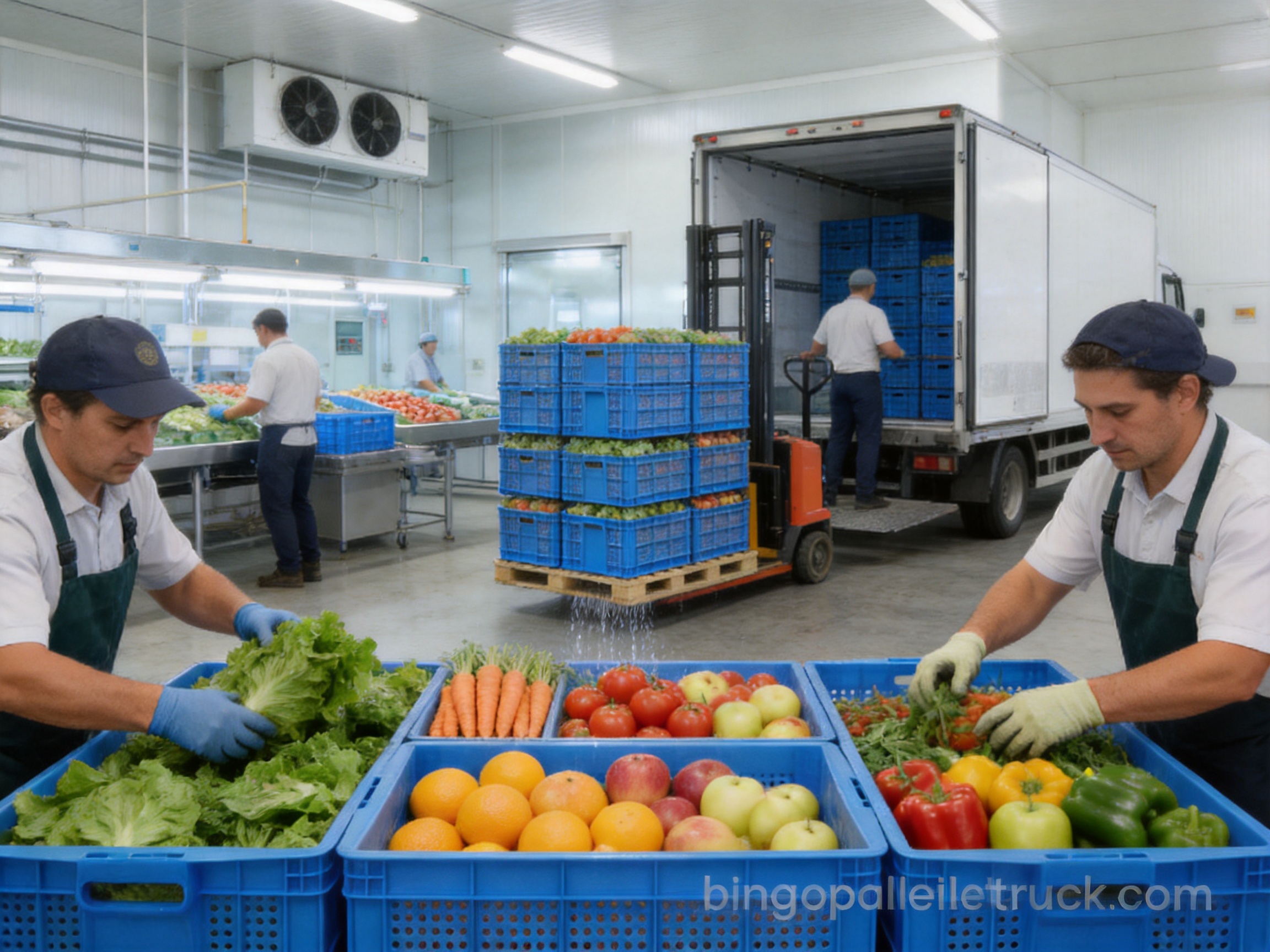
Fresh produce passes through multiple stages between harvest and final sale. At each stage, handling quality influences product condition and operating efficiency. A reusable ventilated crate can serve as a consistent container throughout much of this journey.
At the farm, workers can place harvested goods directly into crates rather than transferring produce through several temporary packages. Fewer transfers may reduce bruising and save labor. The crate can then be stacked for movement to a collection point or packing facility.
At the packing station, the open structure makes it easier to inspect contents. Workers can see whether the crate is filled correctly, whether damaged produce must be removed, and whether water or debris remains inside. The container can be washed and returned to circulation according to the facility’s sanitation procedures.
During wholesale distribution, standardized crates support predictable loading. Employees can estimate the number of crates required for a shipment, organize them by destination, and use pallets or carts to reduce carrying. The dimensions also help businesses plan vehicle space and storage positions.
In grocery and retail operations, crates can be transferred to back-room storage or used during replenishment. Color coding and labeling can improve product identification. Once emptied, containers can be nested or stacked for return to the distribution center, depending on their geometry and the applicable return process.
The crate does not eliminate the need for careful temperature control, gentle handling, hygienic cleaning, or appropriate product selection. Instead, it provides a durable and ventilated foundation for those procedures.
Cleaning, Hygiene, and Maintenance
Reusable food-handling containers require a consistent cleaning program. The cleaning method should reflect the products carried, the level of contamination, the local regulations, and the chemicals used by the facility. Operators should follow their internal sanitation procedures and confirm that detergents and disinfectants are compatible with HDPE.
After use, visible soil and organic residue should be removed. The round-hole structure can assist rinsing by allowing water to pass through the walls and base. Crates should be inspected for trapped debris, damaged areas, or labels that could interfere with cleaning.
After washing, adequate drying is important. Storing wet crates in a poorly ventilated area can create odor and hygiene concerns even when the material itself has low moisture absorption. Open-air drying, forced-air drying, or an approved drying system may be used according to the facility’s process.
Regular inspections should examine handles, corners, base surfaces, stacking points, and hole edges. Crates with cracks, severe deformation, or unsafe handles should be separated from usable stock. A repair policy may not be appropriate for molded plastic containers if damage affects structural integrity; replacement is generally safer for critical handling applications.
Records can improve returnable-container management. Businesses may track the number of crates in circulation, cleaning cycles, damage rates, and loss rates. This information helps determine whether additional inventory is needed and identifies points in the supply chain where containers are being damaged or misplaced.
Sustainability and Total Cost of Ownership
A reusable plastic crate can support waste reduction by replacing repeated purchases of disposable cartons or damaged wooden packaging. The environmental value depends on how many cycles the crate completes, how far it travels, how it is cleaned, and how it is eventually recovered or recycled.
Durability is central to this calculation. A crate that survives repeated handling can distribute its production impact across many logistics cycles. Its resistance to moisture also reduces the risk of premature disposal caused by wet conditions. Standardized containers can further reduce waste by enabling organized return and reuse.
Total cost of ownership should include more than the purchase price. Relevant factors include product damage, labor time, cleaning requirements, transport weight, storage density, replacement frequency, packaging disposal, and container loss. The 1.5kg empty weight helps limit the additional weight carried during empty returns and loaded transport.
Businesses should establish a returnable-packaging policy before implementing the crates. This may include ownership markings, collection points, tracking labels, employee training, and agreements with growers, distributors, and retailers. A reusable container delivers its greatest benefit when it remains inside a controlled circulation loop.
At the end of its useful life, plastic containers should be handled according to local recycling and waste-management rules. The material type should be confirmed from the product documentation and marked or recorded where required. Recycling options depend on local collection systems and contamination levels.
Integration with Warehouse Systems
The crate can be incorporated into a warehouse layout that includes pallets, racking, carts, conveyors, and manual or electric handling equipment. Before implementation, users should evaluate aisle widths, shelf clearances, pallet patterns, loading heights, and access requirements.
For floor storage, crates can be arranged in stable stacks near receiving, inspection, packing, or dispatch areas. For rack storage, the rack deck and beam configuration must be suitable for the crate’s loaded weight and footprint. A rack supplier or qualified warehouse engineer should verify the application rather than assuming that every plastic crate is suitable for every rack type.
On conveyors, the base geometry and opening pattern should be checked against roller spacing and transfer points. If the crate will pass through automated equipment, users should confirm barcode readability, sensor compatibility, side clearance, and orientation control.
On pallets, uniform placement can improve stability and reduce unused space. Stretch wrap or strapping may be used where required for transport security, but restraint should not crush the crate or block the airflow needed by the products inside.
Warehouse management systems can assign crate locations by product, batch, destination, or cleaning status. For high-volume operations, color-coded crates combined with labels or digital tracking can support faster identification and reduce picking errors.
Ordering and Customization Considerations
Buyers should begin by identifying the products to be stored, the expected average load, the operating temperature, the cleaning method, and the required number of handling cycles. These factors determine whether a ventilated 35L crate is the appropriate format.
Dimensions should be compared with existing pallets, racks, carts, vehicles, packing tables, and cold-storage spaces. A crate that fits the product but conflicts with the facility’s equipment may create additional labor or require costly modifications.
Color requirements should be discussed if the crates will be used for sorting or ownership identification. Multiple colors may be available, but production quantities, pigment specifications, and lead times should be confirmed before placing an order.
Buyers should also request product-specific information when necessary, including material declarations, load guidance, cleaning compatibility, packaging details, inspection standards, and available documentation for the destination market. For food-related applications, the appropriate food-contact and hygiene requirements should be reviewed with the responsible quality department.
Shipment planning should consider whether the crates will be delivered empty, stacked, or packed in another configuration. Storage space at the receiving site should be prepared before arrival. A receiving inspection can check quantities, dimensions, appearance, handles, and stacking behavior before the products enter active service.
Recommended Operating Practices
Load products evenly and avoid placing excessive weight on one side of the crate. Uneven loading can affect balance during lifting and may increase stress on the walls or handles.
Do not exceed the recommended load or stacking height. The maximum safe load depends on the product, distribution of weight, temperature, crate condition, and duration of storage. If exact load requirements are critical, request application-specific guidance and conduct an on-site validation.
Keep sharp tools, protruding metal parts, and abrasive materials away from the crate walls. Although HDPE is durable, concentrated impact can damage any molded container.
Use clean, suitable surfaces when handling food or agricultural goods. Separate crates for raw materials, finished goods, chemicals, waste, and other incompatible categories where necessary.
Remove damaged crates from circulation. A cracked handle, distorted base, or broken wall can create a safety risk and may destabilize a stack.
Train workers to lift using the integrated handles, maintain a balanced posture, and use mechanical aids for heavier loads. Good container design should be supported by good handling procedures.
Store empty crates in stable stacks away from vehicles and high-traffic areas. Organized storage reduces trip hazards, damage, and loss.
Frequently Asked Questions
What is the capacity of the crate?
The nominal capacity is 35L. The usable amount may vary according to the size, shape, and fragility of the products. Users should avoid overfilling because excessive loading can restrict airflow or damage delicate produce.
What material is used to manufacture the crate?
The product specification identifies HDPE as the material. HDPE is selected for its toughness, low moisture absorption, washability, and suitability for reusable logistics applications. Buyers requiring formal material or food-contact documentation should request the relevant product records.
What are the external and internal dimensions?
The external dimensions are 520×380×230mm. The internal dimensions are 465×350×220mm. These measurements should be compared with the customer’s pallets, racks, conveyors, vehicles, and storage spaces before purchase.
How much does an empty crate weigh?
The listed weight is approximately 1.5kg. The total handling weight will increase according to the contents. The empty weight is relatively low for a durable reusable crate, which can help reduce the labor and transport burden associated with return logistics.
Why does the crate have round holes?
The round-hole structure supports ventilation and drainage. Air can circulate around fresh produce, while water can leave the container more easily after washing or exposure to moisture. The openings also reduce unnecessary material and container weight while maintaining a structured wall design.
Can the crates be stacked when loaded?
Yes, the crate is designed for stacking. However, the safe stacking height depends on load weight, product type, crate condition, floor stability, temperature, and handling conditions. Users should establish their own stacking limits and remove damaged containers from service.
Can the crate be used in cold rooms?
The crate is designed to withstand routine temperature fluctuations associated with logistics and storage. Cold-room users should validate performance under their specific temperature, load, stacking, and handling conditions. Refrigeration practices must still be managed independently.
Is the crate suitable for washing and reuse?
Its HDPE construction and ventilated design are suitable for routine cleaning and reuse when appropriate procedures are followed. Users should select compatible detergents and disinfectants, rinse thoroughly, dry the crates properly, and inspect them before returning them to service.
Are different colors available?
Multiple colors and full specifications are available according to the product information. Color selection, minimum order quantities, pigment requirements, and lead times should be confirmed with the supplier before production or shipment.
Can the crate be used for products other than fresh produce?
Yes. Potential applications include warehouse organization, component storage, returnable packaging, and general logistics. The open-hole design is most advantageous when ventilation and drainage are needed. Dust-sensitive parts, liquids, or very small loose items may require a different container style or an inner liner.
How does this crate compare with cardboard packaging?
The plastic crate is reusable, moisture-resistant, washable, and more dimensionally stable than cardboard. Cardboard may remain useful for one-way shipping or applications where low initial cost and easy disposal are the main priorities. The better choice depends on the number of logistics cycles and the operating environment.
Can it be used with pallet trucks and warehouse racks?
The crate can be incorporated into systems using pallets, pallet trucks, stackers, carts, and racks, provided that dimensions and load requirements are compatible. Rack and conveyor applications should be checked by the user or a qualified equipment specialist before implementation.
What quality controls are used during production?
The manufacturer describes controls covering raw-material sourcing, standardized production procedures, and inspections at different stages. Finished products may be checked for appearance, dimensions, weight, molding quality, handles, and stacking characteristics according to the applicable product-control plan.
Is the crate available from stock?
The product information states that it is in stock and ready to ship. Actual availability, quantity, packaging, shipping schedule, and destination requirements should be confirmed at the time of order.
Can the supplier provide a complete logistics solution?
The supplier provides several categories of warehousing and logistics equipment, including handling equipment, storage containers, packaging materials, and warehouse racks. This broader range can support customers that need coordinated solutions for storage and material movement.
Conclusion
The 35L stackable plastic crate is a practical reusable container for businesses that need reliable ventilation, drainage, organized stacking, and efficient manual handling. Its 520×380×230mm external dimensions, 465×350×220mm internal dimensions, 1.5kg weight, and 35L capacity make it suitable for a wide range of fresh produce and warehouse applications.
The round-hole design provides important advantages over solid or moisture-sensitive packaging by encouraging airflow and allowing water to drain. The food-safe HDPE structure offers durability, washability, and resistance to the everyday demands of commercial logistics. Integrated handles support worker efficiency, while the stackable form helps improve storage density and transport organization.
Its strongest value is realized when the crate is used as part of a complete returnable logistics system. With suitable cleaning, inspection, stacking, labeling, and return procedures, businesses can reduce packaging waste, improve product handling, and create a more consistent flow from farm to warehouse and retail destination.
The manufacturing strength behind the product is equally important. Controlled material sourcing, standardized production, multi-stage inspection, and experience across handling and storage equipment categories provide a foundation for dependable supply. For customers seeking a long-term storage and handling partner, the crate can serve as one component of a broader, integrated warehouse logistics program.
References
1. Product specification sheet for model BG-523823-SC, including dimensions, material, capacity, weight, and design characteristics.
2. Internal product information concerning stackable plastic crates, manufacturing quality control, standardized production, and available colors.
3. General principles of reusable packaging management for fresh produce supply chains.
4. General warehouse planning practices for palletized storage, container stacking, and material-handling equipment compatibility.
5. General guidance on cleaning, inspection, and returnable-container management in food-handling operations.
6. General polymer-handling considerations for reusable HDPE logistics containers.
Product: 35L Stackable Plastic Crate Round Hole Design for Warehouse Storage


Copyright @ Yancheng Bingo Machinery Equipment Co., Ltd. All rights reserved Warehouse Logistics Equipment Manufacturer Pallet Truck Supplier
