 en
 Español

62L High-Capacity Collapsible Plastic Tote Box for Efficient Warehouse Logistics
Content
- 1 Introduction
- 2 Product Overview and Core Specifications
- 3 Durable Polypropylene Construction
- 4 Collapsible Design and Space Efficiency
- 5 Structural Stability and Load-Bearing Performance
- 6 Modular Components and Local Replacement
- 7 Operational Features for Warehouse Use
- 8 Advantages Compared with Conventional Rigid Totes
- 9 Applications Across Different Industries
- 10 Manufacturing Process and Quality Control
- 11 Company Strengths and One-Stop Logistics Capabilities
- 12 How to Introduce the Tote into a Logistics Operation
- 13 Safe Handling and Maintenance Recommendations
- 14 Environmental and Cost Considerations
- 15 Procurement Guidance for Buyers
- 16 Questions and Answers
- 16.1 What is the capacity of the BG-534135-CT tote?
- 16.2 What material is used to manufacture the tote?
- 16.3 How small is the tote when folded?
- 16.4 Does the tote require tools to open or fold?
- 16.5 Can the tote be stacked?
- 16.6 What load can the tote support?
- 16.7 What happens if one part of the tote is damaged?
- 16.8 Does the tote include a label area?
- 16.9 Can the tote be secured during transportation?
- 16.10 Where can the tote be used?
- 16.11 How does the product reduce logistics costs?
- 16.12 Why is modular repair important?
- 16.13 What quality controls are used during manufacturing?
- 16.14 What other logistics products does the supplier offer?
- 17 Conclusion
- 18 References
- 19 Product: 62L High Capacity Collapsible Plastic Tote Box for Bulk Goods Transport
Introduction
Efficient storage, handling, and transportation are essential to modern supply chains. Warehouses, distribution centers, manufacturers, retailers, and e-commerce fulfillment operations all need containers that can protect goods while making the best possible use of floor space, vehicle capacity, labor, and inventory investment. A container may appear simple, but its design has a direct effect on picking efficiency, stacking stability, return logistics, storage density, and operating cost.
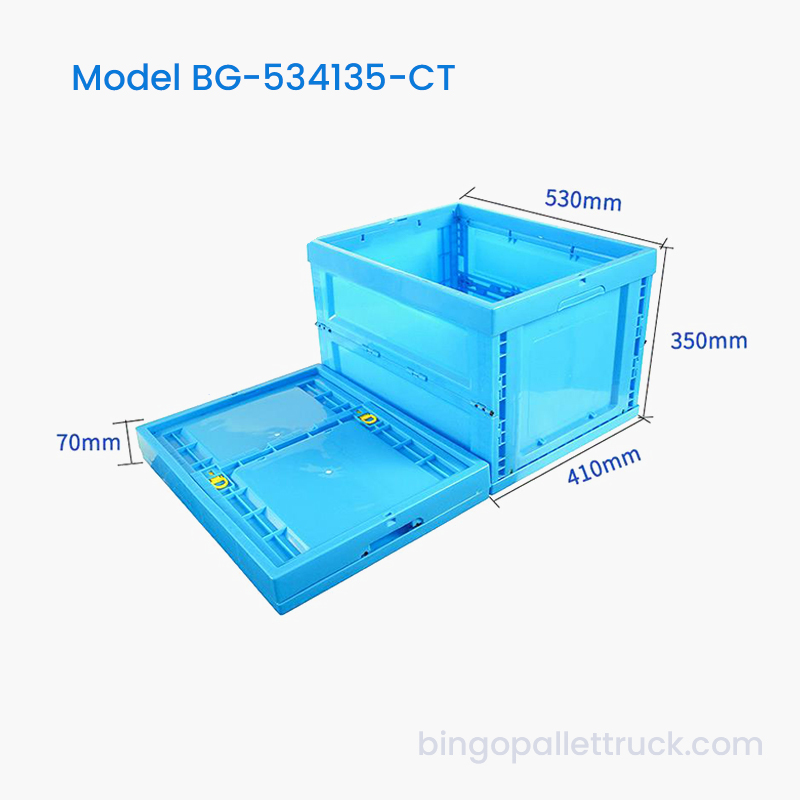
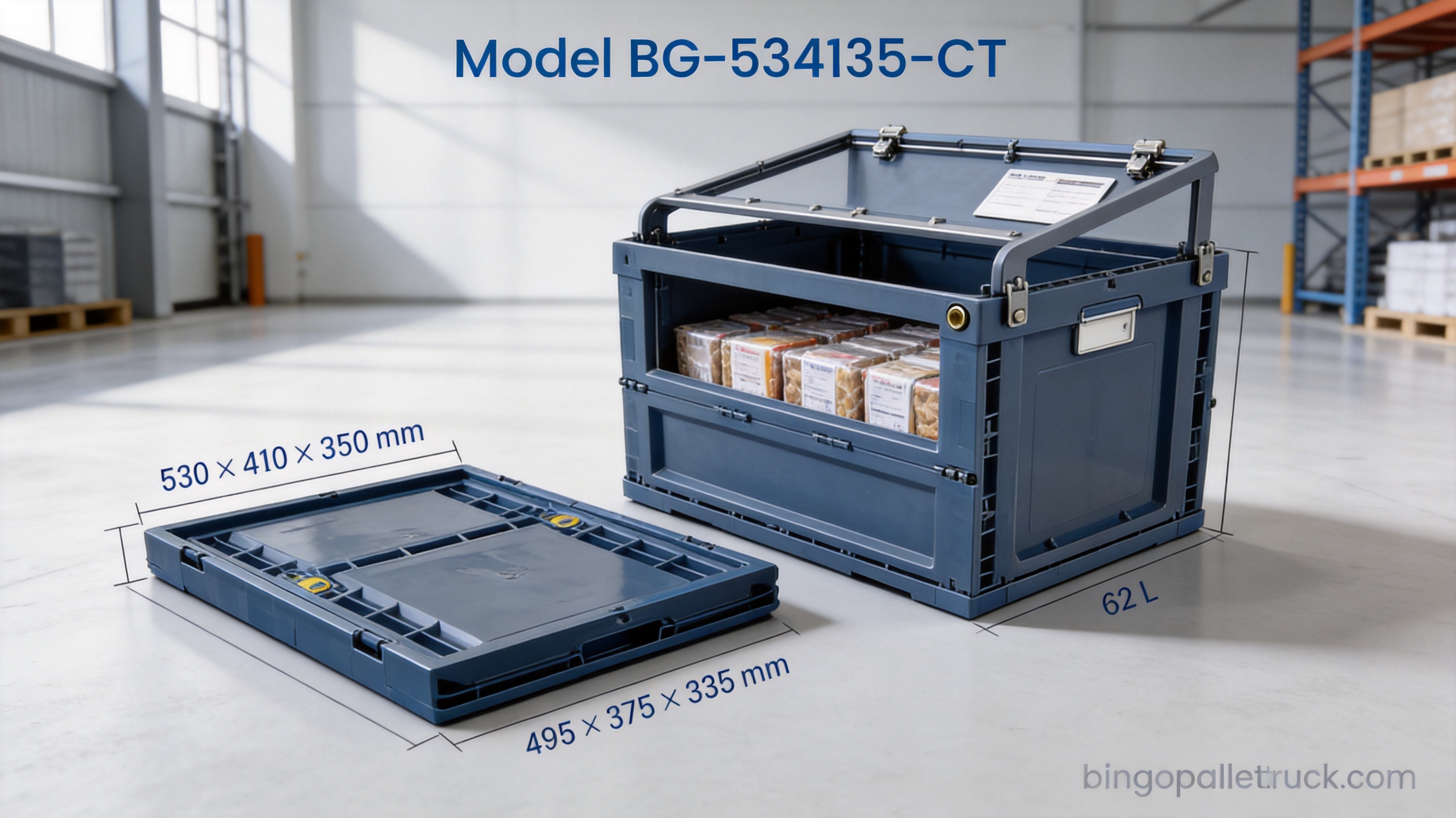
The 62L High-Capacity Collapsible Plastic Tote Box, model BG-534135-CT, is designed to address these practical requirements in one reusable packaging solution. Manufactured from durable polypropylene, this collapsible tote combines a useful internal volume with a space-saving folding structure. Its external dimensions are 530 × 410 × 350 mm, while its internal dimensions are 495 × 375 × 335 mm. When folded, the tote has a height of only 70 mm, creating a substantial reduction in return transport and empty-container storage volume.
Unlike ordinary rigid plastic boxes, this tote can be opened when needed and folded when empty. The design supports repeated use in warehousing, manufacturing, retail distribution, e-commerce, and general material storage. Reinforced structural components provide stable stacking, while integrated latches, pin shafts, label card slots, and security lock holes improve usability in professional logistics environments.
This article examines the product’s construction, operating advantages, manufacturing strengths, applications, maintenance considerations, and competitive value. It also explains how Yancheng Bingo Machinery Equipment Co., Ltd. supports the product through standardized production, quality inspection, modular design, and a broader one-stop logistics equipment supply system.
62L High Capacity Collapsible Plastic Tote Box for Bulk Goods Transport
Product Overview and Core Specifications
The BG-534135-CT is a heavy-duty collapsible plastic tote box with a nominal capacity of 62 liters. It is intended for organizations that require a durable container for storage and transport but do not want the permanent volume penalty associated with rigid boxes. The tote is suitable for use in both internal material flow and external distribution cycles, depending on the product, load, and operating environment.
| Specification | Details |
| Product Type | Collapsible plastic tote box |
| Model | BG-534135-CT |
| Material | Polypropylene, or PP |
| External Dimensions | 530 × 410 × 350 mm |
| Internal Dimensions | 495 × 375 × 335 mm |
| Capacity | 62 L |
| Product Weight | 2.4 kg |
| Folded Height | 70 mm |
| Fold Ratio | 80% |
The dimensional relationship between the external and internal measurements provides a practical balance between usable volume and structural strength. The 62-liter capacity is large enough for many bulk goods, order-picking tasks, components, packaged products, and warehouse supplies, while the footprint remains suitable for organized pallet, rack, and vehicle loading.
The 2.4 kg product weight also contributes to practical handling. A container must be strong enough to resist deformation but light enough for workers to move, open, fold, stack, and reposition throughout the day. The PP construction supports this balance by combining relatively low weight with useful impact resistance and rigidity.
The 70 mm folded height is one of the most important specifications. When empty totes remain open, they occupy nearly the same vertical volume as loaded totes. Folding them down greatly reduces the space required for storage and return transport. The stated 80% fold ratio can help companies reduce empty-container volume, improve vehicle utilization, and release warehouse space for productive activities.
Durable Polypropylene Construction
Polypropylene is widely used in reusable logistics packaging because it offers a practical combination of strength, low weight, chemical resistance, and processability. For a warehouse tote, material selection affects service life, cleaning requirements, load behavior, and the ability to withstand repeated handling.
The BG-534135-CT is manufactured using high-density virgin PP material according to the supplied product information. Virgin material provides a consistent material base for production and can help manufacturers maintain more predictable mechanical and visual properties from one production batch to another. Consistency is particularly important for folding components, latches, pin connections, and load-bearing areas.
In normal logistics use, a tote may be exposed to repeated lifting, stacking, sliding, loading, unloading, and contact with pallets or shelving. It may also encounter dust, moisture, oils, and common industrial contaminants. Polypropylene is a suitable material for many of these environments, although the exact chemical compatibility and temperature limits should always be confirmed for a particular application.
The tote’s molded base and side panels are designed to work as an integrated structure. The base supports the load, while the long and short side panels form the container walls when the tote is open. The upper frame contributes to overall stability and provides a finished edge around the opening. Together, these elements create a reusable container that is more structured than a flexible bag and more space-efficient than a permanently rigid box.
Durability should not be measured only by the maximum static load of an empty container. Real-world service life also depends on how the product is handled, whether loads are evenly distributed, whether the tote is stacked correctly, and whether it is exposed to unsuitable temperatures or chemicals. Nevertheless, the product’s reinforced construction and reported support of more than 120 kg under high-strength load testing demonstrate its suitability for demanding material-handling applications when used within recommended conditions.
Collapsible Design and Space Efficiency
The greatest competitive advantage of this tote is its ability to change between an open working configuration and a compact folded configuration. This feature directly addresses one of the most common inefficiencies in reusable packaging: the cost of moving and storing empty containers.
A conventional rigid tote occupies its full height whether it is full or empty. If a fleet of rigid boxes is returned from a customer, production line, store, or distribution point without goods inside, the company must still transport and store the same three-dimensional volume. This can lead to inefficient truck utilization, additional trips, congestion in staging areas, and increased requirements for warehouse space.
By contrast, the BG-534135-CT folds to a height of 70 mm. Empty units can therefore be consolidated more densely, provided that safe stacking and handling procedures are followed. This can reduce the volume of return shipments and make it easier to store reserve containers near workstations, packing lines, or dispatch areas.
The collapsible structure is especially valuable in closed-loop logistics. In a closed-loop system, containers travel repeatedly between a supplier, distribution center, retail location, production facility, or customer. Every return journey represents an opportunity to reduce cost. When empty containers can be folded, the same vehicle may carry a greater number of units, or the organization may be able to reduce the number of return trips required.
The space-saving benefit also applies inside warehouses. Open totes may be required in a picking or packing area during active operations, but unused units can be folded and stored in a much smaller footprint. This allows companies to separate active stock from reserve packaging and maintain clearer working aisles.
Folding and opening can be completed without additional tools. This reduces dependence on specialized equipment and allows operators to prepare containers at the point of use. Tool-free operation is particularly useful in fast-moving environments where containers must be deployed quickly or where maintenance personnel are not continuously available.
Structural Stability and Load-Bearing Performance
Collapsible products must solve a structural challenge: they need to fold efficiently while remaining stable when open. A weak folding box may save space but perform poorly under load, while an excessively rigid box may be durable but difficult to collapse. The BG-534135-CT addresses this balance through reinforced panels, a structured base, an upper frame, pin shaft connections, and integrated latches.
When the side panels are raised, the latches help secure the short panels and maintain the open shape. The pin shaft design connects the box body and allows the folding components to move through their intended range. These features are important because the container must remain stable during lifting, stacking, and transport, not merely during stationary storage.
The base is a critical load-bearing area. It must support the contents while transferring weight to the floor, pallet, rack surface, or the tote below. A properly designed base also helps distribute the load and reduce localized stress. Users should place goods evenly inside the tote rather than concentrating excessive weight in one small area.
The upper frame adds rigidity around the opening and can improve stacking alignment when multiple open totes are placed on top of one another. Stable stacking helps reduce the risk of leaning loads, product damage, and aisle obstruction. It also improves the use of vertical warehouse space.
According to the supplied product information, load-bearing tests show that the foldable crates can support more than 120 kg under high-strength stress. This figure should be interpreted in relation to test conditions, load distribution, stacking height, temperature, and handling method. It is not a substitute for a site-specific load assessment, but it indicates that the product is intended for heavy-duty rather than purely light-duty storage.
For safe operation, users should avoid exceeding the actual working load specified for their application. They should also inspect the base, hinges or pin shafts, latches, and side panels before placing heavy goods inside. A damaged component should be replaced rather than ignored, especially when the tote is used in a stacked configuration.
Modular Components and Local Replacement
A major advantage over many one-piece containers is the modular structure of the product. The listed components include the long side panels, base, short side panels, pin shaft, latches, label card, upper frame, and additional long side panel elements. This arrangement allows individual parts to be replaced when damage is limited to one section.
In ordinary molded boxes, a damaged wall, hinge, or latch may make the entire container unusable. Even if most of the box remains in good condition, the company may have no practical option other than discarding it. This creates unnecessary replacement costs and increases plastic waste.
The modular approach improves total cost of ownership. If a short panel or pin shaft becomes damaged, the operator can identify the affected component and replace it instead of disposing of the complete tote. This can extend the useful service life of the remaining parts and reduce the need to maintain a large reserve of complete replacement boxes.
Local replacement also simplifies fleet maintenance. A warehouse or distribution center can establish an inspection process in which damaged totes are removed from service, assessed, repaired, and returned to circulation. This creates a more controlled repair cycle and can prevent minor component failures from becoming complete product losses.
For large fleets, modular construction may also improve asset standardization. Companies can use the same basic tote body across different operating areas while keeping replacement panels, bases, latches, or pin shafts as service parts. This is more efficient than managing several unrelated container types with different dimensions and spare-parts requirements.
Replacement should always be performed with compatible components and according to the manufacturer’s instructions. The container should not be returned to heavy-duty service if a structural connection remains loose, cracked, or improperly fitted.
Operational Features for Warehouse Use
Integrated Latch Fixing
The latches are integrated into the short panels and help secure the tote in its open position. Integrated fixing reduces the need for loose accessories that can be lost during daily operations. It also makes the opening process more consistent for workers who handle large numbers of containers.
A secure latch system is important in transport because side panels must remain upright while the tote is moved, stacked, or placed on a pallet. Operators should confirm that each latch is fully engaged before loading goods or lifting the container.
Pin Shaft Connection
The pin shaft connects the box body and supports controlled folding movement. A properly designed pin connection can make the transition between open and folded positions smoother while keeping the assembly aligned.
During inspection, users should check whether pin shafts are bent, loose, or obstructed by debris. If folding becomes difficult or the panels do not align correctly, the tote should be removed from service until the cause is identified.
Security Lock Hole
The security lock hole provides an additional way to protect goods during transportation. A cable tie or combination lock can be used to discourage unauthorized opening or to provide visible evidence that the tote has been accessed.
This feature is useful for distribution routes involving multiple handling points. It can support basic tamper indication for packaged products, components, documents, retail goods, and other materials that benefit from controlled access. The lock hole does not replace a formal security system, but it provides a practical physical control at the container level.
Label Card Slot
The label card slot is designed to support identification, classification, and inventory organization. A tote can be labeled with a product code, route, destination, batch number, work order, storage location, or handling instruction.
Clear labeling reduces searching time and helps employees identify the correct container without opening it. In e-commerce fulfillment, labels can support order grouping and route sorting. In manufacturing, they can identify components or work-in-progress. In retail distribution, they can indicate store destinations or product categories.
Because labels may change during repeated use, companies can create a standardized card system that fits the slot and can be replaced when the contents or destination changes.
Advantages Compared with Conventional Rigid Totes
The BG-534135-CT has several advantages over conventional rigid plastic totes. The first is empty-volume reduction. Rigid totes retain their full height when empty, while this product folds to 70 mm. This makes a measurable difference when empty containers are returned over long distances or stored in large quantities.
The second advantage is operational flexibility. A rigid tote may be suitable for a permanent storage location, but a collapsible tote can be opened for active use and folded for reserve storage. This gives warehouse managers greater control over space allocation.
The third advantage is repairability. Many low-cost containers are treated as disposable products because a broken latch or cracked side makes replacement impractical. The modular design of this tote provides a path to component-level repair, potentially reducing long-term operating costs.
The fourth advantage is professional identification and security. Label card slots and lock holes are not always present on basic storage boxes. These features help the tote support organized distribution workflows rather than serving only as an open container.
The fifth advantage is stronger integration with warehouse systems. The tote’s dimensions and reinforced stacking structure make it suitable for palletized operations, warehouse shelving, order consolidation, production-line supply, and internal transport. It can function as part of a standardized material flow rather than as an isolated storage item.
Compared with flexible bags, the tote offers better shape retention, stacking capability, product protection, and structured handling. Compared with cardboard cartons, it is reusable and less vulnerable to ordinary moisture exposure, although specific goods and environmental conditions must still be considered. Compared with permanently rigid reusable boxes, it provides a significant empty-space advantage.
| Feature | BG-534135-CT | Rigid Plastic Tote | Flexible Bag | Cardboard Carton |
| Reusable Structure | Yes | Yes | Usually limited by application | Often limited |
| Collapsible When Empty | Yes, folded height 70 mm | Usually no | Yes | Often yes |
| Stacking Stability | High when properly loaded | High | Limited | Moderate and condition-dependent |
| Label Card Slot | Integrated | Varies | Varies | Usually separate label |
| Security Lock Hole | Available | Varies | Rare | Rare |
| Component Replacement | Designed for modular replacement | Usually limited | Usually limited | Not practical |
| Nominal Capacity | 62 L | Depends on model | Depends on model | Depends on model |
The comparison is general rather than an absolute performance ranking. A container should always be selected according to load type, handling equipment, route conditions, hygiene requirements, temperature, and applicable regulations. However, the combination of folding capability, reusable PP construction, modular repair, stacking support, and identification features gives this product a strong position for professional logistics operations.
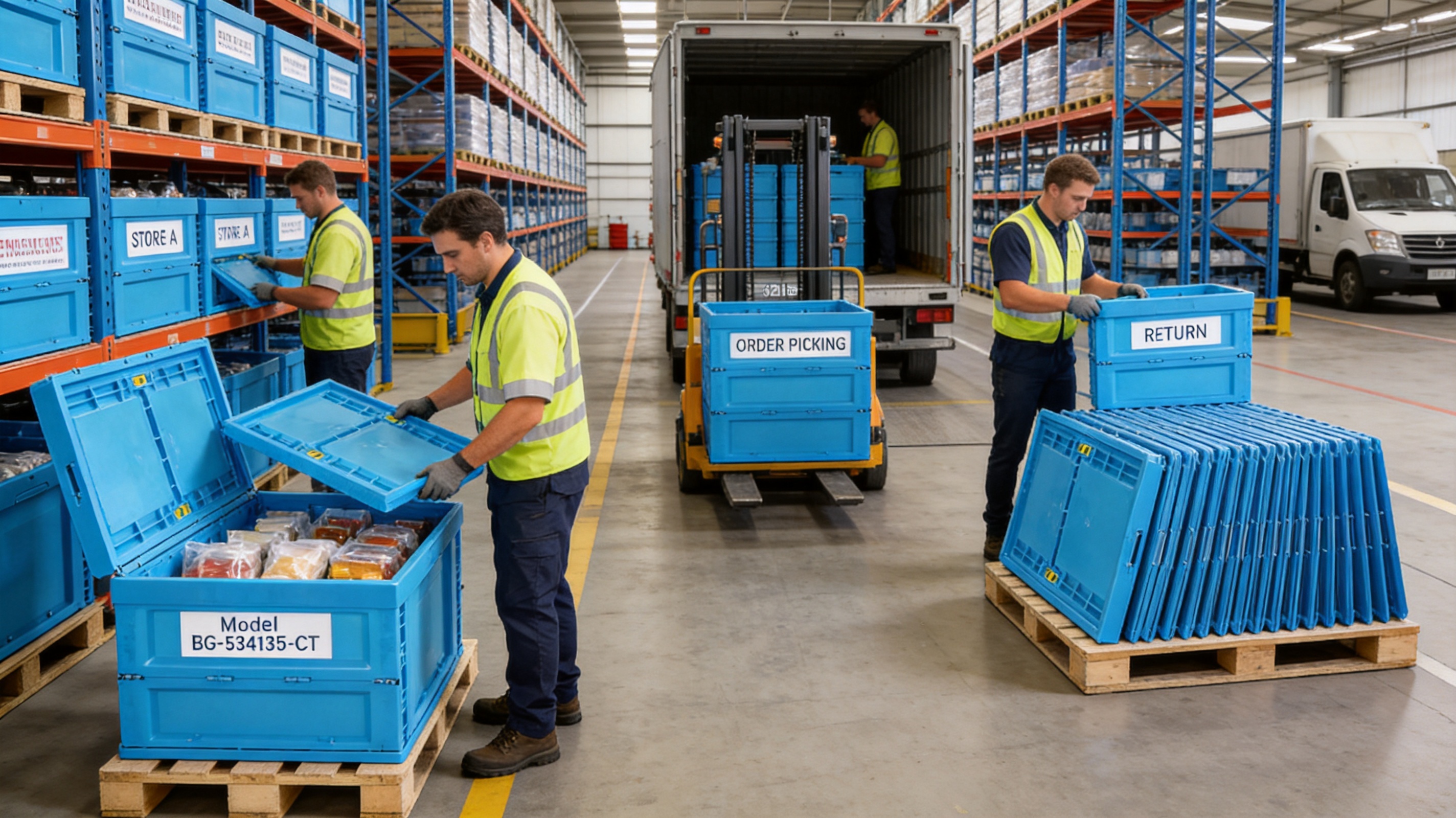
Applications Across Different Industries
Warehousing and Distribution
In general warehousing, the tote can be used for stock organization, internal transfers, replenishment, picking, and outbound consolidation. Its 62-liter capacity provides enough space for grouped items while remaining manageable for manual handling when filled with suitable goods.
Distribution centers can use the label card slot to identify destinations, routes, customer orders, or handling categories. When the tote returns empty, the folding function reduces the space required in return vehicles and staging areas.
E-Commerce Fulfillment
E-commerce operations depend on fast and accurate order processing. Totes are commonly used to consolidate items during picking, transfer orders between processing stations, and stage completed orders before dispatch.
The product’s structured walls help protect items from being crushed by neighboring loads. Its label slot can support order or route identification, while the security lock hole can be used for basic tamper indication when orders move through multiple handling stages.
After dispatch or delivery, empty totes can be folded for return to the fulfillment center. This is particularly useful when a company operates a reusable packaging loop between a central warehouse and retail, commercial, or institutional customers.
Manufacturing and Production Lines
Manufacturers can use the tote for components, semi-finished goods, work-in-progress materials, tools, and packaging supplies. The container can be positioned near a production line when open and folded when reserve units are not required.
Modular repair is valuable in manufacturing environments because containers may experience frequent contact with conveyors, pallets, carts, and handling equipment. Replacing an individual damaged panel or latch can help maintain a usable fleet without continuously purchasing complete new containers.
Retail Distribution
Retail distribution centers can use the tote to organize goods by store, department, route, or delivery sequence. Standardized dimensions make it easier to plan shelf locations, staging lanes, and vehicle loading patterns.
When used for store replenishment, the container can support product protection during transport and make receiving processes more organized. The label card slot can be updated for each destination, reducing confusion when multiple stores receive similar products.
Daily Commercial Storage
Offices, workshops, service centers, and commercial facilities can use the tote for supplies, spare parts, packaged goods, maintenance materials, and general inventory. Its collapsible design is useful for organizations that need storage capacity occasionally but do not want a large permanent footprint.
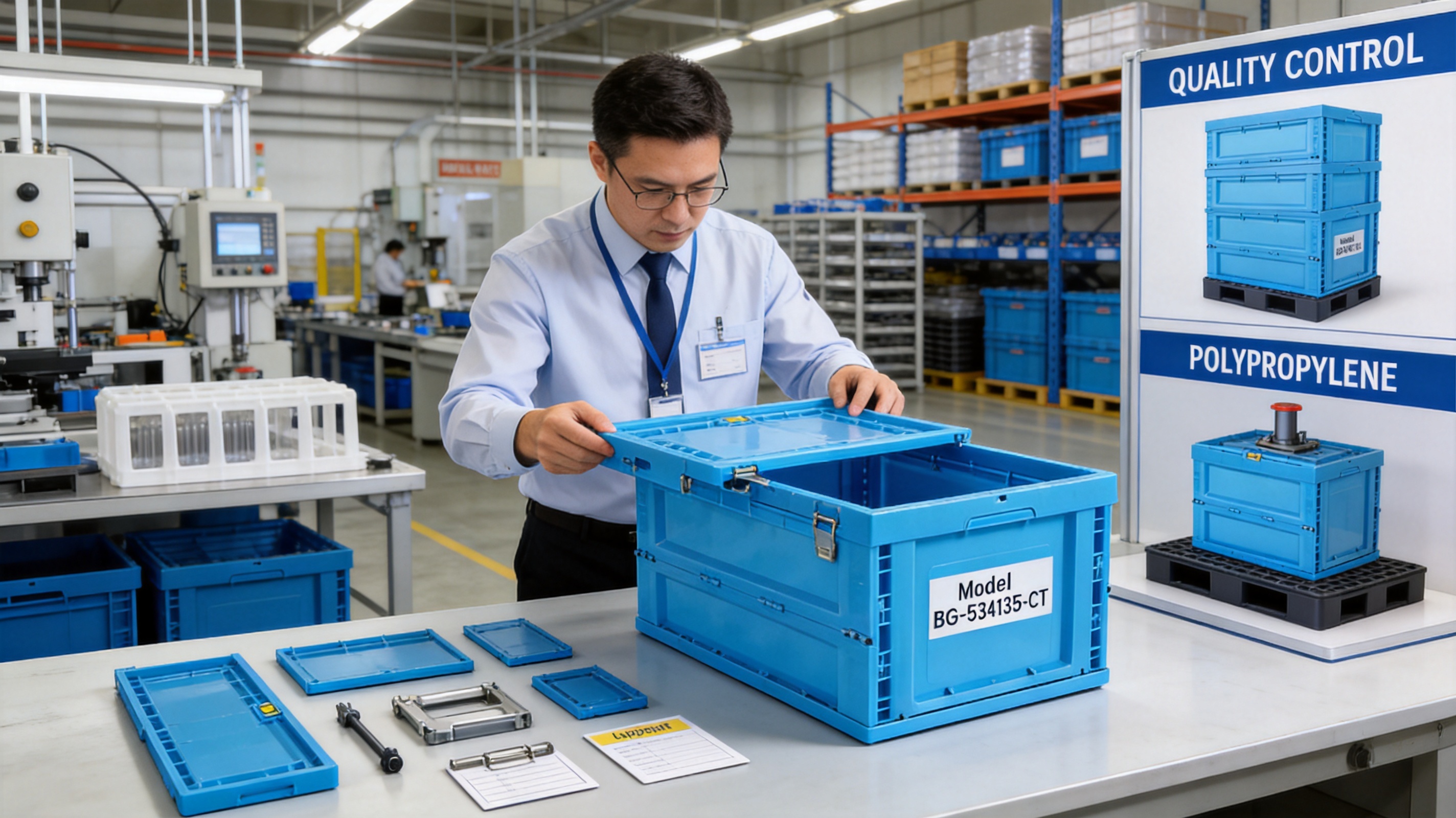
Manufacturing Process and Quality Control
The product’s performance depends not only on its design but also on how consistently it is manufactured. A collapsible tote contains several interacting components, and dimensional accuracy is important for folding movement, latch engagement, panel alignment, and stacking stability.
Yancheng Bingo Machinery Equipment Co., Ltd. states that the product is manufactured using high-density virgin PP material and that quality control is implemented from raw material sourcing through production. This type of process control is important because variations in material, molding conditions, cooling, assembly, or inspection can affect the finished tote.
Material Sourcing and Preparation
Material control begins with the selection and handling of polypropylene. The production team must maintain appropriate material specifications and ensure that the material is prepared consistently for processing. Virgin PP provides a controlled starting point for molded components and supports repeatable production.
Material identification and batch management can help manufacturers trace production if a quality issue is discovered. This is especially relevant for industrial customers that purchase large quantities and expect consistent dimensions and performance across multiple deliveries.
Precision Molding
The base, panels, upper frame, and other plastic components must be formed with suitable dimensional accuracy. Molding conditions influence wall thickness, surface quality, rigidity, and the fit between moving or connected parts.
For a foldable product, precision is particularly important around pin shaft locations, latch mounting areas, panel edges, and the upper frame. If these areas are misaligned, operators may experience difficult folding, incomplete locking, or reduced stacking stability.
Standardized production procedures help reduce variation between units. Process parameters can be monitored and adjusted to maintain consistent molding results. The objective is not merely to produce a visually acceptable container but to create a product that works reliably through repeated open-and-fold cycles.
Component Assembly
After the molded parts are produced, the components are assembled into the complete tote. Assembly personnel or equipment must install the base, side panels, pin shafts, latches, upper frame, and labeling components in the correct sequence.
Assembly inspection should verify that the pin shafts are seated correctly, the panels move as intended, the latches engage properly, and the tote can stand securely in its open configuration. A correct assembly process reduces the likelihood of early failures caused by loose or incorrectly fitted parts.
Functional Inspection
Functional quality control may include dimensional checks, folding and opening checks, latch inspection, visual examination, and load-related testing. The product information states that strict quality control is applied at every stage, with inspections intended to ensure that products meet internal standards.
Testing should focus on the features that matter most in service: structural stability, folding performance, component fit, load behavior, and the condition of the finished surfaces. Quality inspection is most effective when it is integrated into the entire production process instead of being limited to a final visual check.
Standardized Production Management
Bingo describes its production approach as streamlined and standardized. Standardization supports repeatability, worker training, process documentation, and consistent output. It also makes it easier to identify the cause of a defect and implement corrective action.
For international customers, consistent production is important because the product may be integrated into established warehouse layouts, transport systems, and operating procedures. A change in dimensions or folding behavior can affect pallet utilization, shelving, vehicle loading, and automated or semi-automated workflows.
Company Strengths and One-Stop Logistics Capabilities
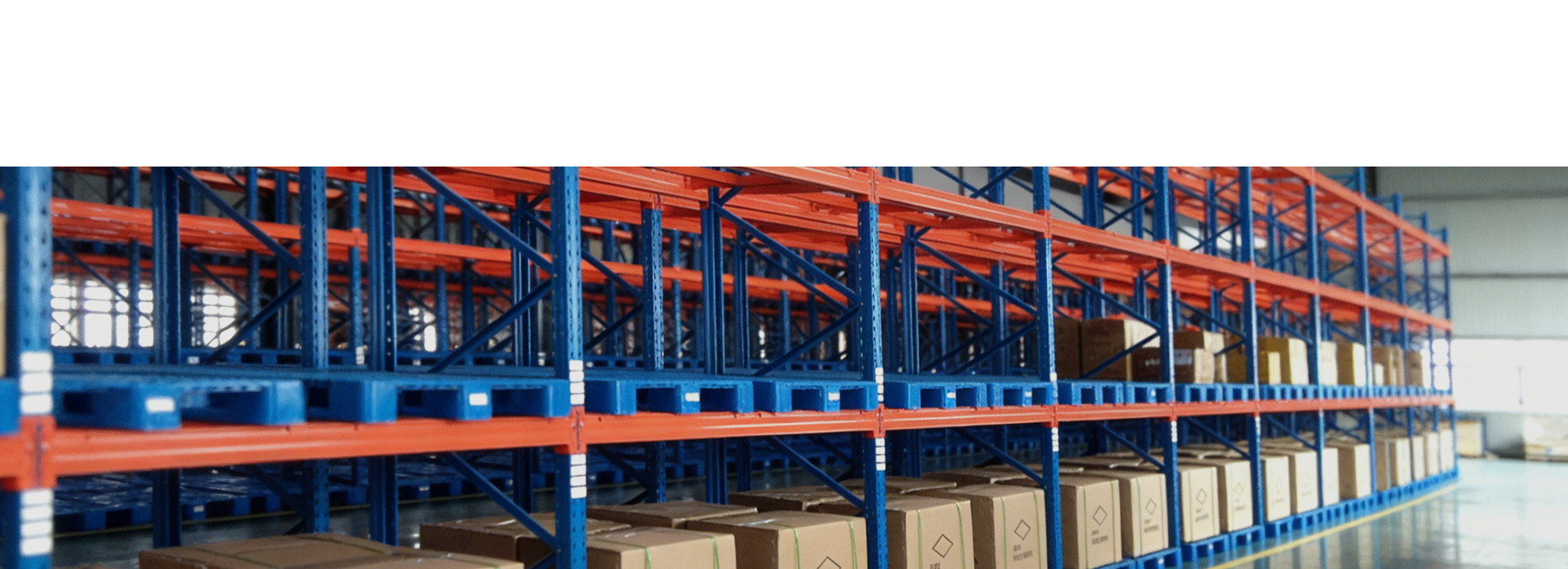
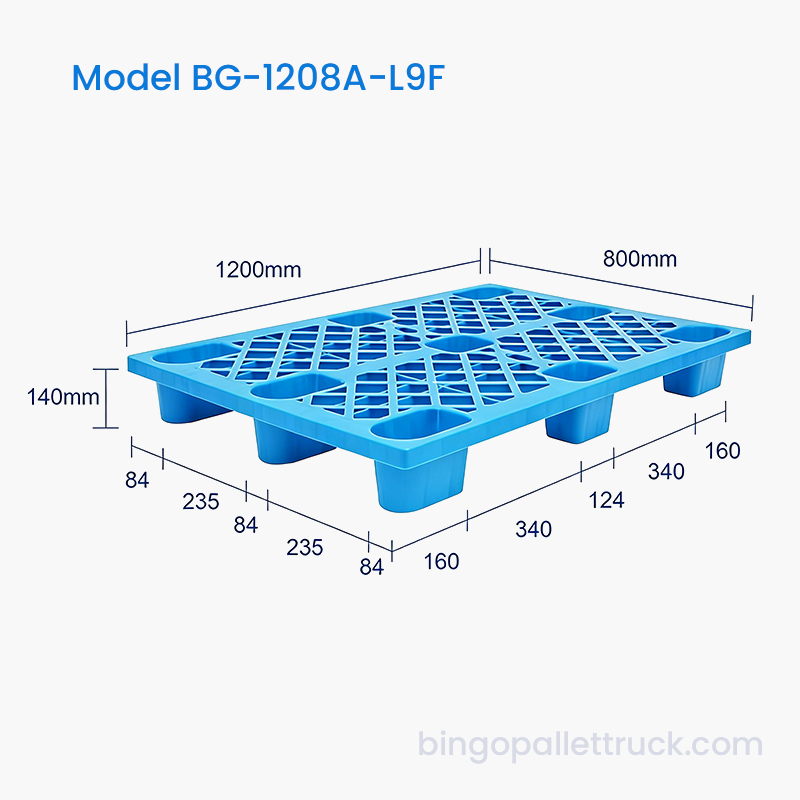
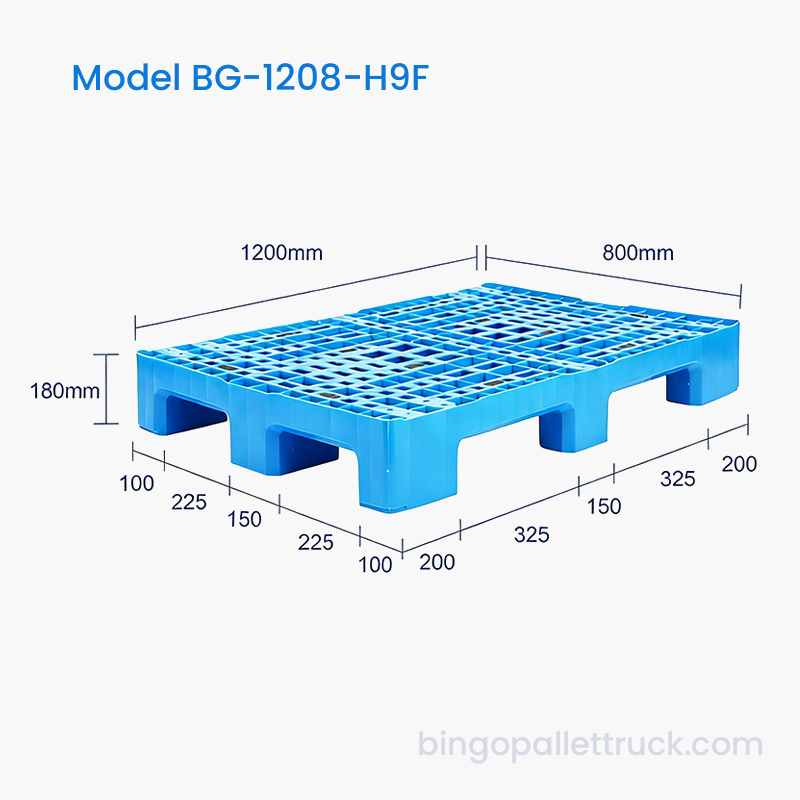
Yancheng Bingo Machinery Equipment Co., Ltd. specializes in warehousing and logistics equipment, with product categories covering handling equipment, storage containers, packaging materials, and warehouse racks. This broader product range gives customers the opportunity to source multiple elements of a material-handling system from one supplier.
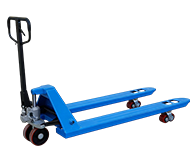
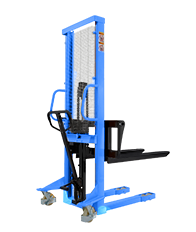
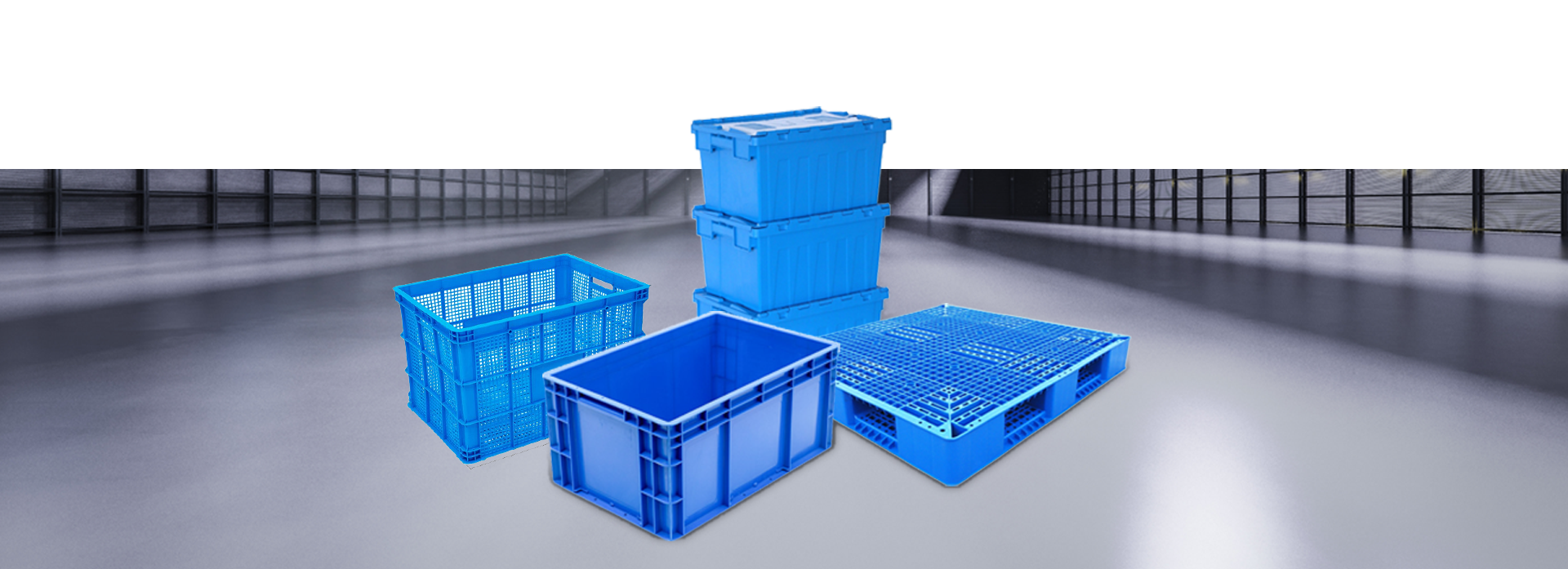
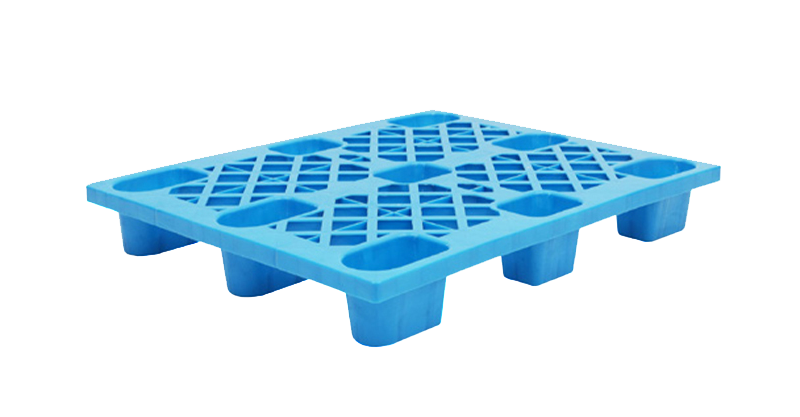
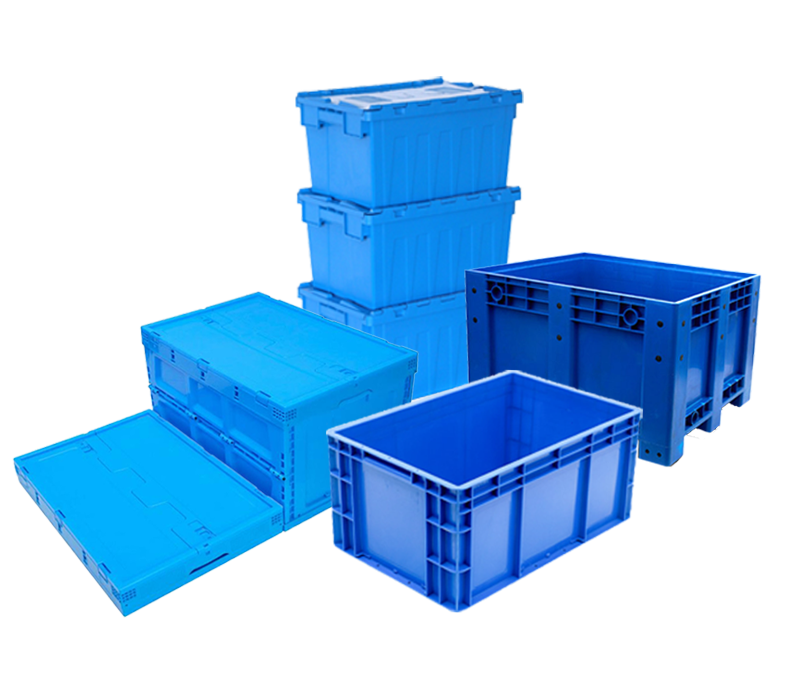
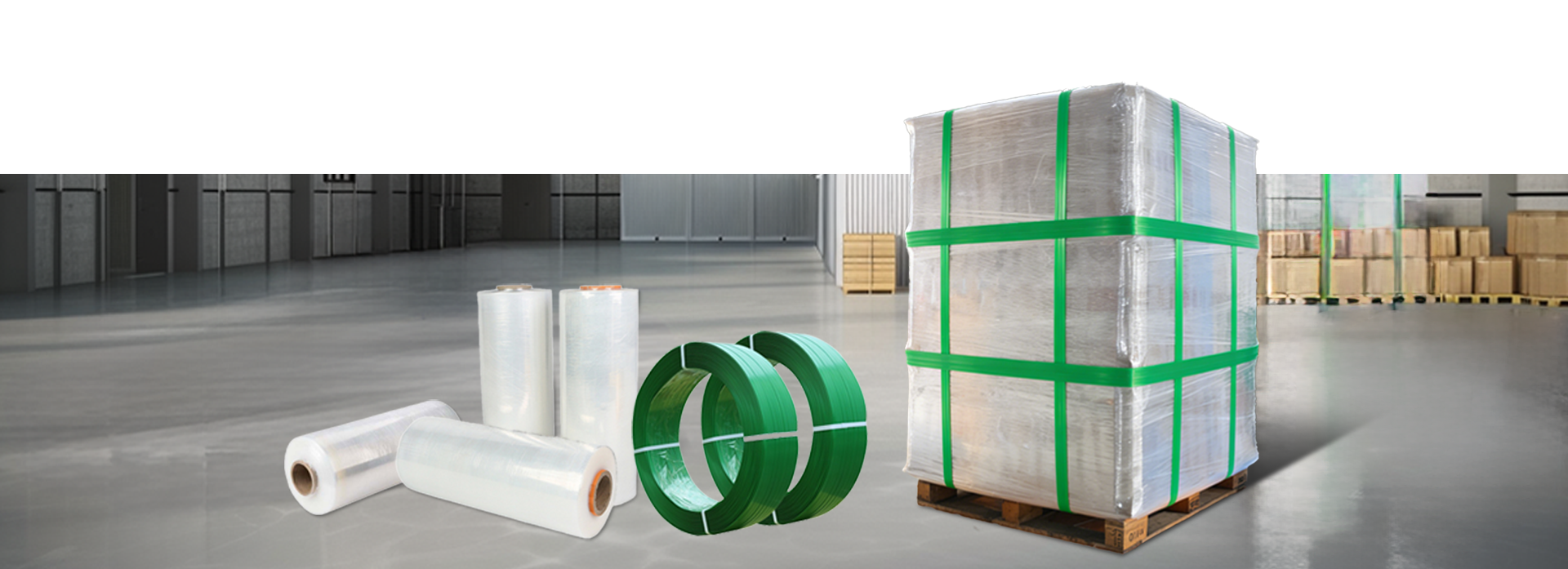
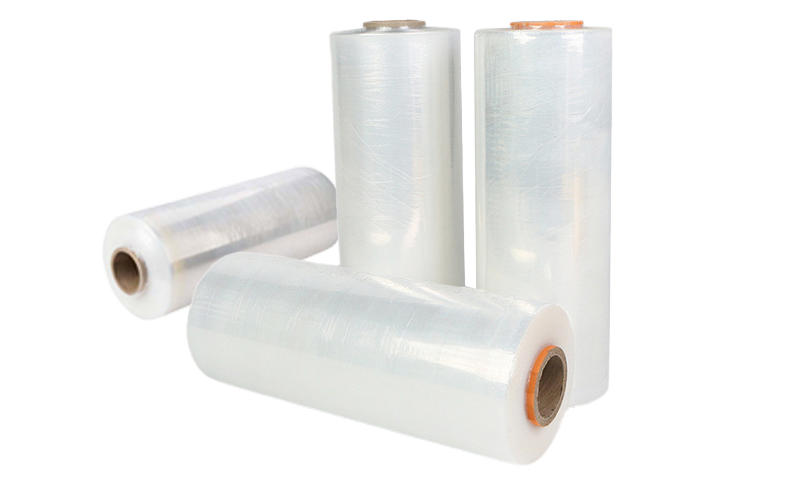
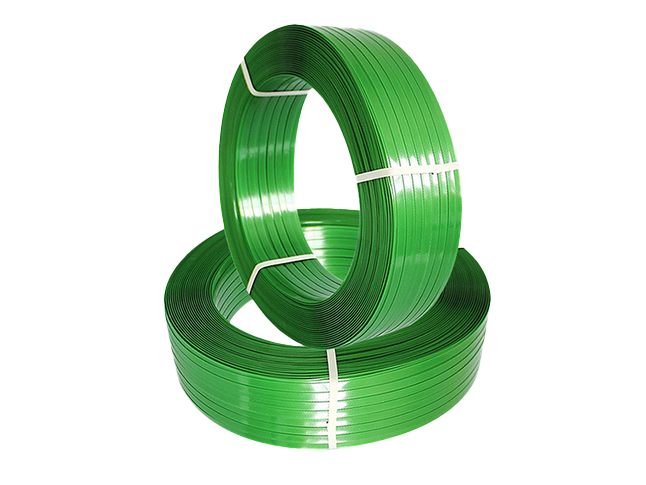
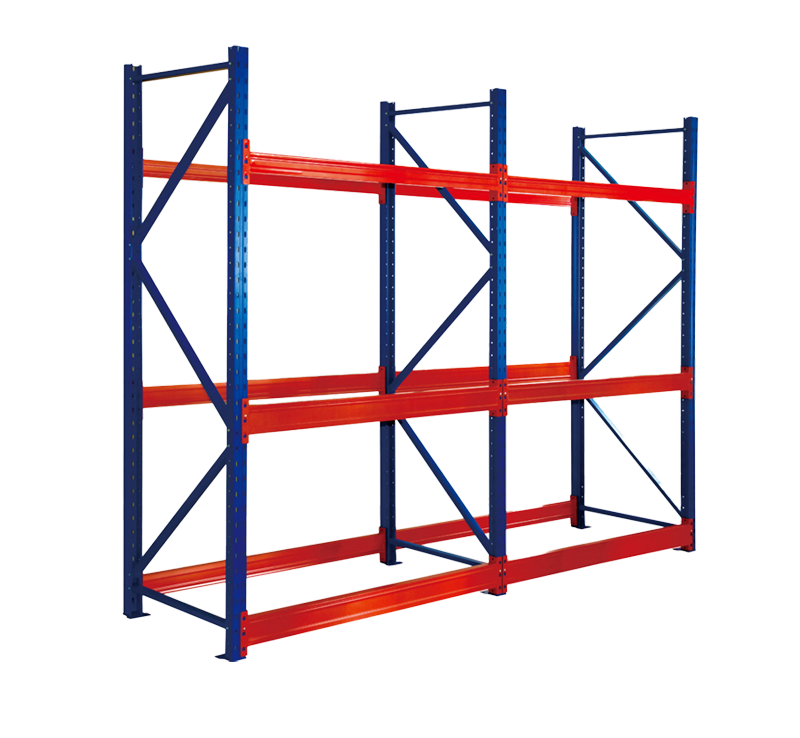
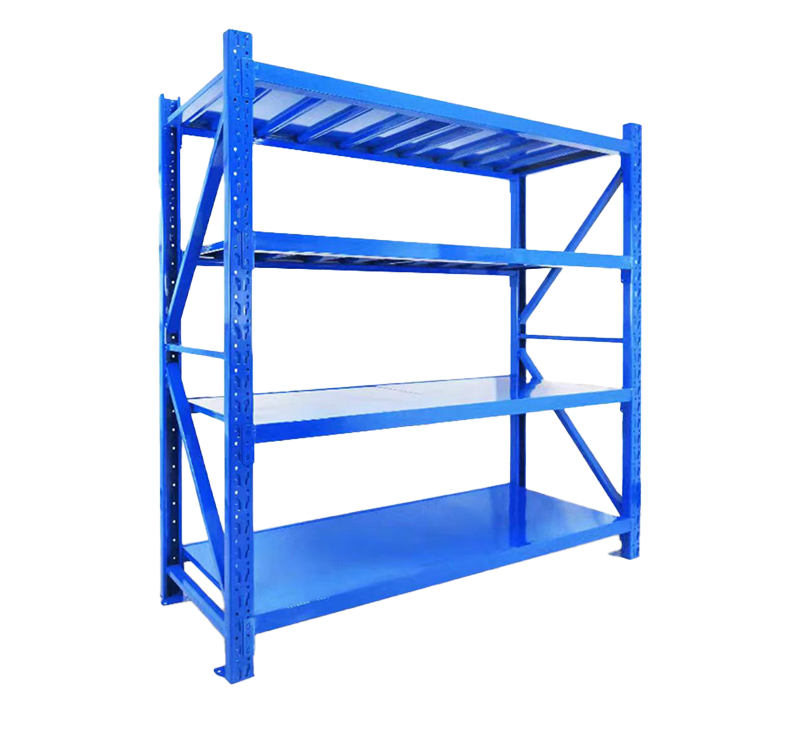
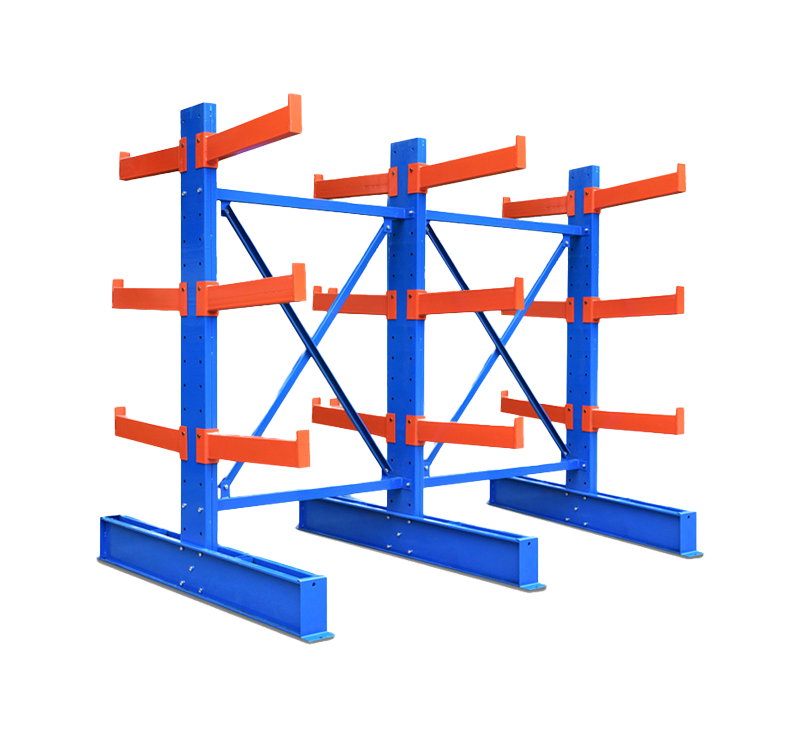
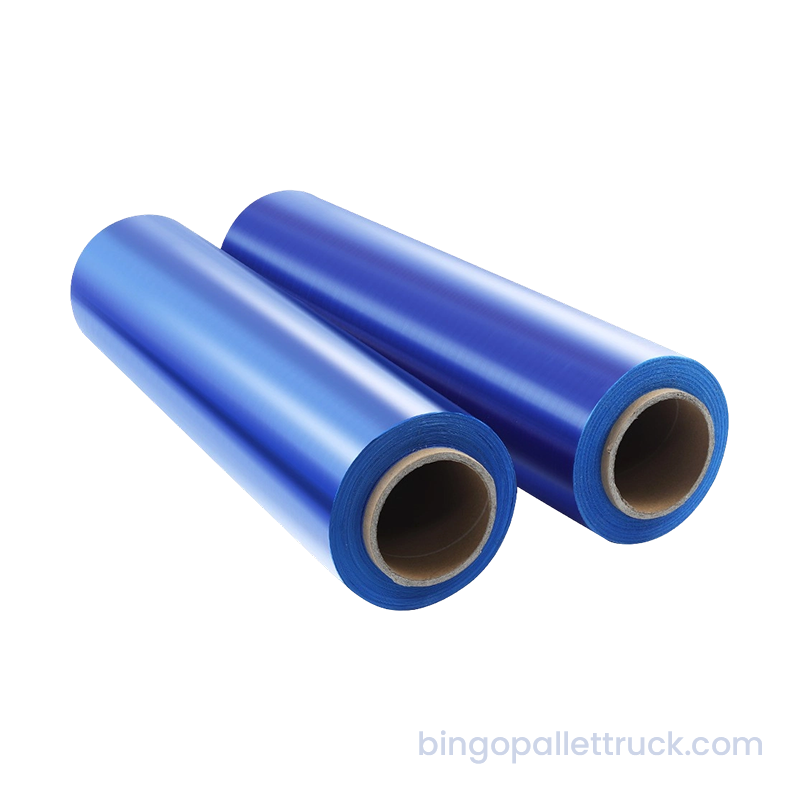
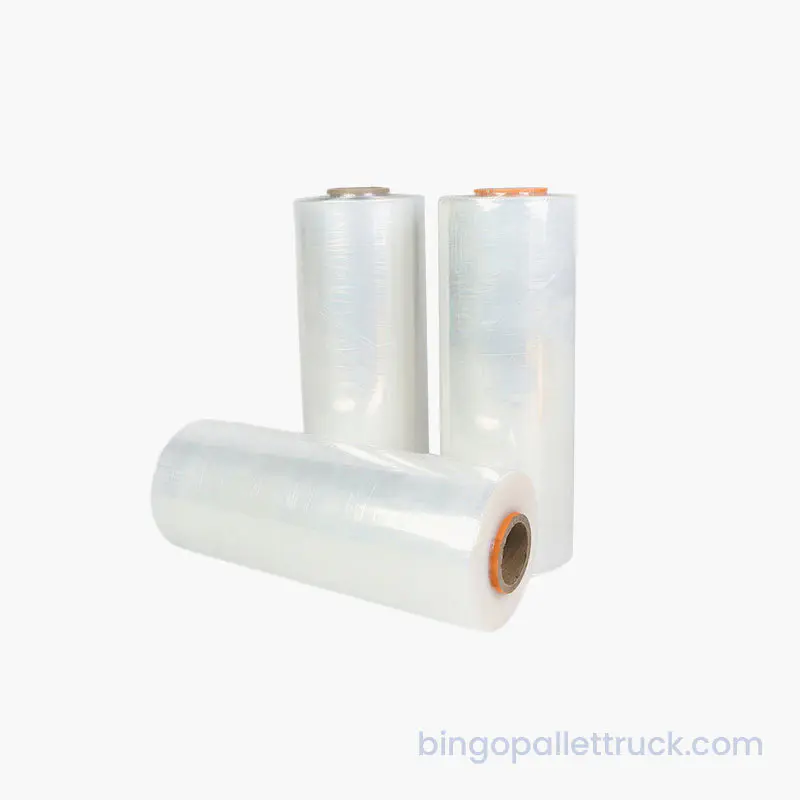
Its handling equipment line includes manual and electric pallet trucks and stackers. Its storage container range includes plastic pallets, plastic totes, crates, and bulk containers. Packaging materials include products such as stretch wrap and packing strapping, while warehouse racking products cover light-duty, medium-duty, and heavy-duty applications.
This product breadth can simplify procurement for businesses that are expanding or reorganizing a warehouse. Instead of selecting an isolated tote without considering the surrounding operation, customers can evaluate containers alongside pallets, handling equipment, packaging materials, and storage structures.
A one-stop supply approach may also support better compatibility. For example, container dimensions can be considered in relation to pallet sizes, rack bays, staging areas, and handling equipment. Although customers must still confirm technical compatibility for each application, a supplier with experience across several product categories can contribute to a more integrated solution.
The company presents itself as a global partner for smart logistics and emphasizes quality-first, win-win cooperation. Its stated customer industries include manufacturing, e-commerce logistics, warehousing and distribution, and supermarket retail. These markets require products that are practical, scalable, and capable of supporting repeated material flow.
How to Introduce the Tote into a Logistics Operation
Successful implementation begins with an assessment of the current container process. Companies should identify how many totes are in circulation, where they are stored, how far they travel, how often they return empty, and what types of damage occur most frequently.
The next step is to define the intended load. Product weight, dimensions, center of gravity, surface condition, and sensitivity to impact all affect the suitability of the tote. Heavy or dense goods should be distributed evenly across the base, and sharp edges should be protected to reduce the risk of damage.
Companies should then establish a loading and stacking procedure. Workers need clear instructions on the maximum permitted load, the correct use of latches, the correct orientation of labels, and the conditions under which totes may be stacked. Standard procedures improve safety and reduce inconsistent handling.
A pilot program can help measure results before full fleet deployment. Useful measurements include empty return volume, storage area used, loading time, picking accuracy, product damage, repair frequency, and total container cost over a defined period.
For large fleets, asset identification may be added through printed cards, barcodes, labels, or other tracking methods. The integrated label card slot provides a simple physical identification point, while organizations may combine it with digital inventory or route-management systems.
Maintenance procedures should include regular checks for cracks, broken latches, loose pin shafts, deformed panels, and damaged bases. Containers with structural defects should be quarantined until repaired or replaced. Modular replacement can then be used to return suitable totes to service efficiently.
Safe Handling and Maintenance Recommendations
Before use, inspect the tote for visible cracks, excessive deformation, loose components, or damaged latches. Confirm that the side panels are fully raised and that the latches are properly engaged. Do not load a tote that cannot be locked securely in its open position.
Load goods evenly and avoid placing concentrated weight on a single corner or small area of the base. If the contents are sharp, unstable, or unusually dense, use suitable internal protection or a different container design.
Do not exceed the approved working load for the specific operating conditions. Static test performance and dynamic handling performance are not identical. Movement by pallet truck, forklift, conveyor, or manual lifting can create forces that are greater than the load experienced by a stationary box.
Keep the tote away from direct contact with extreme heat, open flames, or chemicals that may be incompatible with polypropylene. If the tote is used in a cold environment, users should confirm that the material remains suitable for the expected impact and load conditions.
Clean the tote according to the requirements of the stored goods and the operating environment. Avoid cleaning methods that could damage labels, latches, or other components. After washing, allow the tote to dry sufficiently before folding and storing it.
When folding the tote, keep hands clear of moving joints and ensure that the panels are not forced against obstructions. Store folded units on stable surfaces and avoid unstable piles that could fall into working areas.
For long-term service, maintain records of inspections, repairs, and replacements. This can reveal recurring damage patterns and help managers improve pallet loading, operator training, and route handling.
Environmental and Cost Considerations
Reusable packaging can contribute to a more efficient logistics system by reducing dependence on single-use cartons and helping companies circulate containers through multiple operating cycles. The environmental benefit depends on actual reuse frequency, product lifespan, transport distance, cleaning requirements, and end-of-life management.
The collapsible design adds another efficiency advantage by reducing empty transport volume. Fewer vehicle movements or better use of available vehicle space can lower the resources associated with returning packaging. In addition, folded totes occupy less warehouse space, which may reduce the need for additional storage areas.
The modular repair structure can extend the life of the product. Replacing a damaged component instead of discarding the whole tote preserves the value of the undamaged parts and reduces material waste. This is also a financial advantage because the company can spend maintenance funds on specific parts rather than complete units.
Polypropylene is a thermoplastic material that may be recyclable at the end of its usable life, subject to local collection systems and material management policies. Companies should separate damaged PP components from incompatible materials where practical and follow applicable regional recycling requirements.
A complete cost comparison should include purchase price, transport, handling labor, storage space, return logistics, cleaning, repair, replacement, and expected service life. A collapsible tote may provide its greatest economic benefit in operations with frequent empty returns, high container circulation, or limited warehouse space.
Procurement Guidance for Buyers
Buyers should confirm the required external and internal dimensions before ordering. The external footprint affects pallet patterns, rack compatibility, truck loading, and aisle planning, while the internal dimensions determine whether the intended goods will fit comfortably.
Capacity should be evaluated together with product density. A 62-liter tote may reach its practical weight limit before it is physically full when used for dense metal parts, liquid-containing packages, or other heavy goods. Conversely, lightweight products may fill the volume without approaching the structural load limit.
Buyers should ask for information about applicable load conditions, stacking recommendations, temperature range, cleaning requirements, available replacement parts, and expected component service life. They should also clarify color availability, specification options, packaging method, production lead time, and shipping arrangements.
For companies operating across multiple sites, color coding can support visual organization. The supplied information indicates that multiple colors and a full range of specifications are available. Customers should confirm which color and specification combinations are offered for the required order quantity.
It is also useful to evaluate how the tote will interact with existing pallets, warehouse racks, conveyors, carts, and lifting equipment. A properly sized container can improve the overall system, while an incompatible size may create unused space or handling difficulties.
Questions and Answers
What is the capacity of the BG-534135-CT tote?
The nominal capacity is 62 liters. The internal dimensions are 495 × 375 × 335 mm, which should be considered when evaluating the actual size and shape of the intended goods.
What material is used to manufacture the tote?
The tote is made from polypropylene, or PP. The supplied product information states that high-density virgin PP material is used in production.
How small is the tote when folded?
The folded height is 70 mm. The stated fold ratio is 80%, allowing empty totes to occupy substantially less vertical space than open rigid containers.
Does the tote require tools to open or fold?
No additional tools are required for normal opening and folding. Operators should still follow appropriate handling procedures and keep hands clear of moving components.
Can the tote be stacked?
Yes. The tote has a reinforced structure designed to support stable stacking when properly opened, latched, loaded, and used within recommended conditions.
What load can the tote support?
The supplied information reports that foldable crates can support more than 120 kg under high-strength load testing. The applicable working load should be confirmed for the specific application because load distribution, movement, temperature, stacking, and handling method affect performance.
What happens if one part of the tote is damaged?
The modular design allows damaged components to be replaced locally in many cases. Listed components include side panels, the base, pin shafts, latches, the label card, and the upper frame. Compatible replacement procedures should be confirmed with the supplier.
Does the tote include a label area?
Yes. Label card slots are added to the short panels. They can be used for product identification, destination information, route classification, batch details, or storage instructions.
Can the tote be secured during transportation?
The tote includes a security lock hole that can be used with a cable tie or combination lock. This provides a practical method for tamper indication or basic access control.
Where can the tote be used?
Typical applications include warehouses, e-commerce fulfillment centers, manufacturing plants, retail distribution, logistics operations, storage rooms, and general commercial material handling.
How does the product reduce logistics costs?
When empty, the tote folds to a height of 70 mm, reducing return-transport and storage volume. This can improve vehicle utilization and reduce the warehouse area needed for unused containers.
Why is modular repair important?
Modular repair allows a company to replace a damaged component rather than discard the entire container. This can reduce replacement costs, extend service life, and lower material waste.
What quality controls are used during manufacturing?
The supplier states that quality control is applied from raw material sourcing through production. The process includes standardized manufacturing procedures and inspections intended to ensure consistent product quality and functional performance.
What other logistics products does the supplier offer?
The company provides handling equipment such as pallet trucks and stackers, storage containers such as plastic pallets and crates, packaging materials such as stretch wrap and packing strapping, and warehouse racking in light-duty, medium-duty, and heavy-duty specifications.
Conclusion
The 62L High-Capacity Collapsible Plastic Tote Box is designed for businesses that need more than a basic storage container. Its value comes from the combination of durable PP construction, useful internal capacity, reinforced stacking performance, tool-free folding, modular repair, label identification, and security features.
The 70 mm folded height and 80% fold ratio make the tote particularly attractive for closed-loop logistics and operations in which empty containers must be returned or stored. The ability to reduce empty volume can improve warehouse space utilization and transport efficiency, while the modular design can reduce the cost associated with damage and replacement.
Its applications extend across warehousing, e-commerce, manufacturing, retail distribution, and commercial storage. In each setting, the product can support more organized material flow, provided that users select suitable loads, follow stacking requirements, inspect the tote regularly, and operate within the recommended conditions.
The product is supported by Yancheng Bingo Machinery Equipment Co., Ltd., a supplier with a broader portfolio covering material handling equipment, storage containers, packaging materials, and warehouse racks. The company’s stated use of virgin PP material, standardized production, process inspection, and modular product design reflects a focus on practical performance and long-term operating value.
For organizations reviewing their reusable packaging systems, this collapsible tote offers a balanced alternative to rigid boxes, flexible bags, and single-use cartons. Its strongest competitive advantages are space efficiency, structural stability, repairability, and suitability for integrated warehouse logistics. When combined with clear operating procedures and an effective maintenance program, it can become a dependable component of a modern storage and distribution system.
References
1. Product specification sheet for BG-534135-CT, 62L Collapsible Plastic Tote Box.
2. Manufacturer-provided information on polypropylene material, folding structure, component replacement, and load-bearing testing.
3. General principles of reusable transport packaging and return logistics management.
4. General warehouse safety practices for stacking, loading, inspection, and manual material handling.
5. General industrial guidance on polypropylene containers, reusable packaging systems, and plastic component maintenance.
Product: 62L High Capacity Collapsible Plastic Tote Box for Bulk Goods Transport


Copyright @ Yancheng Bingo Machinery Equipment Co., Ltd. All rights reserved Warehouse Logistics Equipment Manufacturer Pallet Truck Supplier
