 en
en  Español

Semi-Electric Stackers for Safe, Efficient, and Flexible Warehouse Operations
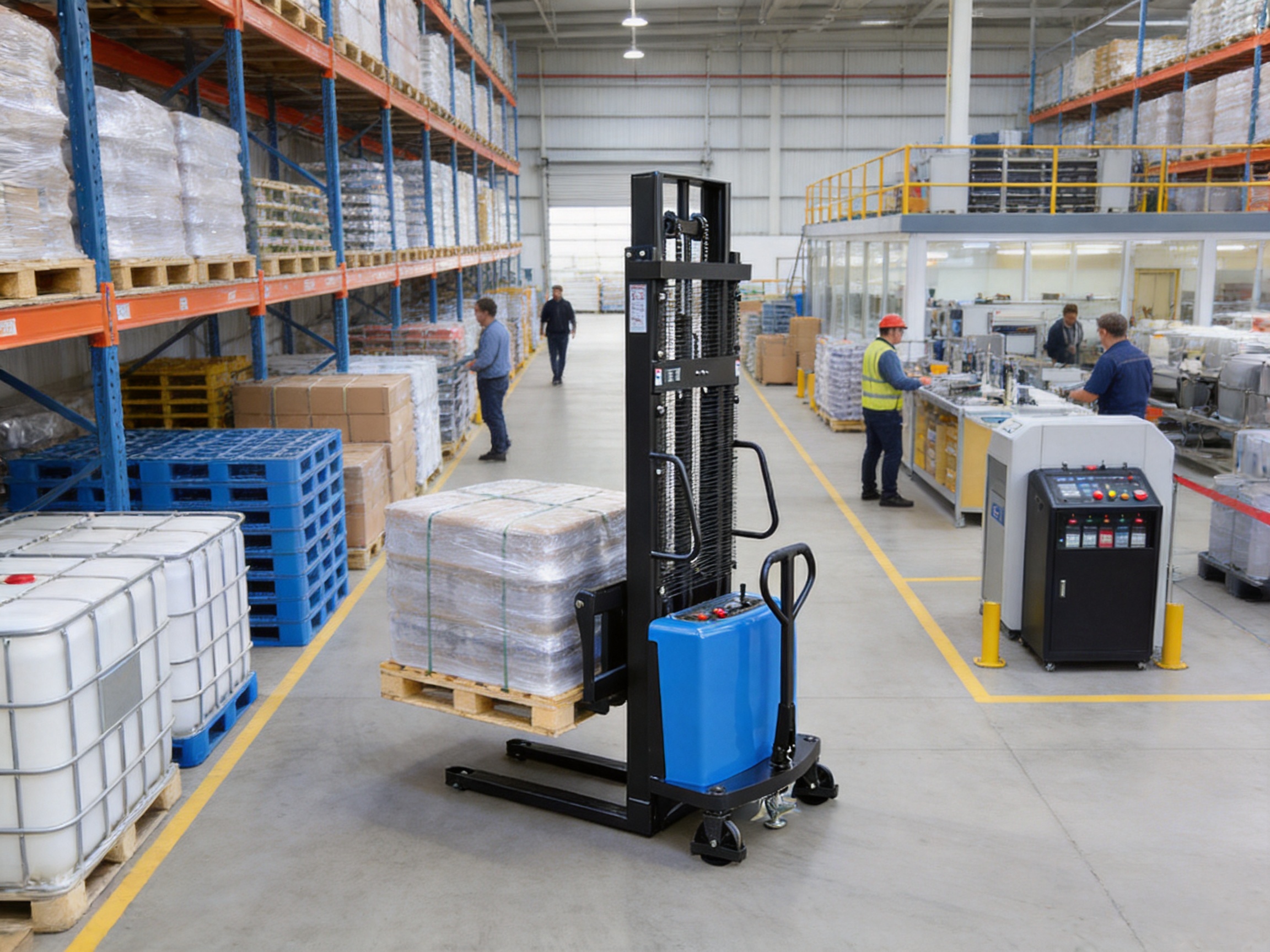
Modern warehouses require equipment that can move, lift, and position palletized goods accurately without the operating cost, space requirements, or complexity of a fully electric forklift. A semi-electric stacker offers a practical middle ground. It combines powered lifting with manual travel, giving operators electrical assistance where it matters most while maintaining a compact structure, straightforward controls, and comparatively low maintenance requirements.
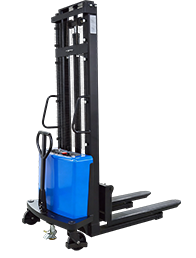
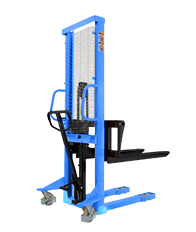
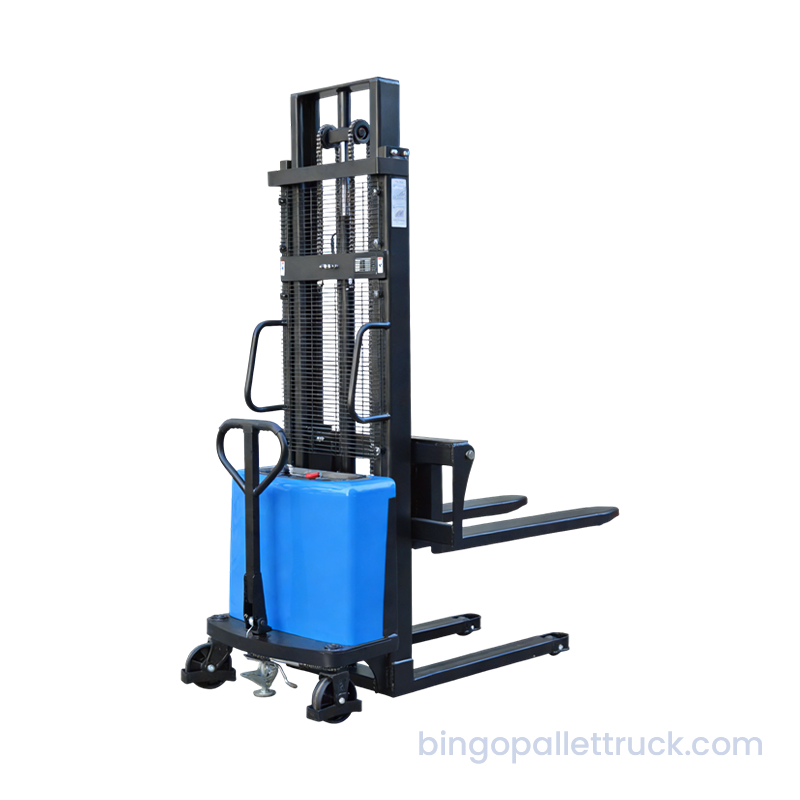
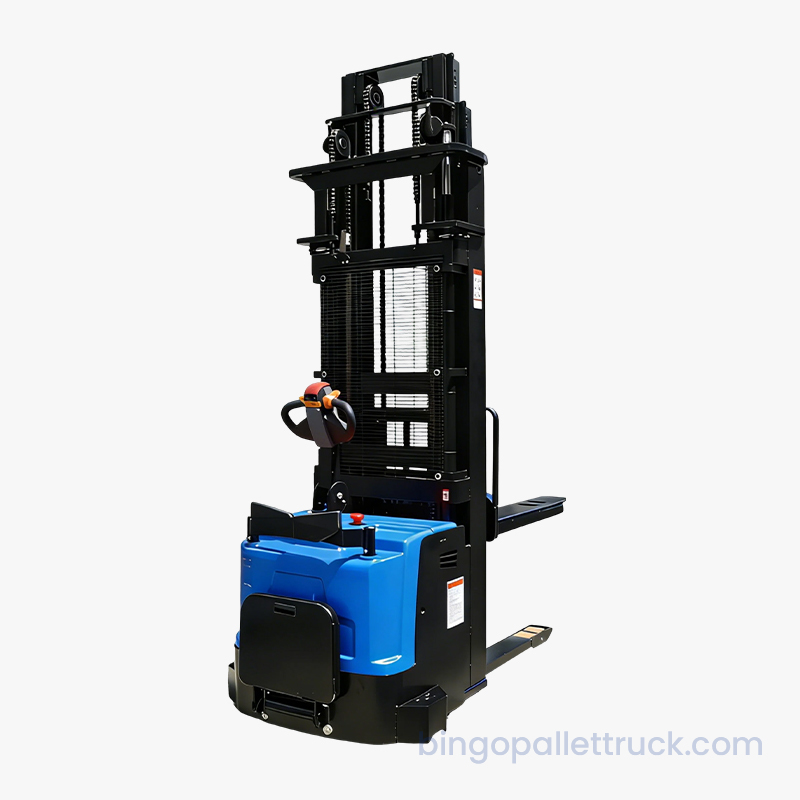
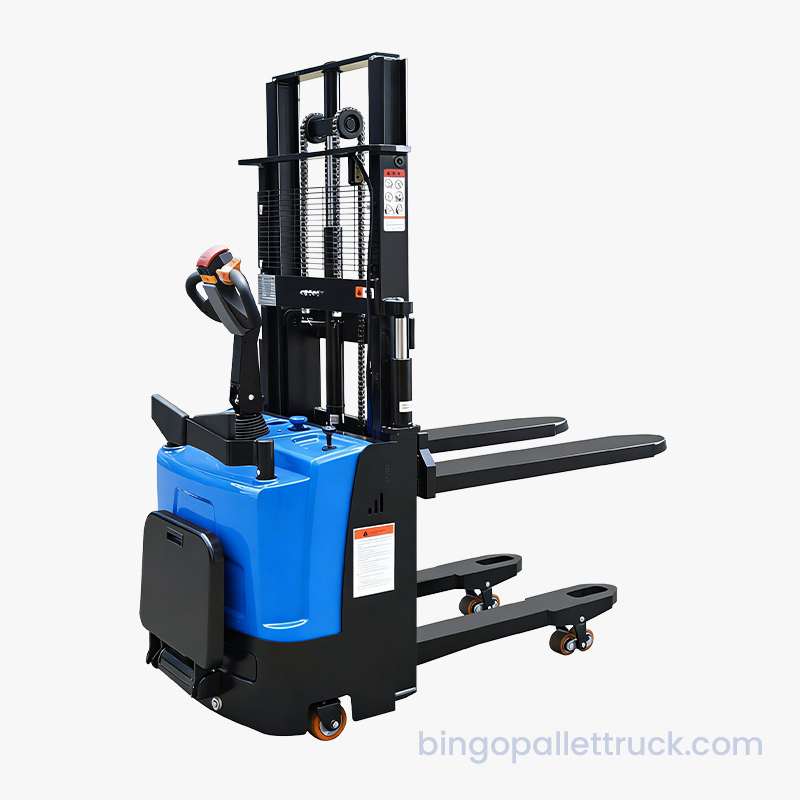
The 2000kg Heavy Duty Semi-Electric Stacker for Industrial Stacking is designed for demanding warehouse, production, distribution, and retail environments. Its intended application is the vertical handling of palletized goods, including loading, unloading, stacking, replenishing, and short-distance positioning. With an electrically powered lifting system, a mechanical steering design, a hand-operated travel configuration, and a reinforced mast structure, it is suitable for businesses that need dependable lifting performance without investing in a larger counterbalanced forklift.
The supplied technical information identifies the detailed specification as model SBD15, with a rated load capacity of 1500kg. The product title refers to a 2000kg configuration. This difference should be confirmed with the supplier before ordering, especially when the machine will be used for high-load applications. Capacity can vary according to mast height, load center, battery configuration, fork arrangement, and other options. The following article therefore explains the machine concept, its published SBD15 specifications, its intended heavy-duty positioning, and the points that buyers should verify for a 2000kg version.
Content
- 1 1. The Role of a Semi-Electric Stacker in Industrial Material Handling
- 2 2. Core Product Positioning
- 3 3. Major Advantages Over Basic Manual Stackers
- 4 4. Safety Features Designed for Industrial Use
- 5 5. Published Technical Specifications
- 6 6. Mast Configurations and Warehouse Applications
- 7 7. Maneuverability and Dimensional Efficiency
- 8 8. Battery and Hydraulic Performance
- 9 9. Manufacturing Strengths and Quality Control Approach
- 10 10. Competitive Advantages in Real Operating Conditions
- 11 11. Warehouse Layout and Implementation Planning
- 12 12. Operation and Operator Training
- 13 13. Maintenance and Total Cost of Ownership
- 14 14. Choosing Between the Available Configurations
- 15 15. Product Verification Before Purchase
- 16 16. Why the Product Fits an Integrated Logistics Strategy
- 17 17. Frequently Asked Questions
- 17.1 What is a semi-electric stacker?
- 17.2 Is this machine rated for 2000kg or 1500kg?
- 17.3 What lift heights are available?
- 17.4 What does the 500mm load center mean?
- 17.5 Is the stacker suitable for narrow aisles?
- 17.6 What type of battery does it use?
- 17.7 How fast does it lift?
- 17.8 Does it have powered travel?
- 17.9 What safety features are included?
- 17.10 Can it be used outdoors?
- 17.11 What should be checked before operating the machine?
- 17.12 Who should operate the stacker?
- 18 18. Conclusion
- 19 References
- 20 Product: 2000kg Heavy Duty Semi-Electric Stacker for Industrial Stacking
1. The Role of a Semi-Electric Stacker in Industrial Material Handling
A stacker is a pedestrian-operated warehouse machine used to lift pallets and other unit loads to elevated storage positions. Unlike a basic hand pallet truck, which is primarily designed for horizontal transportation, a stacker provides a vertical lifting function. Unlike a conventional forklift, it normally has a narrower footprint, a simpler operating format, and no need for a large internal-combustion engine or counterweight.
A semi-electric stacker uses an electric motor and hydraulic system to raise the forks. The operator generally guides or pulls the machine manually during travel. This arrangement reduces the physical effort associated with lifting while keeping the machine easy to control in compact work areas. It can be particularly useful where travel distances are moderate and the main ergonomic challenge is raising loads to pallet racking, work platforms, delivery vehicles, or production stations.
For small and medium-sized warehouses, the semi-electric design can deliver a favorable balance between purchase cost and functionality. A fully electric stacker may be preferable for frequent long-distance travel, high-throughput distribution centers, or applications requiring powered drive and advanced operator controls. However, for many industrial users, powered lifting alone addresses the most important requirement. The result is a machine that is easier to maintain than a more complex powered-drive unit and more capable than a completely manual stacker.
The machine is also suitable for businesses that operate mixed fleets. A warehouse may use hand pallet trucks for floor-level movement, semi-electric stackers for vertical storage, and larger forklifts for outdoor loading or heavier container work. This equipment strategy prevents companies from using oversized machines for routine indoor tasks and helps match equipment investment to actual operational needs.
2. Core Product Positioning
The product is positioned as heavy-duty industrial handling equipment for stacking and pallet movement. Its principal functions include lifting palletized loads, placing goods into storage locations, retrieving products from elevated positions, transferring pallets over short distances, and supporting production-line logistics.
The available data lists a 1500kg rated capacity for model SBD15. This capacity is substantial for a pedestrian-operated stacker and places the machine above many light-duty warehouse stackers. The product title indicates a 2000kg heavy-duty version, but buyers should request the official load chart and model confirmation if a full 2000kg capacity is required. The load center is listed as 500mm, an important reference point for evaluating capacity. A load positioned farther forward than the specified load center creates greater leverage on the mast and may reduce the safe lifting capacity.
Lift height options include a 1600mm one-stage mast and two-stage mast configurations of 2000mm, 2500mm, 3000mm, and 3500mm. These choices allow the equipment to serve different warehouse layouts. A 1600mm lift may be adequate for low-level stacking, work-in-process handling, or truck loading. A 2500mm lift can support common warehouse shelving and pallet storage. The higher 3000mm and 3500mm options are more suitable for facilities that need to make better use of vertical space.
The stacker’s dimensions are intended for indoor maneuverability. The listed overall width is 771mm, while the turning radius is 1575mm. The aisle width figures are 2460mm for 1000×1200mm pallets positioned crossways and 2387mm for 800×1200mm pallets positioned lengthways. These values provide a starting point for layout planning, although actual aisle requirements must account for rack design, pallet condition, operator behavior, safety clearances, floor markings, and local regulations.
3. Major Advantages Over Basic Manual Stackers
Reduced Operator Effort
The greatest advantage over a fully manual stacker is the powered lifting function. Raising a heavy pallet by repeated manual pumping can be slow and physically demanding, especially when loads must be stored several times per hour. The 1.6kW lift motor reduces the effort required from the operator and supports more consistent productivity throughout a shift.
Reduced effort is not only a comfort benefit. Repetitive manual lifting can contribute to fatigue, awkward posture, and handling errors. By transferring the lifting work to an electric motor and hydraulic circuit, the machine helps the operator concentrate on positioning, load stability, and travel path awareness.
More Controlled Vertical Movement
The published lifting speed is 55mm/s with a load and 105mm/s without a load. This difference reflects the need to maintain controlled performance under working conditions while allowing quicker movement when the forks are empty. The lowering speed is described as controlled, which is important when placing fragile goods or aligning pallets with rack beams.
Controlled lowering is a meaningful advantage over inexpensive manual equipment with inconsistent hydraulic behavior. A stable lowering response helps reduce sudden load movement, pallet impact, and damage to goods or storage structures. It also gives the operator greater confidence when inserting or removing a pallet from a tight rack position.
Greater Capacity Than Light-Duty Equipment
Many compact stackers are intended for lighter loads and occasional use. The SBD15 specification provides a 1500kg rated load capacity, while the product title targets a 2000kg industrial configuration. This heavy-duty positioning makes the equipment relevant to manufacturing plants, component warehouses, packaging operations, distribution facilities, and other environments where pallet loads are heavier than those found in small retail stockrooms.
Capacity, however, should never be considered independently from lift height and load center. A responsible purchasing decision must use the manufacturer’s capacity chart. Users should also inspect the pallet, ensure the load is centered, keep the load within the rated dimensions, and avoid exceeding the specified capacity at elevated heights.
Lower Complexity Than Fully Electric Drive Stackers
A fully electric stacker includes a powered travel motor, drive controller, traction battery system, and additional electrical components. These features are valuable in high-volume operations, but they also add cost, weight, diagnostic requirements, and maintenance considerations. A semi-electric stacker uses a simpler operating arrangement by focusing electrical power on lifting.
This simpler architecture can be advantageous for companies that need reliable vertical handling but do not require long-distance powered travel. Fewer drive components may reduce the number of parts subject to wear, while the mechanical steering design offers a familiar operating feel and avoids dependence on complex electronic steering systems.
4. Safety Features Designed for Industrial Use
Safety is central to any equipment used for elevated loads. The product information identifies several features intended to improve stability, protect operators, and reduce the consequences of hydraulic or load-handling failures.
Anti-Overturn Structure
The anti-overturn structure is designed to maintain stable loading at heights of up to 2.5m without cargo displacement under appropriate operating conditions. Stability depends on more than the machine structure. Load weight, load distribution, pallet quality, floor condition, mast height, turning behavior, and travel speed all influence the risk of instability. Nevertheless, a properly designed anti-overturn system provides an important foundation for safe stacking.
Operators should keep the forks and load centered, avoid sudden turns, travel with the load in the recommended position, and never use a damaged pallet. The machine should not be driven with an elevated load unless the operating instructions specifically permit it. Elevated travel can raise the center of gravity and increase the risk of instability.
Stationary Mast Wire Mesh Barrier
The stationary mast wire mesh barrier separates the operator’s working area from the load and lifting assembly. Its purpose is to help prevent accidental contact with moving components and to provide a protective barrier between the operator and goods that may shift during handling.
A mesh barrier also supports visibility. The operator can observe the load and mast through the open structure while receiving additional protection from falling or displaced materials. The barrier should remain securely fitted and must not be modified in a way that creates openings or weakens the protective function.
Explosion-Proof Hydraulic Protection
The hydraulic system includes explosion-proof protection intended to reduce the risk of abrupt mast descent if a hydraulic pipe ruptures. This feature is especially important because a sudden loss of hydraulic pressure can cause a raised load to move unexpectedly. Hydraulic safety devices help control the descent and provide additional time for the operator to respond.
Such protection does not eliminate the need for routine inspection. Hydraulic hoses, fittings, cylinders, seals, and connections should be checked for leaks, abrasion, swelling, and damage. Any leakage should be addressed immediately, and personnel should never place hands, feet, or other body parts beneath a raised fork assembly.
Double-Chain Lifting Configuration
The double-chain configuration provides more stable lifting and lowering performance than a single-chain arrangement when properly designed and maintained. Two lifting chains can help distribute lifting forces and maintain better fork alignment. The chains must be correctly tensioned, lubricated, inspected, and replaced when wear exceeds the permitted limit.
Chain condition is particularly important in high-frequency applications. Operators should watch for rust, elongation, broken links, damaged pins, uneven tension, or unusual noise. A chain inspection should form part of the daily pre-use checklist and the scheduled preventive maintenance program.
5. Published Technical Specifications
The following table summarizes the supplied specifications. Because the product title states 2000kg while the detailed model data identifies SBD15 at 1500kg, the capacity and model should be confirmed before commercial use or publication of a final quotation.
| Item | Specification |
|---|---|
| Product type | Semi-electric stacker |
| Detailed model in supplied data | SBD15 |
| Rated capacity in supplied data | 1500kg |
| Capacity stated in product title | 2000kg; confirmation required |
| Operator type | Hand-operated travel |
| Mast options | One-stage and two-stage |
| Lift height | 1600mm; 2000mm; 2500mm; 3000mm; 3500mm |
| Load center | 500mm |
| Overall length | 1822mm |
| Length to fork face | 672mm |
| Overall width | 771mm |
| Fork dimensions | 55/165/1150mm |
| Fork spread | 550mm or 685mm |
| Turning radius | 1575mm |
| Lift motor | 1.6kW at S3 15% |
| Battery | 12V/120Ah lead-acid |
| Battery weight | 35kg |
| Lift speed, laden/unladen | 55/105mm/s |
| Service brake | Mechanical |
| Steering design | Mechanical |
| Tyre type | Nylon |
| Balance wheel | 180×50mm |
| Sound pressure level at operator ear | 69dB(A) |
| Optional battery | Li-ion battery |
6. Mast Configurations and Warehouse Applications
Mast selection should be based on rack height, ceiling clearance, doorway height, truck loading requirements, and the need to transport the machine between different work areas. A one-stage mast is generally straightforward and may be suitable for lower lifting applications. Two-stage masts provide greater lift heights while retaining a practical overall footprint.
The 2000mm option can support low and medium-level stacking. It may be appropriate for warehouses with short racking systems, manufacturing areas, and floor-level pallet staging. The 2500mm option is a versatile choice for many general storage applications because it provides greater vertical reach without requiring the maximum mast extension.
The 3000mm and 3500mm configurations are useful where warehouse space is expensive and vertical storage is necessary. Before selecting one of these options, the buyer should compare the lowered mast height with doorways, sprinkler systems, lighting, ceiling beams, and truck roofs. The supplied dimensions list mast-lowered heights from 1583mm to 2333mm and mast-extended heights from 2568mm to 4068mm, depending on configuration.
In addition to vertical clearance, buyers should consider the rack beam height and the required free lift. A pallet may need to be raised above a beam before it can be placed safely. The practical lift requirement is therefore greater than the nominal rack height. The supplier should provide a complete dimensional drawing and capacity chart for the selected mast.
The machine can support several common applications:
Warehouse pallet stacking and retrieval.
Raw material movement in manufacturing plants.
Finished-goods staging before dispatch.
Packaging-material storage and replenishment.
Retail backroom pallet handling.
Short-distance loading and unloading support.
Work-in-process handling between production stations.
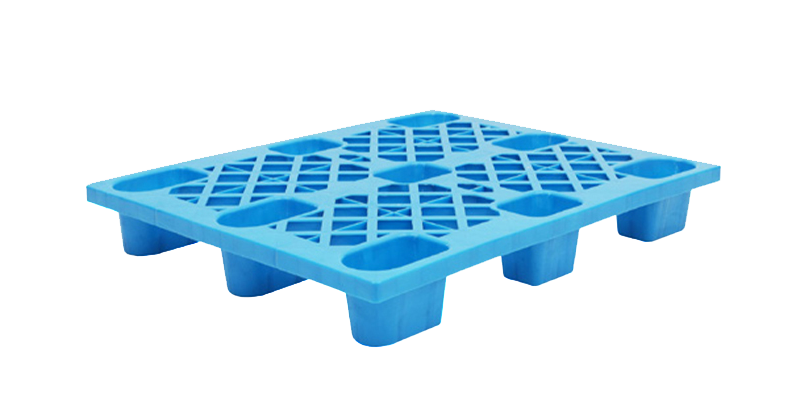
Storage-container and plastic-pallet movement.
2000kg Heavy Duty Semi-Electric Stacker for Industrial Stacking
7. Maneuverability and Dimensional Efficiency
Industrial equipment must fit the building as well as the workload. A stacker that can lift the required load but cannot turn inside the aisle is not an efficient solution. The listed 771mm overall width is favorable for many indoor storage areas, although the actual width can depend on fork spread, wheel arrangement, protective components, and optional equipment.
The 1575mm turning radius supports maneuverability in compact working spaces. The machine is not intended to replace a narrow-aisle reach truck in highly automated or extremely dense facilities, but it can perform effectively in warehouses with moderate aisle widths and clearly organized pallet positions.
The listed aisle widths provide planning references. For 1000×1200mm pallets positioned crossways, the stated aisle width is 2460mm. For 800×1200mm pallets positioned lengthways, it is 2387mm. These figures should be treated as equipment data rather than a universal warehouse design rule. A safety manager should validate turning clearances using the actual pallet, load shape, rack layout, floor markings, and operator access requirements.
The overall length is listed as 1822mm, with a 672mm length to the face of the forks. The 1150mm fork length is suitable for common pallet formats, but compatibility must be checked before use. Forks should fully support the pallet while avoiding excessive projection beyond the load. The fork spread options of 550mm and 685mm provide flexibility for different pallet constructions and load widths.
8. Battery and Hydraulic Performance
The standard battery specification is a 12V/120Ah lead-acid battery weighing 35kg. Lead-acid technology remains widely used in industrial equipment because it is familiar, generally economical, and supported by established charging and maintenance practices. It can be suitable for moderate duty cycles where the stacker is used intermittently rather than continuously throughout multiple shifts.
Operators should use the correct charger, maintain appropriate charging ventilation, inspect terminals, and follow the manufacturer’s instructions for electrolyte and battery care where applicable. The battery compartment should remain clean and secure. Charging should take place in a designated area that is protected from ignition sources and arranged according to local workplace requirements.
A lithium-ion battery is listed as an option. Lithium-ion technology may provide advantages such as opportunity charging, reduced routine maintenance, consistent voltage, and improved availability during demanding work schedules. The choice depends on duty cycle, budget, charging infrastructure, temperature, shift pattern, and the customer’s service expectations.
The 1.6kW lift motor is rated at S3 15%, indicating an intermittent operating duty rather than continuous motor operation. This specification should be considered when estimating daily throughput. A business with occasional pallet lifts may find the rating entirely appropriate, while a high-volume operation may need to confirm allowable duty cycles, cooling requirements, charging intervals, and recommended operating limits with the supplier.
The hydraulic system converts motor power into controlled vertical movement. Efficient hydraulic performance depends on clean fluid, properly adjusted valves, intact hoses, and regular inspection. A preventive maintenance schedule should include checking for leaks, verifying lifting response, inspecting the cylinder, and confirming that the forks remain level during movement.
9. Manufacturing Strengths and Quality Control Approach
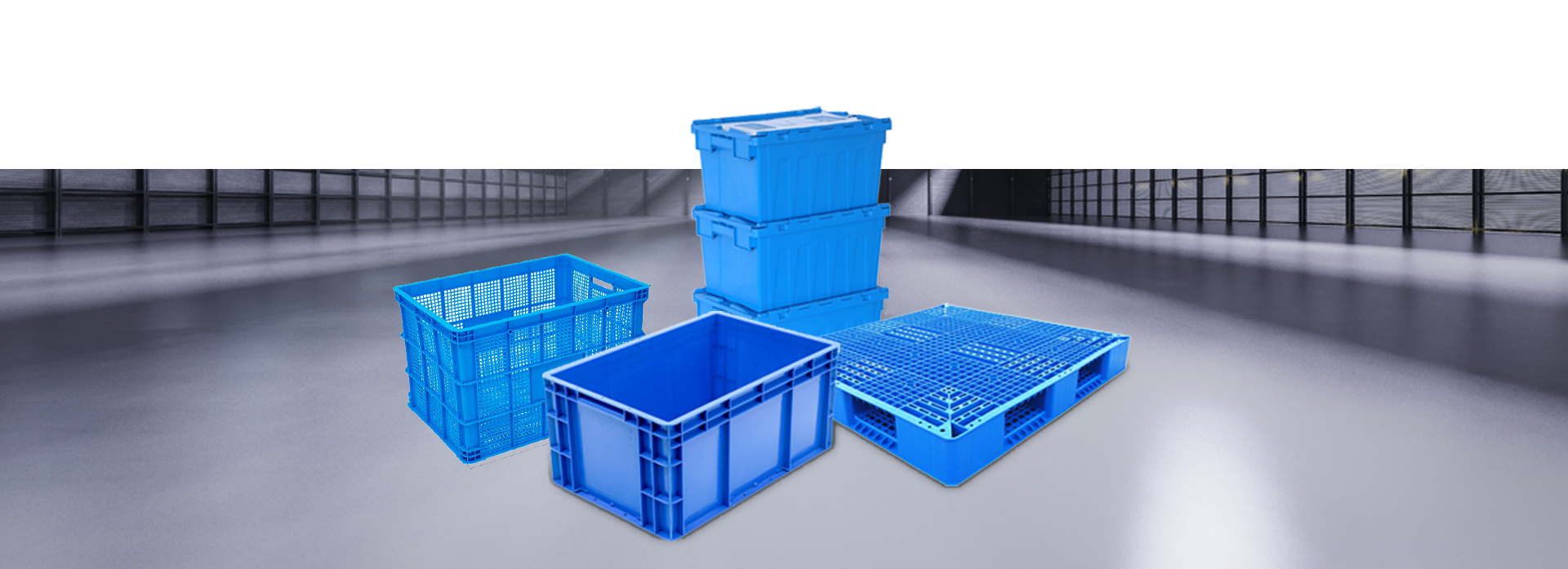
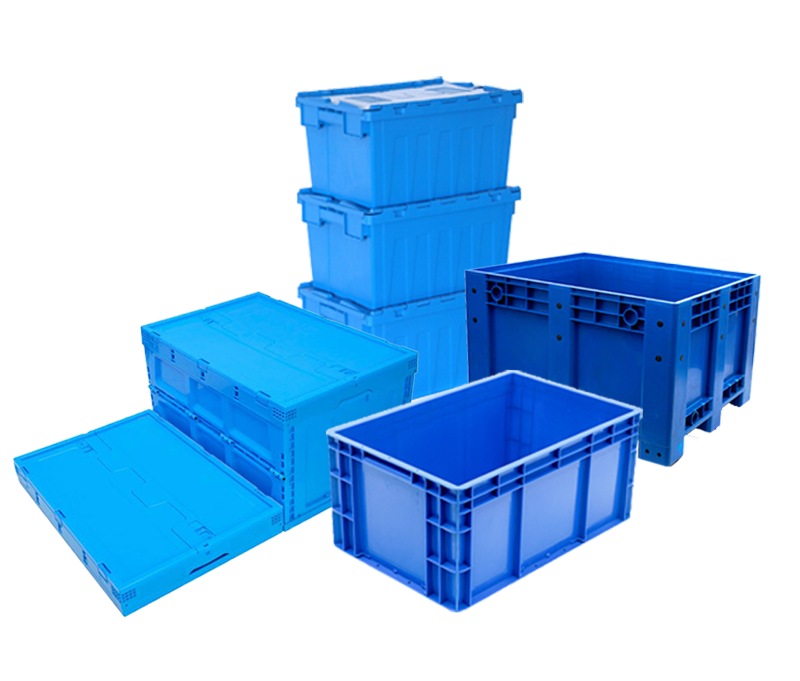
Yancheng Bingo Machinery Equipment Co., Ltd. describes itself as an enterprise specializing in the production, sales, and service of warehousing and logistics equipment. Its product scope covers handling equipment, storage containers, packaging materials, and warehouse racking. This broader portfolio is important because it allows the company to understand material handling as part of an integrated warehouse system rather than as an isolated machine purchase.
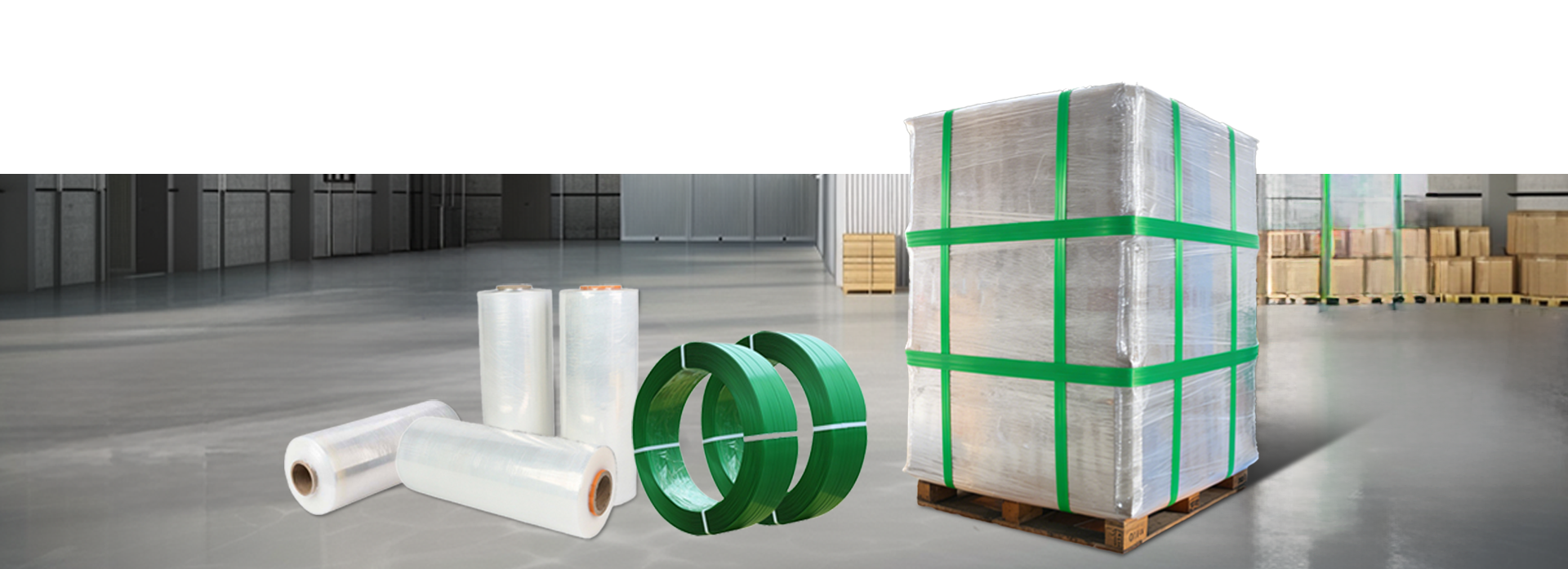
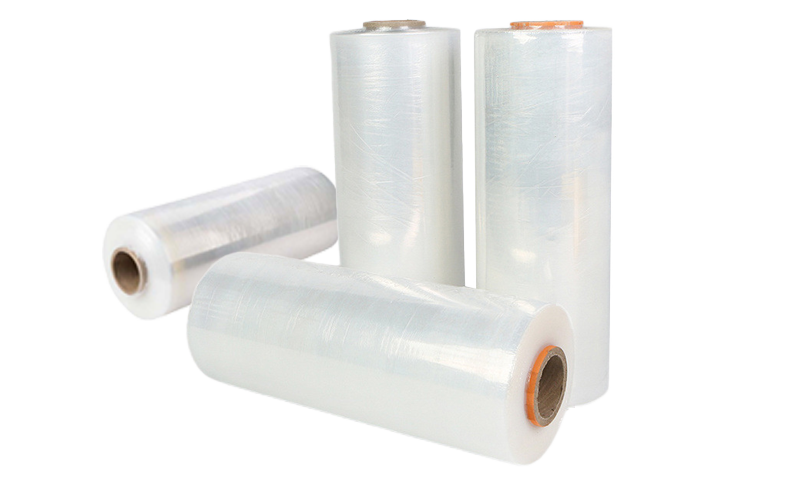
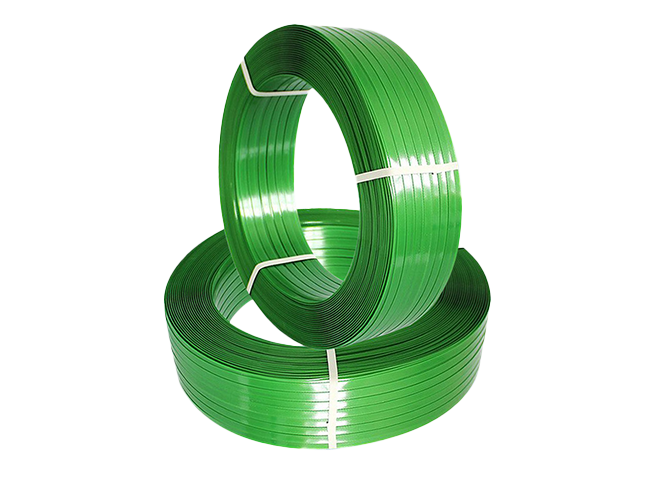
The company states that it has built a supply chain covering four core systems. These include manual and electric pallet trucks and stackers, plastic pallets and storage containers, packaging products such as stretch wrap and strapping, and warehouse racks in light-duty, medium-duty, and heavy-duty specifications. Such coverage can support coordinated sourcing for customers developing or upgrading complete storage and handling operations.
The company also emphasizes a mature supply chain system and strict quality inspection processes. For a semi-electric stacker, effective quality control should cover incoming materials, welded structural parts, mast alignment, hydraulic components, lifting chains, wheels, electrical systems, battery performance, braking function, and final load handling. Each of these areas affects machine reliability and operator safety.
A dependable manufacturing process begins with controlled design requirements. The mast, fork carriage, chassis, wheel supports, and protective barrier must work together as a load-bearing system. Material selection and welding quality influence rigidity and fatigue resistance. Dimensional inspection is important because small alignment errors can create uneven chain loading, fork tilt, premature wear, or difficult pallet entry.
Hydraulic quality is equally significant. Valves must provide predictable lifting and lowering behavior, while safety devices must respond correctly to abnormal pressure loss. Hoses and fittings need to be selected for the operating pressure and protected from excessive bending or abrasion. Factory testing should verify that the mast raises smoothly, holds a load, and lowers in a controlled manner.
Electrical quality control should include inspection of wiring, switches, motor connections, battery terminals, charger compatibility, and protective enclosures. Since the stacker is intended for industrial environments, components must be arranged to resist vibration, dust, and normal handling impacts. Clear service access can further reduce maintenance time and help technicians identify problems before they become serious failures.
Final assembly inspection should confirm that the mechanical brake works correctly, the steering mechanism responds as intended, the wheels rotate freely, the forks are aligned, and the mast operates without abnormal noise. The product should be checked in both loaded and unloaded conditions. A documented inspection process improves consistency across production batches and helps establish accountability throughout the supply chain.
Integrated Product Knowledge
One of the company’s strengths is its relationship with several adjacent warehouse product categories. A supplier that provides stackers as well as plastic pallets, storage containers, packaging materials, and racking can help customers evaluate equipment compatibility. For example, fork dimensions must match pallet openings, rack beam levels must match lift height, and packaging methods must keep loads stable during storage and movement.
This integrated perspective can simplify procurement. Instead of coordinating specifications among unrelated vendors, customers may obtain advice on pallet sizes, rack clearances, load protection, and handling equipment from one logistics-focused supplier. The final responsibility for engineering approval remains with the customer and qualified safety personnel, but a broader product portfolio can improve communication and reduce avoidable mismatches.
10. Competitive Advantages in Real Operating Conditions
The product’s competitive value is not based on a single specification. It comes from the combination of lifting capacity, mast flexibility, safety features, compact dimensions, serviceability, and procurement support.
Compared with manual stackers, it offers powered lifting and reduced physical effort. Compared with light-duty electric stackers, its published capacity, double-chain design, hydraulic protection, and industrial mast options position it for more demanding work. Compared with fully electric drive stackers, its semi-electric layout can offer a lower-complexity alternative for operations that do not need powered travel.
The machine also benefits from a familiar hand-operated format. Operators who already understand pallet trucks can generally adapt more easily to a pedestrian stacker than to a ride-on forklift. Training is still essential, particularly for elevated loads, rack placement, load-center limits, battery charging, and emergency procedures. However, a familiar control concept can support faster integration into a warehouse fleet.
Mechanical steering and mechanical braking may also be attractive to buyers seeking straightforward service arrangements. Electronic systems can provide advanced functionality, but mechanical systems are often easier to inspect and repair in facilities with limited diagnostic resources. The correct choice depends on the application, and customers should evaluate the expected duty cycle and available maintenance expertise.
Nylon wheels are suitable for many indoor floors and generally offer smooth movement with low rolling resistance. They should not be assumed to be ideal for every surface. Uneven concrete, debris, outdoor pavement, ramps, wet areas, and chemical exposure may require a different wheel material or additional protection. Wheel selection should be confirmed against the actual work environment.
11. Warehouse Layout and Implementation Planning
Successful adoption requires more than purchasing the machine. The warehouse should be reviewed before delivery. Measure aisle widths, doorways, ramps, floor transitions, rack clearances, charging areas, pedestrian routes, and emergency access points. Compare these measurements with the selected stacker’s overall dimensions and turning requirements.
Floor quality is especially important. Cracks, potholes, loose debris, oil, standing water, and steep gradients can affect stability and braking. The machine should be used only on surfaces appropriate for its design. If a facility includes ramps or changes in floor level, the supplier should confirm the permitted grade and operating direction.
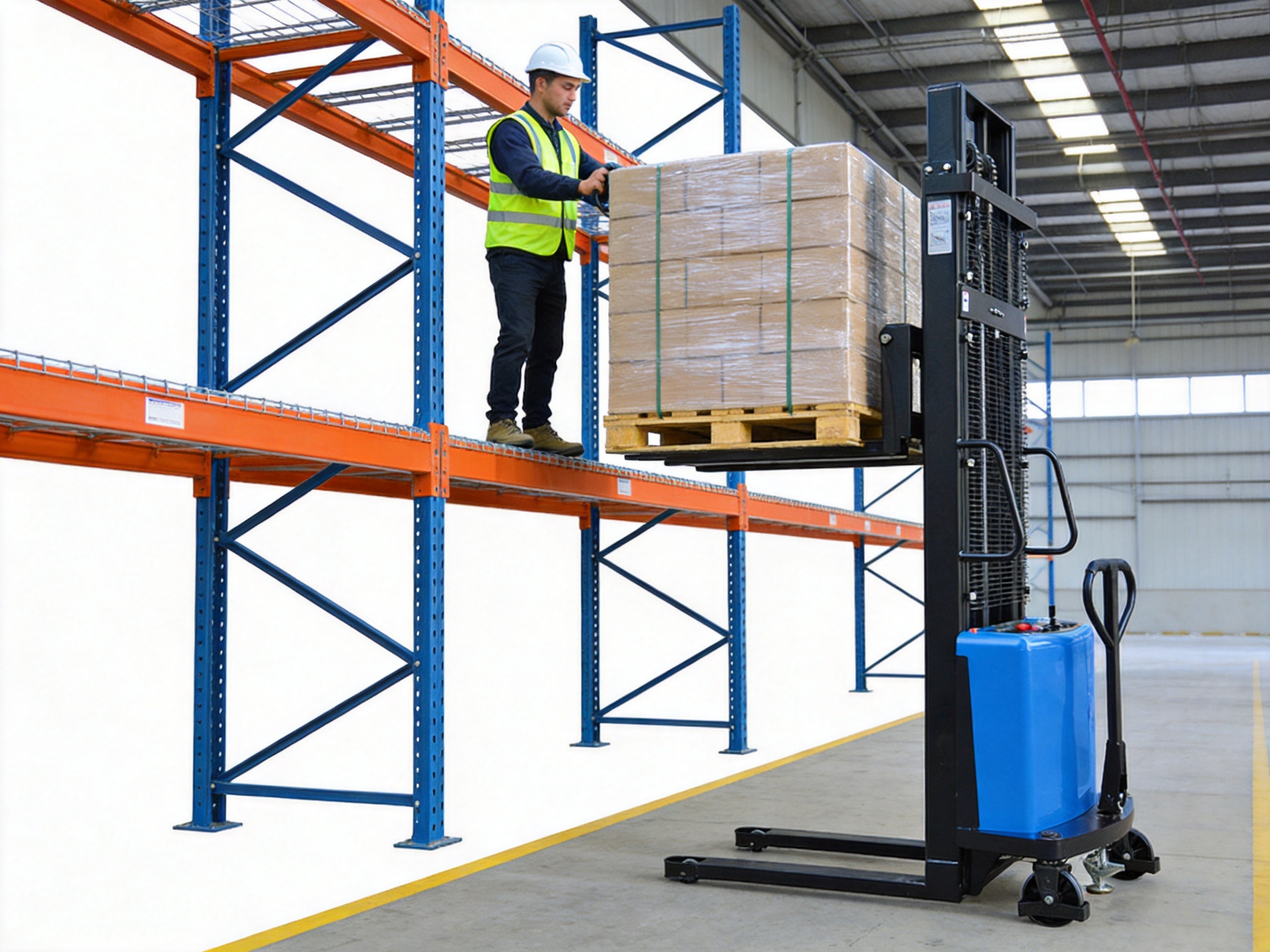
Racking must also be inspected. Rack beams should be rated for the intended load, pallets should fit correctly, and the operating area should provide enough space for the operator to align the forks. Damaged racks or pallets should be removed from service. A stacker cannot compensate for weak storage infrastructure.
Traffic management is another important consideration. Pedestrian walkways should be clearly marked, intersections should be visible, and loading zones should be organized to prevent people from walking beneath raised forks. Where several machines operate in the same area, a site should establish speed rules, right-of-way procedures, horn-use practices, and parking requirements.
Charging arrangements should be planned before the machine enters service. Lead-acid batteries require an appropriate charging location and routine inspection. Lithium-ion batteries may offer more flexible charging, but they still require compatible chargers, thermal protection, and proper operating procedures. The supplier should provide battery specifications, charger details, expected charging time, and recommended storage conditions.
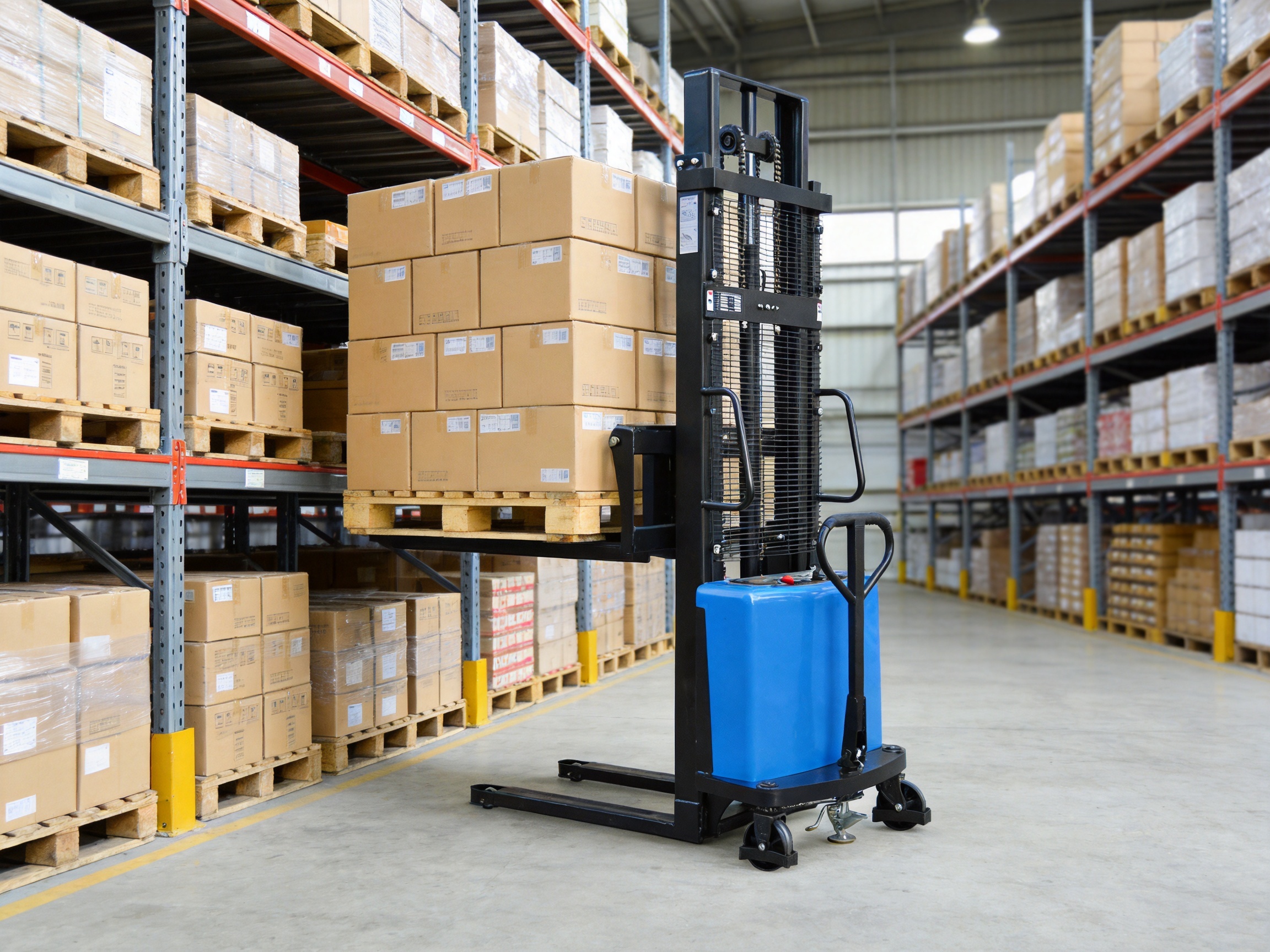
12. Operation and Operator Training
Only trained and authorized personnel should operate the stacker. Training should cover equipment controls, load capacity, load center, mast operation, travel routes, braking, battery charging, emergency response, and daily inspection. Operators should understand that semi-electric travel does not mean the machine is suitable for running or riding at high speed.
Before use, the operator should inspect the forks, mast, chains, hydraulic hoses, wheels, steering handle, brake, battery, controls, protective barrier, and warning labels. The machine should not be used if there is visible damage, hydraulic leakage, abnormal noise, faulty braking, loose chain hardware, or a malfunctioning lift control.
The pallet should be approached squarely. The forks should enter fully and evenly, and the load should be centered over the fork carriage. Operators should check that the pallet is stable and that no loose goods can fall during lifting. Damaged pallets, unstable cartons, and loads that exceed the fork length should not be handled without an approved alternative procedure.
When lifting, the operator should maintain a clear view and keep people away from the load. The forks should be raised only as high as necessary for the task. During travel, the load should remain at the recommended low position, and sudden turns, abrupt stops, and uneven surfaces should be avoided.
When placing a pallet into a rack, the operator should align the machine before raising the load to the final height. The forks should be withdrawn only after the pallet is fully supported and stable. After the task, the forks should be lowered completely, the stacker should be parked in an approved location, and the brake should be applied.
13. Maintenance and Total Cost of Ownership
A stacker’s purchase price is only one part of its total cost of ownership. Productivity, energy consumption, maintenance, spare parts, downtime, battery replacement, operator training, and service support all influence the long-term value of the equipment.
The semi-electric format can help control ownership costs because it avoids the complexity of a powered travel system when such a system is unnecessary. The mechanical steering and brake design can also support straightforward inspection. Nevertheless, the equipment requires disciplined preventive maintenance.
Daily checks should include visual inspection of the mast, chains, forks, wheels, hydraulic components, battery, controls, and safety barrier. The operator should test lifting, lowering, steering, and braking before handling a load. Any unusual movement or noise should be reported immediately.
Periodic maintenance should include chain lubrication and tension inspection, hydraulic-fluid checks, fastener inspection, wheel examination, battery care, electrical connection inspection, and functional testing of safety devices. Maintenance intervals should be adjusted according to operating hours, load frequency, environmental conditions, and manufacturer recommendations.
Spare-parts availability is an important purchasing criterion. Buyers should ask about replacement chains, hydraulic seals, wheels, batteries, chargers, switches, cables, brake components, and mast hardware. A supplier with a defined after-sales process can reduce downtime and improve fleet planning.
The optional lithium-ion battery may reduce some maintenance tasks compared with lead-acid technology, but it may carry a higher initial cost. A life-cycle calculation should compare battery price, charging frequency, labor, downtime, energy use, expected service life, and replacement arrangements. The best battery is the one that matches the actual operating schedule.
14. Choosing Between the Available Configurations
Customers should begin with the maximum load they need to handle, not simply the largest capacity shown in a product title. List the heaviest pallet, the most forward load center, the highest storage level, and the most frequent handling cycle. Then request a capacity chart for the exact machine configuration.
Select a one-stage mast when the required height is low and simplicity or reduced overall height is a priority. Select a two-stage mast when the operation requires higher storage positions. A higher mast is not automatically better because it may increase machine height, weight, and cost while requiring greater clearance and more careful stability management.
Choose fork dimensions according to pallet construction and load geometry. The supplied fork dimensions are 55mm thickness, 165mm width, and 1150mm length. Fork spread options are listed as 550mm and 685mm. The correct selection should allow full and balanced pallet support without damaging the pallet or interfering with rack components.
Choose the wheel configuration according to the floor. Nylon wheels can be advantageous on smooth indoor surfaces. If the stacker will work over rough floors, outdoors, in wet environments, or around aggressive chemicals, ask whether alternative wheels or protective options are available.
Finally, confirm whether the application requires lead-acid or lithium-ion battery technology. Consider the number of operating hours per shift, charging access, available ventilation, maintenance capacity, and the expected number of daily lifting cycles.
15. Product Verification Before Purchase
Because the supplied content contains a capacity difference, the first verification point should be the exact model. The title states 2000kg, while the technical table states model SBD15 and 1500kg. The buyer should request a signed or official specification sheet identifying the model, rated capacity, load center, mast option, and serial-number format.
The second verification point is the capacity at each lift height. A machine may carry its rated capacity at a lower height but have a reduced capacity at maximum lift. The load chart should clearly show the relationship between weight, load center, mast height, and any attachments.
The third verification point is the dimensional drawing. Confirm lowered mast height, extended mast height, fork length, fork spread, overall width, turning radius, wheel type, and aisle requirements. Compare these dimensions with the building before placing an order.
The fourth verification point is the battery and charger package. Confirm whether the quoted price includes the battery, charger, connectors, and installation instructions. For lithium-ion options, request information about battery management, charging requirements, thermal protection, and warranty coverage.
The final verification point is service support. Ask about delivery inspection, operator manuals, spare parts, warranty conditions, technical training, response time, and maintenance recommendations. These services can be as important as the machine itself when equipment is used in a production-critical warehouse.
16. Why the Product Fits an Integrated Logistics Strategy
Warehousing efficiency depends on the relationship between storage, packaging, transport, and handling. A stacker is most effective when pallet sizes are standardized, rack locations are clearly labeled, loads are properly packaged, and traffic routes are organized. The product’s place within a broader portfolio of storage containers, packaging materials, pallets, and warehouse racks allows customers to evaluate these relationships together.
Plastic pallets and containers can provide consistent dimensions for fork entry and storage. Packaging materials such as stretch wrap and strapping help maintain load integrity during lifting. Racking systems establish the vertical storage structure that determines the required mast height. The stacker connects these systems by moving and positioning the unit load.
For manufacturing customers, this integrated approach can support the movement of raw materials from receiving to production, work-in-process goods between stations, and finished products into dispatch storage. For e-commerce and distribution customers, it can support replenishment, pallet staging, and organized inventory rotation. For retail and supermarket operations, it can assist backroom storage where space and maneuverability are limited.
The machine is therefore more than a standalone lifting device. It is one part of a material-flow system. When selected correctly and operated within its limits, it can help reduce manual handling, improve vertical space utilization, and create more consistent warehouse routines.
17. Frequently Asked Questions
What is a semi-electric stacker?
A semi-electric stacker uses an electric motor to lift loads while the operator manually guides or moves the machine. It offers powered vertical handling without the full powered-drive system found on a fully electric stacker.
Is this machine rated for 2000kg or 1500kg?
The product title refers to 2000kg, but the supplied detailed specification identifies model SBD15 with a rated capacity of 1500kg. Customers must confirm the exact model and official load chart with the supplier before handling a 2000kg load.
What lift heights are available?
The supplied information lists a 1600mm one-stage lift and two-stage options of 2000mm, 2500mm, 3000mm, and 3500mm. Availability and capacity at each height should be confirmed in the quotation.
What does the 500mm load center mean?
The load center is the horizontal distance from the fork face or specified reference point to the center of gravity of the load. The listed 500mm value is used when determining the rated capacity. Loads positioned farther forward may reduce safe capacity.
Is the stacker suitable for narrow aisles?
Its 771mm overall width and 1575mm turning radius support compact indoor operation. The stated aisle widths are 2460mm for 1000×1200mm pallets crossways and 2387mm for 800×1200mm pallets lengthways. Actual aisle planning must be verified using the site layout and safety clearances.
What type of battery does it use?
The standard specification lists a 12V/120Ah lead-acid battery weighing 35kg. A lithium-ion battery is available as an option, subject to configuration and quotation.
How fast does it lift?
The listed lifting speed is 55mm/s with a load and 105mm/s without a load. The lowering speed is described as controlled, but detailed timing and control characteristics should be confirmed with the supplier.
Does it have powered travel?
The operator type is listed as hand, and the steering design is mechanical. This indicates a semi-electric arrangement in which lifting is powered while travel is manually guided.
What safety features are included?
The supplied information identifies an anti-overturn structure, a stationary mast wire mesh barrier, explosion-proof hydraulic protection, and a double-chain lifting configuration. Operators must still follow training, inspection, capacity, and safe-travel procedures.
Can it be used outdoors?
The published information is most consistent with indoor warehouse and industrial use. Outdoor operation depends on floor condition, weather protection, wheel configuration, gradients, and local safety requirements. Confirm suitability with the supplier before outdoor use.
What should be checked before operating the machine?
Inspect the forks, mast, chains, hydraulic hoses, wheels, battery, controls, brake, steering, safety barrier, and warning labels. Test lifting, lowering, steering, and braking without a load before beginning work.
Who should operate the stacker?
Only trained and authorized personnel should use it. Training should cover load capacity, load center, mast height, pallet condition, safe travel, pedestrian separation, battery charging, parking, and emergency procedures.
18. Conclusion
The 2000kg Heavy Duty Semi-Electric Stacker for Industrial Stacking is positioned as a practical solution for warehouses and industrial facilities that need powered lifting, useful mast height options, compact maneuverability, and a relatively simple operating system. Its advantages include reduced manual lifting effort, controlled hydraulic movement, industrial load-handling capability, an anti-overturn structure, a protective mast barrier, hydraulic descent protection, and a double-chain lifting arrangement.
The detailed SBD15 data provides a 1500kg rated capacity, multiple lift heights, a 1.6kW lifting motor, a 12V/120Ah lead-acid battery, mechanical steering and braking, nylon wheels, and dimensions suited to many indoor warehouse layouts. Because the product title specifies 2000kg, buyers must confirm the exact capacity and configuration before ordering or using the machine.
Yancheng Bingo Machinery Equipment Co., Ltd. strengthens the product offering through its broader focus on warehouse logistics equipment, storage containers, packaging materials, and warehouse racks. Its stated supply-chain coverage, quality inspection approach, and integrated product knowledge can help customers develop coordinated material-handling solutions rather than purchasing disconnected equipment.
For the right application, the semi-electric stacker can provide an effective balance between manual simplicity and electric lifting performance. Its long-term value will depend on correct capacity selection, suitable warehouse design, trained operators, regular maintenance, appropriate battery management, and dependable technical support. When these requirements are addressed, the machine can contribute to safer stacking, better use of vertical space, lower operator fatigue, and more consistent warehouse productivity.
References
1. Product specification and technical information supplied for the semi-electric stacker, including model, capacity, mast, wheel, performance, dimension, motor, and battery data.
2. Yancheng Bingo Machinery Equipment Co., Ltd. company information concerning warehouse logistics equipment, storage containers, packaging materials, warehouse racks, supply-chain capabilities, and quality inspection processes.
3. General principles of industrial truck operation, load-center management, pallet handling, warehouse traffic control, and operator training.
4. General preventive-maintenance practices for hydraulic lifting systems, lifting chains, industrial batteries, wheels, brakes, and pedestrian-operated material-handling equipment.
5. General warehouse-planning principles for aisle width, rack clearance, pallet compatibility, vertical storage, pedestrian separation, and safe material flow.
Product: 2000kg Heavy Duty Semi-Electric Stacker for Industrial Stacking

Copyright @ Yancheng Bingo Machinery Equipment Co., Ltd. All rights reserved Warehouse Logistics Equipment Manufacturer Pallet Truck Supplier
