 en
en  Español

42L Stackable HDPE Plastic Crate for Efficient Warehouse Logistics
Content
- 1 Introduction
- 2 Product Overview
- 3 HDPE Construction for Repeated Industrial Use
- 4 Reinforced Structure and Load-Bearing Performance
- 5 Fully Perforated Mesh Design
- 6 Stackable Design for Better Space Utilization
- 7 Integrated Handles and Handling Efficiency
- 8 Advantages Over Cardboard and Single-Use Packaging
- 9 Advantages Over Wooden Containers
- 10 Advantages Over Low-Strength Plastic Bins
- 11 Applications in Warehouse Storage
- 12 Cold-Chain and Supermarket Operations
- 13 Manufacturing Process and Production Discipline
- 14 Quality Control and Customer Confidence
- 15 Integrated Logistics Equipment Expertise
- 16 Operational Benefits and Total Cost of Ownership
- 17 Recommended Use and Handling Practices
- 18 Purchasing Considerations for Distributors and End Users
- 19 Why This Crate Is a Strong Competitive Option
- 20 Q&A
- 20.1 What is the capacity of the crate?
- 20.2 What material is used to manufacture it?
- 20.3 Is the crate suitable for stacking?
- 20.4 Does the crate provide ventilation?
- 20.5 Can workers carry the crate manually?
- 20.6 Can the crate be used with pallets and warehouse equipment?
- 20.7 Is it suitable for food and supermarket operations?
- 20.8 What are the main advantages over cardboard cartons?
- 20.9 What are the main advantages over wooden boxes?
- 20.10 Can the crate be customized?
- 20.11 How does the manufacturer control product quality?
- 20.12 Is the crate available from stock?
- 20.13 What industries can use this crate?
- 20.14 What should be checked before purchasing?
- 21 Conclusion
- 22 References
- 23 Product: 42L Stackable Durable HDPE Plastic Crate for Goods Logistics
Introduction
Modern logistics operations require storage containers that can withstand repeated handling, support efficient space utilization, protect goods during movement, and remain economical throughout their service life. A well-designed plastic crate can contribute to all of these objectives by combining structural strength, low weight, hygiene, ventilation, and reusability in one practical unit. The 42L Stackable Durable HDPE Plastic Crate, model BG-614220-SC, has been developed for demanding warehouse, distribution, cold-chain, supermarket, manufacturing, and general material-handling environments.
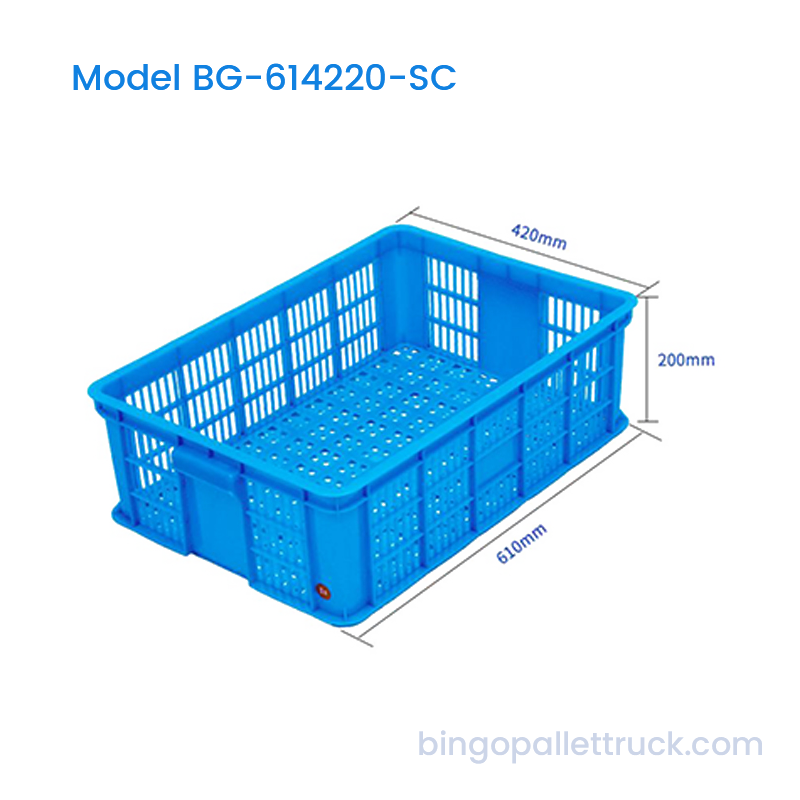
With external dimensions of 610×420×200mm and internal dimensions of 575×390×190mm, this crate offers a nominal capacity of 42 liters while maintaining a manageable net weight of only 1.24kg. Its high-impact HDPE construction, reinforced rib structure, fully perforated mesh body, integrated handles, and stackable format make it suitable for organized storage and repeated transport cycles. Rather than functioning as a disposable box, it is designed as a reusable logistics asset that can circulate between suppliers, distribution centers, warehouses, stores, and production areas.
The crate is also part of a broader logistics equipment manufacturing capability that covers material handling equipment, storage containers, packaging materials, and warehouse racks. This integrated product knowledge gives the manufacturer a practical understanding of how storage containers interact with pallets, pallet trucks, stackers, shelving systems, packaging workflows, and warehouse layouts. As a result, the crate can be evaluated not only as an individual container but also as a component of a complete storage and handling solution.
This article examines the product’s construction, dimensions, operational benefits, manufacturing strengths, quality-control approach, application suitability, and advantages over conventional or competing storage options.
42L Stackable Durable HDPE Plastic Crate for Goods Logistics
Product Overview
The BG-614220-SC is a stackable plastic crate manufactured from high-density polyethylene, commonly known as HDPE. HDPE is widely used in industrial containers because it provides a favorable balance of impact resistance, durability, chemical resistance, cleanability, and weight. These characteristics are particularly valuable in logistics environments where containers may be loaded, stacked, moved, emptied, cleaned, and reused many times.
The crate has a nominal external size of 610×420×200mm. Its internal dimensions are 575×390×190mm, providing a practical usable space for packaged goods, components, produce, retail products, supplies, and other materials. The 42L capacity allows the crate to hold a substantial quantity of goods without becoming excessively large or difficult to handle manually.
| Specification | Details |
|---|---|
| Product type | Stackable plastic crate |
| Model | BG-614220-SC |
| Material | High-density polyethylene, HDPE |
| External dimensions | 610×420×200mm |
| Internal dimensions | 575×390×190mm |
| Nominal capacity | 42L |
| Net weight | 1.24kg |
| Body design | Fully perforated mesh structure |
| Handling features | Integrated handles suitable for manual and forklift-related handling processes |
| Storage format | Stackable |
| Primary uses | Warehouse storage, logistics distribution, cold-chain operations, supermarkets, manufacturing, and general material handling |
The dimensions are suitable for operations that need compact, repeatable container footprints. Standardized external dimensions make it easier to plan shelving locations, pallet arrangements, warehouse lanes, picking stations, and transport loads. The low profile of 200mm also supports visual access to the contents and makes it easier for workers to reach items without excessive lifting.
The container’s design is intended to provide a balance between open access and structural reinforcement. Its mesh sides allow air movement and visibility, while the multi-layer rib structure strengthens the walls and base. This combination is especially valuable where operators need to inspect contents quickly, remove heat or moisture, or handle goods that benefit from ventilation.
HDPE Construction for Repeated Industrial Use
The material selected for the crate is one of its most important performance features. HDPE is a robust thermoplastic used in many industrial products because it can tolerate impact, repeated handling, and demanding working conditions. Compared with fragile rigid materials, HDPE is less likely to crack or shatter when subjected to ordinary warehouse impacts. Compared with many low-grade plastic containers, a properly manufactured HDPE crate can provide better long-term service performance and dimensional stability.
In a busy warehouse, containers are rarely treated as stationary objects. They may be pulled from stacks, placed on conveyors, loaded onto pallets, moved with pallet trucks, transferred between workstations, and returned to storage. They can also experience contact with shelving, floors, vehicle decks, and other containers. The crate’s high-impact HDPE body is intended to withstand this repeated handling more effectively than thin disposable cartons or low-strength containers.
HDPE is also suitable for applications where cleanability is important. The plastic surface can be washed and maintained more easily than porous materials such as untreated wood or corrugated fiberboard. The perforated body allows water and cleaning fluid to drain more readily, helping operators maintain cleaner storage conditions when appropriate operating procedures are followed.
Material choice also influences the total cost of ownership. A reusable crate may have a higher initial purchase price than a single-use carton, but its useful life can extend across many handling cycles. When the crate remains in service, the cost per use can decrease over time. Reusability can also reduce the need for repeated purchases and minimize the volume of damaged packaging sent to disposal.
The product information identifies the crate as food-safe HDPE. In practical terms, users should still confirm their specific application requirements, cleaning methods, temperature conditions, and applicable local regulations before using the crate for direct food contact. The container is well suited to food-related logistics and supermarket operations, while exact compliance requirements may vary by market and use case.
Reinforced Structure and Load-Bearing Performance
A plastic crate’s performance depends on more than its raw material. Wall geometry, base design, corners, rims, handles, and stacking interfaces all influence how the container performs under load. The BG-614220-SC incorporates a multi-layer reinforced rib structure designed to improve rigidity and load-bearing capacity.
Reinforcing ribs distribute stress across the walls and base instead of allowing force to concentrate in a small number of unsupported areas. This is important when crates are stacked vertically or when the contents exert pressure against the sidewalls. A reinforced design can help the crate maintain its shape during routine use and reduce the risk of deformation caused by repeated loading and unloading.
The upper rim is also significant in a stackable container. When one crate is placed on another, the load should be transferred through intended structural contact points rather than through weak mesh openings or unsupported wall sections. A properly formed rim and stacking geometry can make stacks more stable and predictable. This helps operators create orderly storage columns and use vertical space more efficiently.
The crate should always be used within the load limits established by the supplier and the operating environment. Actual load capacity can vary according to the type of goods, load distribution, stacking height, temperature, handling method, shelf design, and duration of storage. Heavy or unevenly distributed contents may create greater stress than evenly distributed loads of the same total weight.
The reinforced structure provides an advantage over lightweight containers designed mainly for occasional use. Some competing crates may use thinner walls or minimal reinforcement to reduce initial material consumption. While such designs can appear economical, they may be more vulnerable to deformation, damaged corners, unstable stacking, or premature replacement. The BG-614220-SC is positioned as a durable industrial crate intended for repeated logistics activity rather than short-term disposable storage.
Fully Perforated Mesh Design
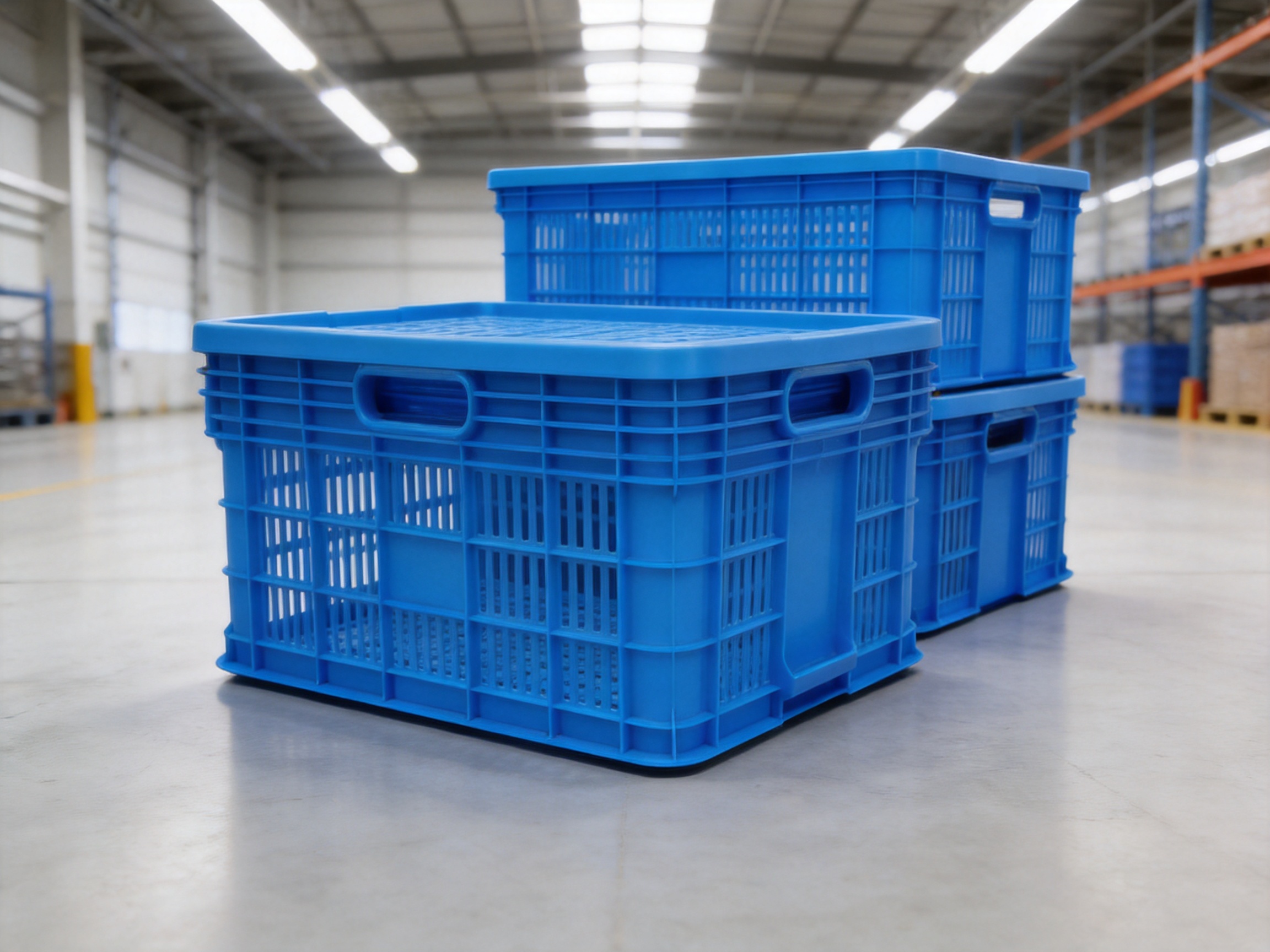
The fully perforated mesh body is one of the crate’s most practical features. Open walls allow air to circulate around the contents, which can be useful for produce, packaged food, chilled products, components requiring ventilation, and goods that should not be enclosed in a sealed container during short-term storage or transport.
Ventilation can help reduce the accumulation of heat and moisture in suitable applications. In cold-chain and supermarket operations, airflow may support more consistent environmental conditions around products. However, the crate does not replace refrigerated equipment or temperature-control procedures. It is a storage and handling container that can support an appropriate cold-chain process when used together with correctly managed refrigeration and transport systems.
Perforations also improve product visibility. Workers can often identify the contents of a crate without fully opening, moving, or unloading it. This supports faster picking, replenishment, stock checking, and visual inspection. In a supermarket backroom or distribution center, visibility can reduce the time spent searching for goods and help identify mixed or incorrectly placed items.
The open structure may also reduce unnecessary handling. If operators can see the contents through the sides, they may not need to remove a container from a stack merely to confirm what it contains. This can support safer and more efficient workflows, particularly when crates are positioned on shelving or pallets.
Compared with closed-wall plastic boxes, the mesh crate offers improved airflow and lower visual obstruction. Compared with cardboard cartons, it provides more consistent shape retention after repeated use and is less vulnerable to ordinary moisture exposure. Compared with wooden boxes, it offers a smoother, more hygienic, and easier-to-clean surface while reducing splinters and irregularities.
The open design is not suitable for every product. Very small loose items may require an inner bag, liner, or smaller container to prevent them from passing through the perforations. Dust-sensitive or moisture-sensitive goods may require a closed container. Selecting the correct crate format according to the product and environment is essential for achieving the best results.
Stackable Design for Better Space Utilization
Warehouse space is expensive, and floor area is often limited. A stackable crate helps users make better use of vertical space while keeping goods organized and accessible. The BG-614220-SC is designed to be placed securely on another crate of the same or compatible format, creating orderly vertical storage columns.
Vertical stacking can reduce the amount of floor space required for loose goods. It can also separate product categories, batches, orders, or production stages. For example, a warehouse may assign individual stacks to incoming goods, inspected goods, picked orders, returns, or materials waiting for production. This type of visual organization can improve inventory discipline and reduce misplaced items.
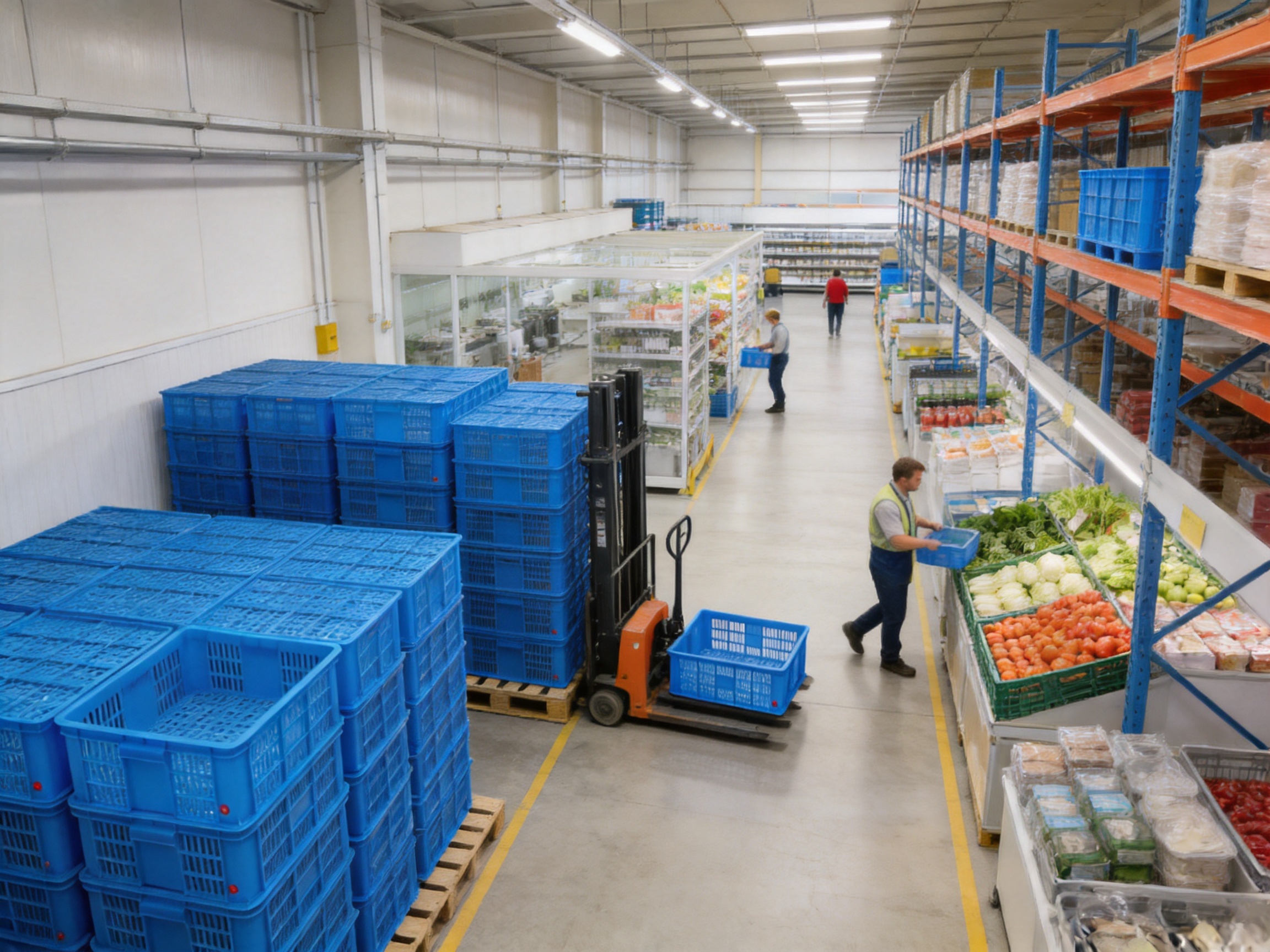
Stacking also works effectively with pallet-based operations. Multiple crates can be arranged on pallets for movement by pallet truck or stacker, subject to pallet size, load limits, and safe stacking procedures. Repeated external dimensions make it easier to create predictable pallet patterns and estimate the number of crates needed for a given shipment.
The crate’s 200mm external height allows operators to create relatively low layers, which can make individual items easier to access than goods stored in very deep or tall containers. In picking operations, lower stack heights may also improve visibility and reduce the need for workers to reach over excessive barriers.
Compared with irregular cartons or non-stackable open bins, standardized stackable crates can reduce wasted gaps and improve aisle organization. They can also help prevent goods from collapsing into disorganized piles. This is especially useful in fast-moving distribution environments where containers are handled many times per day.
Safe stacking requires a level surface, evenly distributed contents, and compliance with the recommended stacking height. Users should avoid stacking damaged crates, overloading individual units, placing unstable objects on top, or creating columns that could interfere with workers, vehicles, sprinklers, lighting, or emergency routes.
Integrated Handles and Handling Efficiency
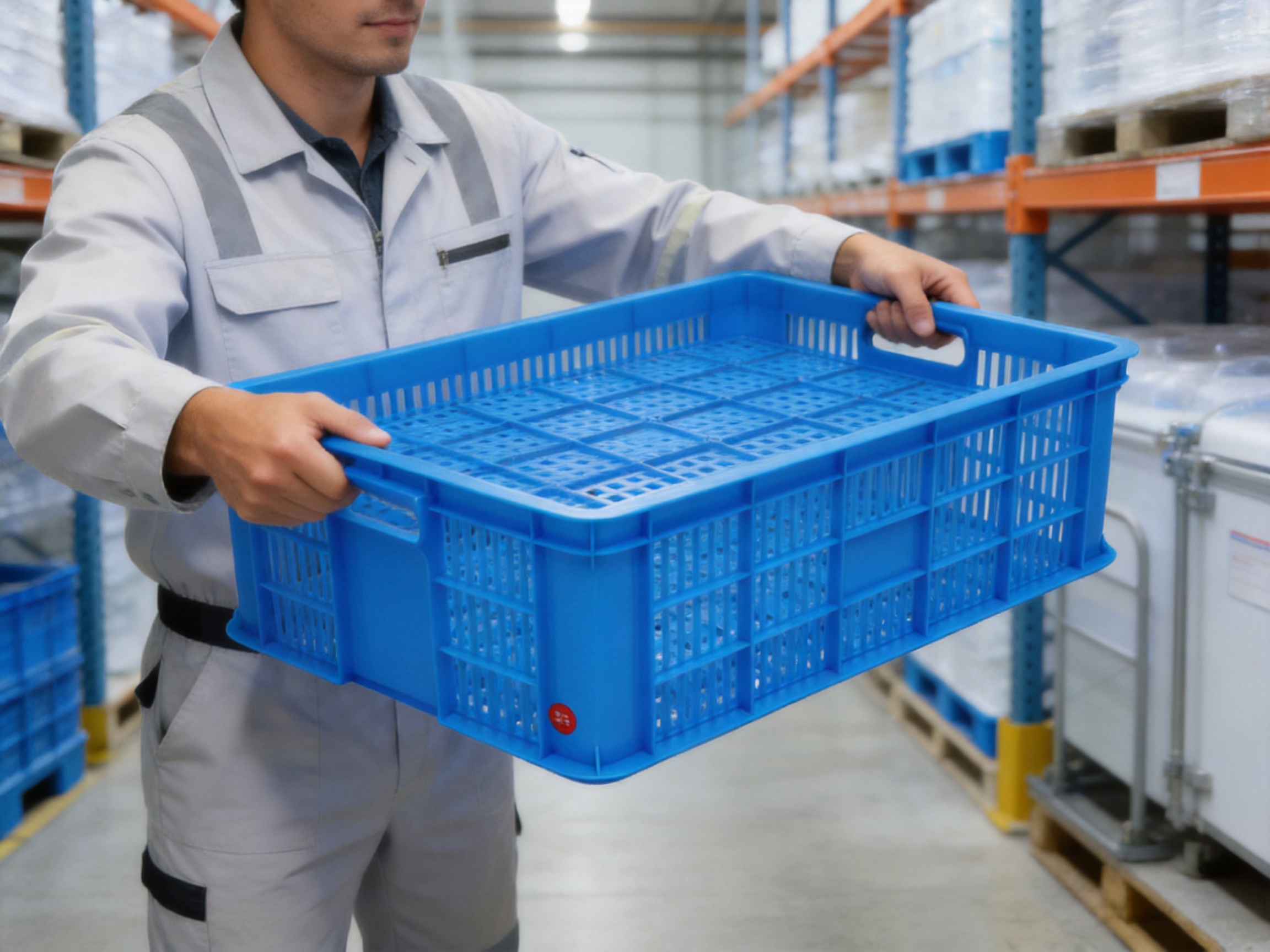
Handling efficiency depends on how easily a container can be grasped, lifted, repositioned, and transferred. The BG-614220-SC incorporates integrated handles that support manual handling and compatibility with broader material-handling workflows.
Integrated handles are preferable to temporary straps or external fittings that can loosen, break, or become entangled. A molded handle becomes part of the crate structure and can be positioned for balanced lifting. The handle openings also give workers a defined gripping area, which can reduce awkward contact with the crate’s mesh walls.
At 1.24kg net weight, the empty crate is relatively easy to move before it is loaded. This matters in return logistics, order preparation, cleaning, and warehouse rearrangement. Reducing the weight of empty containers can help lower unnecessary manual effort and make it easier to consolidate or return them to a storage area.
When filled, the total lifting weight depends on the goods inside. Operators should assess the weight and shape of the load before carrying the crate manually. Heavier loads may be better moved on a pallet, trolley, pallet truck, or other appropriate equipment. Integrated handles support handling, but they do not remove the need for correct manual-lifting procedures.
The crate is also described as suitable for forklift-related handling. In practice, users should use compatible pallets, cages, or handling accessories and should not insert forks into a crate unless the crate and handling procedure are specifically designed for that purpose. The strongest and safest approach is to move groups of crates on a suitable pallet or platform using approved warehouse equipment.
Advantages Over Cardboard and Single-Use Packaging
Corrugated cartons remain useful for many shipping applications, but they have limitations in repeated warehouse circulation. Cardboard can absorb moisture, lose stiffness, collapse under repeated stacking, and become damaged by rough floors or wet environments. It also requires frequent replacement when used in intensive internal logistics.
The reusable HDPE crate offers more consistent dimensional stability. Its rigid shape helps protect contents and makes stacking more predictable. It can be used in areas where moisture, condensation, or routine cleaning would quickly reduce the service life of cardboard. The crate can also be returned through a closed-loop logistics system rather than discarded after one shipment.
Another advantage is handling consistency. A cardboard box may vary in strength according to its board grade, humidity exposure, closure method, and previous use. A reusable plastic crate provides a more standardized container format across repeated cycles. This can make warehouse planning, shelf allocation, and transport calculations more reliable.
The crate’s mesh body also provides visibility and airflow that standard cartons generally cannot provide without additional openings. Its handles are integrated into the body, while carton hand holes may tear or weaken after repeated lifting.
Reusable plastic containers can reduce packaging waste when they are managed effectively. The environmental benefit depends on service life, return rates, cleaning practices, transport distances, and end-of-life recycling. A crate that circulates repeatedly within an efficient system can provide a lower packaging burden per use than a series of disposable boxes.
Advantages Over Wooden Containers
Wooden boxes and timber crates can provide strength, but they are often heavier, less uniform, and more difficult to clean than molded plastic containers. Wood can absorb water, develop rough surfaces, produce splinters, and require additional treatment depending on the destination market and shipping conditions.
The HDPE crate offers a lighter and more standardized alternative for many internal logistics and distribution tasks. Its molded construction creates repeatable dimensions, while the smooth plastic surfaces are easier to wipe or wash when appropriate. The perforated structure also improves ventilation compared with many solid wooden designs.
Weight reduction can influence handling efficiency and transport economics. The empty crate weighs 1.24kg, allowing operators to move and store empty units with less effort than many equivalent wooden containers. Lower tare weight may also help reduce the non-product weight moved through a distribution system, although final transport calculations must include the complete load configuration.
Plastic crates are also less vulnerable to certain common problems associated with wood, including loose nails, splinters, warped boards, and inconsistent dimensions. This can help improve workplace safety and reduce damage to adjacent products or equipment.
Advantages Over Low-Strength Plastic Bins
Not all plastic containers provide the same level of performance. Low-cost bins may be produced with thin walls, limited reinforcement, or materials that are less suitable for repeated heavy-duty handling. They may work for light storage but become unstable or distorted when stacked, transported, or exposed to frequent impact.
The BG-614220-SC distinguishes itself through its multi-layer reinforced rib structure, industrial dimensions, integrated handles, and fully perforated body. These features are intended to create a more balanced solution for demanding warehouse and distribution work. The crate is not simply an open plastic box; it is designed around the combined requirements of load support, ventilation, visibility, stacking, and handling.
Manufacturing consistency is another important differentiator. Even a well-designed mold cannot deliver dependable performance if raw materials, process conditions, inspection standards, and production discipline vary significantly. The manufacturer’s stated approach includes quality control from raw material sourcing through production and inspections at each stage. This process-oriented control supports more consistent dimensions, appearance, structural quality, and order fulfillment.
Applications in Warehouse Storage
The crate is suitable for organizing stock in warehouses, distribution centers, workshops, and production facilities. It can hold components, spare parts, packaged goods, tools, consumables, and picking materials. Its 42L nominal capacity is large enough for many medium-volume storage tasks while remaining compact enough for manual access.
In a warehouse, crates can be assigned to stock-keeping units, order batches, locations, or work activities. Labels, barcode cards, or other identification systems can be attached or placed inside according to the user’s preferred operating method. The visible mesh walls can support quick identification, while the stackable format helps create a consistent location system.
The crate can also be used at receiving stations. Incoming items may be transferred from supplier packaging into reusable crates for inspection, counting, sorting, or temporary storage. This can reduce clutter at receiving docks and provide a more controlled flow from inbound inspection to put-away.
At picking stations, the crate can serve as an order container or tote. Workers can place selected items into the crate, move the completed order to packing, and reuse the container for the next task. The integrated handles make it easier to transfer the container between work areas.
In manufacturing, the crate can support line-side material presentation. Components can be delivered to assembly stations in consistent units, helping operators keep work areas organized. Empty crates can then be returned to the warehouse or a designated collection point for refilling.
Cold-Chain and Supermarket Operations
The open mesh structure is particularly relevant to cold-chain distribution and supermarket logistics. Products that benefit from airflow can be placed in a ventilated container rather than a sealed box. Visibility allows workers to identify products during receiving, replenishment, inventory checks, and backroom organization.
In supermarket operations, the crate can support the movement of goods from a distribution center to a store backroom or sales-floor replenishment area. The stackable design helps conserve space in receiving rooms and storage areas. The crate can also be used to separate products by department, product type, delivery route, or replenishment schedule.
For chilled or temperature-sensitive products, the crate should be integrated into the customer’s established cold-chain procedures. The product itself does not provide refrigeration or temperature monitoring. Users should confirm that the HDPE material, cleaning routine, and operating temperature range are suitable for their specific goods and regulatory requirements.
Food-related users should establish cleaning, inspection, segregation, and traceability procedures. Crates used for raw materials, finished products, chemicals, or non-food goods should be managed according to the site’s hygiene and contamination-control policies.
Manufacturing Process and Production Discipline
A durable crate begins with a controlled manufacturing process. The product’s performance depends on the quality of the selected resin, mold condition, processing parameters, cooling control, trimming, inspection, and packaging. A mature manufacturing system must coordinate these stages so that the final product is consistent from one production batch to another.
The manufacturer describes a standardized production process with strict quality control at every stage. This includes attention to raw material sourcing and inspection during production. Such a system is important for an industrial customer because container performance must remain predictable across large quantities and repeated purchase orders.
Material verification is the first major control point. The specified product material is HDPE, and the resin used in production must be suitable for the intended application. Consistent material selection supports repeatable strength, flexibility, surface quality, and color. If customers require particular colors or specifications, these requirements should be confirmed before production.
Mold preparation and condition also influence the final crate. The mold must form the external dimensions, internal cavity, mesh openings, ribs, handles, and stacking interfaces accurately. Regular maintenance helps reduce defects such as incomplete filling, sharp edges, uneven walls, distorted openings, or dimensional variation.
During molding, process conditions must be managed carefully. Temperature, pressure, cycle time, cooling, and material flow all affect the quality of the finished part. Stable processing helps produce stronger corners, consistent ribs, well-formed handles, and uniform walls. Inconsistent processing can create weak areas that may not be immediately visible but could reduce service life.
Post-molding inspection provides another opportunity to identify defects. Operators can check the crate’s dimensions, weight, structural appearance, mesh openings, stacking fit, handle integrity, and surface condition. Products that do not meet the required standard can be separated before packing and shipment.
The manufacturer also emphasizes streamlined and standardized processes. Standardization helps reduce variation between production runs and supports more reliable order planning. For customers purchasing containers for a warehouse-wide system, consistent dimensions are particularly important because even small variations can affect stacking, shelving, pallet patterns, and automated workflows.
Quality Control and Customer Confidence
Quality control is not limited to examining finished goods. A strong quality system covers the full path from incoming materials to final dispatch. This approach can help identify problems earlier, reduce waste, and provide more consistent products to customers.
For the BG-614220-SC, relevant quality checks may include verification of external dimensions, internal capacity, net weight, handle formation, perforation quality, rib structure, stacking compatibility, and visible defects. Customers with specialized requirements may also request additional checks or documentation before placing a large order.
Inspection at every stage is especially valuable for export customers. International logistics often involves long transport routes, container loading, unloading, and multiple warehouse transfers. A product that leaves the factory in consistent condition is better positioned to arrive ready for service.
Stock availability is another operational strength identified in the product information. In-stock or ready-to-ship products can help customers respond more quickly to seasonal demand, warehouse expansion, replacement requirements, or urgent project schedules. Availability should be confirmed for the required quantity, color, packaging method, and destination before purchase.
Customization is also mentioned as part of the company’s capabilities. Depending on the project, customers may discuss color selection, labeling, packaging, or other specification requirements. Any customization should be confirmed in writing, including minimum order quantity, tooling considerations, lead time, sample approval, and final inspection criteria.
Integrated Logistics Equipment Expertise
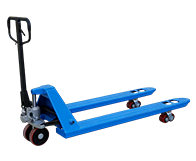
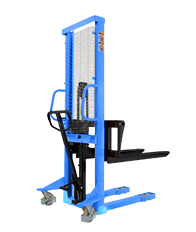
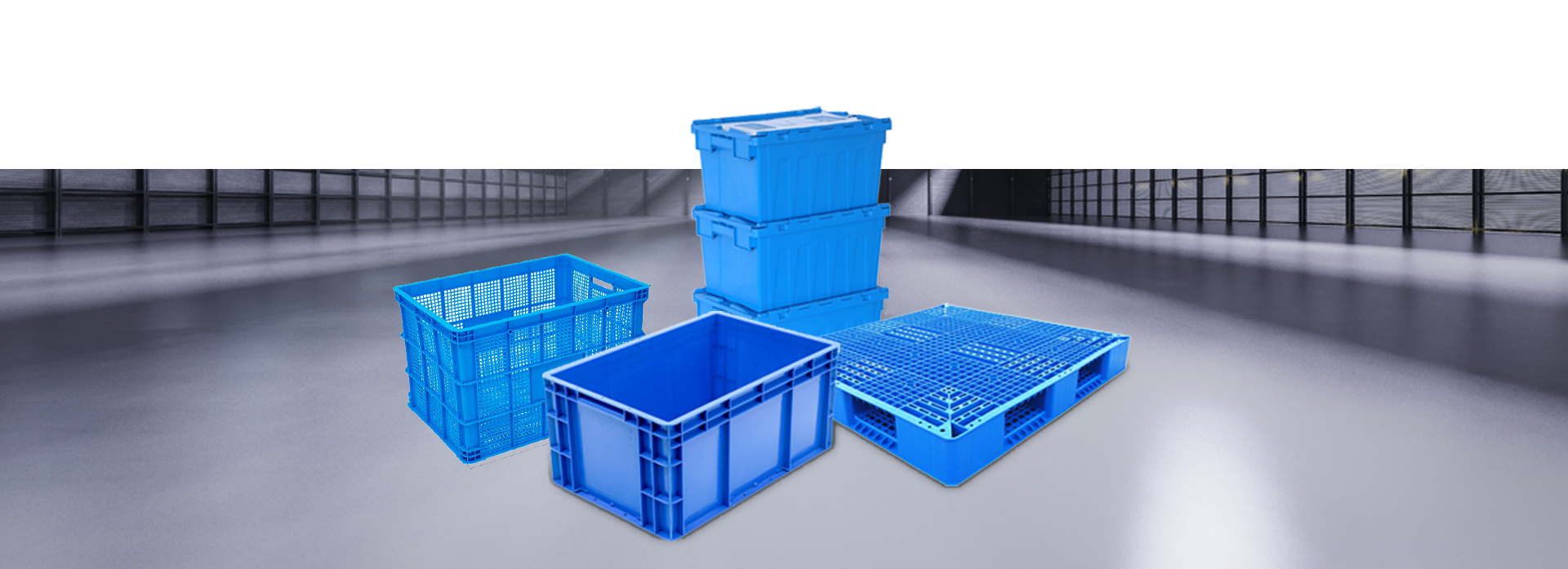
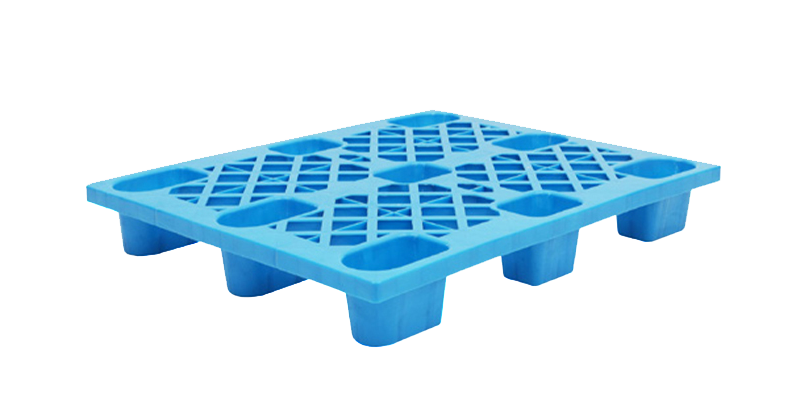
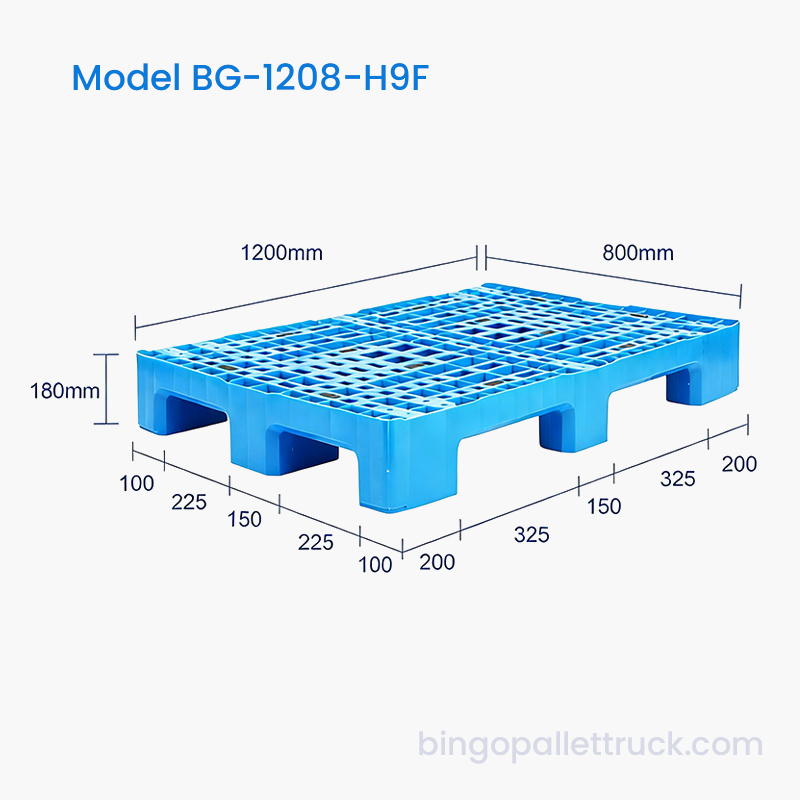
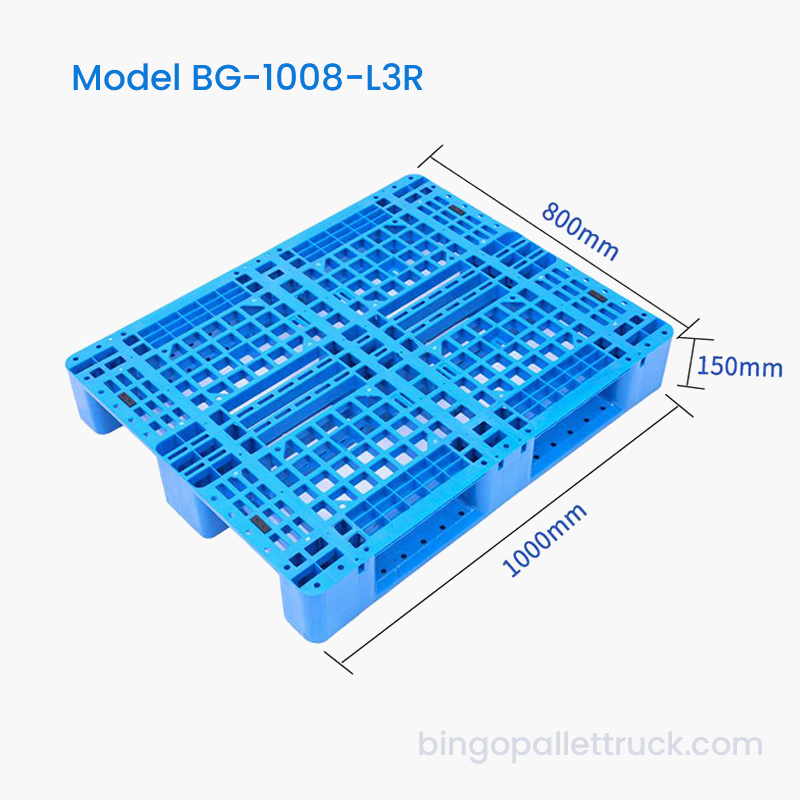
The manufacturer’s product range extends beyond plastic crates to include manual and electric pallet trucks, stackers, plastic pallets, totes, bulk containers, stretch wrap, packing strapping, and warehouse racks. This broader portfolio is relevant because storage containers rarely operate alone.
A crate may be stored on a rack, moved on a pallet, transferred with a pallet truck, grouped with stretch wrap, or used beside a packing station. A supplier with knowledge of these connected systems can help customers consider container dimensions, aisle widths, pallet compatibility, storage height, and handling methods together.
This integrated perspective can simplify sourcing. Instead of coordinating every category with unrelated suppliers, a customer may be able to discuss a wider warehouse project with one equipment partner. This can improve communication and make it easier to align specifications across storage and handling equipment.
The company’s stated focus on one-stop storage and material-handling solutions also reflects an understanding of different warehouse scenarios. Manufacturing, e-commerce logistics, distribution, and supermarket retail each have different requirements for access, cleanliness, throughput, and container circulation. A versatile crate can serve as a common unit across several of these environments.
Operational Benefits and Total Cost of Ownership
The purchase price of a container is only one part of its value. Customers should also consider service life, replacement frequency, labor requirements, storage efficiency, cleaning, damage rates, and return logistics. A durable reusable crate can generate value through several of these factors at the same time.
Its stackable format can reduce floor-space requirements. Its mesh design can improve product identification. Its low empty weight can simplify return handling. Its rigid construction can reduce damage to goods compared with weak packaging. Its reusability can reduce repeated purchases of disposable cartons. Together, these benefits can contribute to a lower cost per logistics cycle.
Labor savings may arise from more efficient picking and checking. When goods are visible and organized in standardized crates, workers may spend less time opening boxes, searching through mixed packaging, rebuilding unstable stacks, or separating damaged containers. The actual savings depend on warehouse layout and work methods, but the crate provides a practical foundation for process improvement.
Space savings can also influence facility costs. Higher-density storage may allow a business to postpone expansion or use existing space more effectively. However, stacking height should always be controlled according to safety rules, rack capacity, load characteristics, and the manufacturer’s recommendations.
For returnable transport systems, the crate can become part of a circulation loop. A supplier fills the crates, a distribution center receives them, a store or production site uses the goods, and empty crates return for reuse. Efficient tracking and retrieval are essential to maximizing the benefits of this model.
Recommended Use and Handling Practices
Before using the crate, operators should inspect it for cracks, severe deformation, damaged handles, broken ribs, or other conditions that could affect safe performance. Damaged units should be removed from service or evaluated according to the company’s internal procedure.
Goods should be distributed evenly across the base. Heavy items should not be concentrated in one corner or placed in a way that creates excessive pressure on a small area. Contents should remain below the top edge when necessary to preserve stacking stability and prevent interference between adjacent crates.
Stacks should be placed on level, stable surfaces. Operators should avoid leaning stacks against walls, racks, vehicles, or other equipment. If crates are stored on warehouse racks, the rack beams, decking, and load ratings must be suitable for the combined weight and dimensions.
When moving filled crates, workers should select the appropriate handling equipment according to load weight and travel distance. Pallet trucks, stackers, carts, or other equipment may be more suitable than manual carrying for heavy loads. Forklift operations should follow site safety procedures, and the crate should not be handled in a way that could allow it to fall from the forks.
Cleaning methods should be compatible with HDPE and with the goods previously stored inside the crate. Users should avoid chemicals, temperatures, or mechanical treatments that could damage the plastic or create contamination risks. After washing, crates should be drained and dried as required by the application.
For long-term service, users should establish a rotation and inspection system. Crates that have reached the end of their useful life should be removed and managed through an appropriate recycling or disposal process where available.
Purchasing Considerations for Distributors and End Users
Distributors should evaluate the product’s dimensions, capacity, material, color options, packaging, stock availability, and target applications before placing an order. The 42L format may be suitable for many customers, but some operations may require smaller or larger containers for product-specific reasons.
End users should compare the crate’s external dimensions with existing pallets, shelves, racks, conveyors, vehicles, and workstations. A container can perform well independently but still create inefficiencies if it does not fit the customer’s current infrastructure.
Customers should also determine whether they need closed-wall, partially perforated, or fully perforated containers. The mesh design is advantageous for airflow and visibility, but it may not be ideal for fine particles, liquids, or goods requiring full enclosure.
For larger projects, customers may request samples before approving a complete order. Sample evaluation can include stacking tests, handle checks, dimensional verification, cleaning trials, pallet arrangement, and compatibility with existing equipment.
Color and identification options can support warehouse organization. Different colors may be assigned to departments, product categories, temperature zones, or workflow stages. Any color customization, labeling, or branding requirements should be clarified with the supplier before production.
Customers should also discuss expected delivery schedules, order quantities, export packaging, inspection arrangements, and after-sales support. Clear communication at the purchasing stage helps ensure that the delivered crate matches the operational requirement.
Why This Crate Is a Strong Competitive Option
The BG-614220-SC combines several features that are often purchased separately: durable HDPE material, reinforced construction, open ventilation, product visibility, integrated handles, stackability, and a practical 42L capacity. This combination gives it a strong position against disposable cartons, wooden containers, non-stackable bins, and lightly constructed plastic boxes.
Its 1.24kg net weight helps balance durability with handling convenience. Some heavy-duty containers provide strength but are unnecessarily difficult to move when empty or lightly loaded. Other lightweight containers reduce material use at the expense of rigidity. This product is designed to occupy a middle ground in which the crate remains manageable while incorporating structural reinforcement for industrial applications.
The standardized 610×420mm footprint supports organized storage and transport planning. Consistent footprints can be more valuable than isolated container capacity because they allow a warehouse to create repeatable layouts and routines.
The manufacturer’s quality-control system further strengthens the product proposition. Standardized procedures, raw material attention, production-stage inspection, and finished-product checks support reliable supply for customers that need multiple units with consistent performance.
Finally, the product is supported by a supplier with expertise across storage, packaging, warehouse racking, and material handling. This can be an advantage for customers seeking a coordinated logistics solution rather than a single container purchase.
Q&A
What is the capacity of the crate?
The crate has a nominal capacity of 42 liters. Its internal dimensions are 575×390×190mm, while the external dimensions are 610×420×200mm.
What material is used to manufacture it?
The product is manufactured from high-density polyethylene, or HDPE. HDPE is selected for its impact resistance, durability, cleanability, and suitability for reusable industrial containers.
Is the crate suitable for stacking?
Yes. The crate is designed as a stackable plastic crate with reinforced structural ribs and a stacking format intended to improve vertical space utilization. Users should follow safe stacking practices and remain within recommended load and height limits.
Does the crate provide ventilation?
Yes. Its fully perforated mesh body allows air circulation around the contents and also improves visibility. This can be useful in warehouse, supermarket, produce, and cold-chain applications.
Can workers carry the crate manually?
The integrated handles support manual handling, and the empty crate weighs approximately 1.24kg. The safe manual load depends on the contents and the site’s lifting procedures. Heavy loads should be moved with suitable equipment.
Can the crate be used with pallets and warehouse equipment?
Yes. Its standardized dimensions make it suitable for organized pallet loading and warehouse storage. It can be incorporated into workflows using pallet trucks, stackers, shelving, and racks, provided the complete system is compatible and operated within its rated limits.
Is it suitable for food and supermarket operations?
The product is described as made from food-safe HDPE and is intended for applications including cold-chain distribution and supermarket operations. Users should confirm local food-contact regulations, temperature conditions, cleaning requirements, and whether direct or indirect food contact is involved.
What are the main advantages over cardboard cartons?
The reusable HDPE crate provides better resistance to moisture, repeated handling, and stacking deformation. It also offers integrated handles, ventilation, visibility, and consistent dimensions over multiple use cycles.
What are the main advantages over wooden boxes?
It is lighter, easier to clean, more dimensionally consistent, and less likely to create splinters, loose nails, or rough surfaces. Its perforated structure also provides improved airflow in suitable applications.
Can the crate be customized?
The product information indicates that customization is available. Customers should confirm options such as color, labeling, packaging, quantity, tooling, and lead time with the supplier before ordering.
How does the manufacturer control product quality?
The manufacturer states that it applies quality control from raw material sourcing through production, with inspections at each stage. It also follows standardized production processes intended to ensure that products meet defined quality requirements.
Is the crate available from stock?
The product information states that products are in stock and ready to ship. Actual availability should be confirmed for the required quantity, color, specification, and delivery destination.
What industries can use this crate?
Potential applications include manufacturing, e-commerce logistics, warehousing, distribution, supermarket retail, cold-chain operations, component storage, order picking, and general material handling.
What should be checked before purchasing?
Customers should verify the required capacity, external and internal dimensions, load conditions, stacking height, pallet compatibility, rack compatibility, ventilation needs, cleaning procedures, temperature conditions, customization requirements, and delivery schedule.
Conclusion
The 42L Stackable Durable HDPE Plastic Crate is a practical solution for businesses seeking reusable, organized, and durable logistics storage. Its 610×420×200mm external dimensions, 575×390×190mm internal dimensions, and 1.24kg net weight provide a useful balance between capacity and handling convenience.
Its key performance features include high-impact HDPE construction, multi-layer reinforcement, fully perforated mesh walls, integrated handles, and a stackable format. Together, these features support ventilation, visibility, load organization, vertical storage, and repeated handling in demanding operational environments.
Compared with cardboard cartons, wooden containers, and low-strength plastic bins, the crate offers a stronger combination of reusability, dimensional consistency, cleanability, airflow, and handling efficiency. It can help businesses improve warehouse organization, reduce packaging replacement, and create more efficient product circulation systems.
The manufacturing strengths behind the product are equally important. Attention to material sourcing, standardized production, process inspections, quality control, customization capability, and ready-to-ship availability provide a foundation for dependable supply. The manufacturer’s wider expertise in pallet trucks, stackers, pallets, totes, bulk containers, packaging materials, and warehouse racks also supports integrated logistics planning.
For customers evaluating a reusable container system, the BG-614220-SC is well suited to applications where goods require structured storage, regular movement, ventilation, visibility, and reliable stacking. When selected according to the product requirements and operated within appropriate safety limits, it can become a valuable component of a modern warehouse and distribution system.
References
1. Product specification sheet for model BG-614220-SC, including dimensions, material, weight, and capacity.
2. General technical information on high-density polyethylene materials and reusable industrial containers.
3. Warehouse storage and material-handling principles for stacking, palletization, and manual handling.
4. General guidance on reusable transport packaging, returnable logistics systems, and packaging efficiency.
5. Food-handling and cold-chain container selection principles, subject to applicable local regulations.
Product: 42L Stackable Durable HDPE Plastic Crate for Goods Logistics

Copyright @ Yancheng Bingo Machinery Equipment Co., Ltd. All rights reserved Warehouse Logistics Equipment Manufacturer Pallet Truck Supplier
