 en
en  Español


23L Stackable Plastic Tote Box for Screws and Small Components
Efficient storage begins with choosing containers that match the physical demands of daily work. In warehouses, workshops, production lines, distribution centers, maintenance departments, and fulfillment operations, small components must be protected, identified, moved, and accessed repeatedly. A container that is too thin may deform under load. A box with poor dimensional accuracy may stack unevenly. A tote without sufficient internal space can create unnecessary handling work, while an oversized container may waste valuable rack and floor capacity.
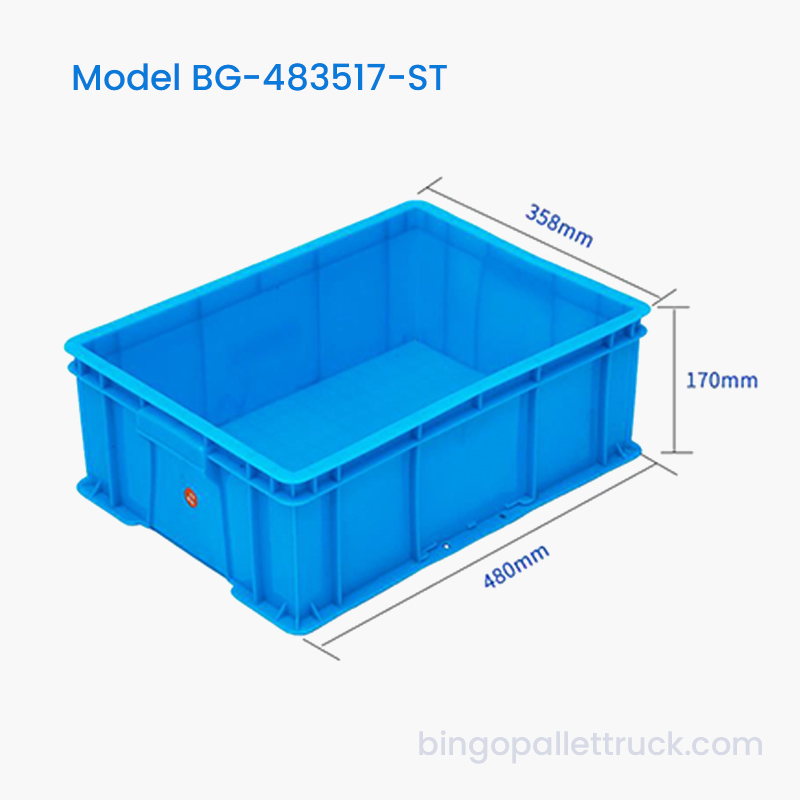
The 23L Stackable Plastic Tote Box, model BG-483517-ST, is designed to address these practical requirements in one standardized storage solution. With external dimensions of 480×358×170mm, internal dimensions of 450×320×165mm, a 23L capacity, and a weight of 1.32kg, it provides a useful balance between storage volume, handling convenience, structural strength, and space efficiency. Manufactured from durable HDPE, the extra-thick construction is intended for demanding industrial and commercial applications where containers are used continuously rather than occasionally.
This tote box is particularly suitable for screws, fittings, fasteners, electrical accessories, machine components, tools, spare parts, packaging items, and other small products that need organized storage. Its stackable design supports vertical use of warehouse space, while its standardized footprint helps businesses develop consistent storage layouts across shelves, pallets, workstations, and transport areas.
Content
- 1 Product Overview
- 2 Why a 23L Tote Box Is Valuable for Small-Component Storage
- 3 Extra-Thick HDPE Construction
- 4 Stable Stackable Design
- 5 Advantages Over Disposable Cartons and Thin Plastic Bins
- 6 Advantages Over Inconsistent Imported or General-Purpose Storage Boxes
- 7 Applications in Warehousing and Distribution
- 8 Applications in Manufacturing and Assembly
- 9 Applications for Screws, Fasteners, and Hardware
- 10 Space Optimization and Warehouse Layout
- 11 Ergonomics and Daily Handling
- 12 Manufacturing Process and Production Capability
- 13 Quality Control at Every Stage
- 14 Customization and Product Availability
- 15 Integration with a Complete Logistics Equipment Range
- 16 Using the Tote with Warehouse Racks
- 17 Using the Tote with Pallets and Handling Equipment
- 18 Inventory Control and Traceability
- 19 Cleaning, Inspection, and Maintenance
- 20 Environmental and Cost Considerations
- 21 Purchasing Guidance for Industrial Buyers
- 22 Recommended Operating Practices
- 23 Quality and Supply Strengths of the Manufacturer
- 24 Q&A
- 24.1 What is the model number of this tote box?
- 24.2 What is the capacity of the container?
- 24.3 What are the external dimensions?
- 24.4 What are the internal dimensions?
- 24.5 What material is used to manufacture the tote?
- 24.6 How much does the empty tote weigh?
- 24.7 Can the totes be stacked?
- 24.8 What types of products can be stored in the tote?
- 24.9 Is the tote suitable for warehouse racks?
- 24.10 Can the tote be used on pallets?
- 24.11 Is the container reusable?
- 24.12 Can different colors be supplied?
- 24.13 Is customization supported?
- 24.14 Is the product available from stock?
- 24.15 Can the tote store sensitive electronic components?
- 24.16 Can the tote be used outdoors?
- 24.17 How should the tote be cleaned?
- 24.18 What should be checked before stacking?
- 24.19 Who manufactures this product?
- 24.20 What other products does the supplier offer?
- 25 Conclusion
- 26 References
- 27 Product: 23L Stackable Plastic Tote Box for Screws and Small Components
Product Overview
The BG-483517-ST is a rigid, reusable plastic tote box developed for organized material storage and internal logistics. Its primary purpose is to keep small and medium-sized items together while supporting safe stacking, straightforward movement, and efficient inventory control.
The container has an external length of 480mm, an external width of 358mm, and an external height of 170mm. The internal dimensions are 450×320×165mm. These measurements create a practical storage cavity while preserving sufficient wall structure for strength and dimensional stability. The 23L nominal capacity gives users room for a substantial quantity of small components without creating an excessively deep container that is difficult to inspect or handle.
At 1.32kg, the tote is substantial enough to provide a stable industrial feel while remaining manageable for routine manual handling. The weight of the box should also be considered when calculating the total handling load after filling it with metal parts, tools, or other dense materials. In applications involving heavy contents, users should establish a safe operating load based on the product, stacking height, shelf design, and workplace handling procedures.
| Specification | Details |
| Product type | Stackable plastic tote box |
| Model | BG-483517-ST |
| Material | HDPE |
| External dimensions | 480×358×170mm |
| Internal dimensions | 450×320×165mm |
| Nominal capacity | 23L |
| Product weight | 1.32kg |
| Design | Reinforced, stackable, reusable construction |
| Typical applications | Screws, fasteners, small components, spare parts, warehouse goods, and workshop materials |
Because the tote uses a reusable rigid format, it can support a more consistent storage system than disposable cartons or thin single-use packaging. Businesses can arrange multiple units in rows, stack them vertically, place them on warehouse shelving, or position them beside production and maintenance workstations.
Why a 23L Tote Box Is Valuable for Small-Component Storage
Small components often create a disproportionate amount of warehouse complexity. Screws, washers, nuts, clips, connectors, bearings, fittings, and electronic accessories may be inexpensive individually, but they can be difficult to identify and control when mixed together or stored in unsuitable packaging. Loose parts can spill, cartons can collapse, and unstructured storage can increase picking time.
A 23L tote offers a controlled storage volume that is large enough for practical stock quantities but compact enough to organize into a dense storage arrangement. The rectangular footprint makes it easier to use available shelf width and depth. Compared with irregular bags, open piles, or oversized cartons, the tote allows operators to establish clear locations for different stock-keeping units.
The 450×320×165mm internal dimensions provide a usable cavity for boxed, bagged, or loose products. The internal height is suitable for many small parts while still allowing the operator to view and reach the contents without excessive depth. For businesses using labels, dividers, inner bins, or removable trays, the standardized internal space can also support a more systematic organization method.
In a workshop, one tote can be assigned to a specific fastener size, machine family, customer order, or maintenance task. In a distribution center, it can hold picking inventory, kitting components, or returned products. In manufacturing, it can transport work-in-progress parts between stations. This flexibility reduces the need to use different containers for every operational area.
Extra-Thick HDPE Construction
Material selection is one of the most important differences between a dependable industrial tote and a light-duty household storage box. The BG-483517-ST is manufactured from HDPE, or high-density polyethylene. HDPE is widely used in material handling products because it combines toughness, impact resistance, chemical resistance, and relatively low weight.
The extra-thick construction is intended to provide additional rigidity during regular warehouse use. A thicker wall can help the container maintain its shape when loaded, stacked, moved, or placed on a shelf. Structural consistency is especially important when several units are arranged vertically, because deformation in a lower box can affect the stability of the entire stack.
HDPE is also suitable for reusable logistics equipment because it can withstand repeated handling more effectively than many thin disposable packaging materials. The tote can be lifted, repositioned, loaded, unloaded, and transferred between departments during its service life. While the exact service life depends on load, temperature, impact, cleaning practices, and operating conditions, a reusable industrial container can reduce the recurring waste and replacement costs associated with single-use cartons.
The material also provides a practical surface for cleaning and routine maintenance. In environments where dust, oil residue, metal chips, or packaging debris may accumulate, a rigid plastic tote is generally easier to wipe or wash than a porous fiberboard carton. Users should select cleaning agents and temperatures that are compatible with HDPE and should validate chemical compatibility when the container is exposed to specialized industrial substances.
HDPE does not make the tote immune to damage. Excessive point loads, sharp edges, uncontrolled drops, extreme temperatures, and improper forklift contact can still cause cracking or deformation. However, the combination of HDPE and an extra-thick design gives the tote a stronger starting point than many thin-walled storage containers intended only for light indoor use.
Stable Stackable Design
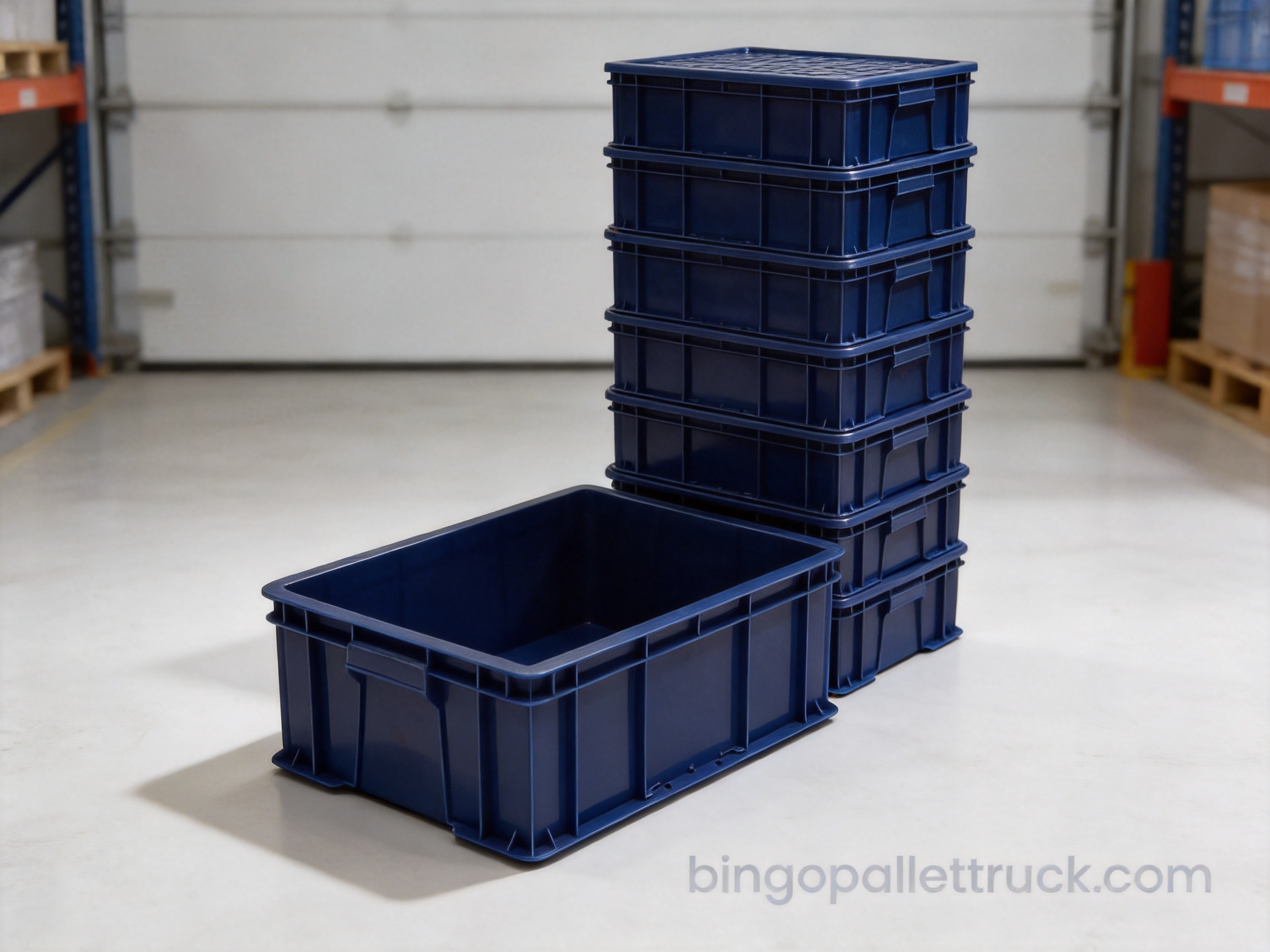
The central advantage of this product is its stackable format. Vertical stacking enables businesses to use the height of a warehouse, storeroom, production area, or vehicle more effectively. Instead of spreading containers across the floor, operators can build organized layers and reserve floor space for movement, equipment, or additional inventory.
The reinforced design is intended to support stable vertical stacking of 10 or more layers under suitable operating conditions. Actual stacking performance depends on the content weight, the evenness of the floor, the condition of each tote, the alignment of the containers, and the environmental conditions. Operators should never exceed a site-approved stack height or use damaged containers in a stack.
Stacking also supports clearer visual organization. A series of matching tote boxes creates uniform storage lanes that are easier to label and inspect than a mixture of cartons, bags, and non-standard bins. Employees can identify product families quickly, and supervisors can audit stock locations with less disruption.
The external footprint of 480×358mm is suitable for many shelving and pallet-based layouts. The consistent dimensions allow warehouse planners to calculate how many units can fit across a shelf or within a designated bay. Standardized containers can also improve space utilization because gaps between irregular packages are reduced.
For transportation within a facility, stackable totes can be grouped on carts, pallets, or material handling equipment. The ability to keep units aligned may reduce the risk of loose cartons shifting during movement. In a production environment, this can make the transfer of components between workstations more controlled and predictable.
23L Stackable Plastic Tote Box for Screws and Small Components
Advantages Over Disposable Cartons and Thin Plastic Bins
Disposable cartons are widely available and may appear inexpensive at the time of purchase. However, they can lose strength when exposed to moisture, repeated handling, abrasion, or heavy contents. Their corners may crush, their walls may bow, and their dimensions may change as they age. These weaknesses can make stacking unreliable and may increase product damage or workplace clutter.
The BG-483517-ST provides a more durable alternative for applications that require repeated use. Its rigid HDPE structure is less vulnerable to ordinary warehouse moisture than paper-based packaging. The reusable format also supports standardization, meaning the same type of container can be used across receiving, storage, picking, production, and dispatch operations.
Thin plastic bins may be suitable for light items, but they may flex when filled with metal components or stacked under pressure. Excessive flexing can make lids, labels, dividers, and automated handling interfaces less reliable. The extra-thick construction of this tote is intended to improve its resistance to everyday deformation and provide a more stable base for stacking.
Open cardboard boxes and fabric bags can also make inventory control more difficult. Their contents may be exposed to dust, accidental impact, or mixing with neighboring products. A rigid tote gives each product group a defined boundary, which can reduce cross-contamination and help preserve order in busy storage areas.
Compared with oversized containers, the 23L format offers better control for small components. An excessively large box may encourage overfilling, create unnecessary lifting weight, and make it difficult to locate items at the bottom. The moderate capacity of this model supports more manageable batches and clearer stock segmentation.
Advantages Over Inconsistent Imported or General-Purpose Storage Boxes
Industrial buyers often compare products not only by price but also by consistency. A storage box that varies in dimensions from one production batch to another can create problems in shelving, stacking, labeling, and automated storage planning. A clearly defined model with fixed external and internal dimensions helps purchasing teams create repeatable layouts.
The BG-483517-ST has a published model number, defined measurements, material specification, capacity, and weight. These details support more accurate procurement and planning. Buyers can compare the tote with shelf dimensions, pallet patterns, workstation layouts, and transport requirements before ordering.
A professional supplier also provides a broader product system rather than a single isolated box. The manufacturer offers storage containers alongside plastic pallets, crates, bulk containers, handling equipment, packaging materials, and warehouse racks. This wider range can help customers coordinate their storage and material movement requirements through one supply relationship.
Availability is another practical advantage. The product information identifies the tote as in stock and ready for fast delivery. For businesses dealing with a warehouse expansion, urgent replacement requirement, seasonal demand, or new production contract, ready inventory can be more valuable than a nominally lower price attached to a long lead time.
Multiple colors and full specifications are also available for organizational purposes. Color coding can be used to distinguish product families, quality status, order priorities, production stages, departments, or handling instructions. A color-based system should be supported by labels and documented procedures, but it can provide an immediate visual signal in busy operating areas.
Applications in Warehousing and Distribution
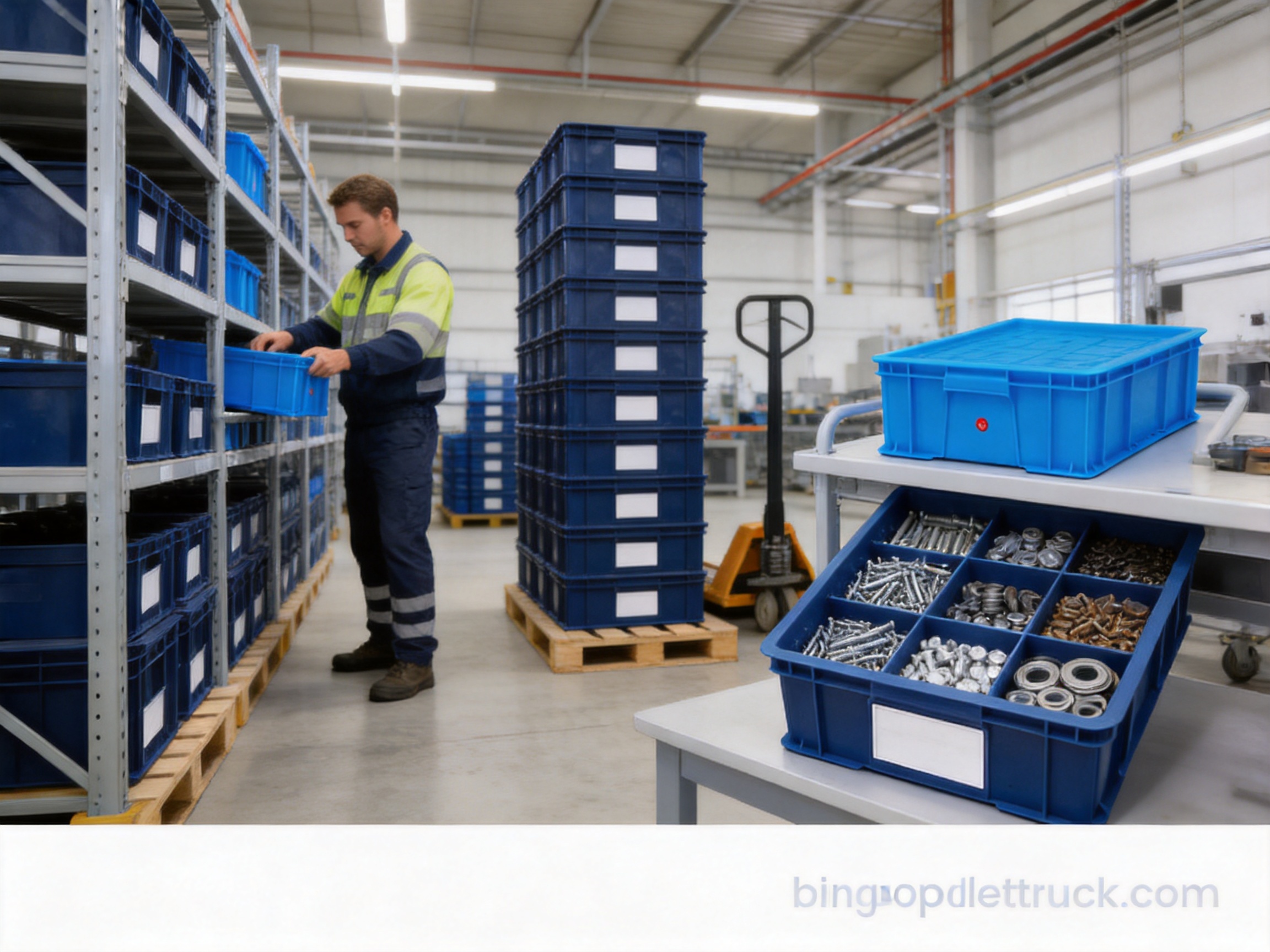
In a distribution center, the tote can be used for order picking, replenishment, returns processing, kitting, and temporary staging. A picker may place a group of items into one tote for a specific customer order or route. When the order is complete, the tote can be moved to packing or dispatch without transferring the items into another container.
For inventory storage, one tote can represent one stock-keeping unit, product variation, or batch. This approach makes cycle counting easier because the inventory location is physically defined. Labels can be placed on the front or side, allowing employees to identify the contents without opening every container.
In e-commerce operations, the tote can serve as a picking bin or replenishment container. Small products are often difficult to handle efficiently when stored in large cartons. A 23L tote can bring frequently ordered items closer to the picking zone and help reduce the number of unnecessary trips to reserve storage.
During returns processing, separate totes can be assigned to inspection categories such as unopened, damaged, awaiting testing, or ready for restocking. The rigid structure helps prevent returned items from being scattered across worktables or mixed with saleable stock.
For cross-docking or internal transfer, stackable units can be grouped according to destination. Because the container is reusable, the same tote may circulate between receiving, storage, picking, and outbound areas. This can reduce the dependence on temporary cardboard packaging for internal movements.
Applications in Manufacturing and Assembly
Manufacturing facilities frequently need to move components between storage and production lines. Small items such as fasteners, seals, clips, fittings, electrical parts, and machined components can be delivered to workstations in controlled quantities. The BG-483517-ST is well suited to this type of line-side presentation.
A production planner can assign one tote to each assembly order or work center. Components can be prepared in advance, checked against a bill of materials, and delivered to the appropriate station. Once the work is complete, the empty tote can be returned for replenishment or used for the next order.
The tote may also be useful for work-in-progress parts. Finished or semi-finished items can be separated by process stage, batch, customer, or inspection status. This separation helps reduce the risk of mixing similar-looking components and supports clearer traceability procedures.
For maintenance departments, the container can organize replacement parts, tools, lubricating accessories, and repair kits. Different colors or labels can distinguish equipment groups or planned maintenance schedules. A technician can prepare a complete service kit in advance and transport it to the machine location.
In electronics and precision assembly environments, operators should evaluate electrostatic requirements before use. Standard HDPE storage containers should not automatically be treated as electrostatic-discharge-safe products. If the application involves sensitive electronic components, the customer should confirm whether an antistatic or conductive version is required.
Applications for Screws, Fasteners, and Hardware
Screws and small hardware items are ideal candidates for organized tote storage because they are commonly purchased in bulk but used in smaller quantities. Without a clear system, different sizes and finishes can become mixed, causing picking errors and production delays.
The 23L capacity allows users to store a practical working quantity while maintaining separation between product types. A warehouse may allocate separate totes for thread diameter, length, head type, coating, material, or application. Labels should include the full part number and a clear description rather than relying only on visual recognition.
For workshops, the tote can be placed near a workbench, assembly table, or repair area. Its rectangular form makes it easier to position beside other units, while the moderate height permits operators to reach the contents without excessive bending or searching.
For kitting operations, components can be gathered into separate totes before a production order begins. This reduces the number of loose bags and cartons at the assembly station and helps operators verify that the required parts are present.
When storing metal parts, businesses should consider the combined weight of the contents. A box filled with dense steel components may become much heavier than one containing plastic fittings or lightweight accessories. Safe lifting practices, shelf load limits, and approved stack heights should be established accordingly.
Space Optimization and Warehouse Layout
Warehouse space is one of the most significant operating costs for many companies. A tote that uses vertical space effectively can contribute to better storage density without requiring a larger building. The stackable format allows planners to use floor-to-ceiling height in suitable areas, while the standardized footprint simplifies shelf and rack calculations.
One useful approach is to divide storage into three levels: reserve inventory, active picking stock, and line-side or dispatch stock. Additional tote units can be stacked in reserve locations, while lower stacks or individual units can be positioned where employees need frequent access. This creates a balance between density and ergonomics.
The tote is also suitable for mobile storage. Units can be placed on warehouse carts or pallets and moved as a group. A consistent external dimension helps operators plan cart capacity and reduce overhang. When containers are arranged correctly, the load can remain more balanced during internal transport.
Color options can support visual management. For example, one color may represent raw materials, another may represent finished goods, and a third may identify quality-hold inventory. The exact system should be chosen by the user, but the availability of multiple colors provides flexibility for site-specific organization.
Digital inventory systems can also incorporate tote identification. A barcode, QR code, RFID label, or printed location code may be attached to each unit, depending on the customer’s traceability system. The container then becomes part of a broader material control process rather than simply a passive box.
Ergonomics and Daily Handling
Storage equipment must be strong, but it must also be practical for the people who use it. The 23L size is intended to provide useful capacity without becoming unnecessarily large for routine handling. Workers can use individual totes for replenishment, picking, component presentation, and maintenance tasks.
To improve ergonomics, users should avoid filling the tote beyond a weight that can be safely lifted by the intended operator. Dense contents such as steel fasteners can reach a significant total weight before the container appears full. Where frequent lifting is required, smaller quantities or carts may be preferable.
Storage height should also be considered. Frequently accessed totes should be kept between approximately knee and shoulder level whenever possible. Heavier containers should remain on lower shelves or be moved using suitable equipment. The stackable design improves space utilization, but not every item should be stored at the highest available level.
Clear labels reduce the need to repeatedly open and search through containers. A label can include the part number, description, quantity, batch, supplier, date received, and storage condition. For fast-moving inventory, a minimum and maximum stock indication can further support replenishment.
Consistent container placement also contributes to safety. Aisles should remain clear, stacks should be aligned, and damaged totes should be removed from service. Employees should be trained to inspect containers before lifting or stacking them.
Manufacturing Process and Production Capability
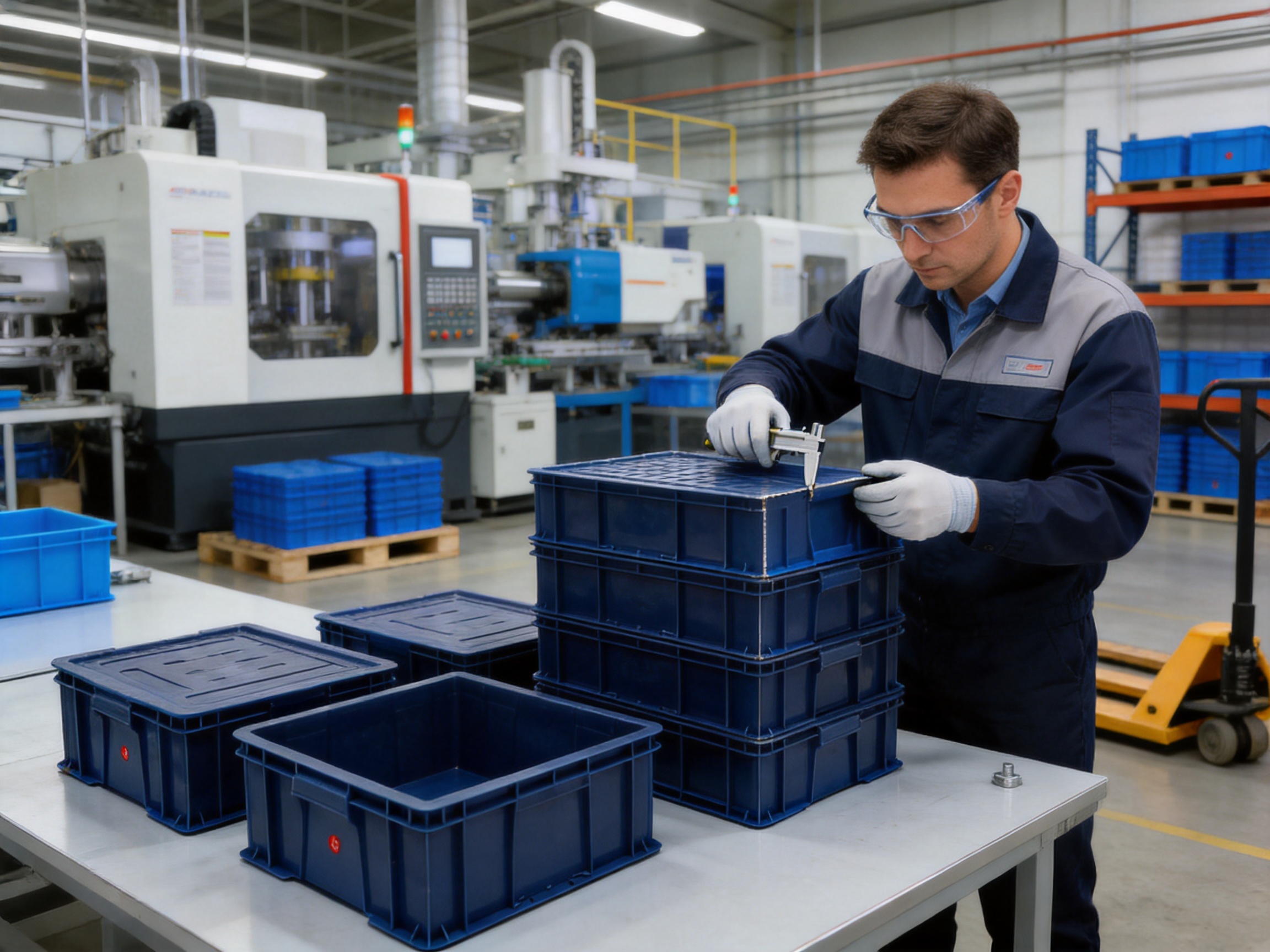
The strength and repeatability of an industrial tote depend not only on the selected polymer but also on the manufacturing process. The supplier’s production approach emphasizes standardized procedures, controlled production stages, and inspection from raw material sourcing through finished-product evaluation.
Plastic tote production generally begins with material preparation. The selected polymer must be received, identified, and managed according to the product specification. Consistent material control helps reduce variation in color, physical performance, and finished dimensions. For a product specified as HDPE, the production team must ensure that the correct material is used for the relevant model and application.
The material is then processed using industrial plastic forming equipment. Depending on the product design and production method, this stage involves heating the polymer, shaping it in a mold or forming tool, and allowing the container to cool under controlled conditions. Accurate mold design is essential because it determines the external geometry, internal cavity, stacking interfaces, wall thickness, and overall dimensional consistency.
After forming, the container may undergo trimming, edge finishing, inspection, and marking. Excess material must be removed cleanly, and edges should be checked for defects that could interfere with handling or damage stored goods. The stacking features must remain clear and correctly formed so that units align properly.
Production teams also monitor process parameters such as temperature, forming time, cooling conditions, pressure, and cycle consistency. Stable process control helps reduce warping, uneven walls, surface defects, and dimensional variation. In a high-volume operation, repeatability is especially important because customers may use hundreds or thousands of units in one warehouse system.
The manufacturer states that it follows standardized production processes and strict standards. This approach is valuable because quality is built into the complete manufacturing workflow rather than checked only at the final shipping stage. A finished-product inspection can identify a defect, but process control helps prevent the defect from occurring repeatedly.
Quality Control at Every Stage
Quality control begins before production. Raw material sourcing, supplier management, and incoming inspection are important because inconsistent feedstock can affect the performance of the finished tote. Material identification and batch control help the production team maintain a clear record of what enters the manufacturing process.
During production, operators and quality personnel can monitor the appearance and shape of the containers. Typical inspection points include wall uniformity, edge condition, corner formation, stacking surfaces, color consistency, and visible surface defects. Products that do not meet the required criteria should be separated rather than mixed with qualified stock.
Dimensional inspection is particularly important for stackable containers. External dimensions influence shelf fit, pallet arrangement, and stack alignment. Internal dimensions influence usable capacity and the ability to place dividers, inner containers, or packaged goods inside the tote. Measuring both external and internal dimensions supports more reliable warehouse planning.
Weight is another useful quality indicator. The specified weight of 1.32kg provides a reference for production consistency, although normal manufacturing tolerances may apply. Significant variation may indicate an issue with material usage, wall formation, trimming, or process settings and should be reviewed through the manufacturer’s quality system.
Functional checks may include stacking evaluation, handling review, and inspection of the tote’s ability to remain stable when correctly positioned. Customers with specialized requirements may request additional validation, such as load testing, temperature evaluation, drop testing, chemical compatibility review, or application-specific inspection.
The manufacturer describes strict quality control at every stage and a commitment to supplying products that meet international standards. Buyers should discuss the exact test methods, tolerances, documentation, and certification requirements needed for their industry before placing a large order.
Customization and Product Availability
Different facilities often require different colors, markings, labels, packaging methods, or quantities. The product information indicates that customization is supported, giving buyers the opportunity to discuss requirements beyond the standard configuration.
Possible customization topics may include color selection, printed identification, model marking, packaging quantity, palletization, and delivery arrangements. The availability of customization depends on order volume, tooling, production scheduling, and technical feasibility. Buyers should confirm all details in writing before production begins.
Color customization can be especially useful for warehouse zoning and process control. A manufacturer may be able to provide different colors for different customers, departments, or product groups. However, color coding should not replace written identification because lighting, dust, fading, and human error can reduce color recognition.
Stock availability is another strength for customers who need rapid deployment. The product is identified as in stock and ready to ship, supporting projects with short implementation windows. Fast delivery can help a warehouse replace damaged containers, respond to a sudden order increase, or standardize a new storage area without waiting for a long production cycle.
For larger projects, customers should coordinate forecasts with the supplier. A forecast can help reserve production capacity, organize color combinations, schedule shipments, and reduce the risk of shortages during seasonal peaks.
Integration with a Complete Logistics Equipment Range
A tote box rarely operates alone. It forms part of a larger movement and storage system that may include pallet trucks, stackers, plastic pallets, warehouse racks, carts, stretch wrap, packing strapping, and other logistics products.
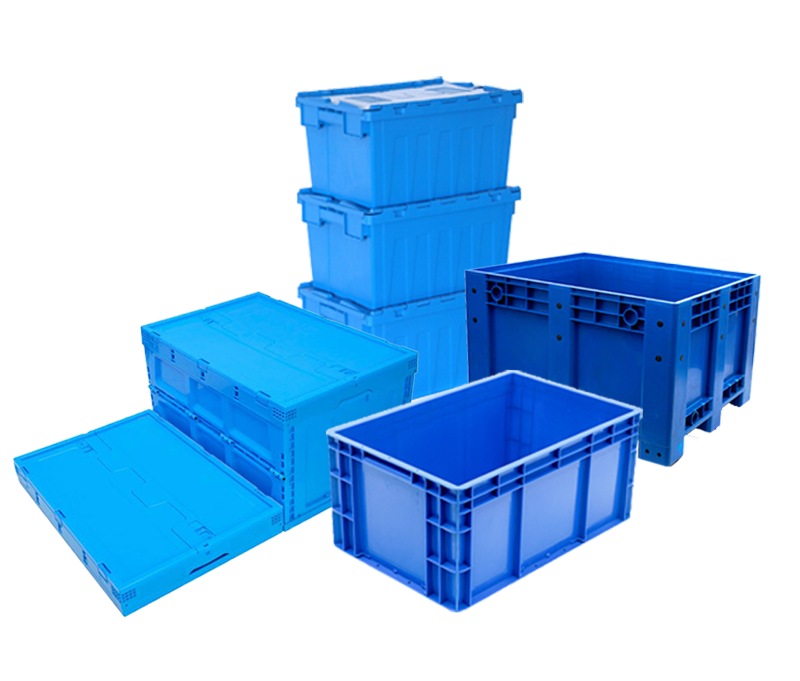
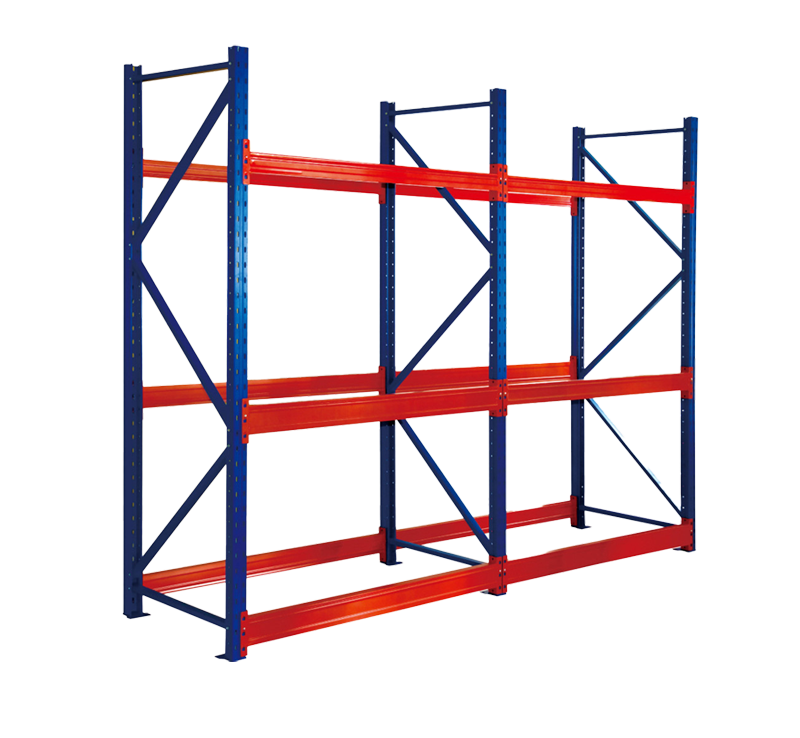
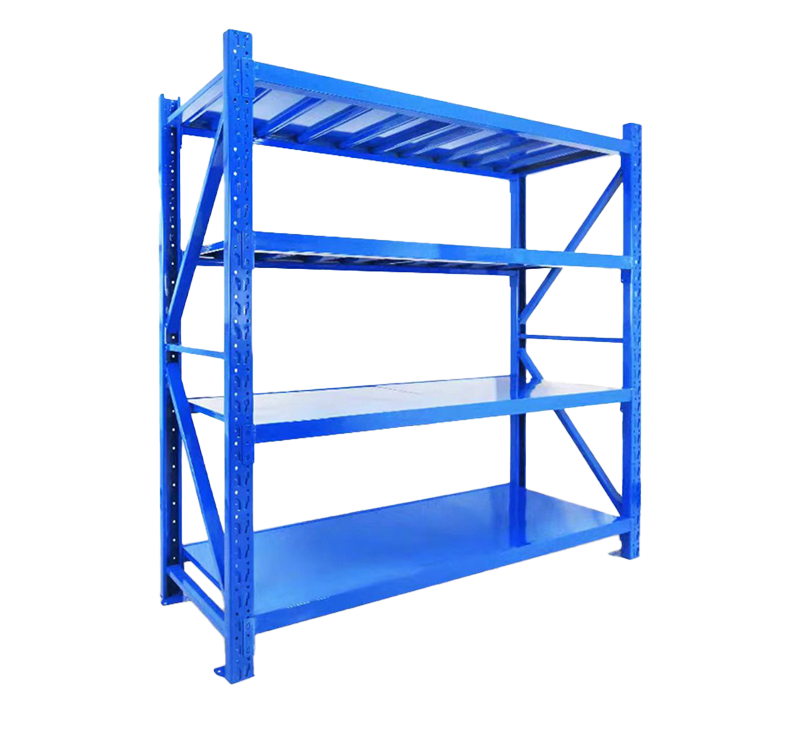
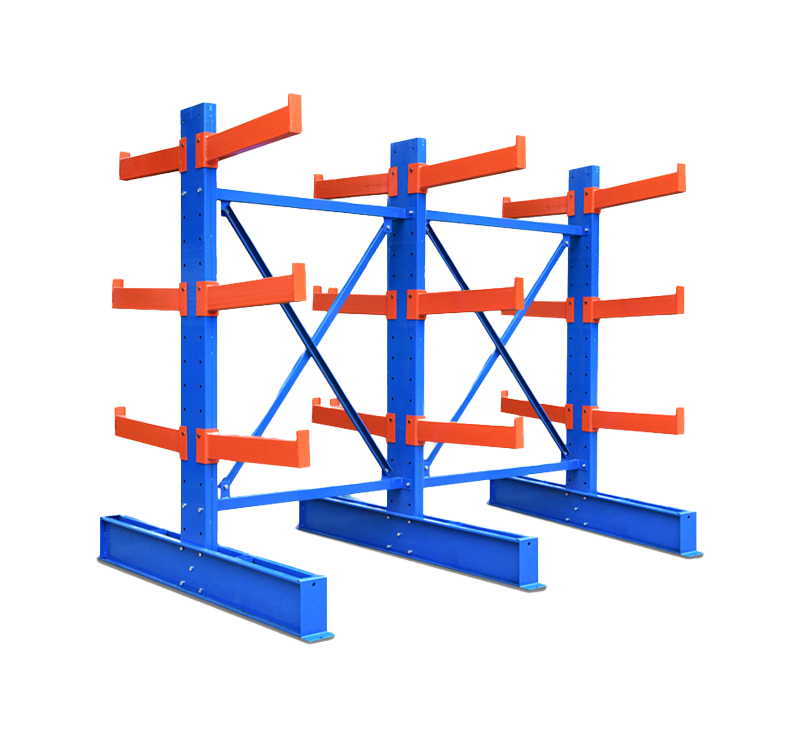
The supplier behind the BG-483517-ST provides a broader portfolio covering four main areas: handling equipment, storage containers, packaging materials, and warehouse racking. This portfolio includes manual and electric pallet trucks, stackers, plastic pallets, crates, bulk containers, stretch film, packing straps, and light-duty, medium-duty, and heavy-duty racks.
This product breadth can simplify project coordination. A customer establishing a new warehouse may obtain storage containers and racks from the same source while also discussing pallet movement and packaging requirements. A manufacturer upgrading an internal logistics system may combine totes with pallet trucks and line-side storage equipment.
Integrated sourcing does not eliminate the need for technical comparison, but it can reduce communication gaps between different equipment suppliers. Dimensions, load requirements, material flow, and delivery schedules can be reviewed as one coordinated project.
Using the Tote with Warehouse Racks
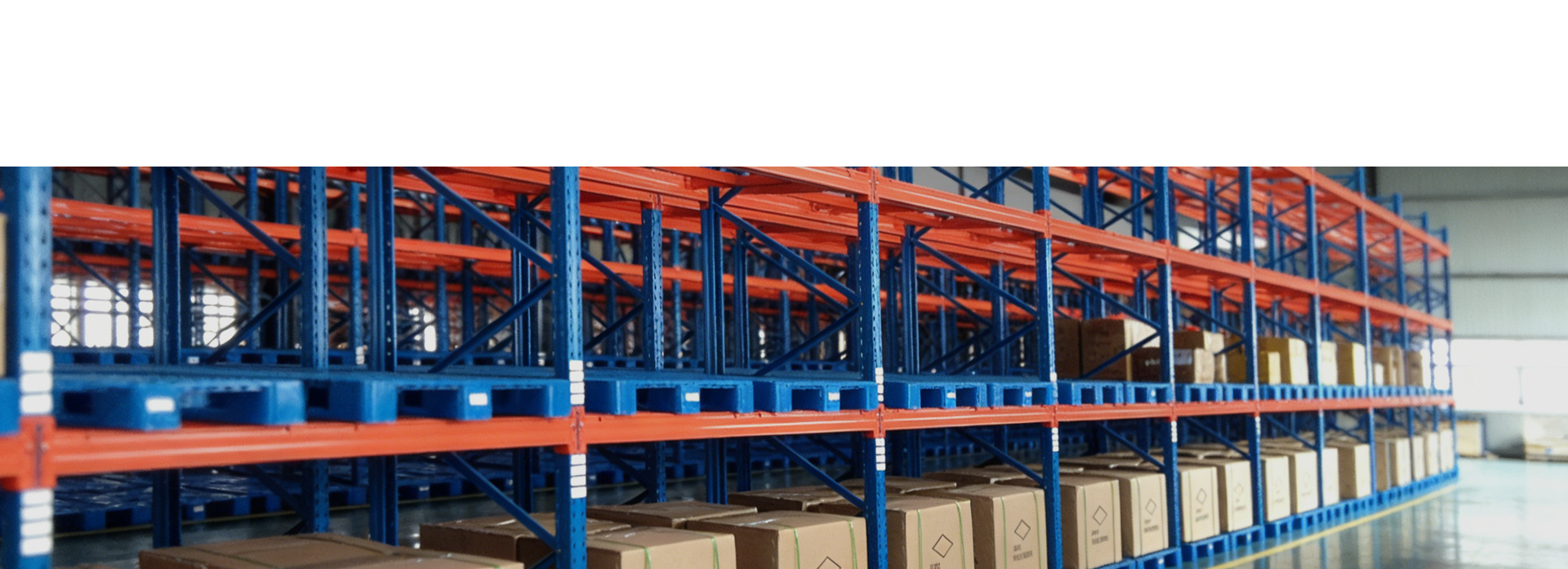
Before placing the tote on a rack, users should compare the external dimensions with the clear shelf width, depth, and height. The rack must support the total weight of the tote and its contents, not merely the empty container. The shelf surface should be level and sufficiently stable to prevent tipping or local deformation.
For stacked storage, the lowest tote should be placed on a suitable surface, and each additional unit should be aligned correctly. Uneven stacking, partial support, overhanging loads, or mixed container sizes may reduce stability. A stack should not be placed where it can obstruct emergency equipment, doors, walkways, or access routes.
Where racks have adjustable beams, the storage level can be configured around the tote height. The 170mm external height permits multiple layers in a suitable rack bay, although clearance must be allowed for lifting, labeling, and safe retrieval. If the tote is frequently handled manually, a fully packed rack position may require additional working space above the container.
Warehouse managers should document the approved configuration. A simple storage standard can specify the maximum stack height, maximum content weight, acceptable shelf locations, inspection frequency, and action required when a tote is damaged.
Using the Tote with Pallets and Handling Equipment
The tote can be grouped on pallets for bulk movement or temporary staging. When palletizing, users should distribute the weight evenly and keep the load within the pallet’s safe working capacity. The arrangement should prevent excessive overhang and should maintain a stable center of gravity.
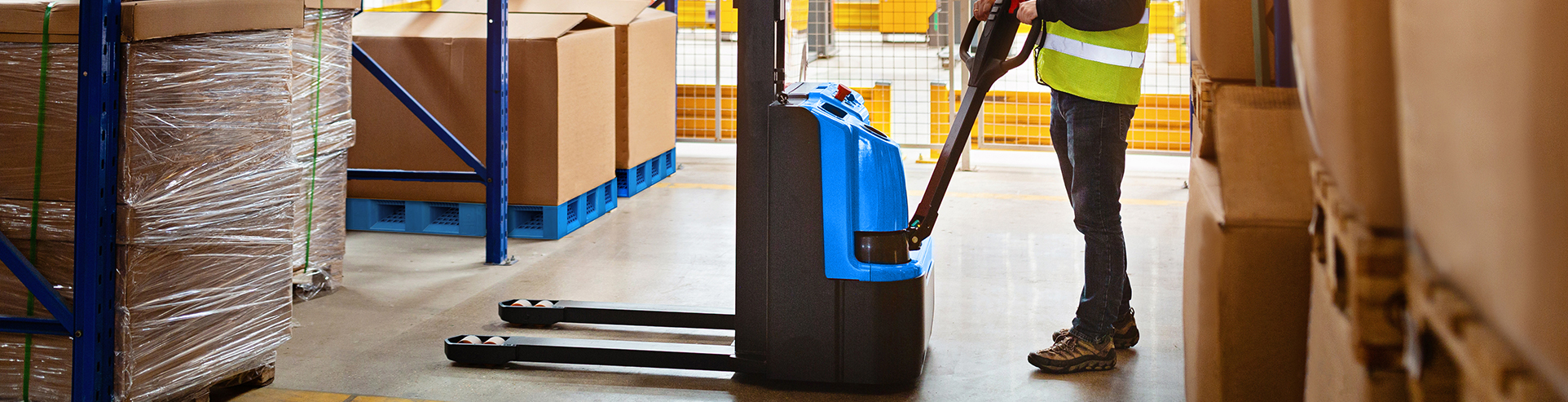
Manual pallet trucks and electric pallet trucks can move palletized groups of totes through receiving, storage, production, and dispatch areas. Stackers may be used to position pallet loads at elevated storage levels, provided the pallet, tote arrangement, and racking system are approved for the intended operation.
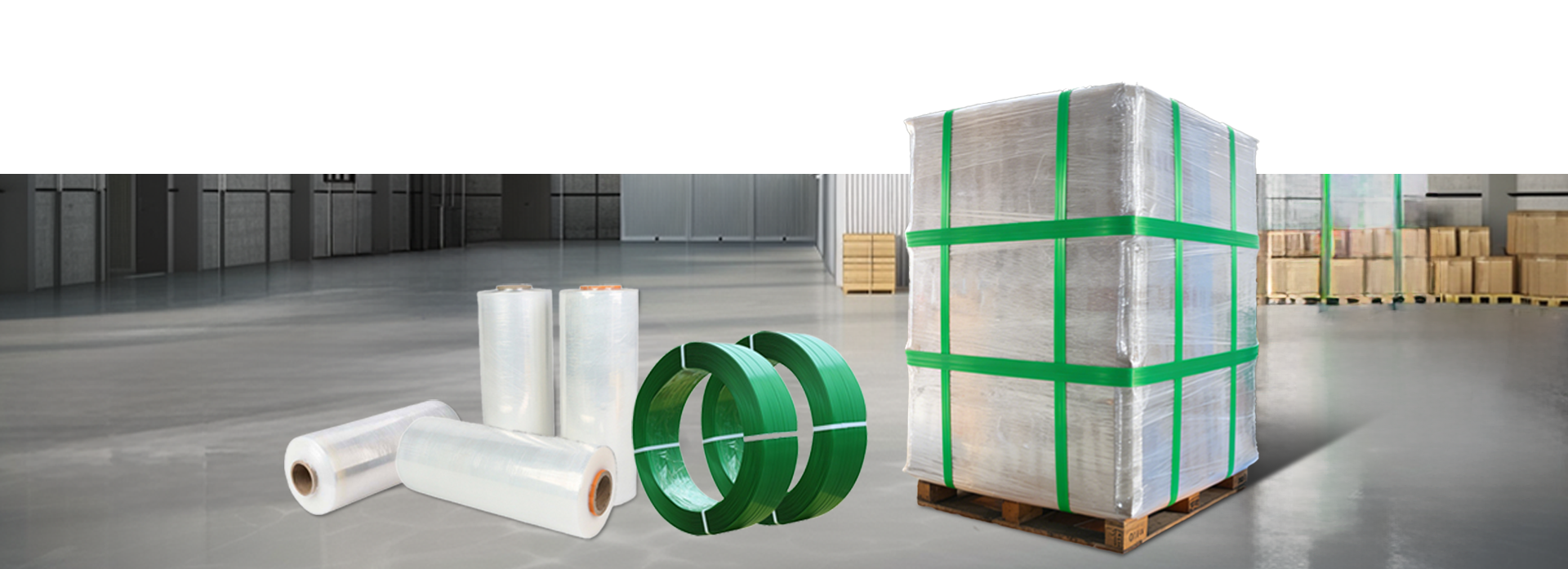
Stretch wrap or packing straps may be used to stabilize a grouped load during transport, but these materials should be applied in a way that does not crush or distort the containers. The choice of securing method depends on travel distance, handling conditions, pallet height, and the risk of load movement.
For local movement, a cart or platform trolley may be more convenient than a pallet. Individual totes can be transferred between workstations without requiring pallet handling equipment. This is useful in assembly, maintenance, inspection, and small-batch production environments.
Inventory Control and Traceability
Standardized totes can support leaner inventory control by giving every product group a defined physical location. A business can assign a location code to each shelf, stack, or tote and connect that code to an inventory management system.
Barcodes and QR codes can be applied to labels, allowing operators to scan the container during receiving, picking, replenishment, and counting. The container may carry information about the product inside, the quantity, the batch number, or the destination workstation.
For reusable logistics systems, the tote itself can also be tracked. A unique identification number can help monitor circulation, loss, cleaning, inspection, and replacement. In large operations, this can provide useful information about how many containers are in use and where additional units are required.
Physical organization remains important even when digital systems are used. A scan cannot compensate for a damaged label, an incorrectly placed tote, or mixed contents. The best results come from combining clear labeling, consistent placement, routine audits, and employee training.
Cleaning, Inspection, and Maintenance
Reusable containers provide the greatest value when they are maintained properly. A routine inspection should check for cracks, deep cuts, severe deformation, broken stacking areas, sharp edges, and contamination. Damaged containers should be removed from load-bearing applications until they have been evaluated.
Cleaning frequency depends on the application. Totes used for clean components may need only periodic dust removal, while those used for oily parts, returned goods, or workshop materials may require more frequent cleaning. The cleaning process should prevent residue from transferring between different product categories.
Users should select cleaning solutions compatible with HDPE and avoid procedures that expose the tote to unnecessary heat or aggressive chemicals. After washing, the container should be dried before storing moisture-sensitive components. If labels are replaced after cleaning, the new information should be checked against the inventory record.
Stacking surfaces should remain free of debris. Metal chips, stones, and hardened residue can create point loads between containers, interfere with alignment, or damage the plastic. Keeping the tote and its storage area clean helps preserve both stability and service life.
Environmental and Cost Considerations
A reusable plastic tote can support waste reduction by replacing a repeated flow of disposable cartons, bags, and temporary containers. Its service life, however, depends on correct use and maintenance. A tote that is overloaded, dropped, exposed to unsuitable chemicals, or used outside its intended environment may need early replacement.
When evaluating cost, buyers should consider more than the purchase price. Relevant factors include expected service life, replacement frequency, product damage, labor for handling, storage density, picking accuracy, cleaning, transport, and disposal. A durable standardized tote may provide savings through several of these categories at the same time.
HDPE is a thermoplastic material that may be recyclable through appropriate industrial recycling channels. Recycling options vary by location and by contamination level. At the end of its useful life, businesses should follow local waste regulations and consult qualified recycling providers rather than disposing of damaged plastic indiscriminately.
Reusable packaging systems may also reduce the amount of empty packaging waste generated between departments. When a tote returns to the storage area and is used again, the organization can reduce reliance on single-use internal packaging.
Purchasing Guidance for Industrial Buyers
Before ordering, buyers should identify the products that will be stored and estimate the typical quantity per tote. The 23L capacity is suitable for many small-component applications, but the best fill level depends on item size, density, picking frequency, and required separation.
Next, measure the available storage area. Confirm shelf width, shelf depth, rack beam position, aisle clearance, pallet dimensions, cart platform size, and vehicle loading restrictions. The 480×358mm external footprint should be compared with the actual clear dimensions rather than nominal rack measurements.
Buyers should also calculate total loaded weight. The empty tote weighs 1.32kg, and the contents may weigh considerably more. This information should be reviewed against shelf, pallet, cart, stack, and manual handling limits.
For outdoor or temperature-variable applications, request guidance on environmental suitability. Plastic performance can change under very low or high temperatures, ultraviolet exposure, and contact with chemicals. The supplier should be asked to confirm whether the standard HDPE version is appropriate for the intended environment.
For sensitive electronics, food-related applications, pharmaceutical operations, or regulated industries, buyers should confirm whether additional material, hygiene, traceability, or compliance documentation is required. The standard product specification should not be assumed to cover every specialized regulation.
Color, quantity, packaging, delivery schedule, and customization should be agreed before purchase. For repeat orders, retain the model number BG-483517-ST and the approved specification to help maintain consistency across future shipments.
Recommended Operating Practices
Use the tote only for loads and materials appropriate to its design.
Distribute contents evenly instead of concentrating a heavy load in one corner.
Do not exceed the site-approved stack height or place damaged containers in load-bearing positions.
Keep stacks level, aligned, and away from areas where they may be struck by vehicles or equipment.
Place frequently accessed units at ergonomic heights and use carts or lifting equipment for heavier loads.
Use labels that identify the full product number, description, quantity, and status.
Keep incompatible parts separated and use dividers or inner packaging where necessary.
Inspect containers regularly and remove those with cracks, sharp edges, severe distortion, or damaged stacking interfaces.
Confirm chemical compatibility before storing solvents, aggressive cleaners, or other specialized materials.
Review the storage layout periodically as product dimensions, order patterns, and inventory levels change.
Quality and Supply Strengths of the Manufacturer
Yancheng Bingo Machinery Equipment Co., Ltd. is positioned as a supplier of warehousing and logistics equipment, with capabilities covering production, sales, and service. Its stated focus is on one-stop storage and material handling solutions for global customers.
The company’s product coverage extends beyond plastic storage containers. Its handling equipment range includes manual and electric pallet trucks and stackers. Its storage container range includes plastic pallets, plastic totes, crates, and bulk containers. Its packaging materials include stretch wrap and packing strapping, while its warehouse rack range includes light-duty, medium-duty, and heavy-duty systems in multiple specifications.
This complete supply-chain structure is relevant to customers seeking more than an individual box. A warehouse project may require coordinated solutions for receiving, storage, internal transport, order preparation, packaging, and dispatch. A supplier familiar with these connected processes can help buyers consider how the tote fits into the wider material flow.
The company emphasizes quality as a core value and describes strict inspection from raw material sourcing through production. It also highlights standardized manufacturing procedures, qualified product control, customization support, and stock availability for fast delivery.
Its stated customer industries include manufacturing, e-commerce logistics, warehousing and distribution, and supermarket retail. These sectors share a need for organized storage, repeatable handling, cost control, and reliable equipment availability.
The company’s operating philosophy is based on quality-first service and win-win cooperation. For international customers, this type of partnership can be valuable when product requirements, delivery schedules, replacement needs, and future expansion must be coordinated over time.
Q&A
What is the model number of this tote box?
The model number is BG-483517-ST.
What is the capacity of the container?
The nominal capacity is 23L.
What are the external dimensions?
The external dimensions are 480×358×170mm, measured as length × width × height.
What are the internal dimensions?
The internal dimensions are 450×320×165mm.
What material is used to manufacture the tote?
The product specification identifies HDPE, or high-density polyethylene, as the material.
How much does the empty tote weigh?
The listed product weight is 1.32kg.
Can the totes be stacked?
Yes. The tote has a reinforced stackable design intended for secure vertical storage. The product information indicates stacking of 10 or more layers under suitable conditions. Users must determine the safe stack height according to load weight, floor condition, container condition, and site safety procedures.
What types of products can be stored in the tote?
Typical contents include screws, nuts, washers, bolts, fasteners, fittings, spare parts, tools, electrical accessories, machine components, packaging materials, and other small or medium-sized goods.
Is the tote suitable for warehouse racks?
It can be used with suitable warehouse shelving or racking, provided that the rack clear dimensions, shelf capacity, access height, and handling method are compatible with the tote and its loaded weight.
Can the tote be used on pallets?
Yes. Multiple units can be arranged on pallets for grouped storage or internal transportation. The pallet load should be evenly distributed, and the combined weight must remain within the approved pallet and handling-equipment limits.
Is the container reusable?
Yes. Its rigid HDPE construction is intended for repeated industrial and commercial use. Service life depends on load, handling, environmental exposure, cleaning, and maintenance.
Can different colors be supplied?
The product information indicates that multiple colors are available. Buyers should confirm available colors, minimum order quantities, lead times, and customization details with the supplier.
Is customization supported?
Customization is indicated as supported. Possible requirements may include color, markings, labeling, packaging, and delivery arrangements. Technical feasibility and order conditions should be confirmed before production.
Is the product available from stock?
The supplied product information states that the tote is in stock and ready for fast delivery. Current inventory, order quantity, destination, and shipping schedule should be confirmed before purchase.
Can the tote store sensitive electronic components?
The standard specification identifies HDPE but does not state that the tote is antistatic or ESD-safe. Users handling sensitive electronics should request confirmation and select an appropriate antistatic or conductive solution if required.
Can the tote be used outdoors?
Outdoor use depends on exposure to sunlight, temperature changes, rain, dust, chemicals, and other environmental conditions. Buyers should request application-specific guidance and confirm whether additional UV or weather resistance is needed.
How should the tote be cleaned?
Use a cleaning method and solution compatible with HDPE. Remove debris from the interior and stacking surfaces, rinse or wipe as appropriate, and dry the tote before storing moisture-sensitive products.
What should be checked before stacking?
Inspect the floor or shelf for level support, check each tote for cracks or deformation, distribute contents evenly, confirm that the total weight is acceptable, and align each unit correctly. Do not stack damaged or unstable containers.
Who manufactures this product?
The product is supplied by Yancheng Bingo Machinery Equipment Co., Ltd., a China-based manufacturer and supplier of warehousing, logistics, storage, packaging, and material handling equipment.
What other products does the supplier offer?
The supplier’s stated product range includes pallet trucks, stackers, plastic pallets, plastic totes, crates, bulk containers, stretch wrap, packing strapping, and light-duty, medium-duty, and heavy-duty warehouse racks.
Conclusion
The 23L Stackable Plastic Tote Box is a practical solution for businesses that need stronger, more consistent, and more organized storage for screws and small components. Its 480×358×170mm external dimensions, 450×320×165mm internal dimensions, 23L capacity, and 1.32kg empty weight provide a balanced format for warehouse, production, maintenance, distribution, and retail applications.
The main advantages are its extra-thick HDPE construction, reusable design, standardized dimensions, stackable format, practical capacity, and suitability for integration with racks, pallets, carts, and material handling equipment. Compared with disposable cartons and light-duty bins, it is designed to offer improved durability, more dependable stacking, and better long-term organization.
Its value is further supported by the manufacturer’s broader logistics equipment range, standardized manufacturing procedures, quality control at multiple stages, customization support, and stated stock availability. These strengths allow customers to evaluate the tote not as an isolated storage box but as part of a complete warehouse and material handling system.
For the best results, customers should confirm load requirements, rack compatibility, environmental conditions, color and customization needs, and safe operating procedures before ordering. When correctly selected and managed, the BG-483517-ST can help reduce clutter, improve picking accuracy, use vertical space more effectively, and create a more efficient flow of materials throughout the workplace.
References
Product specification sheet for model BG-483517-ST, including dimensions, material, capacity, and weight.
Manufacturer-provided information on stackable plastic totes, color options, customization, stock availability, and quality control.
Manufacturer profile covering warehouse logistics equipment, storage containers, packaging materials, and warehouse racking systems.
General industrial guidance on reusable plastic containers, warehouse organization, manual handling, palletized storage, and rack safety.
General material reference information concerning high-density polyethylene properties, cleaning considerations, recycling, and industrial storage applications.
General warehouse management practices concerning inventory labeling, vertical space utilization, container inspection, and material flow control.
Product: 23L Stackable Plastic Tote Box for Screws and Small Components

Copyright @ Yancheng Bingo Machinery Equipment Co., Ltd. All rights reserved Warehouse Logistics Equipment Manufacturer Pallet Truck Supplier
