 en
 Español


8-Compartment Dividable Plastic Tote for Efficient Small-Parts Storage
Content
- 1 Product Overview
- 2 Why Compartmented Storage Matters
- 3 Advantages Over Conventional Storage Boxes
- 4 Material Selection and Durability
- 5 Engineering Features of the Eight-Compartment Layout
- 6 Applications Across Different Industries
- 7 Stacking and Space Optimization
- 8 Manufacturing Process and Quality Strengths
- 9 Company Manufacturing and Supply Capabilities
- 10 Customization and Procurement Considerations
- 11 Operational Best Practices
- 12 Cost and Sustainability Benefits
- 13 Comparison with Alternative Storage Methods
- 14 Implementation in a Warehouse
- 15 Frequently Asked Questions
- 15.1 What is the primary purpose of this tote?
- 15.2 What material is the tote made from?
- 15.3 What are the dimensions?
- 15.4 How many compartments does it have?
- 15.5 Can the tote be stacked?
- 15.6 What is the tote’s weight?
- 15.7 Is the tote suitable for heavy parts?
- 15.8 Can it be used for electronics?
- 15.9 Can colors or other features be customized?
- 15.10 Is the tote suitable for outdoor use?
- 15.11 How should the tote be cleaned?
- 15.12 Can the tote replace all other storage containers?
- 16 Conclusion
- 17 References
- 18 Product: 8-Compartment Dividable Plastic Tote for Small Parts Retail Use
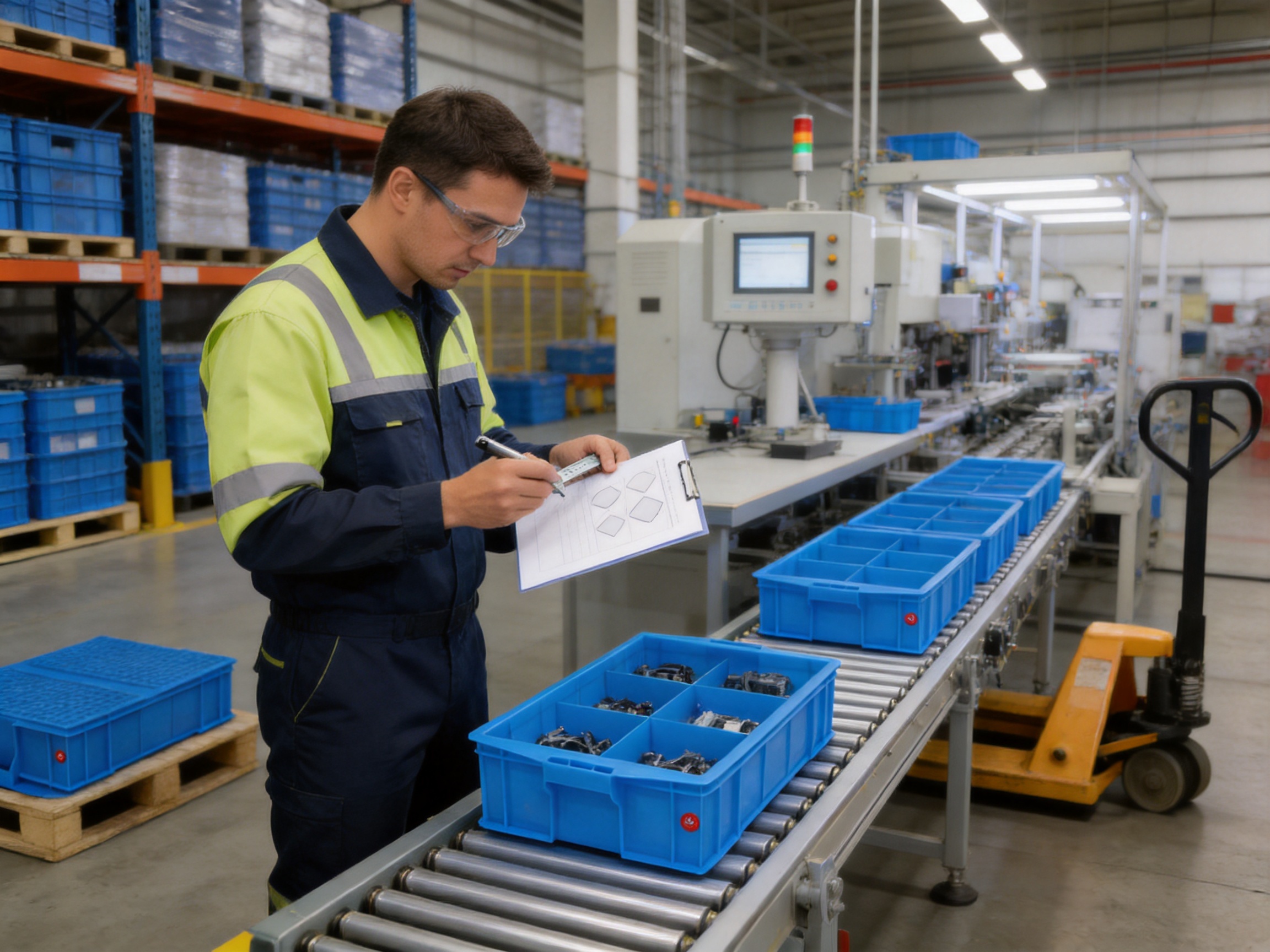
Modern warehouses, manufacturing plants, electronics workshops, retail distribution centers, and service operations all face the same basic challenge: how to store many small items in a way that saves space, protects inventory, supports fast identification, and improves daily handling efficiency. Loose components placed in open cartons or mixed containers can create picking errors, unnecessary movement, damaged goods, and rising labor costs. A properly designed compartmented tote offers a practical answer by combining organization, durability, stackability, and repeatable handling in one reusable unit.
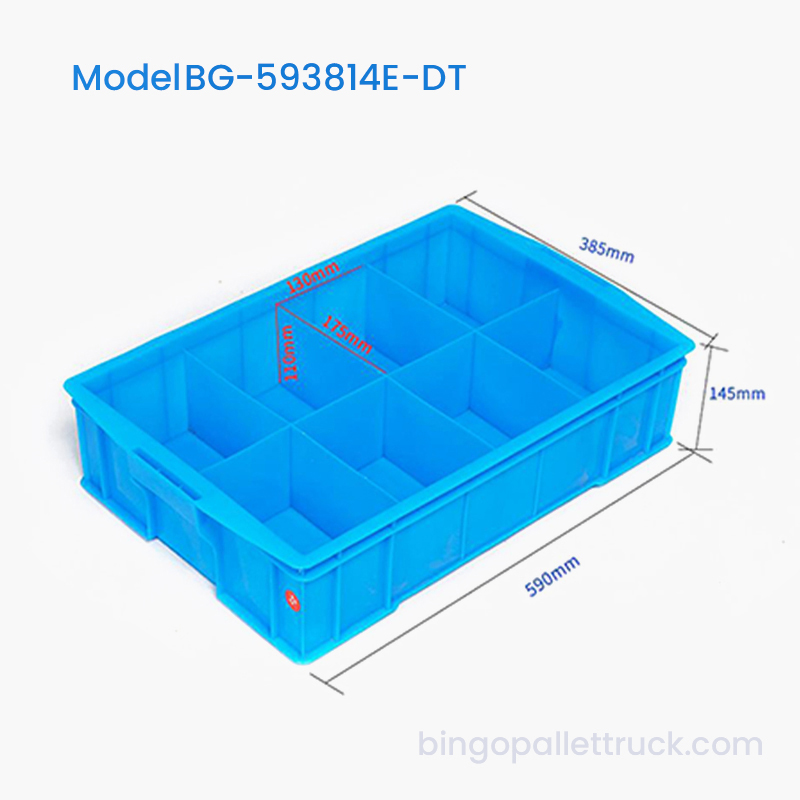
The 8-compartment dividable plastic tote, model BG-593814E-DT, is designed for businesses that need separated storage for parts, tools, components, packaged goods, and other materials. Manufactured using polypropylene, or PP, the tote provides a rigid yet relatively lightweight structure suitable for frequent use. Its external dimensions of 590 × 385 × 145 millimeters provide a broad storage footprint while maintaining a manageable height for visual access and hand loading.
Unlike a conventional open box, this dividable tote separates inventory into eight organized storage areas. The internal compartment size is approximately 175 × 130 × 110 millimeters, giving users a consistent location for each product group. This arrangement is particularly useful where different fasteners, fittings, electrical parts, maintenance items, or retail products must be stored next to one another without becoming mixed.
The tote is also stackable, making it suitable for vertical storage and returnable transport systems. When used with standardized warehouse shelving, pallet positions, workstations, or picking routes, it can contribute to a more orderly material flow. Its reusable construction supports repeated cycles between storage, production, dispatch, and replenishment, reducing reliance on disposable cartons and temporary packaging.
8-Compartment Dividable Plastic Tote for Small Parts Retail Use
Product Overview
The BG-593814E-DT is a multi-compartment plastic tote intended for organized storage and material handling. The product combines a durable PP body with an eight-section internal layout. Its design is suited to applications in which individual parts must remain separated but still need to be handled as one consolidated container.
| Item | Specification |
| Product type | 8-compartment dividable plastic tote |
| Model | BG-593814E-DT |
| Primary material | PP, or polypropylene |
| External dimensions | 590 × 385 × 145 mm |
| Internal dimensions | 530 × 350 × 140 mm |
| Product weight | 1.55 kg |
| Internal compartment size | Approximately 175 × 130 × 110 mm |
| Configuration | Eight separated compartments |
| Handling characteristic | Stackable and reusable |
| Typical applications | Small-parts storage, retail sorting, manufacturing, electronics, logistics, and warehouse operations |
The external footprint is compatible with many organized storage environments. At 590 millimeters long and 385 millimeters wide, the tote offers a useful balance between capacity and handling convenience. The 145-millimeter external height allows operators to view and access contents without reaching deeply into a tall container. This low-profile format is valuable on assembly benches, picking shelves, mobile carts, and staging areas.
The difference between the external and internal dimensions represents the structure required for the walls, base, dividers, and reinforcing features. The internal dimensions of 530 × 350 × 140 millimeters provide practical usable space while maintaining the rigidity needed for repeated handling. As with any plastic container, actual usable capacity depends on the shape and density of the stored materials.
Why Compartmented Storage Matters
Small items often have high operational importance despite their limited physical size. A missing connector, incorrect screw, misplaced bearing, or mixed electrical component can delay an entire production task. In retail operations, a picking mistake can result in returns, customer complaints, repacking work, and inventory discrepancies. Compartmentalization addresses these risks by giving each item category a defined physical location.
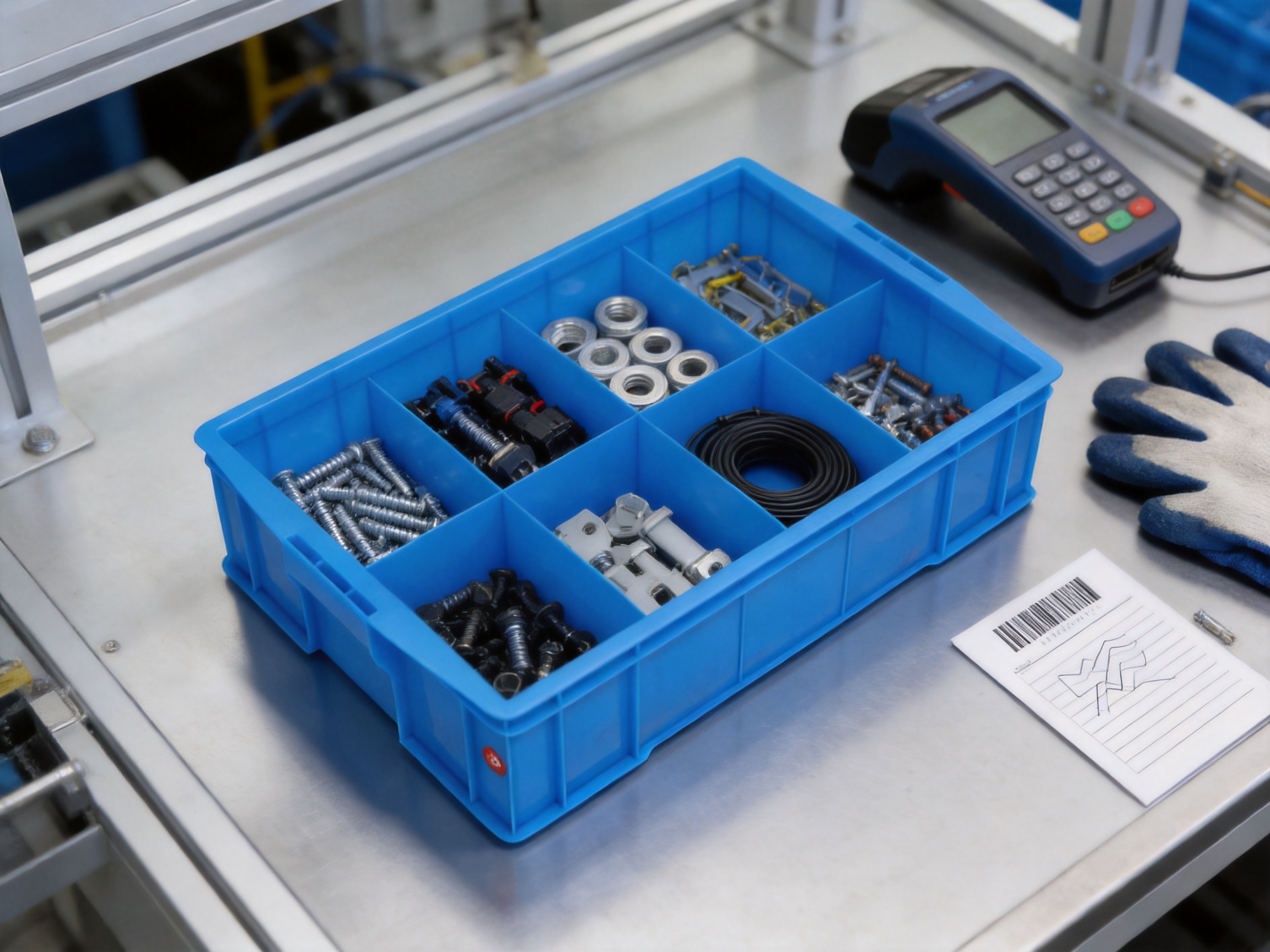
Eight separate compartments allow operators to divide products by part number, size, color, customer order, production stage, or replenishment frequency. The same tote can be used for different purposes in different departments. A maintenance team may assign one compartment to fasteners, another to washers, and others to seals, fittings, and hand tools. An electronics operation may use the sections for connectors, terminals, clips, switches, and cable accessories.
In retail distribution, the compartments can support order consolidation. Products for one store, route, or customer may be placed in separate sections while the tote remains a single handling unit. This can help reduce sorting time at dispatch and make visual checks easier before shipment.
Compartmented storage also supports the principles of visual management. When each product family has a designated place, abnormalities become easier to identify. An empty compartment can signal a replenishment requirement. A mixed compartment can indicate a picking or put-away problem. A wrongly positioned item becomes more visible than it would be in a large undivided box.
Advantages Over Conventional Storage Boxes
Improved Product Separation
A standard single-compartment carton or tote may provide adequate volume, but it does not prevent different items from moving together. Small parts can become buried, mixed, or damaged by contact with heavier components. The eight-compartment design directly addresses this weakness by establishing physical barriers between product categories.
Compared with loose storage on shelves, the dividable tote provides a consistent container, reducing the amount of shelf space required for scattered bins and open cartons. Compared with disposable cardboard packaging, it provides greater resistance to repeated handling, moisture exposure, and normal warehouse impacts. Compared with a large undivided plastic box, it delivers better organization without requiring eight separate containers.
Better Use of Vertical Space
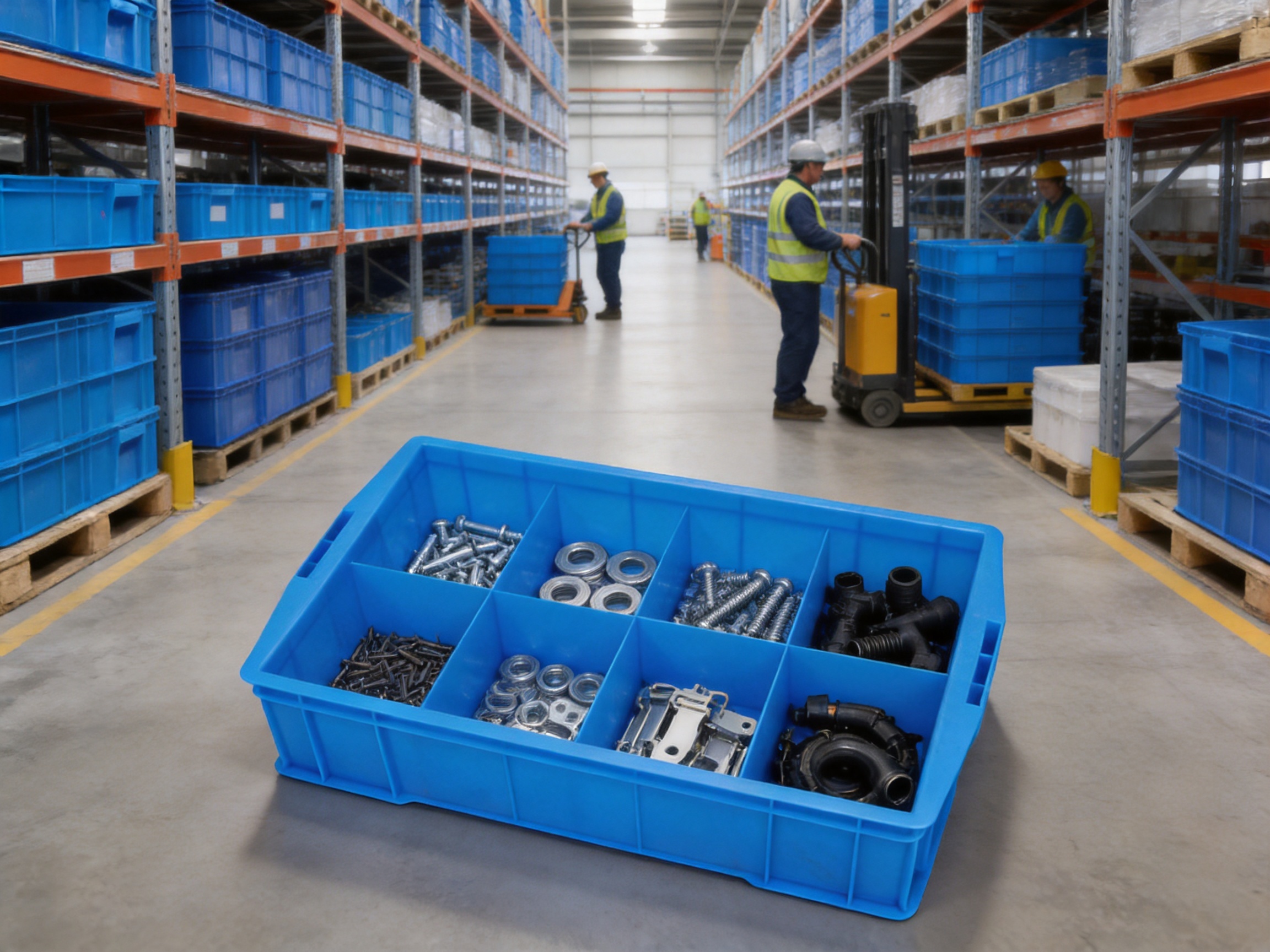
Warehouse floor space is expensive and limited. Stackable totes allow businesses to use available vertical space more effectively. Instead of spreading small parts across multiple shelf levels or pallets, operators can create stable stacks of organized containers. The supplied product information indicates that the totes can be stacked to more than ten layers under suitable conditions. Actual safe stacking performance should be evaluated according to load, floor condition, temperature, stack alignment, and local safety procedures.
Vertical storage can reduce the footprint required for inventory while keeping materials grouped by department or product family. It can also make temporary staging areas more orderly during receiving, production replenishment, and dispatch preparation.
Lower Handling and Sorting Effort
A single eight-compartment tote can replace multiple loose trays or cartons. This reduces the number of containers that must be moved between locations. When the tote is placed on a trolley, pallet, workbench, or rack shelf, all eight categories can move together while remaining separated internally.
Fewer handling units can simplify material replenishment and reduce the time required to collect components. It can also reduce the opportunity for containers to be left behind, mislabeled, or positioned in the wrong sequence. These benefits are particularly valuable in high-frequency picking and assembly environments.
Reusable Construction
Reusable PP totes can be returned to storage, production, packaging, and distribution cycles many times. A reusable container can reduce the consumption of disposable cartons, plastic bags, and temporary trays. It may also provide more predictable dimensions for automated or semi-automated storage arrangements.
Reuse must be supported by appropriate cleaning, inspection, and operating practices. A damaged tote, overloaded tote, or container exposed to incompatible chemicals should be removed from service. With proper management, however, a durable plastic tote can support a long service cycle and consistent operating performance.
Efficient Visual Access
The relatively low height of the BG-593814E-DT makes the contents more visible than they would be in a deep container. Operators can inspect several categories without excessive bending or searching. Labels can be placed on the front or sides, and color coding may be used to distinguish departments, product families, or handling priorities.
Visual access is especially valuable where inventory is picked manually. Faster identification can improve throughput while lowering the chance of selecting a similar-looking item from the wrong location.
Material Selection and Durability
Polypropylene is widely used for reusable industrial containers because it offers a useful combination of toughness, low density, chemical resistance, and processability. The PP construction of this tote supports repeated handling in normal warehouse, production, and retail environments. The material can tolerate the ordinary impacts associated with loading, unloading, stacking, and movement when the tote is used within its intended operating conditions.
PP also provides a smooth surface that is relatively easy to clean. This is beneficial in manufacturing areas where dust, oil residue, packaging particles, or small fragments may accumulate. Cleaning procedures should be selected according to the stored products and any applicable workplace requirements. Harsh chemicals, extreme temperatures, sharp edges, or excessive loads may affect the useful life of any plastic container.
The supplied information emphasizes virgin material and quality control during production. Using controlled raw materials helps manufacturers maintain more consistent color, strength, dimensional stability, and molding performance. Consistency is important when totes are stacked together or used with standardized shelving and handling equipment.
Some general product information also refers to HDPE material, while the model-specific product specification identifies PP. Because PP and HDPE have different performance characteristics, purchasers should confirm the final material grade, additive package, and technical data with the supplier before placing a large order. For the BG-593814E-DT specification presented here, PP is the stated material.
Engineering Features of the Eight-Compartment Layout
The internal layout is the central feature of this tote. Eight compartments create a repeatable storage pattern, allowing users to establish standardized locations for frequently used items. The approximate 175 × 130 × 110-millimeter compartment size is suitable for many small and medium-sized components, although product fit should always be checked before ordering.
Separating items into defined sections can protect sensitive parts from unnecessary contact. For example, metal fittings may be kept apart from plastic clips, finished components may be separated from unfinished stock, and customer-specific products may be kept distinct during order preparation.
The divider arrangement also helps limit movement inside the container. When a tote is moved, the internal walls reduce the distance that small parts can travel. This can minimize mixing and make post-transport inspection easier. Operators should still avoid filling compartments beyond their practical capacity, particularly when products have irregular shapes or sharp edges.
The 145-millimeter external height is suitable for bench-level operations because it provides useful capacity without creating a deep cavity. This can improve ergonomics by reducing the need for repeated deep reaches. In environments where workers perform frequent picking, the combination of low height and separated storage can support a smoother motion sequence.
Applications Across Different Industries
Manufacturing and Assembly
Production lines often require many small components at each workstation. A compartmented tote can hold the parts required for a specific assembly, shift, batch, or product model. Operators can assign one section to each component type and replenish the tote according to a defined bill of materials.
The tote can also support line-side supermarkets, where parts are staged in sequence before entering production. When the container is labeled clearly, workers can identify shortages quickly and reduce the need to search through mixed boxes.
Electronics and Electrical Products
Electronic assembly involves components that may look similar but have different specifications. Connectors, terminals, cable glands, clips, fasteners, and protective covers can be organized into separate compartments. This physical separation helps reduce the possibility of mixing visually similar items.
Where electrostatic-sensitive components are handled, the tote should be evaluated for electrostatic-control requirements. The standard PP specification does not automatically mean that the container is antistatic or conductive. Businesses working with sensitive electronics should request a suitable ESD version or confirm whether additional protective packaging is required.
Warehouse Picking and Distribution
Distribution centers can use the tote for order consolidation, zone picking, returns processing, and replenishment. Eight compartments can correspond to eight customer orders, eight product families, or eight delivery destinations. This approach can help keep order lines separate during intermediate handling.
Because the tote is stackable, full and empty containers can be organized efficiently between picking cycles. It can also be integrated into a broader returnable packaging program in which containers circulate between suppliers, warehouses, stores, and service locations.
Retail and Store Replenishment
Retail operations frequently handle small products that need to be grouped by stock-keeping unit, shelf location, or sales department. The tote can be used in backroom storage, store replenishment, promotional preparation, and click-and-collect order staging.
Separate compartments may reduce the time required to organize goods before they reach the sales floor. The tote is also suitable for transporting small items from a central warehouse to individual stores, provided the products are compatible with the available compartment dimensions.
Maintenance and Spare Parts
Maintenance teams need fast access to frequently used consumables and replacement components. A tote can hold washers, bolts, fuses, clamps, seals, cable ties, and other items in clearly identified sections. A dedicated tote can be assigned to a machine type, maintenance area, or scheduled service task.
When replenishment quantities and labels are standardized, the tote can support two-bin or minimum-stock systems. Empty or low-stock sections become visible signals for purchasing or internal replenishment.
Tool Rooms and Service Operations
Service technicians can use compartmented totes to prepare job-specific parts kits. A kit for an installation, repair, or inspection can be assembled before the work begins. This reduces repeated trips to the storeroom and helps ensure that all required small items travel together.
The tote is not intended to replace specialized protective cases for heavy or delicate tools, but it can complement those cases by organizing accessories, fittings, fasteners, and consumable materials.
Stacking and Space Optimization
Stackability is one of the most important advantages of a standardized industrial tote. When containers share a consistent footprint, they can be arranged in regular columns rather than placed randomly. This improves the use of rack shelves, pallets, work surfaces, and temporary staging zones.
The ability to stack more than ten layers, as indicated in the product information, can provide substantial space savings. Nevertheless, stack height should be determined by actual conditions. A stack containing heavy metal parts creates different forces from a stack containing lightweight plastic components. Temperature, floor levelness, container condition, and the need for manual access must all be considered.
Operators should align the totes carefully and avoid placing damaged units at the bottom of a stack. Loads should be distributed evenly, and workers should not climb on stacks. Where the totes are moved by pallet truck or forklift, they should be secured properly and placed on suitable pallets or platforms.
Vertical organization also supports inventory visibility. A warehouse can assign stack locations by part family, production department, or dispatch route. Labels can be placed consistently so that operators can read them from the aisle without moving every container.
Manufacturing Process and Quality Strengths
The production of a reliable plastic tote involves more than forming polymer into a box. Consistent performance depends on raw material control, mold accuracy, machine settings, cooling management, dimensional inspection, surface quality, and final packing. A variation in wall thickness or divider alignment can affect stackability and usable compartment space.
Controlled Raw Material Sourcing
The supplied company information states that production uses high-quality virgin material and that raw materials are controlled before entering production. This type of control supports stable processing and helps reduce variation between batches. Material checks may include grade confirmation, color verification, contamination screening, and review of supplier documentation.
For buyers, controlled raw material sourcing is important because containers are often purchased in repeated batches. Consistent material behavior helps ensure that new totes fit and stack with previously delivered units.
Precision Tooling and Molding
Industrial totes are normally produced through a molding process in which heated polymer is formed against a tool. The precision of the mold influences external dimensions, internal dimensions, divider position, corner geometry, surface finish, and stacking interfaces.
For an eight-compartment tote, tooling accuracy is especially important because the internal sections must remain consistent. If dividers are not correctly positioned, compartment capacities may vary and labels or storage procedures may become unreliable. A well-maintained mold also helps prevent excessive flash, uneven edges, and deformed corners.
Process Monitoring
Manufacturing parameters such as temperature, pressure, cycle time, cooling, and material feed must be controlled during production. Standardized process settings can improve repeatability and reduce the risk of warping or dimensional changes.
Quality monitoring at different stages enables problems to be identified before a large batch is completed. Early detection can reduce waste and protect delivery schedules. It also supports continuous improvement by allowing production teams to compare defect patterns, machine conditions, and material batches.
Dimensional Inspection
Dimensional inspection verifies whether the finished tote conforms to the specified external and internal measurements. Important checkpoints may include overall length, width, height, base flatness, divider position, compartment size, and stacking alignment.
Inspection equipment can range from calibrated manual tools to more advanced gauges and measurement systems. The selected method should be appropriate to the required tolerance and production volume. Consistent inspection is particularly important when the totes are intended for standardized warehouse systems.
Load and Handling Evaluation
Although the supplied product information does not provide a specific maximum load rating, manufacturers and customers should evaluate performance under realistic handling conditions. Testing may involve stacking, repeated loading and unloading, impact simulation, base deflection checks, and temperature exposure.
Load capacity depends on several factors, including the type of stored goods, distribution of weight, stack height, ambient temperature, handling method, and duration of storage. Users should request the applicable load and stacking data before applying the tote to demanding industrial conditions.
Final Quality Control
The company describes strict quality control from raw material sourcing through production and final inspection. A final inspection program may check appearance, structural integrity, dimensional conformity, cleanliness, color consistency, and packaging condition.
Standardized processes help ensure that products meet defined requirements rather than relying only on visual judgment. This is an important strength for international buyers that need repeatable product quality across multiple orders.
Company Manufacturing and Supply Capabilities
Yancheng Bingo Machinery Equipment Co., Ltd. operates as a supplier of warehousing and logistics equipment, with product lines covering handling equipment, storage containers, packaging materials, and warehouse racking. This broader product range gives customers access to more than a single plastic container. It creates an opportunity to coordinate storage, handling, packaging, and warehouse infrastructure through one supplier relationship.
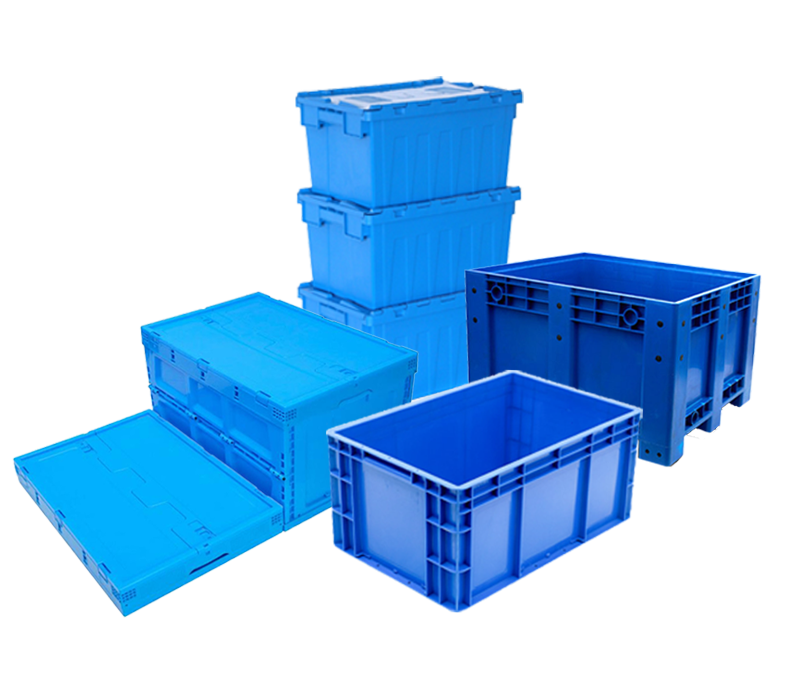
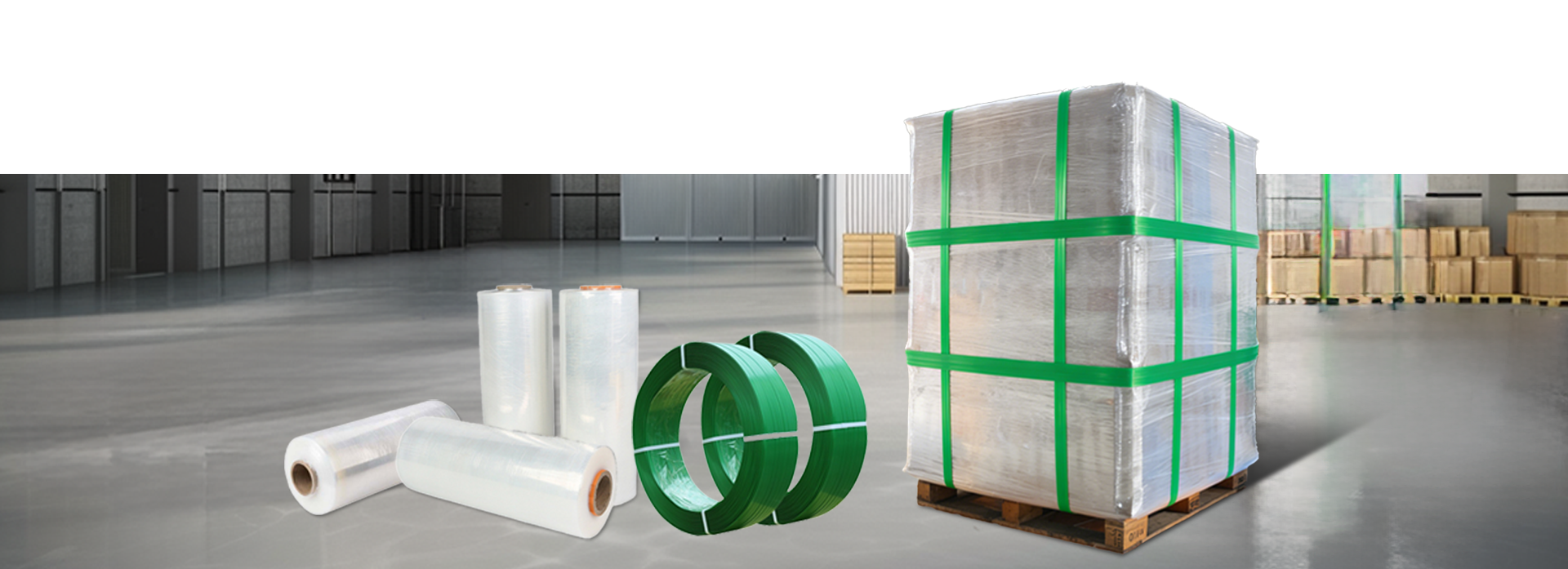
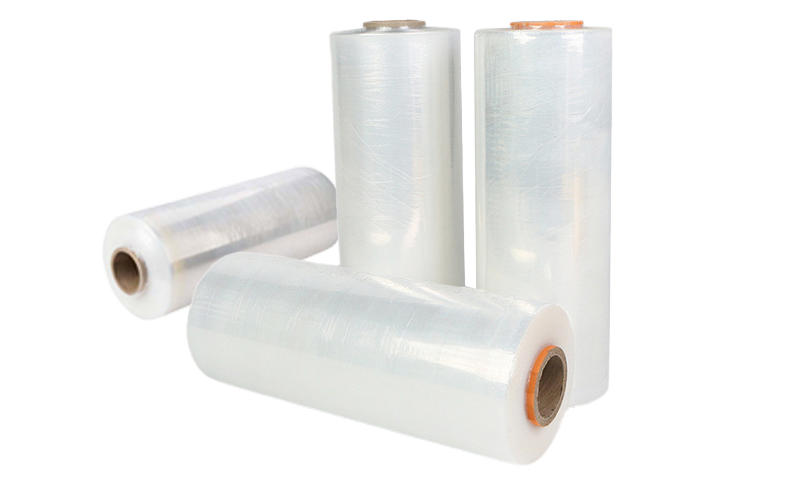
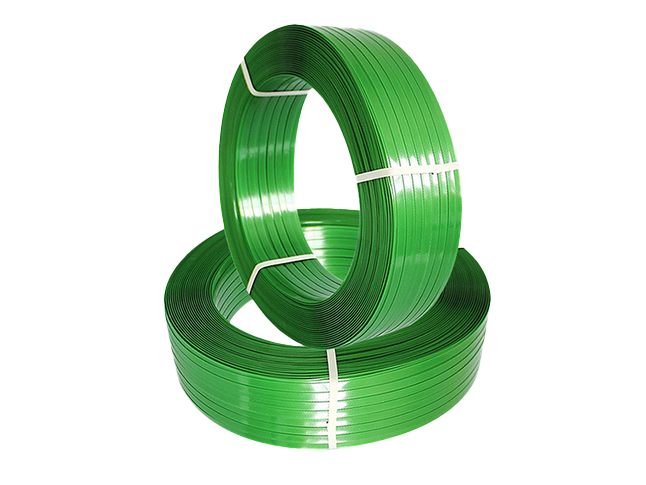
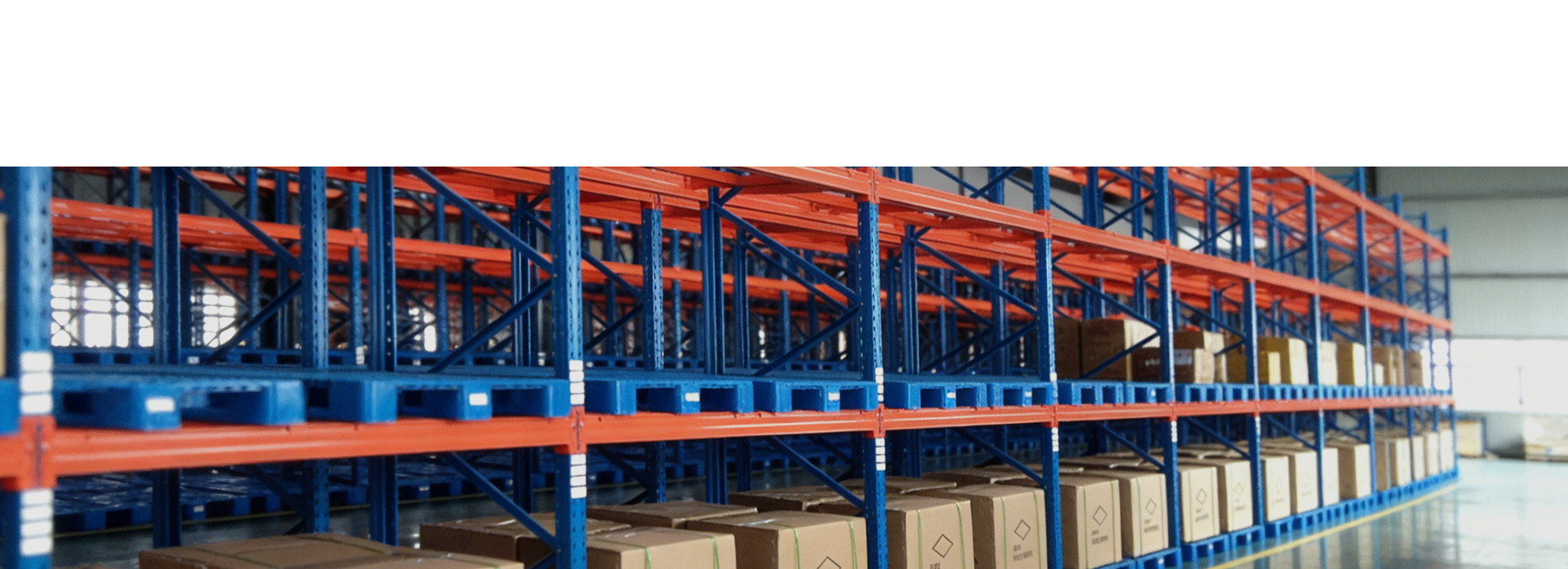
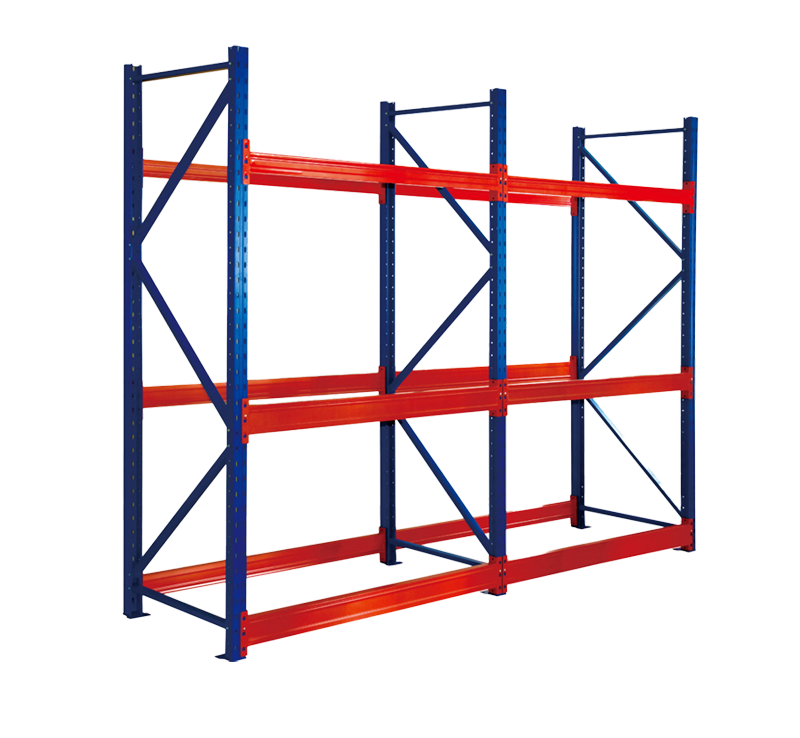
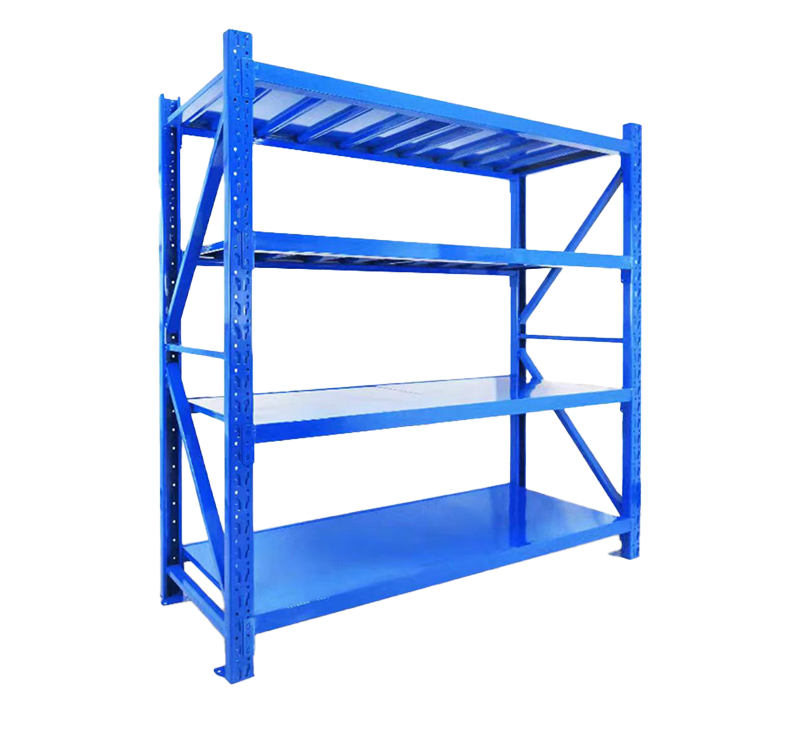
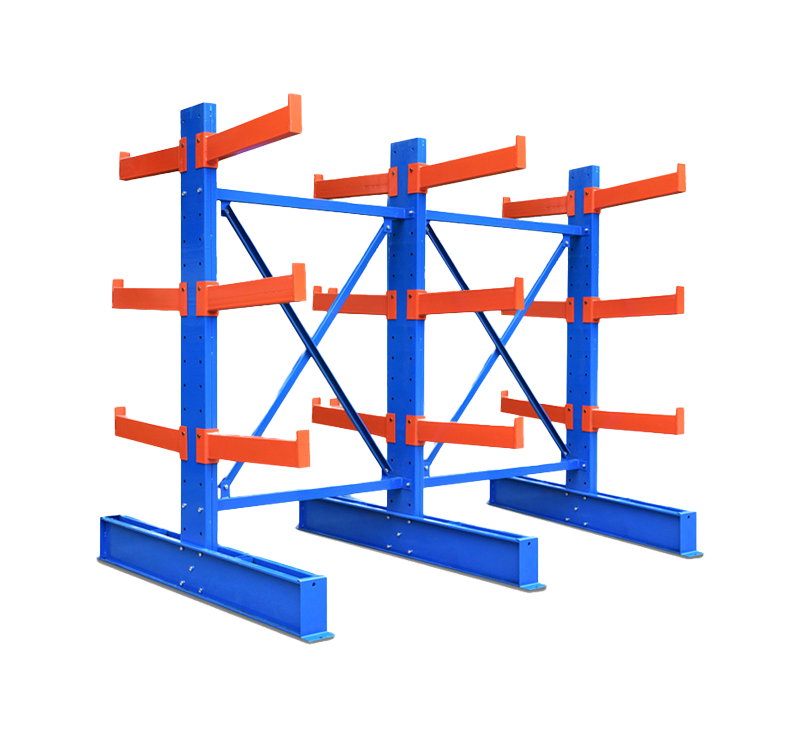
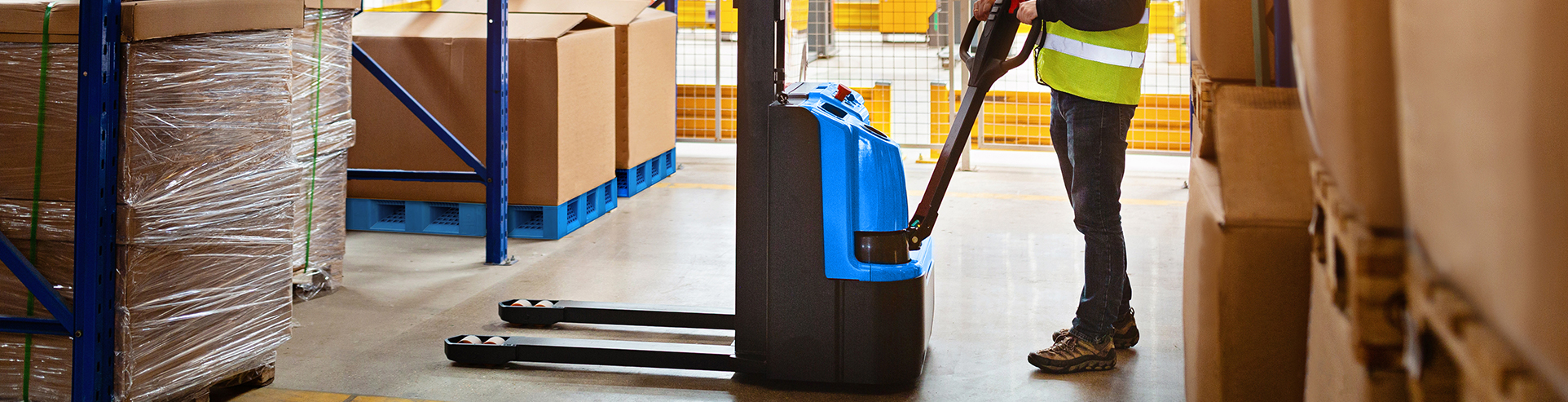
The company’s handling equipment portfolio includes manual and electric pallet trucks and stackers. Its storage container range includes plastic pallets, totes, crates, and bulk containers. Packaging products include stretch wrap and packing strapping, while the racking range includes light-duty, medium-duty, and heavy-duty systems.
This integrated product structure can be valuable to businesses developing or upgrading a warehouse. For example, the BG-593814E-DT tote may be used alongside plastic pallets, pallet trucks, rack systems, and packaging materials. Compatibility and procurement coordination can be easier when related products are sourced from a supplier familiar with the overall material flow.
The company emphasizes quality-first production, standardized processes, and inspection at multiple stages. It also states that customization is supported and that products are available from stock for fast delivery. Buyers should confirm color, labeling, packaging, divider configuration, material grade, order quantity, and lead time for each project.
Customization and Procurement Considerations
Many businesses require more than a standard container. They may need specific colors for department identification, printed logos, barcode labels, molded identification areas, alternative divider layouts, or special packaging quantities. The supplied information indicates that multiple colors, full specifications, and customization support are available.
Color coding can help distinguish production stages, customer orders, quality status, or material categories. For example, one color may indicate incoming goods, another may indicate approved stock, and a third may identify items awaiting inspection. Such systems should be documented so that all employees interpret the colors consistently.
Before purchasing, users should verify the following points:
First, confirm the exact material grade. The model specification identifies PP, while one general feature statement references HDPE. The final quotation and technical data sheet should clearly identify the material.
Second, confirm the internal divider arrangement. The product is described as an eight-compartment tote, but buyers should verify whether the dividers are fixed, removable, molded as one piece, or supplied as separate inserts.
Third, confirm the load and stacking ratings. These values should reflect the intended goods, stack height, temperature, and handling method.
Fourth, confirm dimensional tolerances if the tote will be used with racks, conveyors, automated storage systems, or custom shelving.
Fifth, confirm color availability, labeling options, minimum order quantities, sample arrangements, packing method, and delivery schedule.
Sixth, confirm whether the container is suitable for food contact, cleanroom use, ESD-sensitive electronics, or chemical exposure if any of these applications are planned. A general industrial tote should not automatically be assumed to meet specialized regulatory or performance requirements.
Operational Best Practices
Standardize Locations
Assign each compartment a clear purpose. Use the same sequence across similar totes so that workers do not need to relearn the layout. A consistent left-to-right or front-to-back order can improve picking speed and reduce mistakes.
Use Clear Labels
Labels should identify the part number, description, quantity, revision, or destination as appropriate. Large, durable labels are preferable in environments with frequent handling. Barcode or QR identification may be added if the warehouse management system supports it.
Control Fill Levels
Do not overfill compartments. Excess material can rise above the divider walls, mix with neighboring sections, or interfere with stacking. Fill quantities should be based on the size, weight, and shape of the stored product.
Inspect Before Stacking
Operators should inspect totes for cracks, deformation, broken divider sections, sharp edges, and contamination. Damaged containers should be removed from service or evaluated by an authorized supervisor. Placing a damaged tote at the bottom of a stack can create instability.
Maintain Cleanliness
Reusable containers should be cleaned according to the environment in which they operate. Dust, oil, metal chips, and packaging debris can transfer between product batches if cleaning is neglected. Cleaning records may be useful for sensitive manufacturing operations.
Separate Damaged and Approved Stock
Color labels, status cards, or designated zones can distinguish approved inventory from rejected, returned, or quarantined goods. The tote’s compartments help organize products, but the overall warehouse control system must define how product status is communicated.
Cost and Sustainability Benefits
The economic value of a reusable compartmented tote extends beyond its purchase price. It can reduce the time spent sorting, searching, repacking, and correcting picking errors. It can also reduce the consumption of disposable packaging materials when used repeatedly.
A standardized tote may improve transportation efficiency by creating more predictable stacking patterns. Better cube utilization can reduce unused space in storage areas and handling vehicles. However, the exact savings depend on product density, route design, labor rates, container return rates, and the condition of the existing storage system.
From a sustainability perspective, a durable reusable container can support waste reduction by replacing single-use cartons and temporary plastic bags. Its environmental benefit is greatest when it remains in service for a long period, is properly maintained, and participates in an efficient return cycle.
At the end of its useful life, the material should be handled according to local recycling and waste-management requirements. Users should avoid assuming that every recycling facility accepts every polymer type or color additive. Clear material identification can support responsible end-of-life processing.
Comparison with Alternative Storage Methods
| Storage method | Main strength | Common limitation | Advantage of the eight-compartment tote |
| Cardboard carton | Low initial cost and easy availability | Lower durability and limited reuse | More suitable for repeated handling and structured separation |
| Single-compartment plastic bin | Durable and reusable | Items can mix inside one open space | Separates eight product groups in one handling unit |
| Multiple small trays | Good individual separation | More pieces to move, label, and store | Combines multiple sections into one stackable tote |
| Open shelf storage | Fast visual access | Items may be exposed, scattered, or mixed | Provides portable, contained, and organized storage |
| Plastic bags | Flexible and lightweight | Less rigid and difficult to stack | Offers structural support and repeatable stacking |
| Large bulk container | High volume capacity | Poor suitability for small-part separation | Provides controlled compartments for smaller inventories |
No single storage method is ideal for every application. Cardboard may be appropriate for one-way shipment, while specialized bins may suit automated systems. The advantage of the BG-593814E-DT is its combination of eight-way separation, reusable construction, moderate dimensions, and stackable handling. It is especially useful when organization and repeated movement are more important than maximum bulk capacity.
Implementation in a Warehouse
A successful tote program begins with a review of material flow. Businesses should identify which parts are frequently picked, which items are commonly mixed, and which products require transport between departments. The eight-compartment tote should then be assigned to tasks where its divided layout creates measurable value.
The next step is to define standard operating procedures. These procedures may specify how totes are labeled, how compartments are filled, where empty totes are stored, how damaged units are reported, and when containers are cleaned. Employees should receive simple training supported by visual examples.
Storage locations should be chosen according to usage frequency. Frequently accessed totes may be placed at ergonomic heights near the point of use. Less frequently used inventory may be stacked in higher locations, subject to safe handling requirements.
Performance can be measured through picking time, replenishment frequency, inventory errors, container loss, packaging consumption, and worker feedback. If the tote is introduced as part of a broader lean-storage project, these measurements can demonstrate whether the new system is delivering operational improvements.
Frequently Asked Questions
What is the primary purpose of this tote?
The primary purpose is to store and handle small parts in eight physically separated compartments. It is intended for organized storage, picking, replenishment, production support, retail sorting, and logistics operations.
What material is the tote made from?
The model-specific specification identifies polypropylene, or PP, as the material. Because one general product statement refers to HDPE, purchasers should confirm the final material grade on the quotation or technical data sheet before ordering.
What are the dimensions?
The external dimensions are 590 × 385 × 145 millimeters. The internal dimensions are 530 × 350 × 140 millimeters. Each internal compartment is approximately 175 × 130 × 110 millimeters.
How many compartments does it have?
The tote has eight compartments. The divider layout is intended to keep different types of small parts separate within one reusable handling unit.
Can the tote be stacked?
Yes. It is designed as a stackable tote, and the supplied information indicates stacking of more than ten layers under suitable conditions. The safe stack height depends on the load, temperature, floor, alignment, and handling environment.
What is the tote’s weight?
The listed product weight is 1.55 kilograms. The weight of stored materials must be added when calculating the total handling load.
Is the tote suitable for heavy parts?
It may be suitable for many industrial parts, but a specific maximum load rating is not provided in the supplied information. Buyers should request load, stacking, and impact data for heavy or demanding applications.
Can it be used for electronics?
It can organize many electronic and electrical components, but the standard PP specification does not automatically confirm antistatic or ESD protection. Sensitive electronics require confirmation of the appropriate ESD performance or the use of additional protective packaging.
Can colors or other features be customized?
The supplier indicates that multiple colors and customization are supported. Customers should confirm available colors, labels, logos, divider arrangements, packaging, minimum order quantities, and production lead times.
Is the tote suitable for outdoor use?
The tote is primarily intended for warehouse, manufacturing, retail, and logistics environments. Outdoor use may expose it to ultraviolet radiation, rain, dirt, and temperature extremes. A buyer should confirm weathering suitability before using it outdoors for extended periods.
How should the tote be cleaned?
Cleaning should be based on the stored products and workplace requirements. In general, remove loose debris, use a compatible cleaning solution, rinse when appropriate, and dry the tote before reuse. Chemical compatibility should be checked before applying solvents or aggressive cleaners.
Can the tote replace all other storage containers?
No. It is best viewed as one component of a storage system. It is especially effective for small parts that need separation and repeated handling. Bulk materials, fragile products, hazardous substances, and specialized ESD items may require different containers.
Conclusion
The 8-compartment dividable plastic tote, model BG-593814E-DT, is a practical solution for businesses seeking better organization of small parts and materials. Its eight-section layout separates inventory while preserving the convenience of one consolidated container. The 590 × 385 × 145-millimeter format provides useful capacity without creating an excessively deep storage unit, and the 1.55-kilogram construction supports manageable manual handling.
Its principal advantages over conventional cartons, loose shelf storage, and single-compartment bins are improved separation, stackable storage, repeatable handling, visual accessibility, and reusable construction. These characteristics can support more efficient workflows in manufacturing, electronics, retail, warehousing, maintenance, and logistics.
The product is also supported by a supplier with a broader portfolio of handling equipment, storage containers, packaging materials, and warehouse racks. The company’s stated focus on controlled raw materials, standardized processes, multi-stage inspection, stock availability, and customization provides a useful foundation for customers seeking coordinated logistics products.
For the best results, buyers should confirm material grade, divider construction, load capacity, stacking limits, dimensional tolerances, specialized performance requirements, and customization details before purchase. When properly matched to the application and integrated into a clear operating system, this dividable tote can contribute to cleaner storage, faster picking, fewer sorting errors, and more efficient use of warehouse space.
References
1. Product specification for the BG-593814E-DT 8-compartment dividable plastic tote, including dimensions, material, weight, and compartment data.
2. Supplier information concerning storage containers, material handling equipment, warehouse racking, packaging materials, manufacturing processes, and quality-control practices.
3. General industrial guidance on reusable plastic containers, warehouse organization, visual management, stacking safety, and material-handling procedures.
4. General polypropylene material information relating to durability, processability, cleaning considerations, and reusable packaging applications.
5. General warehouse best-practice principles for small-parts storage, inventory separation, replenishment, labeling, and ergonomic handling.
Product: 8-Compartment Dividable Plastic Tote for Small Parts Retail Use


Copyright @ Yancheng Bingo Machinery Equipment Co., Ltd. All rights reserved Warehouse Logistics Equipment Manufacturer Pallet Truck Supplier
