 en
 Español

56L Nestable Plastic Crate for Efficient Produce Handling and Warehouse Logistics
Content
- 1 Product Overview
- 2 Why a 56L Format Is Useful
- 3 Advantages of the Nestable Design
- 4 Ventilation and Product Protection
- 5 Material Advantages and Reusable Construction
- 6 Comparison with Common Alternative Packaging
- 7 Applications Across the Supply Chain
- 8 Manufacturing Quality and Process Control
- 9 Production Strengths of the Supplier
- 10 Operational Benefits for Businesses
- 11 Cleaning, Maintenance, and Hygiene
- 12 Guidance for Warehouse Integration
- 13 Purchasing Considerations
- 14 Return on Investment and Total Cost of Ownership
- 15 Environmental and Circular-Use Considerations
- 16 Frequently Asked Questions
- 16.1 What is the capacity of the crate?
- 16.2 What material is used for Model BG-573931-NC?
- 16.3 Can the crates be stacked when full?
- 16.4 Can the crates be nested when empty?
- 16.5 Are the crates suitable for fruits and vegetables?
- 16.6 What is the empty weight?
- 16.7 Does the 56L capacity indicate the maximum load weight?
- 16.8 Can the crates be washed?
- 16.9 Are different colors available?
- 16.10 Can the crates be customized?
- 16.11 Are the crates suitable for automated warehouses?
- 16.12 What businesses can use these crates?
- 16.13 How should damaged crates be handled?
- 16.14 What should be requested before a bulk order?
- 17 Conclusion
- 18 References
- 19 Product: 56L Sturdy Nestable Plastic Crate for Fruit Vegetable Transport
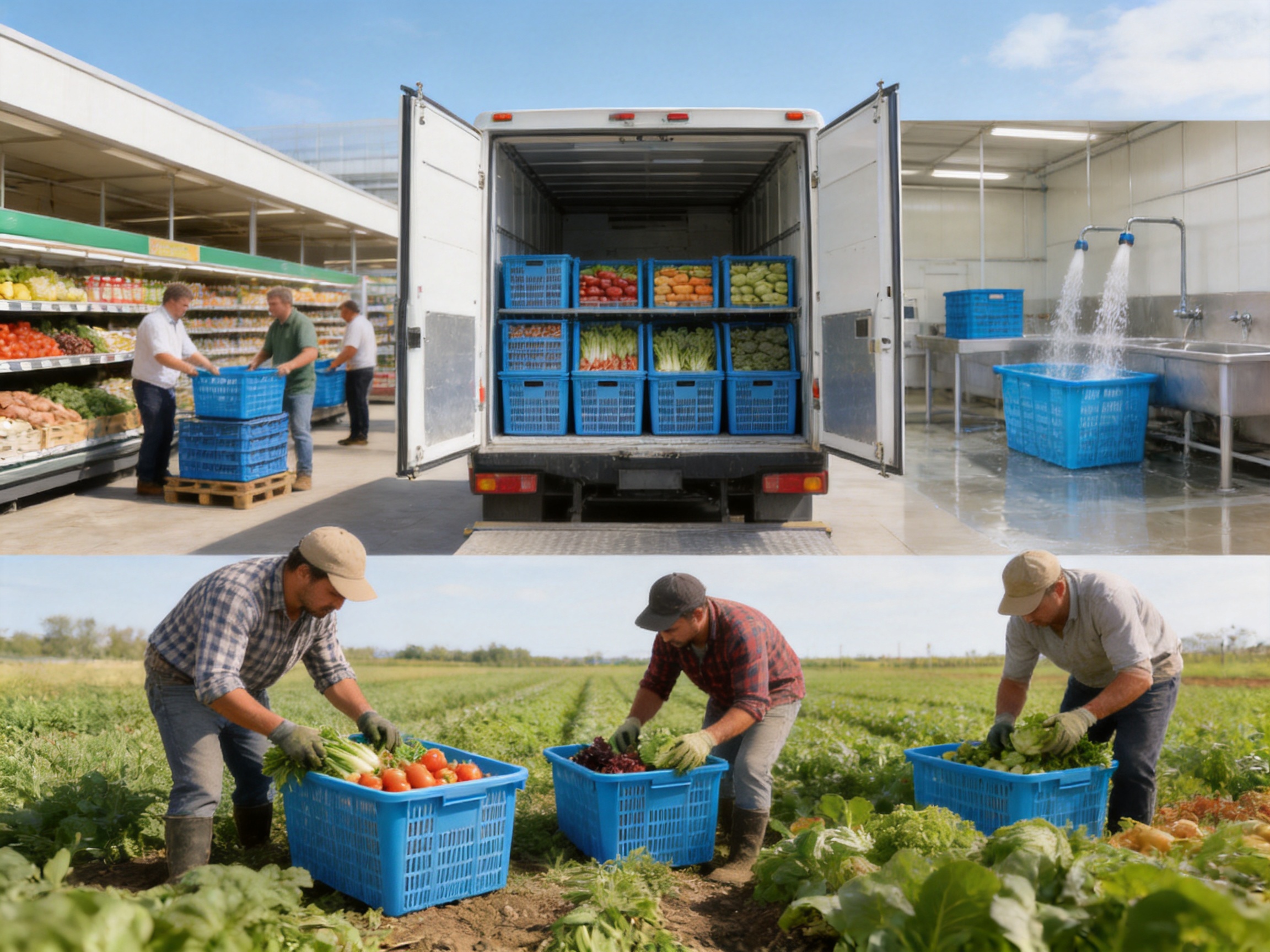
Efficient storage and transportation are essential to modern agriculture, food distribution, retail, manufacturing, and e-commerce. Businesses handling fruits, vegetables, packaged goods, and general inventory need containers that protect products, use warehouse space intelligently, and withstand repeated movement through demanding supply chains. The 56L nestable plastic crate, Model BG-573931-NC, is designed to meet these requirements with a practical combination of capacity, durability, ventilation, reusability, and space efficiency.
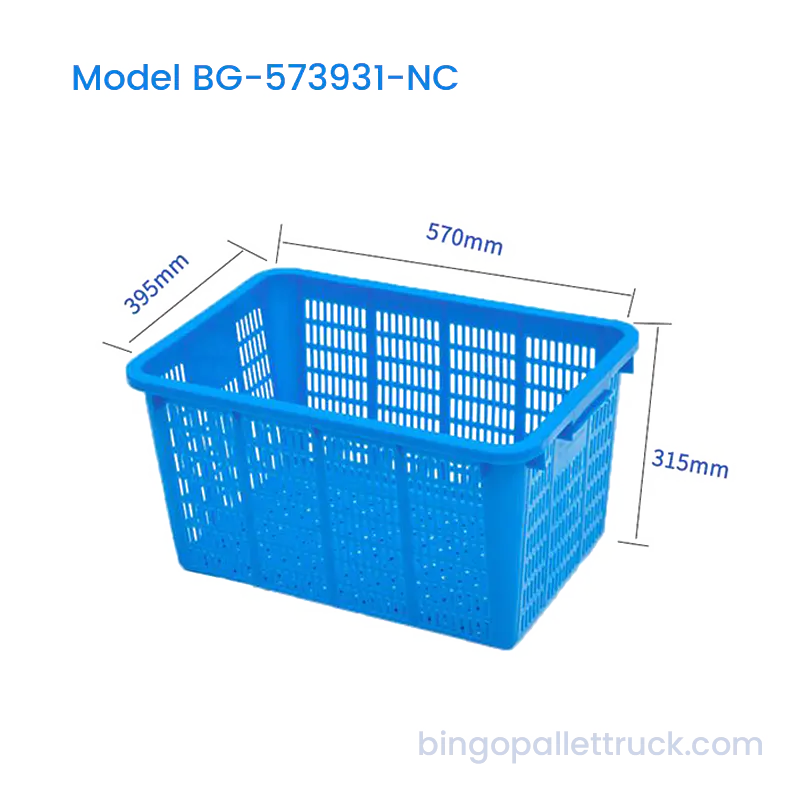
With external dimensions of 570×395×315mm, the crate offers a useful medium-bulk format for operations that need more capacity than a small tote but do not require a large bulk bin. Its stated internal dimensions of 530×355×302mm provide an internal capacity of approximately 56 liters. This size is suitable for produce handling, order fulfillment, warehouse picking, supermarket replenishment, farm-to-market logistics, and many other applications where products must be moved in organized, reusable containers.
The crate is manufactured for stacking and nesting applications. When loaded, its rigid structure supports orderly vertical storage. When empty, its nestable design allows units to fit into one another, reducing the volume required for return transport and empty-container storage. This dual-purpose design helps companies improve space utilization throughout the entire logistics cycle rather than only during one stage of operation.
Another important characteristic is its full-perimeter slotted mesh construction. Open sides and ventilation areas encourage air circulation around the contents, making the crate especially appropriate for fruits, vegetables, and other goods that benefit from airflow. Reinforced side walls provide structural support for routine handling, while the reusable plastic construction offers a longer service life than many disposable packaging alternatives.
56L Sturdy Nestable Plastic Crate for Fruit Vegetable Transport
Product Overview
The BG-573931-NC is a 56L nestable plastic crate developed for commercial storage and transportation. Its dimensions provide a balanced relationship between capacity and maneuverability. At 1.5kg, the empty crate is light enough for frequent manual handling while remaining sufficiently robust for repeated use in warehouses, farms, distribution centers, and retail environments.
The crate is made from HDPE according to the product specifications. High-density polyethylene is widely used for reusable industrial containers because it combines impact resistance, chemical resistance, moisture resistance, and relatively low weight. It is also suitable for molded products requiring a rigid but practical structure. The specific suitability of any application involving direct food contact should always be confirmed against the buyer’s local regulations, required certifications, and the supplier’s current technical documentation.
| Product Attribute | Specification |
| Model | BG-573931-NC |
| Product Type | Nestable plastic crate |
| Material | HDPE, according to the product specification |
| External Dimensions | 570×395×315mm |
| Internal Dimensions | 530×355×302mm |
| Capacity | 56L |
| Empty Weight | 1.5kg |
| Design | Stackable and nestable with slotted mesh sides |
| Primary Uses | Produce transport, warehouse storage, distribution, fulfillment, and retail handling |
The difference between external and internal dimensions allows the crate to maintain a protective perimeter around the load. This space accommodates the side walls, base, rim, and structural reinforcement needed to preserve shape during handling. The internal footprint of 530×355mm gives operators a practical loading area for loose produce, packaged products, or smaller boxes and totes.
Although the product is described as a crate for fruit and vegetables, its application range is broader. The open design can be useful for bakery ingredients, agricultural supplies, industrial components, supermarket stock, returns processing, and e-commerce order consolidation. Companies can also use the crates as intermediate containers between production lines and finished-goods storage, provided the contents are compatible with the container’s dimensions and operating environment.
Why a 56L Format Is Useful
Container size has a direct effect on handling efficiency. A container that is too small creates excessive picking, filling, and transfer activity. A container that is too large may become difficult to lift, overfilled, or unsuitable for individual workers. The 56L format offers a middle ground for organizations that need meaningful volume without moving to oversized bulk bins.
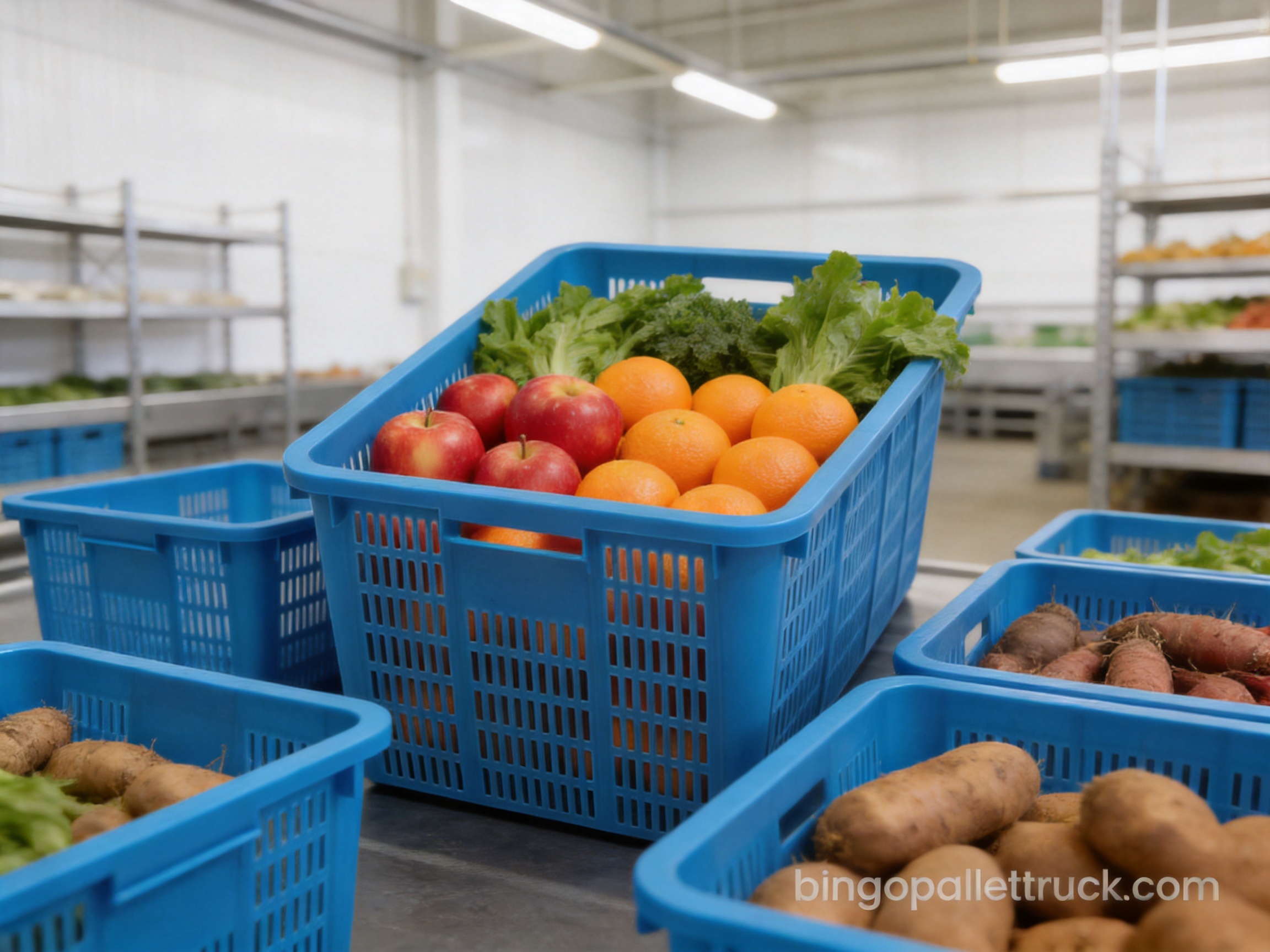
For produce distributors, the size can support practical quantities of apples, oranges, leafy greens, root vegetables, and similar products. The exact quantity depends on product density, shape, moisture content, packaging method, and safe handling requirements. A crate filled with leafy greens will behave differently from one containing dense root vegetables. Operators should therefore establish product-specific fill limits rather than treating nominal capacity as a universal weight rating.
In warehouse operations, the internal dimensions can help standardize picking and replenishment. A consistent container footprint makes it easier to design shelving, pallet patterns, conveyor interfaces, staging lanes, and delivery routes. Standardization also simplifies employee training because workers handle a familiar container format across multiple departments.
The 56L capacity can be particularly valuable where goods move through several stages. For example, produce may be harvested into the crates, transported to a sorting facility, redistributed to a retail location, and then returned for washing and reuse. In an e-commerce environment, a crate may be used for batch picking, moved to packing, and then returned to the storage area after order completion. A reusable container that serves several functions can reduce the need to purchase different packaging formats for each workflow.
Advantages of the Nestable Design
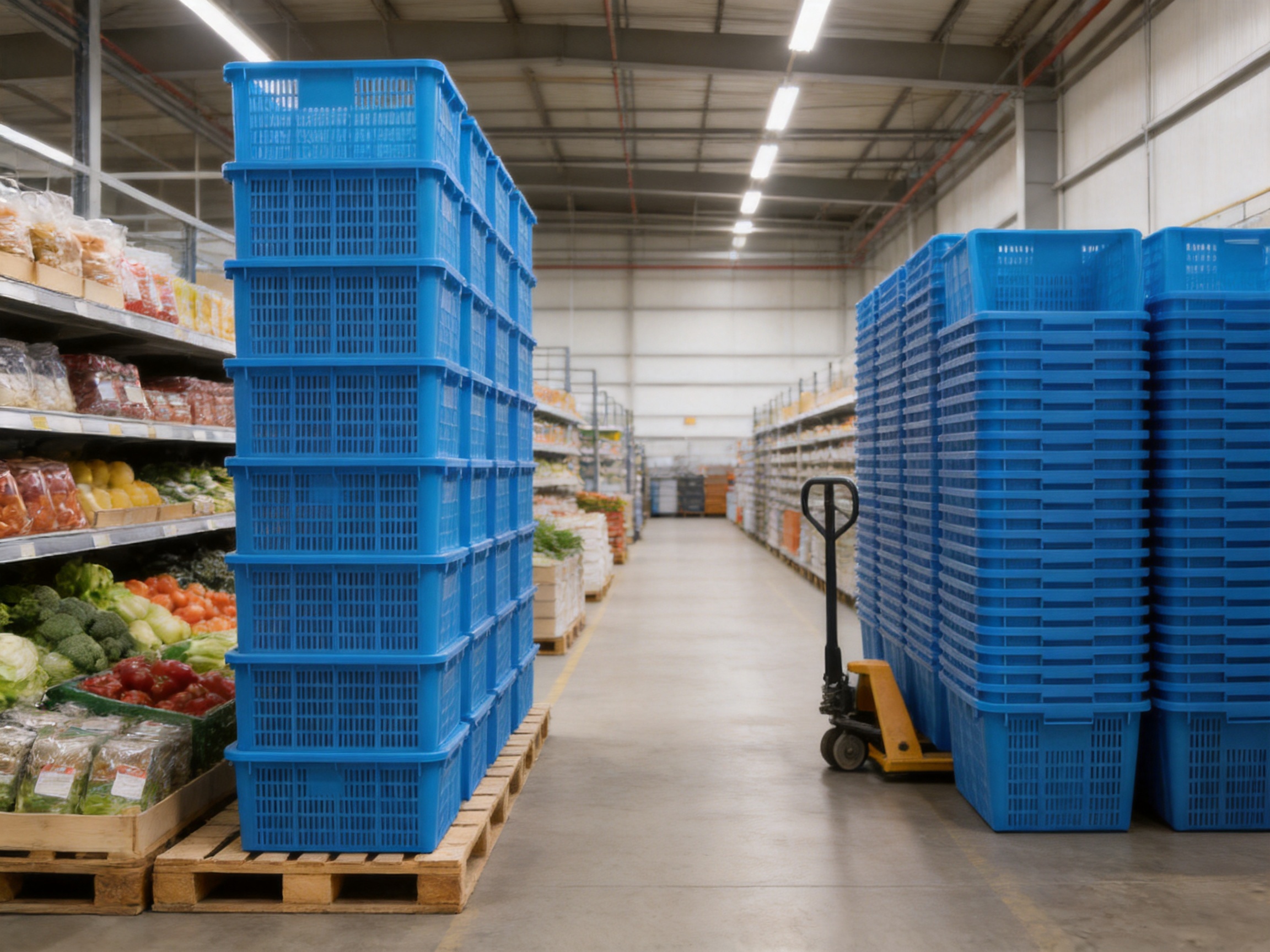
The central advantage of this product is its ability to nest when empty. Empty containers often occupy more logistical space than expected because they cannot be compressed and may be needed at multiple locations. Nestable crates address this challenge by allowing one unit to fit partially inside another, creating a compact stack for storage or return transportation.
This feature can reduce the floor area required in a warehouse. Instead of spreading empty crates across aisles, loading zones, or production areas, operators can place them in organized nested stacks. Better organization improves safety, supports cleaner workspaces, and can make it easier to count and retrieve containers when required.
Nesting also improves reverse logistics. Farms, distribution centers, supermarkets, and third-party logistics providers frequently need to return empty containers. Empty transport is generally less efficient than full-load transport because the vehicle carries volume without carrying saleable goods. By reducing the space taken by each empty crate, the nestable design can enable more units to be returned in a single trip.
Many conventional rigid boxes are stackable but not nestable. They can be placed on top of one another when full, yet empty units remain almost as large as loaded units. Other containers are nestable but lack sufficient rim strength or stability for vertical stacking. The BG-573931-NC is designed to provide both functions: stacking during loaded storage and nesting during empty storage. This combination gives it a practical advantage over single-mode containers.
Space savings should be considered across the entire supply chain. The benefits may include lower warehouse occupancy, reduced return-trip frequency, more efficient staging, improved vehicle utilization, and less manual rearrangement of empty packaging. Actual savings depend on nesting depth, handling procedures, freight rates, and the number of times the containers circulate, but the design creates the possibility for measurable operational improvements.
Stacking During Loaded Operations
When crates are filled, a stable rim and reinforced structure help maintain orderly vertical arrangements. Stacking can increase the use of vertical warehouse space and reduce the footprint of floor-level storage. It can also keep products away from crowded walkways and make inventory easier to identify.
Operators should stack the crates on level, stable surfaces and keep loads within the recommended limits established by the supplier. Stack height should be determined by the weight of the contents, the condition of the crates, floor quality, rack or pallet compatibility, and the requirements of the working environment. No container should be used in a way that creates an unstable tower or obstructs emergency access.
Nesting During Empty Storage
Once products have been removed, empty crates can be nested together. This is especially useful in retail back rooms, harvest collection areas, delivery vehicles, and warehouse returns departments. Nesting can also simplify cleaning and inspection because units remain grouped in consistent stacks.
Before nesting, containers should be checked for trapped products, labels, debris, or moisture. A simple inspection routine helps prevent contamination, unpleasant odors, and damage caused by foreign objects caught between the crate walls. Crates that are cracked, severely distorted, or otherwise unsafe should be removed from circulation.
Ventilation and Product Protection
The full-perimeter slotted mesh design is an important feature for produce logistics. Fresh fruits and vegetables continue to exchange heat and moisture after harvest. Poor airflow can contribute to condensation, localized heating, accelerated deterioration, and uneven cooling. Open-sided crates allow air to circulate more freely around the load than closed containers, supporting better environmental management during storage and transport.
Ventilation does not replace refrigeration, humidity control, sanitation, or proper product preparation. However, it can complement these procedures by reducing the amount of solid material surrounding the goods. When crates are arranged with suitable spacing and airflow paths are not blocked, cooling systems can work more effectively.
The open structure can also make visual inspection easier. Warehouse and produce workers can quickly identify damaged items, overfilled containers, foreign materials, or differences in product quality without opening a solid-lid box. Faster inspection may reduce handling time and help prevent compromised products from being distributed.
Crate selection should still reflect the sensitivity of the product. Very delicate goods may require liners, separators, cushioning, or a different container design. The slotted sides are beneficial for airflow but may not be appropriate for very small loose items that could pass through openings. In those cases, an internal liner or secondary packaging solution may be required.
The crate’s ventilated construction can be advantageous for sanitation as well. Open surfaces are easier to rinse and inspect than complex enclosed cavities, provided that the cleaning process reaches all contact areas. After washing, the crates should be dried thoroughly before nesting or reuse. Proper cleaning frequency should be based on the products handled and applicable hygiene procedures.
Material Advantages and Reusable Construction
HDPE is commonly selected for reusable crates because it provides a useful balance of strength, weight, and durability. It resists moisture absorption and is not prone to rust, which makes it suitable for agricultural and warehouse environments where containers may encounter water, condensation, or damp floors. It can also tolerate many routine handling conditions better than disposable fiberboard packaging.
A reusable HDPE crate can replace repeated purchases of single-use cartons or low-durability packaging. When managed properly, the same container can circulate through many trips. This supports more predictable packaging costs and may reduce waste generated by one-way transport materials.
The 1.5kg empty weight is another practical advantage. Manual handling represents a significant part of warehouse operating cost, especially where employees repeatedly lift, move, fill, empty, and clean containers. A lighter crate reduces the packaging portion of each lift, although the total load weight remains the primary factor in ergonomic risk. Companies should establish safe lifting procedures and use mechanical assistance where loads are heavy or movements are frequent.
Reusable plastic also supports inventory standardization. Instead of purchasing various disposable box sizes for changing product volumes, businesses can use a durable crate format for recurring workflows. The stable dimensions help improve pallet planning, storage layout, and transport scheduling. Color options, if selected through the supplier, may support visual identification by department, product category, customer, or sanitation status.
Long service life depends on correct usage. Excessive impact, dragging over rough surfaces, exposure to unsuitable chemicals, overloading, and stacking on uneven ground can reduce the life of any plastic container. A preventive inspection program should examine rims, corners, base surfaces, side walls, and nesting points. Replacing damaged units promptly helps protect employees and products.
Comparison with Common Alternative Packaging
Product comparisons should focus on total operating performance rather than purchase price alone. A low-cost container may become expensive if it has a short life, occupies excessive return space, or causes repeated handling delays. The BG-573931-NC offers several characteristics that can differentiate it from common alternatives.
Compared with Corrugated Boxes
Corrugated boxes are widely used because they are lightweight, printable, and easy to source. However, they are vulnerable to moisture, compression damage, and repeated handling. Their performance may decline after exposure to wet produce, condensation, or rough warehouse conditions. They also generally require replacement after a limited number of trips.
The reusable plastic crate offers greater resistance to moisture and can be cleaned for repeated circulation. Its open structure also provides airflow that a solid cardboard box may not offer without additional ventilation holes. Corrugated packaging can still be preferable when branding, one-way shipping, low initial volume, or very low packaging cost is the primary concern. For recurring transport loops, however, the reusable crate may offer better long-term value.
Compared with Solid Plastic Bins
Solid plastic bins provide protection from dust and small particles and may be appropriate for components that require enclosure. Their closed walls, however, limit ventilation and can make it more difficult to inspect contents. They may also retain heat or moisture if used for fresh products.
The slotted mesh structure of the BG-573931-NC supports air movement and visibility. This makes it more suitable for produce, ventilated storage, and applications where rapid visual checks are important. If complete enclosure is needed, a solid-sided tote may be the better choice.
Compared with Wooden Crates
Wooden crates can offer structural strength and a traditional appearance, but they are heavier and may absorb moisture. Splinters, nails, rough surfaces, and inconsistent dimensions can create handling or product-quality concerns. Wood may also require additional treatment and inspection depending on the destination market.
The plastic crate provides a uniform molded structure with a lighter empty weight and resistance to moisture. Its standardized dimensions are also easier to integrate into modern warehouse systems. Wooden packaging may still be useful for specialized loads, export requirements, or applications where a rigid natural-material container is specifically preferred.
Compared with Non-Nestable Plastic Crates
A non-nestable crate can perform adequately during loaded stacking but may waste considerable space when empty. This problem is particularly significant for delivery networks with frequent crate returns. The nestable design of the BG-573931-NC addresses empty-volume inefficiency while retaining stacking functionality during use.
| Evaluation Factor | 56L Nestable Plastic Crate | Corrugated Box | Solid Plastic Bin | Wooden Crate |
| Moisture Resistance | High | Limited | High | Variable |
| Ventilation | High due to slotted sides | Low to moderate | Low unless perforated | Variable |
| Reusability | Designed for repeated use | Usually limited | High | Moderate to high |
| Empty-Storage Efficiency | High because of nesting | High when flattened, but not reusable in the same way | Low to moderate | Low to moderate |
| Cleaning Potential | Suitable for routine washing when procedures permit | Limited | Suitable for routine washing when procedures permit | Limited and material-dependent |
| Empty Weight | 1.5kg | Very low | Variable | Generally higher |
| Best-Suited Applications | Produce, distribution, reusable logistics loops | One-way shipping and branded packaging | Enclosed parts and protected storage | Specialty heavy-duty or traditional packaging |
This comparison is general and does not replace application testing. The most suitable container depends on product weight, environmental conditions, transport distance, cleaning requirements, automation compatibility, and legal or customer specifications.
Applications Across the Supply Chain
Farms and Harvest Operations
During harvesting, products often move quickly from fields or greenhouses to collection points. A reusable ventilated crate can serve as a consistent collection unit, helping reduce unnecessary transfers between temporary packaging formats. Its open sides allow workers to inspect produce and may support airflow while the goods wait for sorting or cooling.
Farm operators can organize crates by crop, harvest date, field, grade, or destination. Color-coding may provide an additional identification method where different colors are available. The crate should not be dragged across abrasive ground or thrown onto hard surfaces, as such treatment can shorten service life.
Food Distribution Centers
Distribution centers require containers that can withstand frequent loading and unloading. The stackable design helps organize inbound and outbound products, while the nestable feature supports efficient management of empty crates. The 56L volume is suitable for consolidating produce or dividing larger shipments into manageable handling units.
Distribution centers can also use barcode labels, RFID tags, or printed identifiers if the surface and operating conditions allow. A standardized container pool can improve traceability, reduce lost packaging, and make it easier to calculate circulation rates.
Supermarket and Retail Replenishment
Retail stores often receive products in containers that must be moved from receiving areas to back rooms and sales floors. A ventilated crate can support the movement of fresh produce while limiting the need for repacking. After the contents are displayed or transferred, empty crates can be nested for collection by the next delivery vehicle.
The lightweight construction can make daily handling more practical for store employees. However, retailers should establish clear procedures for stacking heights, aisle placement, cleaning, and removal of damaged units. Containers should never obstruct fire exits, emergency equipment, or customer pathways.
E-Commerce Fulfillment
E-commerce facilities commonly use batch-picking containers to collect products for multiple customer orders. The crate’s internal capacity can accommodate a useful quantity of items without becoming excessively large. It may function as a temporary picking tote, replenishment container, returns container, or staging unit.
For small products, operators may add dividers, bags, or inner totes to prevent items from mixing. The ventilated sides can improve visibility, while consistent external dimensions help facilities plan shelving and conveyor-side staging. Before integrating the crate with automated systems, companies should verify dimensions, rim geometry, base design, and compatibility with conveyors or robotic handling equipment.
Manufacturing and Industrial Storage
Although produce is a primary application, the crate can also hold components, consumables, tools, or work-in-progress materials. The mesh construction allows employees to see contents quickly, which can reduce search time at assembly stations. Nesting is useful when empty containers must be returned from production lines to a central store.
Industrial users should confirm chemical compatibility before placing oils, solvents, corrosive materials, or unusually hot components in the crate. HDPE offers useful resistance to many substances, but no plastic should be assumed compatible with every chemical or temperature range.
Manufacturing Quality and Process Control
The supplier describes a manufacturing approach based on standardized production processes, raw-material control, and inspections at different stages. These controls are important for reusable logistics equipment because dimensional consistency affects stacking, nesting, storage density, and compatibility with related equipment.
A well-managed crate manufacturing process typically begins with material preparation. Resin selection, colorant control, moisture management where applicable, and batch identification help create more consistent molded products. The product specification identifies HDPE as the material for this model. The supplier’s general information also refers to high-density virgin polymer material and mentions PP in one quality-control statement. Because HDPE and PP are different polymers, buyers should confirm the exact resin formulation for Model BG-573931-NC in the purchase specification and request the applicable material declaration or test documentation.
Material traceability supports quality management. If a production issue appears, the manufacturer can investigate the relevant batch, machine, mold, and processing conditions. This is more reliable than using untracked mixed material from multiple sources. For customers operating large container pools, consistent material and color can also simplify replacement planning.
Molded Structural Precision
The crate’s dimensions are created through a molding process that must control wall thickness, cooling, shrinkage, and ejection. Consistent dimensions are especially important for a nestable product. If the walls are distorted or the rim varies significantly, crates may fail to nest properly or may become unstable when stacked.
Quality checks may include measurements of external length, width, and height; internal clearance; rim alignment; base flatness; slot dimensions; and overall weight. These measurements help confirm that production remains within the manufacturer’s defined tolerances. Buyers with automated handling systems should request the relevant tolerance information before final integration.
Reinforcement and Load Distribution
Reinforced side walls help distribute handling forces through the crate structure. During use, loads can create pressure on the base, side panels, corners, and upper rim. A properly designed structure reduces the risk of localized deformation and helps maintain the crate’s geometry through repeated cycles.
The product information does not state a specific maximum load or safe stacking height. Therefore, users should not infer a load rating from the 56L capacity or the phrase “heavy-duty.” The supplier should provide tested load data for the intended application, including static stacking, dynamic handling, temperature conditions, and duration where relevant.
Inspection at Multiple Stages
The supplier states that quality control is applied from raw-material sourcing through production, with inspections at every stage. A multi-stage approach can identify defects earlier, reducing the number of nonconforming products that reach packing or shipment. Typical inspection points may include incoming material verification, first-piece approval, in-process visual checks, dimensional inspection, and final sampling.
Visual inspection can identify flash, sharp edges, incomplete molding, discoloration, warping, cracks, or damaged slots. Dimensional inspection confirms the product’s fit with stacking and nesting requirements. Functional checks may involve nesting several units, stacking representative loads, or testing the base and rim under controlled conditions.
For major commercial orders, buyers may request pre-shipment inspection, sample approval, packaging standards, production photographs, material certificates, or third-party testing. These documents help ensure that the delivered goods match the agreed specification rather than relying only on a catalog description.
Production Strengths of the Supplier
The manufacturer is positioned as a supplier of warehousing and logistics equipment, including handling equipment, storage containers, packaging materials, and warehouse racking. This broader product range can benefit customers seeking a coordinated solution rather than a single container purchase.
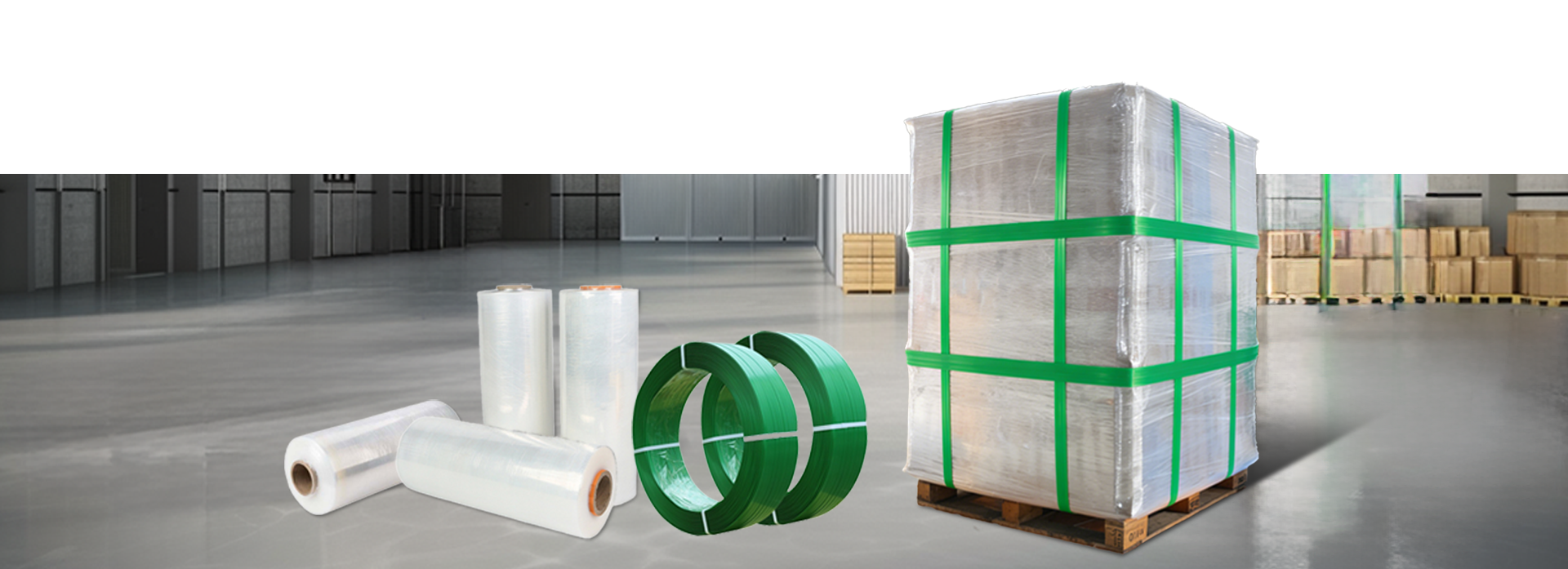
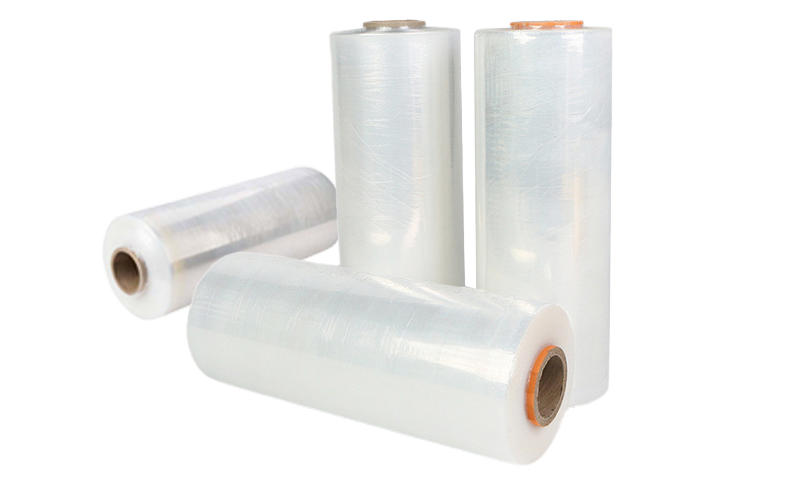
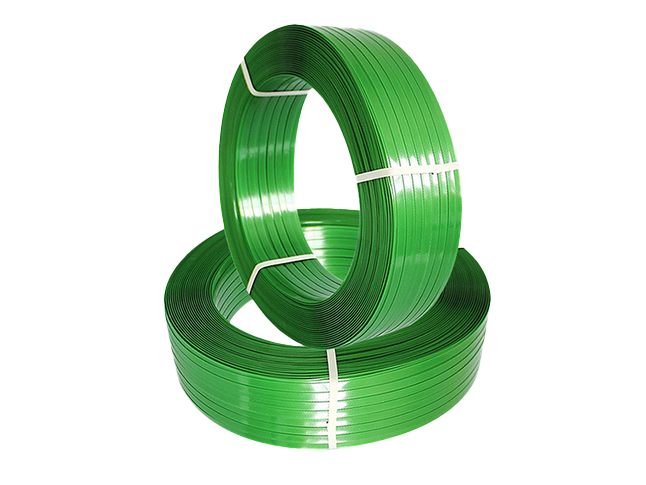
A supplier with experience across logistics categories may understand how crates interact with pallets, pallet trucks, stackers, racks, stretch film, strapping, and warehouse workflows. This knowledge can support more practical recommendations regarding dimensions, staging, transport, and storage. It may also allow customers to consolidate sourcing for different parts of a material-handling project.
The company describes itself as serving manufacturing, e-commerce logistics, warehousing and distribution, supermarket retail, and other commercial sectors. These sectors have different needs, so the ability to discuss application conditions is important. A produce distributor may prioritize ventilation and washability, while an assembly plant may prioritize nesting, visual access, and workstation compatibility.
Customization is also identified among the product characteristics. Depending on the order and technical feasibility, customization may involve colors, markings, labels, dimensions, or packaging arrangements. Any customization should be confirmed in writing because changes to material, mold design, wall structure, or openings can affect nesting, load performance, and compatibility with existing equipment.
The supplier’s stated inventory and ready-to-ship capability may be useful for customers with urgent replenishment needs. Availability should be confirmed before ordering, particularly for a specific color, quantity, destination, or customized version. Lead time can also depend on production schedules, export documentation, inspection requirements, and transportation conditions.
Operational Benefits for Businesses
Reduced Packaging Waste
Reusable crates can reduce dependence on disposable cartons, plastic bags, and other one-way packaging materials. The greatest benefit is achieved when the crate circulates repeatedly through a controlled network and is returned for reuse. Businesses should track the number of trips, repair or replacement rates, cleaning requirements, and loss rates to evaluate the actual environmental and financial performance.
Improved Space Utilization
Stacking allows loaded containers to use vertical space, while nesting reduces the volume of empty containers. Together, these functions support more efficient warehouse design. Better space utilization can delay the need for expansion, increase the number of units held in a fixed area, and simplify staging during peak seasons.
More Consistent Handling
Standardized containers create repeatable workflows. Employees know where to place products, how many units fit in a staging lane, and how empty crates should be returned. Consistency can reduce improvisation and help supervisors identify process problems more quickly.
Potential Labor Savings
The crate can reduce repeated repacking between different packaging types. For example, products may remain in the same container from collection through distribution, subject to hygiene and quality requirements. The 1.5kg empty weight also limits the amount of packaging weight workers must lift. Actual labor savings depend on the existing process, travel distance, handling frequency, and the degree of standardization introduced.
Better Product Visibility
The slotted sides make it easier to see the contents without opening a lid. This can support faster receiving inspections, inventory checks, stock rotation, and quality control. Visual access is particularly valuable in fresh-food operations, where damaged or deteriorating products should be identified promptly.
Cleaning, Maintenance, and Hygiene
A reusable crate program requires a clear cleaning and maintenance procedure. After use, employees should remove all product residue, labels, soil, and foreign objects. Crates can then be washed according to the organization’s approved method, taking into account water temperature, detergent selection, pressure, contact time, and rinsing requirements.
Not every cleaning chemical is suitable for every plastic or product environment. The cleaning team should verify chemical compatibility and follow the chemical manufacturer’s instructions. If the crates are used for food-related applications, sanitation procedures should reflect the relevant local regulations and customer standards.
Drying is important before nesting. Trapped moisture between nested crates can encourage odors, microbial growth, or surface contamination. Crates should be stored in a clean, ventilated area away from direct contamination sources. If they are used for different product categories, a color or location-based segregation system may help reduce cross-use errors.
Routine inspections should look for cracks, sharp edges, broken slots, excessive warping, loose labels, and base damage. A damaged crate may fail during stacking or expose workers to sharp surfaces. Rather than returning questionable crates to service, operators should place them in a designated inspection area and decide whether they can be repaired, recycled, or removed.
Plastic crates should be protected from unnecessary exposure to extreme heat, open flames, and incompatible chemicals. Long-term outdoor storage may also expose plastic to ultraviolet radiation. If the crates are intended for outdoor use, the supplier should be consulted about UV resistance and recommended storage conditions.
Guidance for Warehouse Integration
Before introducing the crates into a warehouse, managers should map the complete movement cycle. This includes receiving, inspection, filling, storage, picking, dispatch, return, cleaning, and reissue. The crate’s advantages are greatest when the workflow uses both its stackability and nestability instead of treating it as an ordinary open box.
Storage locations should accommodate the external dimensions of 570×395×315mm. Clearance must be added for worker access, safe lifting, labels, and movement equipment. If crates are placed on pallets, the pallet pattern should be tested to confirm that the edges remain stable and do not overhang in an unsafe way.
Racking compatibility should be confirmed before use. The crate may be suitable for floor stacking or palletized storage, but a rack system may require specific base support and load calculations. Racking beams, wire decking, conveyors, and automated equipment should not be assumed compatible solely because the crate has a rectangular shape.
For manual operations, frequently used crates should be stored between knee and shoulder height where possible. Heavier contents should be assigned to lower storage positions, and employees should be trained not to twist while lifting. Mechanical equipment should be used when the total load exceeds safe manual-handling limits.
For automated or semi-automated systems, companies should test the crate under real operating conditions. Important factors may include conveyor roller spacing, transfer points, sensor visibility, barcode placement, robotic gripper access, nesting separation, and the behavior of damaged or deformed units. A small pilot run can identify problems before a full-scale rollout.
Purchasing Considerations
Customers should specify the intended application when requesting a quotation. The supplier needs to know whether the crate will carry fresh produce, packaged food, industrial components, retail goods, or other materials. Product type, typical load weight, cleaning method, temperature range, stacking arrangement, and transport conditions all affect the suitability of the container.
Buyers should confirm the following details before placing a large order:
First, confirm the exact material formulation. The product specification identifies HDPE, while one general quality statement refers to virgin high-density PP. This distinction should be clarified through a formal technical datasheet, material declaration, or purchase agreement.
Second, request the applicable load and stacking information. Capacity in liters indicates volume, not allowable mass. A container filled with dense goods may reach a safe handling limit before its volume is full.
Third, verify dimensional tolerances and nesting performance. Customers using pallet patterns, conveyors, racks, or automated equipment should test sample crates under actual conditions.
Fourth, confirm available colors, customization options, labels, and minimum order quantities. Color and identification choices can influence production lead time and cost.
Fifth, determine the required documentation. Depending on the destination and application, this may include material certificates, inspection records, food-contact documentation, test reports, packing lists, and export paperwork.
Sixth, clarify delivery terms and after-sales support. A reliable supply arrangement should address replacement units, defect handling, spare inventory, and communication procedures if specifications change.
Return on Investment and Total Cost of Ownership
The purchase price is only one part of the cost of a reusable crate. A total-cost analysis should consider purchase price, freight, cleaning, labor, loss, damage, repairs, storage, return transport, and expected service life. The crate’s nestable design may reduce empty transport costs, while its reusable structure may reduce recurring purchases of disposable packaging.
A simple evaluation can compare the annual cost of existing packaging with the cost of a reusable crate pool. The analysis should estimate how many trips each crate completes, how many crates are lost or damaged, how much space is saved when empty, and how much labor is reduced by eliminating repacking. It should also account for the value of improved product protection and reduced waste.
For example, a distribution operation may purchase enough crates for peak-season circulation, then return empty crates to a central washing and inspection point. If the crates remain in the network for several years and complete many cycles, the cost per trip may decline significantly. A poorly controlled system, by contrast, may lose containers quickly and fail to capture the benefit of reusability.
Asset tracking can improve results. Unique barcodes, color identification, or simple count procedures can reveal where crates accumulate or disappear. This information allows managers to rebalance the container pool, adjust delivery schedules, and improve accountability among participating locations.
Environmental and Circular-Use Considerations
A reusable plastic crate is most environmentally effective when it completes many reliable cycles. Reuse spreads the material and manufacturing impact across multiple trips and can reduce the demand for disposable packaging. Nesting further supports efficiency by reducing empty transport volume.
At the end of its useful life, the crate may be suitable for material recovery depending on its material composition, local recycling infrastructure, contamination level, and identification markings. Buyers should confirm the polymer designation and follow local waste-management requirements. Mixing different plastics or attaching incompatible components can complicate recycling, so material control should continue throughout the crate’s service life.
Environmental performance should be evaluated honestly. Plastic production consumes resources, and washing reusable crates uses water and energy. The overall benefit depends on circulation frequency, transport distance, cleaning efficiency, crate durability, and the alternative packaging being replaced. A properly managed reusable system is more likely to deliver meaningful benefits than a system with low reuse and high loss.
Frequently Asked Questions
What is the capacity of the crate?
The stated capacity is 56 liters. The external dimensions are 570×395×315mm, and the internal dimensions are 530×355×302mm. Usable loading volume may vary depending on the shape of the products, internal packaging, and the operating fill level.
What material is used for Model BG-573931-NC?
The product specification identifies HDPE as the material. Because a general supplier statement also mentions high-density PP, buyers should confirm the precise polymer formulation and any material documentation for the specific model before ordering.
Can the crates be stacked when full?
Yes. The product is described as stackable. The recommended load, safe stack height, floor conditions, and temperature range should be confirmed with the supplier before establishing a warehouse procedure.
Can the crates be nested when empty?
Yes. Nesting is a principal feature of the design. Empty units can fit into one another, reducing storage and return-transport volume.
Are the crates suitable for fruits and vegetables?
They are designed for produce-handling applications, including apples, oranges, leafy greens, and similar products. The slotted sides promote airflow. Buyers should still confirm hygiene requirements, product compatibility, and any necessary food-contact documentation for their market.
What is the empty weight?
Each crate weighs approximately 1.5kg according to the product information. Actual production tolerances may cause minor variation.
Does the 56L capacity indicate the maximum load weight?
No. Capacity describes internal volume, not maximum mass. Maximum load depends on the product density, crate design, handling method, temperature, stacking arrangement, and supplier testing. A load rating should be obtained before heavy-duty use.
Can the crates be washed?
The reusable plastic construction is suitable for routine cleaning when the washing method and chemicals are compatible with the material and application. Users should remove residue, rinse thoroughly, dry the crates, and follow their own sanitation procedures.
Are different colors available?
The product information indicates multiple colors may be available. Specific color choices, minimum quantities, lead times, and customization options should be confirmed with the supplier.
Can the crates be customized?
Customization is listed among the product characteristics. Possible options may include color, markings, or identification features, subject to tooling and production requirements. Any change should be reviewed for its effect on strength, nesting, and equipment compatibility.
Are the crates suitable for automated warehouses?
They may be suitable for selected automated or semi-automated workflows, but compatibility must be tested. Conveyor dimensions, base geometry, sensor placement, robotic access, and tolerance requirements should be reviewed before integration.
What businesses can use these crates?
Potential users include farms, produce distributors, supermarkets, warehouses, e-commerce fulfillment centers, manufacturing plants, third-party logistics providers, and retail distribution operations. The best application depends on load characteristics and handling requirements.
How should damaged crates be handled?
Damaged units should be removed from active circulation and inspected. Crates with cracks, sharp edges, broken slots, severe warping, or unstable rims should not be used for stacking or manual transport. Repair or recycling decisions should follow the company’s safety and waste procedures.
What should be requested before a bulk order?
Buyers should request confirmation of material, dimensions, tolerances, load rating, stacking height, nesting ratio, available colors, customization, inspection standards, documentation, lead time, and delivery terms. Sample testing is recommended for specialized or automated applications.
Conclusion
The 56L BG-573931-NC nestable plastic crate is a practical solution for businesses seeking a reusable, ventilated, and space-efficient container for produce and general logistics. Its 570×395×315mm external dimensions provide useful medium-bulk capacity, while the 530×355×302mm internal dimensions support organized loading. The 1.5kg empty weight helps maintain manageable handling, and the slotted mesh structure promotes airflow and visibility.
Its strongest competitive advantage is the combination of stacking and nesting. Loaded crates can support organized vertical storage, while empty crates can be nested to reduce return volume and warehouse occupancy. Compared with disposable cartons, solid bins, wooden crates, and non-nestable plastic containers, this design offers a balanced approach to repeated handling, ventilation, cleaning, and space management.
The supplier’s stated strengths include standardized production, quality inspection at multiple stages, material control, customization capability, and a wider product portfolio covering material handling, storage, packaging, and warehouse racking. These capabilities may be valuable for customers developing a complete logistics system rather than purchasing isolated containers.
Before purchase, companies should validate the precise resin formulation, load rating, cleaning requirements, dimensional tolerances, and application-specific certifications. With appropriate testing and disciplined container-pool management, the crate can help improve warehouse organization, reduce packaging waste, support efficient produce circulation, and create a more consistent logistics process.
References
1. Product specification for Model BG-573931-NC, including dimensions, capacity, material, weight, and design features.
2. General principles of reusable transport packaging and returnable container management.
3. Industrial guidelines for manual material handling, stacking safety, and warehouse space utilization.
4. Technical literature on high-density polyethylene properties and molded logistics containers.
5. Food and agricultural supply-chain guidance concerning produce ventilation, sanitation, and reusable packaging.
6. Warehouse best practices for container inspection, cleaning, identification, and reverse logistics.
7. Packaging sustainability principles relating to reuse cycles, transport efficiency, material recovery, and total cost of ownership.
Product: 56L Sturdy Nestable Plastic Crate for Fruit Vegetable Transport


Copyright @ Yancheng Bingo Machinery Equipment Co., Ltd. All rights reserved Warehouse Logistics Equipment Manufacturer Pallet Truck Supplier
