 en
 Español

7L Stackable Plastic Tote Box for Efficient Warehouse Storage and Delivery
Content
- 1 Product Overview
- 2 Why the 7L Format Matters
- 3 HDPE Construction for Repeated Industrial Use
- 4 Stackability and Better Use of Vertical Space
- 5 Advantages Over Disposable Cartons
- 6 Advantages Over Low-Grade Plastic Containers
- 7 Protection of Small Goods During Handling
- 8 Applications Across Different Industries
- 9 Manufacturing Process and Quality Control
- 10 Manufacturing Strengths of the Supplier
- 11 Customization and Inventory Identification
- 12 Storage and Transport Efficiency
- 13 Safe Use and Recommended Operating Practices
- 14 Cleaning, Maintenance, and Service Life
- 15 Cost-Effectiveness and Return on Investment
- 16 Integration with Warehouse Racks and Material-Handling Equipment
- 17 Implementation Guide for New Users
- 18 Why This Product Is a Practical Competitive Choice
- 19 Frequently Asked Questions
- 19.1 What is the capacity of the tote box?
- 19.2 What material is used to manufacture the product?
- 19.3 Is the tote suitable for warehouse stacking?
- 19.4 Can the tote be used for delivery?
- 19.5 What types of goods can be stored in it?
- 19.6 Can customers order different colors?
- 19.7 Is the tote resistant to moisture?
- 19.8 Can the tote be cleaned?
- 19.9 How does the tote compare with cardboard cartons?
- 19.10 Does the tote replace pallets or warehouse racks?
- 19.11 Is the product available from stock?
- 19.12 Can the supplier provide other logistics products?
- 19.13 What should be checked before placing an order?
- 20 Conclusion
- 21 References
- 22 Product: 7L Durable Stackable Tote Box for Small Goods Delivery
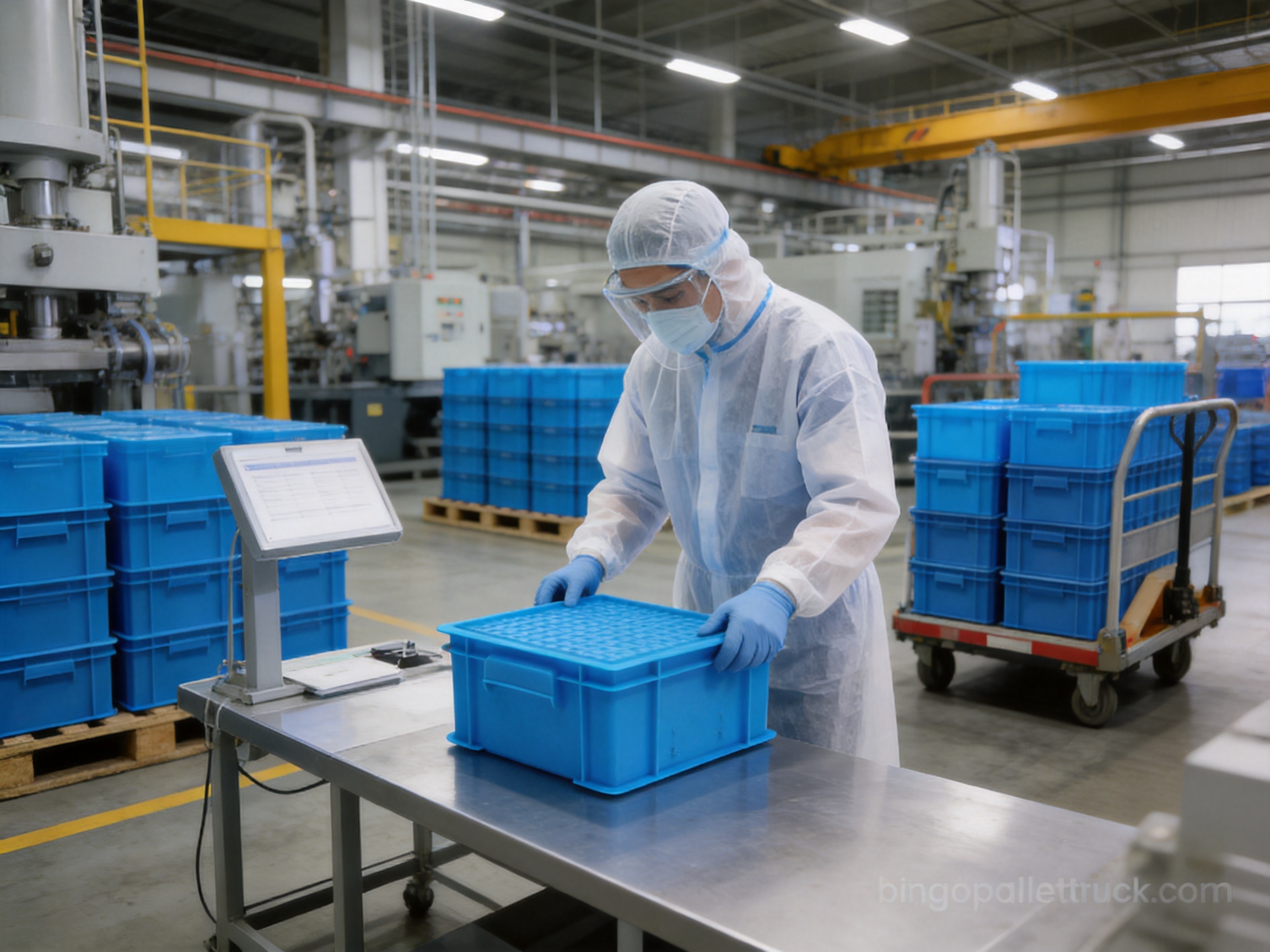
Efficient storage and transportation are essential to every modern supply chain. Whether a business handles machine parts, retail inventory, e-commerce orders, production components, or small goods for delivery, the choice of storage container can influence operating costs, product protection, labor productivity, and warehouse capacity. A container that is too large wastes valuable space, while one that is too weak can deform, crack, or fail during repeated handling. The 7L Durable Stackable Tote Box for Small Goods Delivery is designed to provide a balanced solution for these practical challenges.
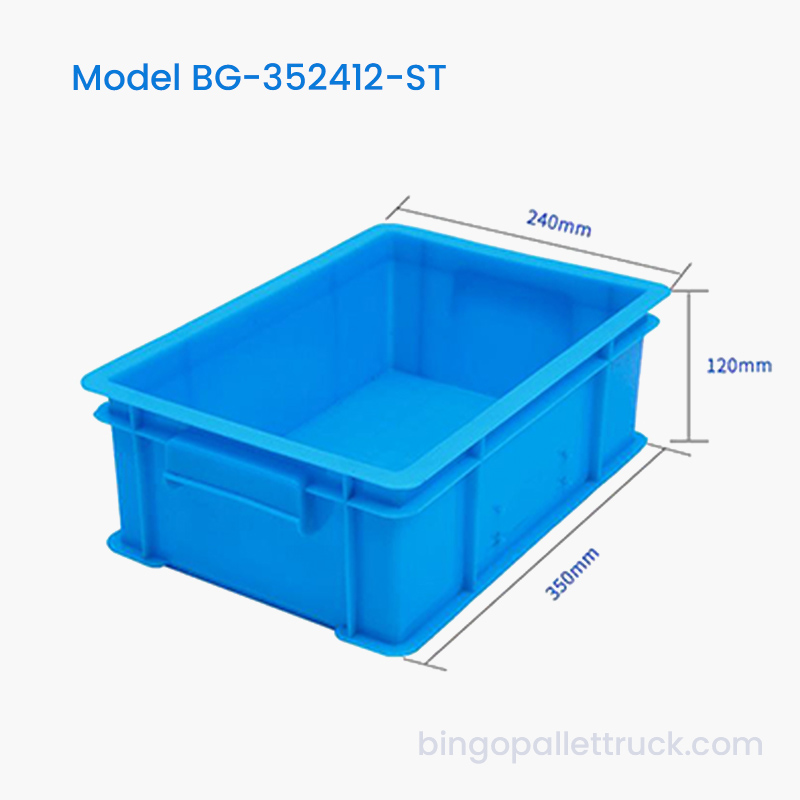
Model BG-352412-ST is a narrow, open-top plastic tote box manufactured from high-density polyethylene, commonly known as HDPE. With external dimensions of 350×240×120mm, internal dimensions of 320×210×115mm, and a nominal capacity of 7 liters, it offers a compact footprint for organized storage and efficient movement of small goods. Its stackable structure supports better use of vertical space while helping businesses reduce unnecessary floor area, packaging volume, and handling time.
This tote box is intended for organizations that need a reliable reusable container rather than a disposable carton. It is suitable for warehouses, production lines, distribution centers, retail backrooms, maintenance departments, spare-parts operations, and small-goods delivery systems. Its durable construction, standardized dimensions, manageable weight, and flexible color options make it a practical component of a repeatable logistics process.
Product Overview
The BG-352412-ST is a compact stackable plastic tote box developed for the storage, sorting, picking, and transportation of small and medium-sized goods. Its open design allows workers to view and access contents quickly, reducing the need to open flaps, remove lids, or unpack multiple layers of secondary packaging. This is especially useful in operations where products are frequently picked, replenished, inspected, or transferred between workstations.
The container has an external footprint of 350×240mm and a height of 120mm. This narrow rectangular format is suitable for shelving, conveyors, pallet layouts, cabinets, workbenches, and delivery arrangements where space is limited. The internal dimensions of 320×210×115mm provide a practical usable area while maintaining enough wall structure for strength and stability.
With a capacity of 7 liters and a weight of approximately 0.6kg, the tote is light enough for routine manual handling but substantial enough for repeated industrial use. The design supports the organization of loose products that might otherwise be stored in mixed cartons, bags, or unmarked containers. By assigning products to dedicated totes, businesses can improve inventory visibility and reduce time spent searching for individual items.
| Product Attribute | Specification |
| Product Type | Stackable plastic tote box |
| Model | BG-352412-ST |
| Primary Material | HDPE |
| External Dimensions | 350×240×120mm |
| Internal Dimensions | 320×210×115mm |
| Nominal Capacity | 7L |
| Product Weight | Approximately 0.6kg |
| Configuration | Open, narrow, stackable container |
| Color Options | Multiple colors available |
| Application Focus | Storage, sorting, handling, fulfillment, and small-goods delivery |
Why the 7L Format Matters
Container capacity should match the actual handling requirements of the goods being stored. Oversized containers often cause products to shift, become mixed, or require additional void fill. Undersized containers may force workers to use several units for one order, increasing handling steps and reducing picking efficiency. A 7L tote provides a useful middle point for many small-goods applications.
The capacity is suitable for hardware, electrical components, maintenance parts, packaged consumer goods, accessories, tools, small assemblies, and order-picking items. It can hold enough inventory to support a workstation or picking route without becoming unnecessarily heavy. In a production environment, one tote can represent a batch, kit, work order, or replenishment quantity. In an e-commerce warehouse, it can be used to separate product categories, customer orders, or dispatch groups.
The shallow 120mm external height is also valuable. Workers can see into the container without reaching deeply into it, which helps reduce product concealment and makes manual picking more convenient. Low-profile containers are particularly useful on shelving and work surfaces because they allow more vertical levels or more accessible storage positions within the same area.
The narrow footprint supports high-density layout planning. Several containers can be arranged in rows on shelves, pallets, or trolleys. Their standardized shape makes it easier to calculate storage capacity, assign locations, and create repeatable material-flow routes. A business can place fast-moving items near picking stations and slower-moving stock in higher-density reserve areas without changing the basic container system.
HDPE Construction for Repeated Industrial Use
The product is manufactured from HDPE, a material widely used for reusable logistics containers because of its strength-to-weight balance and resistance to common operating conditions. HDPE offers a combination of rigidity, impact resistance, moisture resistance, and chemical tolerance that is well suited to warehouse and industrial environments.
Reusable containers are exposed to more demanding conditions than single-use packaging. They may be moved by hand, placed on carts, transferred between shelves, loaded into vehicles, and stacked during storage. They can also encounter dust, condensation, cleaning agents, oils, and temperature variations. A properly manufactured HDPE container can withstand these everyday challenges more effectively than many low-grade disposable alternatives.
Moisture resistance is important for operations in humid warehouses, loading areas, workshops, and distribution facilities. Unlike corrugated cardboard, plastic does not lose its basic structure simply because it is exposed to a small amount of moisture. The tote can therefore provide more consistent performance in environments where cartons would soften, collapse, or become difficult to handle.
The material’s resistance to many commonly encountered chemicals adds flexibility for maintenance and manufacturing applications. However, users should evaluate compatibility with specific chemicals, concentrations, temperatures, and exposure times before using the tote for specialized substances. General material resistance does not replace application-specific safety assessment.
HDPE also supports long-term reuse. When a container remains serviceable for many handling cycles, the business can reduce its dependence on disposable packaging. This can help lower recurring packaging purchases, minimize waste, and create a more consistent internal logistics process. The environmental benefit is strongest when containers are used repeatedly, maintained properly, and eventually directed to suitable recycling channels.
7L Durable Stackable Tote Box for Small Goods Delivery
Stackability and Better Use of Vertical Space
One of the most important advantages of the BG-352412-ST is its stackable design. Empty or filled totes can be organized vertically rather than spread across the floor. This helps warehouses make better use of available cubic space, which is often more valuable than floor area alone.
The supplied product information indicates that the containers can be stacked to more than 10 layers under suitable conditions. Actual stacking performance depends on load distribution, product weight, floor levelness, handling method, environmental conditions, and the stability of the contents. Users should establish safe operating limits for their own application and avoid stacking beyond the conditions recommended by their safety procedures.
Vertical stacking provides several operational advantages. It can increase the number of product units stored in a defined footprint, reduce aisle obstruction, and help keep goods away from areas where they may be exposed to vehicles or foot traffic. Stackable totes can also be arranged by stock-keeping unit, order status, production stage, or delivery route.
During transport, stackability can help reduce wasted space between individual containers. When totes are aligned correctly, more units can be placed on a pallet, trolley, or vehicle floor. Better cube utilization may lower the number of transport movements required for a given quantity of goods. This is especially useful for internal transfers between production, storage, and dispatch areas.
Stacking also supports visual organization. A consistent group of containers creates a more orderly work environment than a mixture of cartons and unstructured packaging. When combined with labels, barcodes, color coding, or location identifiers, stacked totes can support more disciplined inventory control.
Advantages Over Disposable Cartons
Disposable cartons remain useful for many shipping applications, but they are not always the best choice for repeated internal handling. They can be damaged by moisture, compressed under uneven loads, torn by sharp products, or weakened after repeated opening and closing. They may also require tape, staples, liners, or additional protective materials.
The reusable plastic tote offers a stronger alternative for closed-loop operations. Its rigid walls help maintain the shape of the storage unit, making it easier to stack and move. The open configuration provides rapid access, while the reusable structure reduces the need to rebuild packaging for every handling cycle.
Plastic totes can also improve workplace cleanliness. Damaged cardboard produces loose fibers, dust, and fragments, whereas a molded plastic container is easier to wipe and maintain. In environments where products must be protected from dirt or where cleaning routines are important, this difference can be valuable.
Another advantage is dimensional consistency. A carton may change shape depending on how it is filled, folded, or compressed. A molded tote retains its intended external dimensions more reliably. This predictability helps with shelf planning, conveyor setup, pallet configuration, and storage-location allocation.
For companies that move products repeatedly between departments or facilities, the tote can become a standardized logistics asset. It can be issued, scanned, returned, inspected, and redeployed. This creates a more controlled process than using a series of temporary cartons that may vary in size and condition.
Advantages Over Low-Grade Plastic Containers
Not all plastic containers provide the same performance. Low-cost containers made with inconsistent material quality may become brittle, deform under load, or fail at corners and stacking points. A container that appears inexpensive at purchase may generate higher costs through breakage, product damage, replacement purchases, and workflow interruptions.
The BG-352412-ST is positioned as a durable HDPE tote intended for regular warehouse and industrial use. Its value is not based only on nominal capacity. It combines a compact format with a structured design, controlled production, material verification, and quality inspections intended to support consistent use.
Reliable dimensions are particularly important when containers are used in systems. If the length, width, or height varies significantly between batches, the containers may not align properly on shelves or pallets. Inconsistent dimensions can also create gaps, reduce stack stability, or interfere with automated and semi-automated handling. Standardized manufacturing helps reduce these problems.
The ability to select from multiple colors is another practical advantage. Color does not replace labels or digital identification, but it can provide an immediate visual distinction between product categories, work areas, quality statuses, or delivery routes. For example, one color may be assigned to components awaiting inspection, another to approved inventory, and another to returns or maintenance items.
Protection of Small Goods During Handling
Small products are often more vulnerable to loss and mixing than large, easily identifiable items. Screws, fittings, electronic accessories, tools, spare parts, and small packaged goods can become scattered when stored in unsuitable containers. The tote’s defined interior gives these products a dedicated space and helps contain them during movement.
The internal dimensions of 320×210×115mm provide a usable area while limiting excessive product movement. Businesses can further improve protection by using dividers, inserts, pouches, foam pads, or smaller inner packs when the contents require separation. The container itself provides the primary structure, while application-specific accessories can be added according to product sensitivity.
The open-top design makes the tote convenient for inspection and picking, but users should consider a cover or secondary packaging where products require protection from dust, water, contamination, or unauthorized access. The correct configuration should be selected according to the operating environment and the nature of the goods.
In delivery operations, the tote can be placed inside a vehicle, on a pallet, or within a larger distribution container. Its rigid walls help reduce crushing from adjacent goods when appropriately loaded. It is important to avoid exceeding safe loads and to distribute weight evenly, particularly when multiple layers are stacked.
Applications Across Different Industries
Manufacturing and Assembly
Manufacturing facilities can use the 7L tote to move components between raw-material storage, production lines, assembly stations, inspection areas, and finished-goods storage. A tote can represent a specific batch or work order, reducing the risk of mixing parts from different production stages.
At an assembly workstation, the shallow height allows operators to identify and retrieve components without excessive bending or deep reaching. Containers can be positioned on shelves, carts, gravity-flow racks, or workbenches. Color coding and printed labels can support lean manufacturing and visual management practices.
E-Commerce Fulfillment
E-commerce operations handle a wide variety of small products and require fast, accurate picking. The tote can be used as a pick bin, order container, replenishment unit, or temporary staging box. Its standardized dimensions help warehouses organize products into repeatable shelf layouts.
During batch picking, workers can assign one tote to each order, route, or customer group. After picking, the tote can move to checking, packing, and dispatch stations. Reusable totes may reduce the need for temporary cartons during internal steps, helping to keep the fulfillment area organized.
Warehousing and Distribution
Distribution centers can use stackable totes for inventory storage, cross-docking, returns management, and route preparation. The container’s compact footprint is useful when a facility must store many individual stock-keeping units in a limited area.
For cross-docking, totes can be assigned to destinations or delivery routes. Workers can identify and move the appropriate containers without repeatedly opening larger mixed cartons. The open design also supports fast visual checks before dispatch.
Retail Backrooms
Retail stores and supermarket backrooms often need compact storage for accessories, replacement items, promotional materials, and small products. The tote can help separate stock by department, product family, or replenishment priority. Its manageable weight makes it practical for frequent movement from a backroom to a sales floor.
Maintenance and Spare Parts
Maintenance departments commonly store fasteners, electrical parts, fittings, seals, hand tools, and replacement components. A 7L tote can be assigned to a machine, maintenance team, repair job, or equipment category. Its open access helps technicians identify needed parts quickly, while the rigid structure keeps small items contained.
Packaging and Kitting Operations
Businesses assembling product kits can use the tote to gather the components required for a finished set. A kit tote may be moved through several workstations, with operators adding or checking parts at each stage. The standardized container can support repeatable kitting sequences and reduce the chance of components being left behind.
Manufacturing Process and Quality Control
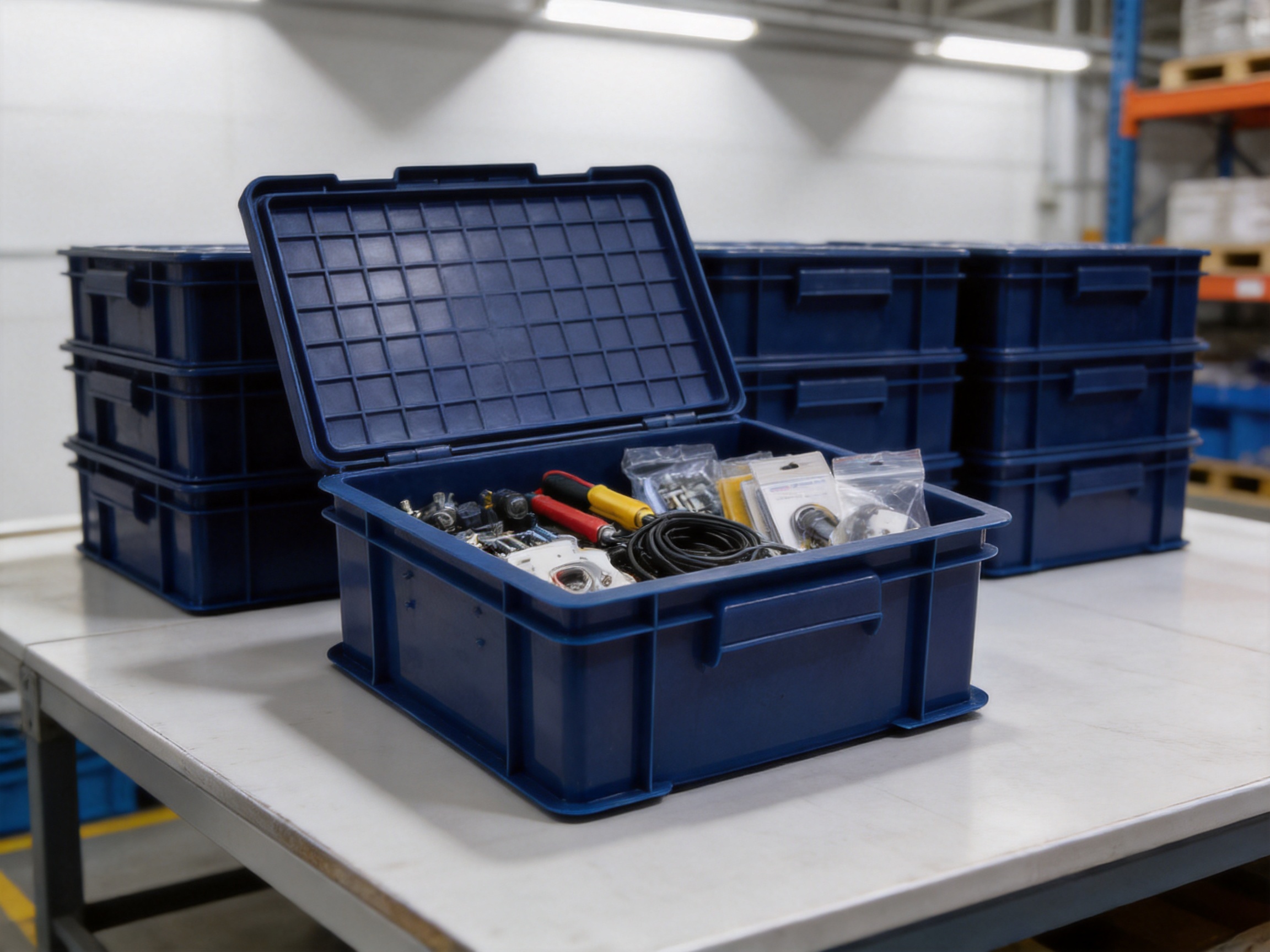
Product performance begins with manufacturing discipline. A durable tote is not created solely by selecting a suitable polymer. Material preparation, mold design, processing parameters, cooling, dimensional control, inspection, and packaging all influence the final result. The manufacturer’s stated production approach emphasizes standardized processes and strict quality control from raw-material sourcing through finished-product inspection.
Raw-material control is an important first step. Material identity, consistency, and suitability for the intended application should be verified before production. For this product, the stated primary material is HDPE. Proper material management helps ensure that each production batch achieves the expected balance of strength, rigidity, impact resistance, and surface quality.
During molding, process conditions must be controlled carefully. Temperature, pressure, cycle time, cooling behavior, and material flow influence wall thickness, corner strength, dimensional accuracy, and surface finish. Stable production parameters help reduce variation between units and support repeatable performance in customer applications.
Mold condition is also significant. A well-maintained mold helps produce consistent geometry and reduces defects such as flash, incomplete filling, uneven edges, distortion, or surface irregularities. Regular maintenance can extend mold life and contribute to more reliable output over successive production runs.
After molding, finished totes can be inspected for appearance, dimensions, weight, structural integrity, and functional characteristics. A quality system may include checks for cracks, deformation, sharp edges, incomplete features, color consistency, and stacking alignment. These inspections help identify nonconforming units before shipment.
| Quality-Control Area | Purpose |
| Raw-Material Verification | Confirms that the selected material is suitable and consistent for production. |
| Process-Parameter Monitoring | Helps maintain stable molding conditions and reduce batch variation. |
| Dimensional Inspection | Checks external and internal dimensions against product specifications. |
| Visual Inspection | Identifies cracks, flash, deformation, surface defects, and other visible issues. |
| Weight Verification | Helps monitor material consistency and production repeatability. |
| Stacking and Fit Checks | Confirms that containers align properly for intended stacking and storage use. |
| Final Packing Inspection | Ensures that accepted products are protected and correctly prepared for shipment. |
Standardized processes are valuable for international customers because they create a more predictable purchasing experience. Buyers often need the same container specification across multiple orders, warehouses, or countries. Consistent production supports repeat procurement and simplifies the introduction of the tote into established storage systems.
Manufacturing Strengths of the Supplier
The supplier is a China-based manufacturer and provider of warehousing and logistics equipment, with product coverage extending across handling equipment, storage containers, packaging materials, and warehouse racking. This broader product portfolio gives customers the option to source multiple parts of a logistics system from one experienced supplier.
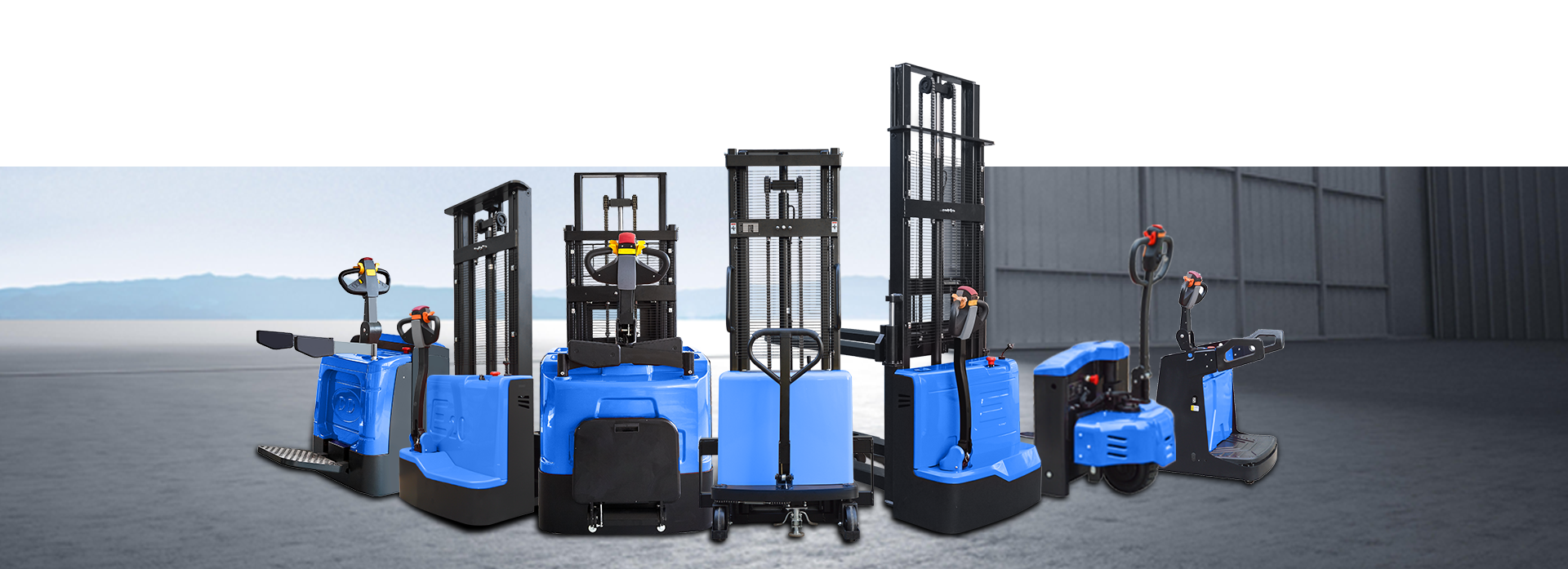
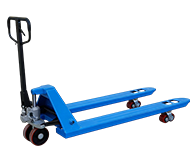
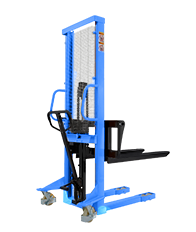
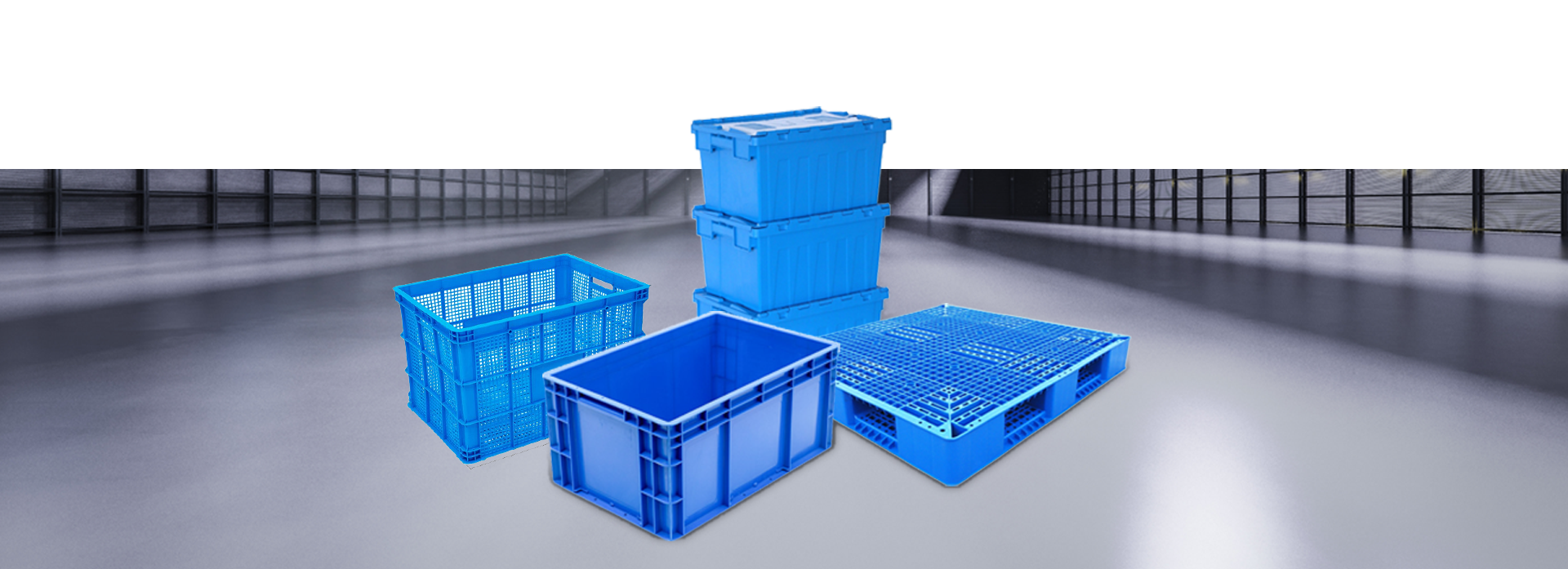
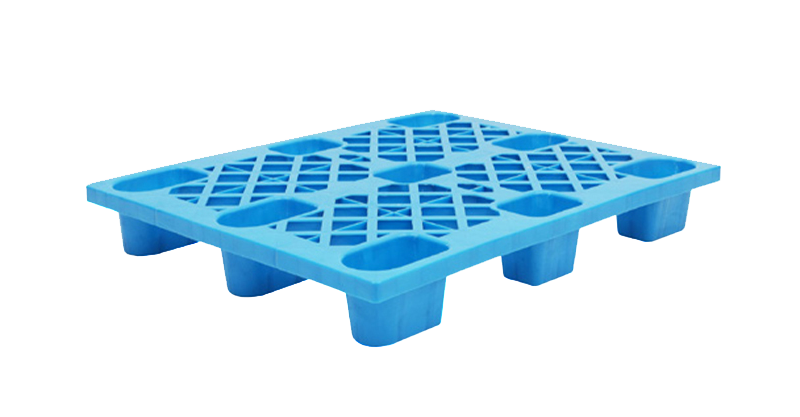
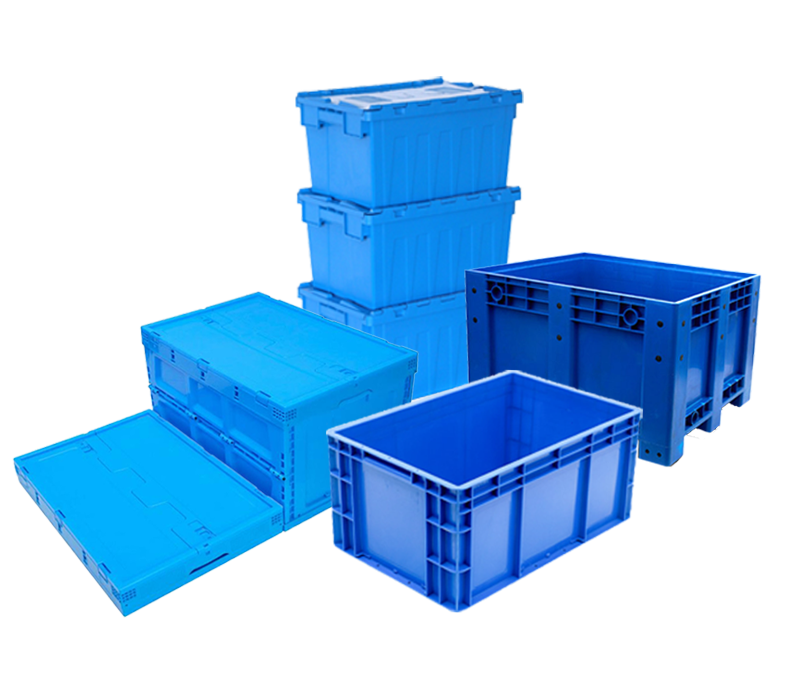
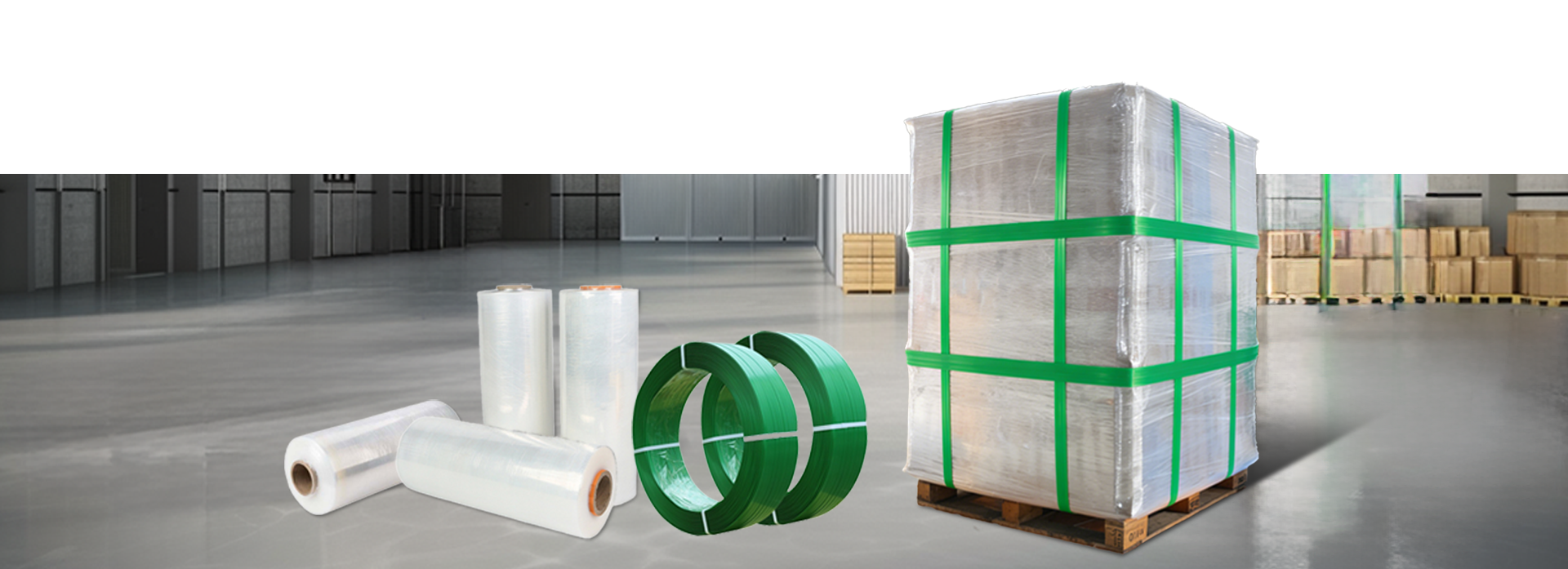
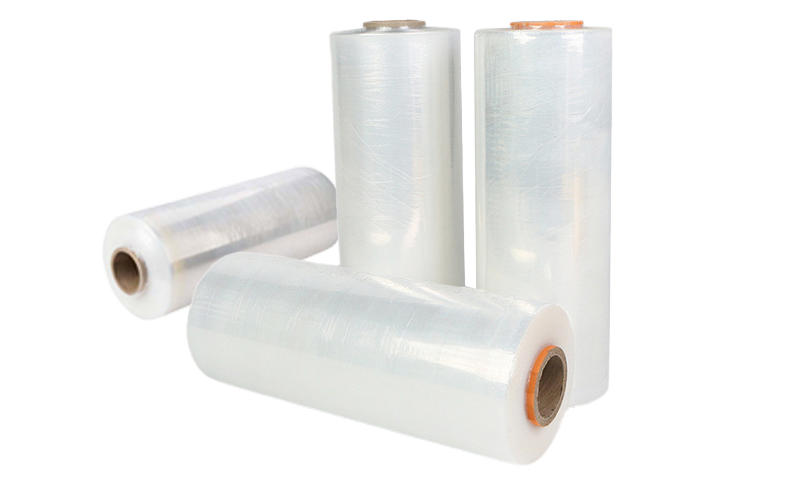
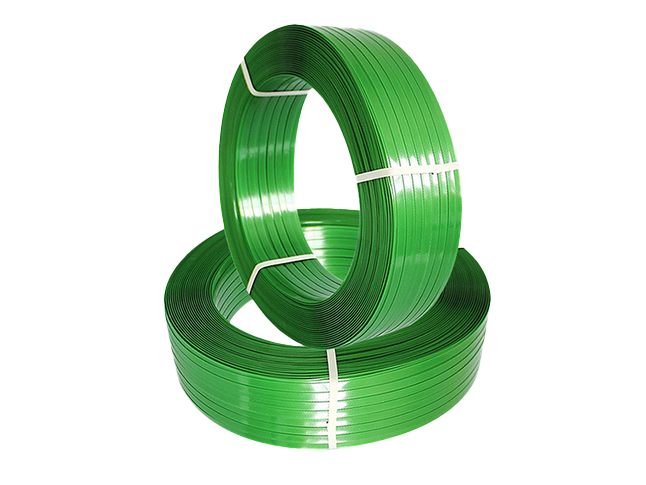
Its handling-equipment range includes manual and electric pallet trucks and stackers. Its storage-container range includes plastic pallets, plastic totes, crates, and bulk containers. Packaging materials include products such as stretch wrap and packing strapping, while the racking line includes light-duty, medium-duty, and heavy-duty solutions in different specifications.
This product breadth is useful for businesses seeking coordinated warehouse solutions. A customer purchasing stackable totes may also require pallets, racks, pallet trucks, or packaging supplies. Working with a supplier familiar with these connected products can help buyers consider compatibility, load movement, storage density, and material-flow requirements as a complete system rather than as isolated purchases.
The company emphasizes a mature supply chain, standardized production procedures, and inspections throughout the manufacturing process. These strengths are relevant to overseas buyers who need stable supply, repeat orders, product customization, and practical delivery support. The stated availability of stock and fast delivery can also be valuable when customers need to replenish operational containers quickly.
Multiple color options and customization support give the tote additional commercial flexibility. Depending on the project, customers may request color differentiation, labels, markings, packaging configurations, or other adjustments. Any customization should be confirmed in advance with the supplier because minimum order quantities, tooling requirements, lead times, and technical limitations can vary.
Customization and Inventory Identification
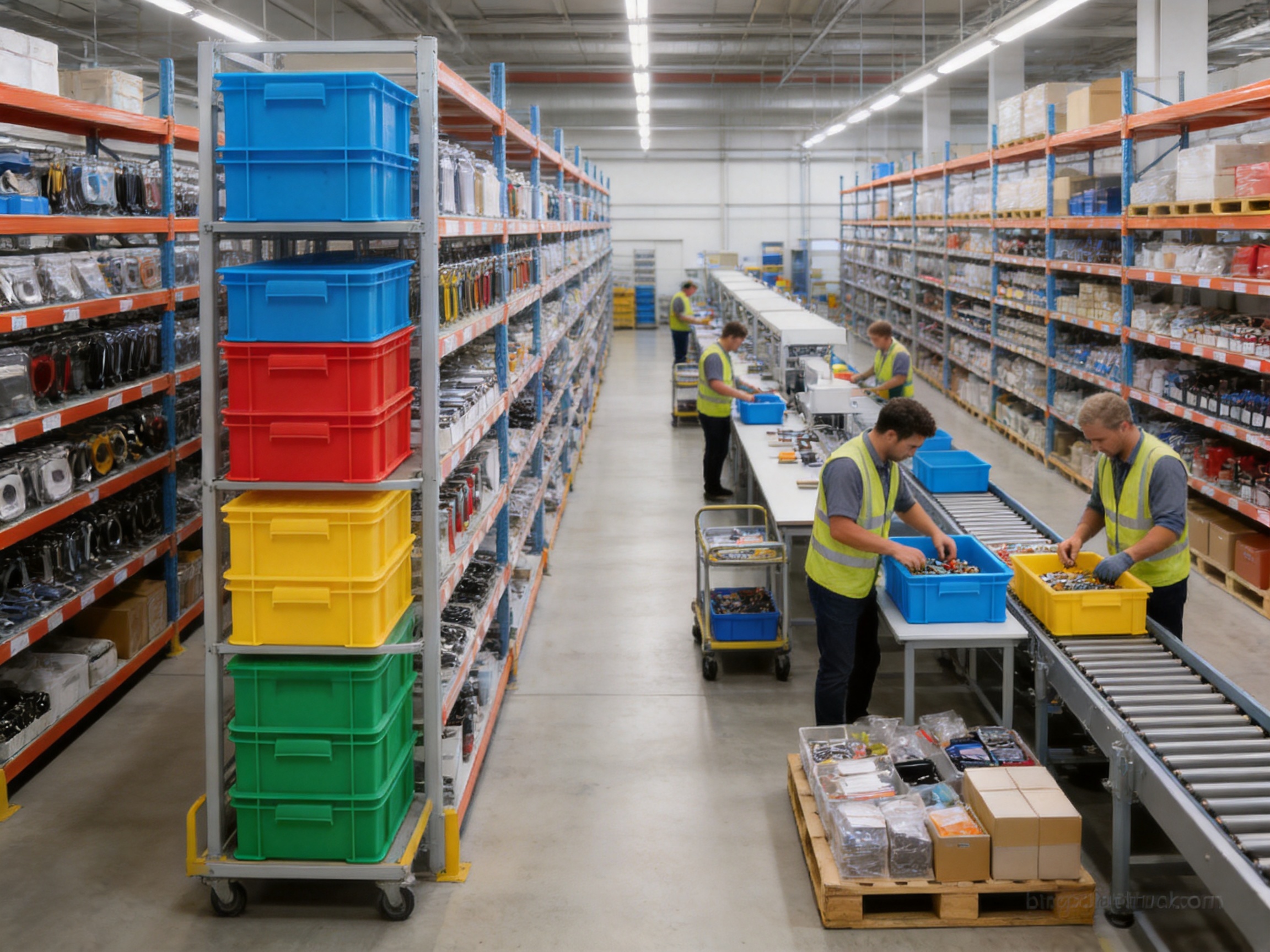
Color is one of the simplest ways to organize a tote system. A company may assign colors by department, product family, priority, destination, or process stage. For example, blue containers might be used for standard inventory, yellow containers for replenishment, green containers for approved goods, and red containers for returns or inspection. A documented color policy is important so that all employees apply the system consistently.
Labels and barcodes can further improve traceability. A label may identify the stock-keeping unit, lot number, production order, storage location, or route. When totes are used with warehouse-management software, barcode scanning can connect each physical container to a digital record. This can improve visibility during receiving, picking, transfers, and dispatch.
Reusable containers should be inspected before being assigned to a new product category. Old labels, residue, or damaged identification areas can create confusion. Businesses may establish a cleaning and relabeling procedure to keep the tote fleet accurate and easy to manage.
Customization can also support branding and asset control, but the best choice depends on the intended operating life. Printed or molded markings should be evaluated for durability, readability, cleaning resistance, and cost. For many applications, a replaceable label holder or barcode label may be more flexible than permanent printing.
Storage and Transport Efficiency
The tote’s value is closely connected to the total cost of handling rather than its purchase price alone. A container can contribute to savings by reducing product damage, shortening picking time, increasing storage density, and supporting more efficient vehicle loading.
Its stackable design can reduce the amount of floor area required for a given inventory volume. When containers are arranged in a controlled layout, businesses may postpone warehouse expansion or make better use of existing shelving. The compact format is also suitable for small spaces near production lines and workstations.
During internal transport, the tote helps create a defined unit load. Workers can move a group of small products as one organized container rather than carrying multiple loose packages. This reduces the chance of dropped items and can simplify transfers between departments.
For external transport, the tote may form part of a reusable distribution loop. It can travel from a central warehouse to a branch location, retail store, service center, or customer facility and then return for reuse. A successful loop system requires tracking, collection, inspection, and cleaning, but it can substantially reduce single-use packaging in recurring routes.
Businesses should calculate the benefits using their own operating data. Useful measurements include container utilization, product damage rate, picking time, storage density, packaging consumption, return rate, and number of reuse cycles. These figures can show whether a reusable tote program is delivering the expected financial and operational benefits.
Safe Use and Recommended Operating Practices
Although the tote is designed for durable logistics use, safe performance depends on correct application. Users should distribute contents evenly and avoid placing concentrated loads on a small area of the base. Heavy items should be positioned carefully so that the container remains stable during lifting and stacking.
Containers should be stacked on level, stable surfaces. Uneven floors, damaged pallets, loose shelving, or overhanging loads can reduce stability. The stated ability to stack more than 10 layers should be treated as an application reference rather than a universal instruction. The actual safe height must be determined by the load, environment, handling equipment, and company safety procedures.
Workers should inspect totes regularly for cracks, severe deformation, damaged edges, or other conditions that could affect safe use. Damaged containers should be removed from service or assigned to a lower-risk application according to the company’s inspection policy.
The tote should not be used for substances or temperatures outside the known compatibility range of HDPE without technical confirmation. If chemicals, oils, food products, or sensitive materials are involved, the customer should review applicable regulations and obtain specific material-compatibility guidance.
Manual handling should also be considered. A container weighing 0.6kg when empty can become significantly heavier when filled. Workplaces should establish reasonable fill limits and use carts, pallet trucks, or other handling equipment when the combined load becomes difficult to lift safely.
Cleaning, Maintenance, and Service Life
Regular cleaning helps preserve product condition and prevents contamination between applications. In ordinary warehouse use, the tote may be cleaned with a suitable detergent, water, and a soft brush or cloth. Users should avoid cleaning methods that could damage the polymer, identification labels, or any added accessories.
After washing, the container should be allowed to dry before it is stacked or filled. Moisture trapped between containers can create an unsuitable environment for certain goods and may contribute to odor or contamination concerns. Cleaning procedures should reflect the stored products and any relevant industry requirements.
Inspection should focus on the base, corners, side walls, stacking contact points, and any handles or gripping areas. Small surface marks may be normal after repeated use, but deep cracks, sharp breaks, severe distortion, or unstable stacking behavior indicate that the tote should be evaluated.
Proper storage when the containers are not in use can extend their service life. They should be protected from unnecessary exposure to extreme heat, direct sunlight, aggressive chemicals, and mechanical impacts. Empty totes should be stacked neatly rather than thrown into large piles, which can cause avoidable deformation or damage.
At the end of their useful life, HDPE containers may be suitable for recycling through appropriate channels. Recycling options depend on local facilities, contamination level, additives, labels, and regional regulations. Businesses should separate damaged plastic from general waste whenever practical and follow local recycling requirements.
Cost-Effectiveness and Return on Investment
The cost-effectiveness of a reusable tote should be evaluated over its full life cycle. The initial purchase price is only one part of the calculation. Other factors include the number of reuse cycles, reduced packaging purchases, lower product damage, labor savings, storage savings, cleaning costs, reverse logistics, and eventual disposal or recycling.
A tote can be particularly economical when it is used in a closed or semi-closed loop. Examples include transfers between a factory and warehouse, repeated deliveries to retail branches, circulation between a distribution center and service locations, or internal movement across several production departments.
Even when the tote is not returned from an external customer, its durability may provide value during repeated internal use. Companies can assign the containers to defined departments and manage them as reusable assets. A simple tracking system can help identify losses and ensure that the container fleet remains available.
Businesses should avoid buying containers solely on the basis of low unit price. A cheaper container that fails early may cost more after replacements and interruptions are considered. Important evaluation criteria include material quality, dimensional consistency, stacking behavior, product protection, supplier reliability, availability, customization options, and after-sales communication.
Integration with Warehouse Racks and Material-Handling Equipment
The BG-352412-ST can support organized storage in combination with warehouse racks, shelving, carts, pallets, and pallet trucks. Before implementation, users should confirm that the shelf depth and clear height are compatible with the tote’s dimensions and intended stacking arrangement.
Because the external length and width are standardized, the tote can be included in a basic storage-layout calculation. A warehouse planner can determine how many containers fit on each shelf, how many shelves are required for a product group, and how much aisle clearance is needed for workers or equipment.
On carts and trolleys, the containers can be arranged by route, task, workstation, or production sequence. A stable cart layout should prevent containers from sliding or falling during movement. Where appropriate, retaining lips, shelves, dividers, or straps may be added to the transport equipment.
When used near pallet trucks or stackers, the tote should remain within the secure load area and should not be left in vehicle paths. The container is a storage and handling unit, but it is not a substitute for approved lifting equipment or a properly rated pallet. Site-specific risk assessments should determine how totes are moved and stored.
Implementation Guide for New Users
Step One: Define the Application
Identify the products to be stored, their dimensions, weight, fragility, cleanliness requirements, and handling frequency. Determine whether the tote will be used indoors, outdoors, in production, in delivery, or in a controlled environment.
Step Two: Confirm the Required Quantity
Estimate the number of storage locations, daily movements, return cycles, cleaning time, and reserve units required. A closed-loop system normally needs enough totes to cover containers in use, containers in transit, containers awaiting cleaning, and backup stock.
Step Three: Establish Identification Rules
Choose colors, labels, barcodes, or location codes before deployment. Keep the identification system simple enough for every worker to understand and apply consistently.
Step Four: Create Stacking and Loading Procedures
Define maximum stacking height, acceptable load weight, safe placement, inspection requirements, and rules for damaged containers. These instructions should be communicated to all employees who handle the totes.
Step Five: Measure Results
Compare performance before and after implementation. Track picking time, damage, storage capacity, packaging consumption, worker feedback, and tote loss. The data can be used to refine the system and determine whether additional sizes or accessories are needed.
Why This Product Is a Practical Competitive Choice
The BG-352412-ST competes through a combination of practical characteristics rather than a single feature. Its 7L capacity is useful for many small-goods tasks, while its narrow footprint supports high-density storage. HDPE construction provides a durable reusable alternative to disposable packaging. The stackable format helps improve vertical utilization, and the open top supports fast visual access.
Its product specification is clear and easy to integrate into warehouse planning. Buyers can work with known external and internal dimensions, weight, and capacity rather than relying on uncertain descriptions. Multiple color choices and customization support give companies flexibility when developing an organized tote fleet.
The supplier’s wider logistics-equipment capabilities are another advantage. Customers can source related products such as pallets, crates, bulk containers, stretch wrap, strapping, pallet trucks, stackers, and warehouse racks. This broader knowledge can support more coordinated material-handling decisions.
Manufacturing discipline, inspection procedures, in-stock availability, and support for fast delivery further strengthen the product’s position for commercial buyers. For businesses that need repeatable supply and consistent specifications, these factors may be as important as the physical design of the tote itself.
Frequently Asked Questions
What is the capacity of the tote box?
The nominal capacity is 7 liters. The internal dimensions are approximately 320×210×115mm, while the external dimensions are 350×240×120mm.
What material is used to manufacture the product?
The product specification identifies HDPE, or high-density polyethylene, as the primary material. HDPE is commonly used for reusable logistics containers because of its balance of strength, durability, moisture resistance, and chemical resistance.
Is the tote suitable for warehouse stacking?
Yes. It is designed as a stackable plastic tote box, and the supplied information indicates stacking of more than 10 layers under suitable conditions. Actual safe stacking height depends on the load, surface, environment, and operating procedures.
Can the tote be used for delivery?
Yes. Its reusable construction and compact format make it suitable for small-goods delivery and internal distribution. Users should ensure that the contents are compatible with an open container and should use additional protection when goods require sealing or weather resistance.
What types of goods can be stored in it?
Typical applications include parts, components, hardware, tools, accessories, packaged products, maintenance items, and e-commerce inventory. The suitability depends on the size, weight, fragility, cleanliness, and chemical characteristics of the goods.
Can customers order different colors?
Multiple colors are available according to the supplied product information. Color selection can help organize products by category, department, route, or process stage. Customization details should be confirmed with the supplier before ordering.
Is the tote resistant to moisture?
HDPE is moisture resistant, making the tote more suitable than cardboard for many humid or damp warehouse conditions. However, the open-top configuration does not provide complete protection from rain, spills, or airborne contamination.
Can the tote be cleaned?
In general, reusable HDPE totes can be cleaned with suitable water-based cleaning methods. The specific method should match the stored goods, contamination type, labels, and applicable workplace requirements. The tote should be dried before reuse or stacking.
How does the tote compare with cardboard cartons?
The tote offers greater dimensional consistency, reusability, moisture resistance, and stacking stability for repeated handling. Cardboard may still be preferable for one-way shipping, very large products, or applications where a disposable package is required.
Does the tote replace pallets or warehouse racks?
No. It is a container designed to work with storage and handling systems. It can be placed on shelves, pallets, carts, or other approved equipment, but it does not replace load-rated pallets, racks, or material-handling machinery.
Is the product available from stock?
The supplied information states that the product is in stock and ready to ship, with fast delivery support. Buyers should confirm current inventory, order quantity, shipping schedule, and destination requirements before placing an order.
Can the supplier provide other logistics products?
Yes. The supplier’s product range includes handling equipment, storage containers, packaging materials, and warehouse racks. This includes pallet trucks, stackers, plastic pallets, crates, bulk containers, stretch wrap, packing strapping, and racking systems.
What should be checked before placing an order?
Buyers should confirm dimensions, capacity, material, color, quantity, stacking requirements, delivery conditions, customization, packaging, and intended use. If the tote will contact chemicals, food, medical products, or regulated goods, additional technical and regulatory confirmation may be necessary.
Conclusion
The 7L Durable Stackable Tote Box for Small Goods Delivery is a practical solution for businesses that need organized, reusable, and space-efficient storage. Model BG-352412-ST combines a compact 350×240×120mm external format with a 7L capacity, HDPE construction, stackable geometry, and an open design that supports fast access.
Its advantages are especially relevant to modern warehouses and supply chains where storage density, order accuracy, labor efficiency, and reusable packaging are increasingly important. Compared with disposable cartons or inconsistent low-grade containers, it offers more reliable dimensions, stronger reuse potential, better resistance to moisture, and improved suitability for standardized handling.
The product is supported by a supplier with a broad portfolio of warehouse and logistics equipment, standardized manufacturing processes, strict quality-control practices, multiple color options, customization support, and stated in-stock availability. These capabilities allow the tote to function not only as an individual storage box but also as part of a larger material-handling and warehouse-organization system.
When correctly matched to the application and used according to safe stacking, loading, cleaning, and inspection procedures, the tote can help businesses create a more orderly, efficient, and sustainable logistics operation. Its strongest value comes from repeated use across a well-managed storage, production, fulfillment, or delivery process.
References
1. Product specification sheet for Model BG-352412-ST, including dimensions, material, weight, and capacity.
2. Manufacturer-provided information on stackable plastic tote applications, color options, customization, stock availability, and quality-control procedures.
3. Manufacturer-provided overview of warehousing and logistics equipment product categories, including handling equipment, storage containers, packaging materials, and warehouse racks.
4. General industrial packaging principles concerning reusable containers, warehouse organization, load stability, and material-handling efficiency.
5. General guidance on HDPE properties, reusable plastic packaging, cleaning practices, and recycling considerations.
Product: 7L Durable Stackable Tote Box for Small Goods Delivery


Copyright @ Yancheng Bingo Machinery Equipment Co., Ltd. All rights reserved Warehouse Logistics Equipment Manufacturer Pallet Truck Supplier
