 en
en  Español

67L HDPE Stackable Plastic Crate for Efficient Fruit, Vegetable, and Warehouse Logistics
Modern supply chains depend on storage containers that can protect products, improve handling efficiency, reduce wasted space, and withstand repeated use. For warehouses, supermarkets, food distributors, e-commerce fulfillment centers, and cold chain operations, the right crate is more than a simple box. It is an essential logistics tool that influences product quality, labor productivity, warehouse capacity, transportation costs, and workplace organization.
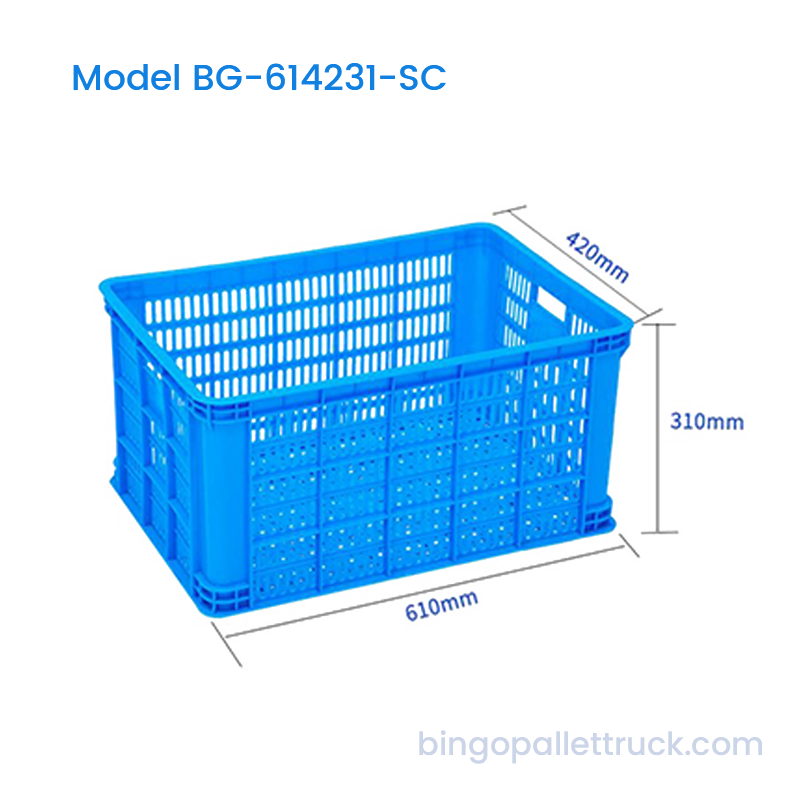
The 67L HDPE Stackable Plastic Crate, model BG-614231-SC, is designed to address these requirements in one practical solution. With external dimensions of 610×420×310mm, internal dimensions of 575×390×300mm, a capacity of 67 liters, and a weight of only 1.8kg, this reusable crate combines generous usable volume with manageable handling characteristics. Its fully perforated mesh structure promotes airflow around stored goods, while its reinforced construction supports repeated use in demanding commercial environments.
Made from food-safe HDPE, the crate is suitable for the storage and transportation of fruits, vegetables, packaged goods, and other products that benefit from ventilation and organized handling. Its stackable design helps users make better use of vertical warehouse space and reduce the footprint of empty containers. Compared with disposable cardboard cartons, weak household storage bins, and poorly ventilated containers, this crate offers a more durable and operationally efficient alternative.
This article examines the product’s structure, technical characteristics, logistics advantages, applications, quality controls, manufacturing strengths, and purchasing considerations. It also explains why a standardized, reusable plastic crate can become a valuable part of an integrated material-handling system.
Content
- 1 1. Product Overview
- 2 2. Technical Specifications
- 3 3. Food-Safe HDPE Construction
- 4 4. Ventilation for Fruits and Vegetables
- 5 5. Stackability and Space Utilization
- 6 6. Reinforced Design for Repeated Commercial Use
- 7 7. Advantages Compared with Common Alternatives
- 8 8. Applications Across the Supply Chain
- 9 9. Manufacturing Process and Quality Control
- 10 10. Manufacturing Strengths of the Supplier
- 11 11. Customization and Product Identification
- 12 12. Warehouse Efficiency and Total Cost of Ownership
- 13 13. Hygiene, Cleaning, and Maintenance
- 14 14. Safe Handling Recommendations
- 15 15. Purchasing Considerations for International Buyers
- 16 16. Why Standardization Matters in Logistics
- 17 17. Environmental and Operational Benefits of Reuse
- 18 18. Recommended Use Cases
- 19 19. Frequently Asked Questions
- 19.1 What is the capacity of the crate?
- 19.2 What material is used for this model?
- 19.3 Is the crate suitable for fruits and vegetables?
- 19.4 Can the crates be stacked?
- 19.5 How much does an empty crate weigh?
- 19.6 Can different colors be supplied?
- 19.7 Can the crate be used in cold chain logistics?
- 19.8 Is the crate suitable for automated warehouse systems?
- 19.9 How should the crate be cleaned?
- 19.10 What is the product model number?
- 19.11 Can the supplier provide other logistics equipment?
- 19.12 What should buyers confirm before placing a large order?
- 20 20. Conclusion
- 21 References
- 22 Product: 67L HDPE Stackable Plastic Crate for Fruits And Vegetables
1. Product Overview
The BG-614231-SC is a heavy-duty stackable plastic crate developed for commercial storage, internal movement, distribution, and retail handling. Its size is carefully balanced: it offers enough capacity for many types of produce and packaged goods without becoming excessively large or difficult to handle.
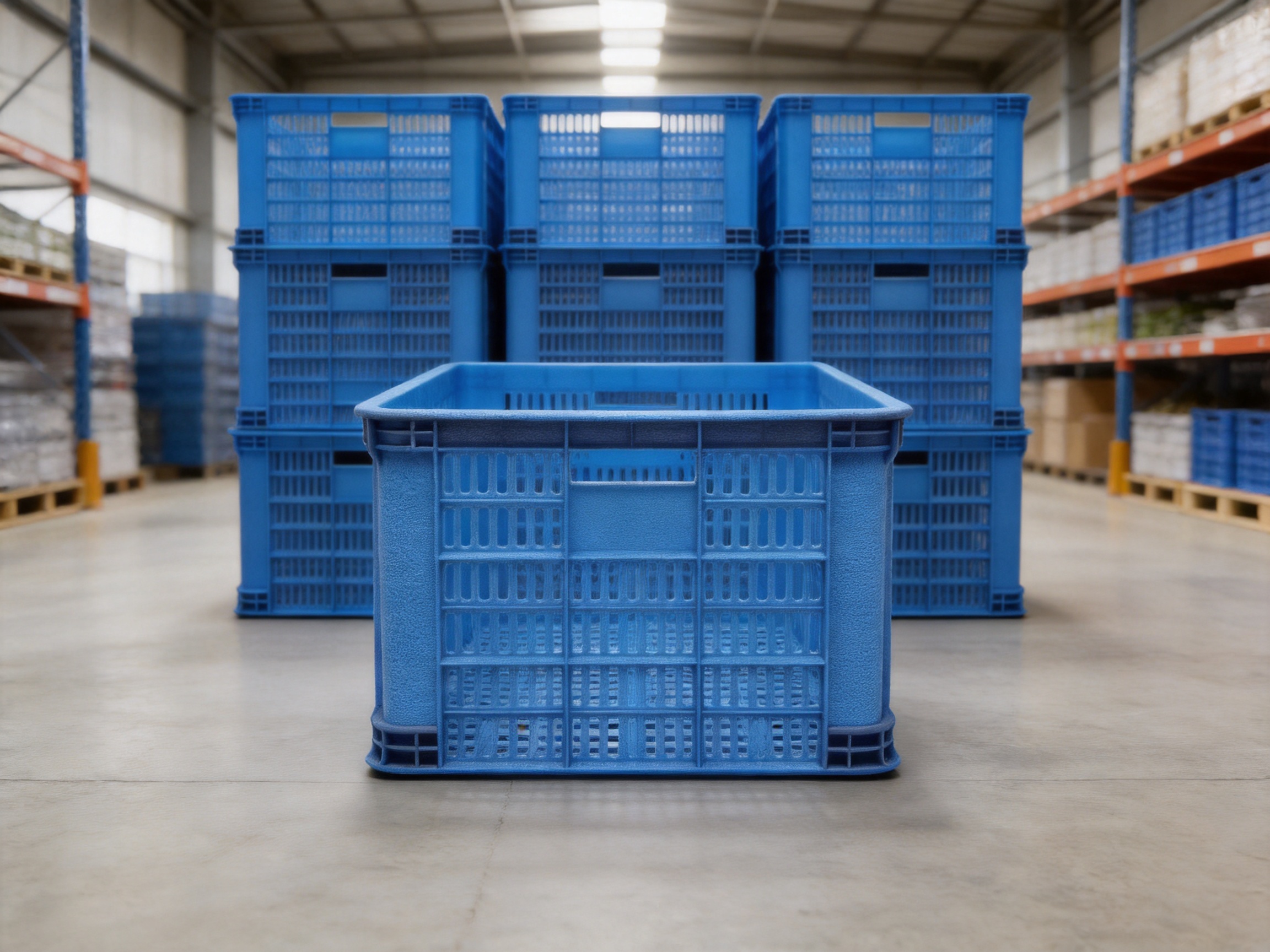
The external footprint measures 610×420mm, with a height of 310mm. These dimensions provide a stable base for stacking and make the crate suitable for organized placement on warehouse floors, shelving systems, pallets, transport vehicles, and distribution workstations. The internal dimensions of 575×390×300mm provide approximately 67 liters of usable storage volume.
Unlike closed plastic bins, the crate uses a fully perforated mesh structure. The openings allow air to circulate through the sides and base, which is especially helpful when storing fresh produce. Ventilation can reduce the buildup of heat and moisture around products and can support more consistent conditions during temporary storage and transportation.
The crate is also designed for repeated handling. It can be moved manually when filled within a suitable working weight and can be integrated into broader warehouse processes involving pallet trucks, carts, racks, conveyors, and delivery vehicles. Its reusable construction helps businesses reduce their dependence on single-use packaging and lower the long-term cost per use.
2. Technical Specifications
The following table summarizes the principal specifications provided for this model.
| Specification | Details |
|---|---|
| Product Type | Stackable plastic crate |
| Model | BG-614231-SC |
| Material | HDPE |
| External Dimensions | 610×420×310mm |
| Internal Dimensions | 575×390×300mm |
| Nominal Capacity | 67L |
| Product Weight | 1.8kg |
| Structure | Fully perforated mesh design |
| Primary Functions | Storage, stacking, internal transport, distribution, and product handling |
| Typical Applications | Fruit and vegetable distribution, warehouses, supermarkets, e-commerce, and cold chain logistics |
The combination of capacity and weight is an important feature. A 67-liter container provides useful volume for commercial operations, yet the empty crate weighs only 1.8kg. This reduces the amount of container weight that employees must move when crates are being collected, cleaned, stored, or redistributed.
Dimensions should always be evaluated together with the intended product and handling method. The nominal capacity is a volume reference rather than a recommendation to exceed safe load limits. Actual loading weight will vary according to the density, shape, moisture content, and packaging of the goods placed inside.
3. Food-Safe HDPE Construction
HDPE, or high-density polyethylene, is widely used in reusable containers because it provides a strong balance of toughness, chemical resistance, low moisture absorption, and practical processing performance. For a crate used in food-related logistics, the material must also be selected and processed with attention to cleanliness, product safety, and consistent quality.
The listed material for the BG-614231-SC is food-safe HDPE. This makes the crate appropriate for many applications involving fruits, vegetables, packaged food products, and other goods that require a reliable, easy-to-clean container. Users should still apply their own hygiene procedures and confirm any application-specific regulatory requirements, especially when the crate will be used for direct food contact or in highly controlled food-processing environments.
HDPE is well suited to returnable logistics because it does not have the same vulnerability to moisture and crushing as conventional corrugated cardboard. A plastic crate can maintain its functional shape through repeated cycles of loading, unloading, stacking, washing, and transportation when it is used within its designed operating conditions.
The material also supports a long service life. A durable crate does not need to be discarded after one delivery cycle, which can help reduce packaging waste and improve the economics of repeated distribution routes. The actual service life will depend on load conditions, temperature, cleaning chemicals, impact levels, handling equipment, and storage practices.
4. Ventilation for Fruits and Vegetables
Fresh fruits and vegetables often require airflow during storage and distribution. Produce can release heat and moisture, and a closed container may restrict circulation. The fully perforated design of this crate allows air to pass through the sides and bottom, helping create a more ventilated environment than a solid-wall container.
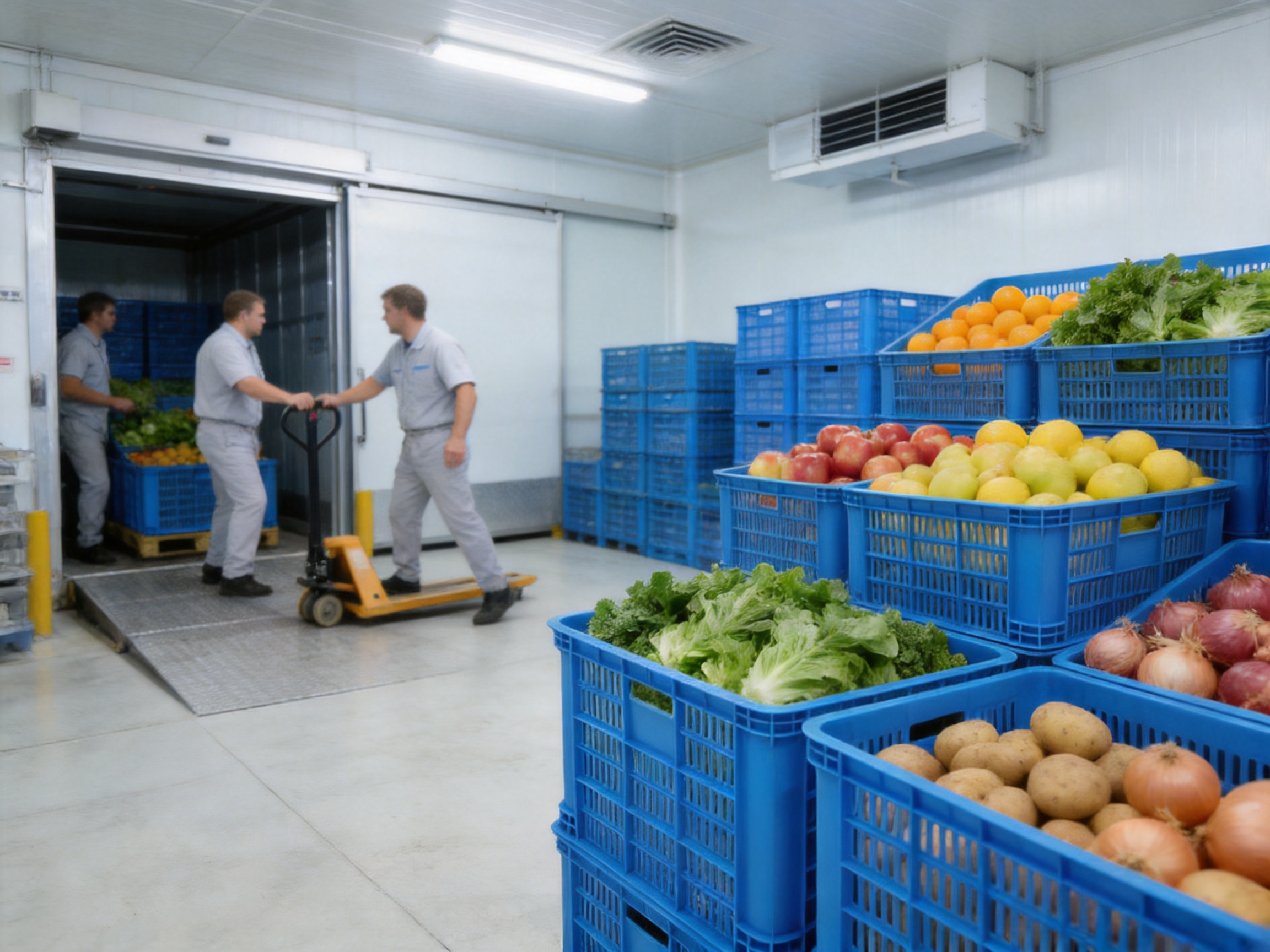
Ventilation is particularly valuable for products such as leafy vegetables, citrus fruit, apples, potatoes, onions, and other produce that may be held temporarily before retail display or further processing. Air movement can support more even cooling and may help reduce localized condensation when the crate is used as part of an appropriate cold chain process.
The crate itself does not replace temperature control, sanitation, or correct produce-handling procedures. It should be used with suitable refrigeration, loading practices, cleaning programs, and stock rotation. However, its perforated structure provides an important physical advantage for operations where airflow is part of the product-protection strategy.
The openings also make it easier for warehouse personnel to see the general contents of a crate without fully opening or unpacking it. This can support faster visual checks, picking, counting, and replenishment. For businesses handling multiple produce varieties, color-coded options and labeling may further improve identification and workflow organization.
67L HDPE Stackable Plastic Crate for Fruits And Vegetables
5. Stackability and Space Utilization
Warehouse space is expensive, and inefficient storage of empty containers can consume a surprising amount of floor area. The stackable structure of the BG-614231-SC allows multiple crates to be placed vertically, helping users reduce the footprint of stored goods and empty packaging.
Vertical stacking can be useful in receiving areas, cold rooms, preparation zones, retail backrooms, and dispatch stations. Instead of spreading containers across the floor, operators can build stable stacks within the available height of the facility. This can improve aisle clearance and make more floor space available for inventory, equipment, or employee movement.
Stackability is also valuable during transportation. When compatible crates are loaded in a planned arrangement, businesses can use vehicle volume more efficiently. Better organization may reduce shifting during movement and can make loading and unloading more systematic. The exact stacking height and load arrangement should be determined by the operator according to the crate condition, product weight, vehicle layout, and workplace safety requirements.
Compared with irregular cartons or non-stackable household containers, standardized crates provide more predictable dimensions. This makes it easier to design storage zones, estimate capacity, establish pallet patterns, and organize return logistics. Standardization is especially useful for companies managing multiple warehouses or distribution locations.
Benefits of Vertical Storage
First, vertical stacking can reduce the floor area required for empty crates. Second, it can improve visual organization by keeping containers in defined groups. Third, it can reduce handling time because employees do not need to search through scattered packaging. Fourth, it can help businesses plan future warehouse expansion based on cubic capacity rather than floor area alone.
These advantages are not limited to large distribution centers. Small retailers, farm cooperatives, restaurant suppliers, and local wholesalers can also benefit from compact stackable storage. In smaller facilities, even modest improvements in vertical utilization can produce meaningful operational gains.
6. Reinforced Design for Repeated Commercial Use
A reusable crate must do more than hold products once. It must tolerate repeated cycles of loading, unloading, stacking, movement, cleaning, and storage. The BG-614231-SC uses a reinforced design intended to provide long-term durability in commercial logistics environments.
Reinforcement helps distribute stress across the crate structure. During stacking, the upper containers transfer weight through designated contact areas. During handling, the crate may experience lifting forces, corner impacts, vibration, or pressure from adjacent containers. A properly engineered structure reduces the risk that these everyday forces will quickly deform the container.
Durability offers both financial and operational benefits. A crate that remains usable for many cycles can lower the average packaging cost per shipment. It can also reduce interruptions caused by broken or misshapen containers. When a business uses a consistent fleet of crates, reliable dimensions make stacking and storage more predictable.
The crate’s 1.8kg empty weight is another practical advantage. Heavy construction does not necessarily need to mean excessive empty weight. By combining a reinforced structure with a relatively light body, the design supports easier collection and repositioning while retaining the characteristics required for commercial use.
As with all plastic products, users should avoid dragging heavily loaded crates over abrasive surfaces, exceeding recommended loads, placing them on unstable stacks, or exposing them to unsuitable chemicals and extreme conditions. Proper handling improves the useful life of the container and protects the goods inside.
7. Advantages Compared with Common Alternatives
Compared with Corrugated Cardboard Cartons
Cardboard cartons are convenient for one-way distribution, but they can lose strength when exposed to moisture, condensation, wet floors, or refrigerated environments. They may also collapse when stacked for long periods, especially if the contents are heavy or the carton is handled repeatedly.
The reusable HDPE crate offers stronger resistance to moisture and repeated handling. Its mesh structure supports airflow, and its stable shape allows more consistent stacking. While the initial purchase cost may be higher than that of a single carton, the crate can be reused over multiple cycles, potentially reducing the cost of packaging over time.
Compared with Solid-Wall Plastic Bins
Solid-wall bins provide protection from dust and external contact, but they restrict airflow. For produce and other goods that benefit from ventilation, a perforated crate may be more appropriate. The open mesh also makes the container lighter in many designs and can make contents easier to identify.
The best choice depends on the application. Solid-wall bins may be preferred for small components, liquids, or products requiring enclosure, while the BG-614231-SC is especially suited to ventilated storage and transport.
Compared with Non-Stackable Containers
Non-stackable containers can waste valuable floor area and create unstable storage arrangements. A stackable crate provides a more organized way to use vertical space. This can be particularly important in facilities where floor area is limited or where storage demand changes seasonally.
Compared with Low-Grade Consumer Storage Boxes
Household storage boxes are often designed for occasional use rather than continuous commercial handling. They may lack reinforced stacking points, standardized dimensions, suitable ventilation, and the durability required by warehouses or distribution networks.
The BG-614231-SC is positioned as a professional logistics container. Its dimensions, material specification, capacity, mesh construction, and stackable format are intended to support structured commercial workflows rather than casual household storage.
8. Applications Across the Supply Chain
Fruit and Vegetable Distribution
Produce wholesalers and agricultural distributors can use the crate for harvesting support, temporary holding, order preparation, and delivery. The ventilated structure helps maintain airflow, while the large capacity allows operators to consolidate suitable products into manageable units.
For mixed-product operations, businesses may use different colors to distinguish product categories, destinations, quality grades, or processing stages. Color coding can reduce sorting errors and make visual management easier.
Supermarkets and Retail Backrooms
Supermarkets require storage containers that can move efficiently from receiving docks to backrooms and sales areas. A stackable crate can help organize replenishment inventory and reduce the amount of loose packaging in retail support spaces.
Because the crate can be reused, it may support a returnable system between distribution centers, stores, suppliers, and processing facilities. Retail employees can also benefit from the crate’s manageable weight and accessible structure during restocking activities.
E-Commerce Fulfillment Centers
E-commerce facilities handle large volumes of products and depend on standardized containers for order picking, sorting, staging, and returns. Although the BG-614231-SC is particularly suitable for ventilated goods, its large internal dimensions can also support selected categories of packaged products when the open design is appropriate.
Stackable crates can help define work-in-progress zones and reduce clutter around packing stations. Their reusable format may be useful for internal transfers between receiving, storage, picking, and dispatch areas.
Cold Chain Distribution
Cold chain logistics require careful control of temperature, airflow, sanitation, and handling time. The crate’s perforated walls and base can support air circulation during chilled storage and transportation. Its HDPE construction is also more suitable for damp environments than many paper-based alternatives.
Operators should combine the crate with validated refrigeration procedures and cleaning protocols. The container supports the cold chain; it does not independently provide refrigeration or guarantee product temperature compliance.
Warehousing and Manufacturing
Warehouses can use the crate for component staging, internal material transfer, picking operations, and organized storage. Manufacturing facilities may use it for raw materials, work-in-progress items, spare parts, or finished products that require ventilation and easy access.
Its standardized dimensions make it easier to integrate into broader warehouse planning. Depending on the facility, the crate may be placed on pallets, carts, shelving, or designated floor stacks. Compatibility should be confirmed before use with automated equipment or specialized racking systems.
9. Manufacturing Process and Quality Control
Product performance begins with manufacturing consistency. A plastic crate must maintain stable dimensions, uniform wall structure, reliable stacking interfaces, and a clean surface finish from batch to batch. Inconsistent production can create problems such as uneven stacking, poor fit, cracking, excessive flash, or unreliable load distribution.
The supplied manufacturing information emphasizes strict quality control at every stage. This includes control from raw material sourcing through production and inspection. A process-based quality system is important because it addresses potential problems before finished goods reach the customer.
Material Selection and Preparation
The product specification identifies HDPE as the material for this model. Material preparation is an important first step because moisture, contamination, incorrect blending, or inconsistent additives can affect the quality of the finished crate. Controlled sourcing and suitable material handling help maintain repeatable processing performance.
The company’s general production information also refers to the use of virgin polymer material and strict raw-material controls. Since the product specification for this crate identifies HDPE, purchasers should confirm the exact resin grade, recycled-content policy, colorant requirements, and food-contact documentation when these details are important to a particular application.
Molding and Forming
Plastic crates are typically produced through an industrial molding process in which prepared polymer is shaped under controlled temperature and pressure. The mold determines the external dimensions, internal volume, mesh openings, stacking areas, and reinforcement features.
Consistent molding is essential for a stackable product. Small dimensional variations can affect the way crates align, how weight is transferred through a stack, and whether the containers fit efficiently on pallets or in storage areas. Production controls therefore need to address both the visual appearance and the functional geometry of the crate.
Dimensional Inspection
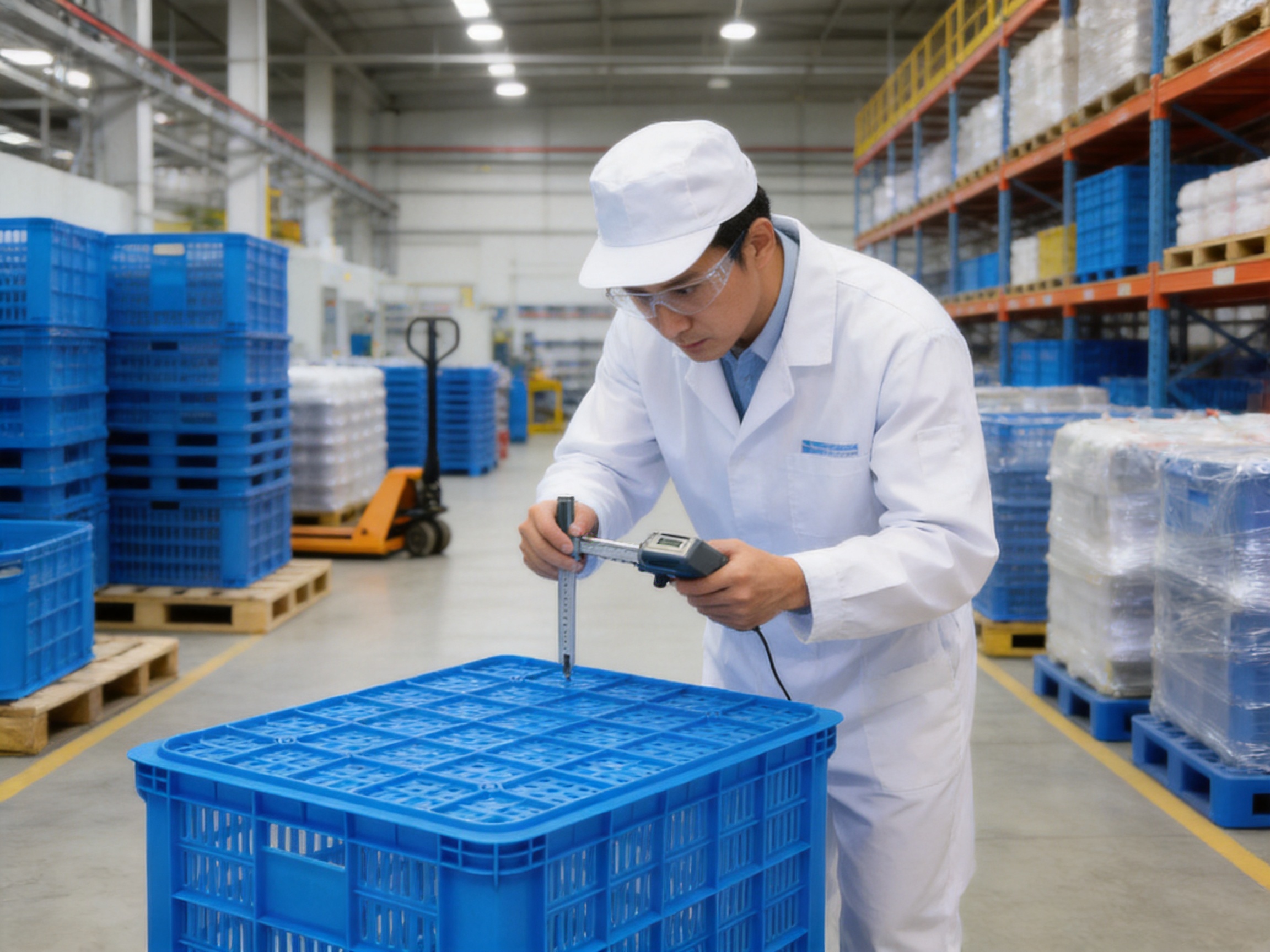
Inspection may include checking length, width, height, internal dimensions, weight, mesh condition, and structural features. Measuring finished products against defined specifications helps identify process drift and supports consistent performance across production batches.
Weight inspection can also provide a useful indication of material consistency, although weight alone is not a substitute for structural testing. A crate may meet a target weight while still having defects in particular areas, so visual inspection and functional checks remain important.
Visual and Structural Checks
Quality personnel can inspect crates for cracks, incomplete molding, sharp edges, deformation, blocked perforations, surface defects, and other conditions that may affect use. Structural checks may focus on stacking surfaces, corners, lifting areas, and the base, which are exposed to repeated stress.
Strict inspection at multiple stages is more effective than relying only on a final visual check. It allows manufacturers to identify recurring issues, improve process settings, and reduce the chance of inconsistent products reaching customers.
Standardized Production Procedures
The company describes its production as following streamlined and standardized processes. Standardization is valuable for international customers because it supports repeat orders with more predictable specifications. It also makes it easier for distributors and end users to establish standardized operating procedures for cleaning, stacking, labeling, and return handling.
For businesses purchasing large quantities, standardized production can simplify fleet management. A consistent crate population is easier to stack, count, store, and replace than a mixture of containers with different dimensions and load characteristics.
10. Manufacturing Strengths of the Supplier
The supplier, Yancheng Bingo Machinery Equipment Co., Ltd., operates within the broader warehousing and logistics equipment sector. Its product range covers handling equipment, storage containers, packaging materials, and warehouse racks. This wider portfolio is important because customers may need more than one type of logistics product when developing or upgrading a facility.
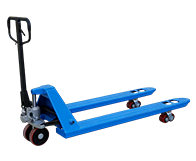
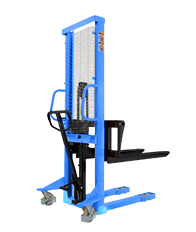
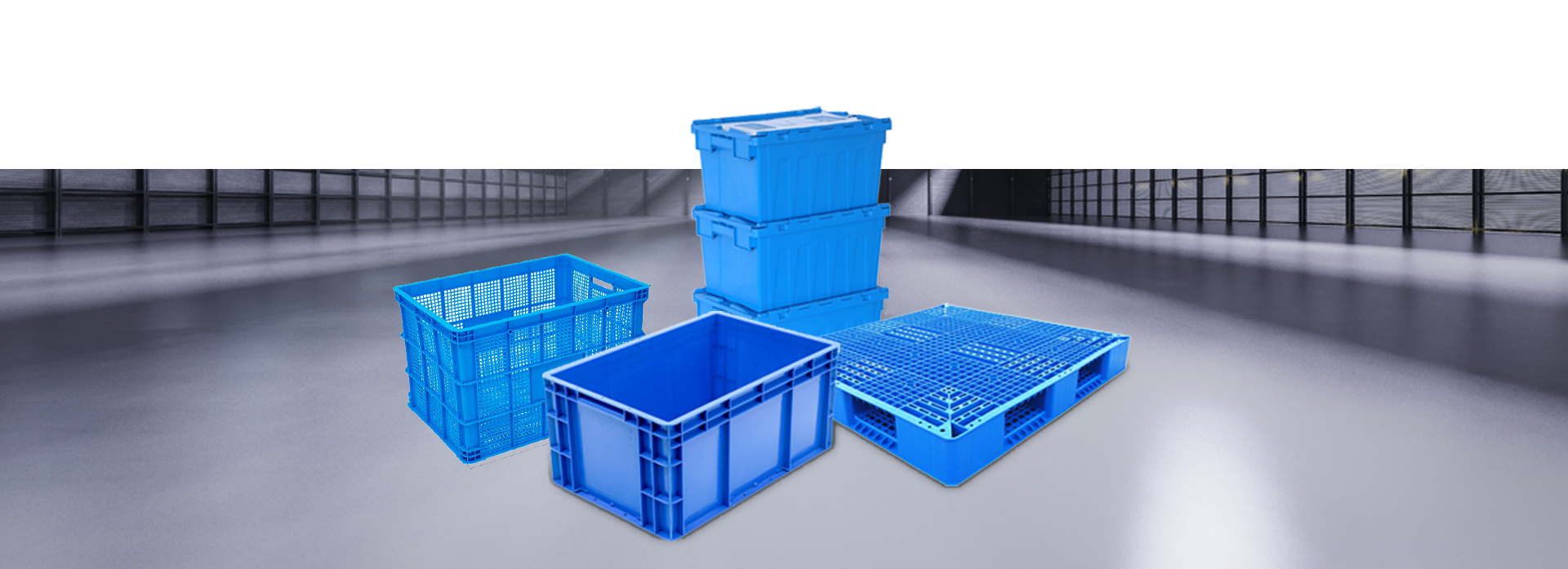
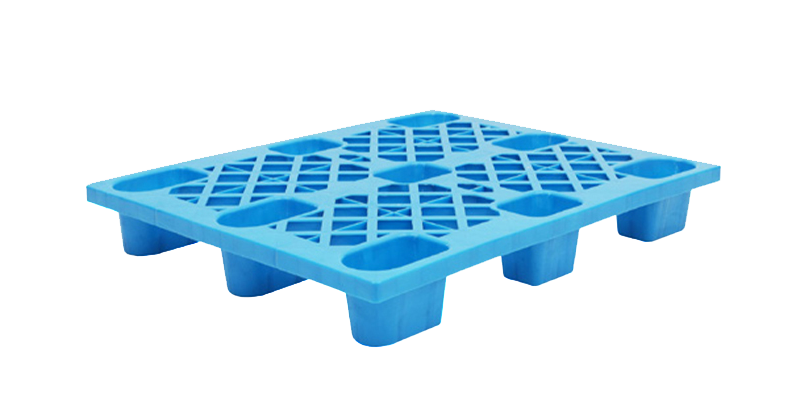
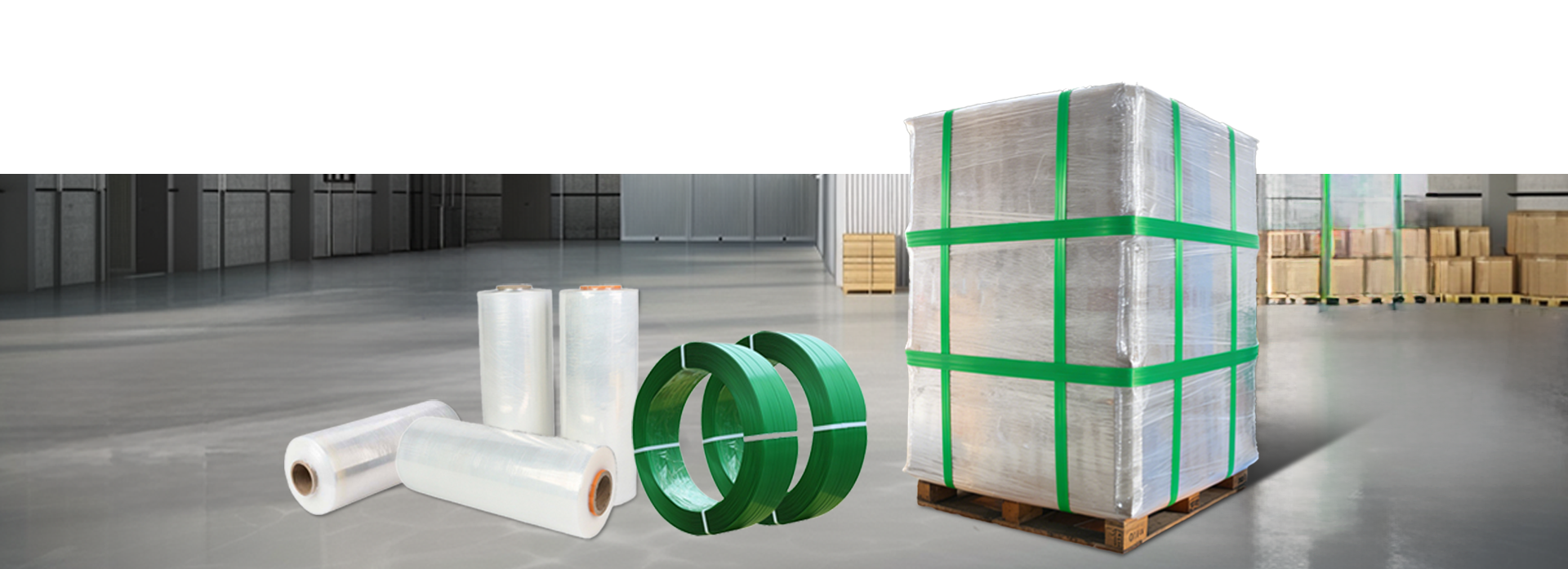
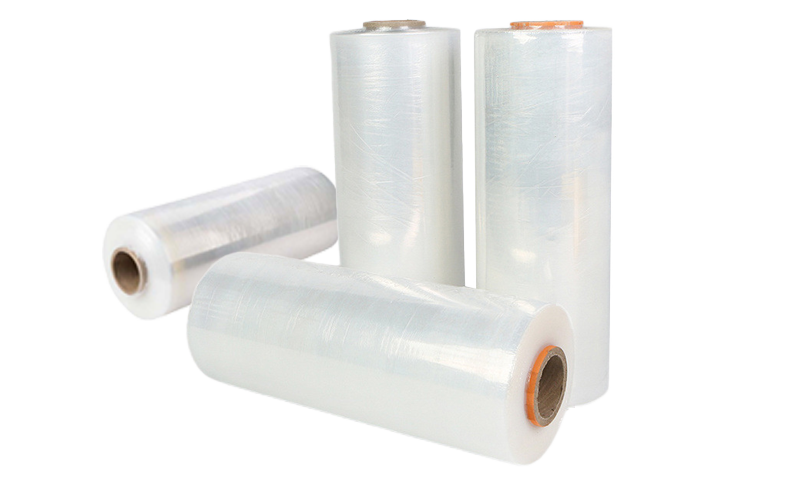
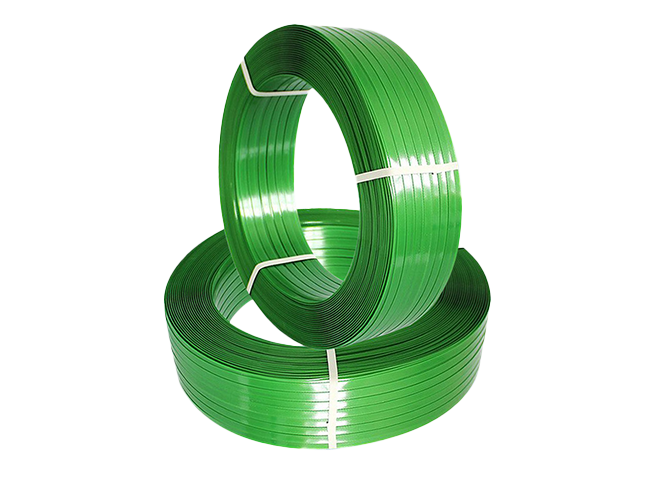
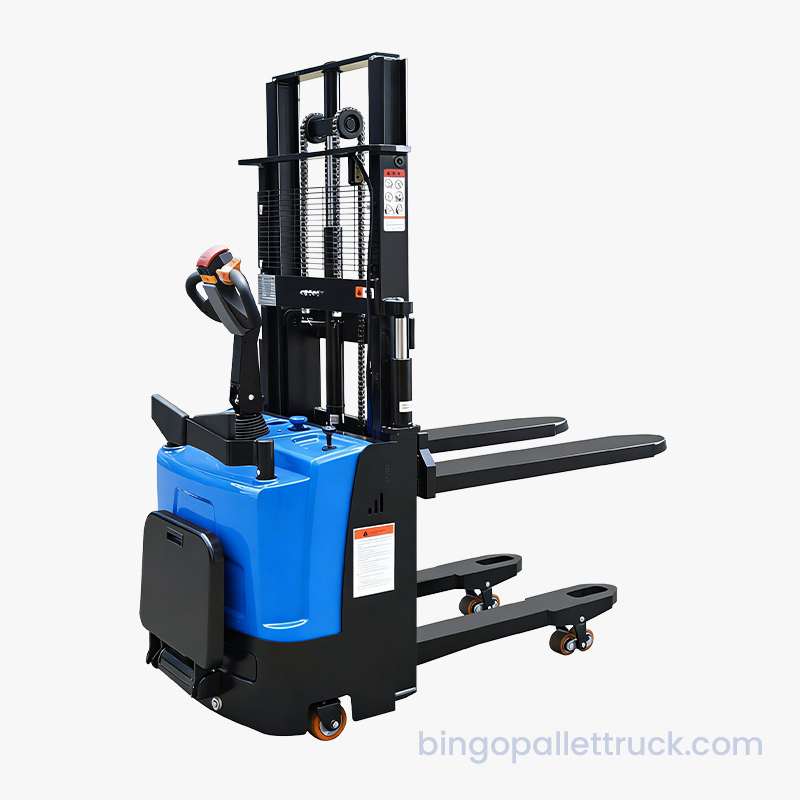
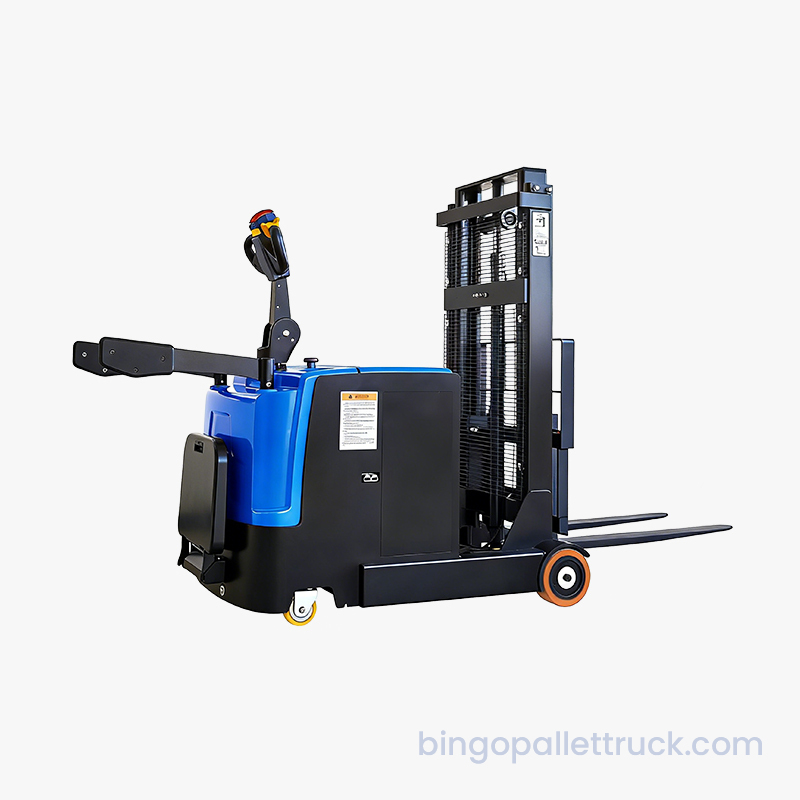
Its storage container line includes plastic pallets, plastic totes, crates, and bulk containers. This product coverage allows buyers to consider compatible container systems rather than sourcing every item from unrelated suppliers. The company also offers manual and electric pallet trucks and stackers, as well as packaging products such as stretch wrap and packing strapping.
A supplier with experience across these categories can better understand how containers interact with handling and storage equipment. For example, crate dimensions influence pallet utilization, rack planning, manual handling, staging, and transportation. An integrated supplier may be able to help customers evaluate these relationships more efficiently.
The company emphasizes quality as a core value and describes a supply chain supported by inspection procedures. Its stated customer industries include manufacturing, e-commerce logistics, warehousing and distribution, and supermarket retail. These sectors require practical, scalable, and cost-conscious products rather than equipment designed only for isolated use.
The company also presents itself as a global supplier serving customers in different markets. International customers may benefit from discussing product specifications, colors, packaging, documentation, delivery schedules, and customization requirements before placing an order.
11. Customization and Product Identification
The supplied product information indicates that multiple colors, full specifications, and customization are available. Color selection can be useful for operational control. For example, a warehouse may assign one color to inbound goods, another to outbound goods, and additional colors to different departments or customers.
Color coding can help employees identify the correct container quickly and can support visual inventory management. It may also assist with separating food categories, cleaning status, production stages, or destination routes. The specific color system should be designed around the company’s workflow and documented so that all employees apply it consistently.
Customization may include color, marking, labeling, or other product details, depending on production capability and order quantity. Buyers should confirm which options are available, whether customization affects lead time, and whether samples or drawings can be reviewed before mass production.
For international projects, it is also useful to confirm packaging configuration, pallet quantity, container loading method, product tolerances, and inspection requirements. These details can influence freight efficiency and total landed cost.
12. Warehouse Efficiency and Total Cost of Ownership
The purchase price of a crate is only one part of its economic value. A more useful evaluation considers total cost of ownership, including service life, handling time, storage space, replacement frequency, cleaning, return logistics, and transport utilization.
The reusable design can reduce the need for repeated purchases of disposable cartons. The stackable shape can improve space utilization, while the relatively light empty weight can make container collection and repositioning less labor-intensive. The perforated body may also reduce the need to transfer produce into separate ventilated containers.
Businesses should measure these benefits against their actual operation. Useful metrics include the number of trips per crate, damage rate, average loading time, empty-container storage area, cleaning cost, return rate, and packaging cost per delivered unit.
A well-managed reusable crate system can also improve accountability. Crates can be counted at receiving and dispatch points, assigned to routes or customers, and inspected before recirculation. This creates better visibility than a disposable packaging model in which containers disappear after delivery.
Where crates are used in large numbers, a return system is essential. The organization should define who owns the containers, how they are collected, where they are cleaned, and how damaged units are removed from service. These procedures help preserve the benefits of reusable packaging.
13. Hygiene, Cleaning, and Maintenance
Reusable food-related crates require a clear hygiene program. Cleaning frequency should reflect the products handled, the level of contamination, the storage environment, and applicable regulatory requirements. The perforated structure can make it easier to rinse away loose material, but all surfaces should still be inspected after cleaning.
Users should select cleaning agents and water temperatures that are compatible with HDPE and with their sanitation procedures. Strong chemicals, prolonged exposure to unsuitable substances, or extreme heat may affect some plastic products. A written cleaning instruction should be developed and validated by the operating company.
Crates should be checked regularly for cracks, broken mesh sections, sharp edges, severe deformation, or other damage. Damaged containers should be removed from circulation until they are repaired or replaced. This protects workers and reduces the possibility of product damage.
When empty, crates should be stacked on stable, level surfaces. They should not be placed in unstable towers or stored where they may fall into aisles. In cold environments, operators should consider the effect of low temperatures on impact resistance and avoid unnecessary impacts when the material is chilled.
14. Safe Handling Recommendations
Employees should use correct lifting techniques and avoid carrying loads that exceed workplace guidelines. Although the empty crate weighs only 1.8kg, the total weight can become substantial when filled with dense products. Actual safe handling limits should be determined by the contents, employee capability, lifting frequency, and local safety rules.
Stacked crates should be placed on a level surface and aligned correctly. Overhanging stacks, uneven floors, damaged crates, and excessive height can create instability. If crates are moved on a pallet truck or cart, the load should be secured and the route should be clear.
Operators should also consider the difference between static stacking and dynamic movement. A stack that is stable while stationary may behave differently when pushed, pulled, lifted, or transported. Procedures should therefore specify how many crates may be stacked during storage and how many may be moved together.
Where the crate is used with warehouse racks, conveyors, automated systems, or pallet-handling equipment, compatibility must be checked in advance. The dimensions listed for the crate provide a starting point, but the complete system must account for clearances, load ratings, contact surfaces, and operating speeds.
15. Purchasing Considerations for International Buyers
Before ordering, buyers should confirm the product model, material, dimensions, capacity, weight, color, and intended application. The model number BG-614231-SC should be included in quotations, purchase orders, and technical communications to avoid confusion with similar crate designs.
Food-related users should request the relevant material and compliance documentation required for their market. They should also confirm whether the crate is intended for direct food contact, indirect contact, agricultural handling, or general warehouse use. Requirements can vary according to country, product category, and distribution environment.
Buyers should ask about minimum order quantities, available colors, customization options, sample approval, production lead time, packaging method, loading quantity, and shipping terms. For large projects, a pre-production sample or first-article inspection can help confirm that the delivered product matches the operational requirement.
It is also wise to evaluate the complete operating cycle. A business should estimate how many crates are needed for goods in transit, goods in storage, containers being cleaned, empty containers being returned, and a reserve quantity for peak demand or damage replacement.
Supplier communication is especially important when the crates will be used alongside pallets, racks, material-handling equipment, or automated warehouse systems. Sharing layout drawings and handling requirements can help identify potential fit or workflow issues before mass deployment.
16. Why Standardization Matters in Logistics
Standardized containers create a common physical language within a supply chain. When crates have consistent dimensions and predictable stacking behavior, employees can organize them more quickly and managers can plan storage capacity with greater confidence.
Standardization also reduces training complexity. Workers do not need to learn different handling methods for every container type. Labels, color systems, cleaning instructions, and inspection criteria can be applied across a defined fleet.
For companies operating multiple sites, standardized crates can move between locations without requiring new storage arrangements at every facility. This supports network-wide compatibility and can simplify procurement, replacement, and inventory management.
The BG-614231-SC can form part of such a standardized system. Its dimensions are suitable for structured stacking, its capacity is practical for many commercial product categories, and its reusable HDPE construction supports repeated logistics cycles.
17. Environmental and Operational Benefits of Reuse
Reusable packaging can support waste-reduction goals by replacing some single-use cartons, bags, and temporary containers. The environmental benefit depends on how many times the crate is reused, how efficiently it is transported, how it is cleaned, and how it is managed at the end of its service life.
A reusable crate system works best when containers are returned efficiently and kept in circulation. If crates are frequently lost, transported empty over long distances, or discarded prematurely, some of the potential benefits are reduced. Businesses should therefore combine durable products with clear return and maintenance procedures.
Operational efficiency and environmental performance can support each other. Better stacking can reduce wasted warehouse space, improved ventilation can reduce unsuitable packaging transfers, and longer service life can reduce the frequency of replacement purchases. These benefits should be assessed using actual operating data.
At the end of its service life, the crate should be handled according to local recycling and waste-management practices. Buyers may wish to discuss material identification and recycling expectations with their supplier when establishing a long-term container program.
18. Recommended Use Cases
The crate is particularly well suited to businesses that need a combination of ventilation, stacking, durability, and reusable handling. Produce wholesalers, supermarket distribution centers, agricultural cooperatives, and cold chain operators are natural users.
It can also serve as a general logistics container in manufacturing, warehousing, and e-commerce environments when the open mesh structure is appropriate. Its usefulness is greatest where containers are moved repeatedly through defined routes rather than used once and discarded.
For delicate products, users should evaluate the mesh opening size and internal layout before purchase. Dividers, liners, or secondary packaging may be required for small, fragile, or highly sensitive items. The crate provides the main structural container, but the final packaging configuration should reflect the characteristics of the product being transported.
19. Frequently Asked Questions
What is the capacity of the crate?
The nominal capacity is 67 liters. The internal dimensions are 575×390×300mm, while the external dimensions are 610×420×310mm.
What material is used for this model?
The listed material is food-safe HDPE, or high-density polyethylene. Buyers with specific food-contact or regulatory requirements should request the documentation appropriate to their market and application.
Is the crate suitable for fruits and vegetables?
Yes. Its fully perforated mesh design promotes ventilation, and the 67-liter capacity is suitable for many produce-handling operations. Users should combine it with appropriate sanitation, temperature control, and product-loading procedures.
Can the crates be stacked?
Yes. The product is designed as a stackable plastic crate. Operators should stack crates on stable, level surfaces and follow safe limits based on the product load, crate condition, and handling method.
How much does an empty crate weigh?
The specified empty weight is 1.8kg. The total handling weight will depend on the products placed inside.
Can different colors be supplied?
The product information indicates that multiple colors are available. Color options, minimum quantities, and customization details should be confirmed before ordering.
Can the crate be used in cold chain logistics?
It is suitable for many cold chain handling applications because the mesh structure supports airflow and HDPE is appropriate for damp logistics environments. The crate does not provide cooling itself and must be used together with validated refrigeration and sanitation procedures.
Is the crate suitable for automated warehouse systems?
It may be suitable for selected systems, but compatibility must be checked in advance. Buyers should confirm dimensions, clearances, load requirements, conveyor contact points, and equipment operating conditions.
How should the crate be cleaned?
Cleaning procedures should be based on the products handled and the applicable hygiene requirements. Use cleaning agents, temperatures, and methods that are compatible with HDPE, and inspect all mesh and structural areas after cleaning.
What is the product model number?
The model number is BG-614231-SC. Including this reference in procurement documents helps ensure that the correct product is quoted and supplied.
Can the supplier provide other logistics equipment?
Yes. The supplier’s product range includes handling equipment such as pallet trucks and stackers, storage containers such as pallets, totes, crates, and bulk containers, packaging materials, and warehouse racks. This may support customers seeking coordinated logistics solutions.
What should buyers confirm before placing a large order?
Buyers should confirm material documentation, dimensions, capacity, colors, customization, minimum order quantity, packaging, production lead time, inspection arrangements, shipping terms, and compatibility with existing storage and handling equipment.
20. Conclusion
The 67L HDPE Stackable Plastic Crate, model BG-614231-SC, is a practical reusable container for businesses that need dependable storage and transport performance. Its 610×420×310mm external size, 575×390×300mm internal size, 67-liter capacity, and 1.8kg empty weight provide a useful balance between volume and handling convenience.
Its strongest advantages are the food-safe HDPE construction, fully perforated ventilation design, reinforced structure, stackable format, and suitability for repeated commercial use. These features make it a strong alternative to moisture-sensitive cardboard cartons, poorly ventilated solid bins, and non-standard containers that waste warehouse space.
The crate is suitable for fruit and vegetable distribution, supermarkets, e-commerce fulfillment, cold chain operations, warehouses, manufacturing facilities, and other structured logistics environments. Its value becomes even greater when it is integrated into a complete returnable-container program with defined cleaning, inspection, stacking, tracking, and replacement procedures.
Manufacturing consistency is equally important. The supplier’s emphasis on controlled material sourcing, standardized production, inspections at every stage, and a broad logistics-equipment product range provides a foundation for reliable supply and coordinated purchasing. Customers should still confirm all application-specific requirements, documentation, tolerances, and compatibility details before deployment.
For organizations seeking to improve product protection, warehouse organization, airflow, reusable packaging, and vertical space utilization, this stackable plastic crate offers a cost-effective foundation for a more efficient material-handling system.
References
1. Product specification sheet for the BG-614231-SC 67L HDPE Stackable Plastic Crate.
2. General principles of reusable transport packaging and returnable logistics systems.
3. Industry guidance concerning the handling, storage, and transportation of fresh fruits and vegetables.
4. General warehouse safety principles for stacking, lifting, pallet handling, and material movement.
5. Polymer material information concerning high-density polyethylene properties and common logistics-container applications.
6. Supplier-provided manufacturing and quality-control information concerning standardized production, material sourcing, and inspection procedures.
Product: 67L HDPE Stackable Plastic Crate for Fruits And Vegetables

Copyright @ Yancheng Bingo Machinery Equipment Co., Ltd. All rights reserved Warehouse Logistics Equipment Manufacturer Pallet Truck Supplier
