 en
en  Español

107-Liter Heavy-Duty Stackable Plastic Crate for Modern Warehouse Distribution
Efficient storage and distribution depend on dependable containers. In warehouses, supermarkets, manufacturing plants, fulfillment centers, and transport operations, a crate must do more than hold products. It must protect contents, support repeated handling, use available space efficiently, remain stable when stacked, and provide consistent performance throughout its service life. The BG-674840B-SC 107-liter stackable plastic crate is designed around these practical requirements.
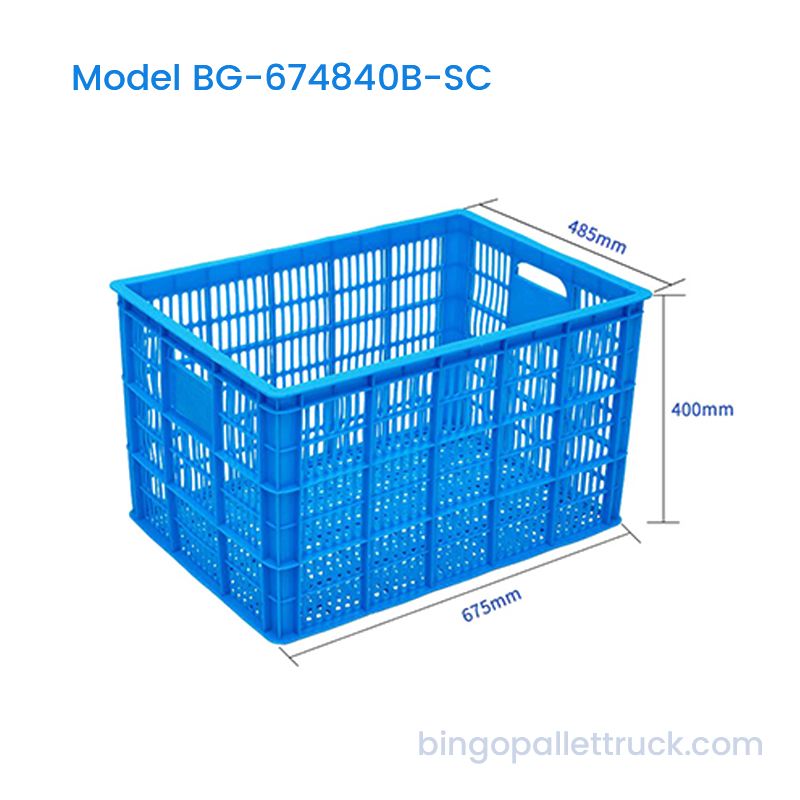
With external dimensions of 675 × 485 × 400 mm, internal dimensions of 635 × 435 × 390 mm, and a net weight of 2.7 kg, this reinforced HDPE crate provides a substantial storage volume while remaining practical for manual handling. Its fully perforated mesh construction promotes ventilation and product visibility, while its reinforced rib structure improves rigidity and load-bearing performance. Integrated handles support easier lifting, positioning, and movement during warehouse operations.
The crate is intended for high-load industrial logistics applications, including supermarket distribution, warehouse storage, manufacturing supply chains, agricultural handling, e-commerce fulfillment, and general material movement. Its reusable construction supports organized operations and can help reduce the dependence on single-use packaging. The stackable format also makes it possible to use vertical storage space more effectively than loose cartons, open bags, or poorly standardized containers.
Manufactured and supplied by Yancheng Bingo Machinery Equipment Co., Ltd., the crate forms part of a broader product portfolio covering material handling equipment, storage containers, packaging materials, and warehouse racking. The company’s integrated approach allows customers to source multiple components of a logistics system from one supplier, including pallet trucks, stackers, plastic pallets, totes, crates, bulk containers, stretch wrap, strapping, and storage racks.
This article examines the design, performance advantages, manufacturing considerations, operating applications, and purchasing value of the BG-674840B-SC crate. It also explains how its structure compares with common alternative containers and how strict production controls can support consistent quality in demanding distribution environments.
107L Sturdy HDPE Stackable Plastic Crate for Supermarket Distribution
Content
- 1 Product Overview and Core Specifications
- 2 High-Density Polyethylene Construction
- 3 Reinforced Structure for High-Load Logistics
- 4 Fully Perforated Mesh Design
- 5 Stackability and Vertical Space Utilization
- 6 Integrated Handles and Handling Efficiency
- 7 Advantages Over Common Alternative Containers
- 8 Applications Across Multiple Industries
- 9 Manufacturing Process and Quality Assurance
- 10 Company Capabilities and Integrated Supply Strength
- 11 Customization and Identification Options
- 12 Operational Best Practices
- 13 Supply, Inventory, and Project Procurement
- 14 Sustainability and Reusable Packaging Value
- 15 How to Evaluate the Crate Against Competitors
- 16 Q&A
- 16.1 What is the capacity of the BG-674840B-SC crate?
- 16.2 What material is used to manufacture the crate?
- 16.3 Is the crate suitable for stacking?
- 16.4 What are the main advantages of the perforated design?
- 16.5 Can the crate be used for supermarket distribution?
- 16.6 Is the crate suitable for industrial use?
- 16.7 Can the crate be customized?
- 16.8 How much does the empty crate weigh?
- 16.9 Can the crate be used with forklifts or pallet trucks?
- 16.10 Is HDPE suitable for food-related applications?
- 16.11 How should the crate be cleaned?
- 16.12 What industries can use this crate?
- 16.13 What should buyers confirm before ordering?
- 17 Conclusion
- 18 References
- 19 Product: 107L Sturdy HDPE Stackable Plastic Crate for Supermarket Distribution
Product Overview and Core Specifications
The BG-674840B-SC is a large-format, stackable plastic crate with a nominal capacity of 107 liters. Its external footprint measures 675 × 485 mm, and its height is 400 mm. The internal dimensions are 635 × 435 × 390 mm. These dimensions provide a spacious interior while maintaining a footprint that can be integrated into warehouse lanes, pallet layouts, shelving systems, and transport workflows.
| Specification | Details |
| Product type | Stackable plastic crate |
| Model | BG-674840B-SC |
| Material | High-density polyethylene, or HDPE |
| External dimensions | 675 × 485 × 400 mm |
| Internal dimensions | 635 × 435 × 390 mm |
| Nominal capacity | 107 liters |
| Net weight | 2.7 kg |
| Construction | Reinforced rib structure with fully perforated mesh sides and base |
| Handling features | Integrated handles suitable for manual handling and logistics operations |
| Primary applications | Warehouse storage, supermarket distribution, heavy-load logistics, manufacturing, and reusable transport |
The difference between external and internal dimensions reflects the wall thickness, structural ribs, handle areas, and reinforcing features required for durability. These elements occupy some space, but they are essential to maintaining structural stability when crates are loaded, stacked, moved, and subjected to repeated operational forces.
A 107-liter volume is suitable for many distribution tasks that require more capacity than a small tote but less bulk than a large pallet box. The crate can accommodate packaged goods, components, produce, supplies, cartons, and other products that benefit from ventilation and visual identification. Its large format can reduce the number of containers needed for a given product flow, potentially simplifying picking, replenishment, and internal transport.
High-Density Polyethylene Construction
The crate is manufactured from high-density polyethylene, commonly known as HDPE. HDPE is widely used in industrial containers because it combines impact resistance, relatively low weight, chemical resistance, and suitability for repeated use. Its balance of strength and weight makes it practical for logistics applications where containers may be lifted many times each day.
Compared with fragile materials, HDPE offers a useful degree of resilience against ordinary impacts that occur during loading, unloading, stacking, and warehouse movement. A plastic crate can be placed on a conveyor, pallet, floor, or rack without the same risk of splintering or corrosion associated with certain alternative materials. It is also less vulnerable to moisture than paper-based packaging.
The material’s durability is particularly valuable in reusable distribution systems. A disposable carton may be suitable for a single shipment, but repeated handling can lead to crushed corners, weakened bases, torn walls, and loss of shape. A reinforced HDPE crate is intended to maintain its functional form through many handling cycles, helping businesses establish more consistent returnable packaging programs.
Material selection alone does not determine performance. The final result depends on resin quality, wall geometry, rib design, molding consistency, cooling control, dimensional accuracy, and inspection procedures. This is why the manufacturing process and quality control system are important complements to the HDPE specification.
Reinforced Structure for High-Load Logistics
The crate incorporates a multi-layer reinforced rib structure. Ribs are formed into the walls and base to increase rigidity without requiring the entire container to be made from a solid, excessively thick section. This approach can improve the relationship between strength and weight, allowing the crate to remain manageable while supporting demanding warehouse work.
Reinforcement is important because a container is exposed to several different types of force. The base must support the weight of the contents. The sidewalls must resist outward pressure from the load. The upper rim must help transfer weight when crates are stacked. Corners must tolerate impact and alignment forces. Handles must remain stable when the crate is lifted. A well-designed rib network distributes these stresses across a broader area rather than concentrating them at isolated points.
In a stacked configuration, the load path should be transferred through the stronger perimeter and reinforced areas of the crate. This helps reduce the risk of wall deformation and improves the stability of the overall column. In practical terms, the crate is designed not merely as an open container, but as a structural unit that works with other identical units in a vertical storage system.
The reinforced design also supports more reliable use during transport. When a crate is moved on a pallet truck, trolley, conveyor, or forklift-compatible logistics platform, uneven floors and acceleration can create shifting forces. Rigid walls and a stable base help the container retain its shape and keep the contents better contained.
Actual safe working loads can vary according to the type of contents, stacking height, temperature, handling method, and duration of storage. Buyers should confirm application-specific load requirements with the supplier before final selection. Nevertheless, the heavy-duty design intent of the BG-674840B-SC makes it more suitable for demanding operations than thin-wall consumer storage boxes or lightweight household containers.
Fully Perforated Mesh Design
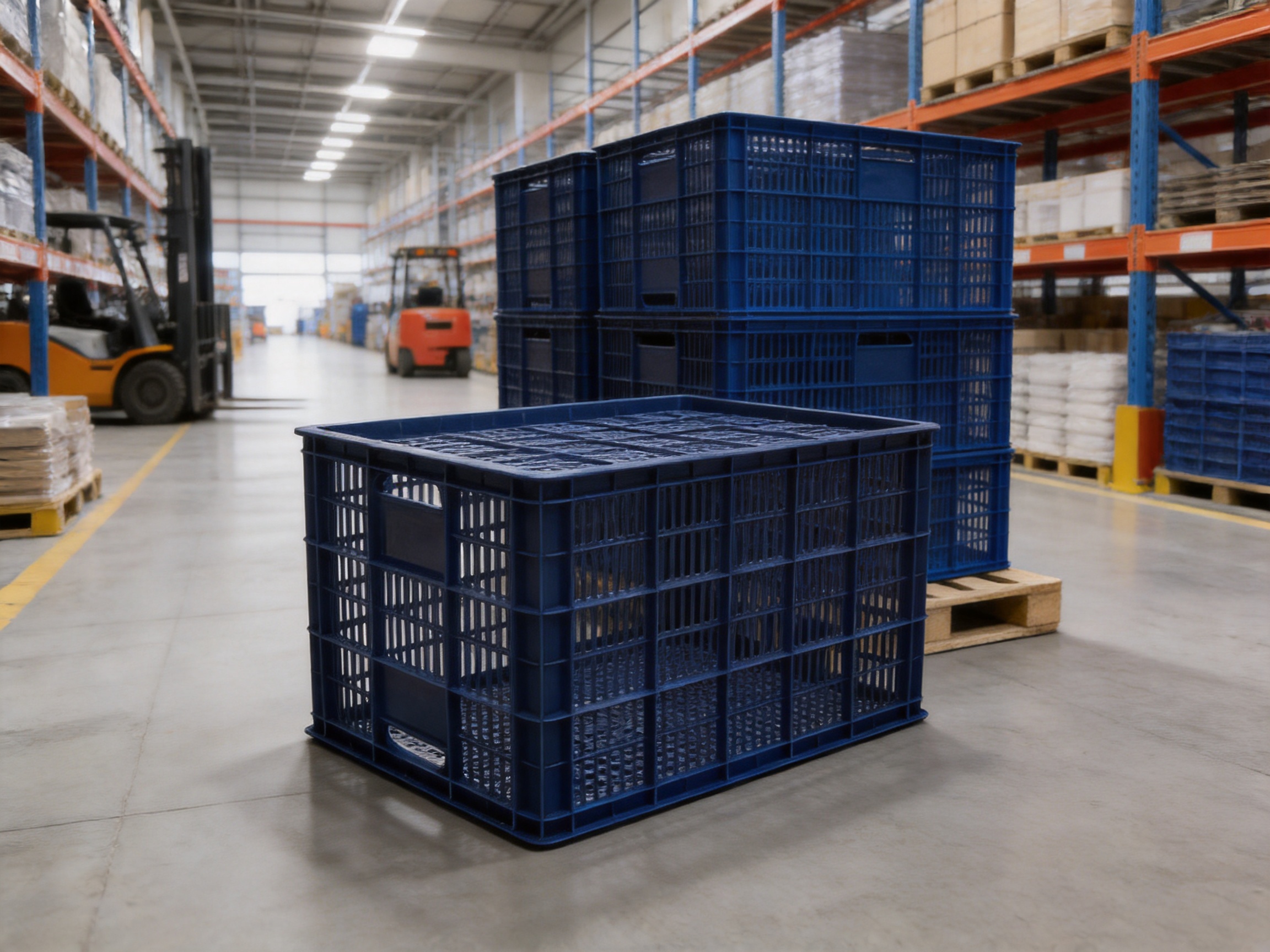
The fully perforated mesh design is one of the crate’s most important functional features. Openings in the sidewalls and base allow air to circulate through the container. This ventilation can be valuable when handling fresh produce, food-related products, components that need airflow, or goods that may be affected by trapped heat and moisture.
Ventilation also improves visibility. Warehouse staff can identify the general condition and type of contents without completely opening or unloading the container. In supermarket distribution, visible products can support faster sorting and replenishment. In manufacturing, mesh walls can make it easier to locate components, work-in-process materials, and returnable parts.
Perforation reduces the amount of material required compared with a fully solid-wall crate. It can also reduce the crate’s visual and physical bulk. However, a mesh design must be engineered carefully. The openings need to be balanced with the surrounding ribs so that ventilation does not compromise the strength of the walls or base. The BG-674840B-SC combines open mesh areas with structural reinforcement to support this balance.
The perforated base can also help prevent certain materials from remaining in contact with pooled water or loose debris. In suitable environments, this may make cleaning and drying more convenient. Cleaning procedures should always be selected according to the goods handled, local hygiene requirements, and the properties of the cleaning agents used.
Mesh crates are not ideal for every product. Very small loose items may require an inner liner, bag, tray, or secondary container to prevent them from passing through openings. Fine powders, liquids, and products requiring a sealed atmosphere may be better suited to closed containers. For ventilated, visible, and reusable logistics applications, however, the mesh format offers substantial practical benefits.
Stackability and Vertical Space Utilization
Warehouse floor space is expensive, and inefficient storage often results in congestion, longer travel paths, and unnecessary handling. The stackable design of the BG-674840B-SC enables users to build stable vertical columns when the crates are properly loaded and aligned. This can increase storage density without requiring an immediate expansion of the facility.
Stacking also improves orderliness. Uniform containers are easier to arrange than mixed cardboard boxes, irregular bags, or different-sized bins. Standardized dimensions support clearer inventory zones and more predictable movement patterns. Employees can identify a container’s location more easily when each unit follows the same footprint and stacking geometry.
In distribution operations, stacking can reduce the number of separate handling units. Instead of moving many small boxes individually, workers may be able to consolidate products into larger reusable crates. This can support smoother replenishment, internal transfers, and staging before dispatch.
The benefits of stacking depend on correct use. Crates should be placed on a level and sufficiently strong surface. Loads should be distributed rather than concentrated at one point. Damaged containers should be removed from service. Users should avoid creating unstable columns that exceed the recommended stacking height or operating conditions. Where crates are transported over long distances, additional securing methods may be necessary.
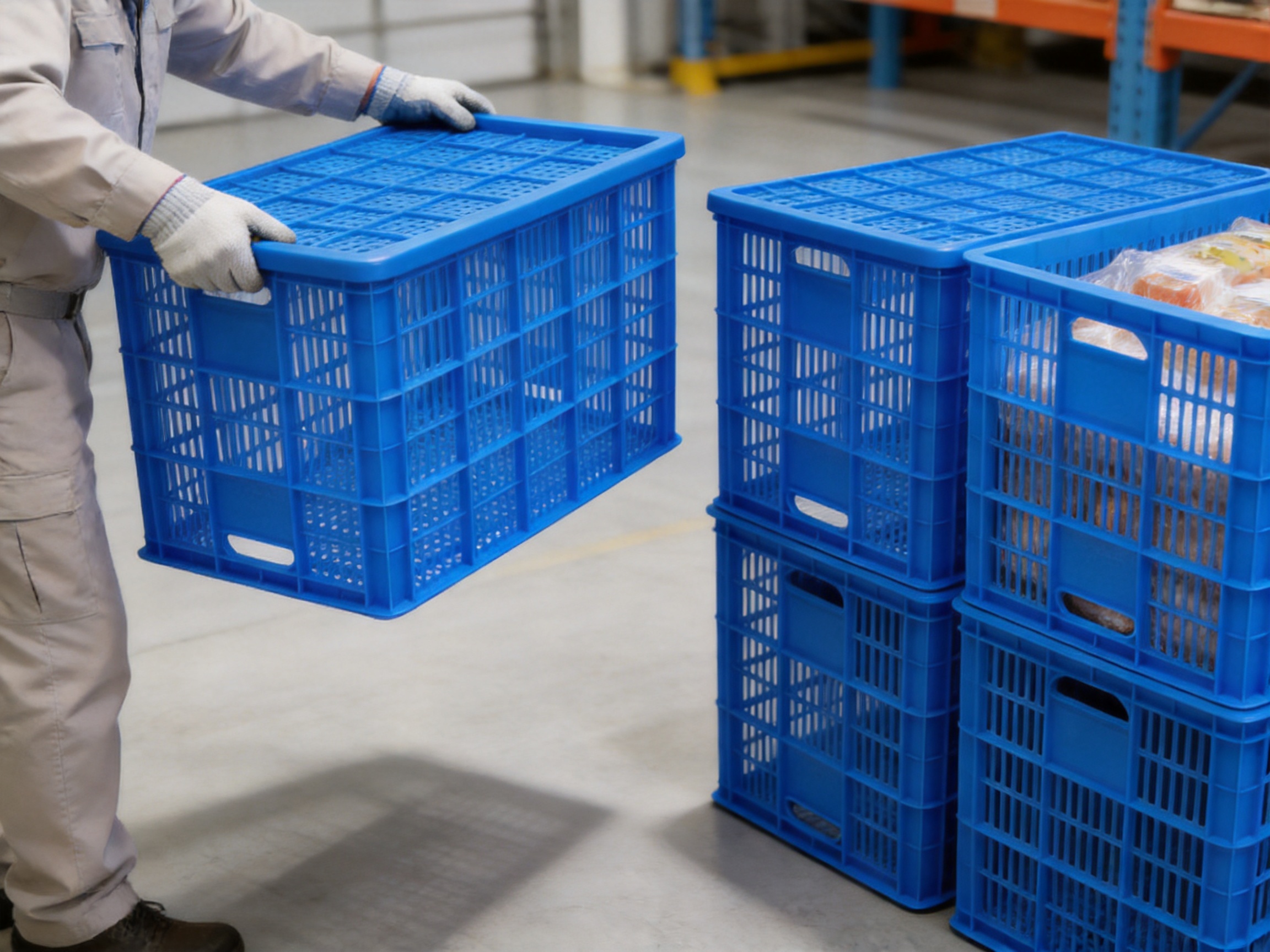
Compared with non-stackable open baskets, the BG-674840B-SC provides a more systematic approach to vertical storage. Compared with disposable cartons, it is less likely to lose its shape after repeated handling. Compared with oversized bulk boxes, its moderate height and integrated handles can offer better access for manual picking.
Integrated Handles and Handling Efficiency
Handling efficiency has a direct effect on labor time and workplace safety. The crate includes integrated handle areas designed to give operators a more secure grip during lifting and repositioning. Properly shaped handles can make it easier to move a loaded container from a pallet to a shelf, from a picking area to a staging lane, or from a production station to a returnable packaging area.
Integrated handles have advantages over improvised lifting methods. Workers should not need to grip a sharp edge, pull on a mesh opening, or lift from an unstable corner. A dedicated handle area provides a more predictable point of contact and helps reduce awkward hand positions.
The crate can be incorporated into operations that use manual handling equipment and broader warehouse logistics systems. For example, crates may be staged on pallets and moved with pallet trucks, placed on warehouse carts, or handled alongside racking systems. The product description also identifies suitability for forklift-related logistics operations, but the exact handling configuration should be verified for the intended equipment and load arrangement.
Container weight is another factor in handling. At 2.7 kg empty, the crate provides a substantial capacity without becoming excessively heavy before contents are added. This is useful when empty crates must be returned, nested in a storage area, or repositioned between work zones. Once loaded, the total weight should be evaluated carefully to ensure it remains appropriate for the workers and equipment involved.
Advantages Over Common Alternative Containers
Compared with Single-Use Cardboard Boxes
Cardboard boxes are widely used because they are inexpensive, printable, and easy to source. However, they can weaken when exposed to humidity, repeated handling, compression, or rough warehouse conditions. Their corners may crush, their bases may fail, and their dimensions may change during use. This can create unstable stacks and increase the risk of product damage.
The BG-674840B-SC offers a reusable alternative with a rigid HDPE structure. It is less affected by ordinary moisture exposure and is designed for repeated handling. The stackable format also creates more consistent columns than mixed or damaged cartons. For companies operating returnable transport packaging programs, the crate can provide a longer-lasting logistics unit.
Compared with Thin-Wall Plastic Bins
Thin-wall plastic bins are suitable for light-duty storage, but they may flex under high loads or become distorted when stacked for long periods. Excessive flexing can make lids difficult to fit, cause misalignment, or reduce stability. Lightweight household-style bins may also lack the reinforced corners and base geometry required for industrial work.
The BG-674840B-SC is positioned as a heavy-duty crate. Its extra-thick HDPE construction and reinforced rib system are intended to improve durability and load-bearing performance. This makes it a better candidate for warehouse distribution and industrial logistics than containers designed primarily for occasional domestic storage.
Compared with Solid-Wall Crates
Solid-wall crates can protect small contents from falling out and can provide a degree of separation from external dust. However, they restrict airflow and make it harder to see the contents without opening the container. In environments where ventilation and quick identification are priorities, fully solid walls may slow operations.
The perforated mesh construction of the BG-674840B-SC supports air movement and visual access. It is particularly practical for products that benefit from ventilation or for warehouses where employees need to confirm contents quickly. If complete containment is required, users can combine the crate with bags, trays, or internal liners.
Compared with Metal Containers
Metal containers can provide high strength, but they are often heavier and may be vulnerable to corrosion if coatings are damaged or the operating environment is wet. Their weight can increase labor requirements and transport costs. Metal edges may also require additional design attention for safe manual handling.
An HDPE crate provides a lighter alternative with natural resistance to moisture-related corrosion. It can be easier to reposition manually and more convenient for high-frequency internal logistics. Metal may remain preferable for certain extreme-temperature, fire-risk, or highly specialized applications, but HDPE is highly practical for many standard warehouse and distribution environments.
Compared with Wooden Crates
Wooden crates can be strong and economical, but they may absorb moisture, develop splinters, contain nails or rough surfaces, and vary in dimensional consistency. Repeated cleaning can also be more difficult. Plastic crates provide a smoother and more standardized surface and can be washed according to the requirements of the operating environment.
The uniform dimensions of the BG-674840B-SC support predictable stacking and storage planning. Its reusable design also avoids some of the repair and disposal challenges associated with damaged wooden packaging.
Applications Across Multiple Industries
Supermarket Distribution
Supermarket distribution centers require fast movement, clear product identification, and efficient space use. The 107-liter capacity can support the consolidation of goods for store replenishment, while the perforated walls provide visibility and airflow. Stackability helps create organized staging lanes for different stores, departments, product categories, or delivery schedules.
The crate can also support backroom operations. Once goods arrive at a store, the same container may be used for temporary storage, product transfer, or return logistics. Reusable containers can reduce the accumulation of damaged cartons and improve consistency between distribution centers and retail locations.
Warehouse Storage
In general warehouses, the crate can be used for spare parts, packaged goods, tools, components, maintenance supplies, and inventory awaiting dispatch. Its large volume is useful for products that would be inefficient to store in small bins, while its height remains manageable for access and visual inspection.
Crates can be assigned to specific stock-keeping units, work orders, routes, or customer orders. This supports better organization and can reduce the time employees spend searching for materials. The reinforced format is also suitable for areas where containers are moved repeatedly throughout the day.
Manufacturing and Work-in-Process Handling
Manufacturers often need reusable containers to transfer parts between production stages. A rigid crate can protect components from being crushed by adjacent loads and can help maintain separation between batches. The mesh structure allows workers to see the contents, while the integrated handles support movement around production cells.
For manufacturing applications, customers should assess whether the crate’s openings are suitable for the component size and whether the material is compatible with oils, coolants, cleaning agents, or other substances used in the facility. HDPE is resistant to many common chemicals, but compatibility should be confirmed for specific substances and concentrations.
E-Commerce Fulfillment
E-commerce operations depend on fast picking, sorting, consolidation, and dispatch. Large reusable crates can function as internal transfer containers between storage locations, picking stations, packing areas, and outbound staging. Their standardized size supports repeatable workflows and can make it easier to arrange goods by route, carrier, or customer group.
Although the crate is not a substitute for protective retail packaging in every shipment, it can serve as a durable internal logistics unit. Its visibility can help employees verify contents before packing or dispatch, reducing avoidable sorting errors.
Agricultural and Food-Related Handling
Ventilated crates are commonly useful for agricultural products and other goods that benefit from air circulation. The open structure can help reduce heat retention and support handling visibility. The food-safe HDPE specification is relevant where the container may contact suitable food products, subject to the user’s hygiene procedures and applicable local regulations.
Users should distinguish between a food-safe material designation and a complete food-handling certification for a specific application. Cleaning, sanitation, temperature, product acidity, and contact duration all matter. Buyers should request any documentation required for their market and intended use.
Manufacturing Process and Quality Assurance
Product performance begins with a controlled manufacturing process. For a crate of this size and structural design, production generally requires careful control of material preparation, mold filling, cooling, trimming, dimensional inspection, and final quality checks. Consistency is essential because variation in wall thickness, rib formation, or cooling can affect stacking accuracy and load performance.
Yancheng Bingo Machinery Equipment Co., Ltd. emphasizes standardized production processes and strict quality control from raw material sourcing through manufacturing. This approach is important for buyers who need repeatable results across large orders. A logistics system works best when each crate fits the same footprint, aligns with the others, and performs predictably under similar loads.
Raw Material Control
Material inspection is the first stage of quality assurance. HDPE resin must be selected and managed according to the intended performance requirements. The supplier’s production information highlights attention to material sourcing and quality inspection. Consistent material preparation helps reduce the risk of weak spots, contamination, color variation, or inconsistent molding behavior.
For customers with special requirements, such as food contact, color coding, ultraviolet exposure, or custom branding, material and additive specifications should be agreed before production. Multiple colors and full specifications are available according to the supplied product information, making the range adaptable to different identification systems.
Mold and Process Standardization
Industrial crates rely on molds that define the external dimensions, internal volume, mesh openings, rib patterns, handles, and stacking interfaces. Mold accuracy is important because even small dimensional deviations can affect the fit between stacked containers or compatibility with pallets and racking.
Standardized process parameters help produce consistent wall formation and structural details. Temperature, pressure, cycle time, and cooling conditions must be managed so that the crate achieves the intended shape without excessive warping or residual stress. A stable process also supports efficient production and more predictable delivery schedules.
Inspection at Multiple Stages
Quality control should not be limited to a final visual inspection. Checks during production can identify problems earlier, reduce waste, and prevent repeated defects. Typical inspection points may include material condition, molded appearance, dimensions, handle integrity, mesh formation, base flatness, and stacking alignment.
The company’s stated quality philosophy includes inspections at every stage. For customers, this supports confidence that the supplied crates are evaluated as part of a broader manufacturing system rather than being accepted solely on appearance at the end of production.
Final Product Verification
Final verification may include checking the model, dimensions, capacity, weight, color, surface condition, and packaging. The crate should be free from sharp flash, severe deformation, cracks, incomplete molding, and other defects that could interfere with safe use. Where a customer has specific performance requirements, additional tests or documentation may be discussed before order confirmation.
It is important for purchasers to define measurable requirements. These may include acceptable dimensional tolerances, maximum stacking height, expected service temperature, cleaning conditions, color standards, and labeling needs. Clear specifications help the supplier manufacture and inspect the product according to the customer’s actual operating environment.
Company Capabilities and Integrated Supply Strength
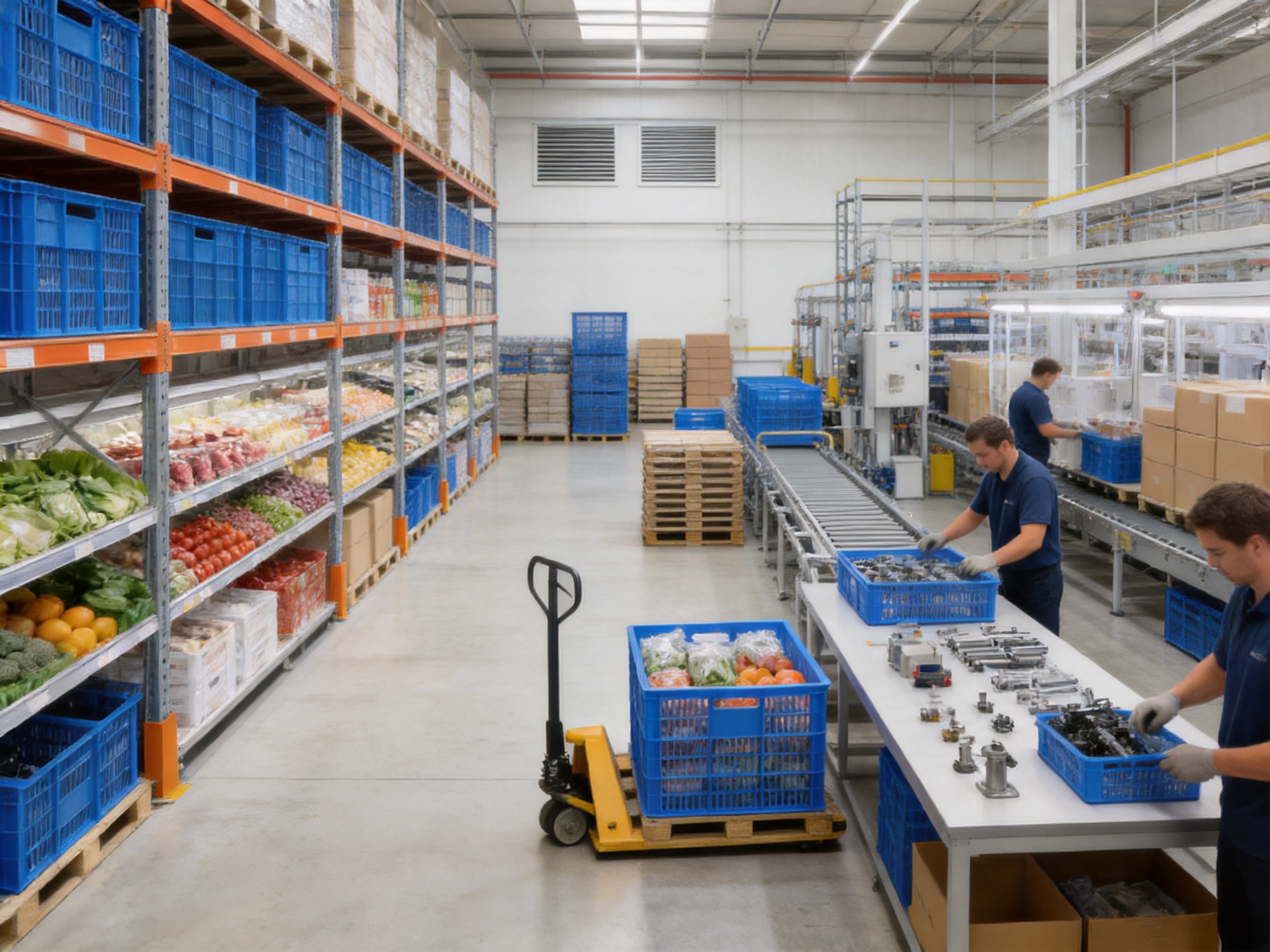
Yancheng Bingo Machinery Equipment Co., Ltd. specializes in warehousing and logistics equipment, with product lines covering handling equipment, storage containers, packaging materials, and warehouse racks. This breadth is valuable to customers planning or upgrading an entire material flow system rather than purchasing isolated products.
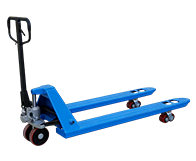
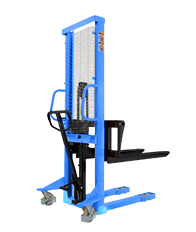
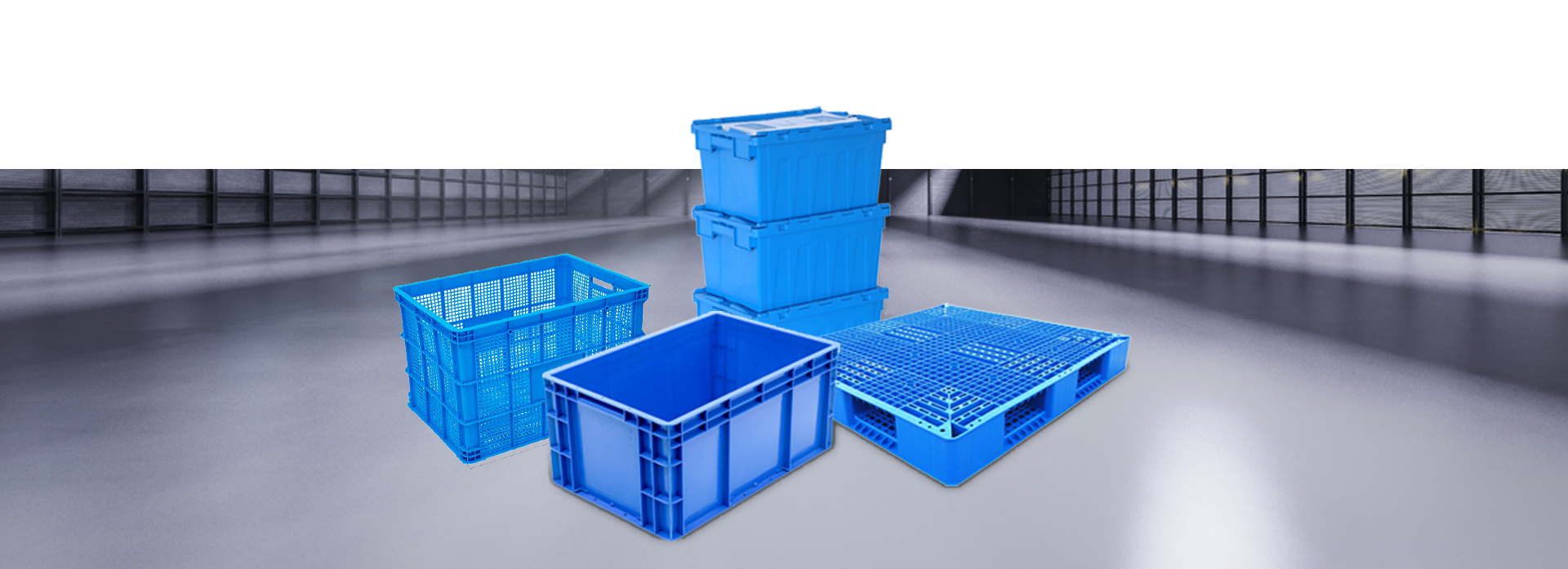
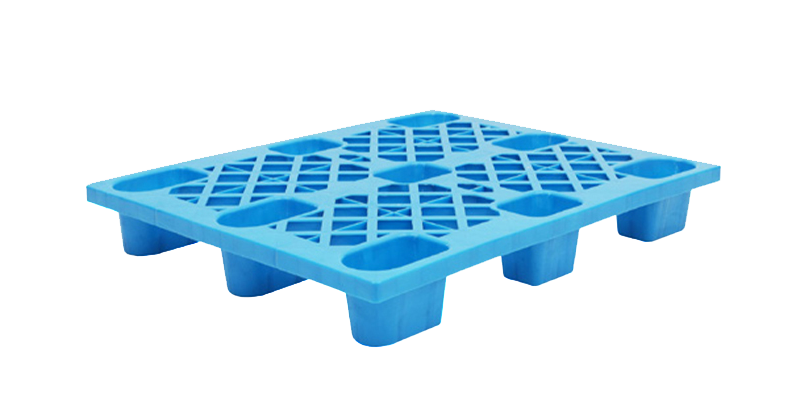
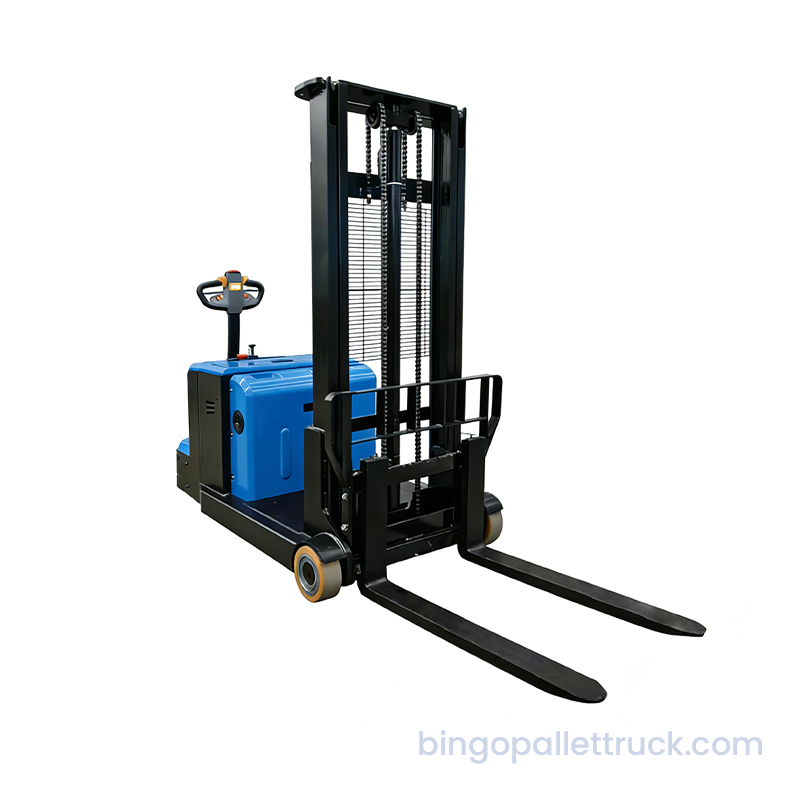
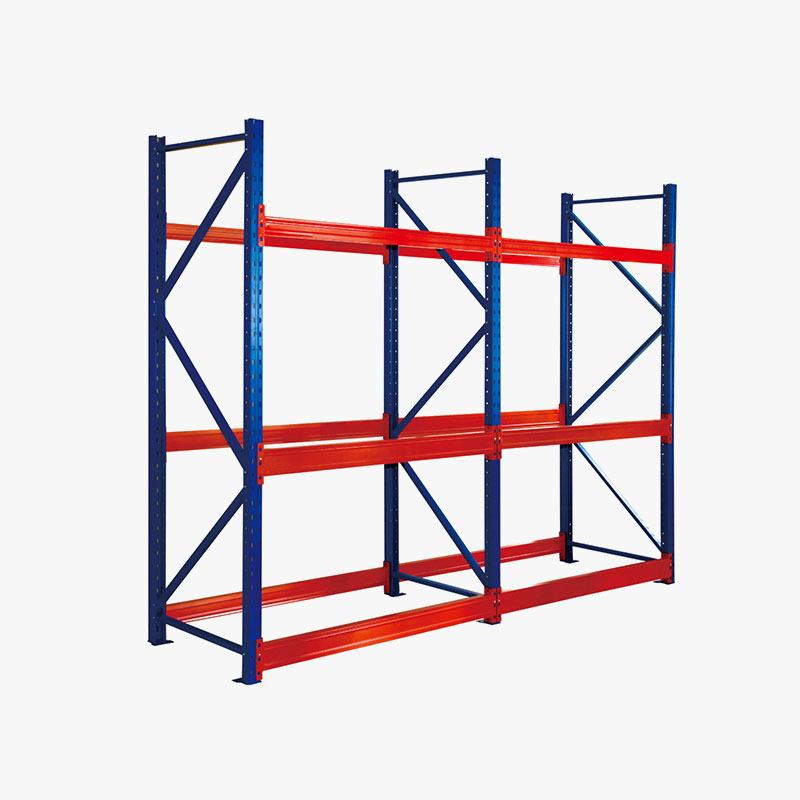
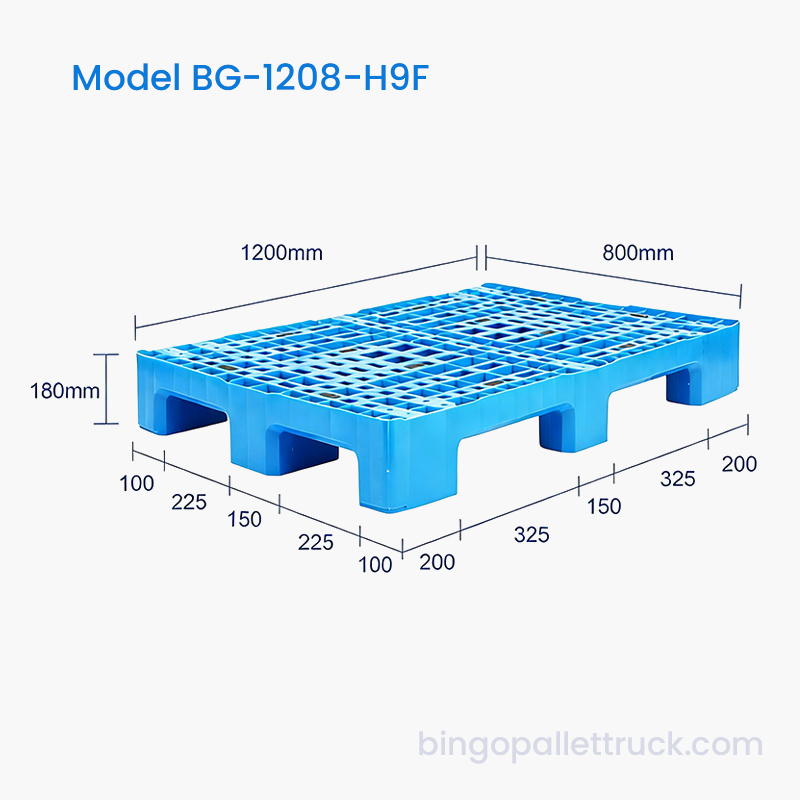
Its handling equipment portfolio includes manual and electric pallet trucks and stackers. Its storage container range includes plastic pallets, plastic totes, crates, and bulk containers. Packaging materials include stretch wrap and packing strapping, while the warehouse racking series includes light-duty, medium-duty, and heavy-duty products in various specifications.
An integrated supplier can help customers coordinate container dimensions with pallets, racks, transport equipment, and packaging procedures. For example, a warehouse may need crates that fit on a particular pallet, align with a rack bay, and remain accessible to pallet trucks. When products are sourced from separate suppliers without sufficient coordination, dimensional mismatches can create wasted space and handling complications.
The company describes its role as providing one-stop and integrated solutions for material storage and handling. This can simplify communication, quotation, product matching, and after-sales coordination. It may also be useful for distributors and project contractors seeking a wider product range from one manufacturing and supply partner.
The company serves industries including manufacturing, e-commerce logistics, warehousing and distribution, and supermarket retail. These sectors require practical equipment, consistent supply, and the ability to adapt products to different operating conditions. The availability of multiple colors, specifications, and customization options can support customer-specific identification and workflow requirements.
Customization and Identification Options
Color can be used as a simple but effective warehouse management tool. Different colors may identify departments, product families, temperature zones, customer accounts, return flows, or inspection status. When color coding is applied consistently, employees can recognize container assignments more quickly and reduce the chance of mixing materials.
The supplied information indicates that multiple colors and full specifications are available. Customers should confirm the available color range, minimum order quantities, production lead times, and color consistency requirements before placing a large order. For long-term programs, it is advisable to establish an approved color sample or reference standard.
Customization may also involve labels, markings, dimensions, or configuration details. Any modification should be evaluated against the crate’s structural and stacking requirements. Adding large openings, changing wall sections, or altering the base can affect strength and performance. Customization is most successful when engineering considerations are addressed at the quotation and sample stages.
For distributors, customized crates can support private-label programs or customer-specific logistics systems. For manufacturers and retailers, markings can help distinguish company-owned returnable assets from general-purpose containers. Product identification should remain durable enough to withstand the expected handling and cleaning environment.
Operational Best Practices
To obtain the best performance from the BG-674840B-SC, users should introduce simple operating standards. Containers should be loaded evenly, and the total weight should remain within the confirmed application limits. Heavy or dense items should not be concentrated at a single point on the base. Products should be arranged so that they do not place excessive outward pressure on the sidewalls.
Stacked crates should be aligned vertically. Misalignment can shift the load path toward weaker areas and create instability. Users should avoid stacking damaged, cracked, badly warped, or heavily deformed crates. A routine inspection program can identify containers that require removal, repair evaluation, or recycling.
When moving crates with equipment, operators should confirm that the load is stable and that the equipment is appropriate for the combined weight. If crates are placed on pallets, the pallet should be strong enough and large enough to provide adequate support. During vehicle transport, loads may require straps, barriers, or other securing methods to prevent movement.
Cleaning procedures should be appropriate for HDPE and the products handled. Dirt and residue can accumulate around ribs and mesh openings, so periodic cleaning may be necessary in food-related, pharmaceutical, agricultural, or sensitive manufacturing applications. Containers should be dried as needed before stacking, particularly when stored in enclosed areas.
Temperature and environmental exposure should also be considered. HDPE performs well in many normal warehouse conditions, but extreme temperatures, prolonged ultraviolet exposure, and aggressive chemicals can affect long-term service life. Customers operating outdoors or in unusually hot, cold, or chemically demanding areas should discuss the conditions with the supplier.
Supply, Inventory, and Project Procurement
For businesses implementing a new logistics system, availability can be as important as product design. The supplied product information states that the crate is in stock and ready to ship. This can support faster project deployment, replacement of damaged containers, or urgent expansion of storage capacity. Actual stock, shipping schedules, and order quantities should be confirmed at the time of purchase.
Procurement teams should evaluate the total operating value rather than comparing only the initial unit price. Important factors include expected service life, handling efficiency, storage density, cleaning requirements, return logistics, breakage rates, and compatibility with existing equipment. A crate with a higher initial cost may provide better value if it remains functional through many cycles and reduces packaging waste.
Businesses should also consider reverse logistics. Reusable crates create value when they can return efficiently to the point of origin. Stackability, standard dimensions, and manageable empty weight all support the return of empty containers. A clear ownership or deposit system may be useful when crates move between distribution centers, stores, suppliers, and customers.
For large orders, purchasers should request a complete commercial and technical confirmation. This may include product drawings, material details, color options, packaging method, quantity per shipment, lead time, inspection standards, and any available test documentation. A pre-production sample can help verify fit and performance before full-scale deployment.
Sustainability and Reusable Packaging Value
Reusable plastic crates can support waste-reduction goals by replacing repeated consumption of disposable cartons, bags, or temporary containers. The environmental value depends on actual reuse, appropriate transport distances, cleaning practices, and end-of-life management. A crate that is used repeatedly within a well-organized circulation system can provide more value than a container used only once.
HDPE is also suitable for recycling at the end of its useful life when collected and processed through appropriate channels. Companies should maintain damaged or obsolete plastic containers separately where possible and follow local recycling requirements. Reuse should remain the first priority when the crate is still safe and functional.
The crate’s large capacity can reduce the number of handling units required for certain products. Fewer containers may mean fewer labels, fewer touches, less staging clutter, and more efficient internal movement. These benefits should be measured within the customer’s specific operation rather than assumed universally.
Sustainability is strongest when supported by a complete system. The crate should be used, returned, cleaned, inspected, repaired when practical, and recycled when no longer serviceable. Standardization improves the likelihood that containers can circulate between locations without being abandoned or stored indefinitely.
How to Evaluate the Crate Against Competitors
When comparing the BG-674840B-SC with competing crates, buyers should assess more than nominal volume. Two containers may both be advertised as approximately 100 liters but differ significantly in external footprint, internal dimensions, wall thickness, rib layout, handle design, base strength, and stackability.
The first comparison point should be usable internal space. The BG-674840B-SC provides internal dimensions of 635 × 435 × 390 mm, allowing buyers to determine whether their products fit efficiently. The second point should be external compatibility. The 675 × 485 mm footprint can be evaluated against existing pallets, shelves, rack bays, carts, and vehicle spaces.
Material and weight should be considered together. A very light crate may reduce empty transport weight but may sacrifice rigidity. A very heavy crate may provide strength but increase handling costs. At 2.7 kg empty, this model is designed to balance substantial construction with practical movement.
Ventilation and visibility are also important differentiators. Fully perforated mesh provides advantages for airflow and inspection, while reinforced ribs help compensate for the reduced wall area. Buyers should compare the size and arrangement of openings, not merely whether a container is described as ventilated.
Finally, evaluate supplier capabilities. A competitive product is more valuable when supported by dependable quality control, consistent production, customization options, responsive communication, and related logistics equipment. Bingo’s wider portfolio can be advantageous for buyers seeking coordinated warehouse solutions rather than a single standalone container.
Q&A
What is the capacity of the BG-674840B-SC crate?
The crate has a nominal capacity of 107 liters. Its internal dimensions are 635 × 435 × 390 mm, while the external dimensions are 675 × 485 × 400 mm.
What material is used to manufacture the crate?
The product is manufactured from high-density polyethylene, or HDPE. The material is selected for impact resistance, durability, relatively low weight, and suitability for reusable logistics applications.
Is the crate suitable for stacking?
Yes. It is designed as a stackable plastic crate. Users should stack units on a stable, level surface, distribute loads evenly, align the crates correctly, and observe the recommended operating and stacking limits for their application.
What are the main advantages of the perforated design?
The fully perforated mesh structure promotes ventilation and improves visibility of the contents. It can be useful for products that benefit from airflow and for warehouse operations that require quick visual identification.
Can the crate be used for supermarket distribution?
Yes. Its capacity, stackable format, ventilation, visibility, and integrated handles make it suitable for supermarket distribution and retail replenishment workflows. The exact suitability depends on the products, handling equipment, hygiene requirements, and distribution procedures.
Is the crate suitable for industrial use?
The reinforced structure and HDPE construction are intended for heavy-duty warehouse and industrial logistics applications. Buyers should confirm the required working load, stacking height, temperature range, and chemical exposure before selecting the crate for a specific process.
Can the crate be customized?
The supplied information indicates that multiple colors, full specifications, and customization options are available. Customers should discuss color standards, markings, dimensions, minimum order quantities, and technical requirements with the supplier.
How much does the empty crate weigh?
The net weight is 2.7 kg. The total handling weight will depend on the products loaded into the crate and should be assessed against workplace and equipment limits.
Can the crate be used with forklifts or pallet trucks?
The product description identifies it as suitable for manual and forklift-related handling operations. The exact method depends on how the crates are placed, supported, and secured. Equipment compatibility and load stability should be confirmed before use.
The product is described as being made from food-safe HDPE resin. However, specific food-contact suitability depends on the product, cleaning process, temperature, duration of contact, and applicable regulations. Customers should request the documentation required for their market and use case.
How should the crate be cleaned?
Cleaning methods should be selected according to the goods handled and the applicable hygiene procedures. Users should ensure that cleaning agents, water temperature, pressure, and drying methods are compatible with the crate and its intended service environment.
What industries can use this crate?
Potential applications include supermarket distribution, warehousing, manufacturing, e-commerce fulfillment, agricultural handling, parts movement, retail replenishment, and general reusable transport packaging.
What should buyers confirm before ordering?
Buyers should confirm dimensions, capacity, material documentation, color, customization, quantity, availability, lead time, packaging, handling method, expected loads, stacking requirements, and any inspection or compliance documents needed for the intended market.
Conclusion
The BG-674840B-SC 107-liter stackable plastic crate is designed to address the practical demands of modern logistics. Its reinforced HDPE construction supports repeated use, while the rib structure improves rigidity and load-bearing capability. The fully perforated mesh design promotes ventilation and visibility, and the integrated handles make routine movement more convenient.
Its 675 × 485 × 400 mm external dimensions and 635 × 435 × 390 mm internal dimensions provide a useful balance between capacity and warehouse compatibility. At 2.7 kg empty, it offers substantial storage volume without becoming unnecessarily difficult to reposition. The stackable format supports vertical organization and more efficient use of floor space.
Compared with disposable cartons, thin-wall bins, wooden crates, and certain metal containers, this reusable plastic crate provides a combination of durability, consistent dimensions, moisture resistance, ventilation, visibility, and handling practicality. Its greatest value is achieved when it becomes part of a managed returnable packaging system supported by proper loading, inspection, cleaning, and storage procedures.
Yancheng Bingo Machinery Equipment Co., Ltd. strengthens the product offering through standardized manufacturing, staged quality control, customization options, and a wider portfolio of warehousing and logistics equipment. Customers can therefore evaluate the crate not only as an individual storage container but also as part of a coordinated solution involving pallet trucks, stackers, pallets, racks, bulk containers, and packaging materials.
For businesses seeking a durable, reusable, and space-efficient container for warehouse distribution or industrial material handling, the BG-674840B-SC provides a strong foundation for more organized logistics operations. Final selection should always be based on confirmed technical requirements, but its combination of capacity, reinforcement, ventilation, stackability, and supplier support makes it a practical option for a broad range of professional applications.
References
1. Product specification sheet for model BG-674840B-SC, including dimensions, capacity, material, and weight.
2. Manufacturer-provided information on stackable plastic crates, production control, customization, and logistics applications.
3. General engineering principles for high-density polyethylene containers and reusable transport packaging.
4. General warehouse planning practices concerning vertical storage, container standardization, load distribution, and material handling.
5. General guidance on reusable packaging systems, container inspection, cleaning, reverse logistics, and end-of-life recycling.
Product: 107L Sturdy HDPE Stackable Plastic Crate for Supermarket Distribution

Copyright @ Yancheng Bingo Machinery Equipment Co., Ltd. All rights reserved Warehouse Logistics Equipment Manufacturer Pallet Truck Supplier
