 en
en  Español
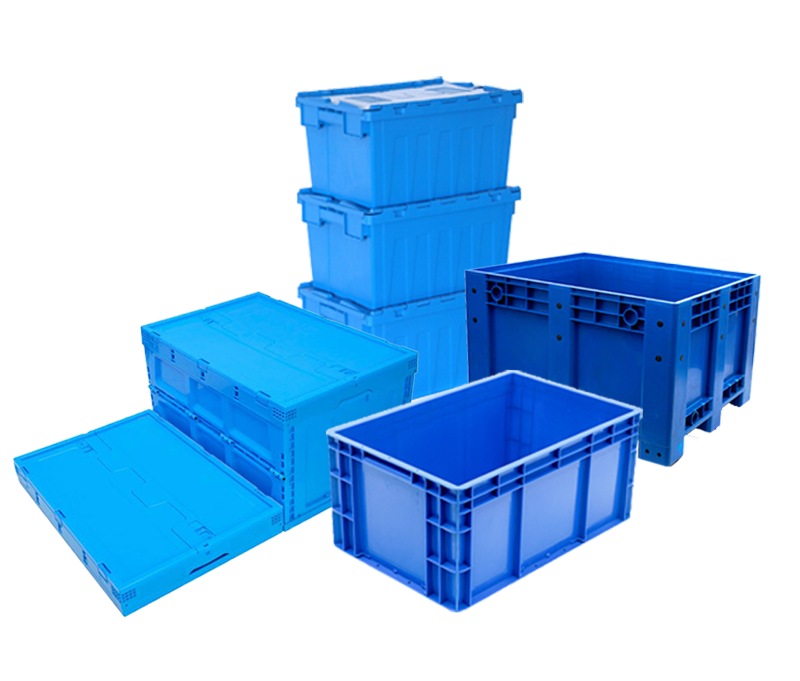

32L Collapsible Plastic Crate with Lid: A Space-Saving Solution for Retail and Warehouse Logistics
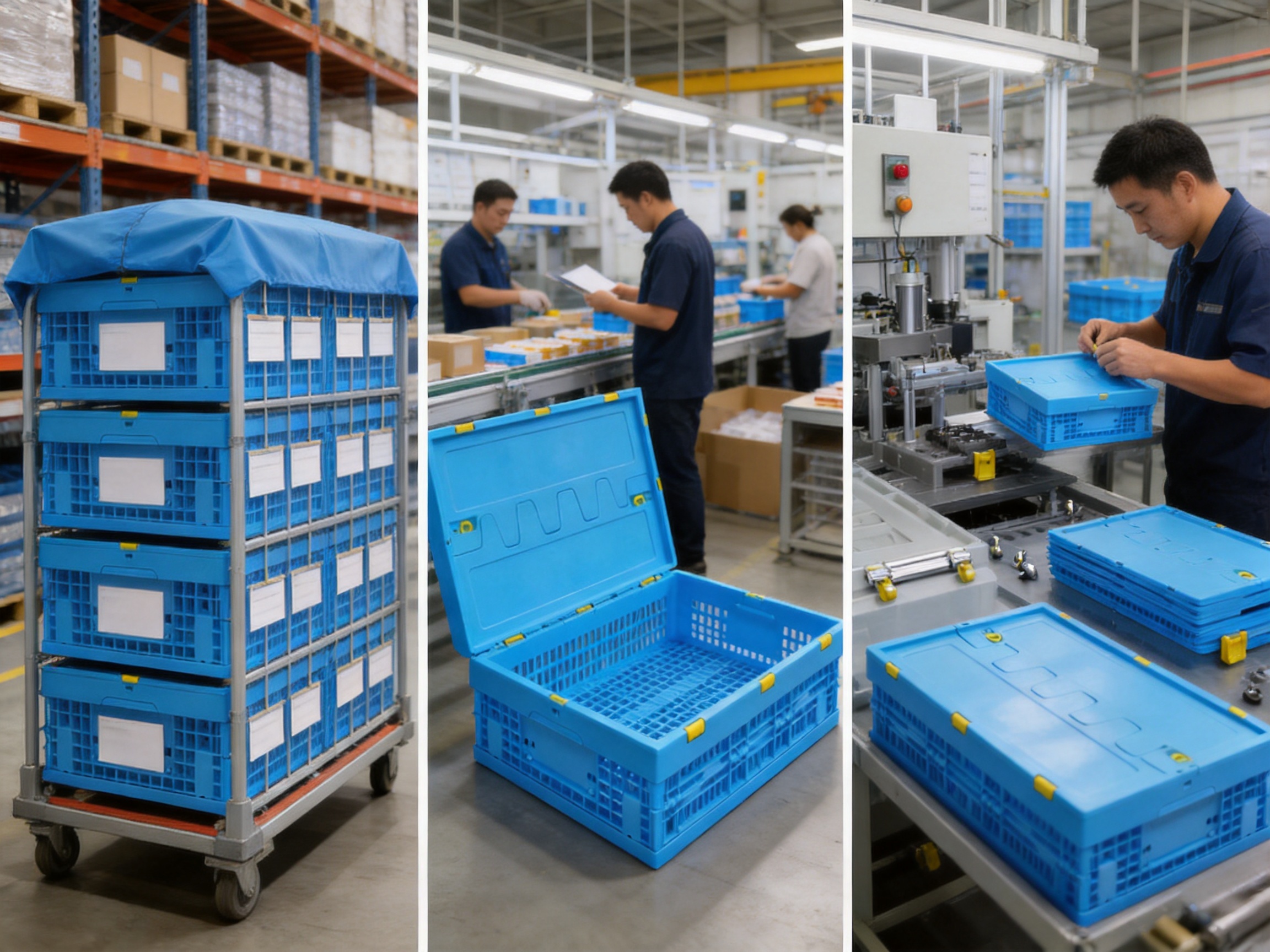
Modern supply chains depend on storage containers that can protect products, move efficiently through distribution networks, and reduce unnecessary handling costs. For retailers, e-commerce operators, manufacturers, and third-party logistics providers, the right crate is more than a simple box. It must support organized storage, secure transportation, repeated use, quick loading and unloading, and economical return logistics. The 32L PP Collapsible Plastic Crate with Lid, model BG-604018-CCL, is designed to meet these requirements in one reusable packaging solution.
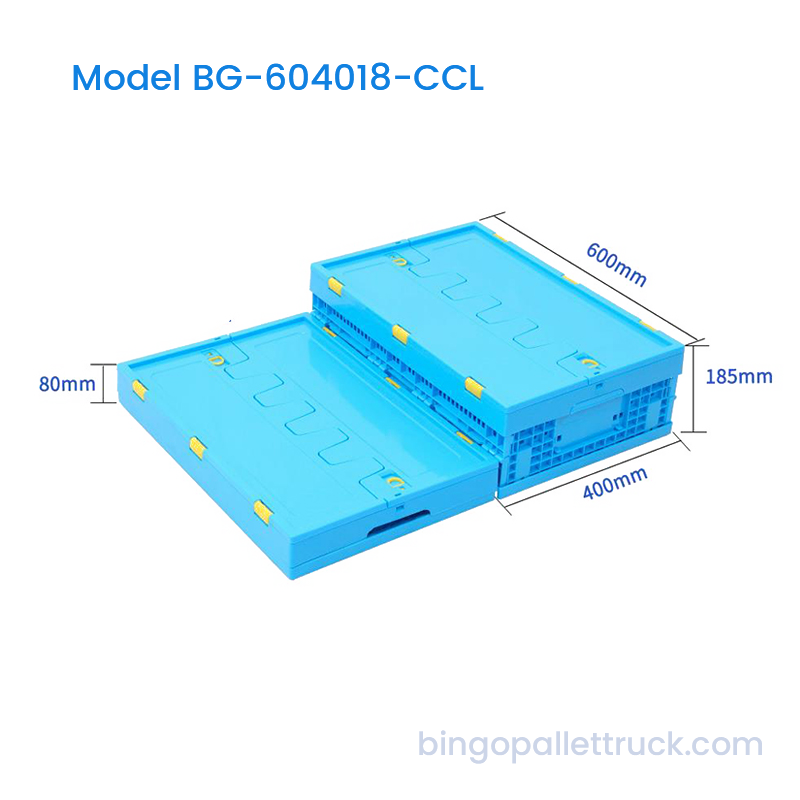
With external dimensions of 600×400×185mm, this foldable crate provides a practical footprint for warehouse and retail applications. It offers a 32L capacity, internal dimensions of 560×360×160mm, and a tight-fitting lid that helps protect contents from dust, moisture, impact, and handling-related contamination. When the crate is empty, its foldable structure reduces the height to approximately 80mm, allowing businesses to recover valuable floor and vehicle space.
The crate is manufactured from heavy-duty polypropylene, commonly known as PP. This material combines low weight, impact resistance, moisture resistance, and durability for repeated industrial use. Its reusable construction offers an alternative to single-use cardboard packaging and less space-efficient rigid plastic containers. The result is a versatile storage and transport unit suitable for retail replenishment, e-commerce order fulfillment, warehouse picking, manufacturing lines, supermarket distribution, and reverse logistics.
Content
- 1 Why Reusable Collapsible Crates Matter in Modern Supply Chains
- 2 Product Overview and Core Specifications
- 3 Structural Design for Reliable Daily Use
- 4 Advantages Compared with Conventional Packaging Options
- 5 Space-Saving Performance and Reverse Logistics
- 6 Load Capacity and Durability
- 7 Food-Safe PP Material and Hygiene Considerations
- 8 Manufacturing Process and Quality Control
- 9 Business Strengths of the Manufacturer
- 10 Applications in Retail Distribution
- 11 Applications in E-Commerce Fulfillment
- 12 Applications in Manufacturing and Industrial Storage
- 13 Applications in Warehousing and Distribution
- 14 Operational Benefits for Warehouse Managers
- 15 Recommended Handling and Maintenance Practices
- 16 How to Evaluate Total Cost of Ownership
- 17 Implementation Guide for a New Crate Fleet
- 18 Frequently Asked Questions
- 18.1 What is the capacity of the crate?
- 18.2 What are the external dimensions?
- 18.3 How tall is the crate when folded?
- 18.4 What material is used?
- 18.5 Does the crate include a lid?
- 18.6 Can the crate be stacked?
- 18.7 How much weight can it support?
- 18.8 Can damaged parts be replaced?
- 18.9 Does it have an access door?
- 18.10 Can the crate be locked?
- 18.11 How can the contents be identified?
- 18.12 Is the crate suitable for e-commerce?
- 18.13 Is it suitable for food-related applications?
- 18.14 What industries can use this crate?
- 18.15 Why choose a collapsible crate instead of a rigid crate?
- 18.16 What should buyers confirm before placing an order?
- 19 Conclusion
- 20 References
- 21 Product: 32L PP Collapsible Plastic Crate with Lid for Retail
Why Reusable Collapsible Crates Matter in Modern Supply Chains
Warehousing and distribution operations are under constant pressure to reduce costs while improving speed and accuracy. A container that occupies the same amount of space whether full or empty can create hidden expenses throughout the logistics cycle. Full containers require internal volume for products, but empty containers are often returned, stored, stacked, or transported back to a warehouse. If they cannot be collapsed, businesses pay to move air.
Traditional rigid plastic crates can be strong and durable, but their fixed height consumes considerable space when empty. Cardboard cartons are economical for one-way shipping, yet they can be affected by moisture, crushing, abrasion, and repeated handling. Flexible bags may save space, but they often provide less structural protection and may be unsuitable for organized stacking. The collapsible plastic crate addresses these limitations by combining the structural stability of a box with the space-saving benefits of a foldable container.
The BG-604018-CCL is designed around a common 600×400mm logistics footprint. This standard-oriented base size can help businesses coordinate the crate with warehouse shelves, pallets, carts, conveyors, delivery vehicles, and existing handling procedures. Standardized dimensions also make it easier to plan storage locations and optimize cubic utilization.
When the crate is in use, its side panels form a stable container with a useful internal height of 160mm. When empty, the walls fold inward, reducing the volume required for storage and return transport. The manufacturer lists a 54.1% folding ratio and a folded height of 80mm. This reduction can support more efficient backhauling, better empty-container management, and lower storage requirements.
Product Overview and Core Specifications
| Product | 32L PP Collapsible Plastic Crate with Lid |
| Model | BG-604018-CCL |
| Product Type | Collapsible plastic crate with lid |
| Material | Polypropylene, PP |
| External Dimensions | 600×400×185mm |
| Internal Dimensions | 560×360×160mm |
| Capacity | 32L |
| Product Weight | 2.35kg |
| Folded Height | 80mm |
| Manufacturer-Listed Fold Ratio | 54.1% |
| Load Performance | Supports more than 120kg under high-strength test conditions |
| Construction | Modular panels, base, hinged access door, pins, latches, label card slot, and lid |
The specifications show why this crate can function as both a storage container and a returnable transport packaging unit. Its 32L capacity is large enough for many retail, industrial, and e-commerce applications while remaining manageable for manual handling. The 600×400mm footprint is also compatible with many common logistics systems, helping users avoid redesigning their entire warehouse layout.
The 2.35kg empty weight provides a balance between durability and handling convenience. A container that is too light may sacrifice rigidity, while a container that is unnecessarily heavy increases labor requirements and transport weight. The PP construction allows the crate to provide a solid protective shell without the weight of metal or thick timber packaging.
Structural Design for Reliable Daily Use
Foldable Side Panels
The defining feature of the crate is its foldable body. The long side panels and short side panels are connected to the base and upper frame through a coordinated folding structure. When opened, the panels create a firm box shape. When empty, they fold down into a compact configuration.
This design supports a more efficient workflow. Operators can open a crate when preparing orders, use it for storage or transportation, and fold it after the contents have been removed. The empty units can then be placed in a designated return area without occupying the full operating height. This is especially valuable in facilities where empty packaging accumulates quickly.
The folding mechanism is intended for repeated operation. Pins, pin shafts, integrated latches, and reinforced connection points help keep the panels aligned during opening, loading, stacking, and closing. A well-designed foldable crate should not require complicated tools or extensive training, and the BG-604018-CCL is developed for straightforward daily operation.
Integrated Lid for Product Protection
The lid gives the crate an important advantage over open-top containers. It helps shield goods from dust, accidental contact, light splashes, and other common warehouse or transportation hazards. A covered crate can also improve product organization by keeping contents contained during movement.
For retail distribution, a lid can help protect packaged products as they travel from a distribution center to a store. For e-commerce operations, it can help keep grouped orders together while totes move through picking, sorting, staging, and dispatch areas. In manufacturing environments, the lid can protect components or work-in-process materials from airborne debris between production stages.
The lid also contributes to stacking stability when crates are correctly arranged and used within the operator’s approved load limits. Securely closed containers are generally easier to identify, move, and store than open containers with loose covers or improvised wrapping.
Hinged Access Door
The design includes a hinged access door that can make it possible to reach selected contents without fully removing the lid or unloading the entire crate. This feature is useful in picking environments where operators frequently access smaller products, components, packaged goods, or retail stock.
Partial access can reduce unnecessary handling. Instead of lifting a full crate or disturbing the entire contents, a worker may open the access section and retrieve the required items. This can support faster picking and help preserve product arrangement inside the container.
Latches and Security Lock Hole
Integrated latches help secure the short panels and keep the crate properly assembled during use. The security lock hole provides an additional option for businesses that need tamper-evident or controlled access. Cable ties or combination locks may be used where appropriate for the company’s transport procedures.
This feature is useful when products move through several stages of a supply chain or when a crate contains items requiring additional accountability. Although the locking point does not replace a specialized high-security transport case, it provides a practical way to discourage casual access and indicate whether the crate has been opened during transit.
Label Card Slot
The label card slot on the short panel supports warehouse identification and classification. Users can insert a card containing an item number, route, destination, batch reference, department name, or handling instruction. Clear identification helps reduce picking errors and supports visual management across busy storage areas.
Compared with handwritten markings placed directly on disposable packaging, a dedicated label area can create a more consistent identification system. Labels may be changed as the crate is reused for different products or routes, helping the same container serve multiple operational purposes.
32L PP Collapsible Plastic Crate with Lid for Retail
Advantages Compared with Conventional Packaging Options
Compared with Cardboard Cartons
Cardboard cartons remain useful for many shipping applications, particularly where low initial cost and one-way distribution are the primary priorities. However, cardboard can lose strength when exposed to moisture, condensation, rough floors, or repeated handling. It can also collapse when overloaded or stacked incorrectly.
The PP collapsible crate provides a more durable reusable structure. Polypropylene does not absorb water in the same way as paper-based packaging, and the crate can be wiped or cleaned between uses. Its rigid walls help protect goods from compression and side impact. For closed-loop distribution systems, the ability to reuse the same container repeatedly can reduce the recurring consumption of disposable cartons.
The crate may also improve workplace organization. Cardboard boxes often vary in size and condition, while standardized reusable crates create more predictable storage dimensions. This consistency can support better rack planning, conveyor integration, order picking, and container tracking.
Compared with Fixed Rigid Plastic Crates
Fixed rigid crates can provide excellent strength, but they consume their full height even when empty. This can create a disadvantage in reverse logistics. A truck returning empty containers may have unused space above and around the crates, while a warehouse may need additional floor area to store them.
The collapsible structure of the BG-604018-CCL addresses this issue. Empty units can be folded to approximately 80mm in height, allowing significantly more containers to fit in a return load or storage area. The result can be lower handling frequency, better vehicle utilization, and a more efficient use of warehouse space.
For organizations operating large numbers of returnable containers, the difference between fixed and collapsible designs can have a meaningful effect on total cost of ownership. The purchase price is only one part of the calculation. Storage, return transport, cleaning, labor, replacement, and asset utilization must also be considered.
Compared with Flexible Bags
Flexible bags are lightweight and easy to store, but they do not always provide enough structure for stacking, sorting, or protecting delicate goods. Their walls may collapse around the contents, making automated or semi-automated handling more difficult.
The crate provides a defined rectangular shape that supports organized warehouse operations. Goods can be placed into a stable container, and the exterior dimensions remain consistent from one unit to the next. The lid and walls provide a higher level of physical protection than many soft-sided alternatives.
Compared with Single-Use Wooden Packaging
Wooden boxes and timber containers can be strong, but they are generally heavier, less convenient to fold, and more difficult to handle manually. They may also require additional treatment, nails, fasteners, and disposal processes. For many retail and warehouse applications, a reusable PP crate offers a cleaner and more flexible alternative.
Polypropylene construction is not affected by rust and does not splinter in the same manner as wood. The lighter weight can reduce manual handling strain and improve the efficiency of loading and unloading operations.
Space-Saving Performance and Reverse Logistics
Reverse logistics is one of the most important areas in which collapsible packaging creates value. After products are delivered, containers must either remain at the destination, return to the original facility, or move to another point in the network. If the container stays rigid, transportation costs are based not only on the volume of goods but also on the volume of empty packaging.
A collapsible crate reduces this inefficiency. Once emptied, the side panels can be folded down and the units can be stacked in a smaller vertical space. This may allow more empty containers to fit onto a vehicle or into a staging area. It can also reduce the number of trips needed to collect returnable packaging.
In a retail network, stores may accumulate empty crates after shelf replenishment. Folding the crates allows staff to place them in a backroom without blocking aisles or consuming valuable storage racks. During scheduled collection, more folded crates can be moved back to the distribution center in a single route.
In e-commerce, totes often return after orders are picked, sorted, and delivered. A foldable crate can be collapsed when no longer needed and returned in a compact form. This is particularly useful for fulfillment centers that manage thousands of containers daily and must maintain clear separation between full and empty assets.
The manufacturer-listed fold ratio of 54.1% reflects the reduction in container height when the crate is folded. Exact transport capacity will depend on stacking method, vehicle dimensions, safety requirements, and whether lids are closed or nested. Businesses should conduct a practical loading study before finalizing their return logistics plan.
Load Capacity and Durability
The product information states that the foldable crate can support more than 120kg under high-strength load testing. This indicates a strong structural design for its category. However, users should distinguish between a test result and a recommended operating load. Actual safe capacity can depend on the distribution of weight, crate condition, stacking height, temperature, transport vibration, and the condition of the folding components.
Heavy products should be distributed evenly across the base rather than concentrated in one small area. Operators should ensure that panels are fully opened, latches are correctly engaged, and the lid is properly positioned before stacking or moving the crate. Damaged crates should be removed from service until inspected or repaired.
Repeated-use packaging is most economical when it remains in service for a long time. The crate’s modular construction supports this goal. Instead of discarding the complete unit after damage to a particular component, the corresponding part may be replaced where replacement parts are available and the repair is approved. This approach can reduce waste and lower replacement costs for fleet operators.
The modular design includes long side panels, short side panels, a base, a hinged access door, pin shafts, lock pins, latches, a label card area, and an upper frame. Separating the crate into replaceable components can also simplify inspection and maintenance. Warehouse managers can create procedures for checking common wear points, including hinges, pins, latch areas, base edges, and panel connections.
Food-Safe PP Material and Hygiene Considerations
The crate is described as being made from heavy-duty, food-safe PP material. Polypropylene is widely used for reusable containers because it is lightweight, moisture-resistant, and suitable for applications where cleanability is important. The smooth plastic surfaces can be easier to wipe and maintain than porous materials.
For food-related use, the operating company should establish a cleaning and sanitation procedure appropriate to the goods being handled. The exact cleaning chemicals, water temperature, drying method, and inspection frequency should be selected according to the business’s hygiene requirements and applicable regulations. Food-safe material does not mean that every operating environment is automatically sanitary; cleanliness also depends on handling practices.
Businesses should avoid mixing crates used for food products with containers used for chemicals, waste, or other incompatible materials unless the crates are thoroughly assessed and cleaned according to an approved procedure. Dedicated color coding, label cards, and separate storage zones can help prevent cross-use.
Manufacturing Process and Quality Control
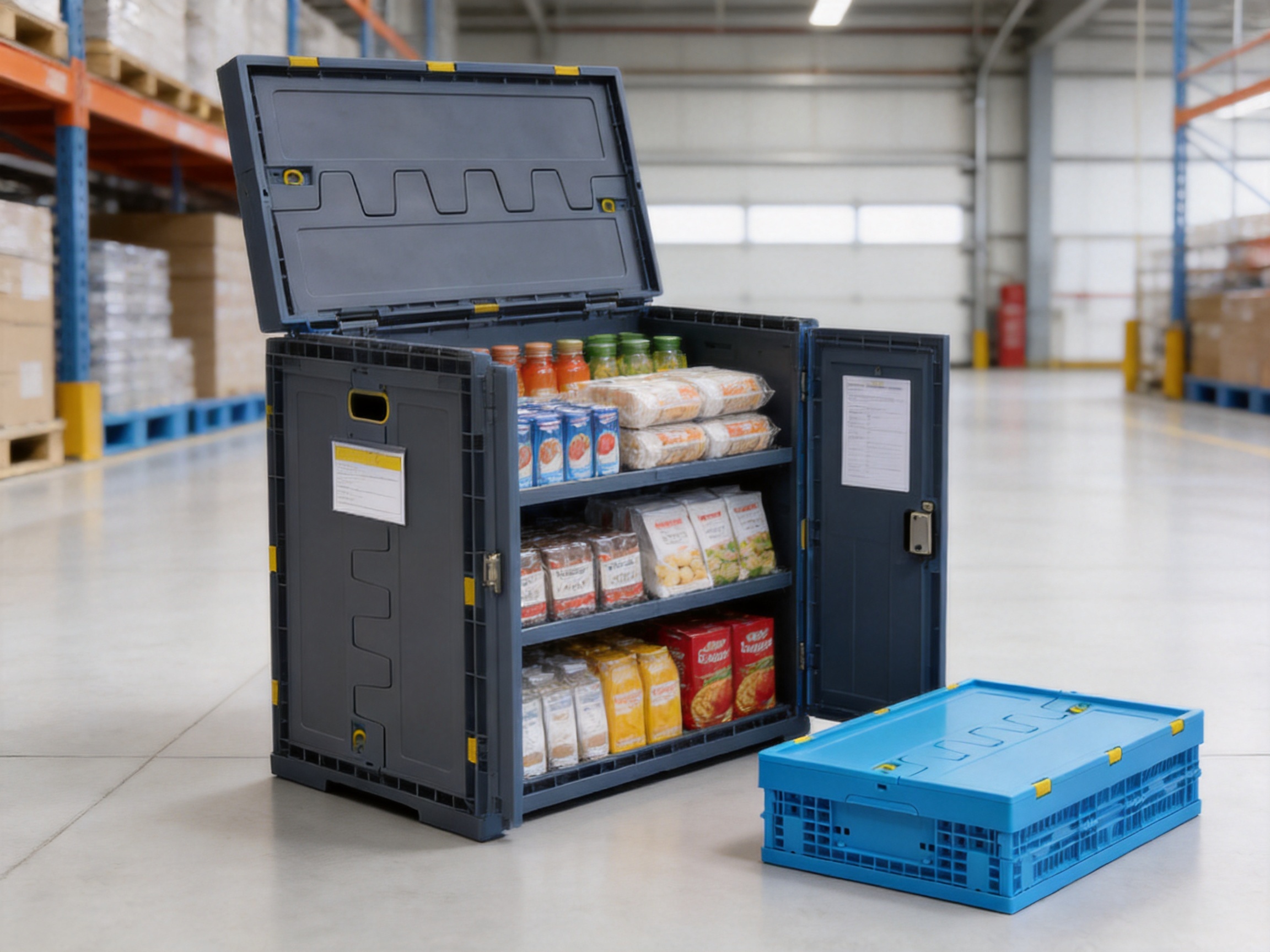
The performance of a reusable crate depends heavily on manufacturing consistency. A container may have an attractive design, but if its material quality, dimensions, hinges, or assembly tolerances vary significantly, it may not perform reliably in a high-volume logistics system. Yancheng Bingo Machinery Equipment Co., Ltd. emphasizes standardized manufacturing processes and inspection at every stage.
Material Selection
The product is manufactured using high-density PP virgin material according to the supplied company information. Material selection affects impact resistance, flexibility, surface quality, weight stability, and long-term durability. Consistent raw material helps reduce variation between production batches and supports predictable performance in repeated operations.
Material preparation is an important first step. Raw material should be checked before entering production to help ensure that the correct grade, color, and formulation are used. Controlling the material input can help prevent problems such as inconsistent wall strength, poor surface finish, excessive brittleness, or dimensional instability.
Precision Molding
Plastic components such as panels, bases, lids, frames, latches, and access doors require carefully designed molds. Dimensional accuracy is especially important for a collapsible crate because several parts must work together. The panels must fold correctly, the pin shafts must align, the latches must engage, and the lid must fit the upper frame.
During molding, process parameters such as temperature, pressure, cooling time, and cycle consistency influence the final component. Stable production conditions help create parts with consistent dimensions and repeatable mechanical performance. Proper cooling is also important because uneven cooling can cause warping that affects folding or stacking.
Component Assembly
After molding, individual components are assembled into the complete crate. This stage may include installing pin shafts, lock pins, latches, the hinged access door, label card features, and the lid. Assembly workers must confirm that moving parts operate smoothly and that the panels lock into their intended positions.
A standardized assembly process can reduce errors and improve production efficiency. Work instructions, component checks, and operator inspections help ensure that each crate leaves the line with the expected configuration. For customers ordering multiple units, consistent assembly is particularly important because the crates must operate together in the same logistics system.
Inspection and Testing
Quality control should cover raw materials, molded components, assembled crates, and finished products. Dimensional checks verify the external and internal measurements. Functional checks confirm folding, unfolding, lid closure, latch engagement, access door movement, and label card usability.
Load testing evaluates how the crate responds under pressure. The supplied product information reports support of over 120kg under high-strength stress testing. Additional checks may include stacking evaluation, impact assessment, repeated folding trials, and inspection of critical joints. The precise test program depends on the production specification and customer application.
Visual inspection also has an important role. Operators can look for cracks, deformation, incomplete molding, sharp edges, surface defects, incorrect assembly, and color inconsistency. Identifying defects before shipment helps reduce field failures and protects the customer’s operating continuity.
Standardized Production Management
The company describes its production as following streamlined and standardized processes. Standardization supports repeatability, especially when products are manufactured in large quantities for industrial customers. It can help ensure that the same model maintains consistent dimensions and operating characteristics across different production batches.
For buyers, manufacturing consistency is valuable because it simplifies container fleet management. A warehouse can stack, fold, label, and repair units more efficiently when the units share the same configuration. Consistent products also reduce the need for workers to learn different handling methods for each batch.
Business Strengths of the Manufacturer
Yancheng Bingo Machinery Equipment Co., Ltd. positions itself as a global supplier of warehousing and logistics equipment. Its product portfolio covers four related areas: handling equipment, storage containers, packaging materials, and warehouse racks. This broad focus allows the company to understand how a crate operates within a larger material-handling system rather than treating it as an isolated packaging item.
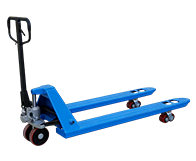
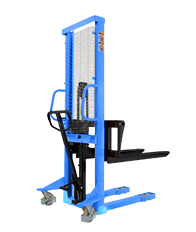
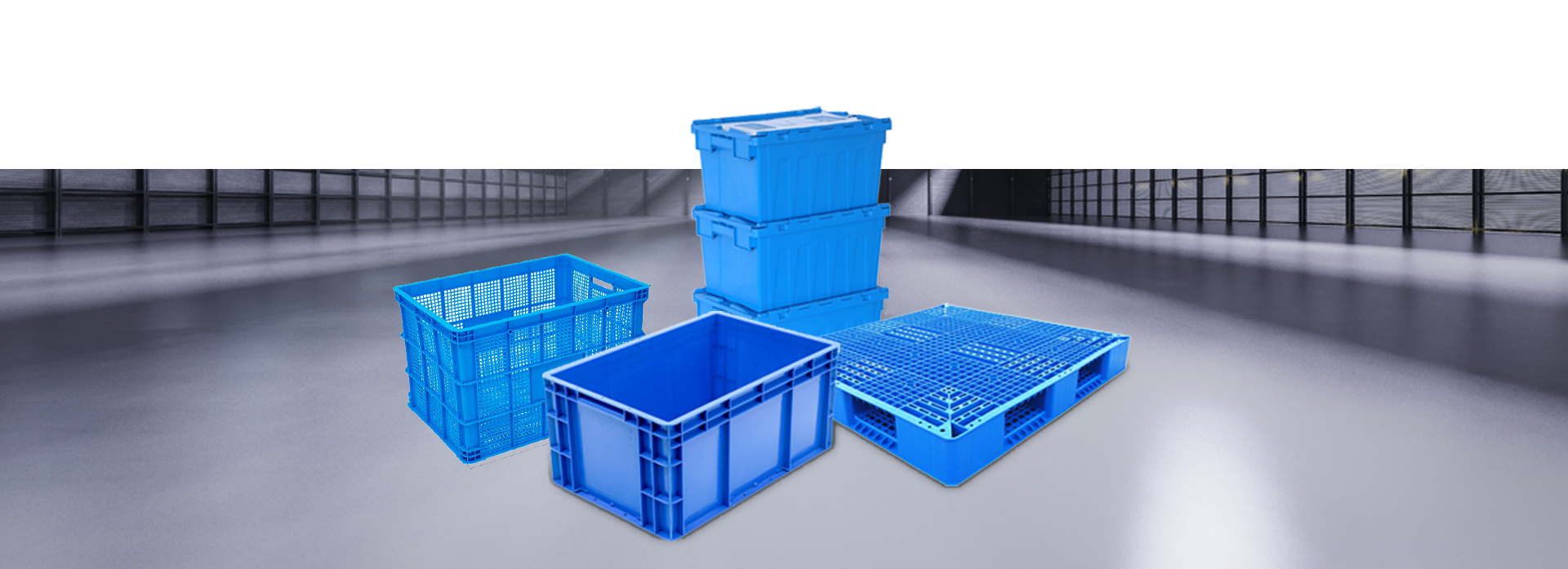
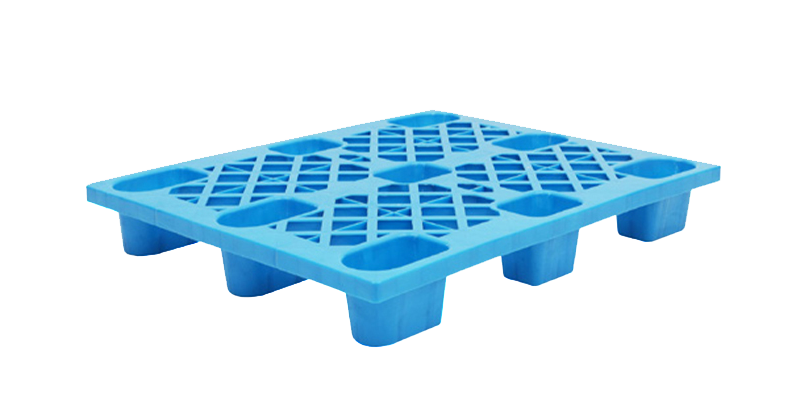
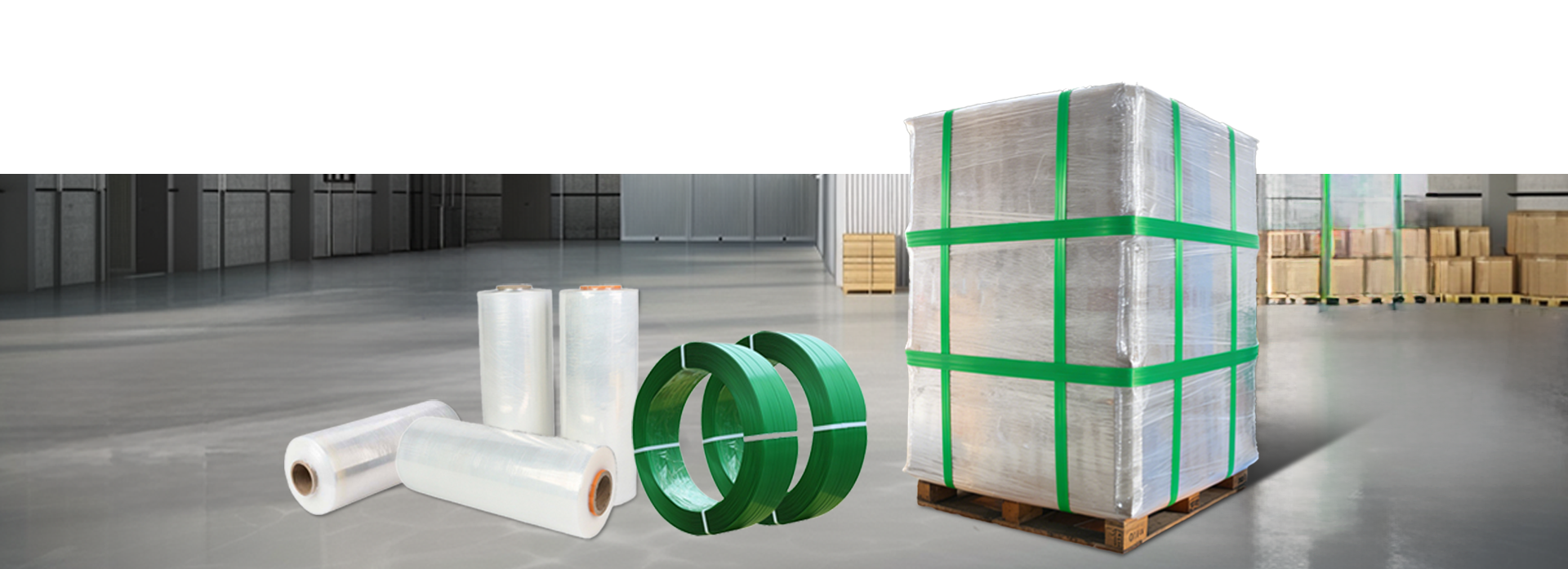
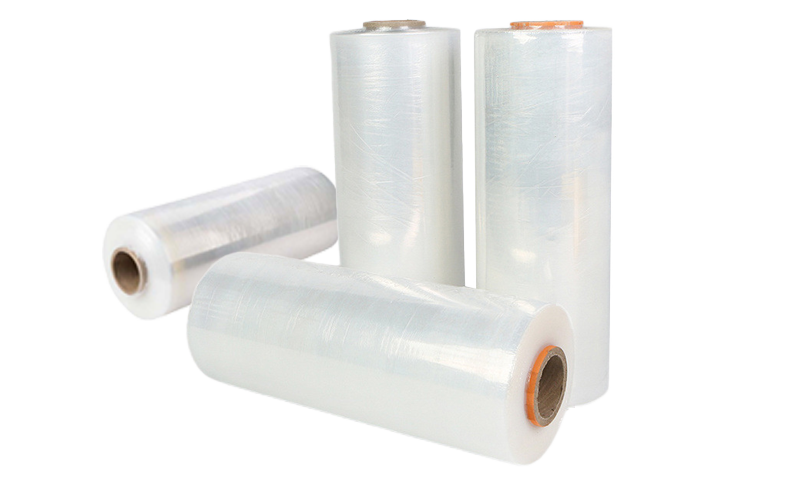
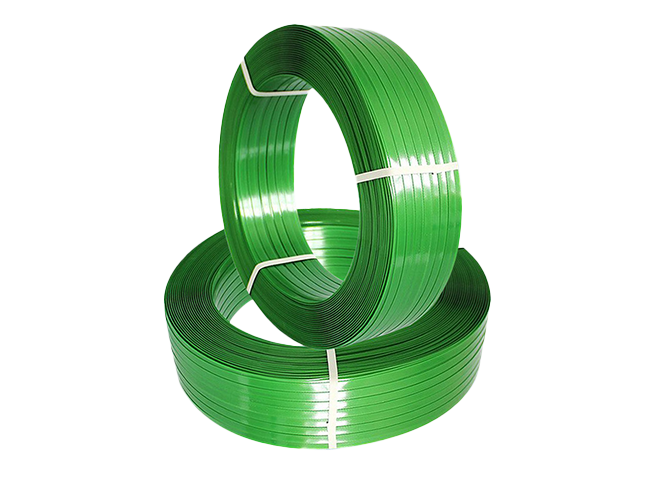
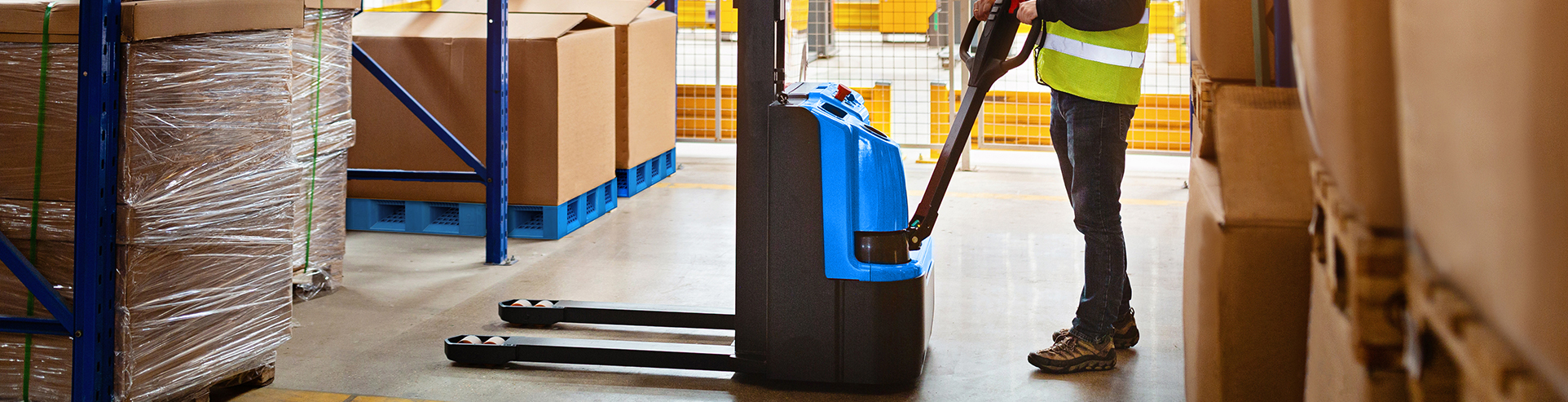
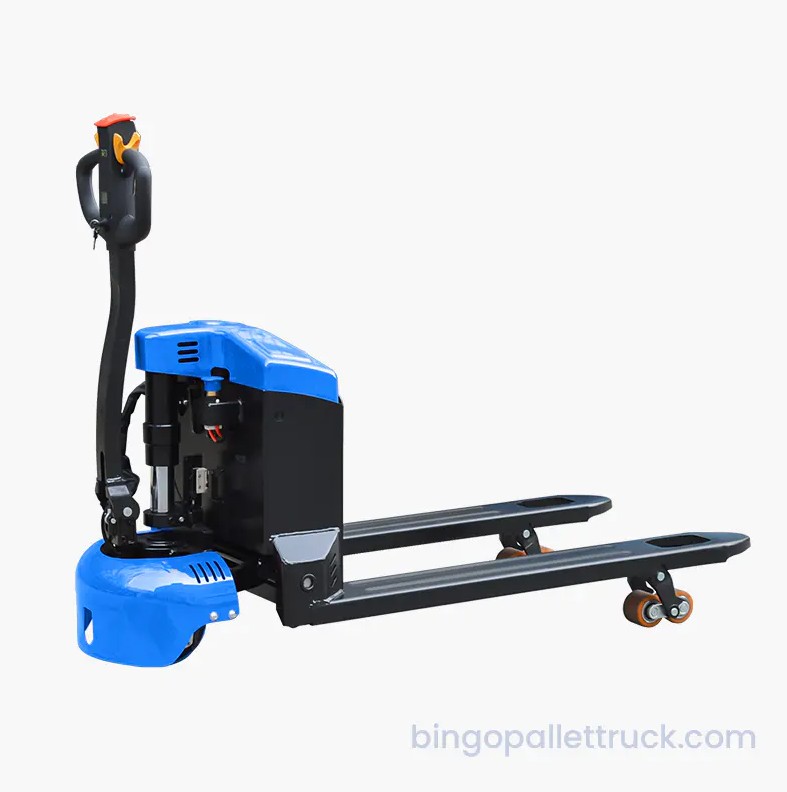
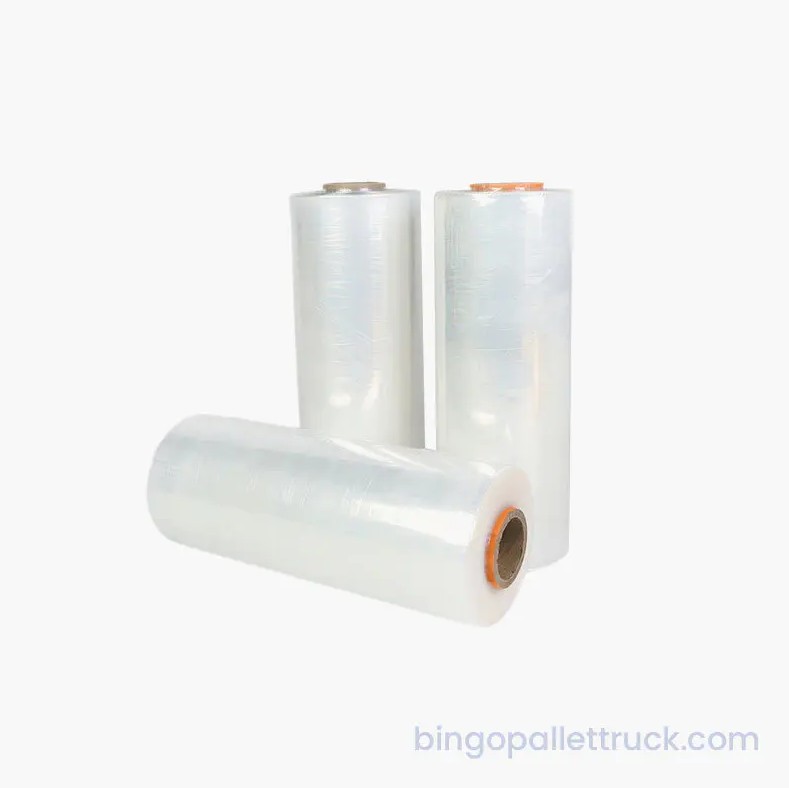
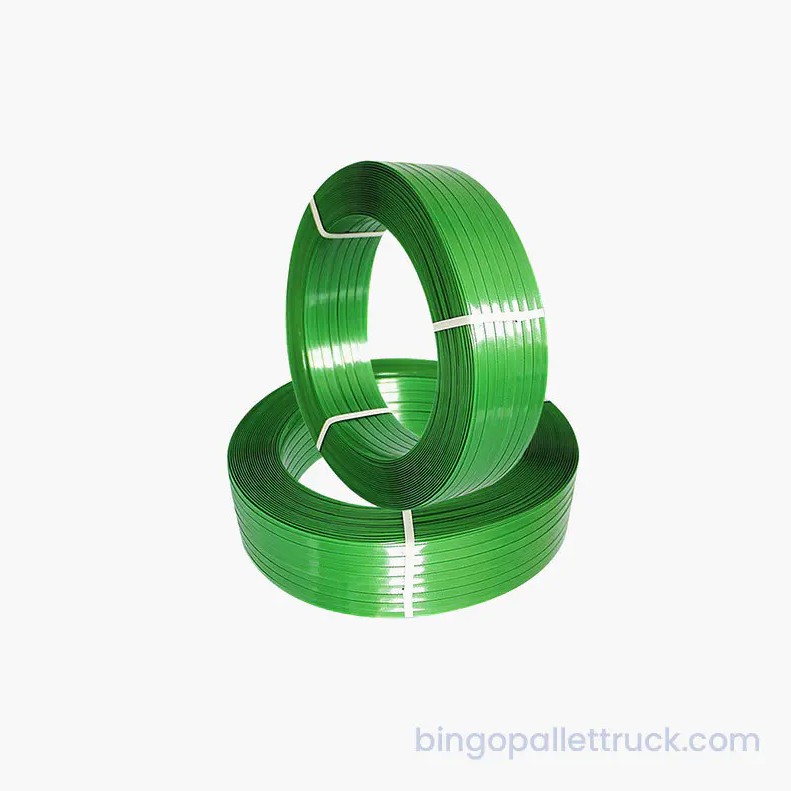
In handling equipment, the company offers manual and electric pallet trucks and stackers. Its storage container range includes plastic pallets, plastic totes, crates, and bulk containers. Its packaging materials include stretch wrap and packing strapping, while its warehouse racking range includes light-duty, medium-duty, and heavy-duty solutions.
This integrated portfolio can be useful for customers developing or upgrading a warehouse. A buyer may be able to source containers, pallet trucks, racks, and packaging supplies from one experienced supplier. Consolidated sourcing can simplify communication, product coordination, technical discussions, and after-sales support.
The company states that it serves manufacturing, e-commerce logistics, warehousing and distribution, and supermarket retail. These industries require different combinations of durability, handling speed, storage density, and product protection. Experience across these applications can help a supplier develop products that address practical warehouse conditions rather than only theoretical specifications.
Quality is presented as a core value, supported by a mature supply chain and strict inspection procedures. The company’s stated philosophy of “Quality First, Win-Win Cooperation” reflects a focus on long-term customer relationships. For international buyers, a reliable supply partner should be able to provide consistent production, clear product information, responsive communication, and support for repeat orders.
Applications in Retail Distribution
Retail distribution centers need containers that can move products quickly from receiving to storage, picking, dispatch, and store delivery. The 600×400mm footprint is suitable for organizing goods into repeatable handling units. The lid protects products during transport, while the label card slot supports route and store identification.
At the store level, the crate can be used for backroom storage, shelf replenishment, promotional merchandise, packaged products, or stock transfers between departments. The access door may allow staff to retrieve items without fully unpacking the container. When the crate is empty, it can be folded and stored until the next delivery cycle.
Retailers can also use color variations to distinguish product categories, delivery routes, departments, or handling priorities. The manufacturer provides various color and specification options, subject to production arrangements. Visual coding can help staff identify reusable packaging quickly in a busy environment.
Applications in E-Commerce Fulfillment
E-commerce fulfillment centers process a high number of items and orders, making container organization essential. The crate can support batch picking, order consolidation, returns processing, inventory transfers, and dispatch staging. Its lid can help keep products grouped and protected as containers move between workstations.
For returns, the crate provides a reusable unit for collecting products that require inspection, restocking, repair, or disposal. A label card can identify the return category, processing zone, or handling status. The modular construction and washable PP surface can be useful in operations where containers are handled repeatedly throughout the day.
The collapsible design supports the empty-container cycle. Once the order contents have been removed, folded crates can be returned to the picking area or transported back to a central storage location without occupying their full height. This can help reduce congestion around packing stations and dispatch docks.
Applications in Manufacturing and Industrial Storage
Manufacturers can use the crate for components, fasteners, subassemblies, work-in-process materials, maintenance parts, or finished products. The structured interior helps prevent parts from spreading across workbenches or pallets. The lid provides additional protection during movement between production areas.
In line-side supply, standardized crates can be delivered to specific workstations according to a production schedule. Labels can show part numbers, batch information, or workstation destinations. The access door can provide convenient access when operators need to retrieve components while keeping the container placed on a rack, trolley, or work surface.
For maintenance departments, the crate can organize tools, replacement parts, and consumables. Its reusable construction makes it suitable for repeated movement between a central store and maintenance areas. Businesses should select the correct crate color and cleaning procedure if the same facility handles both production components and other material categories.
Applications in Warehousing and Distribution
Warehouse operators can use the crate for order picking, inventory classification, cross-docking, internal transfers, and staging. The label card feature is helpful when products move through multiple zones. The crate can be assigned to a location, order, route, or customer, helping workers maintain visual control over inventory.
In cross-docking operations, goods can be placed directly into destination-specific crates without extended storage. The lid protects the products while the container waits for dispatch. In general storage, the stackable form helps maximize vertical space when the load, rack, and stacking conditions are appropriate.
The crate can also be used with warehouse racks, carts, and pallet-handling equipment, provided that the dimensions and load characteristics are compatible with the specific equipment. Users should confirm rack beam spacing, shelf depth, conveyor requirements, and manual handling procedures before deploying the product at scale.
Operational Benefits for Warehouse Managers
Lower Storage Requirements
Folded empty crates require less height than open crates. This can reduce the floor area needed for empty-container storage or allow businesses to use existing space more effectively. The exact saving depends on the number of units, stacking method, and available storage height.
Improved Product Protection
The lid and rigid walls can reduce exposure to dust, moisture, impact, and accidental compression. Better product protection may help reduce damage-related costs, especially for items that are difficult to handle in open bins or flexible packaging.
Reduced Packaging Waste
Because the crate is designed for repeated use, it can reduce dependence on single-use cartons, plastic bags, and temporary packaging materials. A reusable fleet also allows companies to establish standardized return flows instead of purchasing new shipping boxes for every cycle.
Faster Identification
The label card slot supports a consistent identification system. With clear cards, color coding, barcodes, or other warehouse labels, workers can identify contents and destinations more quickly. Improved visibility may contribute to fewer picking and routing errors.
Repairability
The modular structure allows damaged components to be replaced where replacement support is available. Repairing an individual panel, latch, pin, or related component can extend the useful life of the complete container and reduce the cost of replacing an entire unit.
Recommended Handling and Maintenance Practices
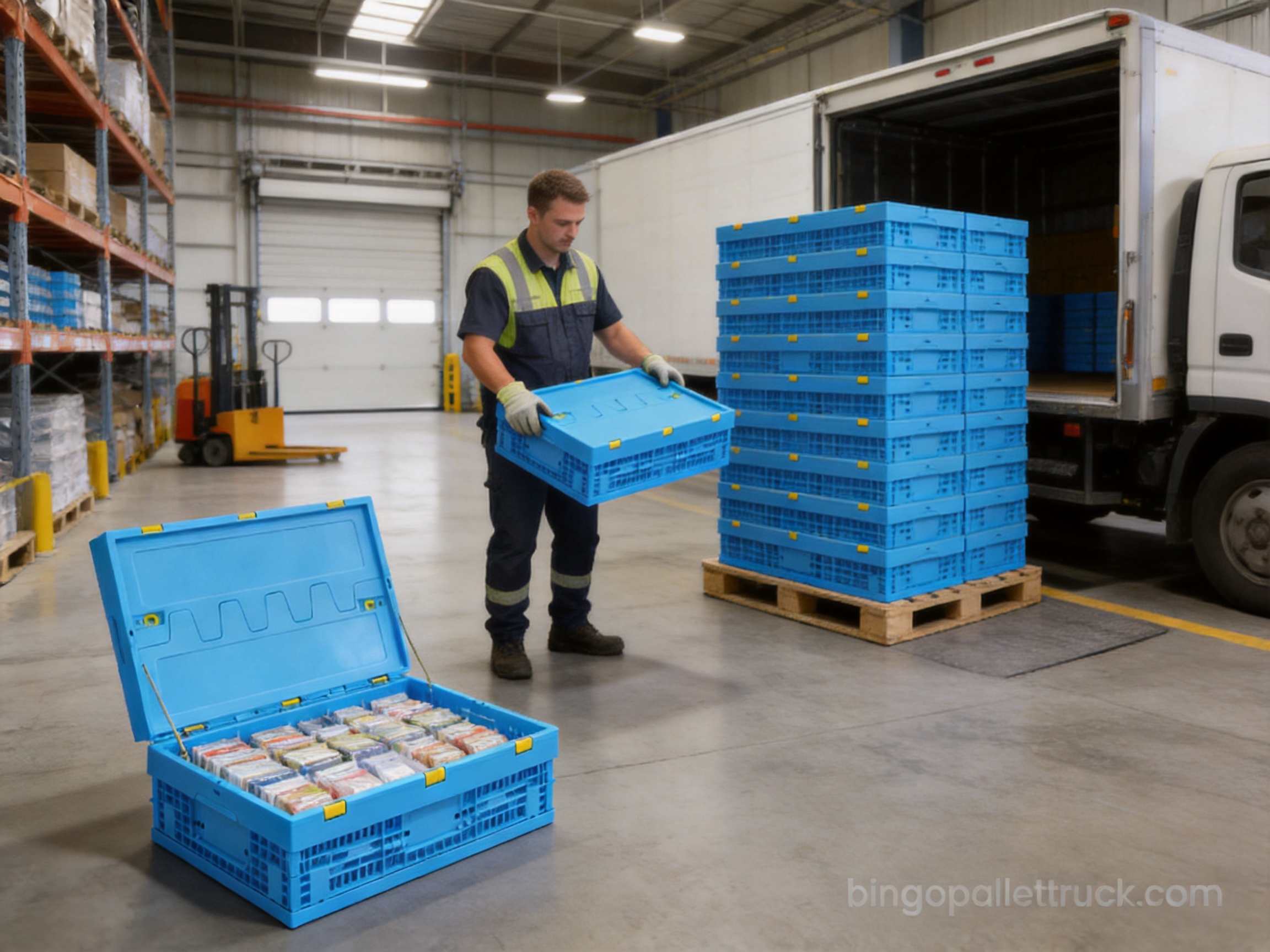
To obtain the best performance from a collapsible crate, operators should open the unit fully before loading. Each panel should be correctly positioned, and the latches should be checked before products are placed inside. The lid should be closed securely when the crate is moved or stacked.
Loads should be distributed across the base. Sharp edges, excessive point loads, and products that exceed the internal dimensions should be avoided. Although the product has been tested under high-strength conditions, users should establish their own operating limits based on the goods, movement method, and safety policy.
Crates should be folded only after they are empty. Operators should keep fingers clear of hinges, pin shafts, latches, and folding joints. A simple opening and folding procedure should be included in worker training, particularly in facilities with high container turnover.
Routine inspection should focus on cracks, bent or missing pins, loose latches, damaged hinges, distorted panels, broken lids, and unreadable identification areas. A crate that does not open fully or close securely should be removed from service. Repairs should use approved components and should be checked before the unit returns to operation.
Cleaning frequency depends on the application. In general warehouse use, wiping or washing may be sufficient. In food-related or hygiene-sensitive applications, businesses should use a documented cleaning and inspection program. Crates should be fully dry before storage to help prevent odor, contamination, or material buildup.
How to Evaluate Total Cost of Ownership
Purchasing teams should evaluate the crate based on total cost of ownership rather than unit price alone. Important factors include purchase cost, expected service life, return transport, storage space, cleaning, repair, labor, product damage, and disposal.
A reusable crate may have a higher initial price than a basic cardboard carton, but its cost per use can become lower when it completes many delivery cycles. The foldable structure may also reduce the cost of transporting empty units. The lid and rigid walls may reduce damage to products, while the modular design may reduce replacement expenses.
A simple internal analysis can compare the expected number of uses with the cost of disposable alternatives. Businesses should include the cost of damaged goods, empty-container transport, and warehouse space. They should also estimate the labor required to assemble, label, clean, fold, and inspect each packaging type.
For large fleets, businesses may benefit from tracking individual crates or groups of crates. Tracking can reveal loss rates, repair frequency, average service life, and the number of cycles completed. These figures help managers determine whether the container program is meeting its cost and sustainability objectives.
Implementation Guide for a New Crate Fleet
Step One: Identify the Application
Define the products that will be stored or transported. Consider product size, weight, fragility, cleanliness requirements, temperature exposure, and handling frequency. Confirm that the 560×360×160mm internal dimensions provide sufficient clearance.
Step Two: Map the Logistics Cycle
Document every stage from loading and storage to delivery, unloading, folding, return, cleaning, and redeployment. Identify where the crate will be placed on racks, carts, pallets, conveyors, trucks, or workstations.
Step Three: Establish Operating Rules
Set rules for maximum working loads, stacking, lid use, inspection, cleaning, labeling, and damaged-container isolation. Clear procedures help ensure that the crate performs consistently across shifts and locations.
Step Four: Train Employees
Demonstrate how to open, close, fold, label, stack, and inspect the crate. Training should include safe hand placement around folding components and instructions for reporting damage.
Step Five: Run a Pilot Program
Test a controlled quantity in one warehouse zone, store route, or production line. Measure handling time, storage density, empty return capacity, product damage, and worker feedback. Use the results to refine procedures before purchasing a larger fleet.
Step Six: Review Performance
After implementation, review the number of uses per crate, repair incidents, lost units, cleaning costs, and transport savings. Continuous review helps the company make informed decisions about future container purchases and fleet size.
Frequently Asked Questions
What is the capacity of the crate?
The crate has a nominal capacity of 32L. Its internal dimensions are 560×360×160mm, which should be compared with the size and shape of the intended products before ordering.
What are the external dimensions?
The external dimensions are 600×400×185mm when the crate is opened for use. These dimensions provide a standardized footprint for many warehouse, retail, and distribution applications.
How tall is the crate when folded?
The listed folded height is approximately 80mm. The manufacturer also specifies a fold ratio of 54.1%. Actual storage height can vary slightly depending on how units are stacked and whether lids are positioned separately or closed.
What material is used?
The crate is made from heavy-duty polypropylene, or PP. The supplied product information describes the material as food-safe and states that virgin PP is used in manufacturing.
Does the crate include a lid?
Yes. The product is designed with an integrated lid to help protect contents from dust, moisture, impact, and accidental access during storage and transportation.
Can the crate be stacked?
Yes, the crate is designed to be stackable when opened and properly loaded. Users should follow their own safety procedures regarding load distribution, stack height, rack capacity, and transport conditions.
How much weight can it support?
The manufacturer reports that load-bearing tests show support of more than 120kg under high-strength stress conditions. The appropriate working load should be determined according to the product, load distribution, environment, and company safety procedures.
Can damaged parts be replaced?
The crate uses a modular design in which selected components can be replaced if damaged and if suitable replacement parts are available. This may reduce the need to discard the entire unit after localized damage.
Does it have an access door?
Yes. The design includes a hinged access door that can provide convenient access to contents without requiring the entire crate to be unloaded.
Can the crate be locked?
The crate includes a security lock hole that can be used with cable ties or combination locks where appropriate. Users should select a closure method that matches their security and transport requirements.
How can the contents be identified?
A label card slot is integrated into the short panel. Businesses can use cards for product numbers, destinations, routes, batch references, or warehouse location information.
Is the crate suitable for e-commerce?
Yes. Its capacity, lid, label slot, reusable construction, and collapsible design make it suitable for order picking, sorting, returns, dispatch, and empty-container return processes in e-commerce warehouses.
The crate is described as being made from food-safe PP. Businesses using it for food products should still establish appropriate cleaning, sanitation, storage, and inspection procedures that comply with their operational and regulatory requirements.
What industries can use this crate?
Potential applications include retail distribution, e-commerce fulfillment, manufacturing, warehouse storage, supermarket logistics, parts management, internal transfers, and returnable transport packaging.
Why choose a collapsible crate instead of a rigid crate?
A collapsible crate provides rigid protection when open but occupies less space when empty. This can improve empty-container storage, reverse transport efficiency, and overall fleet utilization.
What should buyers confirm before placing an order?
Buyers should confirm dimensions, capacity, color, order quantity, operating load, lid configuration, replacement-part availability, delivery requirements, and compatibility with their racks, carts, conveyors, pallets, and vehicles.
Conclusion
The 32L PP Collapsible Plastic Crate with Lid is designed to solve several common logistics challenges at the same time. It provides a durable rectangular container for product storage and transportation, a lid for additional protection, a hinged access door for convenient retrieval, a label card slot for identification, and a foldable structure for efficient empty-container management.
Its 600×400mm footprint, 32L capacity, 2.35kg weight, 160mm internal height, and approximately 80mm folded height make it suitable for a wide range of retail, warehouse, manufacturing, and e-commerce applications. Compared with conventional cardboard, fixed rigid crates, flexible bags, and wooden packaging, it offers a balanced combination of reusability, protection, standardization, and space efficiency.
The product’s value is strengthened by the manufacturer’s focus on virgin PP material, standardized processes, component inspection, load testing, modular construction, and a wider logistics equipment portfolio. Yancheng Bingo Machinery Equipment Co., Ltd. supplies not only storage containers but also handling equipment, packaging materials, and warehouse racking solutions, enabling customers to consider a more integrated approach to warehouse development.
For companies seeking to reduce packaging waste, improve warehouse organization, protect products, and optimize reverse logistics, this collapsible crate can be an effective foundation for a reusable container program. The best results will come from matching the crate to the application, training operators, inspecting units regularly, and measuring total cost of ownership over the complete logistics cycle.
References
Product specification sheet for model BG-604018-CCL, 32L PP Collapsible Plastic Crate with Lid.
Manufacturer-provided technical information on external dimensions, internal dimensions, capacity, folded height, weight, and fold ratio.
Manufacturer-provided information on modular construction, access door, latches, lock hole, label card slot, and replaceable components.
Manufacturer-provided information on virgin polypropylene material, production quality control, standardized manufacturing processes, and load-bearing tests.
General principles of reusable transport packaging, warehouse storage optimization, retail distribution, e-commerce fulfillment, and reverse logistics management.
Product: 32L PP Collapsible Plastic Crate with Lid for Retail


Copyright @ Yancheng Bingo Machinery Equipment Co., Ltd. All rights reserved Warehouse Logistics Equipment Manufacturer Pallet Truck Supplier
