 en
 Español

19-Liter Stackable Tote Box for Efficient Workshop and Warehouse Storage
Content
- 1 Product Overview and Main Application Value
- 2 Detailed Product Specifications
- 3 Durable HDPE Construction
- 4 Reinforced Stackable Design
- 5 Advantages Compared with Competing Storage Options
- 6 Space Utilization in Warehouses and Workshops
- 7 Applications Across Industrial Operations
- 8 Manufacturing Process and Quality Control Strengths
- 9 Customization and Procurement Flexibility
- 10 Operational Benefits and Cost Considerations
- 11 Safe Handling and Recommended Use
- 12 Cleaning, Inspection, and Maintenance
- 13 Implementation in a Warehouse Storage System
- 14 Supplier Capabilities and Integrated Logistics Expertise
- 15 Frequently Asked Questions
- 15.1 What is the capacity of the tote box?
- 15.2 What material is used to manufacture the container?
- 15.3 What are the external dimensions?
- 15.4 What are the internal dimensions?
- 15.5 How much does one tote weigh?
- 15.6 Can the totes be stacked?
- 15.7 Can the tote be used for workshop parts?
- 15.8 Is the tote suitable for warehouse logistics?
- 15.9 Are different colors available?
- 15.10 Can the tote be customized?
- 15.11 How should the tote be cleaned?
- 15.12 What should be considered before purchasing?
- 15.13 Can the tote replace all disposable packaging?
- 16 Conclusion
- 17 References
- 18 Product: 19L Small Size Stackable Tote Box for Workshop Parts
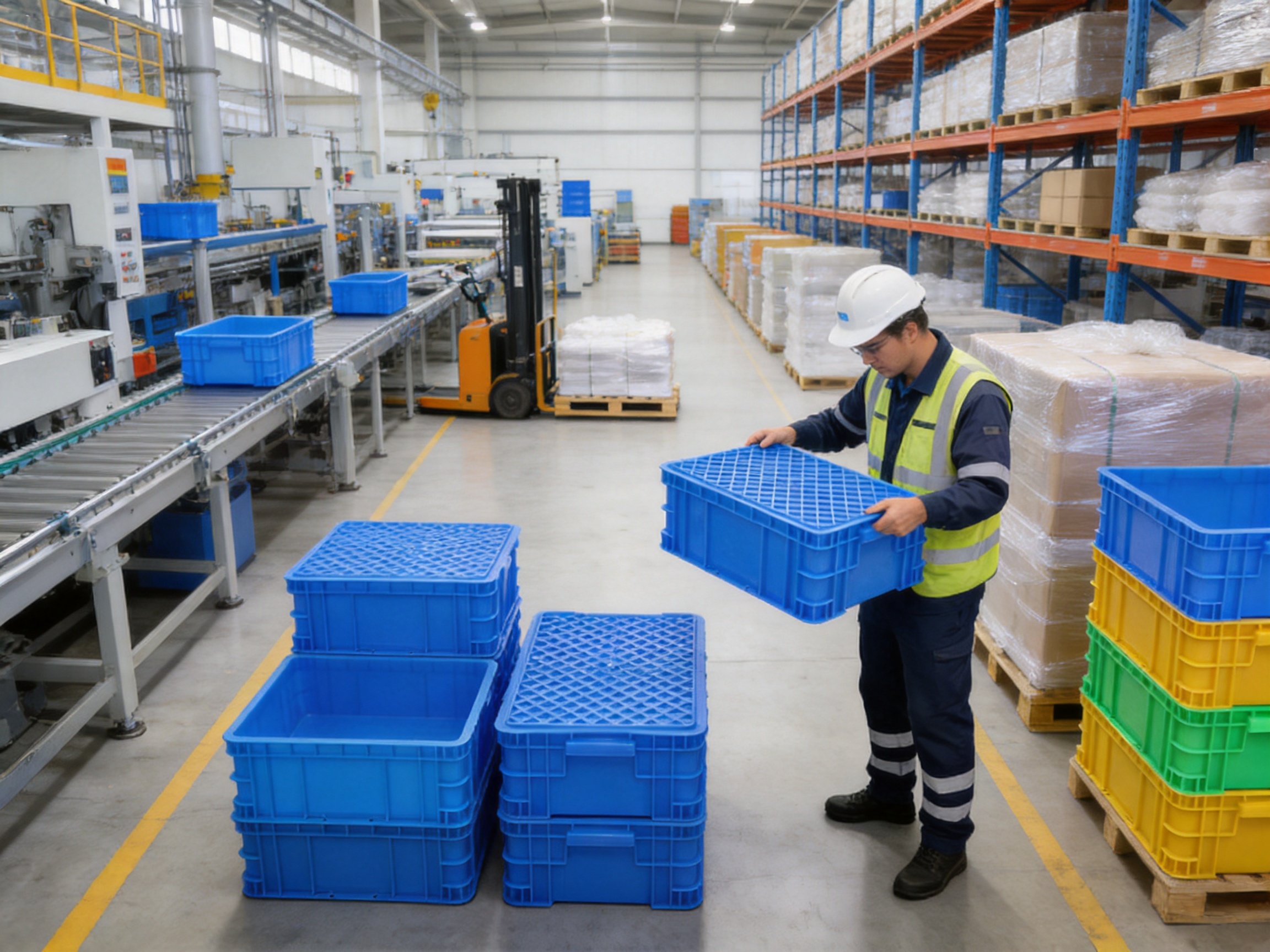
Efficient storage is one of the foundations of productive warehouse, workshop, manufacturing, and distribution operations. When small parts, components, tools, accessories, and packaged goods are stored in unsuitable containers, businesses often experience wasted space, misplaced inventory, damaged products, slow picking processes, and unnecessary handling costs. A well-designed tote box can address these challenges by combining dependable strength, standardized dimensions, stackability, convenient handling, and compatibility with organized storage systems.
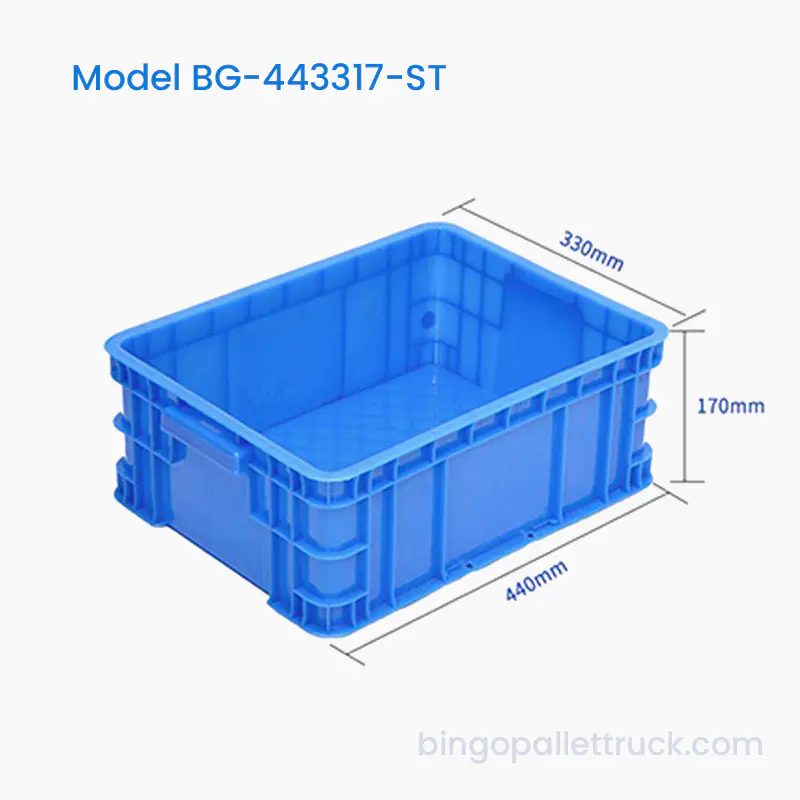
The 19L Small Size Stackable Tote Box for Workshop Parts, model BG-443317-ST, is designed as a practical storage solution for industrial and commercial environments. Measuring 440×330×170 mm externally and 400×300×160 mm internally, this tote provides useful capacity while maintaining a compact footprint. Its 19-liter volume makes it suitable for small and medium-sized components that need to remain visible, accessible, protected, and easy to transport throughout a facility.
Manufactured from durable HDPE, the container is built for repeated use in demanding daily operations. Its reinforced structure supports stable stacking, organized inventory management, and efficient transportation. Unlike disposable cartons or thin household storage boxes, this industrial tote is intended to remain in service through repeated loading, unloading, movement, and storage cycles.
The product is suitable for workshops, spare-parts rooms, assembly lines, distribution centers, e-commerce fulfillment areas, maintenance departments, retail backrooms, and other locations where standardized container storage is important. Its compact external dimensions allow it to be integrated into shelving, workbenches, storage racks, and logistics workflows without occupying excessive floor space.
Product Overview and Main Application Value
The primary function of the BG-443317-ST is to create a consistent storage unit for loose or boxed items. Small parts are often difficult to control because they may be stored in open cartons, mixed bins, plastic bags, or irregular containers. These methods can make inventory counting difficult and increase the risk of loss or contamination. A standardized 19-liter tote provides a defined storage boundary and gives operators a repeatable method for organizing materials.
The container can be used for items such as fasteners, electrical parts, tools, machine components, fittings, automotive accessories, packaging supplies, maintenance materials, and production-line consumables. It can also support order preparation by allowing products to be grouped according to stock-keeping unit, customer order, production stage, or work area.
Because the tote is stackable, the available vertical space in a warehouse or workshop can be used more effectively. Instead of spreading containers across floors, tables, or shelves, operators can build stable vertical groups. This is especially useful in facilities where floor area is expensive or limited. A properly planned stack can increase storage density while keeping materials within a controlled and recognizable location.
The tote also supports movement between departments. A parts container can be transferred from receiving to inspection, from storage to assembly, or from picking to dispatch without repacking the contents into another box. This reduces handling steps and helps preserve product organization during internal transport.
Detailed Product Specifications
| Product Type | Stackable plastic tote box |
| Model | BG-443317-ST |
| Material | HDPE |
| External Dimensions | 440×330×170 mm |
| Internal Dimensions | 400×300×160 mm |
| Nominal Capacity | 19 L |
| Product Weight | 0.88 kg |
| Primary Function | Storage, handling, organization, and internal transport |
| Recommended Environments | Warehouses, workshops, factories, distribution centers, and stockrooms |
| Stacking Function | Designed for vertical stacking and space-efficient storage |
The external dimensions determine the footprint required on a shelf, rack, floor, or workbench, while the internal dimensions define the usable storage area. With an internal length of 400 mm, internal width of 300 mm, and internal height of 160 mm, the tote offers a practical balance between capacity and accessibility. The relatively low profile makes it easier for operators to identify and retrieve parts compared with deep containers that require searching through multiple layers of contents.
The 0.88 kg product weight also contributes to practical handling. The tote is substantial enough to provide a stable structure but remains manageable for regular manual movement when filled with appropriately weighted materials. Actual working load should be selected according to the stored product, handling method, stacking height, temperature, and operating conditions.
Durable HDPE Construction
Material selection has a direct influence on the service life and reliability of a reusable storage container. This model is made from HDPE, a material widely used in industrial containers because of its combination of toughness, impact resistance, chemical resistance, and relatively low weight. These properties make it suitable for environments where containers are exposed to repeated contact, movement, and everyday operational wear.
HDPE can help the tote withstand the normal impacts associated with warehouse handling. Containers may be placed on floors, moved across work areas, loaded onto shelves, or transferred between departments. A durable polymer structure is better suited to these activities than fragile packaging materials that can split, collapse, or lose their shape after limited use.
The material also supports repeated cleaning and maintenance routines. In many workshops and production areas, storage containers may encounter dust, oil residues, metal particles, moisture, or other industrial contaminants. A reusable plastic tote can generally be wiped or washed more easily than corrugated packaging, helping businesses maintain cleaner storage conditions.
The use of HDPE also supports consistent dimensional stability during normal service. Stable dimensions are important for stacking because containers need to align correctly in vertical groups. When a box bends, collapses, or becomes distorted, stacks may become unstable and the available storage volume may be reduced.
Material performance should always be evaluated against the specific application. Users should consider temperature, chemical exposure, sharp edges, impact intensity, maximum load, and whether the container will be used outdoors or indoors. For standard warehouse, workshop, and logistics applications, the durable HDPE construction provides a strong foundation for long-term reusable storage.
Reinforced Stackable Design
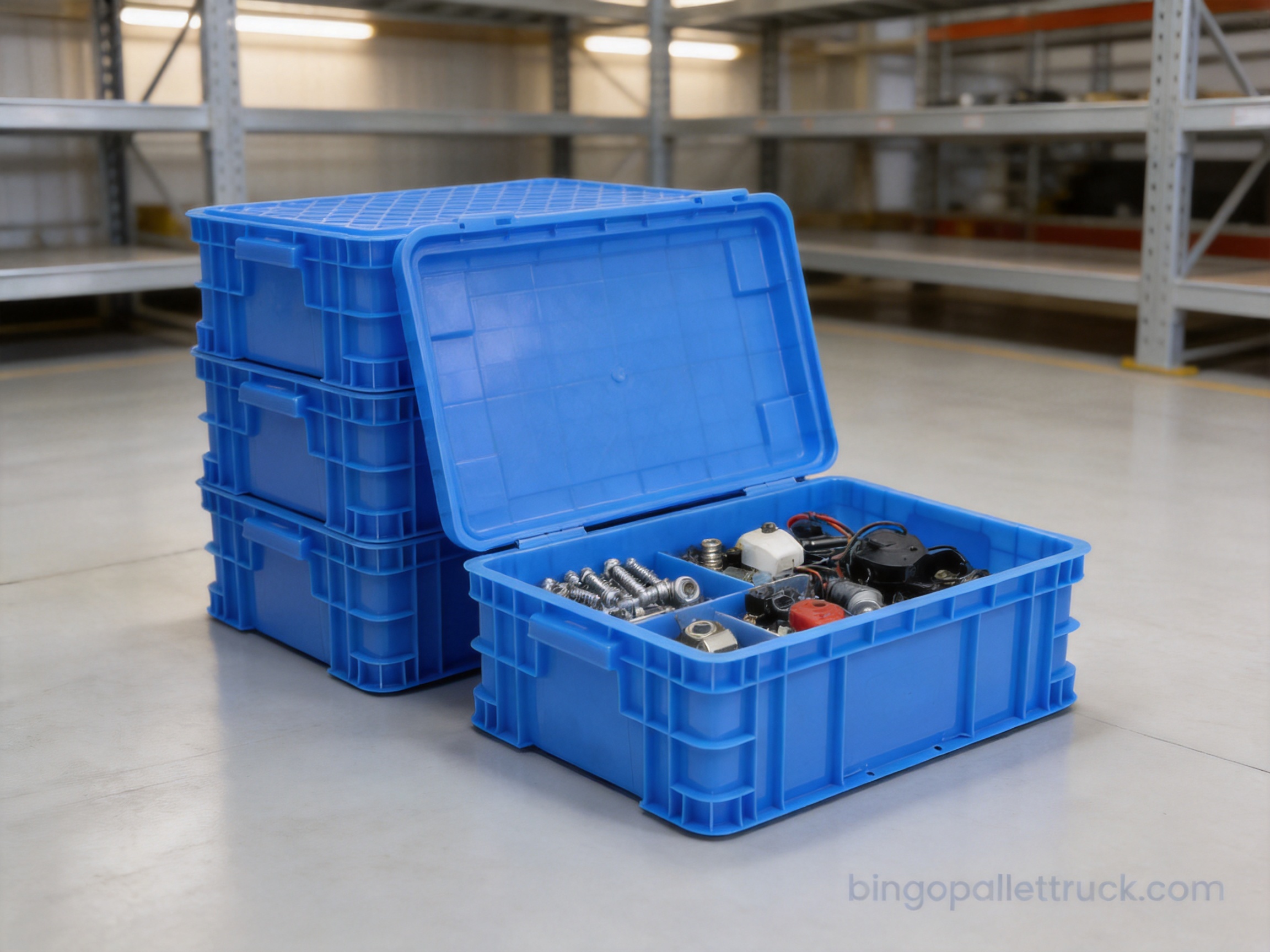
The defining feature of this product is its ability to support organized vertical stacking. The reinforced structure is designed to help containers remain aligned when placed one above another. This arrangement allows businesses to use vertical capacity rather than relying only on floor-level storage.
Vertical stacking can provide several operational benefits. It may reduce the amount of floor space required for stored parts, improve aisle organization, and create clearer locations for inventory. When totes are placed in consistent stacks, operators can more easily identify the correct group of materials. Standardized stacking can also simplify housekeeping because containers are less likely to be left in random positions around the facility.
The product information indicates that the containers can be stacked to more than ten layers under suitable conditions. The actual safe stacking height should be confirmed according to the load in each tote, the condition of the containers, the type of floor or rack, environmental conditions, and the stability requirements of the facility. Heavier contents, uneven floors, vibration, and excessive handling can reduce the practical stacking limit.
A stackable tote must perform more than the role of a simple receptacle. Its upper and lower structural areas need to transfer weight in a predictable way. The reinforced design helps distribute vertical pressure and reduces the likelihood that the walls will deform under normal stacking conditions. This is particularly valuable in warehouse operations where containers may remain stacked for extended periods.
When stacking is planned, operators should place the totes on level surfaces, keep loads within the suitable working range, avoid protruding objects, and ensure that the stack is not exposed to accidental impacts from vehicles or equipment. Good operating practices allow the structural advantages of the container to deliver their full value.
19L Small Size Stackable Tote Box for Workshop Parts
Advantages Compared with Competing Storage Options
Compared with Corrugated Cartons
Corrugated cartons are widely used for shipping and temporary packaging, but they are not always ideal for repetitive internal storage. Paper-based cartons can weaken when exposed to moisture, abrasion, compression, or repeated handling. Their shape may change after use, making consistent stacking difficult. Labels can also become damaged or detached during extended service.
The reusable plastic tote offers a more durable alternative for ongoing warehouse and workshop organization. Its HDPE construction is better suited to repeated use, while its standardized dimensions make stacking more predictable. Businesses that frequently move the same parts between storage and production can reduce their dependence on disposable cartons by using a reusable tote system.
Compared with Household Storage Boxes
Household storage boxes may be suitable for light domestic use, but many are not designed for industrial handling. Their walls, bases, or lids may not tolerate repeated loading, warehouse stacking, or contact with tools and equipment. They may also have dimensions that do not align with industrial shelving or logistics workflows.
The BG-443317-ST is designed around commercial storage needs. Its reinforced stackable structure, standardized measurements, and industrial HDPE material make it more appropriate for professional environments. It is intended to support routine operations rather than occasional household organization.
Compared with Open Bins
Open bins can provide quick access, but they may lack the footprint, stacking capability, and structural control needed for organized bulk storage. An unstructured collection of open bins can occupy more space and may be difficult to move as a group.
A stackable tote creates a more systematic storage arrangement. Containers can be grouped by product category or work order, stacked vertically, and relocated as individual units. The tote format is therefore suitable for facilities that need both access and space efficiency.
Compared with Oversized Containers
Large bulk containers can hold substantial volumes, but they may not be convenient for small parts or manual picking. Contents can become mixed, buried, or difficult to count. A 19-liter tote provides a more controlled quantity for many workshop and warehouse applications.
The smaller format can support better stock rotation and easier replenishment. Items can be divided into manageable groups, reducing the likelihood that operators will repeatedly disturb a large mixed container to locate a single component. This improves visibility and can support more accurate inventory practices.
Space Utilization in Warehouses and Workshops
Storage space is not limited to floor area. Efficient facilities use wall height, shelving levels, rack bays, workstations, and designated staging zones. A stackable tote helps convert unused vertical space into functional storage capacity.
The 440×330 mm external footprint is suitable for creating repeatable storage layouts. When several containers use the same dimensions, warehouse planners can arrange them in rows and columns with fewer gaps. Standardization reduces the irregular spaces commonly created by mixed carton sizes and makes it easier to estimate how many containers can fit in a rack or work area.
In workshops, the tote can be placed near assembly benches, maintenance stations, tool areas, or inspection points. A low-height container can allow operators to see and retrieve items without excessive reaching. In a distribution center, the same tote can be used to separate order lines or stage products before dispatch.
Efficient space utilization should not be measured only by how many boxes can be stacked. Accessibility, safety, picking speed, and visibility are equally important. The 19-liter size offers a useful middle ground: it is large enough to hold a practical quantity of parts but compact enough to remain manageable in daily operations.
Businesses may also benefit from assigning each tote a fixed location. Location codes, barcode labels, color identification, or product descriptions can be applied according to internal management procedures. Consistent container dimensions make these visual management systems easier to implement across multiple storage zones.
Applications Across Industrial Operations
Workshop Parts Storage
Workshops often handle many small items that must remain available but should not be scattered across benches and cabinets. The tote can store bolts, nuts, washers, fittings, bearings, electrical connectors, hand tools, and replacement components. Separate containers can be assigned to different machines, projects, or maintenance categories.
Its compact dimensions are suitable for placing parts near a workstation while preserving working space. A maintenance team can prepare a tote for a planned repair, fill it with the necessary components, and transfer it to the equipment location when required.
Manufacturing and Assembly Lines
Production lines depend on reliable access to components. A tote can serve as a line-side supply container for parts used during assembly. When one container is empty, another can be introduced according to a replenishment schedule. This supports orderly material flow and reduces the need for operators to leave the workstation frequently.
Different colors or labels may be used to distinguish product families, production stages, or quality status. The product information indicates that multiple color options and full specifications are available, with customization support. Color management should be coordinated with the facility’s existing identification system to avoid confusion.
Distribution Centers
Distribution centers can use stackable totes for order consolidation, returns processing, inventory separation, or internal transfer. The reusable design is especially useful where containers circulate repeatedly between receiving, storage, picking, and shipping areas.
A consistent tote format can simplify movement with carts, shelving, pallet positions, and manual handling procedures. It can also help warehouse staff maintain clear separation between orders or product categories during busy periods.
E-Commerce Fulfillment
E-commerce operations frequently handle a high number of stock-keeping units with relatively small quantities per item. A 19-liter tote can be assigned to a product category, fast-moving item, customer order, or replenishment task. The controlled volume helps prevent small items from becoming mixed and can support faster picking.
When totes are returned to a central area after order completion, their reusable construction can reduce the volume of single-use packaging consumed in internal processes. The containers can then be inspected, cleaned if necessary, and placed back into circulation.
Retail Backrooms
Retail businesses can use the tote to organize backroom inventory, promotional materials, replacement fixtures, accessories, and seasonal goods. Stacking allows more stock to be kept in a limited backroom area, while labels or colors can help employees identify contents quickly.
Spare-Parts and Maintenance Departments
Maintenance departments need reliable access to frequently used consumables and replacement components. A tote system can help separate planned maintenance kits, emergency repair parts, electrical materials, mechanical components, and safety-related supplies. The container can also be moved directly to a worksite when a repair is scheduled.
Manufacturing Process and Quality Control Strengths
A durable storage container depends not only on its design but also on how consistently it is manufactured. Variations in material quality, molding conditions, wall thickness, dimensions, and cooling can affect stackability and service performance. The manufacturing approach behind this product emphasizes standardized production and inspection at multiple stages.
The company operates within a broader warehousing and logistics equipment supply chain that includes handling equipment, storage containers, packaging materials, and warehouse racking. This product specialization gives the manufacturer a practical understanding of how tote boxes are used alongside pallets, racks, pallet trucks, stackers, and other logistics equipment.
Material Sourcing
Quality control begins with the selection and inspection of raw materials. The supplied product information emphasizes controlled material selection and the use of high-quality polymer inputs in the production system. Consistent raw material properties help support predictable color, strength, surface finish, and dimensional performance.
For an industrial tote, material consistency is important because the container may be subjected to repeated compression and impact. Raw material control also supports more stable processing, reducing the risk of visible defects or inconsistent structural areas.
Standardized Production Procedures
Standardized procedures help ensure that each production batch follows the same basic process requirements. Repeatable operations may include mold preparation, material processing, forming, cooling, trimming, dimensional inspection, and final packing. Clear procedures reduce dependence on individual judgment and help improve product consistency.
For stackable products, process control is especially important. Small dimensional differences can affect how containers align when stacked. Consistent manufacturing helps maintain the intended relationship between the upper and lower structural areas of each tote.
Inspection at Multiple Stages
The manufacturer describes strict quality control from raw material sourcing through production. Inspections at different stages allow potential issues to be identified before products reach the customer. This approach is stronger than relying only on a final visual check.
Inspection may include reviewing material condition, checking dimensions, examining surface quality, confirming weight, and evaluating the finished product for deformation or damage. The precise inspection plan can vary by production order and customer requirements, but a staged quality system provides a practical framework for maintaining reliable output.
Equipment and Production Capability
The company maintains manufacturing equipment and standardized production resources for its product lines. A capable production system supports repeat orders, specification control, color options, and customization discussions. It also helps the supplier serve customers who need more than a one-time purchase.
For distributors, logistics companies, and industrial users, supply continuity is an important consideration. The product information indicates that the tote is in stock and available for fast delivery. Stock availability can reduce waiting time when a warehouse needs to expand its container fleet or replace damaged units.
Customization and Procurement Flexibility
Different industries may require different container colors, identification methods, packaging configurations, or order quantities. The product information indicates support for multiple colors, full specifications, and customization. These options can help businesses adapt the tote to their internal systems.
Color coding can separate departments, material categories, quality status, or handling priorities. For example, a warehouse may use one color for incoming goods, another for inspected inventory, and a third for items awaiting processing. Such systems should be documented clearly so that color does not become the only method of identification.
Customization may also involve labels, markings, packaging quantities, or other order-specific arrangements. Buyers should provide detailed requirements before production or shipment, including preferred colors, identification standards, quantity expectations, and any special application conditions.
For buyers managing multiple locations, standardizing the same tote model across facilities can simplify purchasing, replacement, training, and storage planning. A common container format also makes it easier to transfer stock and procedures between sites.
Operational Benefits and Cost Considerations
The purchase price of a storage container is only one part of its total value. Businesses should also consider service life, handling efficiency, replacement frequency, cleaning requirements, space utilization, and the cost of damaged or misplaced inventory.
A reusable tote can provide value over multiple operating cycles. If it replaces disposable cartons or short-lived containers, the business may reduce recurring packaging consumption. The durable structure can also help protect parts during internal movement, reducing the chance of damage caused by collapsing or torn packaging.
Better organization may produce indirect savings. Operators can spend less time searching for components, preparing materials, or rearranging unstable stacks. Standardized storage can also support more accurate inventory counts and faster replenishment decisions.
To calculate the full return on investment, a business can compare the expected useful life of the tote with the cost of alternative packaging. Other factors include the number of handling cycles, labor time saved, floor space released, and the value of improved inventory control.
Reuse should be managed responsibly. Totes should be inspected periodically and removed from service if they have severe cracks, deformation, or other damage that could affect safety. Proper rotation and maintenance help extend the useful life of the container fleet.
Safe Handling and Recommended Use
Although the tote is designed for heavy-duty storage applications, safe operating procedures remain essential. Contents should be distributed evenly rather than concentrated in one area. Sharp or unusually heavy objects should be evaluated before loading because they may create localized stress.
Stacks should be built on level, stable surfaces. Operators should avoid placing unstable loads on top of the tote or exceeding the practical stacking height for the application. If containers are handled near forklifts, pallet trucks, or other moving equipment, traffic routes should be separated from pedestrian storage areas where possible.
Overfilled totes may become difficult to move and may prevent secure stacking. Contents should remain below the upper edge when practical, especially if the container will be transported manually. If the stored material is oily, wet, or contaminated, cleaning procedures should be established to prevent slippery surfaces and cross-contamination.
Temperature and chemical exposure should also be considered. HDPE is broadly resistant to many common industrial substances, but no polymer is suitable for every chemical or temperature condition. Users should confirm compatibility when the tote will be exposed to aggressive chemicals, extreme heat, freezing conditions, or prolonged outdoor weather.
Cleaning, Inspection, and Maintenance
Regular cleaning can help preserve the appearance and usability of reusable totes. Dust and loose debris can be removed before the container is returned to circulation. If washing is required, the cleaning method should be compatible with the stored materials and the HDPE construction.
Inspection should focus on cracks, deep cuts, significant deformation, damaged stacking areas, and weakened corners. Minor surface marks may be normal in industrial use, but damage that affects alignment or load support requires closer evaluation.
Empty totes should be stored in stable stacks or designated locations. Avoid leaving them in vehicle lanes, emergency access routes, or areas where they may be struck by handling equipment. A simple storage standard can prevent unnecessary damage and reduce trip hazards.
Businesses with large container fleets may benefit from an inspection record. The record can include purchase date, department, condition, cleaning status, and replacement decision. This approach is useful for quality-sensitive production environments and facilities with formal asset management systems.
Implementation in a Warehouse Storage System
Introducing stackable totes is most effective when the containers are integrated into a broader storage plan. Before ordering, the user should identify the dimensions of existing shelves, racks, carts, workbenches, and pallet positions. The 440×330 mm footprint should be compared with available spaces to determine the most efficient arrangement.
The next step is to define what each container will hold. A tote may be assigned to one product code, a group of related components, a production order, or a replenishment route. Clear rules prevent unrelated items from being mixed and improve the accuracy of stock records.
Identification can include printed labels, barcodes, QR codes, color systems, or location numbers. Labels should be placed where they remain visible when totes are stacked or stored on shelves. If containers are frequently transferred, both the container identity and the contents should be recorded.
Standard operating procedures should explain how totes are loaded, stacked, transported, cleaned, inspected, and returned. Employees should know the practical stacking limit and understand that nominal capacity does not automatically define the safe weight limit.
A pilot program can help evaluate the tote before a larger purchase. A business may introduce a limited number in one workshop or warehouse zone, then measure picking time, storage density, damage rates, and operator feedback. The results can guide the final deployment plan.
Supplier Capabilities and Integrated Logistics Expertise
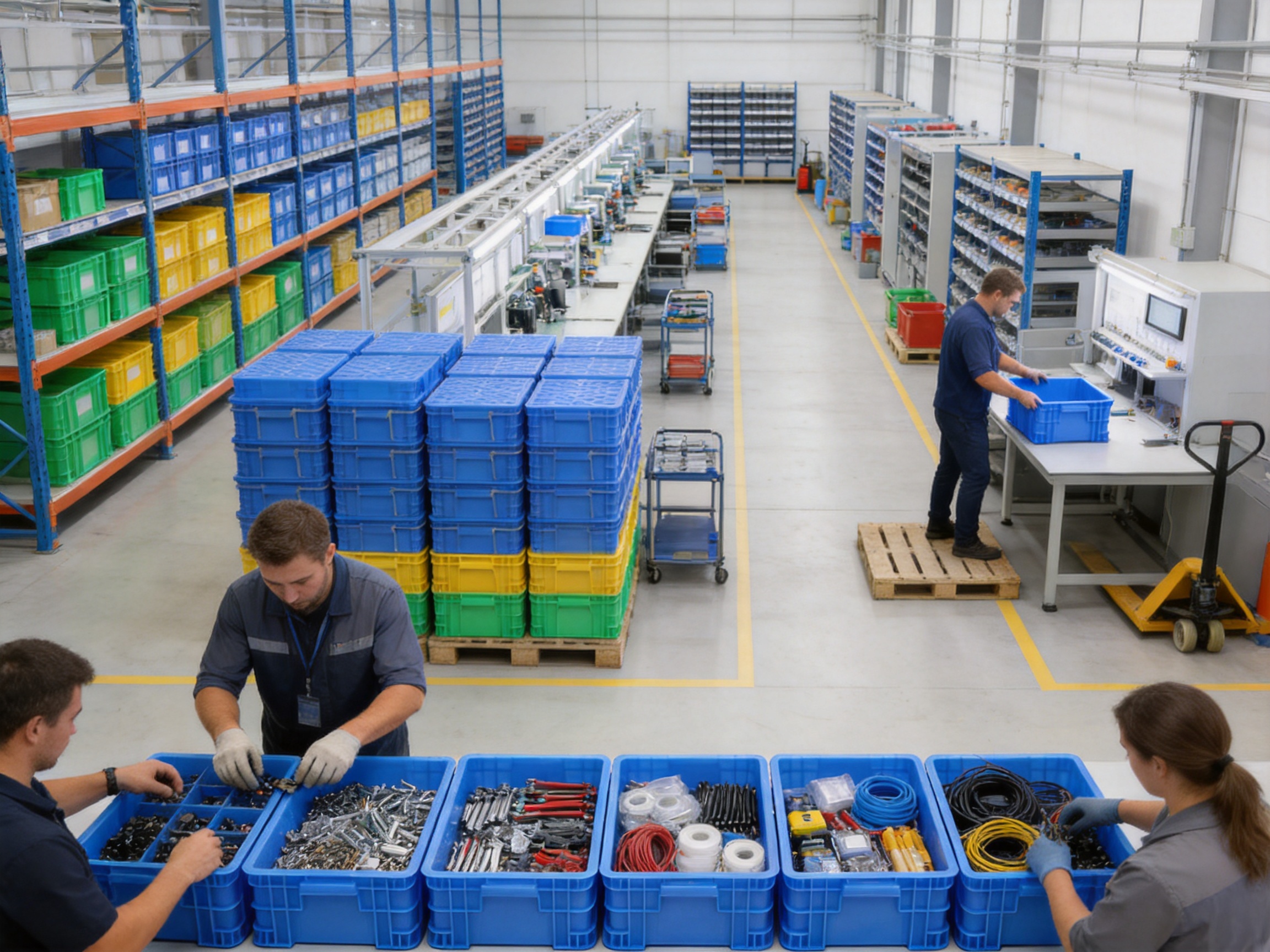
The manufacturer is positioned as a supplier of warehousing and logistics equipment rather than a producer of isolated plastic containers only. Its product scope includes material handling equipment, storage containers, packaging materials, and warehouse racking. This broader range can be valuable to customers seeking coordinated solutions for storage and internal movement.
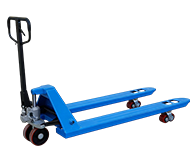
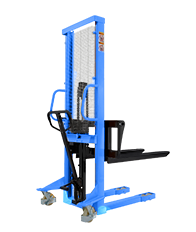
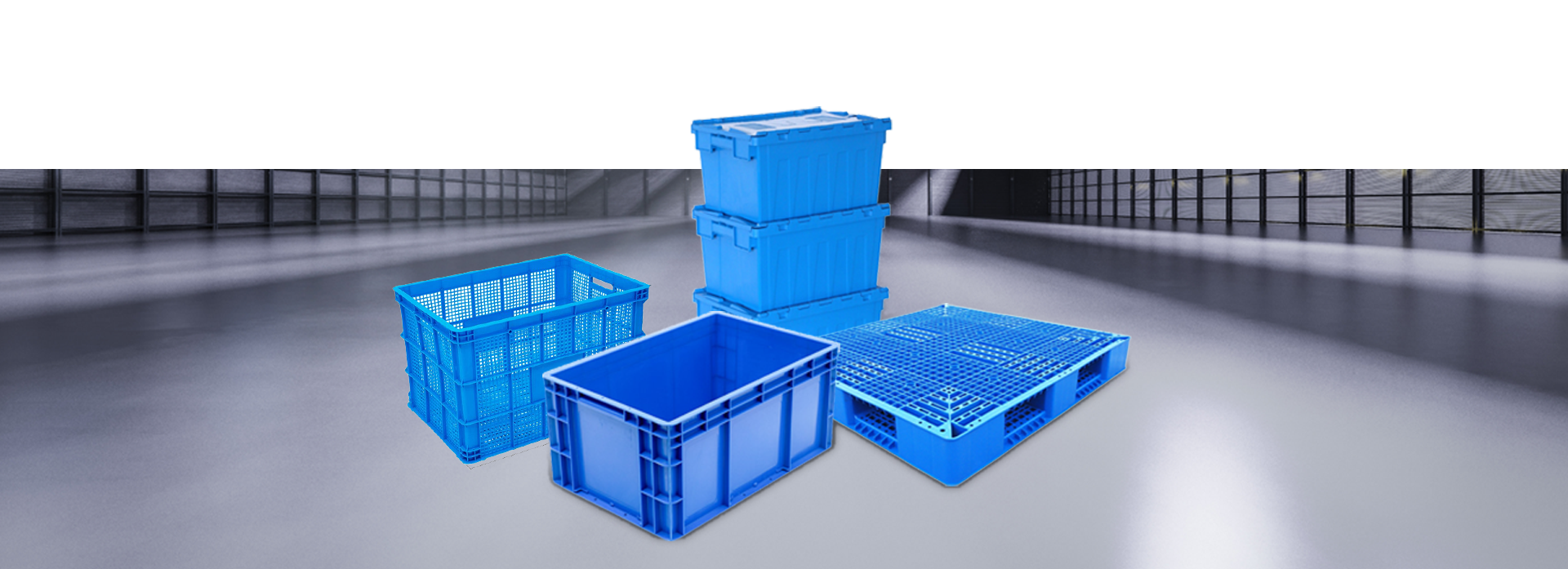
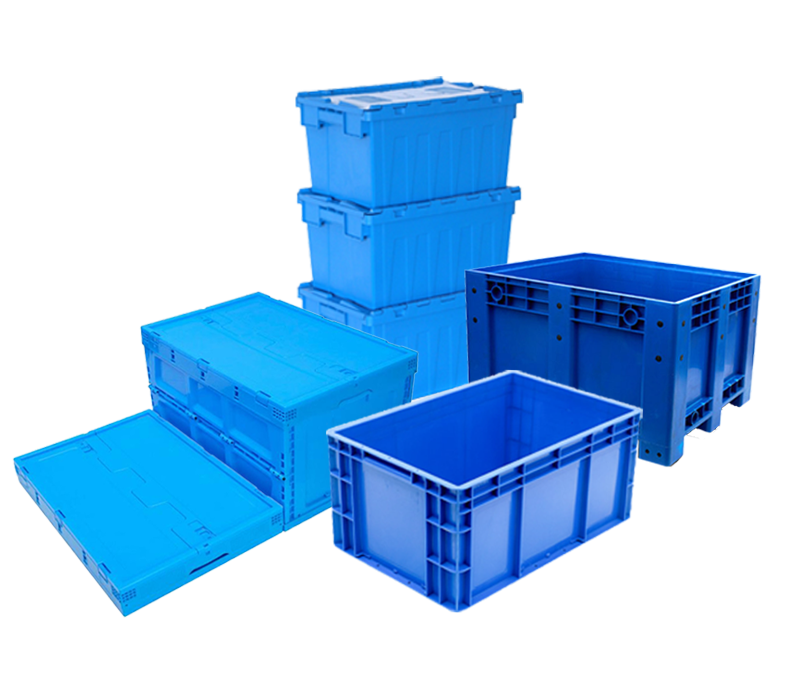
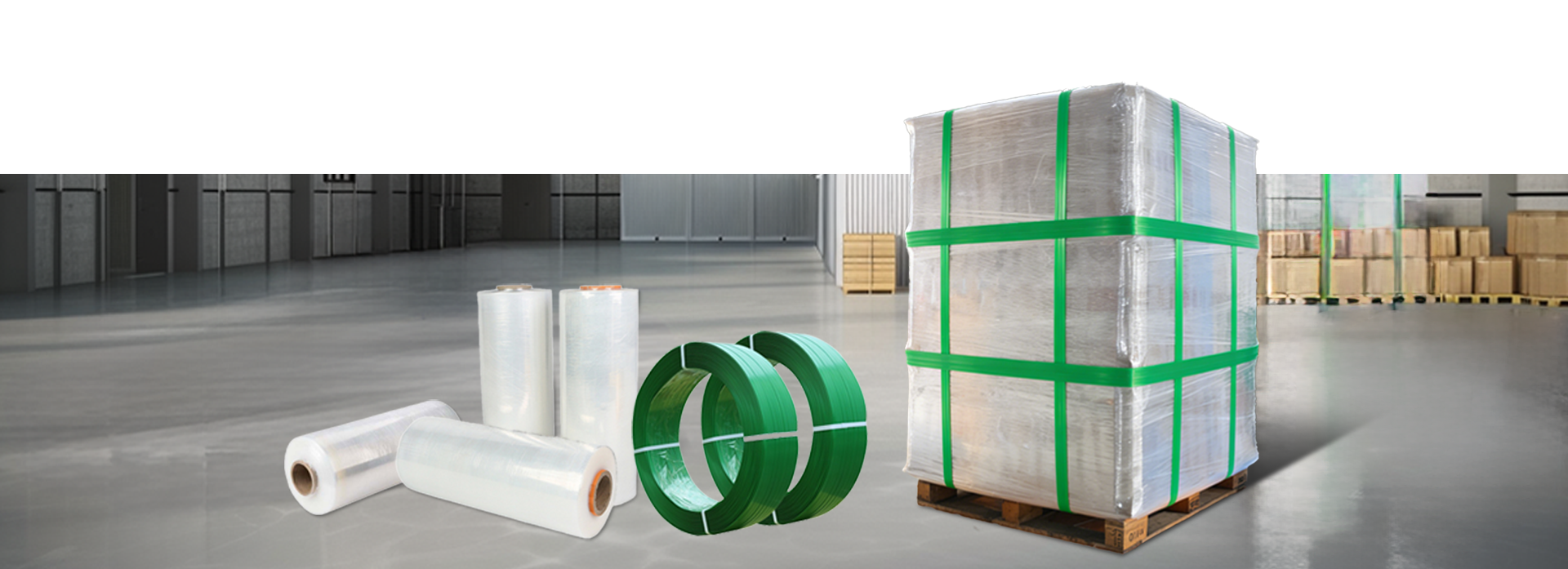
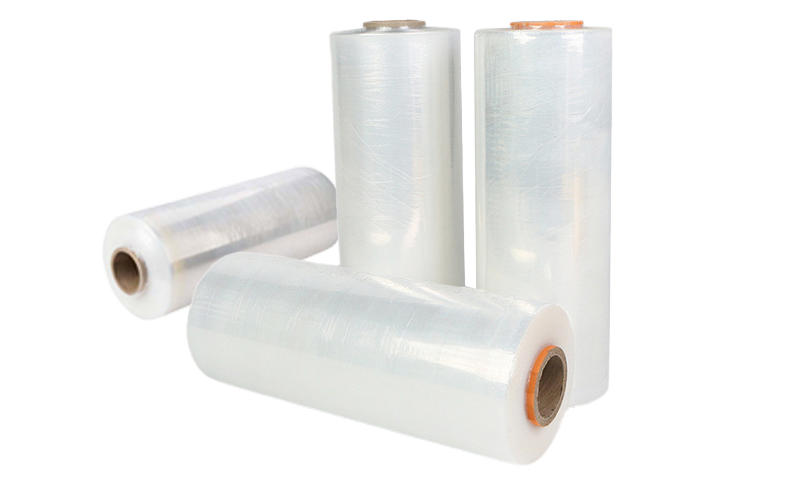
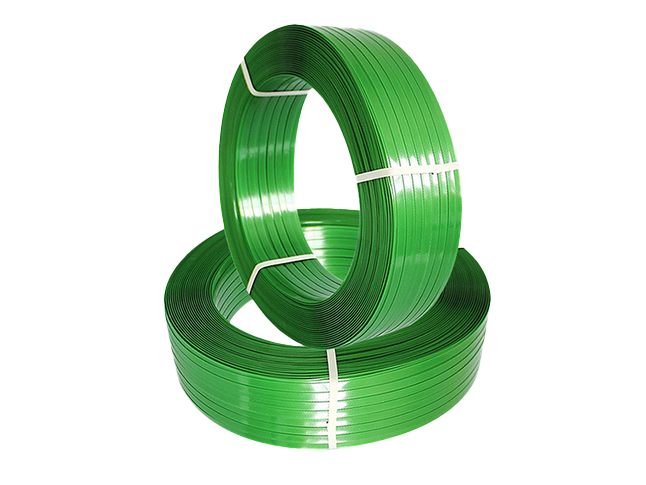
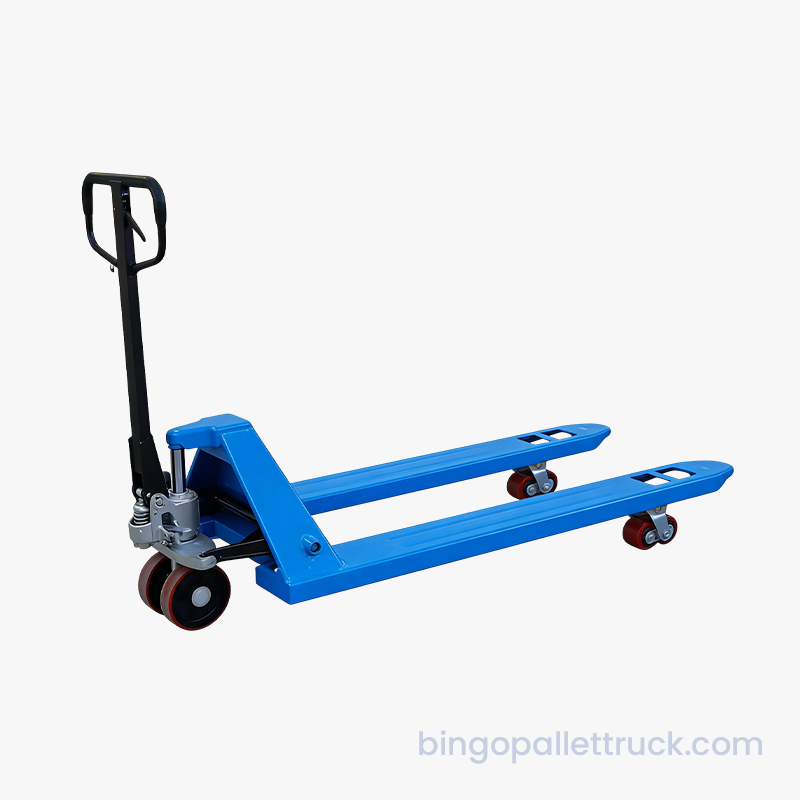
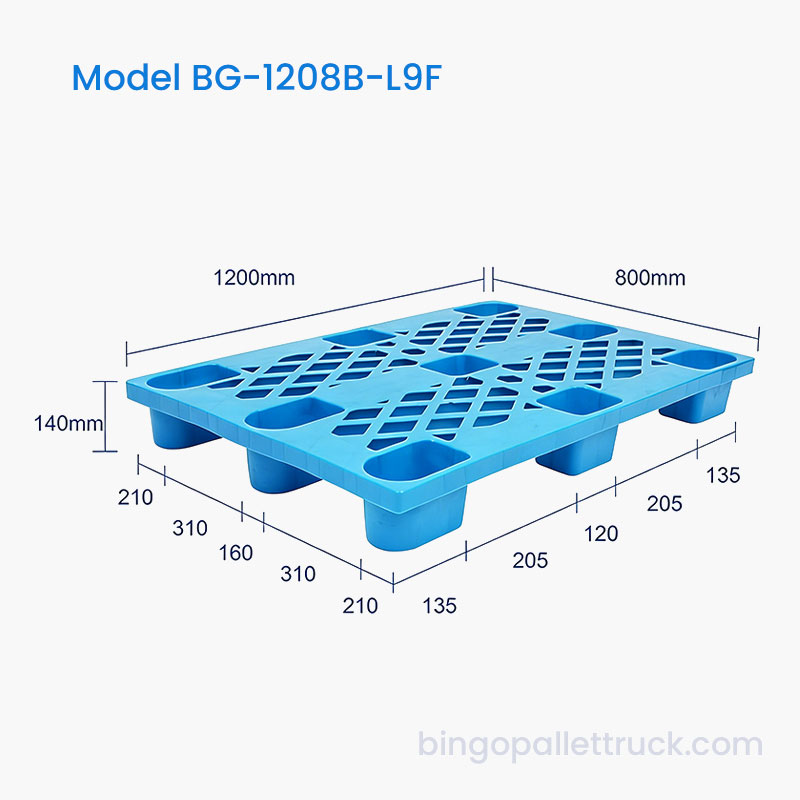
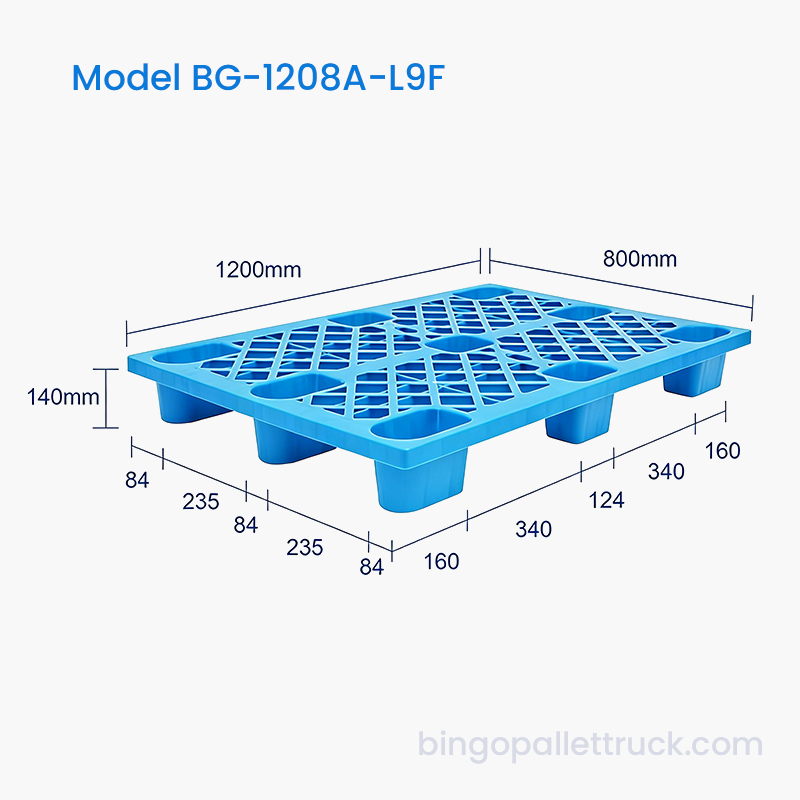
In handling equipment, the product range includes manual and electric pallet trucks and stackers. In storage containers, the company provides plastic pallets, totes, crates, and bulk containers. Its packaging materials include stretch wrap and packing strapping, while its racking range covers light-duty, medium-duty, and heavy-duty applications.
This integrated product knowledge allows the supplier to understand how a tote interacts with surrounding warehouse systems. A customer may need containers that fit a rack layout, work with a pallet movement process, or support a packaging and dispatch procedure. Having access to several related product categories can simplify communication and sourcing.
The company states that it serves industries including manufacturing, e-commerce logistics, warehousing and distribution, and supermarket retail. These sectors have different requirements, but all depend on reliable material flow, organized storage, and efficient handling. Experience across these applications can support more practical product recommendations.
The supplier also emphasizes quality, standardized processes, international market service, and one-stop logistics solutions. For overseas buyers, these capabilities may be relevant when evaluating production consistency, communication, order coordination, and long-term supply potential.
Frequently Asked Questions
What is the capacity of the tote box?
The nominal capacity is 19 liters. The internal dimensions are 400×300×160 mm, providing a practical storage area for small and medium-sized workshop, warehouse, and logistics items.
What material is used to manufacture the container?
The product is specified as being made from HDPE. This material provides a useful combination of durability, impact resistance, chemical resistance, and manageable weight for reusable industrial storage.
What are the external dimensions?
The external dimensions are 440×330×170 mm. These measurements should be compared with the dimensions of storage racks, shelves, carts, workbenches, and other equipment before purchasing.
What are the internal dimensions?
The internal dimensions are 400×300×160 mm. These dimensions indicate the approximate usable space for stored items, although the practical capacity may vary depending on product shape and loading method.
How much does one tote weigh?
The listed product weight is 0.88 kg. The total handling weight will depend on the contents placed inside the container.
Can the totes be stacked?
Yes. The tote is designed for vertical stacking and has a reinforced stackable structure. The product information indicates stacking of more than ten layers under suitable conditions. Users should determine the safe operating height according to load, floor condition, environment, and facility procedures.
Can the tote be used for workshop parts?
Yes. It is suitable for fasteners, fittings, tools, electrical components, machine parts, maintenance supplies, and other small or medium-sized items. Separating items by product code or application can improve inventory control.
Is the tote suitable for warehouse logistics?
Yes. Its standardized dimensions and reusable HDPE construction make it suitable for storage, internal transportation, order preparation, inventory separation, and staging in warehouses and distribution centers.
Are different colors available?
The product information indicates that multiple colors and full specifications are available. Buyers should confirm color options, minimum order quantities, and customization requirements before placing an order.
Can the tote be customized?
Customization is supported according to the supplied information. Possible requirements may include color, markings, packaging, or other order-specific details. Exact options should be confirmed with the supplier.
How should the tote be cleaned?
The tote can be maintained using cleaning methods suitable for HDPE and the type of contamination involved. Users should avoid cleaning agents or temperatures that may damage the material and should ensure that the container is dry when necessary before reuse.
What should be considered before purchasing?
Buyers should review the required capacity, external and internal dimensions, expected load, stacking height, storage equipment compatibility, operating temperature, chemical exposure, color requirements, order quantity, and delivery schedule.
Can the tote replace all disposable packaging?
It can replace some disposable internal storage and handling packaging, but suitability depends on the product, shipping conditions, cleanliness requirements, and customer specifications. It is particularly valuable for repeated internal movements and reusable warehouse workflows.
Conclusion
The 19L Small Size Stackable Tote Box for Workshop Parts is a practical solution for businesses that need durable, repeatable, and space-efficient storage. Its HDPE construction supports repeated use, while the reinforced stackable design helps organizations make better use of vertical capacity. The 440×330×170 mm external dimensions and 400×300×160 mm internal dimensions provide a useful balance between storage volume and manual accessibility.
Compared with disposable cartons, household boxes, irregular open bins, and oversized containers, this tote is better aligned with structured industrial storage. It can support workshop organization, manufacturing supply, warehouse picking, e-commerce fulfillment, spare-parts management, retail backroom storage, and internal logistics.
The product is further supported by standardized manufacturing procedures, staged quality control, material management, customization options, and a supplier product range covering handling equipment, storage containers, packaging materials, and warehouse racking. These strengths make it suitable not only as an individual container but also as part of a wider material storage and handling system.
When correctly selected, loaded, stacked, inspected, and maintained, the tote can help reduce clutter, improve inventory visibility, increase storage density, and support more efficient material flow. For organizations seeking a reusable storage platform for daily warehouse and workshop operations, this 19-liter stackable tote offers a strong combination of capacity, durability, standardization, and operational flexibility.
References
1. Product specification sheet for model BG-443317-ST, including dimensions, material, weight, and capacity.
2. Industrial practices for reusable plastic containers in warehouse storage and internal material handling.
3. General guidance on HDPE properties, reusable packaging, and polymer container performance.
4. Warehouse planning principles for vertical storage, container standardization, inventory visibility, and safe stacking.
5. Manufacturing quality-control principles covering raw-material inspection, standardized production, dimensional checks, and final product evaluation.
Product: 19L Small Size Stackable Tote Box for Workshop Parts


Copyright @ Yancheng Bingo Machinery Equipment Co., Ltd. All rights reserved Warehouse Logistics Equipment Manufacturer Pallet Truck Supplier
