 en
 Español


53L Collapsible Plastic Crate: A Space-Saving Solution for Modern Warehouse Organization
Content
- 1 Why Collapsible Crates Matter in Modern Logistics
- 2 Product Overview and Technical Specifications
- 3 Durable Polypropylene Construction
- 4 Large Capacity in a Standardized Footprint
- 5 Space Savings Through a 73.2% Fold Ratio
- 6 Stackability and Warehouse Organization
- 7 Modular Design and Replaceable Components
- 8 Hinged Access Door for Convenient Handling
- 9 Latch, Lock, and Security Features
- 10 Label Card Slot for Inventory Identification
- 11 Load Capacity and Structural Confidence
- 12 Simple Opening and Folding Procedures
- 13 Applications in Retail and E-Commerce
- 14 Applications in Manufacturing and Industrial Storage
- 15 Applications in Warehousing and Distribution
- 16 Manufacturing Process and Quality Control
- 17 Standardized Production and Scalable Supply
- 18 Advantages Over Conventional Packaging Options
- 19 Cost Efficiency Across the Product Lifecycle
- 20 Sustainability and Reusable Logistics
- 21 Color, Specification, and Customization Potential
- 22 Recommended Operating Practices
- 23 Purchasing Considerations for Businesses
- 24 Frequently Asked Questions
- 24.1 What is the capacity of the collapsible plastic crate?
- 24.2 How much space does the crate save when folded?
- 24.3 What material is used to manufacture the crate?
- 24.4 Is the crate reusable?
- 24.5 Can the crate be stacked?
- 24.6 Does the crate include a security feature?
- 24.7 How can goods be identified inside the crate?
- 24.8 What happens if one part of the crate is damaged?
- 24.9 Is the crate suitable for food-related logistics?
- 24.10 What industries can use this crate?
- 24.11 What is the product weight?
- 24.12 How much load can the crate support?
- 25 Conclusion
- 26 References
- 27 Product: 53L Collapsible Plastic Crate for Retail Store Bulk Organization
Efficient storage and dependable goods handling are essential to every modern supply chain. Warehouses, retail distribution centers, e-commerce fulfillment operations, manufacturing facilities, and supermarket logistics networks all need containers that can protect products while using floor space, transport capacity, labor, and storage budgets efficiently. The 53L collapsible plastic crate, model BG-604028-CC, is designed to address these requirements with a combination of high capacity, durable construction, foldable storage, modular maintenance, and practical handling features.
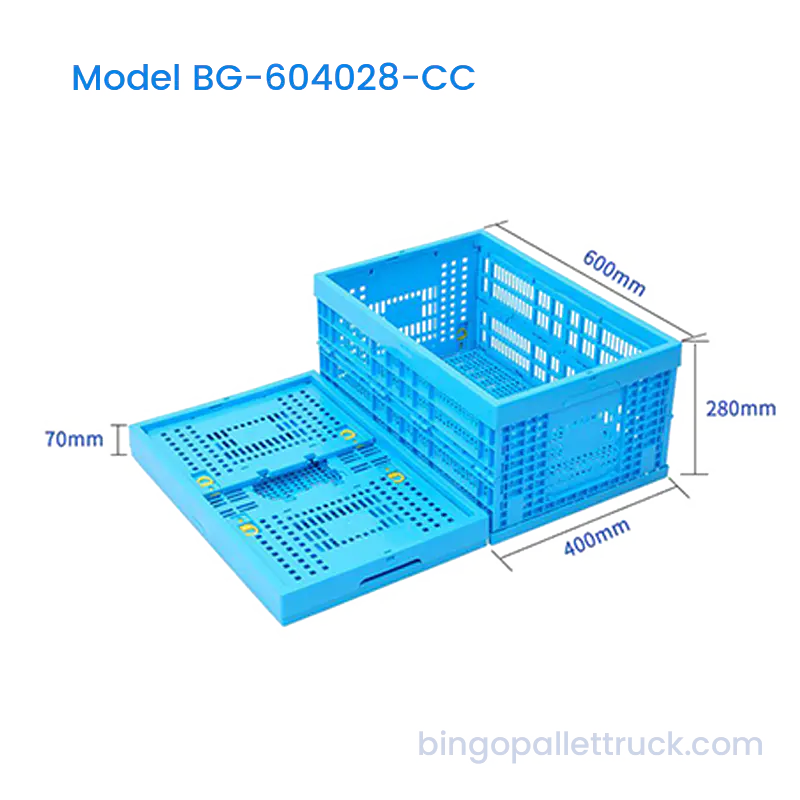
Measuring 600 × 400 × 280 millimeters externally, this reusable plastic crate provides a standardized footprint suitable for organized warehouse layouts and distribution operations. It offers a nominal capacity of 53 liters while maintaining a manageable weight of only 2.09 kilograms. When the crate is not being used, its folding structure reduces the height from 280 millimeters to just 70 millimeters. This 73.2% fold ratio allows empty crates to occupy substantially less space during storage and reverse logistics.
The product is manufactured from high-density polypropylene, or PP, with a food-safe material specification. Its construction is intended for repeated handling and circulation rather than one-time use. The crate can be stacked when open, folded when empty, labeled for identification, secured with a seal or lock, and serviced through replaceable components when localized damage occurs. These characteristics make it particularly suitable for businesses seeking to reduce packaging waste, improve warehouse organization, and lower the total cost of reusable transport packaging.
Why Collapsible Crates Matter in Modern Logistics
Traditional rigid containers provide structure and protection, but they can become inefficient when empty. A rigid container occupies almost the same volume whether it is carrying goods or waiting for its next assignment. In operations involving frequent return trips, seasonal fluctuations, or decentralized distribution, empty-container volume can become a significant cost factor.
A collapsible crate addresses this challenge by changing its vertical profile according to the task. During use, it forms a high-capacity container with protective walls. After unloading, it can be folded down to a compact 70-millimeter height. This reduces the amount of space required in a warehouse, delivery vehicle, return shipment, or staging area. More folded crates can be placed in the same location, which can help reduce handling frequency and improve the utilization of storage and transport resources.
The folding function is especially valuable in reverse logistics. Retail stores, fulfillment centers, distribution hubs, and manufacturing sites regularly send empty packaging back to a central location. With rigid containers, businesses may be transporting mostly air. A foldable crate allows more units to be returned per vehicle or pallet position, improving the efficiency of backhaul movements.
Collapsible packaging also supports more flexible inventory planning. A company can keep a larger reserve of empty crates without dedicating the same amount of warehouse space that rigid containers would require. This can be useful during promotions, peak e-commerce periods, harvest cycles, seasonal retail demand, or production surges.
Product Overview and Technical Specifications
The BG-604028-CC is a large-format collapsible plastic crate designed for organized material storage and repeated logistics use. Its external dimensions follow a 600 × 400 millimeter base format, with an open height of 280 millimeters. This footprint is convenient for warehouse planning because it can be aligned with shelving, pallets, workstations, carts, and other common logistics equipment.
| Specification | Details |
|---|---|
| Product type | Collapsible plastic crate |
| Model | BG-604028-CC |
| Material | Polypropylene (PP) |
| External dimensions | 600 × 400 × 280 mm |
| Internal dimensions | 560 × 360 × 265 mm |
| Capacity | 53 liters |
| Product weight | 2.09 kg |
| Folded height | 70 mm |
| Fold ratio | 73.2% |
| Material characteristic | High-density, food-safe PP specification |
| Structural characteristic | Stackable and reusable |
The internal dimensions of 560 × 360 × 265 millimeters provide usable room for packaged goods, retail products, components, and warehouse items while leaving the structural walls, frame, hinges, and access features outside the usable storage area. The 53-liter capacity offers a practical balance between volume and manual handling. It is large enough for bulk organization but still compact enough for aisle movement, picking operations, and retail replenishment workflows.
At 2.09 kilograms, the crate is designed to deliver a useful capacity-to-weight ratio. A lighter empty container is easier to deploy, fold, transfer, and return. At the same time, its PP construction and reinforced design support demanding warehouse environments where containers may be stacked, moved, loaded, unloaded, and reused repeatedly.
53L Collapsible Plastic Crate for Retail Store Bulk Organization
Durable Polypropylene Construction
Material selection is one of the most important factors in reusable packaging. Polypropylene is widely used for industrial and commercial containers because it combines low weight with useful impact resistance, chemical resistance, moisture resistance, and ease of cleaning. For warehouse operations, these characteristics help containers remain practical across a variety of storage and transport conditions.
The crate is made from high-density PP virgin material according to the supplied manufacturing information. Using virgin material supports consistent molding performance and helps maintain predictable mechanical properties from batch to batch. It also enables controlled production of the walls, base, frame, latches, and other structural components.
The food-safe material specification expands the range of potential applications. Depending on the specific goods and applicable handling requirements, the crate can be considered for food-related distribution, supermarket supply, packaged consumer goods, produce handling, and other environments where a cleanable plastic container is preferred. Businesses should always confirm the exact regulatory and hygiene requirements applicable to their products and destination market.
Compared with many disposable cardboard boxes, a reusable PP crate is less vulnerable to moisture, repeated handling, and compression from normal warehouse use. It does not lose its basic shape simply because it encounters a damp floor or humid transport environment. It can also be wiped or washed as part of an appropriate cleaning program, making it suitable for operations that require recurring container sanitation.
Compared with inexpensive thin-wall plastic bins, this crate is designed around a more comprehensive structural system. Its value does not depend solely on material thickness. The upper frame, folding side panels, base, pin shafts, latches, locking features, and access door work together to create a reusable logistics unit.
Large Capacity in a Standardized Footprint
The 600 × 400 millimeter footprint is one of the product’s practical advantages. Standardized footprints simplify warehouse design and make it easier to combine containers with shelving, pallets, conveyors, delivery vehicles, picking stations, and retail storage areas. A consistent footprint also supports predictable stacking and more efficient use of available floor area.
The crate’s 53-liter capacity allows operators to consolidate smaller quantities into a single manageable unit. Consolidation can reduce the number of loose packages in a warehouse, simplify order picking, and improve product visibility. When goods are grouped by stock keeping unit, customer order, route, department, or production batch, the crate can serve as both a storage container and a workflow control point.
Its internal dimensions of 560 × 360 × 265 millimeters help users estimate whether products will fit before purchasing or deploying the crate. This is particularly important for e-commerce fulfillment, where accurate container selection can improve picking speed and reduce empty space around products. It is also useful in manufacturing environments where components must be transferred between processes without becoming mixed or misplaced.
The crate is not limited to one industry. It can support retail store replenishment, distribution of packaged goods, spare-parts storage, warehouse picking, light industrial components, production line feeding, and general inventory organization. Its reusable format allows companies to establish consistent handling procedures rather than relying on a changing mixture of cartons and temporary packaging.
Space Savings Through a 73.2% Fold Ratio
The defining feature of this crate is its collapsible design. When open, the crate provides a 280-millimeter-high storage space. When folded, its height is reduced to 70 millimeters. The resulting 73.2% folding ratio substantially changes the economics of empty-crate storage and transportation.
For example, a warehouse that stores several hundred empty crates may need a large vertical area if all containers remain open. Folding them can free room for sellable inventory, equipment, workstations, or additional operating space. The same principle applies to delivery vehicles. A truck returning from a retail route can carry more empty crates when the units are folded than when they remain fully assembled.
Space efficiency also improves at temporary locations. Pop-up retail sites, event distribution points, seasonal warehouses, and construction or maintenance facilities may have limited storage areas. Folded crates can be kept close to the point of use without creating unnecessary obstructions.
The foldable design may also reduce the need for separate storage and transport packaging. A business can send the same crate out full, receive it empty, fold it, and return it for another cycle. This simplifies asset circulation and may reduce dependence on disposable secondary packaging.
Stackability and Warehouse Organization
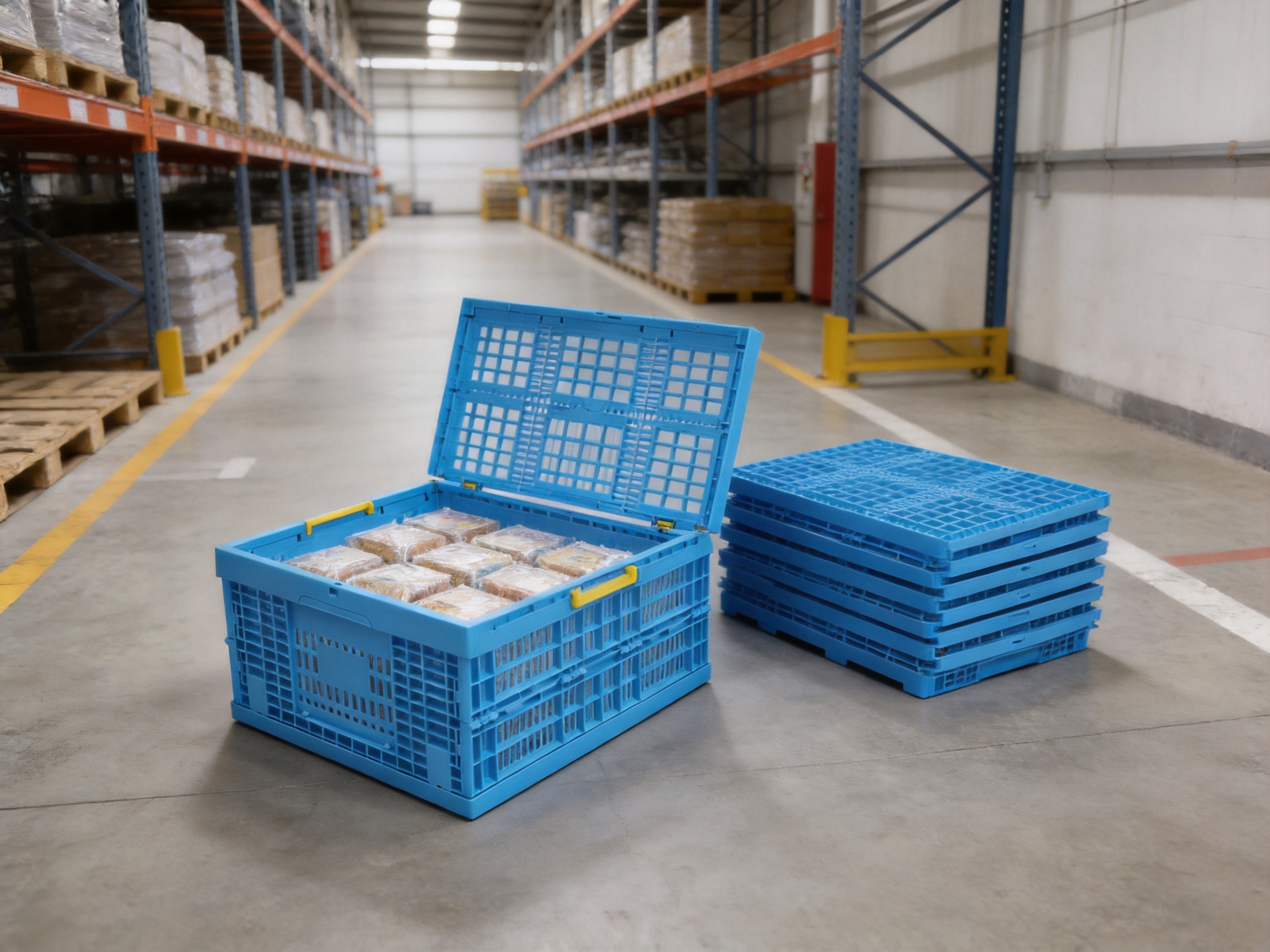
Stacking is essential when vertical space is available but floor space is limited. The crate is designed to be stackable, allowing open units to be arranged in organized columns. Proper stacking can help prevent scattered inventory, create clear storage zones, and improve the visual control of goods.
Stackable reusable crates can also support first-in, first-out workflows when arranged in lanes or designated locations. Operators can assign each stack to a product category, delivery route, customer, production stage, or date. This type of physical organization reduces the risk of mixing similar items and can make cycle counting easier.
In retail distribution, crates can be filled according to store, aisle, department, or replenishment schedule. At the receiving location, the same crate can move directly to the backroom or sales-floor replenishment process. In e-commerce, it can be assigned to an order batch or picking wave. In manufacturing, it can carry components between storage, assembly, inspection, and packing stations.
The crate’s stackable form also works well with standardized warehouse equipment. While the suitability of any particular pallet, rack, conveyor, or vehicle must be verified by the user, a consistent rectangular footprint generally makes planning easier than irregular packaging formats.
Modular Design and Replaceable Components
A major advantage over many conventional one-piece containers is the product’s modular approach. The supplied information identifies several structural and functional parts, including the long side panel, short side panel, base, hinged access door, pin shaft, lock pin, latch, label card, and upper frame.
This design means that localized damage does not necessarily require disposal of the entire crate. If a component is damaged during operation, the corresponding part can be replaced, subject to availability and inspection. This can extend the useful service life of the main container body and reduce replacement expenditure.
Modular maintenance is particularly valuable in high-volume operations. Warehouses may use hundreds or thousands of reusable containers, and small failures can occur at different times. A replaceable panel, latch, pin, or access component allows the maintenance team to restore individual units rather than removing an entire fleet from service.
The modular system may also simplify spare-parts management. Operators can identify common replacement items and keep a controlled stock for routine repairs. This is more economical than treating every damaged container as a complete finished-product replacement.
From a sustainability perspective, component replacement helps reduce material waste. Keeping the base, frame, and undamaged panels in service avoids the unnecessary disposal of otherwise usable plastic. It also supports a repair-oriented logistics culture in which reusable assets are maintained throughout their operating life.
Hinged Access Door for Convenient Handling
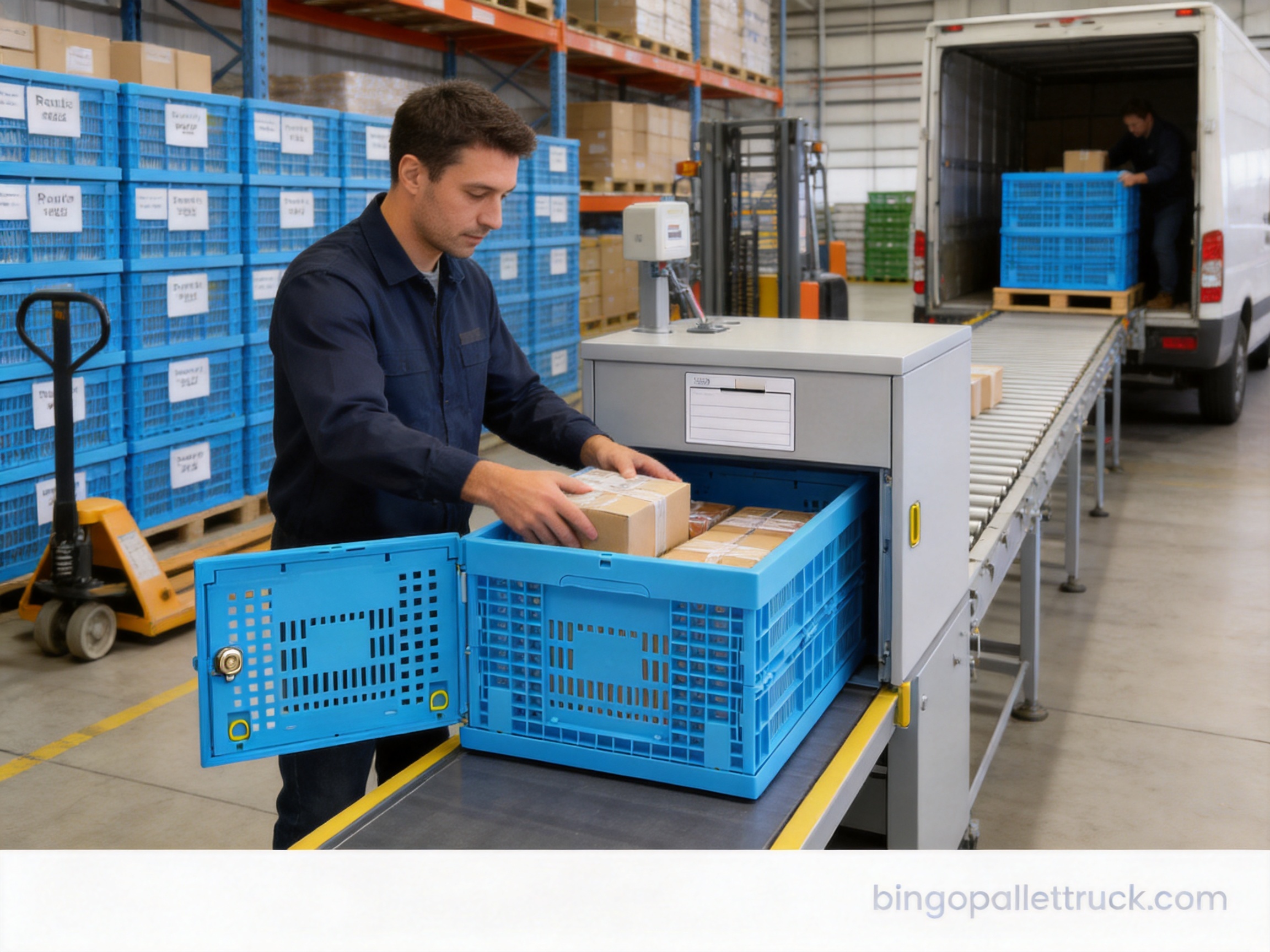
The hinged access door is designed to provide easier access to the contents without requiring the entire crate to be moved or opened from the top. This feature can be useful when crates are stacked or positioned in a picking lane. An operator may access items through the side while maintaining the overall organization of the stack.
For retail replenishment, the access door can help staff retrieve products from a container without unloading everything. For warehouse picking, it may provide faster access to frequently selected items. For production line feeding, components can be removed from the front or side while the crate remains in a designated position.
The access door also supports better ergonomic practices. Employees may not need to reach as deeply into a container or lift a full crate simply to retrieve a small quantity of goods. Actual ergonomic benefits depend on the contents, placement height, load distribution, and operating procedures, but the access feature gives managers another option for designing efficient workflows.
Latch, Lock, and Security Features
The latches are integrated into the short panels, helping secure the folding structure during use. Integrated latch placement can keep the operating mechanism close to the crate body and reduce the need for separate loose fastening components.
The crate also includes a security lock hole designed to accommodate cable ties or combination locks. This feature can help protect products during transportation and intermediate storage. It may be useful for controlled distribution routes, high-value components, returnable packaging programs, or shipments that pass through several handling points.
A lock or seal does not replace a complete cargo-security program, but it can provide a visible indication of unauthorized access. A sealed crate can also support chain-of-custody procedures. Operators may record seal numbers, inspect the seal at receiving, and identify whether a container was opened during transit.
Security features are often missing from basic open-top bins and low-cost storage boxes. Their inclusion gives the collapsible crate a broader role in logistics, combining storage, handling, identification, and basic shipment protection in one reusable unit.
Label Card Slot for Inventory Identification
Clear identification is essential when many containers look alike. The label card slot on the short panel provides a designated location for information such as product code, destination, route, batch number, department, order number, or handling instruction.
A dedicated label area is more reliable than attaching loose paper to the outside of a crate. Labels are less likely to be misplaced when they have a consistent position. Standardized labeling also makes it easier for warehouse staff to scan or read containers while they are stacked or arranged in lanes.
Businesses can use the label card system to support visual management. Different colors, symbols, or printed cards may identify departments, temperature requirements, delivery windows, product categories, or return status. The exact labeling method should be selected according to the company’s inventory-control system.
In retail operations, a label can identify the destination store and department. In e-commerce, it can identify a batch or picking zone. In manufacturing, it can identify a work order or production line. In reverse logistics, it can show whether a crate is empty, awaiting inspection, or ready for redeployment.
Load Capacity and Structural Confidence
The supplied product information states that load-bearing tests show the foldable crates can support over 120 kilograms under high-strength stress. This indicates that the crate is designed for demanding reusable logistics applications rather than light domestic storage alone.
Load capacity should always be evaluated according to the type of load, distribution of weight, stacking arrangement, temperature, handling method, and duration of storage. A uniformly distributed load may behave differently from a concentrated load. Dynamic forces during forklift movement, vehicle transport, or manual dropping can also differ from static test conditions.
Even with these considerations, a stated tested load capability provides an important reference for warehouse planning. It suggests that the crate can support substantial contents when used within appropriate operating limits. Managers should establish internal load guidelines and train employees to avoid overloading, uneven loading, or unsafe stacking.
The reinforced design is especially beneficial where crates are circulated frequently. Reusable containers must tolerate more than a single loading event. They are exposed to repeated opening, folding, stacking, moving, and unloading. A strong base and stable frame help maintain the crate’s usefulness through these recurring cycles.
Simple Opening and Folding Procedures
A reusable container provides the greatest value when employees can operate it quickly and consistently. The product is designed with a straightforward opening and folding process. Simple operation can reduce training time, minimize handling errors, and encourage workers to fold empty crates instead of leaving them open.
To open the crate, the operator generally positions the folded unit on a stable surface, raises the side panels, aligns the structural components, and secures the latches and associated locking parts. The access door and label area can then be checked before loading. Operators should confirm that all panels are properly engaged before the crate is stacked or transported.
To fold the crate, the contents must first be removed. The latches or locking elements are released according to the operating procedure, and the side panels are folded inward in the intended sequence. Once fully collapsed, the crate reaches its reduced height of 70 millimeters.
Although the process is simple, employees should avoid forcing panels, striking hinges, or folding a crate while it contains goods. Routine visual inspection during opening and folding can identify damaged pins, latches, panels, or bases before the crate returns to service.
Applications in Retail and E-Commerce
Retail distribution requires packaging that can move efficiently from central warehouses to stores and then return for reuse. The 53L collapsible crate can support this cycle by carrying merchandise to a store, assisting with backroom organization, and folding flat for the return journey.
Retailers can assign crates to specific departments, product categories, or delivery routes. The label card slot helps identify the destination, while the stackable shape supports organized staging. The access door can help store employees retrieve products without dismantling an entire stack.
E-commerce warehouses can use the crate for picking, sorting, replenishment, and order consolidation. A 53-liter capacity is useful for grouping multiple products while keeping the container small enough for workstation handling. After orders are dispatched or goods are transferred, empty crates can be folded to save space in the returns area.
The reusable structure may also help e-commerce companies reduce their reliance on single-use cartons for internal movements. Cardboard remains useful for many shipment types, but reusable plastic crates can offer advantages for repeated warehouse-to-warehouse or warehouse-to-store transfers.
Applications in Manufacturing and Industrial Storage
Manufacturing facilities often require containers that can move components between receiving, storage, production, inspection, assembly, and packing. The crate’s standardized dimensions and label slot make it suitable for organized work-in-process handling.
Parts can be grouped by production order, machine, component type, or operation. The crate can remain beside a workbench or production line while workers access the contents through the hinged door. When the batch is completed, the crate can be relabeled and returned to the next process.
Industrial users may also benefit from the crate’s modular repair design. In a busy factory, a damaged latch or panel does not necessarily need to take a complete container out of circulation permanently. Replacement parts can support faster restoration and lower lifecycle costs.
Before use with a particular chemical, temperature range, or industrial material, the user should confirm compatibility with PP and evaluate the relevant safety requirements. The crate’s general-purpose design is broad, but application-specific conditions always need technical review.
Applications in Warehousing and Distribution
In general warehousing, the crate can function as a storage tote, picking container, transfer box, returnable transport item, or temporary staging unit. It can support both static organization and active movement around the facility.
Warehouse managers can define fixed locations for open crates and separate locations for folded empty crates. This creates a clear operating standard: open crates are ready for goods, while folded crates are ready for storage or return. Such a visual distinction can improve housekeeping and reduce the time spent searching for usable containers.
Distribution centers may use the crates to sort outbound goods by route or destination. The locking hole can support basic security procedures, and the label slot can display routing information. The stackable structure can help keep shipments separated during staging.
Because the crate is reusable, it can become part of an asset circulation system. Companies may assign identification numbers, record dispatch and return quantities, and inspect units at receiving. These controls help reduce loss and reveal where additional inventory or repair capacity may be needed.
Manufacturing Process and Quality Control
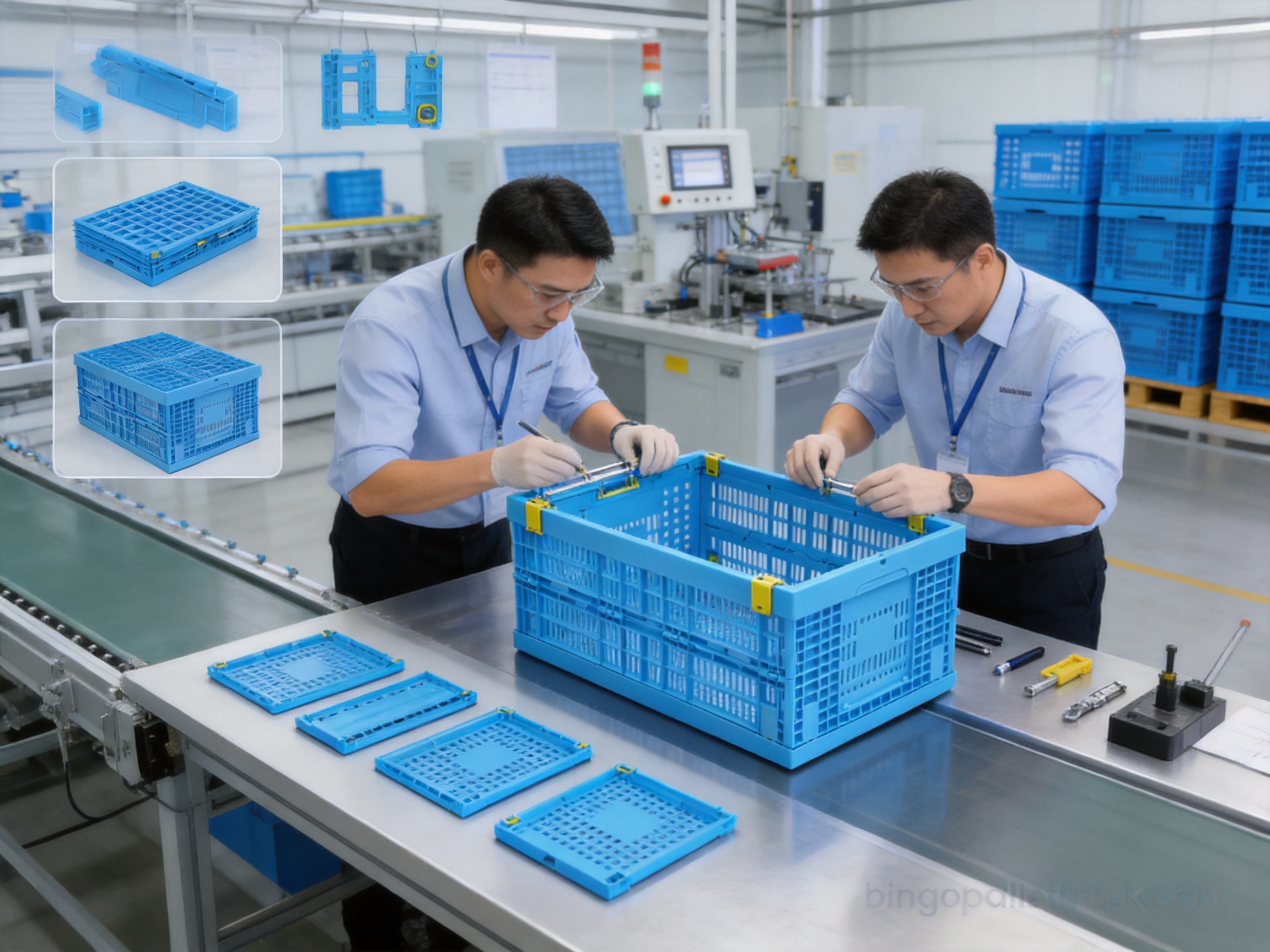
The product is manufactured through a structured production system based on high-density PP virgin material and controlled processing. Consistent raw materials are an important foundation for producing reliable plastic components. Material sourcing, formulation, molding, assembly, and inspection all influence the final product’s performance.
According to the supplied company information, quality control is implemented at every stage, beginning with raw material sourcing and continuing through production. This approach is stronger than relying only on a final visual inspection. Early controls can help identify material inconsistencies, molding problems, dimensional deviations, assembly errors, and component defects before products reach customers.
A typical quality-focused manufacturing workflow for a crate of this type includes material preparation, injection molding of structural components, dimensional checking, assembly of panels and hardware, functional testing, appearance inspection, load-related evaluation, and finished-product release. The exact equipment and process parameters may vary, but each stage contributes to repeatability.
Dimensional control is particularly important for collapsible crates. The external footprint must remain consistent for stacking and warehouse planning. The folding height must be controlled so that folded units can be stored efficiently. Hinges, pin shafts, latches, and lock holes must align correctly so that the crate opens, closes, folds, and secures as intended.
Assembly inspection is equally important. A strong molded panel cannot compensate for a poorly fitted pin or an improperly engaged latch. The finished crate must function as an integrated system. Quality checks should therefore examine both individual parts and complete-crate operation.
Standardized Production and Scalable Supply
The manufacturer emphasizes standardized processes and strict production standards. Standardization helps create consistent output across manufacturing batches. It also supports more predictable purchasing for customers that need multiple units with matching dimensions, colors, components, and operating behavior.
For warehouse operators, consistency is valuable because storage systems are designed around repeatable dimensions. If one batch varies significantly from another, stacking stability, labeling, access, and space planning can become more difficult. Standardized production reduces this risk.
A mature supply chain also helps coordinate product availability, component sourcing, quality inspection, packaging, and shipment preparation. The company presents itself as a supplier covering several logistics product categories, including handling equipment, storage containers, packaging materials, and warehouse racking. This broader product scope can be beneficial for customers seeking a coordinated warehouse solution rather than isolated items from multiple vendors.
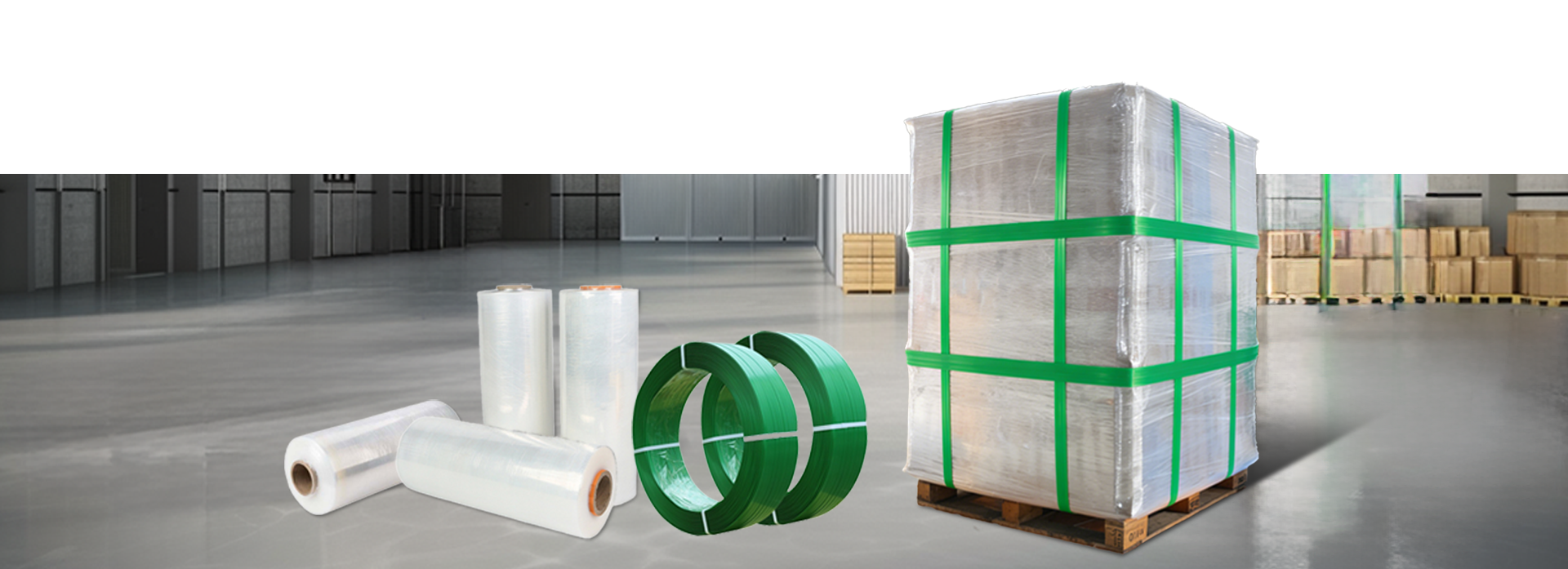
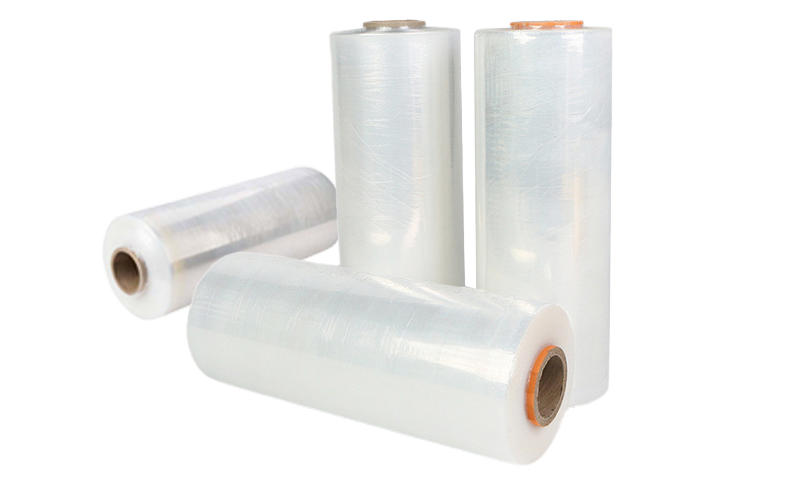
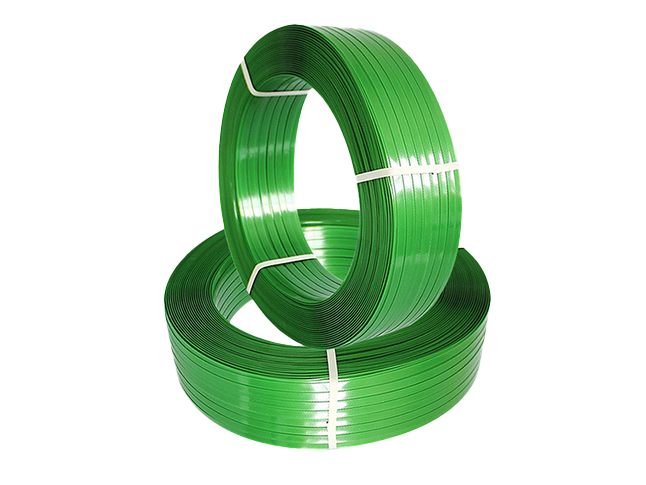
One-stop sourcing may simplify communication, product matching, specification review, and order management. For example, a customer planning a new warehouse may require plastic crates alongside pallets, pallet trucks, stretch wrap, strapping, and storage racks. A supplier familiar with these product families can help align the equipment and storage strategy.
Advantages Over Conventional Packaging Options
The crate offers several advantages when compared with single-use cardboard cartons. Its PP construction is reusable, resistant to ordinary moisture exposure, and suitable for repeated handling. Its collapsible design also makes empty returns more efficient than returning rigid boxes or assembled cartons.
Compared with non-collapsible plastic totes, it reduces the space needed when empty. A fixed-height tote may be strong and useful, but it continues to occupy its full volume during storage. This crate reduces the height to 70 millimeters, providing a clear advantage in reverse logistics and empty-container management.
Compared with basic low-cost bins, it provides more logistics-oriented functions. The hinged access door, label card slot, lock hole, integrated latches, modular components, and folding structure make it more suitable for organized supply-chain operations.
Compared with disposable packaging, it can support a closed-loop or semi-closed-loop handling system. The same crate can be sent, unloaded, returned, repaired, and redeployed. This reduces the need to purchase replacement packaging for every movement, although the economic result depends on the number of reuse cycles, handling conditions, cleaning requirements, and return rates.
Compared with oversized bulk containers, the 53-liter format can offer more flexible manual handling and easier product segregation. Rather than placing unrelated products into one large container, operators can use multiple crates to create clearer categories and improve inventory visibility.
Cost Efficiency Across the Product Lifecycle
The purchase price of a container is only one part of its total cost. Businesses should also consider storage space, empty return freight, labor, product protection, replacement frequency, repairability, and disposal. The collapsible crate is designed to create savings across several of these areas.
Its fold ratio can reduce empty storage and transport volume. Its reusable PP construction can spread the initial investment over multiple operating cycles. Its modular parts can reduce the cost of repairing localized damage. Its label and access features can support more efficient labor procedures.
Cost efficiency is particularly relevant for businesses with predictable return flows. Retail distribution networks, manufacturing loops, third-party logistics providers, and internal plant transfers often have opportunities to reuse containers repeatedly. The more consistently a crate circulates, the greater the potential benefit compared with single-use alternatives.
Companies evaluating the product should calculate the complete lifecycle cost. Relevant factors include expected annual cycles, loss rate, cleaning expense, maintenance stock, reverse-logistics distance, labor time, and the value of recovered warehouse space. A structured evaluation can show where the crate provides the strongest financial return.
Sustainability and Reusable Logistics
Reusable packaging can contribute to more efficient material use when it is circulated for an appropriate number of cycles. Instead of discarding a box after one shipment, a reusable crate can support many movements. Its collapsible format further reduces the resources needed to transport empty packaging.
The modular construction supports repair rather than immediate disposal. If only one panel, pin, latch, or access component is damaged, replacing that part can preserve the remaining material. This approach aligns with longer service life and more practical asset maintenance.
Polypropylene is also a durable material that can be processed in established plastic-recycling systems at the end of its useful life, subject to local collection and recycling capabilities. Users should follow local regulations and separate the product appropriately when it is no longer serviceable.
Sustainability benefits depend on actual operating practices. A reusable crate provides the greatest environmental value when it is reused frequently, returned efficiently, maintained properly, and kept in service for a long period. Companies should monitor circulation and avoid unnecessary empty transport or premature replacement.
Color, Specification, and Customization Potential
The product information indicates that various colors and full specifications are available. Color options can support warehouse organization by assigning visual identities to departments, product types, routes, or customers. Color coding can be especially useful when workers need to make quick distinctions during picking and staging.
Different customers may also require different combinations of dimensions, capacities, access configurations, labels, or security arrangements. Product selection should be based on the actual workflow, load type, storage environment, and transport method. The 53L model is a substantial general-purpose option, but a full product range may allow businesses to create a coordinated container system.
Color and specification consistency should be confirmed during procurement, especially when multiple production batches will be purchased over time. Consistent appearance can improve visual management, while standardized dimensions make stacking and storage planning easier.
Recommended Operating Practices
Before deployment, users should inspect each crate for damage, confirm that the panels and latches operate correctly, and verify that the base is stable. Any crate with cracks, distorted components, missing pins, or defective locking parts should be removed from service until assessed or repaired.
Loads should be distributed evenly across the base. Heavy items should not be concentrated in a small area unless the application has been specifically evaluated for that condition. Operators should avoid exceeding the company’s approved load limit and should account for dynamic forces during movement.
When stacking, users should keep the stacks stable, avoid leaning arrangements, and respect the facility’s approved stacking height. The condition of the lower crate, the weight of the contents, and the floor surface all influence safe stacking.
When folding, employees should remove all products first and use the intended sequence. Latches, hinges, and pins should not be forced. A short inspection after folding can help identify problems before the crate is needed again.
For hygiene-sensitive applications, companies should establish cleaning, drying, and inspection procedures. The appropriate method depends on the goods, contamination risk, cleaning agents, water temperature, and local regulations.
Purchasing Considerations for Businesses
Companies should begin with a clear understanding of their material flow. Important questions include where the crate will be loaded, how it will be moved, whether it will be stacked, how often it will be folded, and where empty units will be stored.
The next step is to evaluate the contents. Product dimensions, weight, fragility, moisture exposure, cleanliness requirements, and access frequency all affect the suitability of the crate. The internal dimensions of 560 × 360 × 265 millimeters should be compared with the actual goods and any required protective packaging.
Businesses should also review their reverse-logistics pattern. The collapsible design creates the greatest space advantage when empty crates return to a warehouse, supplier, factory, or distribution center. If crates rarely return, the buyer may need a different packaging model or a plan to improve asset recovery.
Finally, purchasers should confirm replacement-part availability, inspection procedures, delivery schedules, color requirements, and any destination-market documentation. A reliable product program includes not only the first shipment but also ongoing support for maintenance and replenishment.
Frequently Asked Questions
What is the capacity of the collapsible plastic crate?
The crate has a nominal capacity of 53 liters. Its internal dimensions are 560 × 360 × 265 millimeters, while its external dimensions are 600 × 400 × 280 millimeters.
How much space does the crate save when folded?
The open height is 280 millimeters, and the folded height is 70 millimeters. This represents a stated fold ratio of 73.2%, helping reduce empty-container storage and return-transport volume.
What material is used to manufacture the crate?
The crate is made from polypropylene, or PP. The supplied information identifies the material as high-density and food-safe, with production using virgin PP material.
Is the crate reusable?
Yes. It is designed as a reusable logistics container for repeated storage, handling, distribution, and return cycles. Proper inspection, cleaning, loading, and maintenance practices are necessary to maximize service life.
Can the crate be stacked?
Yes. The product is designed to be stackable when open. Users should follow their own safety procedures regarding load distribution, stack height, floor condition, and handling equipment.
Does the crate include a security feature?
Yes. A security lock hole allows the crate to be sealed with cable ties or secured with combination locks, depending on the user’s operating requirements.
How can goods be identified inside the crate?
The crate includes a label card slot on the short panel. It can be used for product information, route details, batch numbers, store destinations, order references, or other warehouse identification data.
What happens if one part of the crate is damaged?
The modular design allows locally damaged components to be replaced where replacement parts are available and the crate is otherwise suitable for repair. This can reduce the need to discard the complete container.
The supplied information identifies the PP material as food-safe. However, the user must confirm the exact suitability for the intended food product, cleaning method, temperature range, hygiene procedure, and applicable regulations.
What industries can use this crate?
Potential applications include e-commerce fulfillment, retail distribution, manufacturing, warehouse storage, supermarket replenishment, industrial parts handling, production-line feeding, and general material organization.
What is the product weight?
The listed product weight is 2.09 kilograms.
How much load can the crate support?
The supplied product information states that load-bearing tests show support for over 120 kilograms under high-strength stress. Actual operating limits should be established according to the load type, distribution, stacking arrangement, and handling conditions.
Conclusion
The 53L collapsible plastic crate is designed to solve several common problems in storage and material handling at the same time. It provides a large usable capacity within a standardized 600 × 400 millimeter footprint, while its 70-millimeter folded height helps reduce empty storage and reverse-logistics volume.
Its high-density PP construction, stackable form, hinged access door, integrated latches, security lock hole, label card slot, and modular replacement design give it advantages over basic disposable packaging and fixed-height storage bins. The product is suitable for businesses that need a reusable container capable of supporting organized handling across warehouses, retail locations, manufacturing plants, and distribution networks.
The manufacturer’s emphasis on virgin PP material, standardized processes, strict inspection, and quality control at every stage supports consistent production. Its wider supply capability across handling equipment, storage containers, packaging materials, and warehouse racking also positions it as a potential partner for integrated logistics projects.
For companies seeking to lower empty-container volume, improve inventory visibility, simplify return logistics, and extend packaging service life, the BG-604028-CC provides a practical and adaptable solution. Its strongest value appears when it is incorporated into a planned reusable-container system with clear loading limits, labeling procedures, maintenance controls, and return-flow management.
References
1. Product specification sheet for the BG-604028-CC collapsible plastic crate.
2. Manufacturer-provided information on polypropylene material selection and product construction.
3. Manufacturer-provided information on modular components, replaceable parts, access doors, latches, and security features.
4. Manufacturer-provided information on folding ratio, folded height, capacity, dimensions, and load-bearing tests.
5. General principles of reusable transport packaging and reverse logistics management.
6. General warehouse practices for container stacking, labeling, inventory organization, and material-flow control.
Product: 53L Collapsible Plastic Crate for Retail Store Bulk Organization


Copyright @ Yancheng Bingo Machinery Equipment Co., Ltd. All rights reserved Warehouse Logistics Equipment Manufacturer Pallet Truck Supplier
